
Ended
Pablo La Padula
Stone View
Nov 22 – Dec 20, 2019
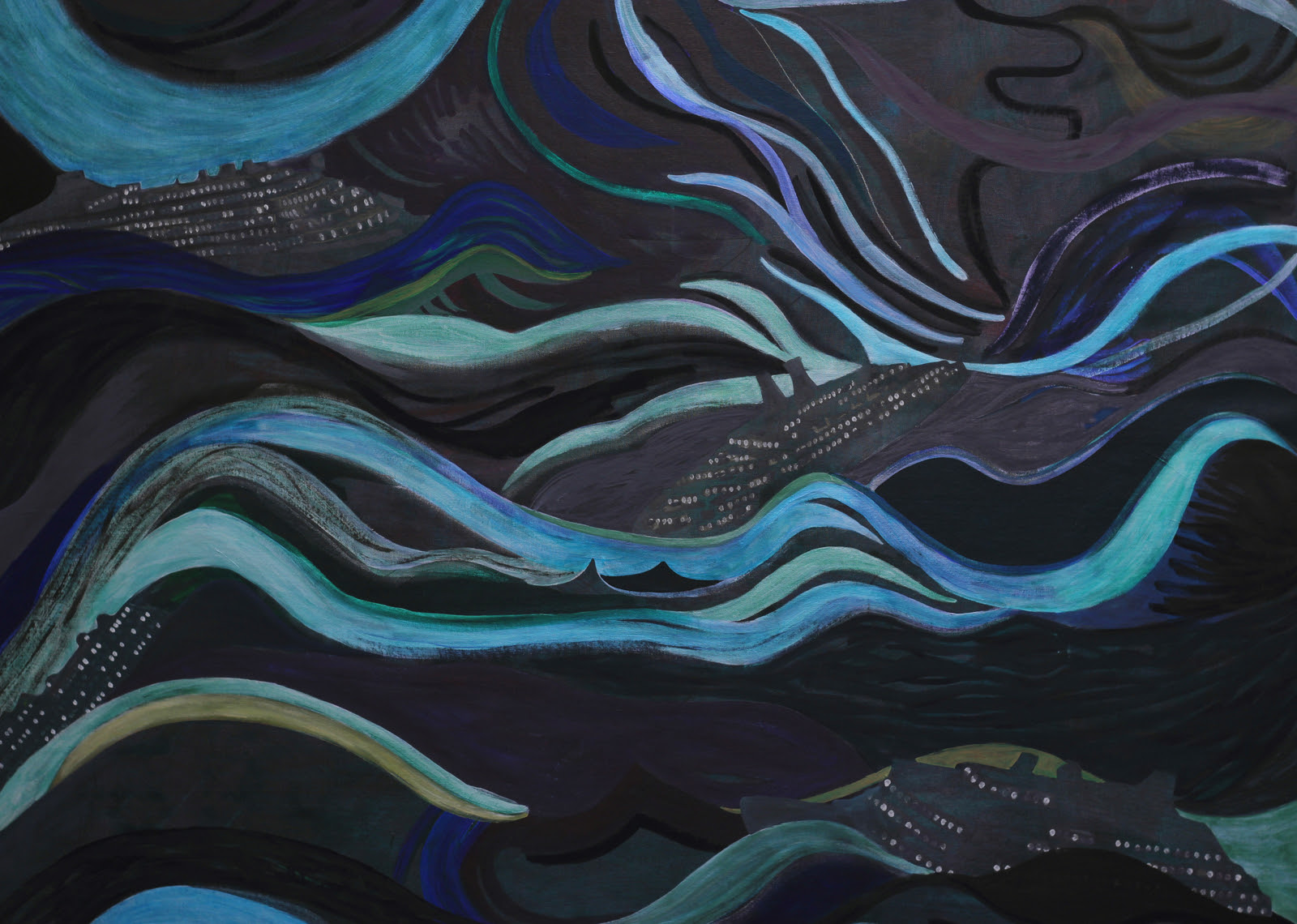
Guided by an animal magnetism, the naturalist fuses together with the landscape. The sun leaves a mark on their forehead and blinds their sight. It scorches the leaf that it touches, it ignites the stone, and the sea flattens because of the weight of the light.
Biology is about the mystery of a world without language. In its operation, it either re-designs it, or it is absorbed by this world.
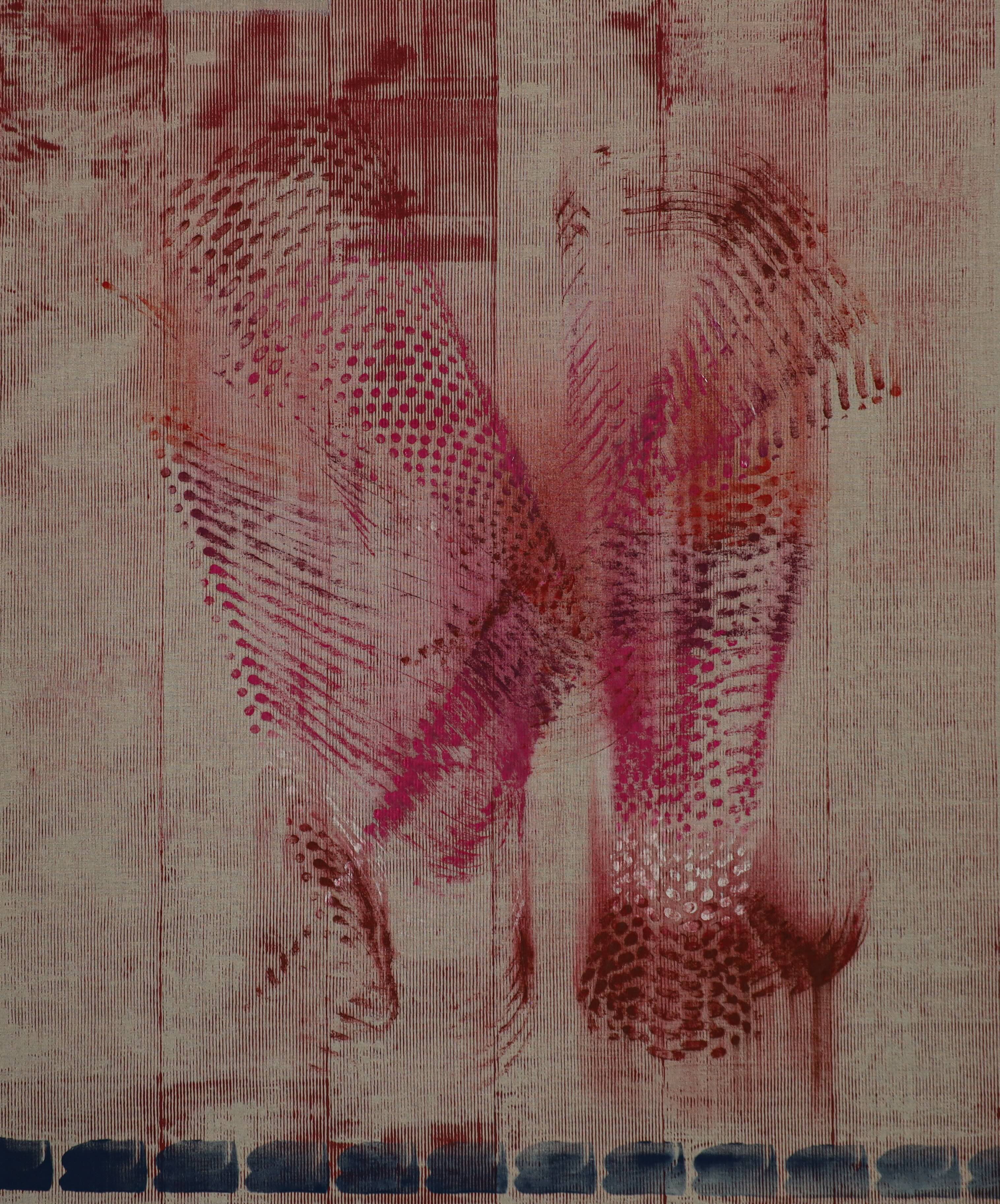
Stone view is a visual system that presents what has been lived with the sea, with the stone, with the flora in a pristine and specific territory. It alludes to the naturalist record of the sensorial experience as a fossil trace that mutates and, without judging, stops and preserves the shadow of its own event in the object itself.
Stone View is part of a naturalist cartography project on expanded science in immaculate territories. It actively captures the place’s natural elements such as fire, plants, fauna and geology, and uses them as raw materials. The project was developed in the Pueblo Eden hills, in the vicinity of Punta del Este, Uruguay; in the Aventureiro sub-tropical forest, Brazil; in the plains of the Argentinean Pampas; and in the Alps- Maritimes of the Saint Tropez Gulf, France. We proudly present at Miranda Bosch NY part of the Cote D‘Azur cartographies.
Pablo La Padula (b. Buenos Aires, 1966. Lives and works in Buenos Aires.)
He has a PhD in Biology from Universidad de Buenos Aires. His research in this field was published in interna- tional scientific journals such as Nitric Oxide, Brain Research, Hypertension, Journal of Applied Physiology, and Journal of Hypertension.
His work is based on the understanding of art and science as two different but complementary strategies that support each other in terms of investigating, registering, and modeling Nature. He currently develops an active platform between these two fields, involving prestigious institutions such as Universidad de Buenos Aires; Argentinian National Ministry of Science and Technology; Fundación Proa- Facultad de Latinoamerica- na de Ciencias Sociales; British Council; Universidad Nacional de San Martín; Universidad Nacional de Tres de Febrero; amongst others.
He was artist in residence at Côte D’Azur Port Tonic Art Center, France, and at Antartic Art Residency sponso- red by the Ministry of Cult and Exterior Relations of Argentina.
His art-and-science project Antropoceno Carbonizado was nominated for the Braque Prize 2017 Palais de Tokio- Universidad de Tres de Febrero (Muntref), and exhibited at Museo de la Inmigración and at Bienal Sur 2019. He has exhibited at several museums and institutions, amongst wich: Museo de arte Latinoamericano de Buenos Aires (MALBA); Fundación Proa; Centro Cultural Ricardo Rojas; Centro Cultural Kirchner; Fundación Fortabat.
His work is part of the permanent collection of Museo de Arte Moderno de Buenos Aires (MAMBA) and of Museo de arte Contemporáneo de Buenos Aires (MACBA).