Opens tomorrow
Pattern Recognition
Nov 6 – Dec 19, 2026
Joël Brodovsky-Adams, Elizabeth Browning Jackson, Syd Carpenter, Liz Collins, Bill Carroll, Vaughn Davis Jr., Ryan Decker, Dan Friedman, Sean Gerstley, Aspen Golann, Paa Joe, Alex Kerr, Colin Knight, Alex Locadia, Tom Loeser, Wendy Maruyama, Lewis Prosser, Michele Oka Doner, Maris Van Vlack, Cal Siegel, Sarita Westrup,
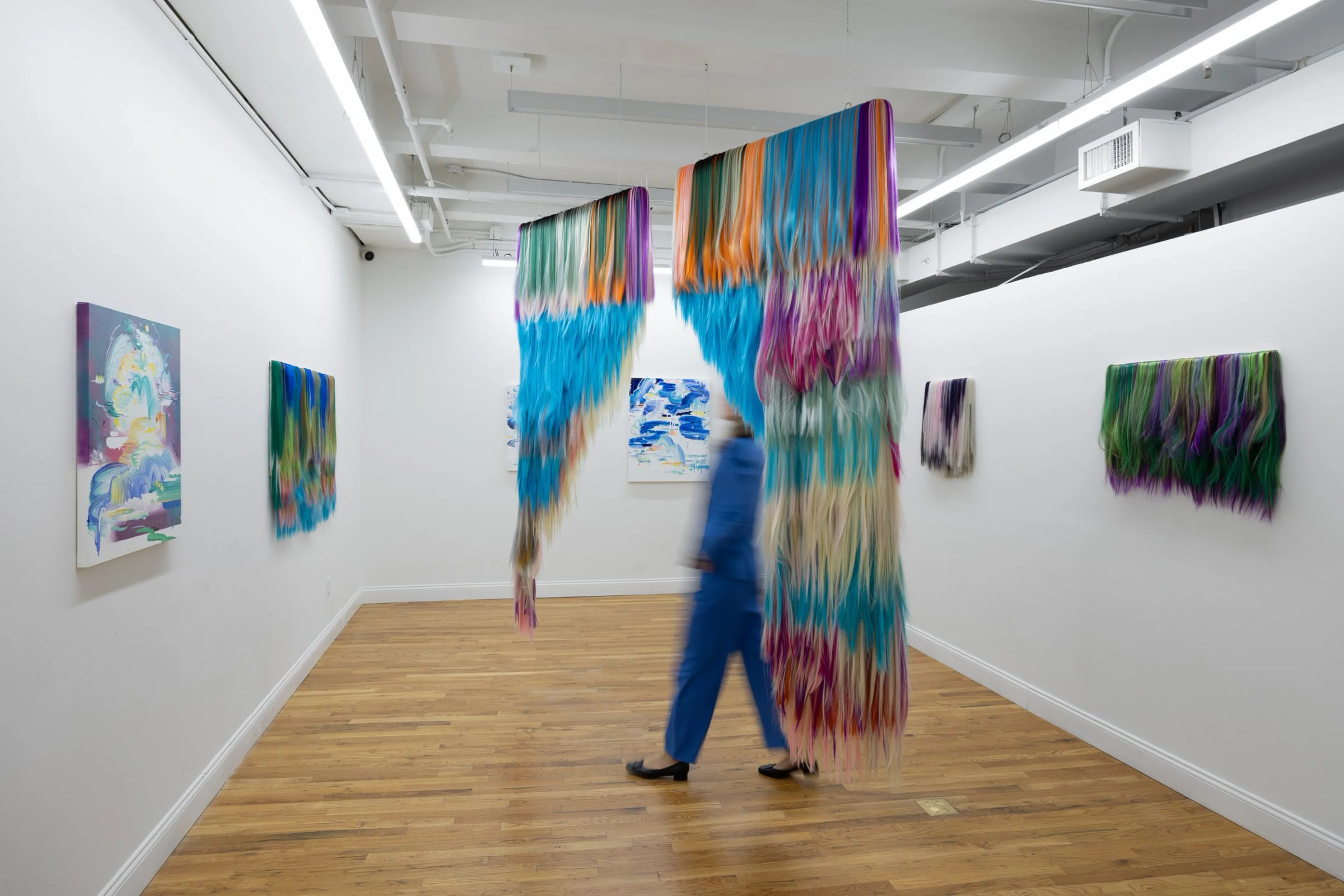
Superhouse presents Pattern Recognition: Superhouse at Five, a group exhibition bringing together 21 artists to mark the gallery’s fifth anniversary.
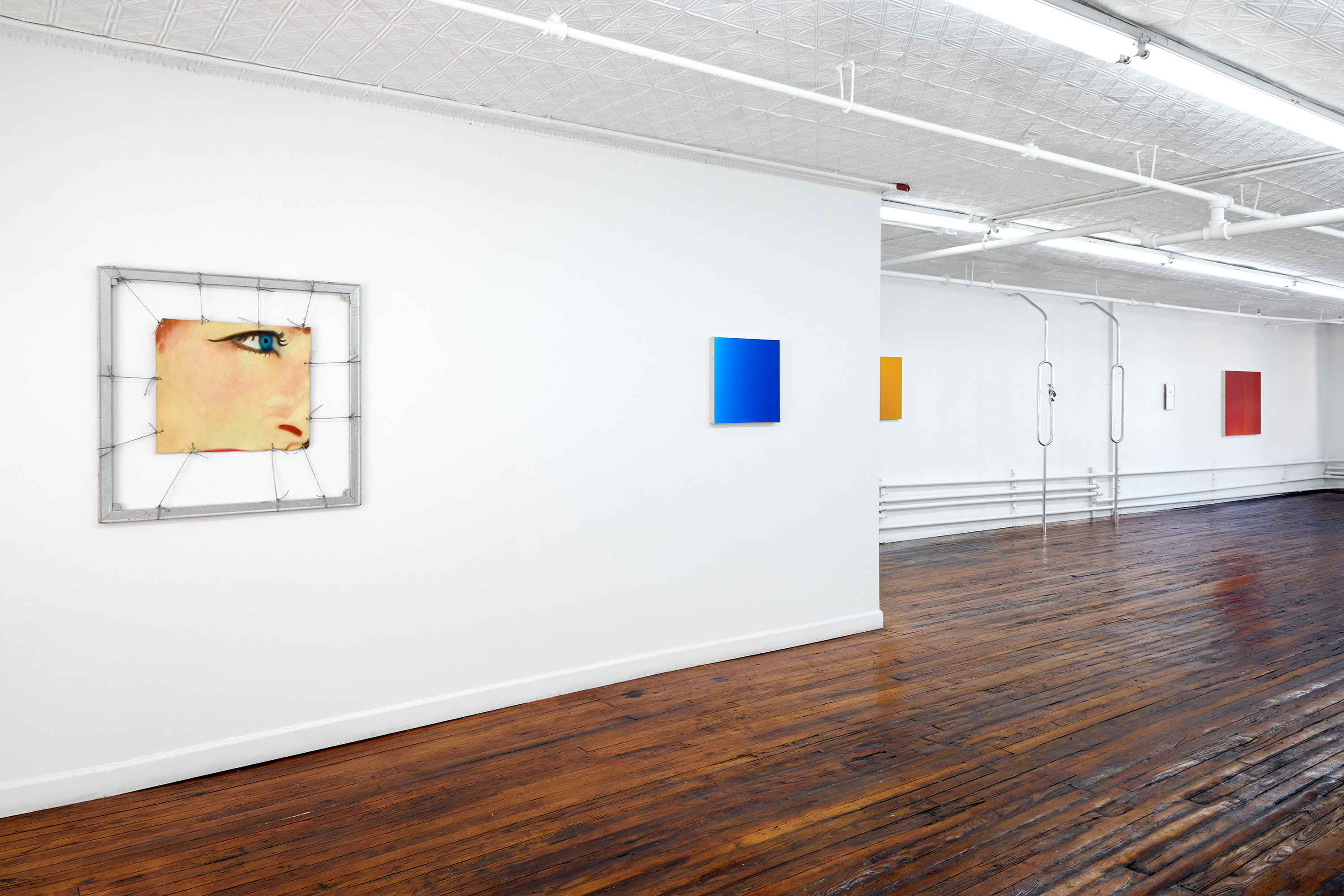
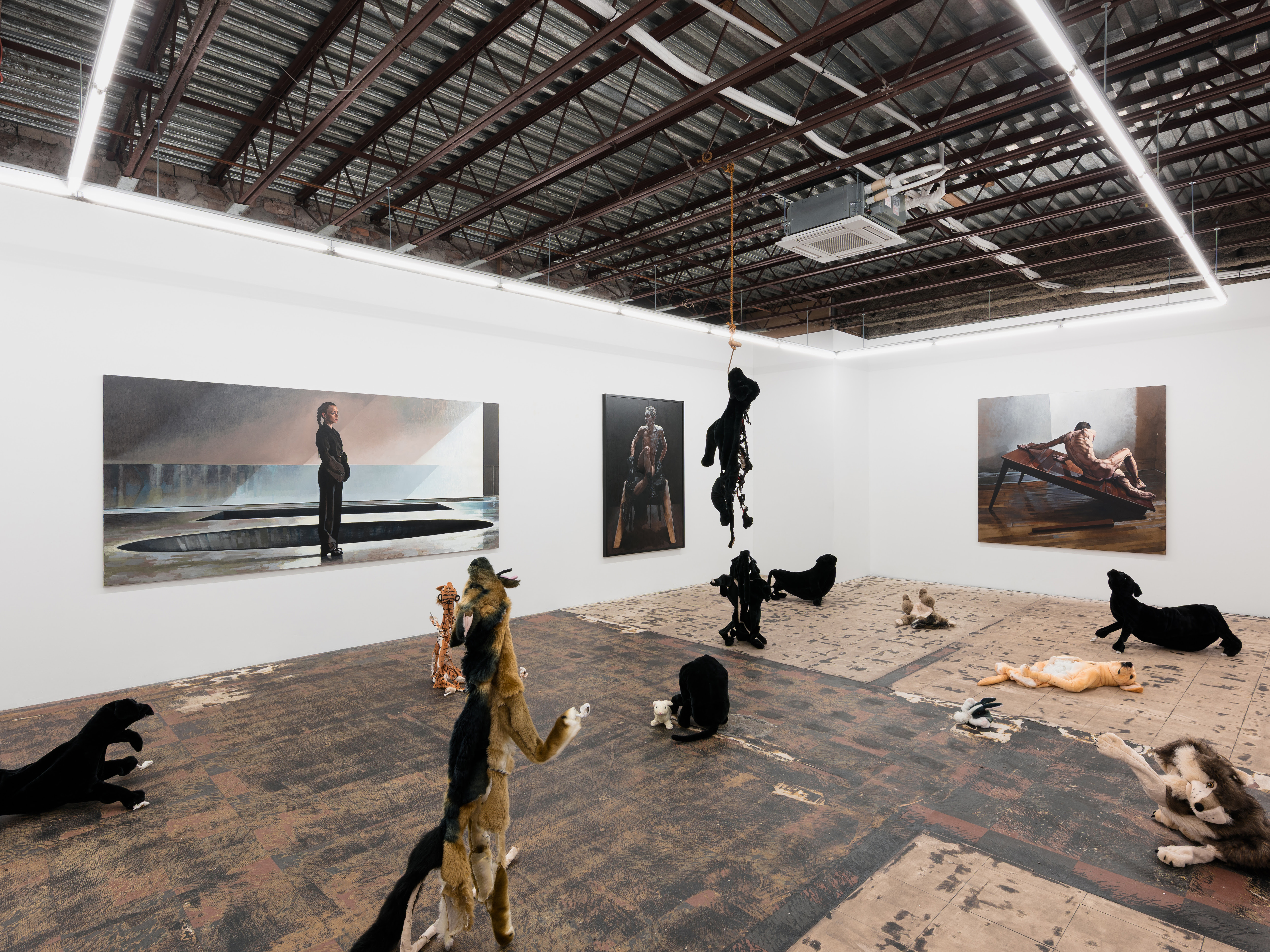
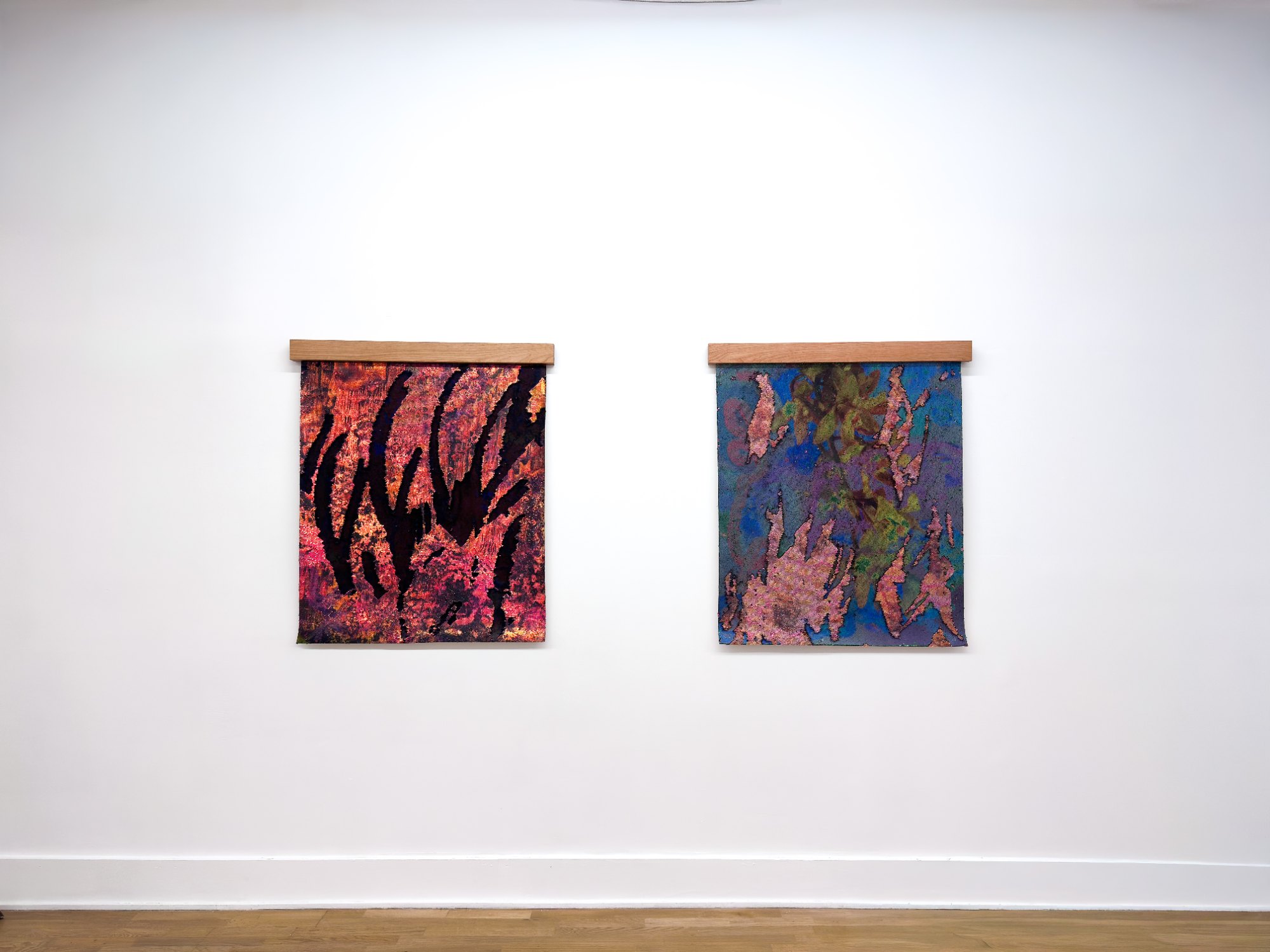
Bringing together 21 artists, the exhibition draws on five years of Superhouse exhibitions, research, and relationships with artists. It presents works never before shown at the gallery, selected from its archive and artists’ studios, to create new encounters across generations of art furniture and radical craft. These encounters reveal recurring forms and ideas, as well as the tensions and surprises that emerge between different practices.
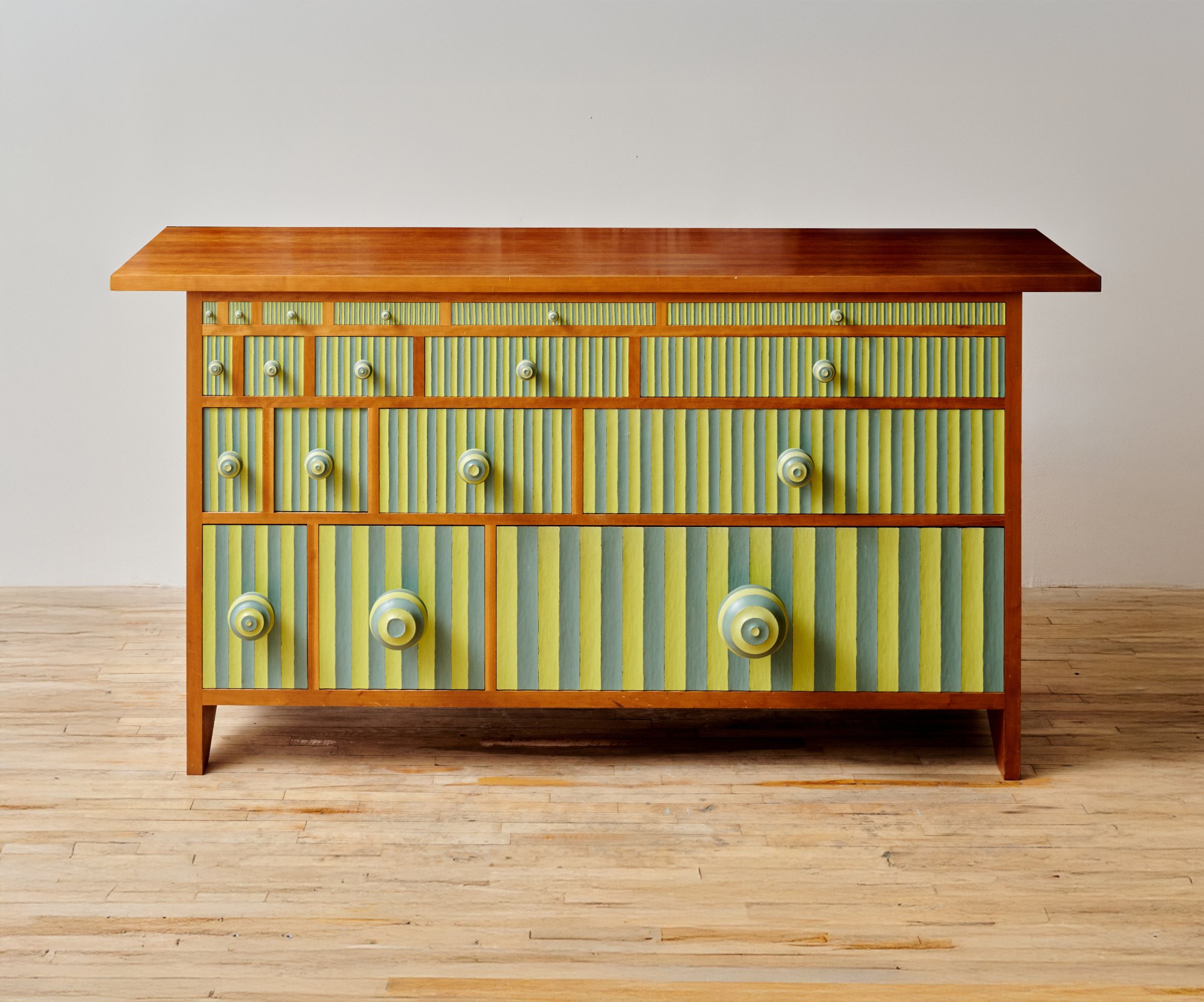
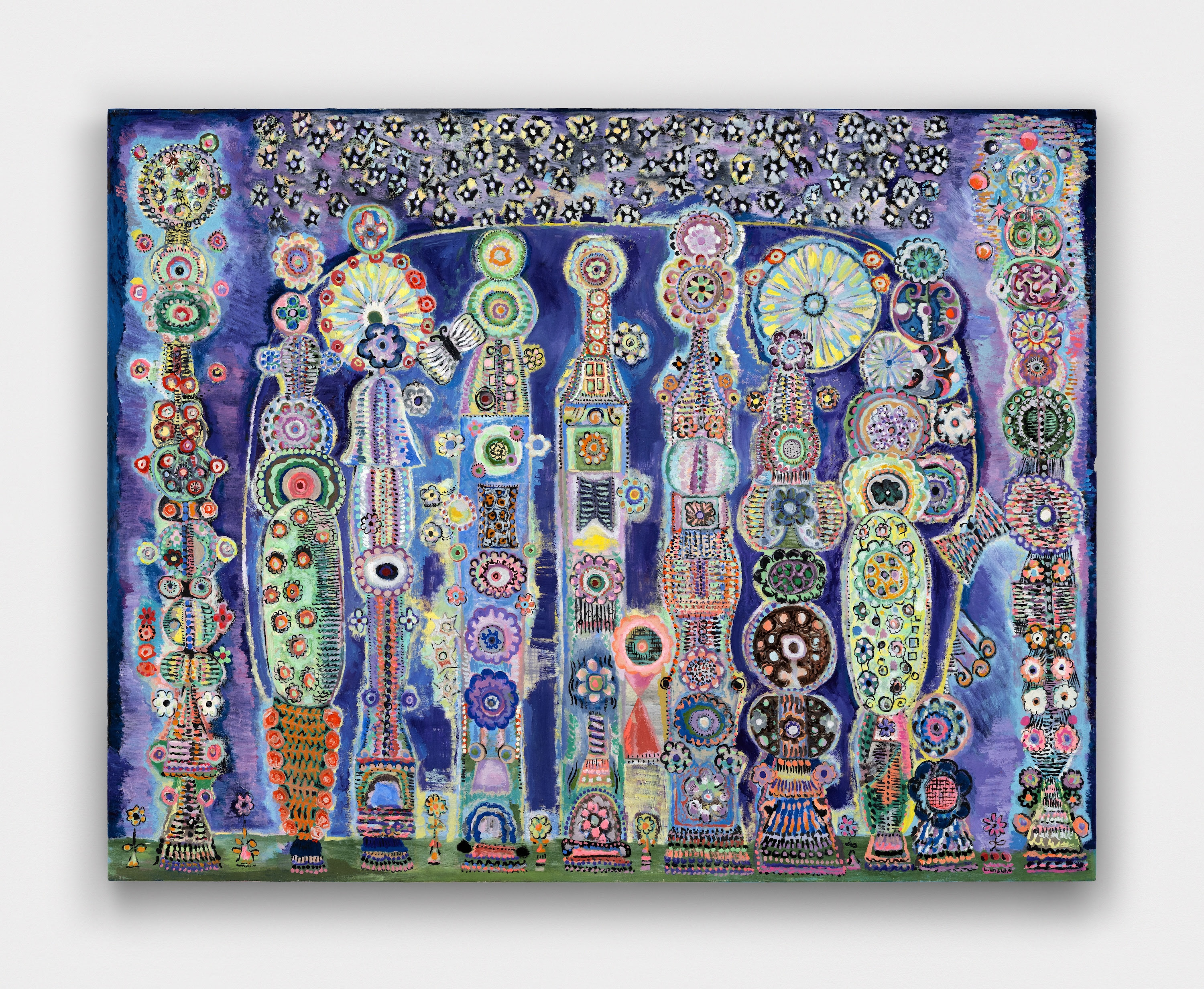
Works by Liz Collins, Cal Siegel, and Tom Loeser repeat a ziggurat-like structure across textile and furniture. Collins renders it as a field of color and pattern; Siegel incorporates it into a chest’s tiered silhouette and carved surface; and in Loeser’s Concentration (1994), it appears in a sequence of drawers that grow fewer and larger. Across the three works, the form shifts from image to object to organizing system.
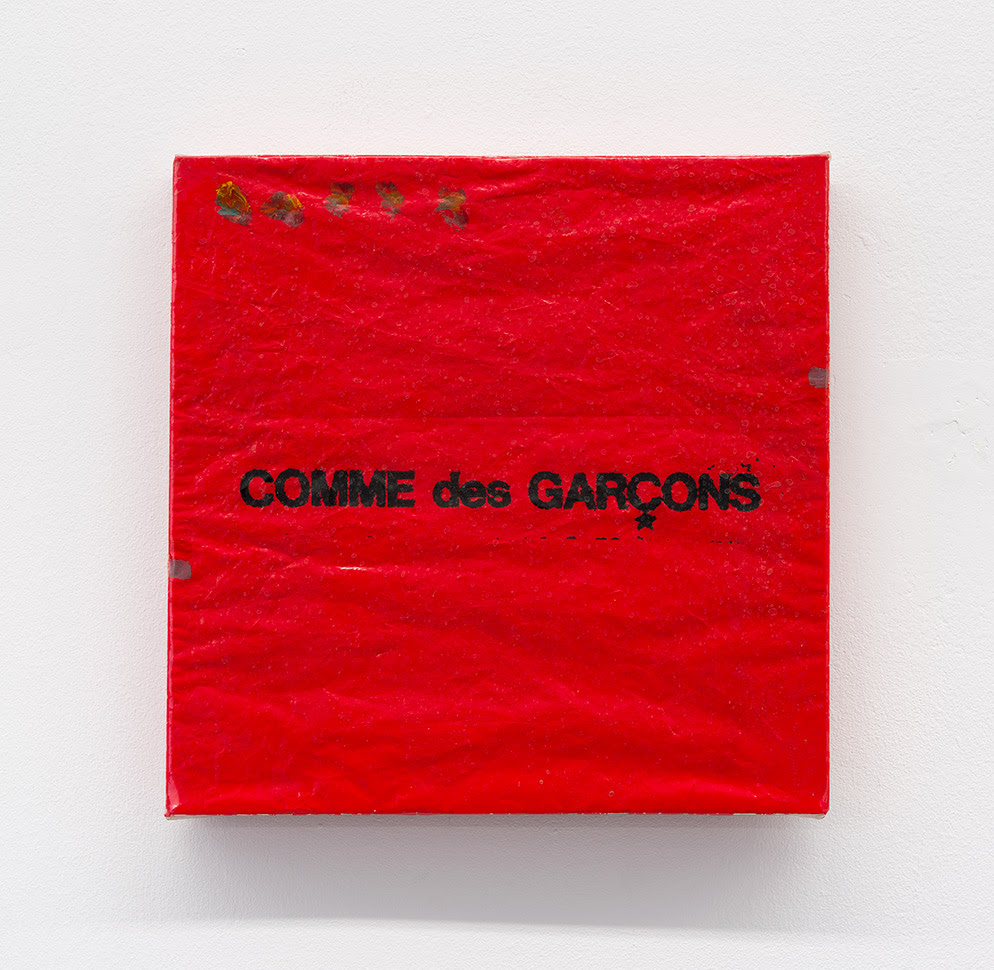
Historical reference links Aspen Golann’s Crewel Cabinet (2026) and Wendy Maruyama’s Mickey Mackintosh (designed in 1981). Created as the culmination of Golann’s participation in The Metropolitan Museum of Art–Vacheron Constantin Artisan Residency, the cabinet translates crewelwork imagery—an embroidery tradition historically practiced by young women and associated with dowries—into a monumental carved structure. Maruyama’s chair adds Disneyesque mouse ears to a high-backed chair inspired by Charles Rennie Mackintosh’s designs. Another example from the edition was recently acquired by M+, Hong Kong. Through postmodern pastiche, Maruyama’s work suggests how an iconic design can become a brand image. Nearly fifty years apart, Golann and Maruyama each rework historical references through furniture.
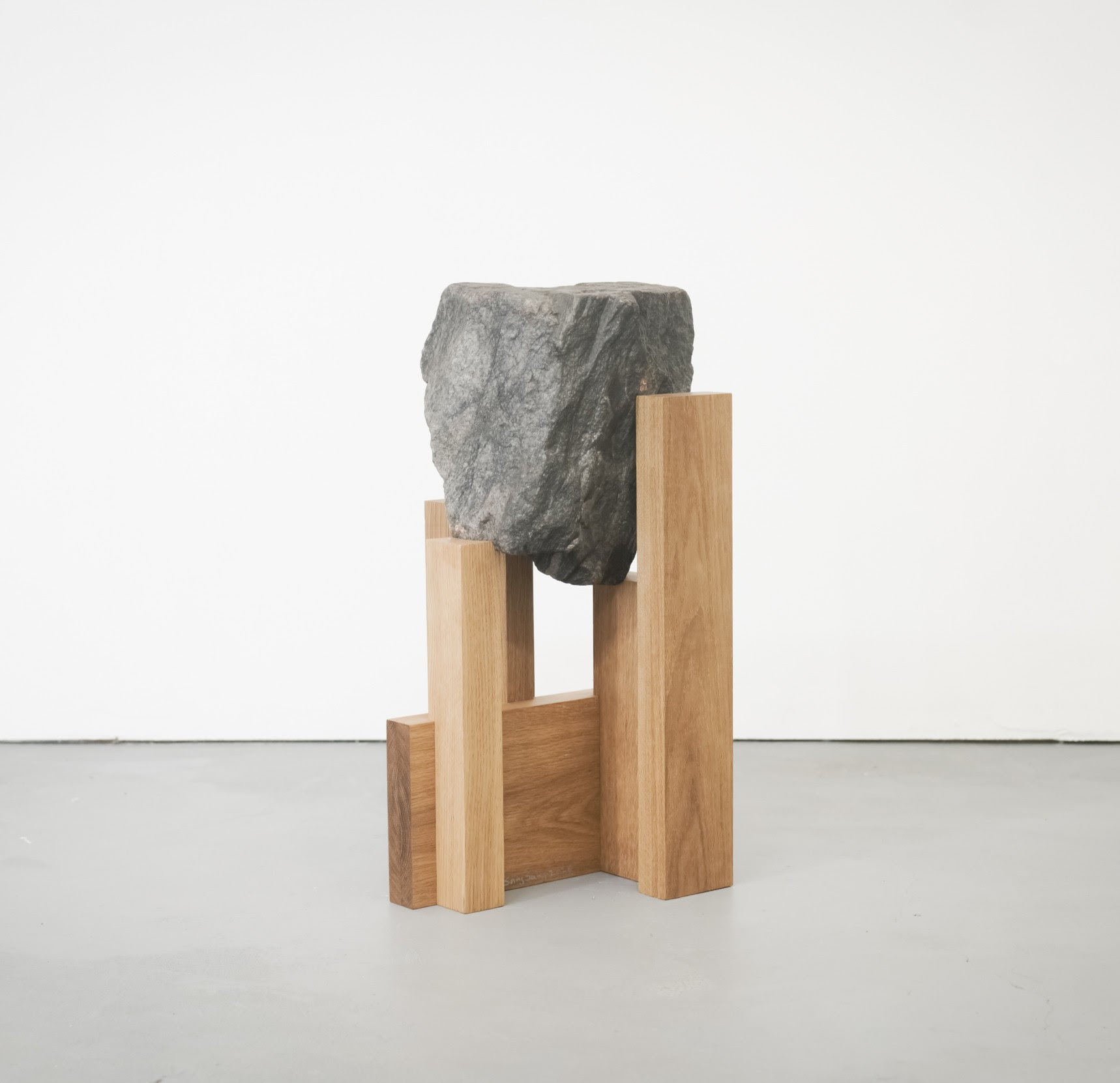
Architecture and landscape connect Bill Carroll’s I Wonder If the People on the Gulf Coast Still Have Faith and Syd Carpenter’s Inez Faust. Carroll models his work on the African House at Melrose Plantation in Louisiana, translating the historic building into a small-scale construction of poplar, clay, applewood, and copper. Carpenter’s sculpture, from her series Places of Our Own, is conceived as a portrait of a farm in Georgia. It draws close to roots, planting holes, and soil, while a geometric form evokes architecture, stability, and place. Together, the works consider how a place is shaped by both its built structures and the land around them.
The exhibition reflects Superhouse’s ongoing work with artists and museum curators, including facilitating loans and supporting institutional presentations.