
Ended
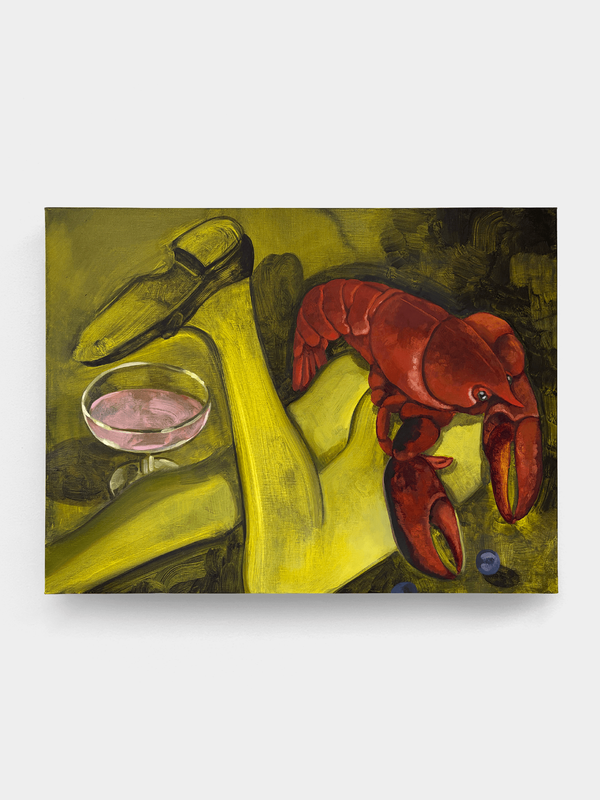
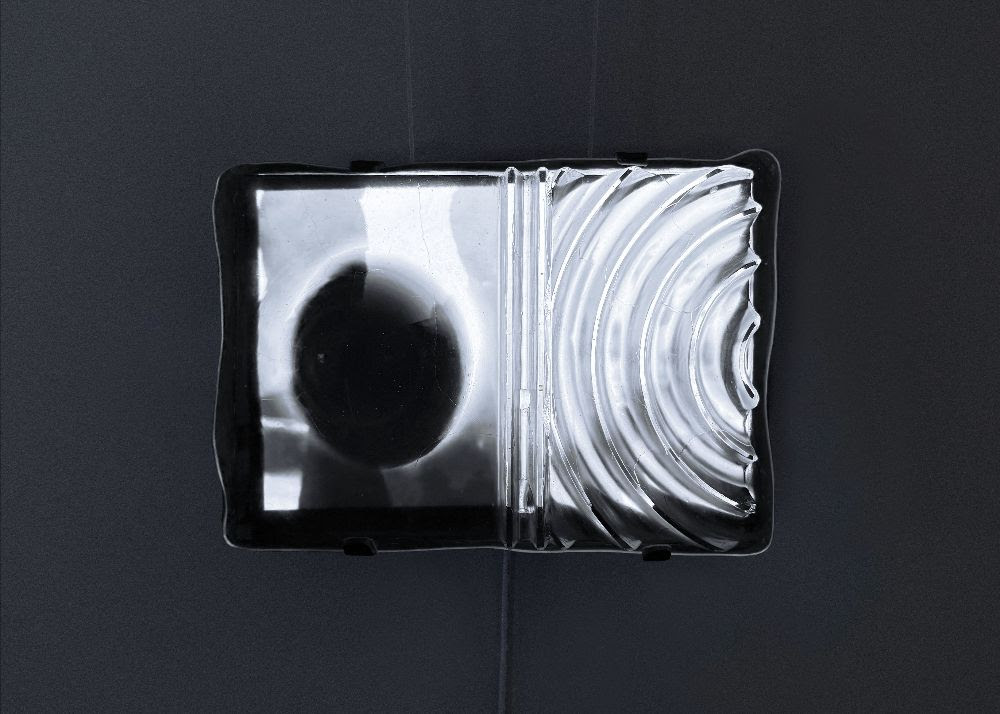
J.A Feng & Julia Haft-Candell
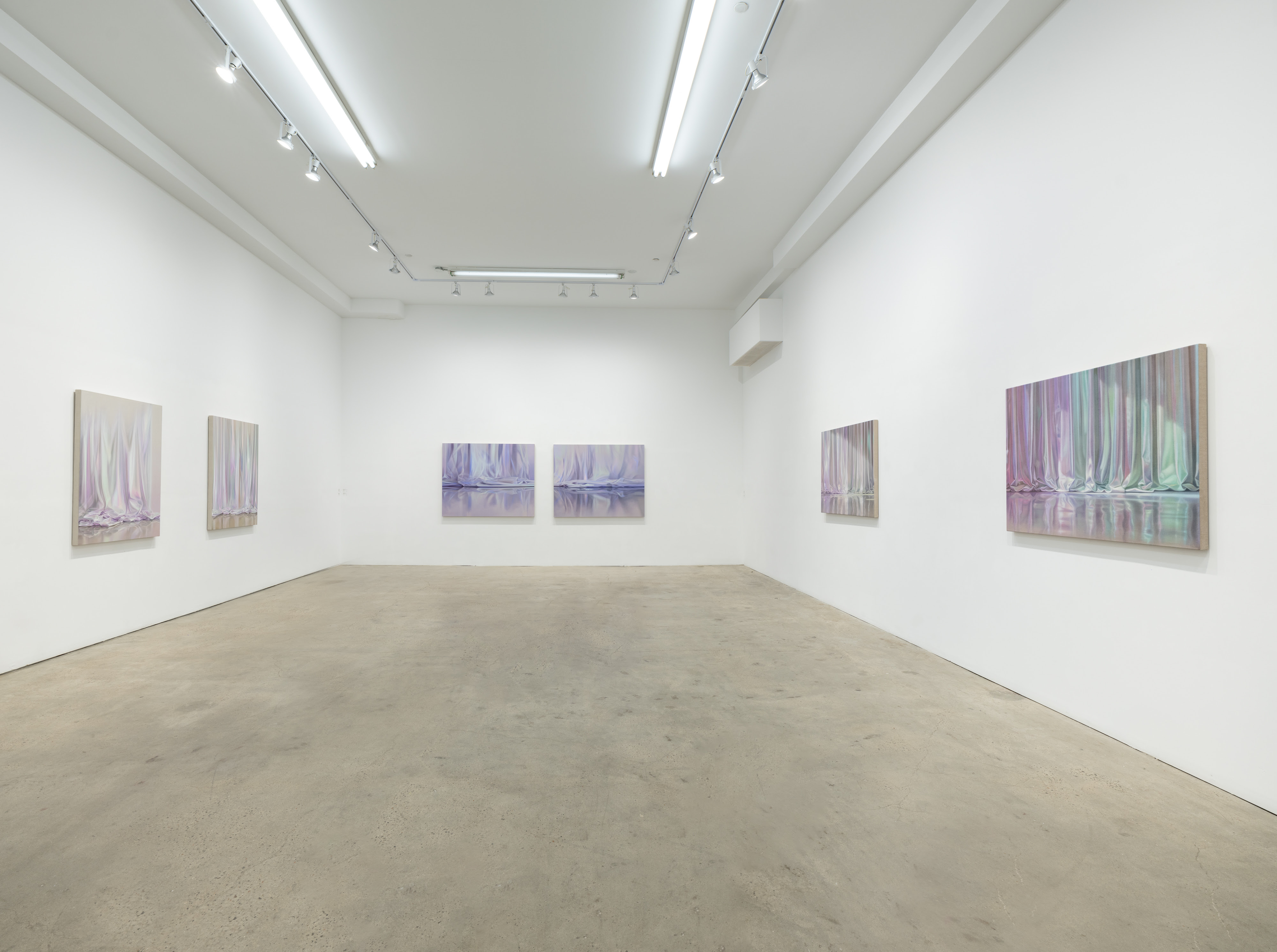
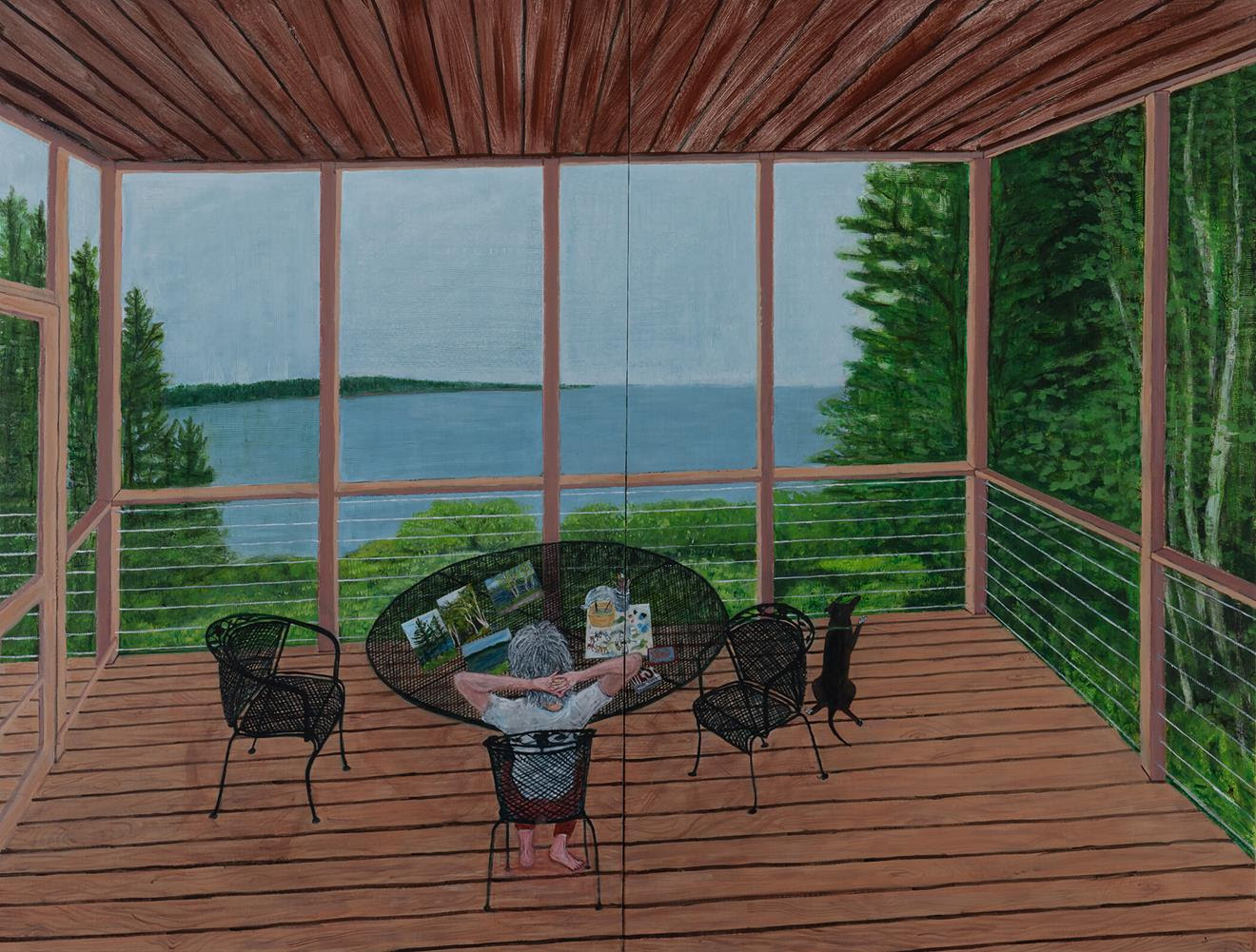
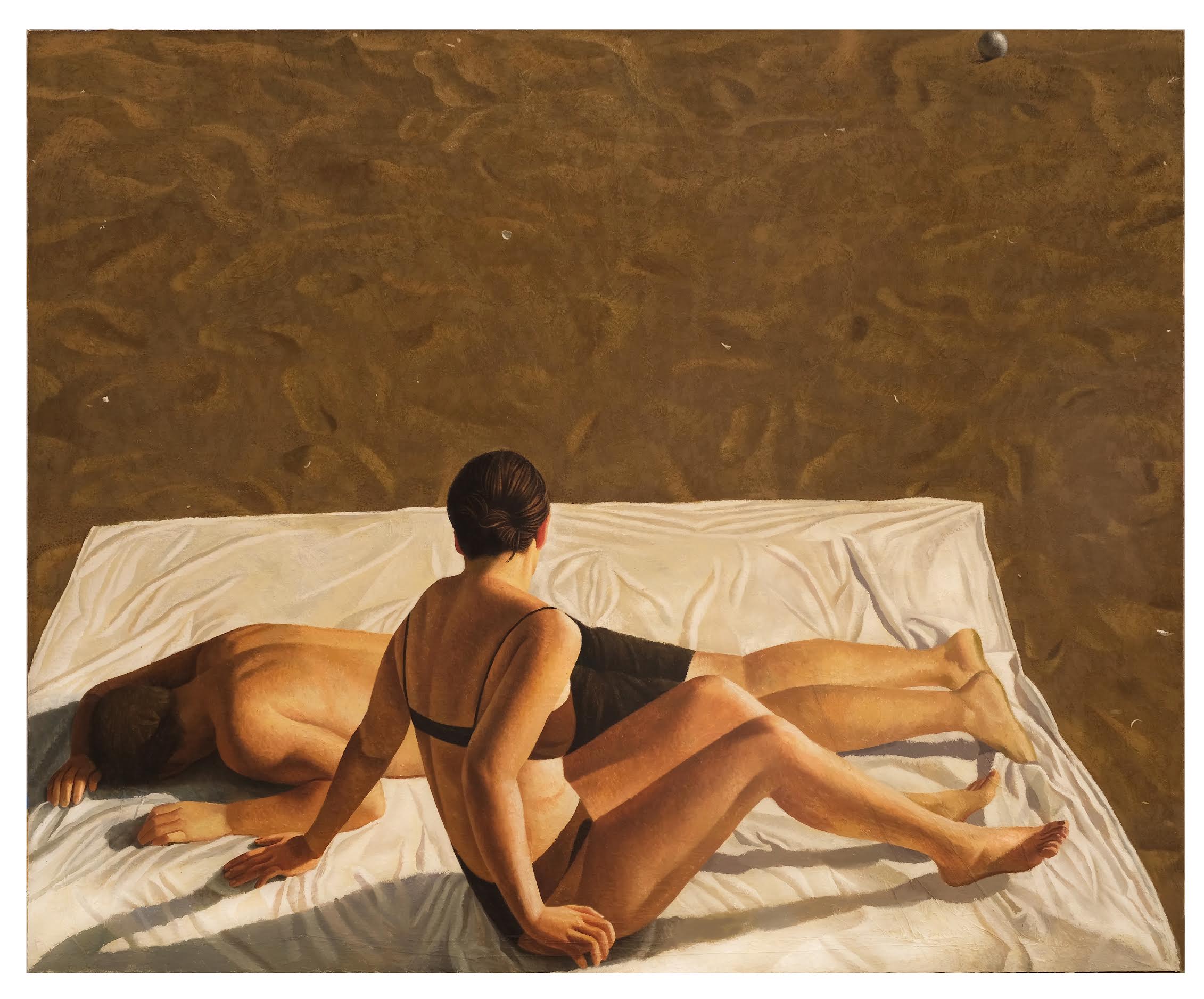
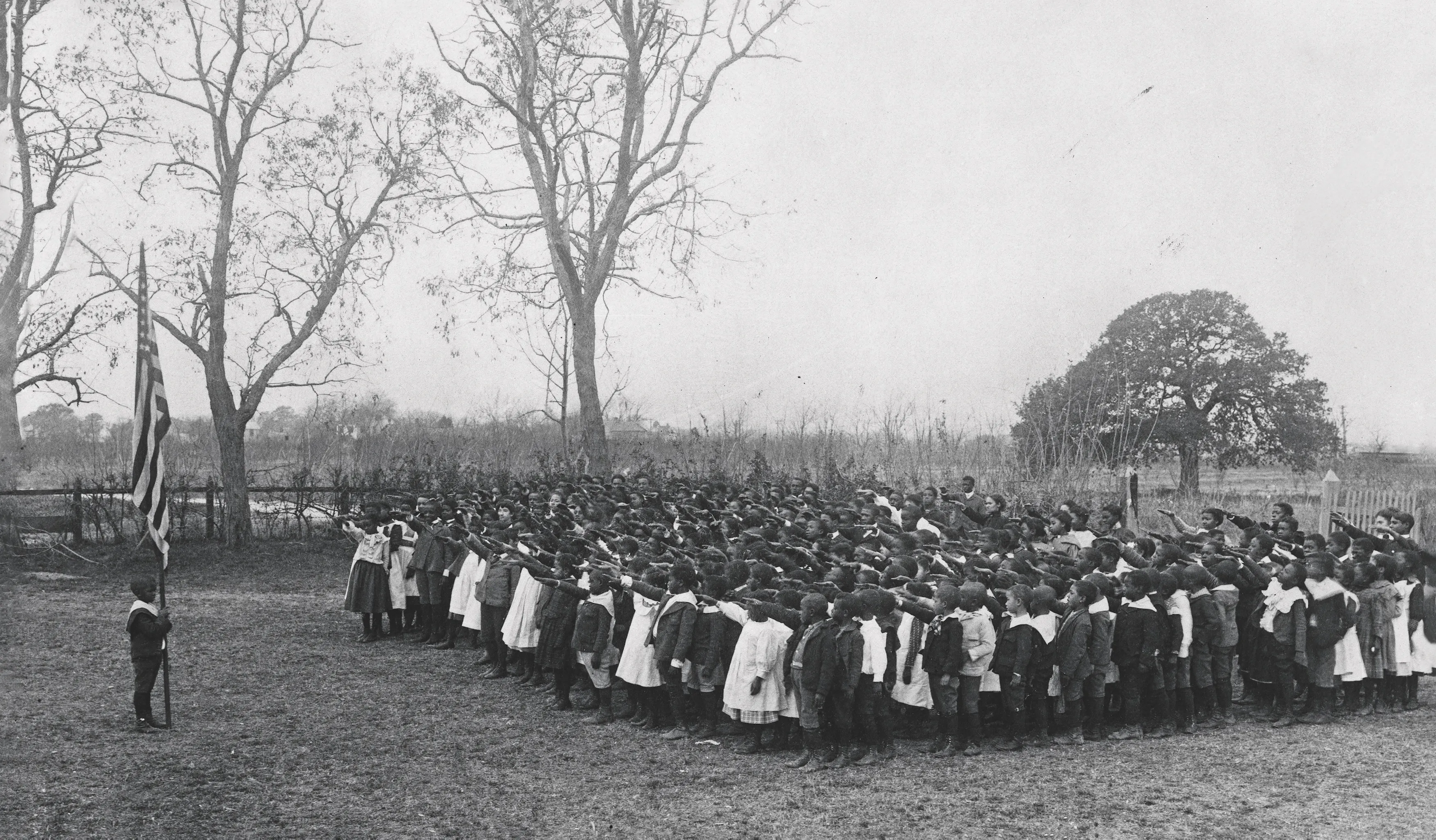
Reach/Grasp
Apr 23 – Jun 7, 2025
Julia Haft-Candell: What should we call the show?
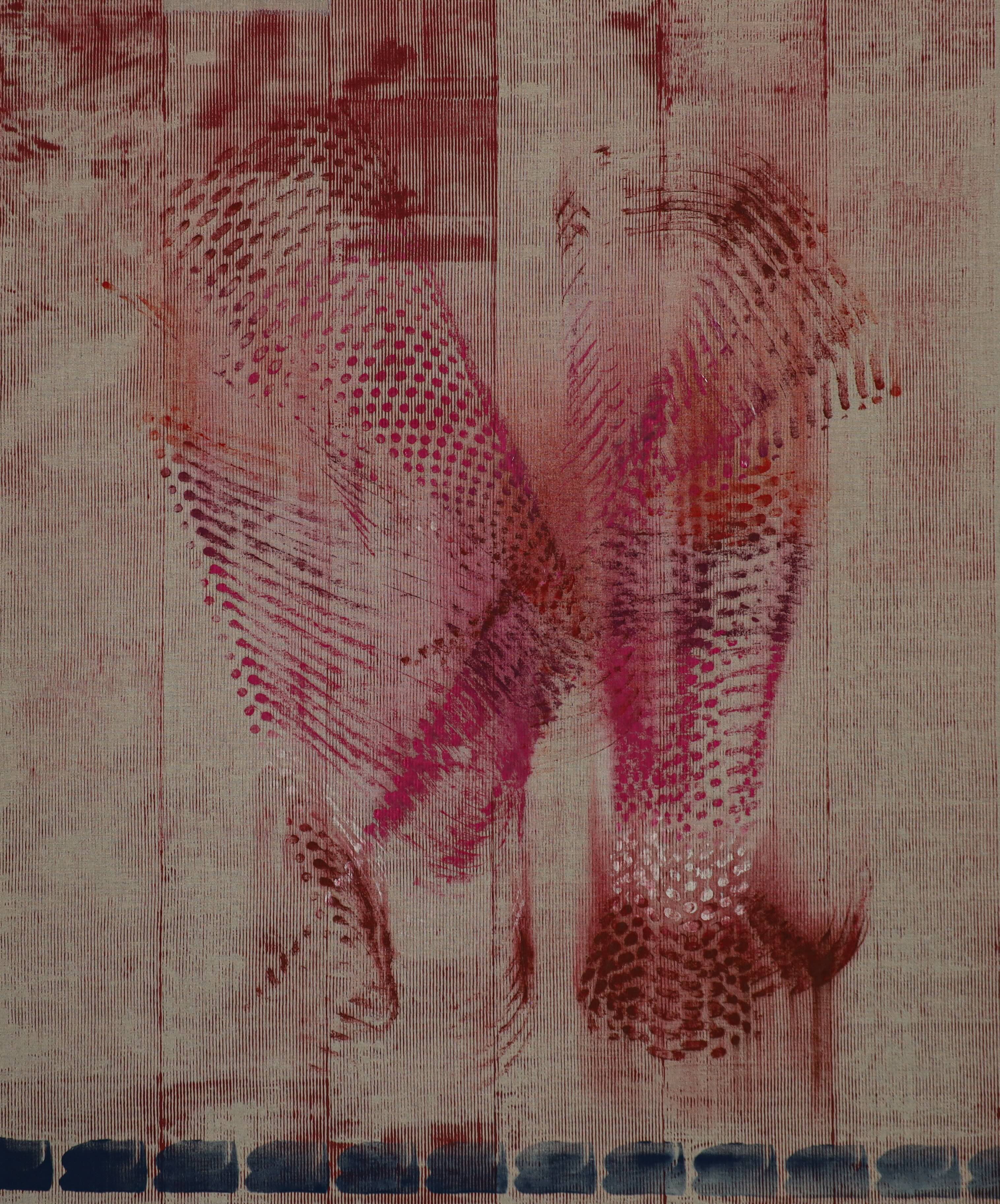
J.A Feng: The first thing that comes to mind with my new work, and your work, is pattern.
JHC: Yes, I especially like the idea of inventing patterns. Throughout history people have been using patterns in this very innocuous, yet often political way. I remember our conversation about your ideas of pattern in your new painting that shows several repeated hands grasping at a salmon fish.
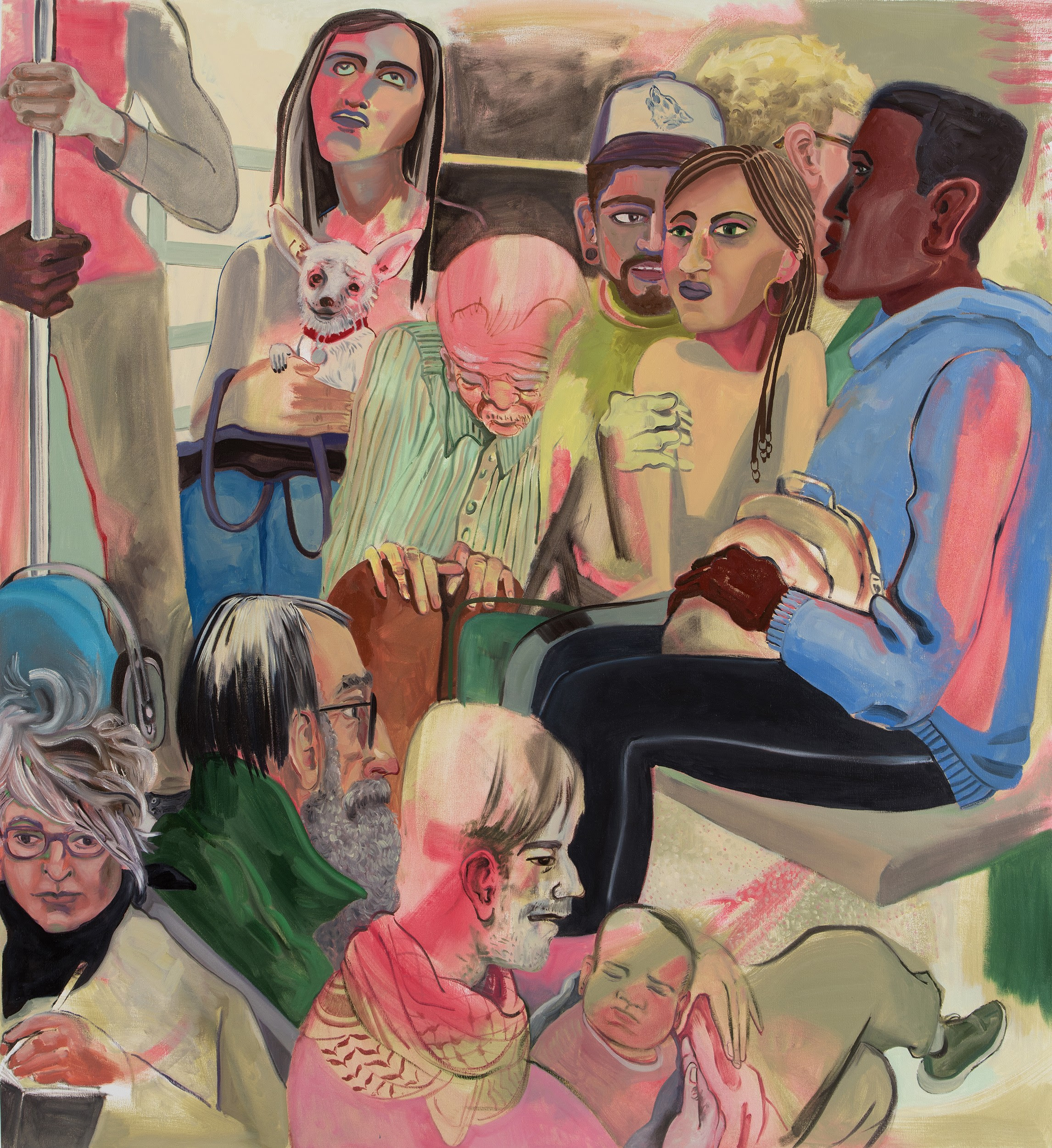
JF: That painting incorporates a grid. The phenomenon that I'm trying to illustrate with the painting is that of moving goalposts–where the thing that you're trying to grasp is a little bit out of reach. That's why the hands get smaller, and the fish get bigger in the painting.
JHC: We could call the show reach/grasp? Interlocking hands is a recurring theme in my work too.
JF: Yes. That describes that painting–and the show.
JHC: When I saw an early version of that painting you said something about a vector.
JF: There’s an X and Y axis. And then there's a plot point for where each hand is grabbing a fish, and I'm planning to draw a line to show the correlation between reach versus grasp.
JHC: Right, I remember now. The way that you talk about that painting using geometry terms–it is unexpected and super interesting.
JF: It's fun. It's different. I don't know if this is the proper term, but I was thinking about an inflection point–when things turn and do the opposite. So, there is one hand where it is catching the fish. The hand can hold on to it and it's the optimal size that it can catch. And then progressively, the fish get too big, and the hand gets too small. I’m interested in that threshold, from where it's working to where there is an imbalance.
JHC: I love that metaphor and how it relates to reaching versus grasping and diffusing ideas of binary. Because there's this or that, and then the inflection point is something in the middle–the fine line or the gray area or the in-between. It’s also interesting in terms of dispelling an idea of balance. If there is an inflection point, I don't believe you can ever truly be at that point or secure a balance. You either are at it and then over to one side, or you're over to the other side: you’re constantly moving through that point.
JF: For sure. Things feel so in flux constantly. Especially right now, so that resonates on many levels. This idea of reach/grasp captures something we are both grappling with, in the show–and more broadly.
Julia Haft-Candell (b. 1982, Oakland, CA) recently presented her first museum solo exhibition, The Infinite Library, at the De Saisset Museum, Santa Clara, CA, and Pitzer College Art Galleries, Claremont, CA (2023–2024). Other recent solo exhibitions include Night Gallery, Los Angeles, CA (2023); Candice Madey, New York (2022, 2020); Parrasch Heijen Gallery, Los Angeles, CA (2017); and group exhibitions at locations such as Miller ICA at Carnegie Mellon, Pittsburgh, PA (2023).
J.A Feng (b. 1982, Champaign, IL) has had recent solo exhibitions at 12.26, Los Angeles, CA, and Dallas, TX (2025, 2023); Candice Madey, New York, NY (2024); and more. Feng's work has been showcased in various group exhibitions across prominent gallery spaces and Feng has received multiple fellowships and residencies.