
Exhibition · Shibumi
Ira Oksman
Inside Rooms, Outside Spaces
Jun 21 – Jul 20
2 images · swipe
About the show
Galerie Shibumi presents Inside Rooms, Outside Spaces; Ira Oksman's debut solo exhibition. Ira Oksman's work is rooted in the tension between pagan Slavic traditions and the rise of the early avant-garde during the final days of the Russian Empire.
Ира Оксман (Ira Oksman, pron. "Éera", she/her, b. 1985) is a multidisciplinary artist originally from Moscow, Russia. Growing up during the time of perestroika created a complex and often volatile ground where the shifting powers and lack of reliable stability affected every family and individual. After moving to Canada in her late teens Ira slowly made her way to NYC. After a number of professional careers, most of which were self-taught, she was able to navigate her way into the visual and performing arts. She is currently living and working in Ridgewood, Queens.
Ira's work is deeply rooted in the clash between the Paganistic slavic culture and birthing of the early Avant-garde in the late stages of the tsarist Russian Empire.
In 1912 Petrov-Vodkin painted The Bathing of the Red Horse. The first time Ira saw it was when she was 8 and got deeply taken by the incredibly vivid colors and a curious scene. Everything about that painting screamed joy. It looks like great fun for the boy who is completely naked, yet the horse is wearing a harness. Why is there a harness? Was the horse there willingly or would it run away if given a chance? There was this strange underlying sense of control in this very happy moment.
The symbolism of a red horse is fairly prominent in the Slavic folklore signifying good fortune, wealth, best friend, ally, savior. For men, traditionally, the relationship with their horse was as important as that with their wife or parents. The horse took care of them, did their bidding, and fought by their side.
That relationship was deep and meaningful, the loss was mourned, the unity was celebrated. It was love. Yet, still, in that joyful and deeply interconnected state, the love came from the place of utility and possession. And that love probably never resulted in the horse being set free.
In the beginning of XVI hundreds women in the Russian villages were wearing Horned Kichkas. It was said it protected their family against evil. In a way, identifying themselves as the satan the mother warded the satan off. It was also the sign of strength and agency, a woman that is feared because she can out-satan the satan.
The Kichka's were later prohibited by Orthodoxy, which, like most other Abrahamic religions, fetishized the superiority of men. From their perspective a woman, like horse, is a commodity disallowed to have the agency and freedom to have her own. Their worth was largely attributed to the children they birthed. If the children were satisfactory, the woman was well regarded. If they didn't turn out good, she was shunned.
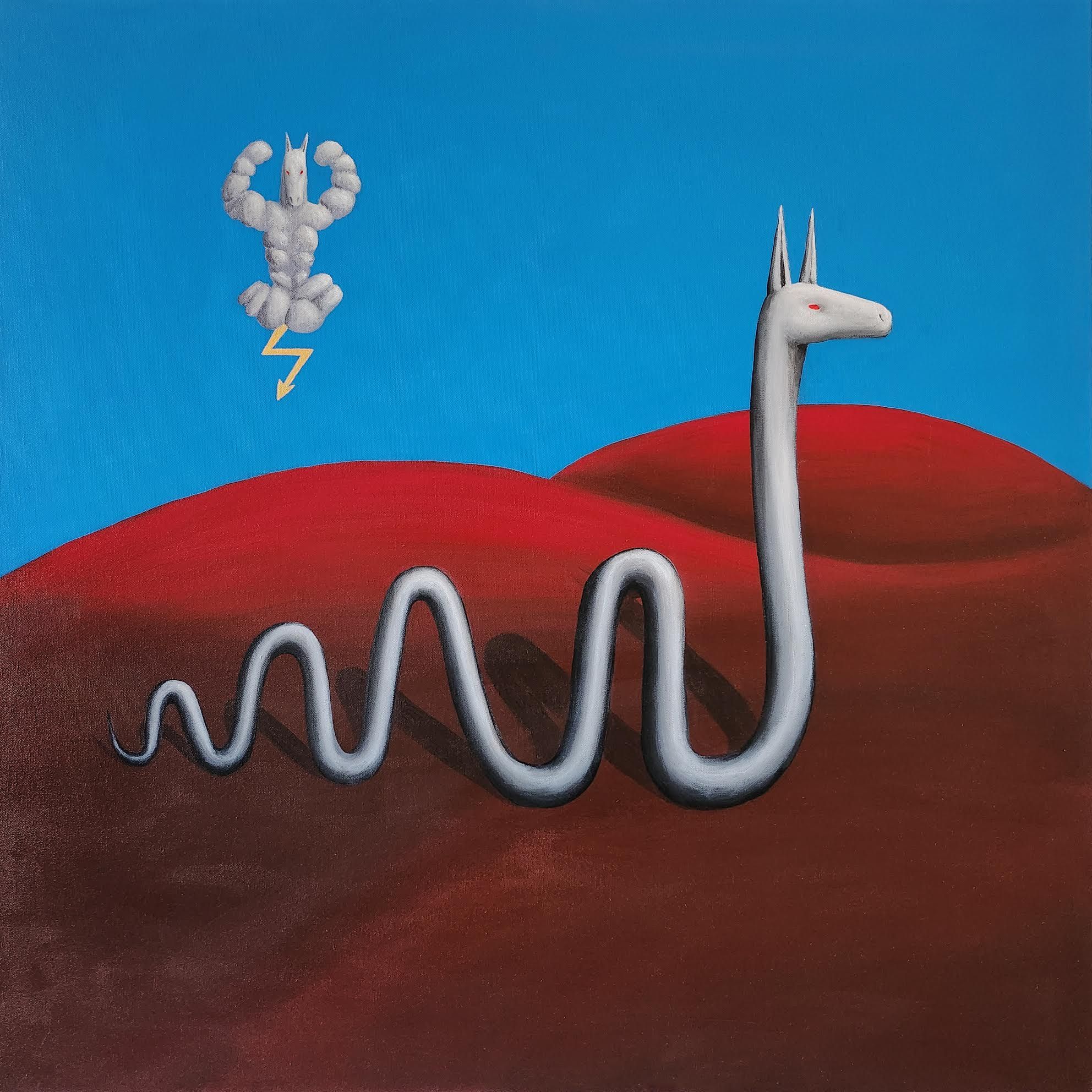
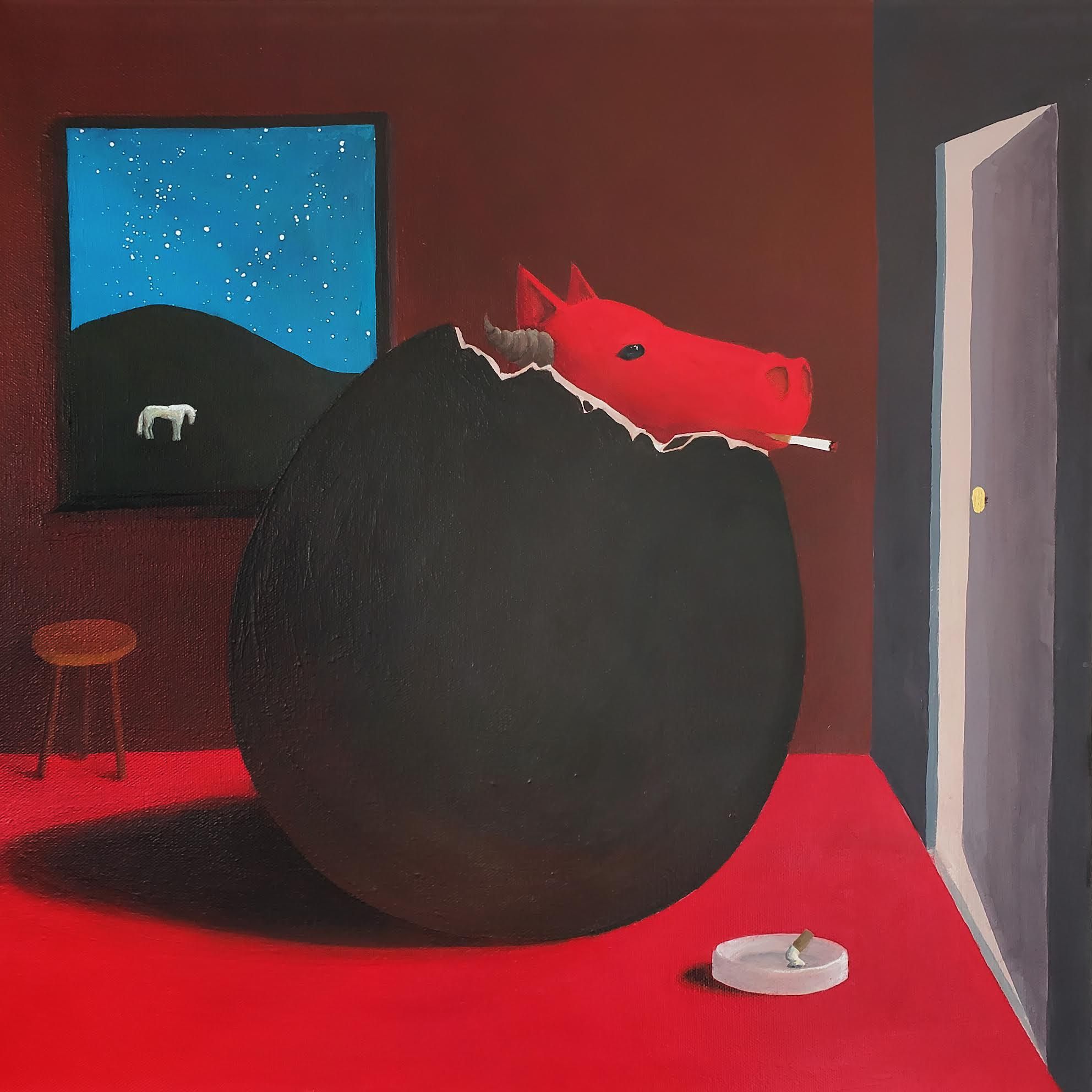
In Ira’s world, Satan Mare is a woman. When she smokes, the smoke from her cigarette becomes cognizant, forming into Cloud Horses. Some of the Cloud Horses are good, while others are evil; they burn down villages and kill livestock.
In Ira’s world, Satan Mare is a woman. When she smokes, the smoke from her cigarette becomes cognizant, forming into Cloud Horses. Some of the Cloud Horses are good, while others are evil; they burn down villages and kill livestock.
The villagers blame Satan Mare because the evil originates from her cigarette. Yet, Satan Mare does nothing but smoke.