Through Dec 12
Art/Work: The Practice and Politics of CETA and the Arts, 1974-1981
Sep 16 – Dec 12, 2026
Between 1974 and 1981, the Comprehensive Employment and Training Act (CETA) places more than 30,000 artists and cultural workers on local government payrolls in nearly 200 cities and towns across the United States. Though largely forgotten today, the program represents one of the most ambitious federal investments in cultural labor since the New Deal, reshaping local cultural infrastructure and supporting artists working in communities across the country.
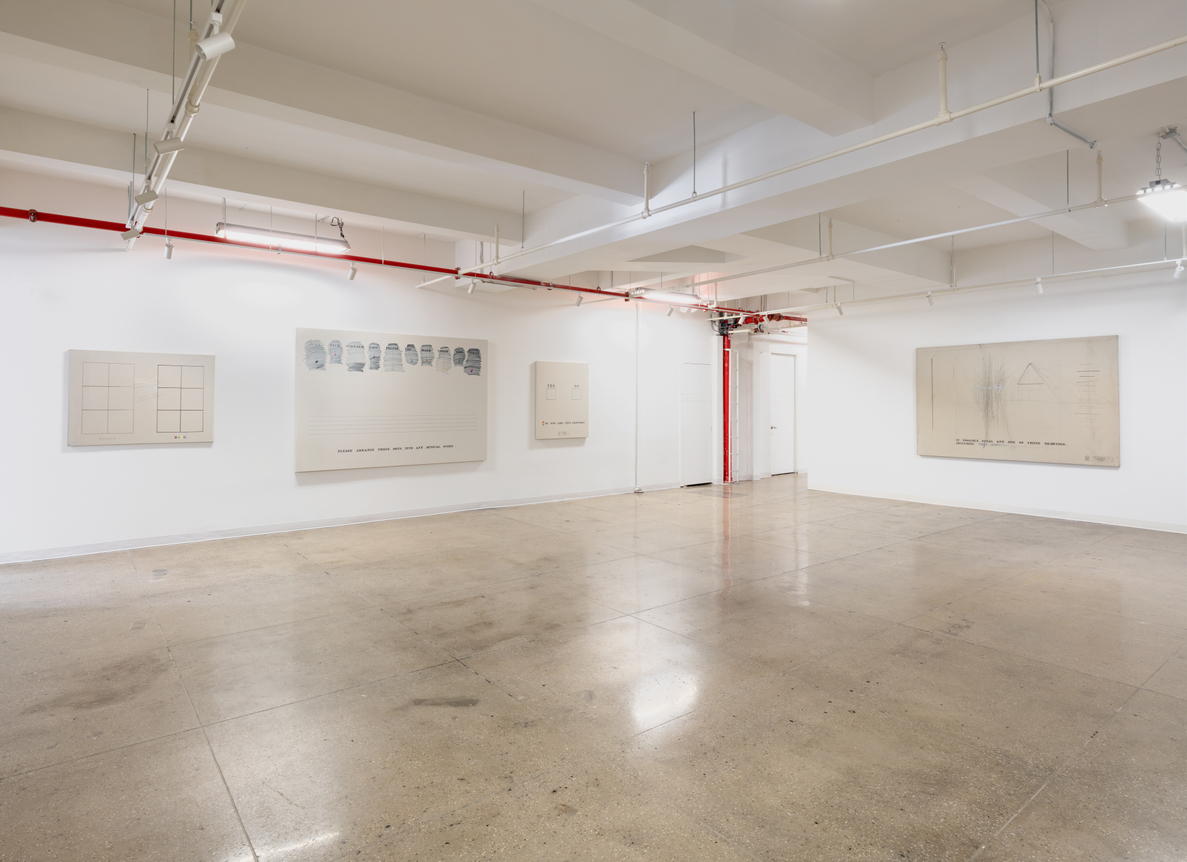
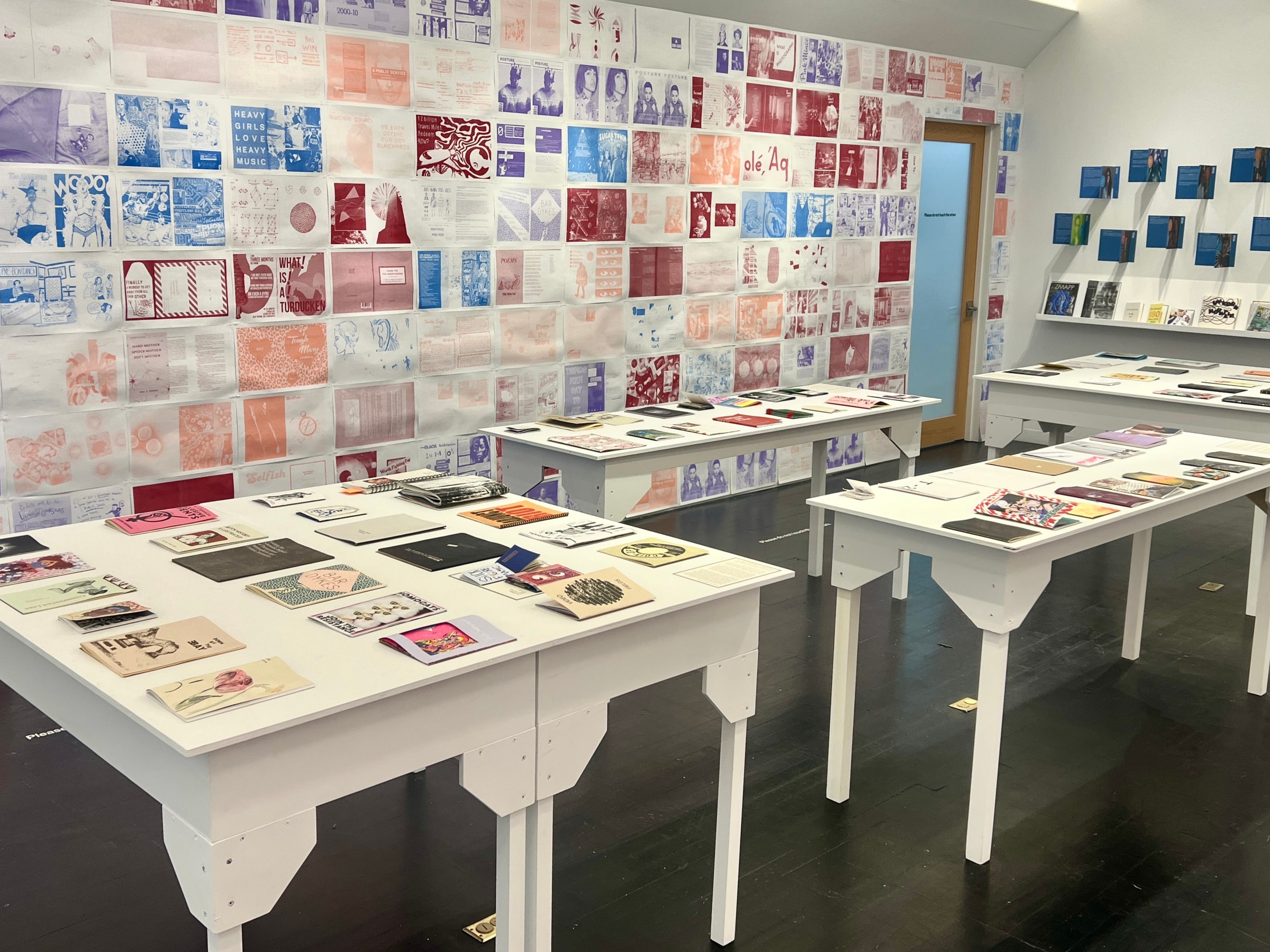
Art/Work: The Practice and Politics of CETA and the Arts, 1974–1981 is the first major exhibition to examine the national impact and lasting legacy of the CETA arts programs. Drawing upon more than a decade of research and an extensive oral history archive, the exhibition brings together artworks, photographs, films, publications, administrative records, and ephemera to reconstruct a history that has remained surprisingly absent from both public memory and art historical discourse.
Organized by Molly Garfinkel and Jodi Waynberg, Art/Work traces the program's influence through nine case studies in New York City, San Francisco, Los Angeles, Chicago, Baltimore, Atlanta, Kingston (New York), and Whitesburg (Kentucky), all of which adapted CETA's flexible federal framework to local needs. While the resulting projects differed from place to place, together they show how artists, administrators, policymakers, and community organizations use public employment to expand access to cultural participation and build new forms of cultural infrastructure.
The exhibition emerges from a long-term effort to document and preserve this history. Since 2017, Garfinkel and Waynberg have conducted extensive archival research and collected more than 160 interviews with former CETA artists, administrators, cultural workers, policymakers, and advocates. Their work has revealed a story far larger than a federal arts initiative: a national experiment in public investment that intersected with movements for cultural democracy, institutional reform, racial equity, community development, and artistic experimentation.
"One of the most remarkable things about CETA is that it temporarily resolves a question that continues to shape cultural policy today," says co-curator Jodi Waynberg. "It is no longer a question of how or if an artist is a worker. They just are."
Created during a period of economic instability and rising unemployment, CETA is designed as a jobs program rather than an arts program. Yet artists and cultural workers across the country adapted its employment structure in unexpected ways. Through CETA, artists teach in schools and community centers, work in hospitals and senior centers, create public murals and performances, launch community media initiatives, establish apprenticeship programs, document local histories, and expand access to cultural resources for audiences who had often been excluded from traditional arts institutions.
The exhibition demonstrates that CETA's impact extends far beyond the artworks produced during its brief lifespan. In many communities, the program helps establish or strengthen local arts councils, cultural centers, and community-based organizations that continue to shape cultural life today. Through oral histories and archival records, visitors encounter stories of emerging artists finding their first professional opportunities, communities gaining access to cultural resources, and organizations building infrastructure that would outlast the program itself.
"Through conversations with participants, we began to understand that CETA wasn't simply funding artistic production," says co-curator Molly Garfinkel. "It is supporting relationships, institutions, skills, and forms of cultural participation whose impact often continues long after the funding disappears."
At the same time, Art/Work resists viewing CETA as an isolated historical anomaly. Many of the artists supported through the program are already at the forefront of efforts to democratize cultural production, challenge exclusionary institutional structures, and create new models for public engagement. CETA does not invent these practices. It provided resources that allow them to flourish at scale and in public.
Today, as artists and cultural workers confront growing precarity, shrinking public investment, and renewed debates about the value of culture in civic life, the history of CETA feels newly relevant. Rather than presenting a nostalgic account of a lost program, Art/Work asks what this history might teach us about the present.
The exhibition includes a newly commissioned two-channel video installation by artist Alex Strada and legal scholar and artist Yxta Maya Murray, developed in dialogue with Garfinkel and Waynberg. Presented across two synchronized monitors with an accompanying reading library, the work extends the project's chronology beyond the years of CETA itself, placing the legislation in relation to histories of labor, law, social movements, cultural policy, public arts funding, and the changing federal minimum wage. Rather than presenting the timeline as a fixed or neutral record, Strada and Murray open a structure for making relationships visible, pairing historical events with a material measure of work and compensation while acknowledging the form's necessary incompleteness. Like the exhibition itself, the project does not claim to be comprehensive, but instead opens a structure for tracing connections, absences, and competing accounts of significance.
At its core, Art/Work poses a simple but urgent question: What becomes possible when artists are treated as essential workers and cultural labor is understood as a public good?
Rather than offering a definitive answer, Art/Work invites visitors to engage with the historical record and consider the possibilities that emerge when culture is understood not as a luxury, but as an essential component of public life.
City Lore and Artists Alliance Inc., in collaboration with The James Gallery at the CUNY Graduate Center, are grateful for major exhibition support from the André and Elizabeth Kertész Foundation, The Andy Warhol Foundation for the Visual Arts, and the Rockefeller Brothers Fund.