
Ended
Gerald Jackson
I Build Pyramids - Stairways to Heaven
Mar 15 – Apr 28, 2025
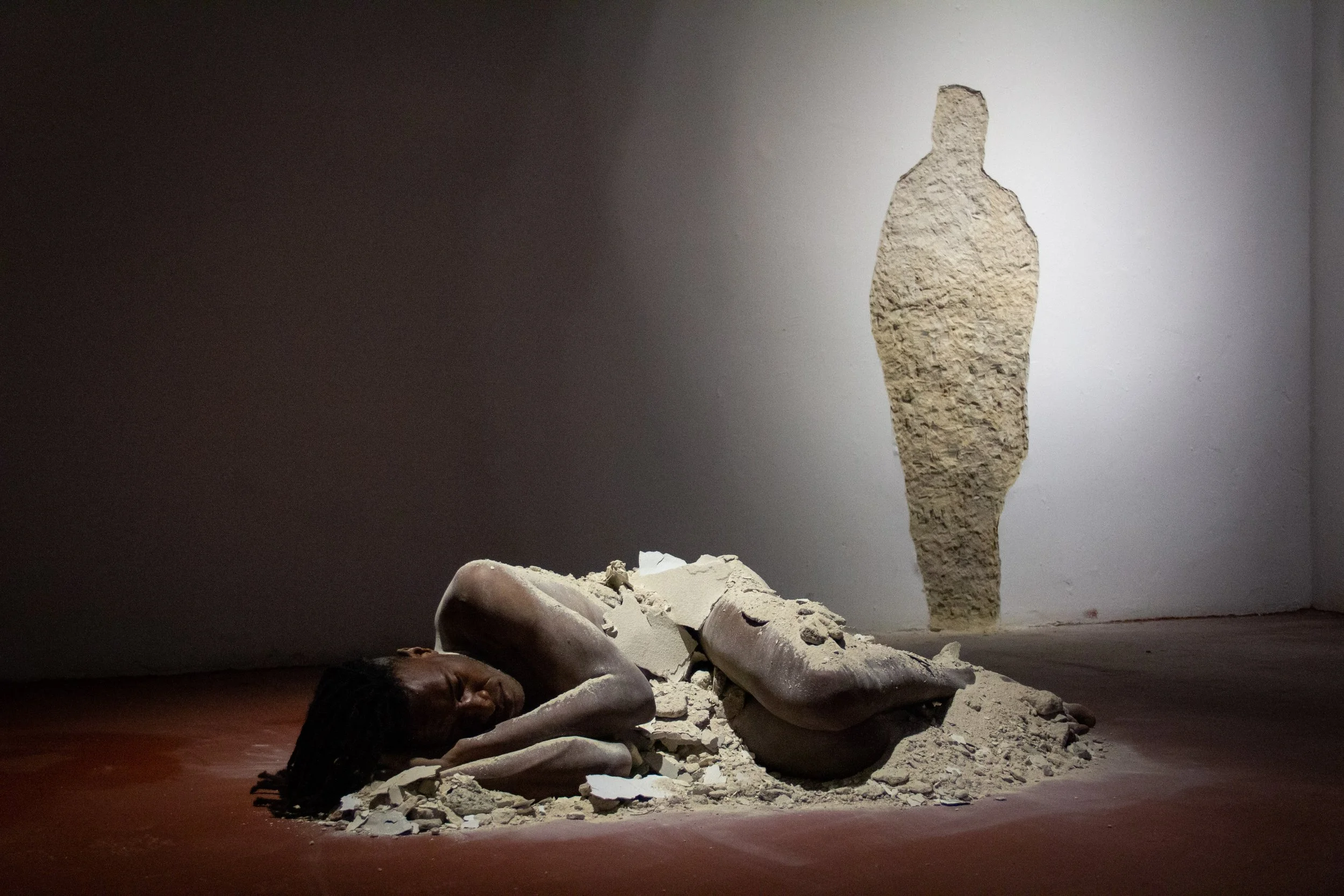
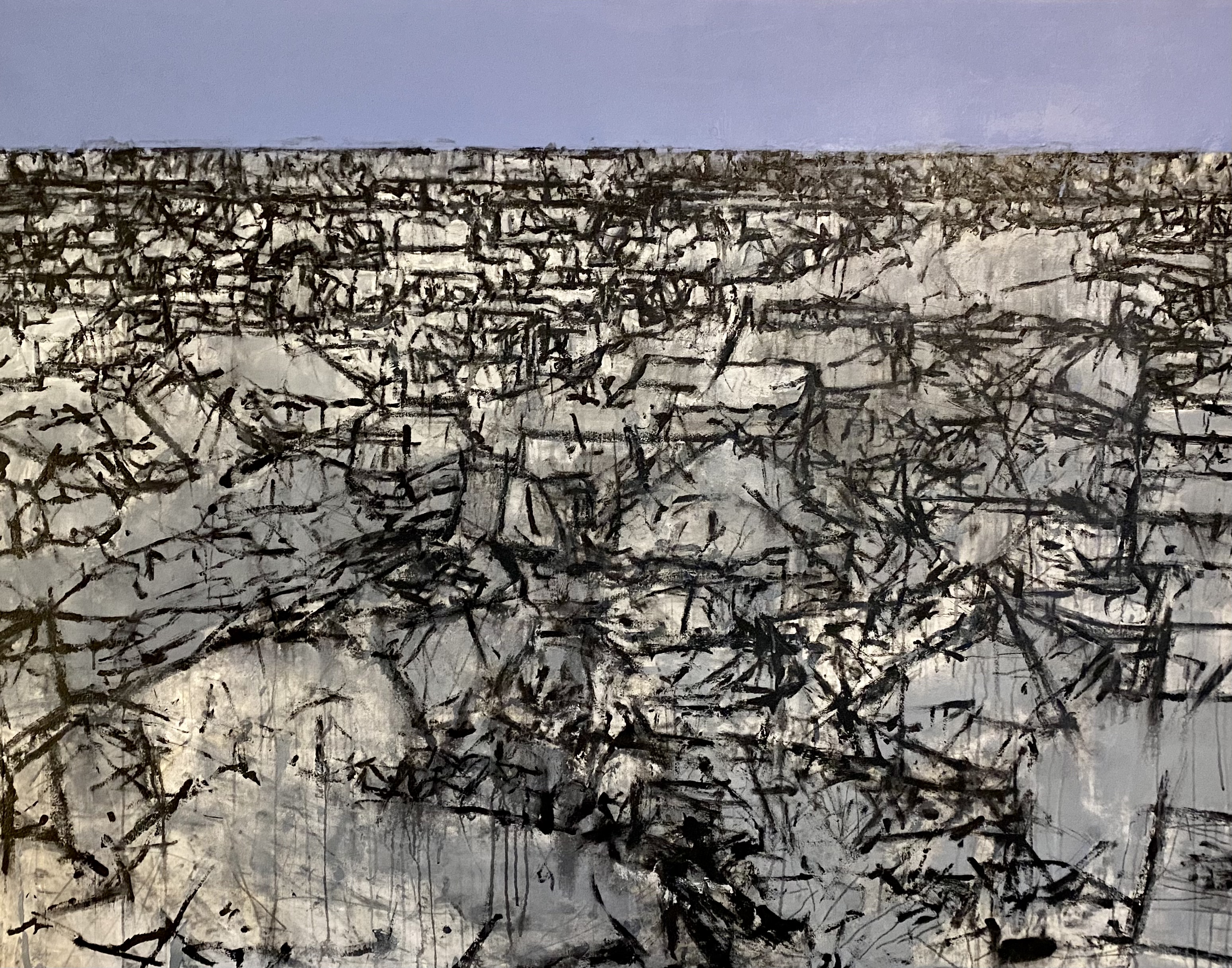
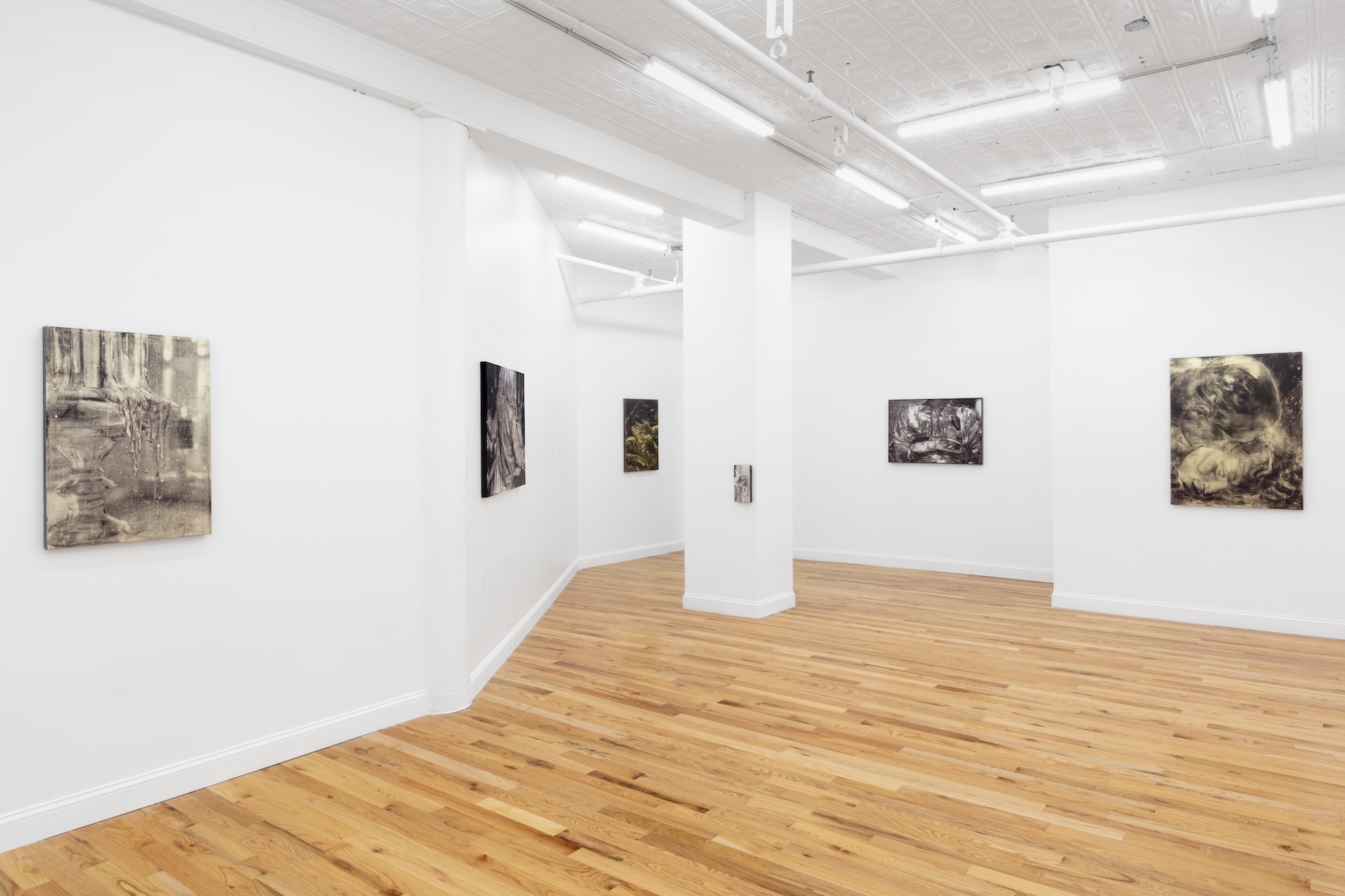
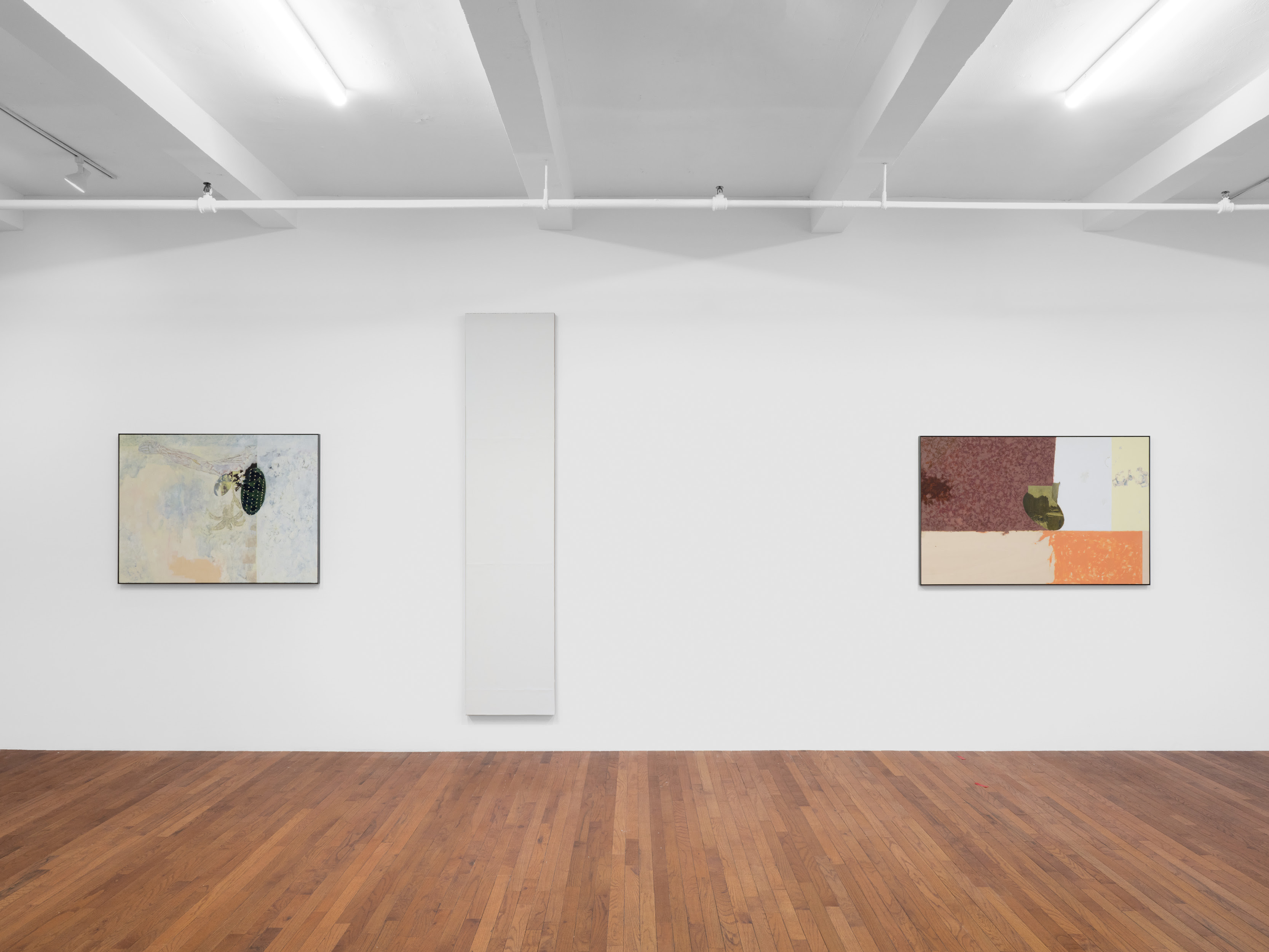
Gordon Robichaux is honored to present I Build Pyramids — Stairways to Heaven, Gerald Jackson’s second solo exhibition at the gallery and his most extensive to date. Installed across both of Gordon Robichaux’s spaces, the presentation features key artworks created between 1969 and 2025 that exemplify the artist’s multifarious creative practice. The exhibition’s title is inspired by a promotional business card Jackson produced and distributed with his name and phone number, printed alongside a mystical promise: I Build Pyramids — Stairways to Heaven.
Over the course of seven decades since he arrived in New York from his native Chicago, Jackson has actively responded to the social conditions he experienced throughout his life—poverty, racism, and violence—through a philosophical and conceptual approach to artmaking infused with poetry and politics. His artworks evidence these strategies, whether through his transformation of detritus into objects of beauty and significance; his use of existing cultural and spiritual languages to construct new, liberating mythologies; or his exploration of the power of color and light as agents of healing and transcendence. Throughout, Jackson has employed an expansive array of art-making strategies—painting, assemblage, photography, drawing, film, poetry, music, clothing, and performance—and made use of a variety of materials, which he frequently salvaged from the street, including unstretched fabric and canvas, bedsheets, Styrofoam, shredded paper, felt strapping, and wood “skid” shipping pallets.
Beginning in the early 1970s, and until his eviction in 2002, Jackson lived and worked—with minimal financial resources—in a large, raw commercial loft on the Bowery alongside industry, flophouses, bars, and a large, unhoused population. Over the years, Jackson has produced a series of works on paper that bear witness to his memories of the street. Here, scenes of violence, sex, money, drugs, and magical symbols of transcendence appear in dreamlike fields of saturated color, applied with watercolor and crayon. For Jackson, the Bowery encapsulated the harsh reality of American society and its failures, while also providing a place of refuge to explore his creative vision. In Downtown Manhattan, he also found freedom and inspiration within a pulsating community of artists and musicians, among them McArthur Binion, Peter Bradley, Ornette Coleman (Jackson’s roommate), David Hammons, Corrine Jennings, Lorraine O’Grady, Joe Overstreet, Bob Thompson, and Stanley Whitney. Within this context, Jackson developed a singular voice and prolific body of work that was supported and celebrated by his peers and exhibited sporadically—including at Allan Stone Gallery, Tribes Gallery, Rush Arts (curated by Jack Tilton), and Wilmer Jennings Gallery at Kenkeleba House in New York—but has come into greater view today in its scope, complexity, and radicality.