Ended Oct 25
Paul Gardère
Second Nature
Sep 12 – Oct 25, 2025
More from Paul Gardère on Gallop
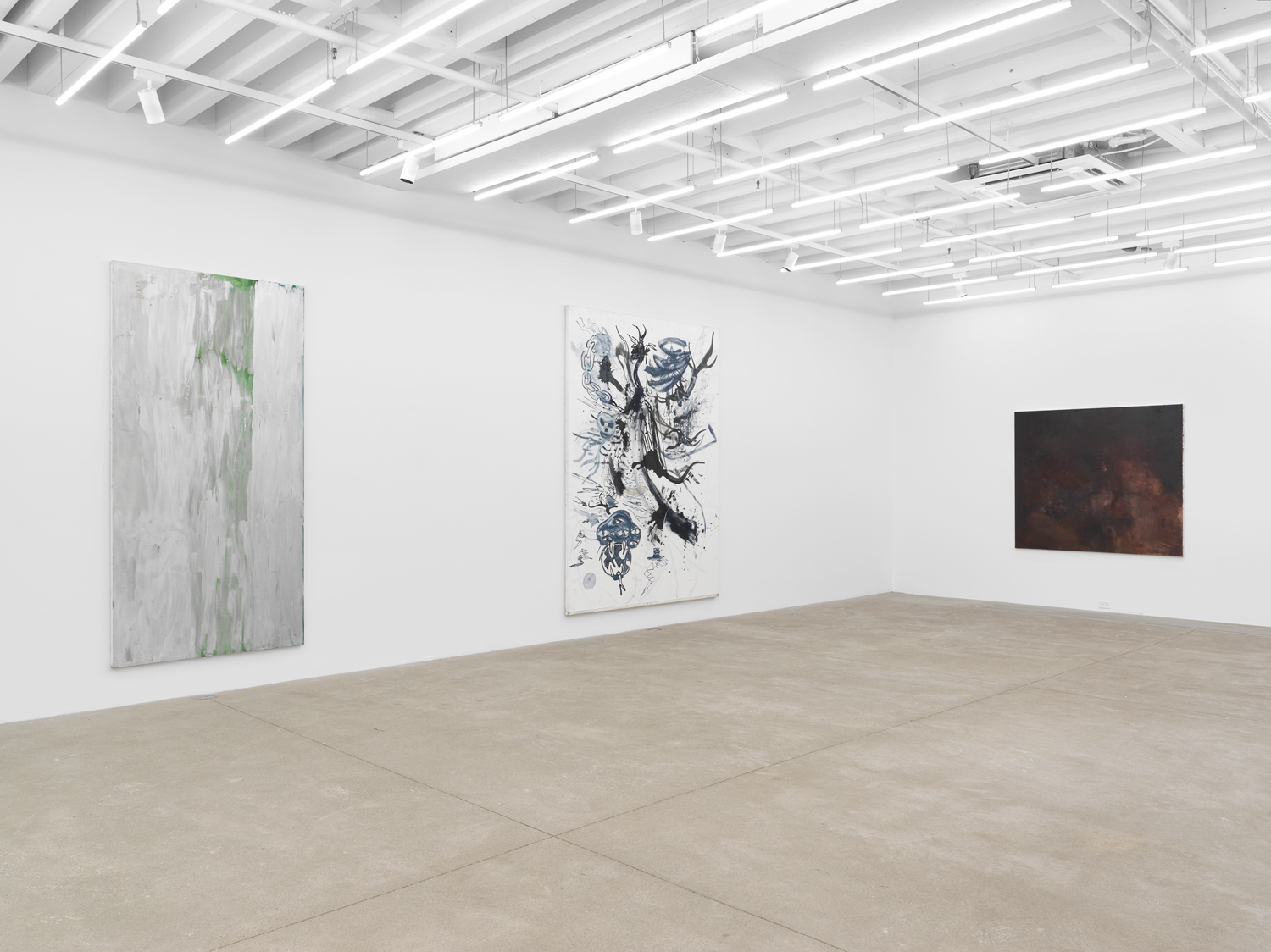
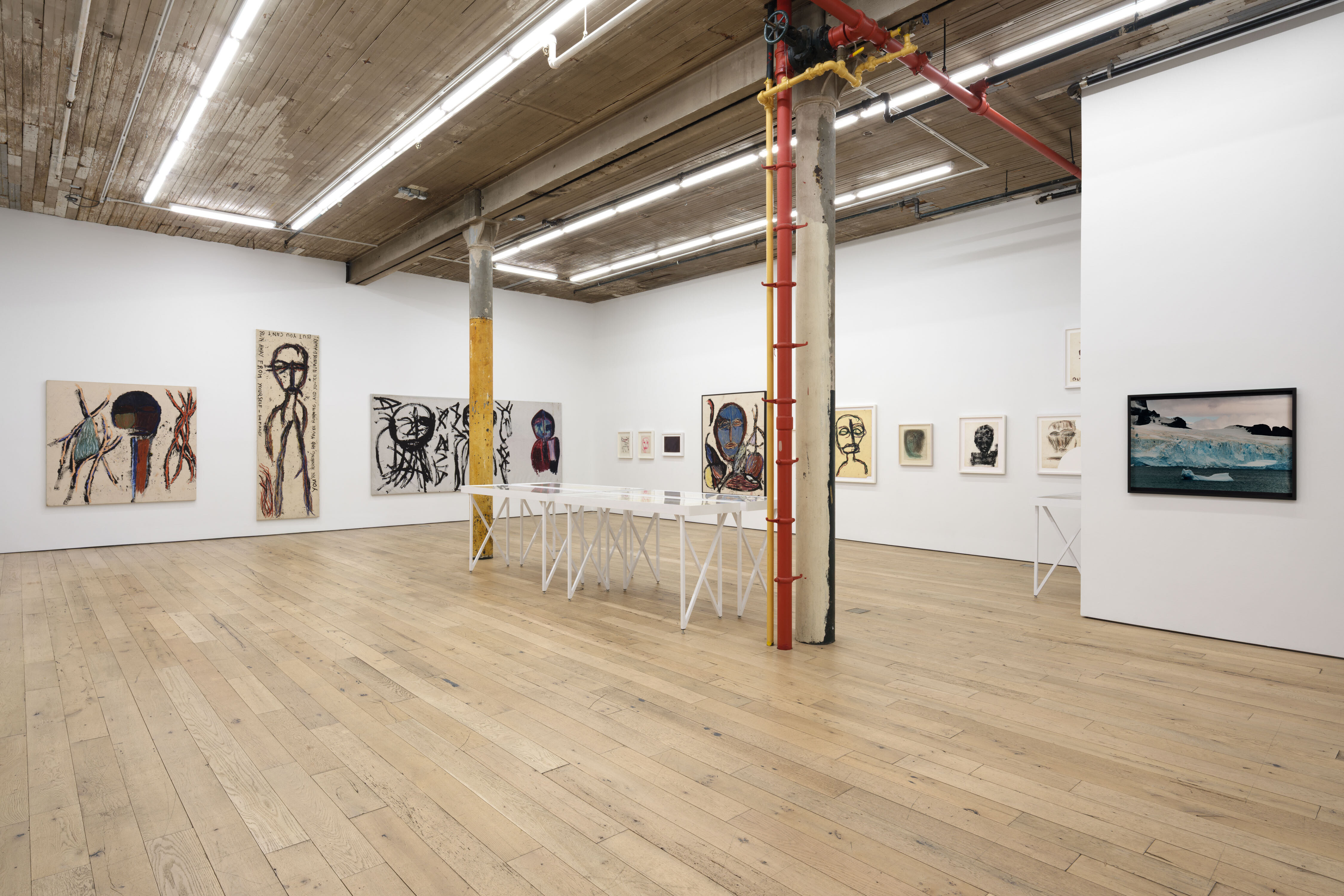
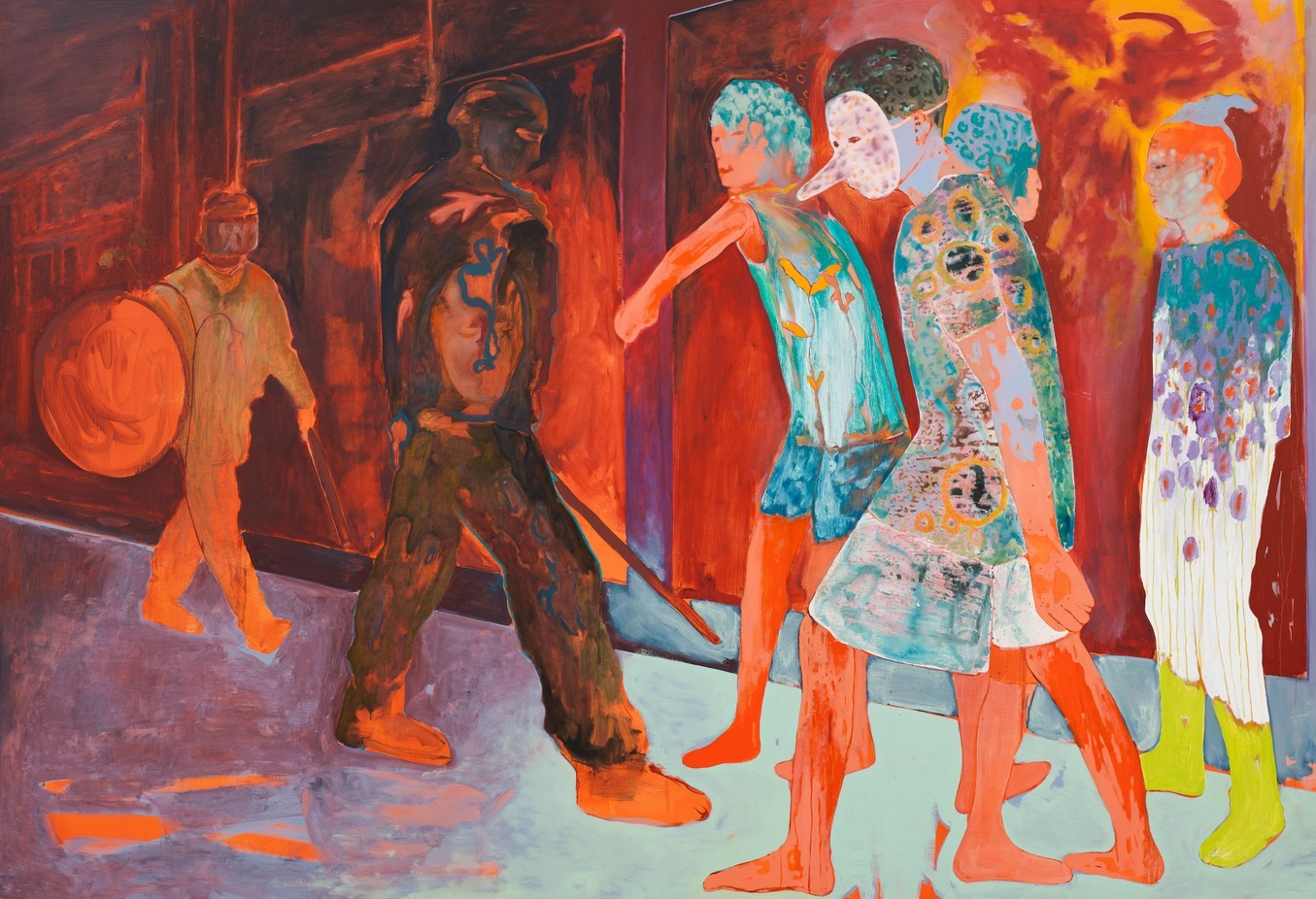
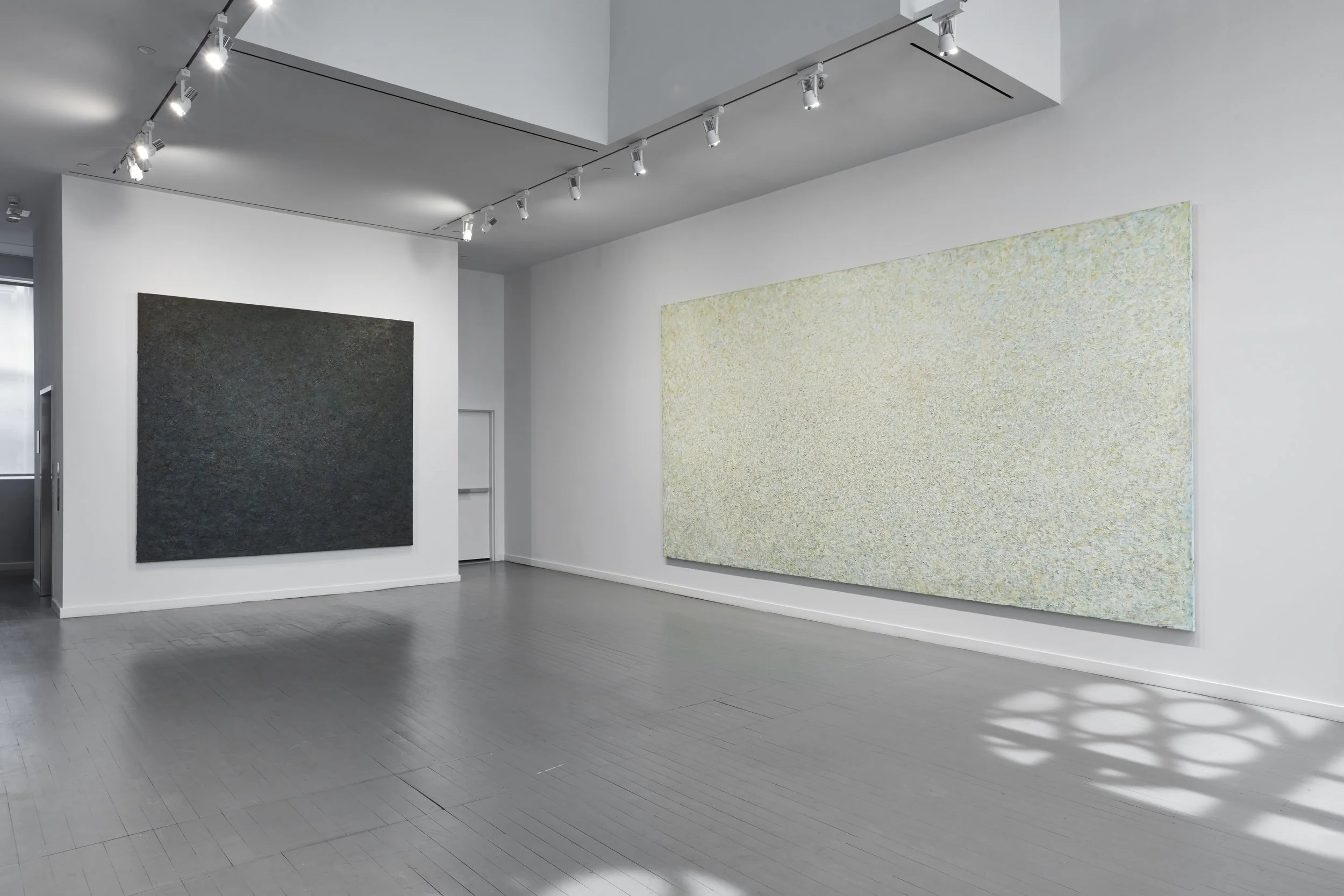
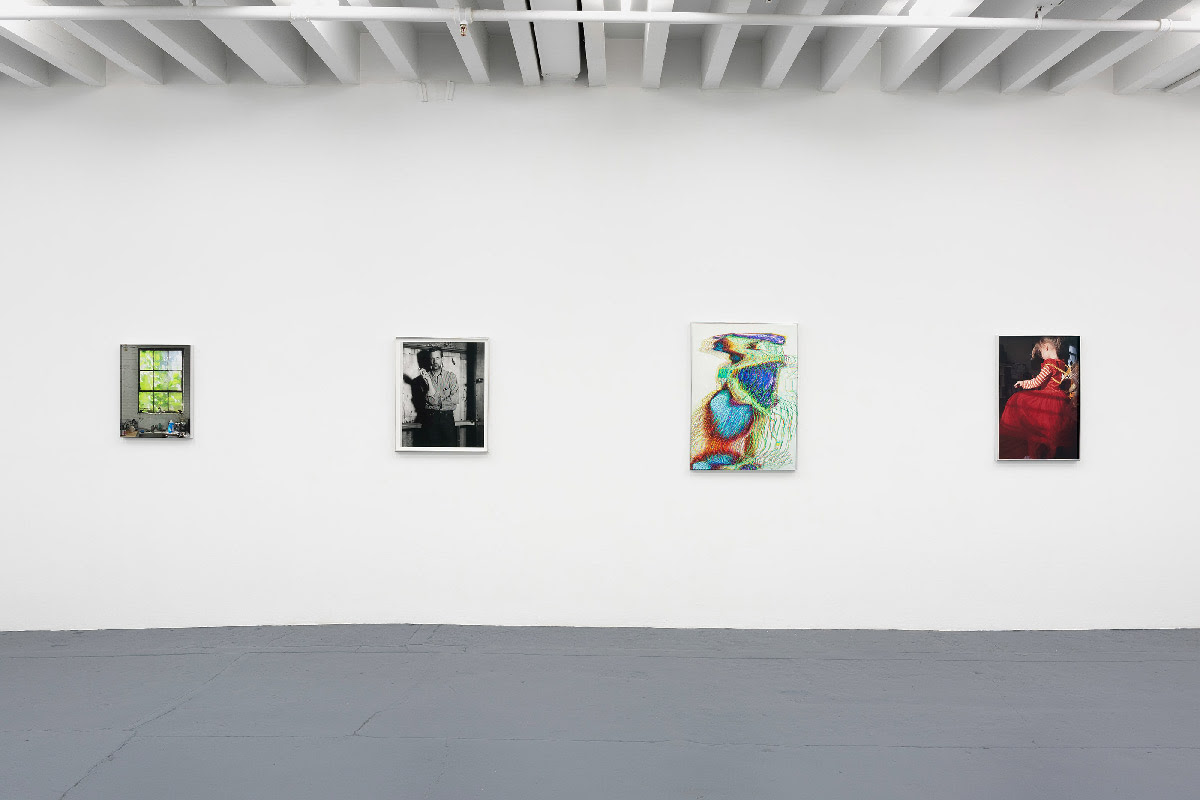
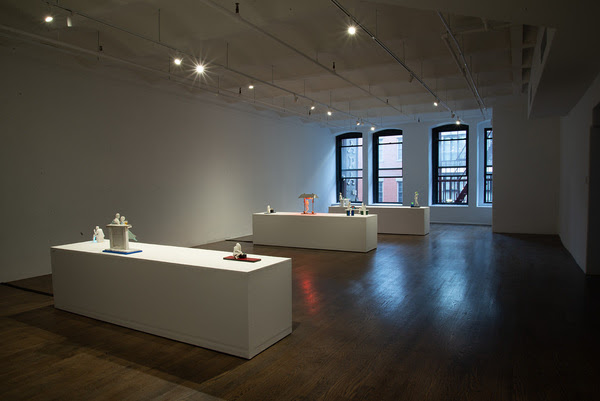
Magenta Plains is pleased to present Paul Gardère: Second Nature, a solo exhibition of rarely exhibited mixed media paintings from 1994-2000 by Haitian born, American artist Paul Gardère. Combining acrylic painting, relief sculpture, photography, found object assemblage, mud, and collage, these works encapsulate a pivotal moment in the life and practice of Gardère. This period saw his lifelong inquiries into social, economic, and racial dynamics of power and identity crystallize into a singular vision. Born in 1944, the artist’s work sits at the intersection of critical strands of 20th century art history: the visual and cultural legacy of the Afro-Caribbean diaspora in the Americas, the legacies of Impressionism and Early Modernism in the former French colonies of the Caribbean, and the interweaving of these themes with the dynamism of mid-century painting in New York. This focused exhibition comes on the heels of a critical survey recently held at the Stuyvesant Fish House at The Cooper Union, the artist’s alma mater, in New York.
One of the most important inflection points for Gardère was a 1993 residency at the Fondation Claude Monet, which he spent engaging with Monet’s world-famous gardens in Giverny, France. The artist lived in the original gardener’s quarters with a key to access the grounds of Monet’s estate. Compelled to interrogate the garden not as mere decoration, but as a symbol of power, colonialism, and control—this impactful experience helped him to synthesize various motifs and symbols into some of his most powerful and inventive artworks. These paintings include multi-layered references to Haitian Vodou, Renaissance capriccio imagery, and his personal re-imaginings of Impressionist scenes. Perhaps most uniquely, Gardère utilizes his positionality as a member of the Haitian diaspora and the multiple worlds he inhabits therein to invite the viewer on an expansive journey through a maze of familiar myths and legends toward a direct confrontation with Haiti’s historical colonizer.
His focus on Giverny and the symbolism of the garden—so potent in both religious and mythological narratives–elevates his transnational experience to the level of an elemental human condition. Recreations of the iconic gardens including the familiar water lilies, Japanese footbridge, and fields of red poppies are juxtaposed with documentary snapshot photography by Gardère taken on site. Gardère focuses not just on the beauty of these scenes, but on the manicured, artificially constructed nature of the gardens of Giverny. In writings authored by Gardère during this period, he observes that the desire for control over nature, represented by the garden, neatly maps onto the colonial impulse. In this body of work, Monet’s gardens become a stand-in for the societal wealth built by French colonialism and imply the subsequent geopolitical consequences for the Caribbean.
In Second Nature, Gardère fuses cultural, political, and personal histories into multi-faceted, hybrid compositions where symbols and references operate simultaneously. At the core of this body of work is the visual language of Haiti. Glitter—a recurring material—lends a shimmering, reflective surface, recalling the sequins of drapo, Haitian Vodou flags, and alludes to the mirror as a method for attracting spiritual attention, a concept introduced to Haitian culture by way of Congolese cosmology. Greek crosses, composed of four equidistant arms, appear throughout these works, often rendered in the aforementioned glitter. Though suggestive of Christian symbology, they reference Papa Legba, the Vodou guardian of thresholds and messenger between worlds, who is viewed as an amalgam of the Catholic Saints Peter, Lazarus, and Anthony. In Gardère’s hands, such imagery embodies the layered nature of Haitian identity, where Catholicism and Vodou coexist—sometimes in tension, often in tandem—within a single visual field.
This syncretic logic extends beyond the spiritual. In works from the early 2000s, sculptural reliefs emerge from the painted surface to form fragmented cityscapes—representations of Haiti’s bidonvilles, the French term for urban hillside shantytowns. These dense constructions often sit in contrast with lush, European-style gardens, exposing disparity between colonial wealth and Caribbean dispossession. Gardère deepens this tension through pointed reworkings of canonical Western imagery. In Exotic Garden (1995), he reinterprets Claude Lorrain’s Seaport at Sunset (Odysseus) (1639), inserting photographs of the Yanomani people of the Amazon into the composition. The resulting scene collapses idealized visions of European conquest into lived histories of extraction and resistance.
The varying art historical references in this body of work are representative of Gardère’s larger aesthetic strategy, which mirrors the artist’s life: appropriation of imagery and a pasticxhe of styles across multiple eras and cultures serve as a visual euphemism for the adaptive mechanisms of creolization; art history itself serves as signifier for the concepts Gardère is articulating. References to French and European painting recur throughout the series—less as homage, more as critique. Gardère’s brushwork channels Monet, whose gardens in Giverny serve as both subject and foil, while his broader visual vocabulary engages the Orientalist fantasies of Paul Gauguin, Edgar Degas, and in the case of The Legacy (2000), transforms a portrait of Napoleon by Ingres into the warrior spirit behind the Haitian Revolution. He draws from Wifredo Lam’s Afro-Cuban modernism and the layered materiality of Rauschenberg’s Combines to expand the conceptual and physical bounds of the canvas. Gardère showed frequently with Edouard Duval-Carrié and Hector Hyppolite during his lifetime, placing him among some of the most notable Haitian artists of the 20th century, and was contemporaries with New York painters Juan Sanchez and Freddy Rodriguez, locating his practice amongst artists working in a broader diasporic context. Across these multiple influences and peers, Gardère doesn’t move between worlds—he inhabits them all at once.
The multiple layering built into Gardère’s practice mirrors his own lived experience as an immigrant in the United States. After coming of age during a time of political transition in Haiti, against the backdrop of the ascendant Duvalier regime, Gardère’s move to the United States was a choice familiar to the nearly 40 million people who are first generation immigrants in this country. As our contemporary political climate has become increasingly hostile to Americans living in diaspora, the work of Paul Gardère provides an expansive, nuanced, and generative perspective decades ahead of its time. Second Nature represents one body of work in this artist’s wide-ranging oeuvre but serves as an overdue re-introduction of this artist to New York City at large.
Paul Claude Gardère (b. 1994, Port-au-Prince, HT, d. 2011, New York, NY) was a Haitian and American mixed-media artist who received artistic training at The Art Student’s League of New York (’63), Cooper Union (BFA ‘67) and Hunter College (MFA ‘72). He holds the distinction of being the first Haitian Artist-in-Residence at The Studio Museum in Harlem (‘89-90), was awarded a residency at Fondation Claude Monet (’93) and received the Joan Mitchell Foundation Award for Painting in 1998, among other notable achievements. During his 40+ year career, he worked and exhibited in both the United States and Haiti, but maintained his primary residence in Brooklyn, NY.
Exhibiting vast technical and stylistic range, Gardère’s painting and mixed-media discipline realized diverse works and series, all of which investigate the phenomenology of racial and cultural relations (both conflict and syncretism) produced by Western imperialism and transnational migration in his native and adoptive countries. Drawing on history and symbology from Haitian, French, and US American cultures, Gardère’s work unites the national histories that informed his cultural experience and conveys the complex, often paradoxical multiplicities implicit in Afro-Caribbean diaspora identity and the post-colonial immigrant experience. His works simultaneously reflect his own inner tensions as well as the dynamics of power and cultural identity at play in global populations reckoning with histories of exploitation and forced acculturation to Eurocentric systems and values.
Recent years have seen increased attention to Paul Gardère, with exhibitions such as Paul Gardère: Vantage Points, The Cooper Union Stuyvesant Fish House, New York, NY (2024-25); inclusion in Surrealism and US: Caribbean and African Diasporic Artists Since 1940, Modern Art Museum of Fort Worth, Fort Worth, TX (2024); Repossession: Didier William and Paul Gardère, Zimmerli Art Museum, Rutgers University, New Brunswick, NJ (2024); and Paul Gardère & Didier William, Soft Network, New York, NY (2022). Gardère’s work is included in public collections such as the Smithsonian National Museum of African American History and Culture, Washington, DC, The Studio Museum in Harlem. New York, NY, St. Louis Art Museum, St. Louis, MO, New Orleans Museum of Art. New Orleans, LA, the Herbert F Johnson Museum of Art at Cornell University. Ithaca, NY, the Memphis Brooks Museum of Art. Memphis, TN, the Milwaukee Art Museum. Milwaukee, WI, and many others.
Despite institutional and curatorial acclaim, his career largely escaped recognition in the for-profit gallery economy of the late 20th and early 21st centuries. His sudden death in 2011 at age 66 left behind a formidable estate of un-exhibited works. He remains a lesser-known American artist of Caribbean descent in the canons of Western contemporary art. The Estate of Paul Gardère is managed by his daughter, Catherine, to protect the artist’s remaining body of work and promote his artistic legacy. Operating publicly as Paul Gardère Studio out of the artist's original studio in Cobble Hill Brooklyn, the estate employs a mission to preserve the artist's archive and inventory, to support cultural scholarship by making his materials available for research, to encourage curatorial challenge of historically dominant and colonialist paradigms, and to enhance dialogue in and about the global Caribbean diaspora.