
Ended
Santiago Licata
Angelito
May 10 – Jun 8, 2024
“The end of the world has already lasted too long.
And everything keeps getting worse.
But it doesn't end.”
—José Emilio Pacheco
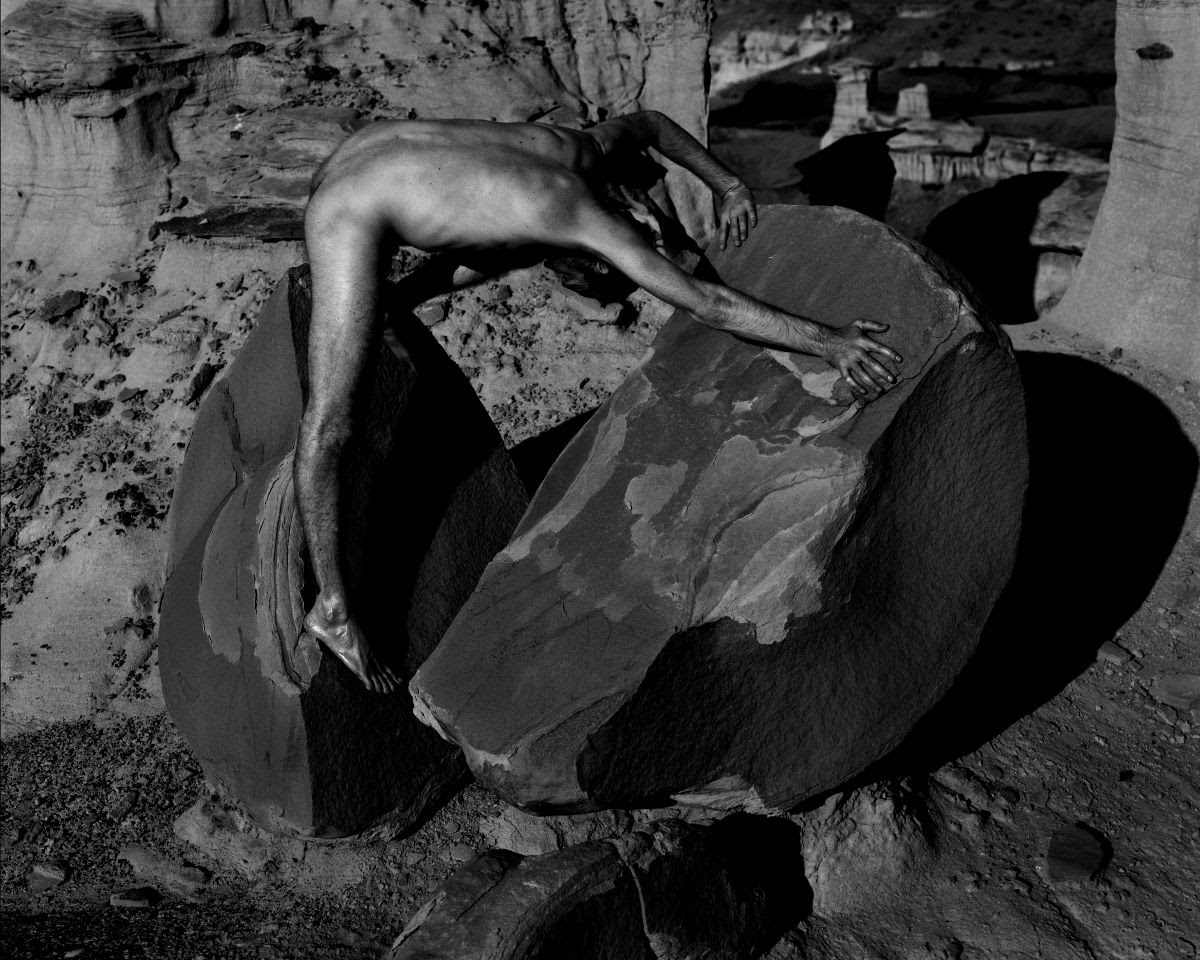
I consider there exists an inseparable relationship between horror and hands. To witness a tragedy, that is, to be present in the moment to witness horror, in the absence of words, we seek the tools at our disposal to confront or escape from that dire situation. Typically, almost as an instinctive manner, we turn to our hands, as spoken or written language may result inadequate, irrelevant or insufficient at that moment. Thus, in the face of tragedy, our hands instruct us to:
1. Shut our mouth
2. Cover our eyes
3. Plug our ears
When using our hands as a shield, we use our limbs to inwardly shelter ourselves. Confronted with tragedy we immediately begin to seek a safe space, a serene haven, a quiet corner, and the warmth of home. At times, seeking is not enough and no matter how hard we look we can’t find these consolatory places. In other words, tranquility becomes scarce during moments of hopelessness and when seeking relief is no longer a viable option, the only remedy to our uncertainty is to build a space of refuge on our own. Building with what is at hand through the power of our grip, we make a space for ourselves to safeguard concern, withstand the storm and to rest while other answers arrive. To build without imported materials or luxury finishes, using branches, bones, earth, and grime.
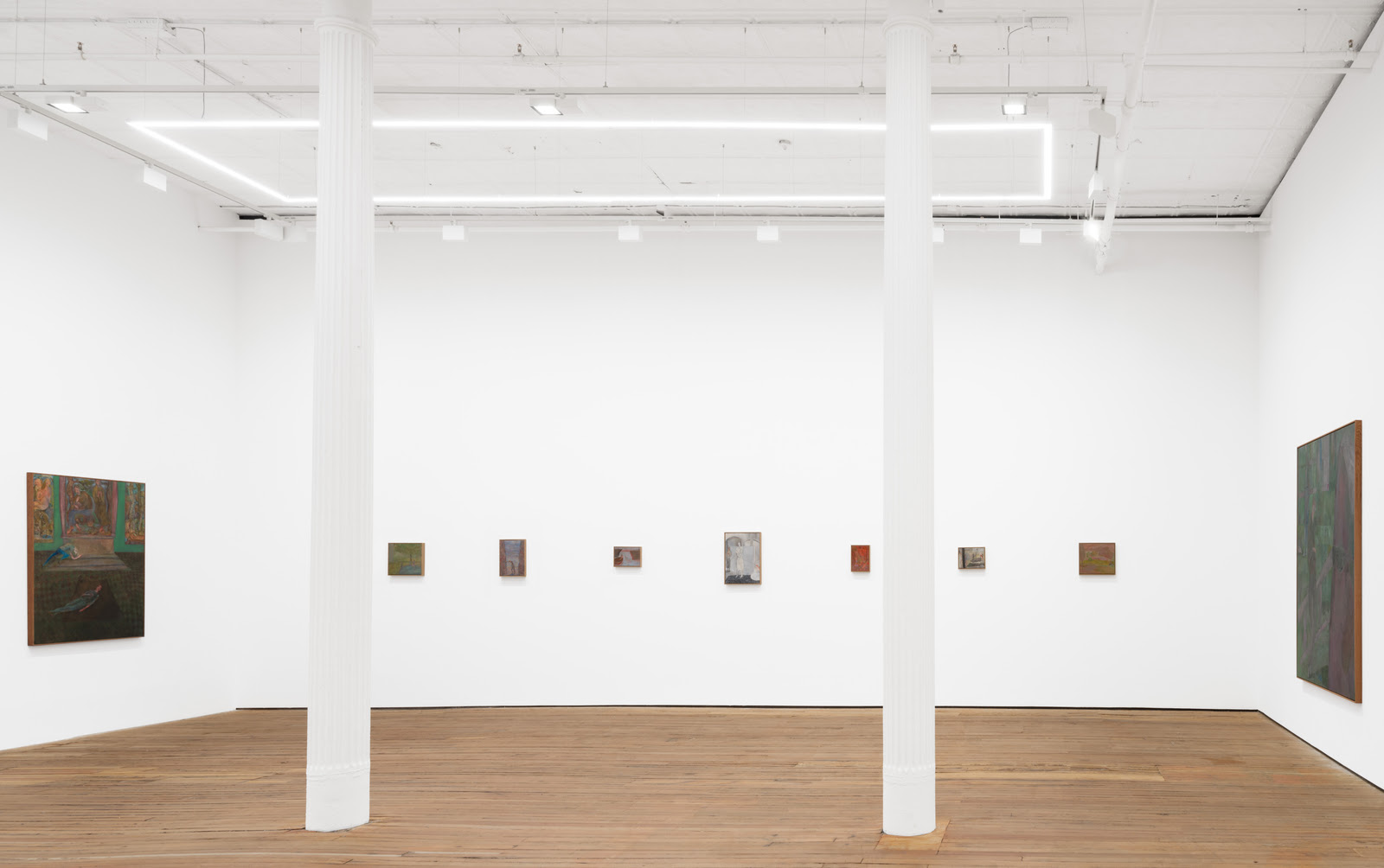
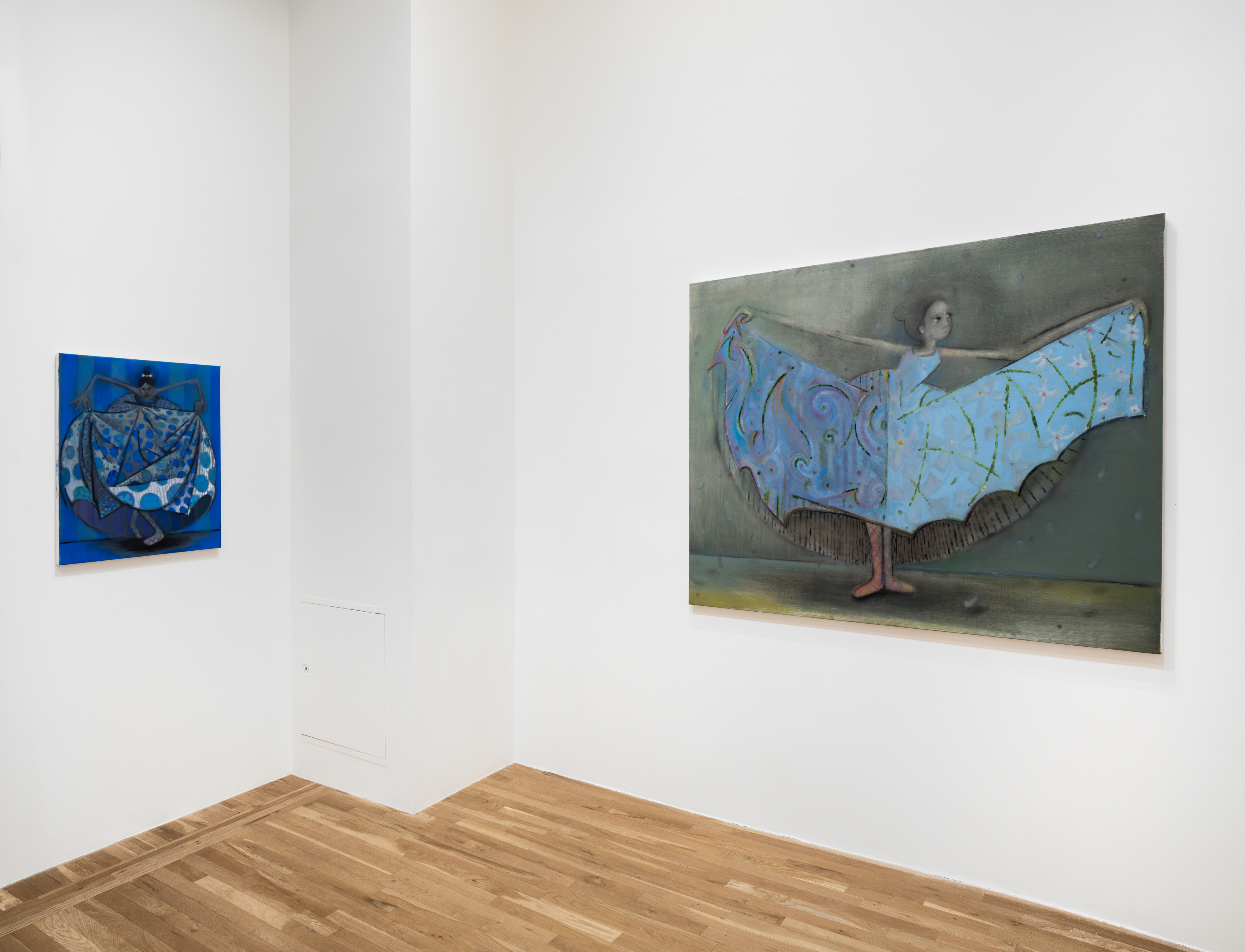
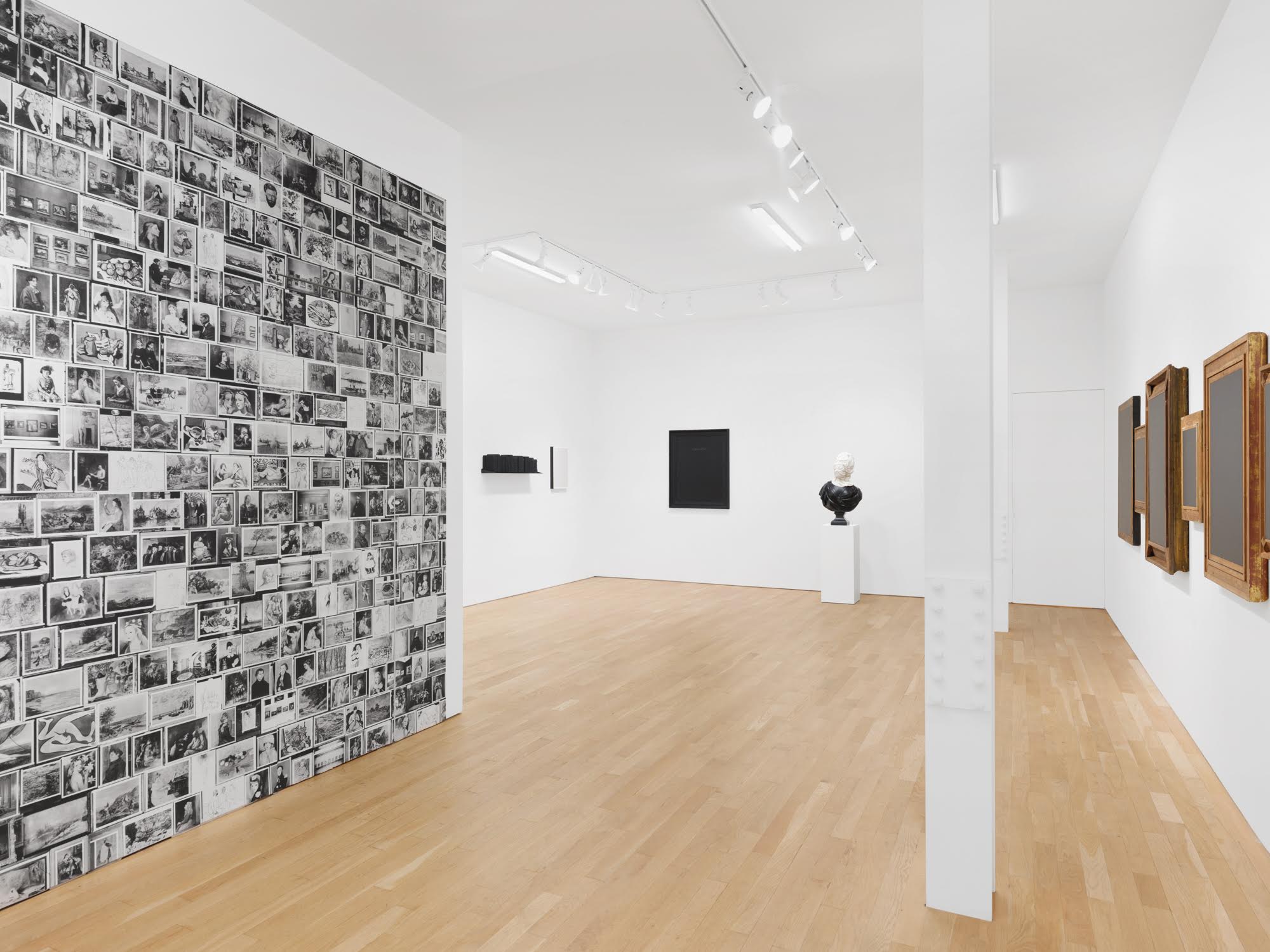
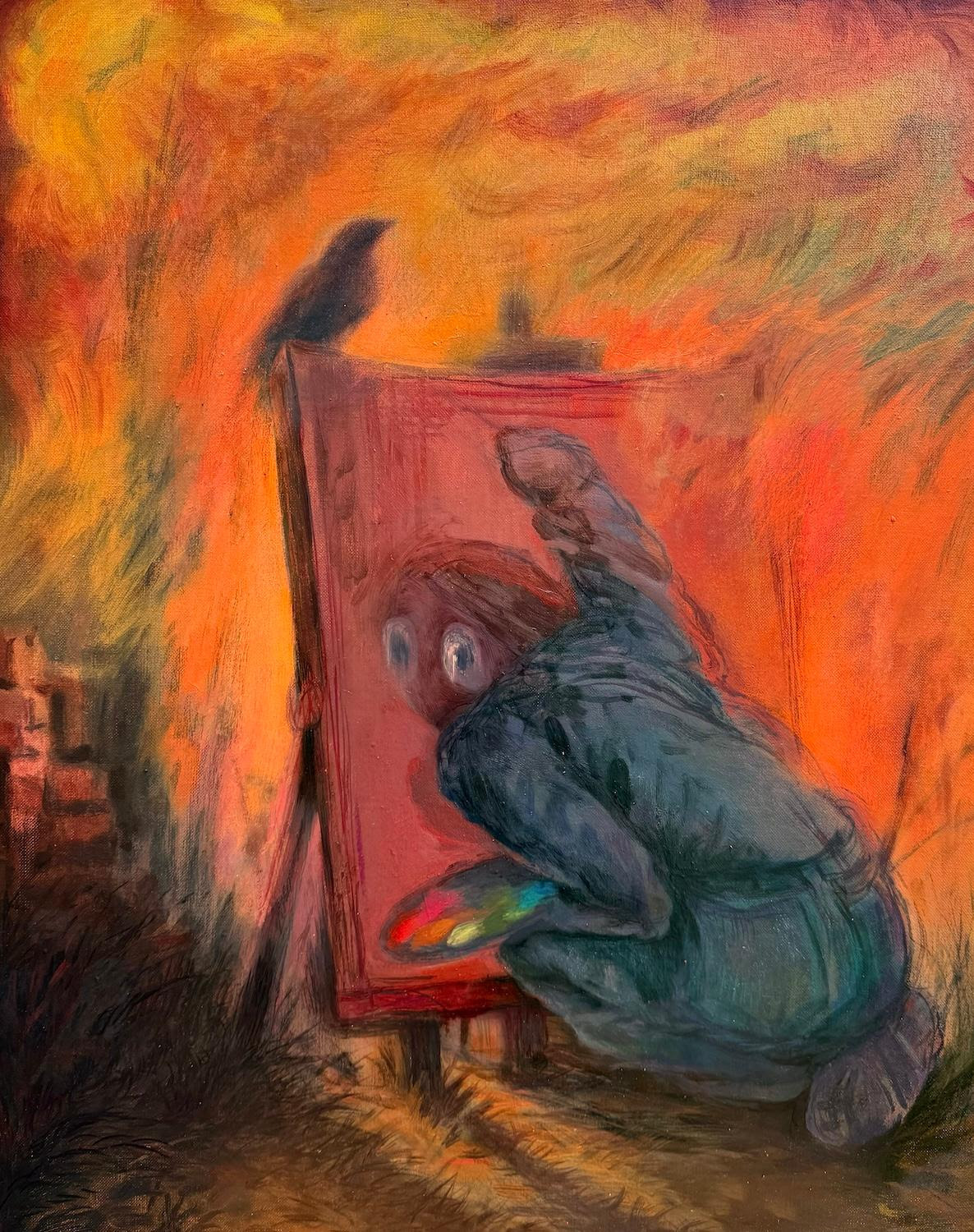
I find that a house built with bones is a pertinent image. A house constructed with bones is a house built with death, debris and dust. To build a house with bones, a beautiful house, a working-class house, an impossible house, an archetypal house and to inhabit it is a desirable by-product. Inhabiting the empty space made up of gaps formed in the rib cage or as an echo reverberating inside a cow's skull is to fill the void full of loss and to voluntarily construct and restore such a vacant space. A space ready to receive its new tenant and the distress that comes with new beginnings. The imagery of this exhibition is rooted in the gesturality of drawing and the archaeology of our urban context. Despite the forecast of our times and from a spirited region, Angelito invites us to build a home to shelter ourselves with inherited materials.
Santiago Licata (b. 1986, Buenos Aires, Argentina) completed a Bachelor's Degree in Visual Arts at IUNA between 2006 and 2008, and furthered their education in woodcut techniques at Juan Sebastián Carnero's workshop; in photography and darkroom techniques at Omar Conde Agesta's workshop; in writing at Silvia Gurfein's workshop; in art and clinic practice with Patricio Larrambebere; and in drawing at Eduardo Stupía's workshop at Universidad Di Tella. In 2014, they received the Chandon Acquisition Prize at arteBA, and in 2017 they were selected to participate in the Buenos Aires Young Art Biennial. Their work has been exhibited in fairs and exhibitions in Mexico City, New York, Minneapolis, and Buenos Aires, and their pieces are part of public and private collections in Chicago, New York, Los Angeles, San Francisco, Miami, and Buenos Aires.