Ended Oct 22
John Giorno
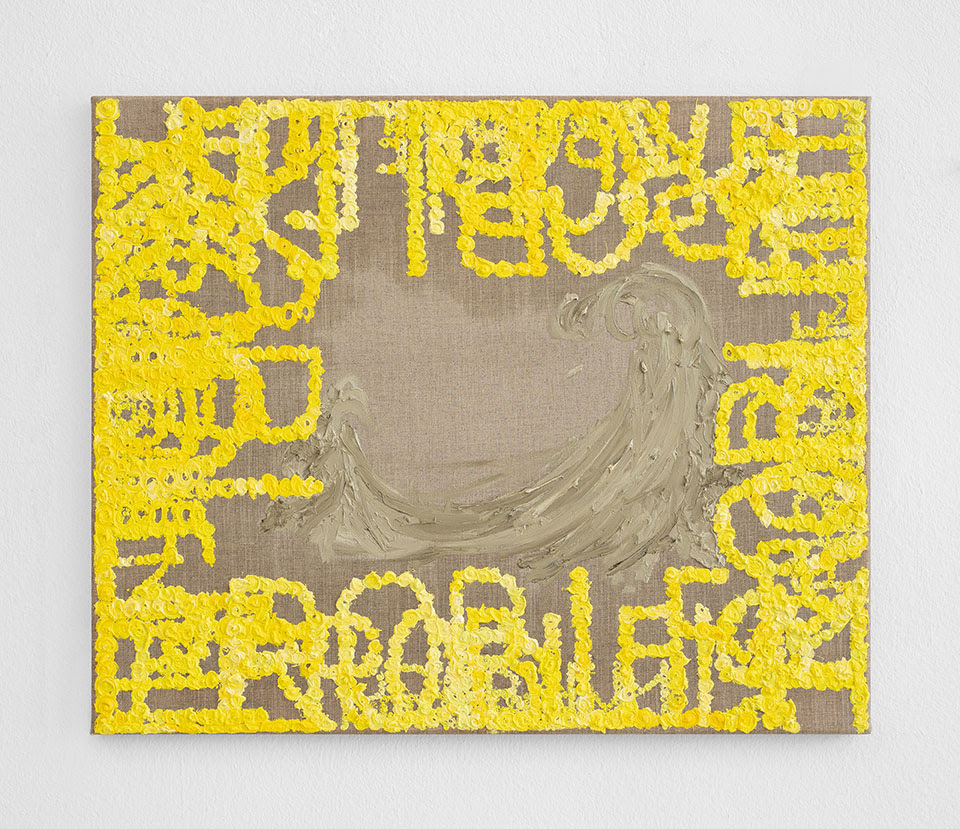
Cherry Blossoms Are Razor Blades
Sep 17 – Oct 22, 2022
More from John Giorno on Gallop
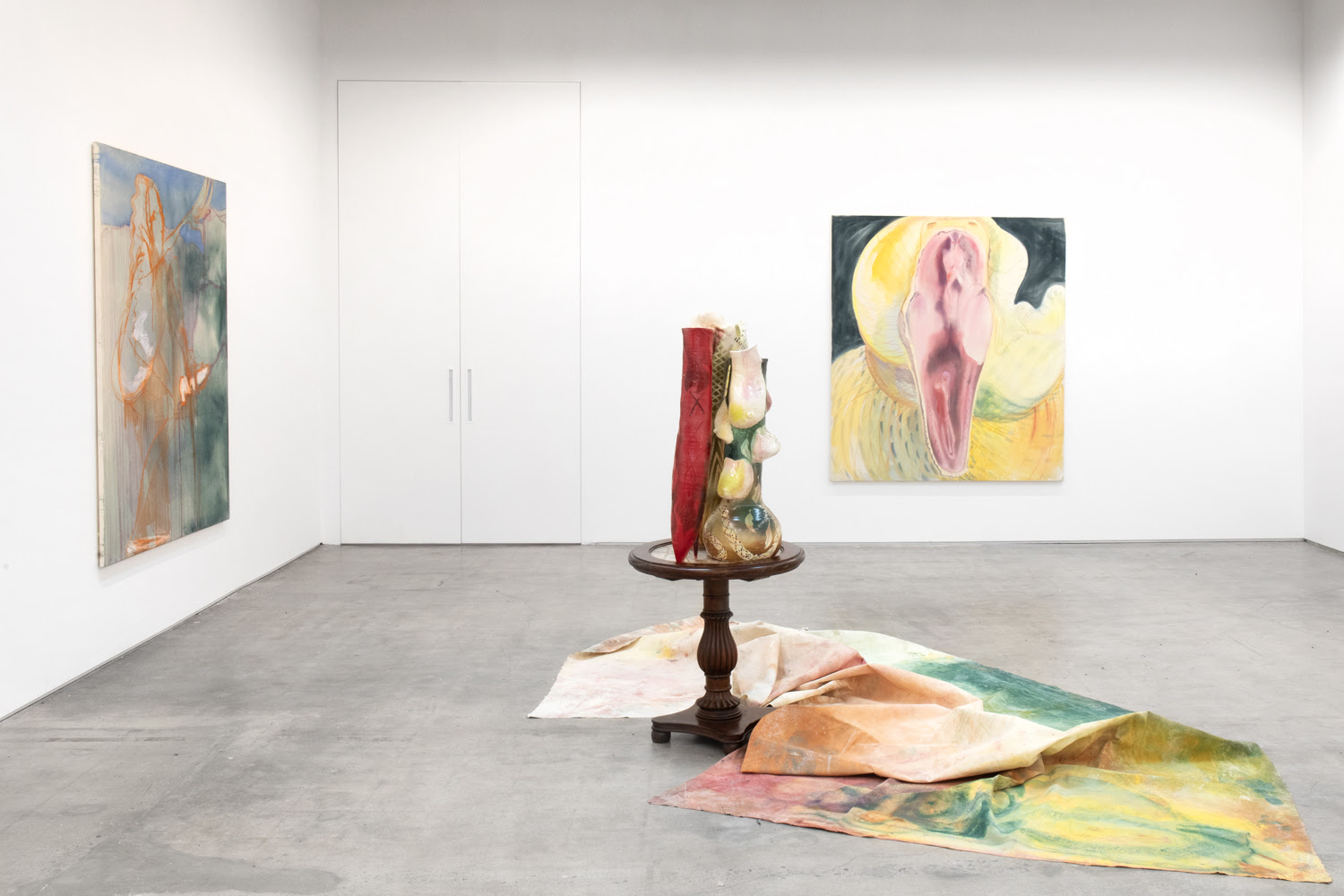
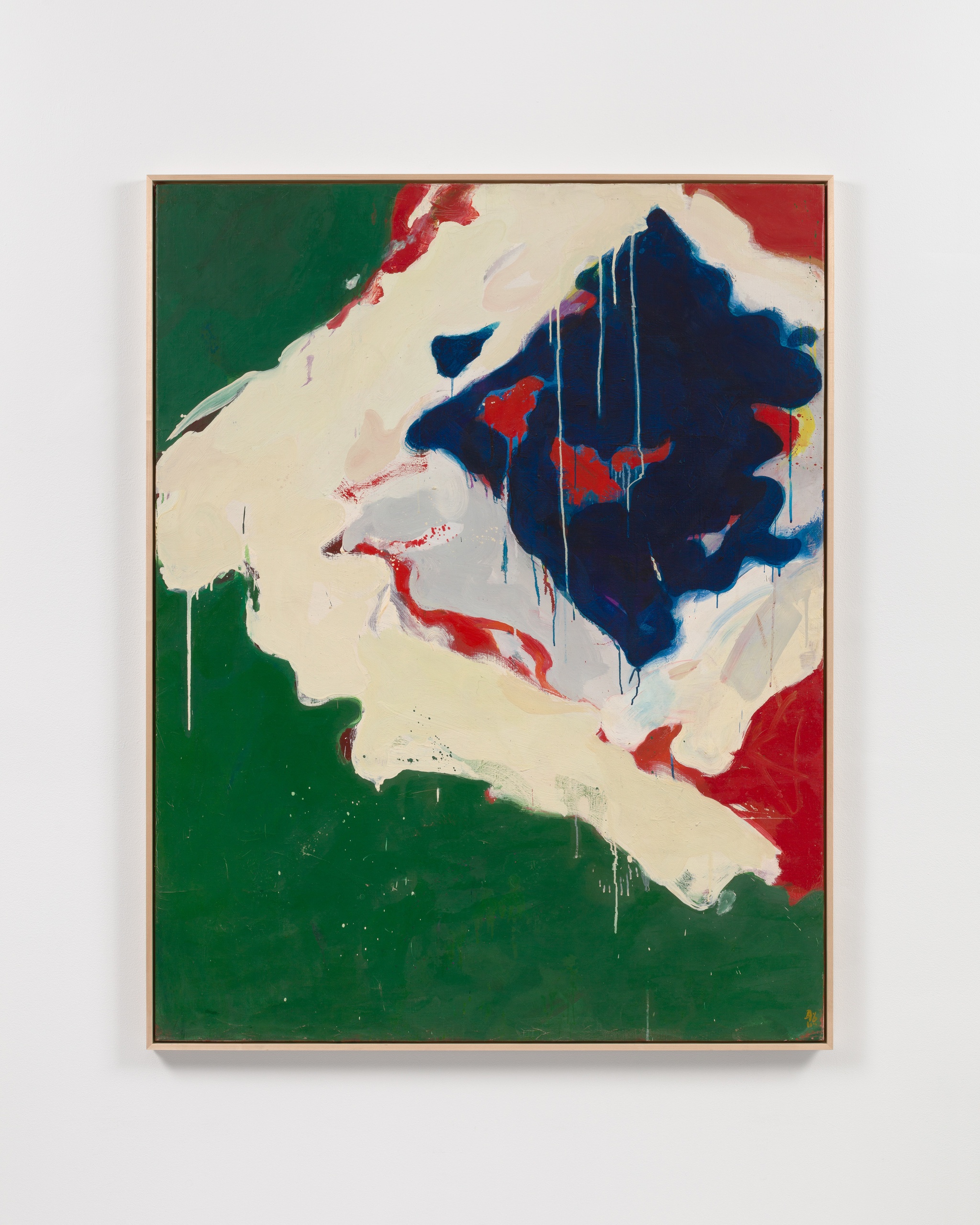
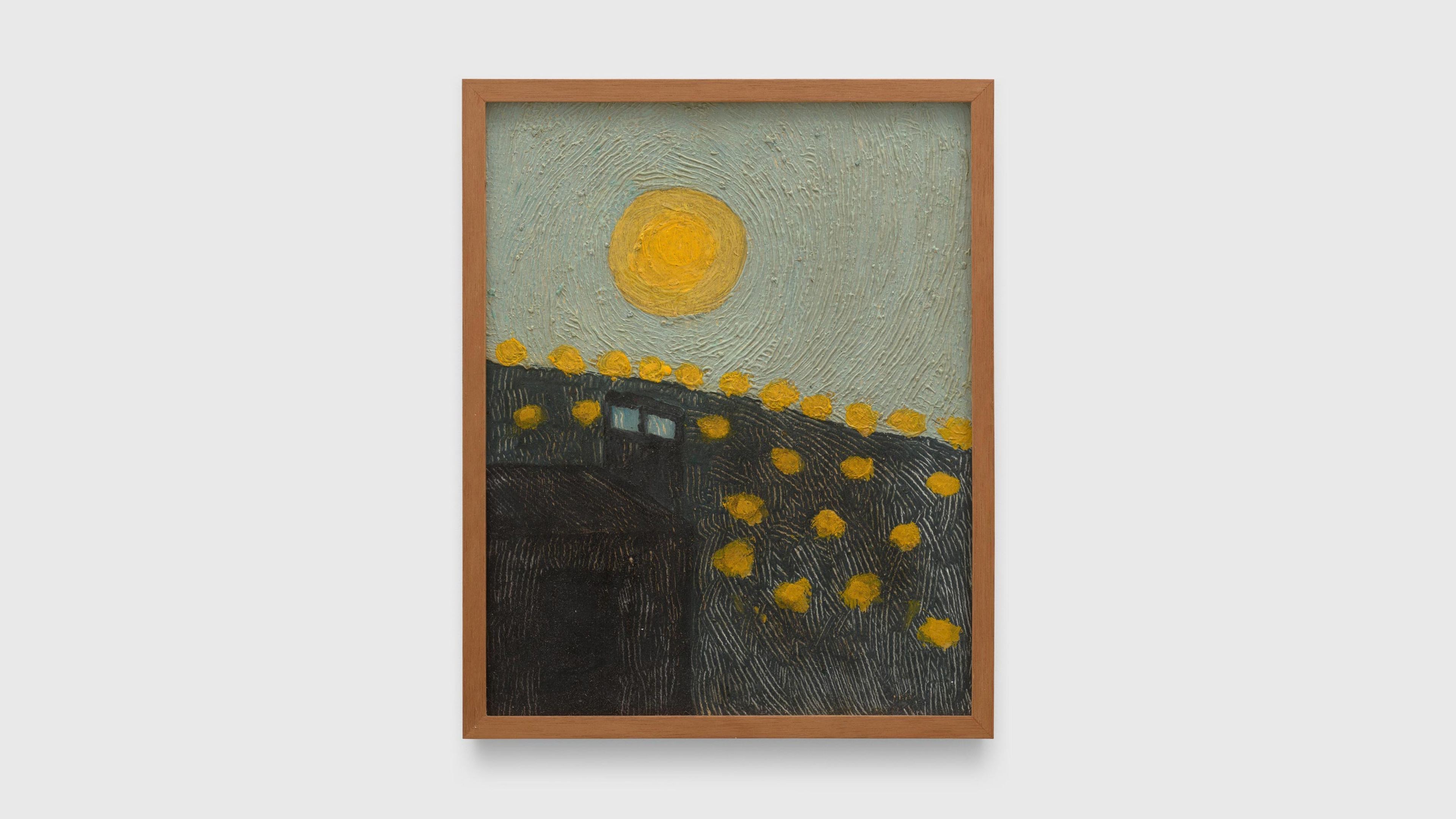
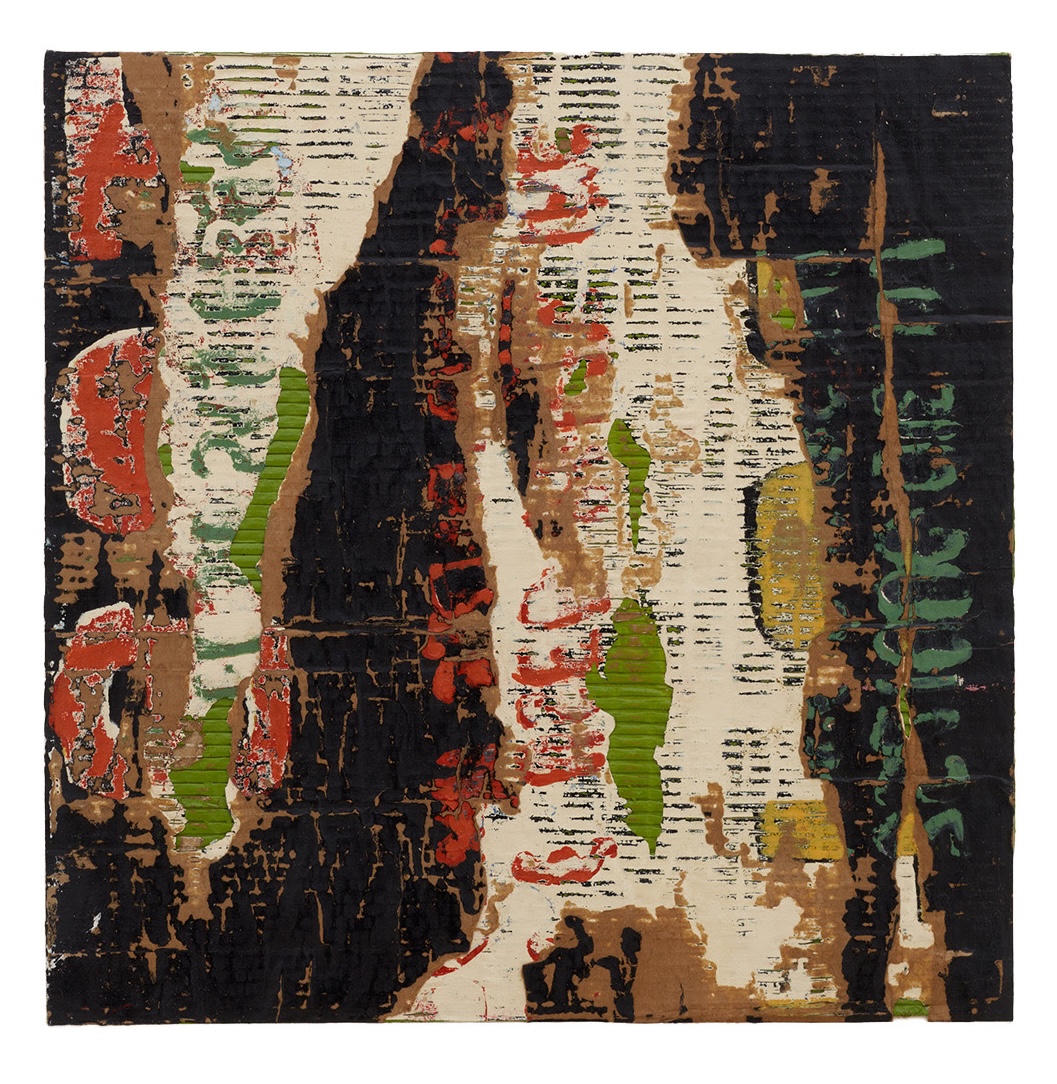
Morán Morán is very excited to present their first exhibition of works by John Giorno.
John Giorno was a poet, performer, visual artist, practicing Buddhist in the Tibetan Nyingma lineage, and founder of the non-profit and media label Giorno Poetry Systems. By 1963, he had established himself as an active presence in New York’s art scene, lauded for his starring role in Andy Warhol’s eight-hour film Sleep. Other collaborations followed: with Brion Gysin on Subway Sound in 1965, Robert Rauschenberg at 9 Evenings of Theater & Engineering in 1966, and Bob Moog on Giorno’s “electronic sensory poetry environments” of 1967–1969. He published his first monograph, Poems, and his first LP in 1967, collaborating with Rauschenberg and Les Levine on the artwork and designs for both. He originated Dial-A-Poem at The Architectural League of New York in 1968, which was subsequently included in the group exhibition Information at the Museum of Modern Art in 1969-70.
Dial-A-Poem was both celebrated and censored for its selection of readings and speeches by poets and activists including New York poets like Anne Waldman, Diane DiPrima, and Allen Ginsberg and Black Panthers’ Bobby Seale, Eldridge Cleaver, and Kathleen Cleaver. Giorno was unwaveringly unapologetic in his use of politically charged and sexually salacious content, using his work as a platform to draw attention to his own status as a gay man, police violence in America, and harrowing statistics associated with the war in Vietnam.
In 1971, Giorno visited India and Nepal with Allen Ginsberg, where gave the Dalai Lama a copy of his book Balling Buddha and met his teacher, His Holiness Dudjom Rinpoche. A palpable Buddhist strain began to form in Giorno’s work, as he devoted himself to practice and frequent retreats. In the 1980s, Giorno’s loft at 222 Bowery and the Bunker, formerly William Burroughs’ apartment, became a space for practice in Giorno’s adopted lineage of Nyingma Buddhism, which continues today.