Ended May 18
Francesco Gennari & Alina Szapocznikow
On Willful Instability
Mar 28 – May 18, 2024
More from Francesco Gennari & Alina Szapocznikow on Gallop
The sculptural oeuvre of Alina Szapocznikow (1926–1973) resembles a recording of a body in perpetual self-renewal. The diversity of her fragmented corporeal representations tells of an imperative for constant self-confrontation and reinvention.
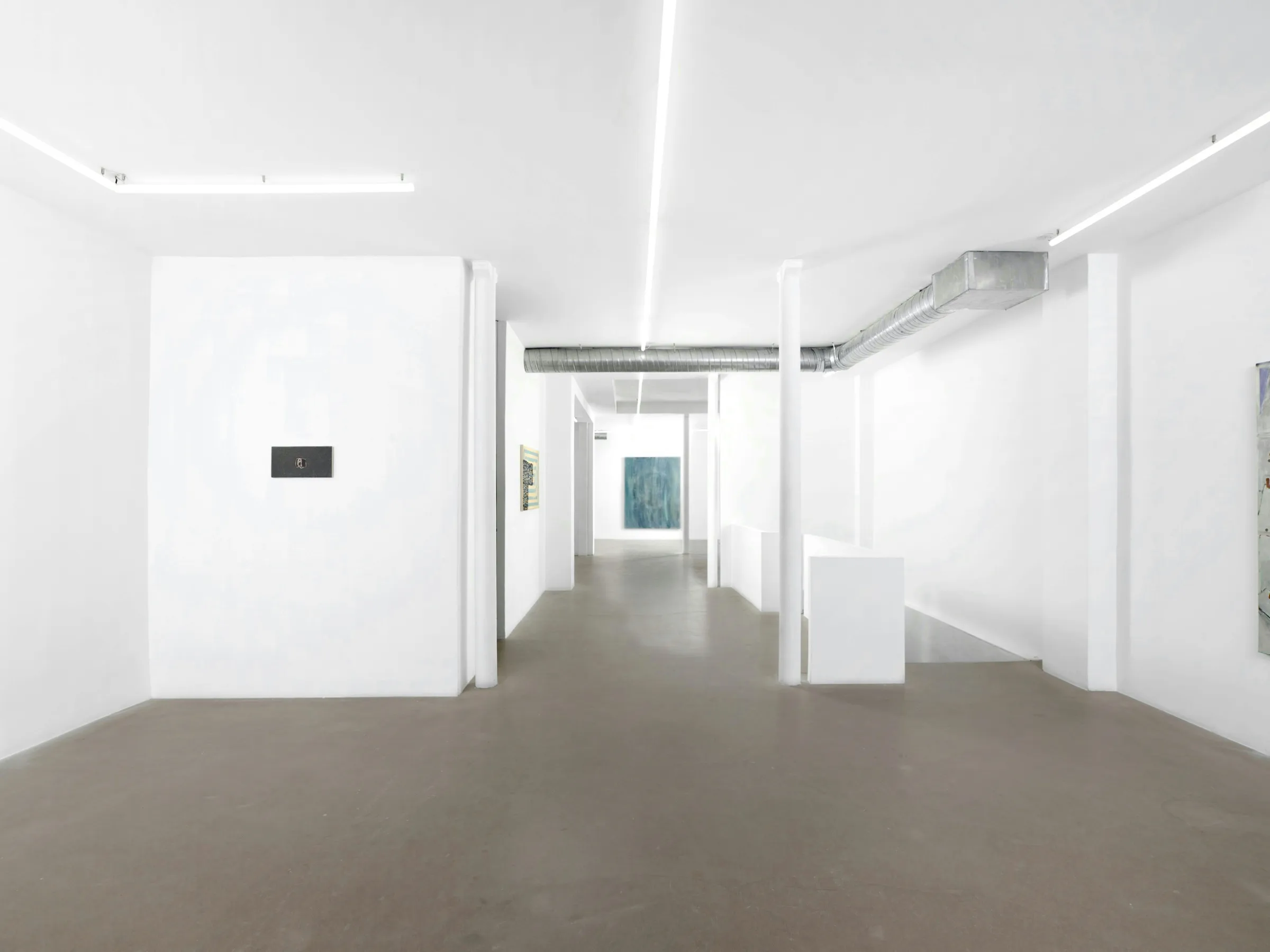
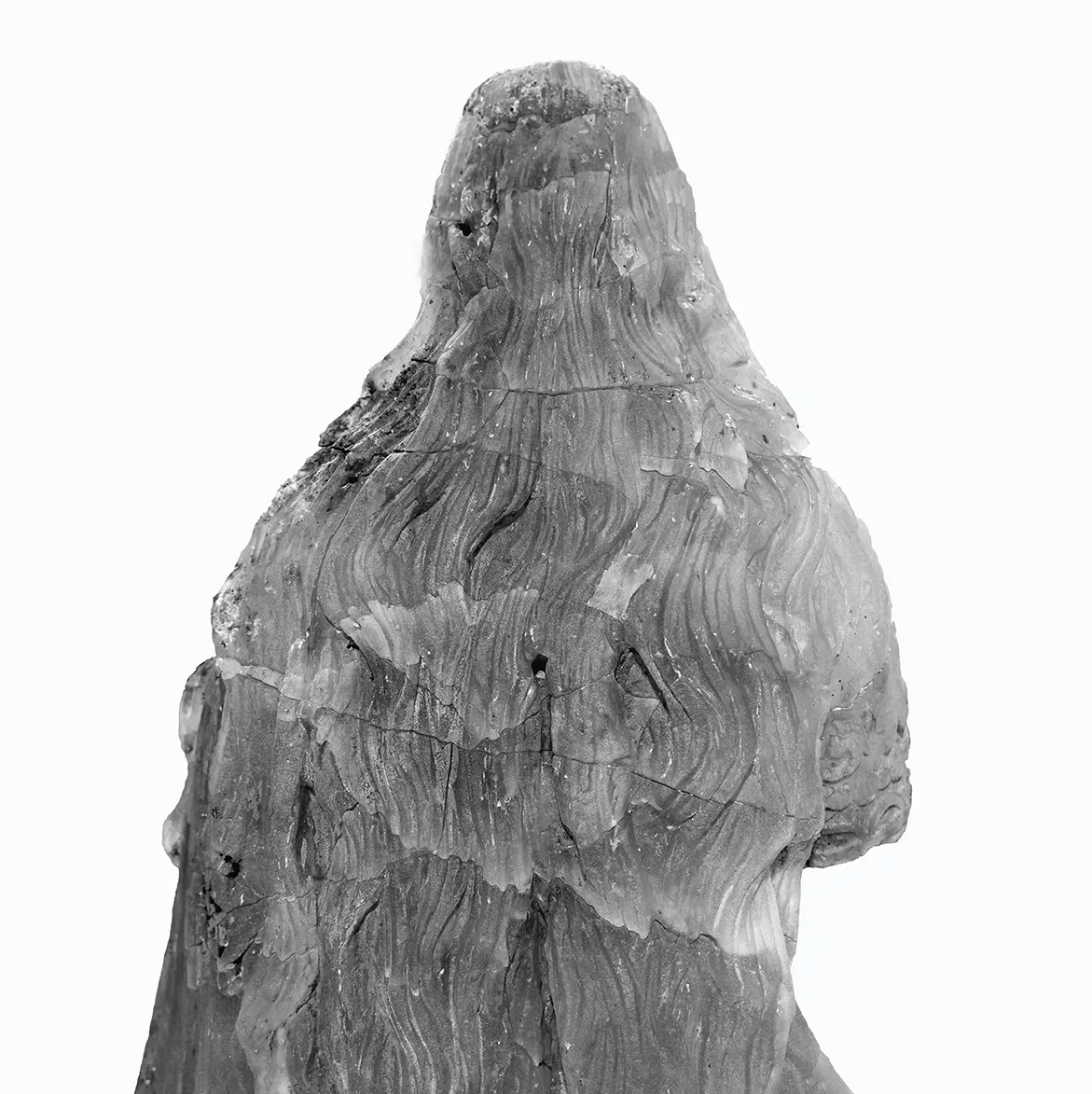
The three sculptures Head V (1961), Negro Spiritualis II (1961–62), and Spółgłoska (Consonant) (1962) mark Szapocznikow’s departure from depicting the human form as a solid whole in favor of the dissolution of rigid bodily hierarchies, aiming to evoke a direct physical experience of the body. The elongated, torn open, or porous bronze lumps evoke eerie, fleshy organisms that blend non-human traits with an unsettling vitality. These precarious figures wrestle with gravity, their tangible instability creating an impression of movement. As the sculpture’s title suggests, Spółgłoska (Consonant) hints at the dynamics of forming a consonant: the constriction of the vocal tract and sudden release of blocked airflow to emit an audible sound. Szapocznikow juxtaposes these opposing forces in the combination of bronze and sandstone. While the liquid bronze was poured into a wax mold, the stone’s rough, textured surface reveals the artist’s forceful efforts to shape the resistant material. Two contrasting gestures – casting and chiseling – form the basis of this distinctive sculptural form.
Around the same time, Szapocznikow commented: “I feel the need for kneading the material; I want to crumple it and touch it with my fingers. The physical contact with the material gives me a sense of relaying myself to the sculpture.” The works Head V, Negro Spiritualis II and Spółgłoska (Consonant) anticipate the artist’s aspiration to physically imprint her own body onto the material. They manifest the need to relinquish control in order to confront the unpredictable through tactile experience. It was during this period, shortly before relocating permanently from Warsaw to Paris in 1963, that Szapocznikow made the first direct cast of her body by casting her own leg in plaster.
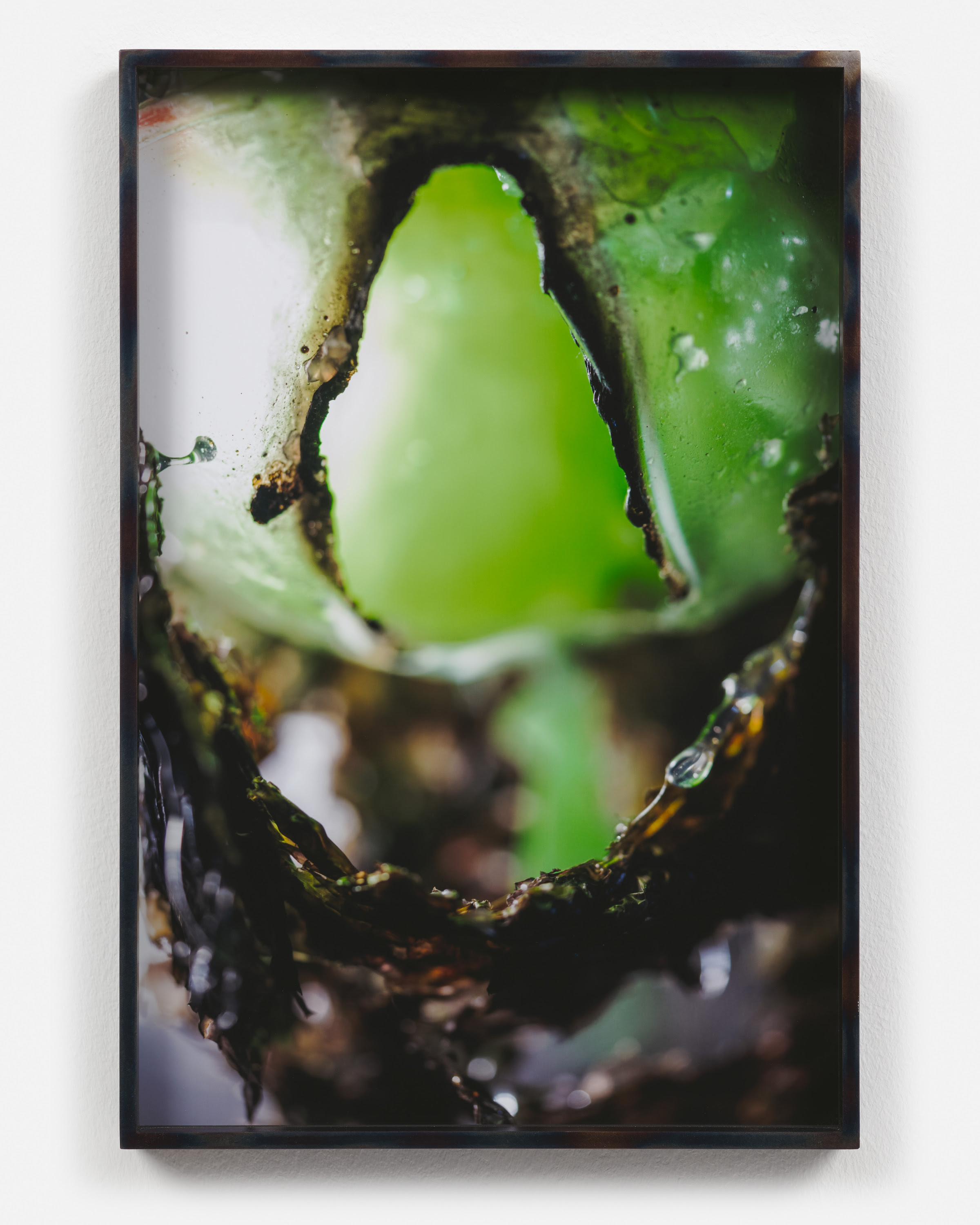
The works of Francesco Gennari (born in 1973) engage in a similarly intimate dialogue with the materials of everyday life, which he transforms through opposing gestures. Drawing a line is tantamount to its removal. The traces of erasure, spots, and smudges visible upon closer inspection complement Gennari's sometimes choppy, sometimes flowing lines. His drawings result from a direct mental projection onto paper, merging humanoid forms with organic-geometric elements to evoke an obscure landscape. Like phantoms emerging from an inner realm, the figures convey a persistent sense of otherness. They reach out – mouths agape, limbs extended like antennae – searching for support. Gennari confronts this state of uncertainty in another way in his ongoing series of self-portraits. By photographing his reflection on the liquid surface of a container filled with mint syrup, the artist surrenders control over his image to the fluid substance, subordinating the final contours of his body to the whimsical movements of the liquid.
The year of Gennari’s birth coincides with the year of Szapocznikow’s death. Three years prior, art critic Carla Lonzi articulated the following insight in her essay ‘La critica è potere’ (Critique is power): “Intuition opens a crack in the dark without having to resort to theoretical verifications and justifications.” Lonzi thus characterizes art as an act providing access to dimensions typically inaccessible through intellectual means. The “crack in the dark” indicates an entrance into a realm that creates a space for the deviant and the elusive. A necessary precondition for playful self-experimentation that enables the invention of forms reflecting one’s own impermanence. Perhaps one should imagine access to this place as a movement that is fleeting yet powerful, propelled by the same force as the sound of a consonant resonating through the mouth.
—Susanne Mierzwiak, On Willful Instability.