Ended Apr 20
George Nakashima
In Conversation
Mar 1 – Apr 20, 2014
More from George Nakashima on Gallop
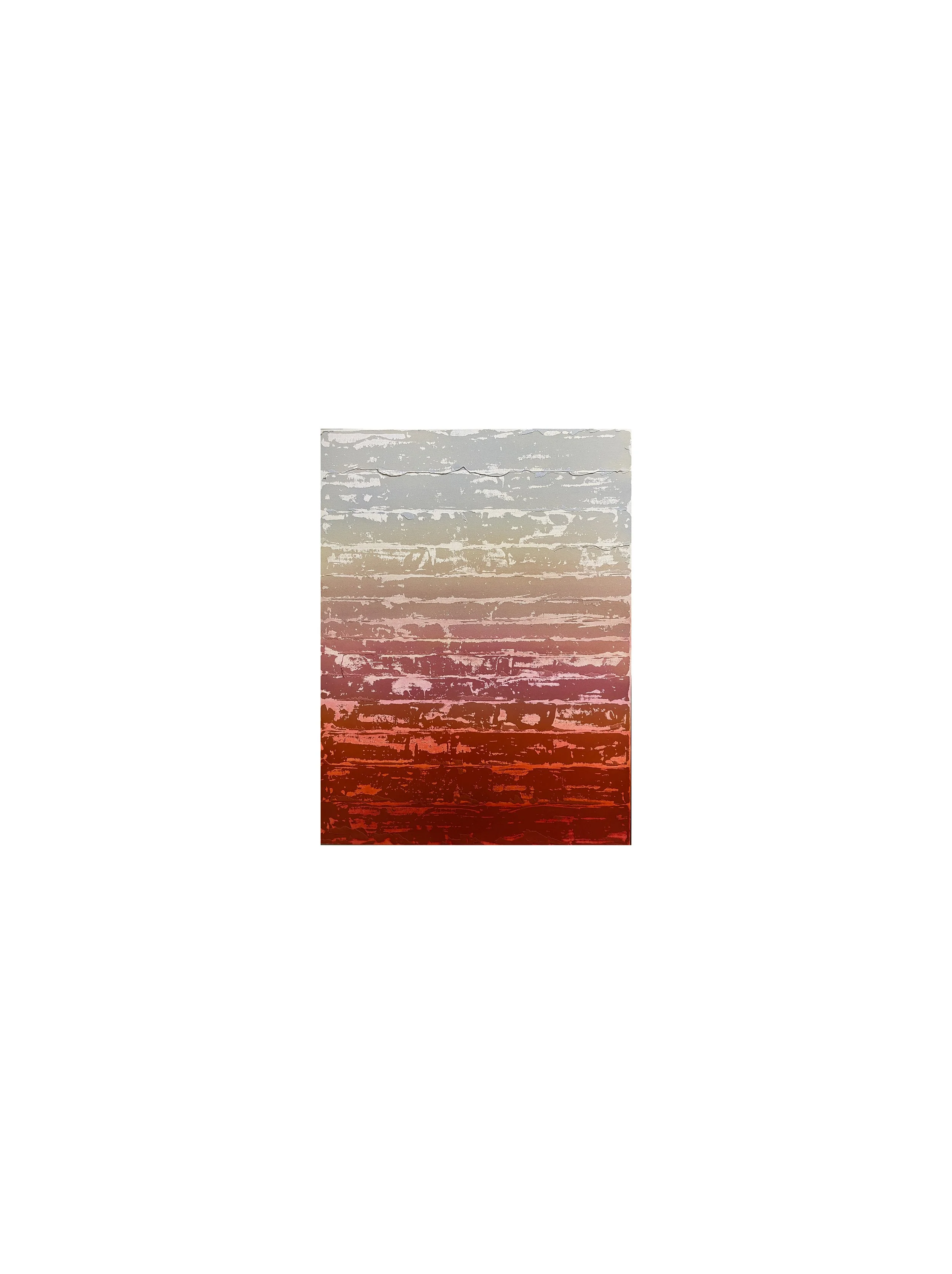
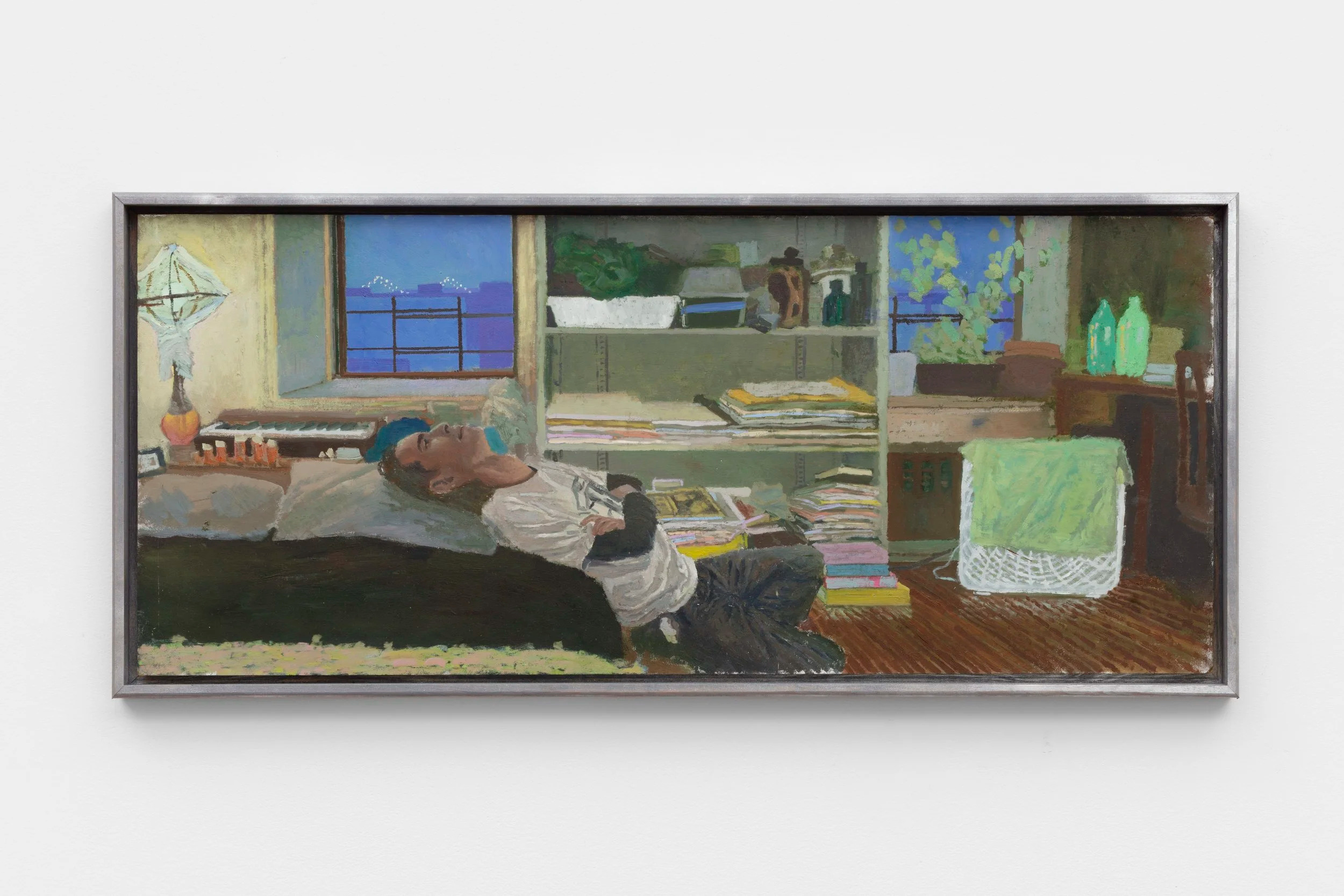
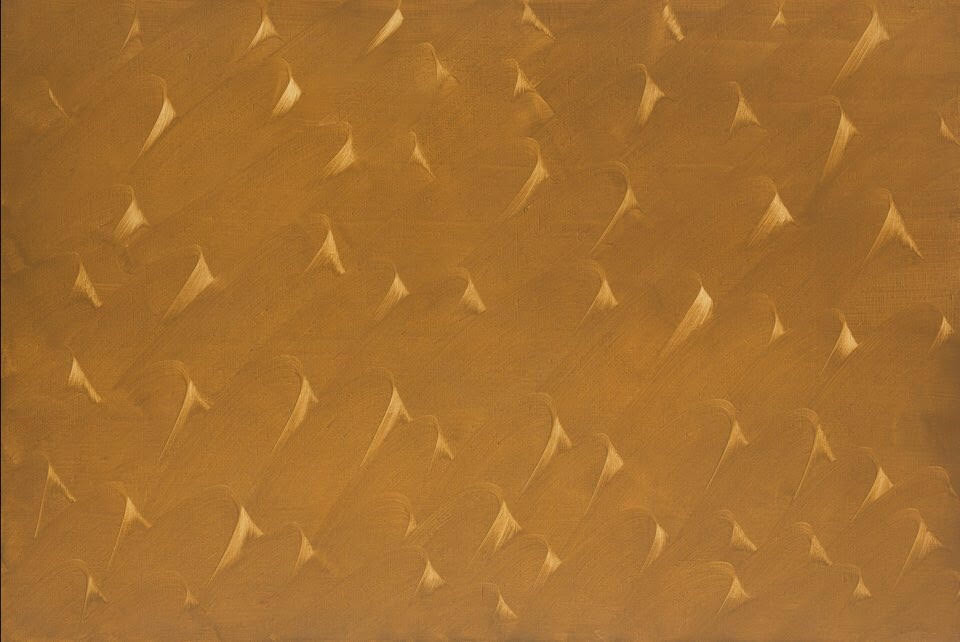
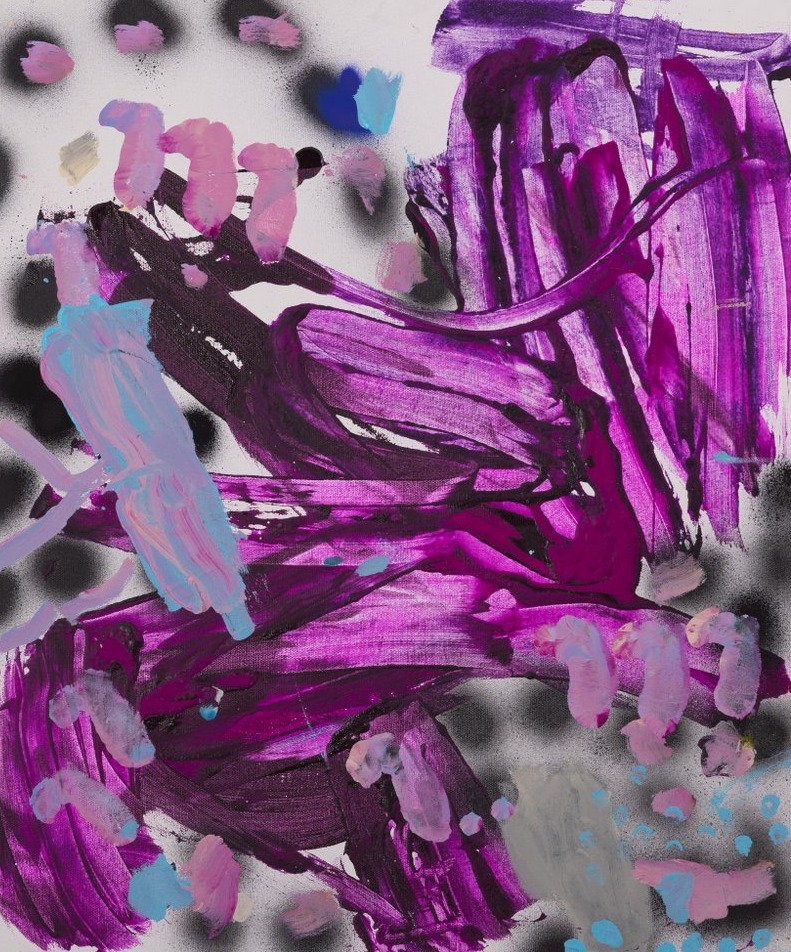
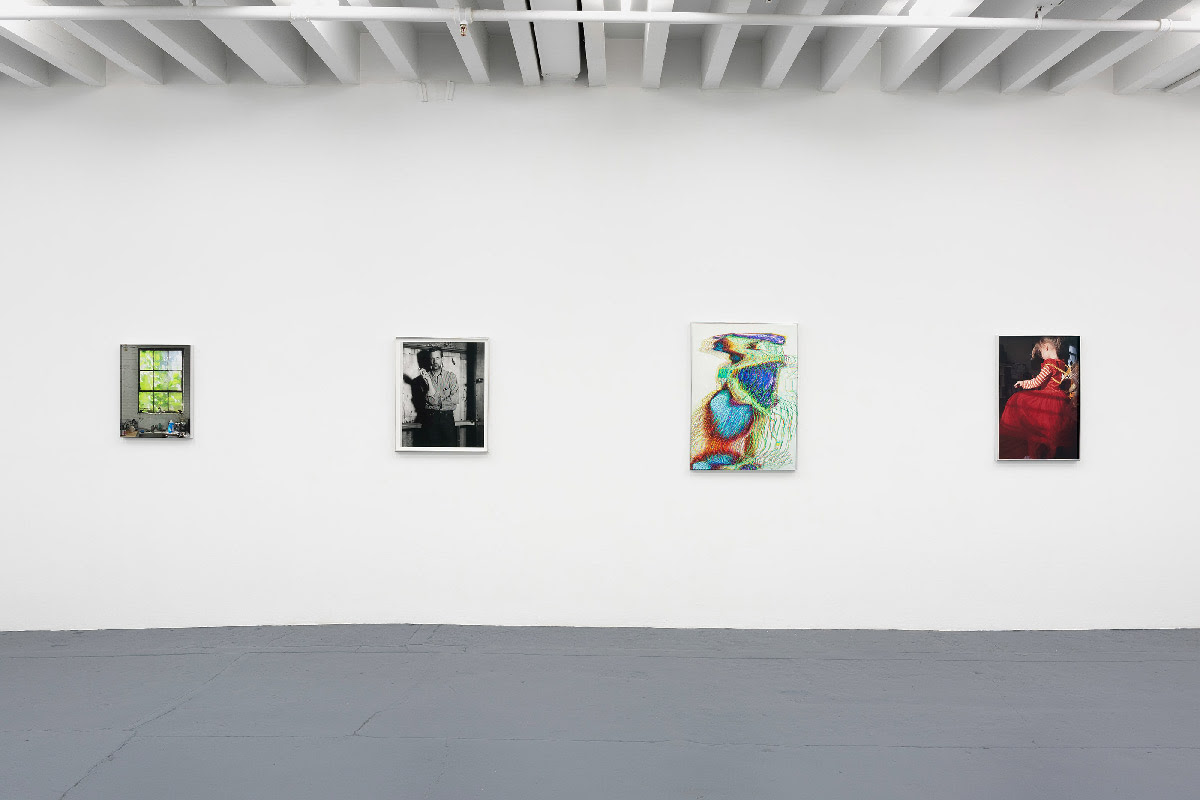
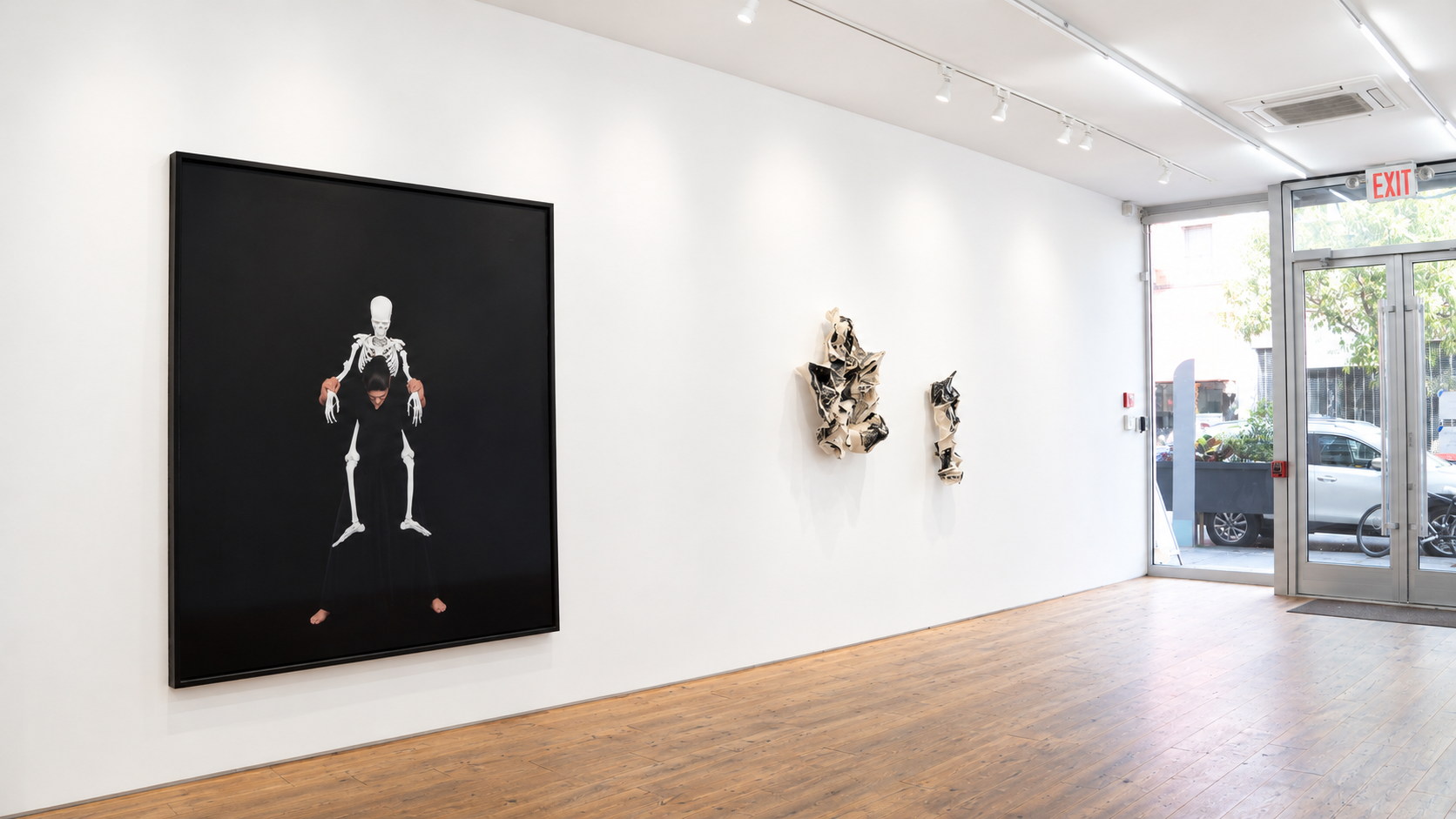
UNTITLED is arboraceous to present George Nakashima: In Conversation, an exhibition celebrating the artist’s seminal contributions to art and design in dialog with a selection of contemporary artists.
While art is traditionally viewed in the context of a gallery or museum, isolated and in its most autonomous form, these spaces are not where it lives. Removed from the exhibition space, art lives beside end tables, between lounge chairs and over cabinets. There art develops meaning and expressiveness as it interacts with all the other appointments of a home. "George Nakashima: In Conversation" seeks to explore the inherent relationships between art, furniture and design and challenge the distinctions of each as isolated categories unto themselves.
Striving for perfection at every stage of production, Nakashima's design process began with the meticulous supervision of the cutting of the tree. Each board revealed what he called "the second life of the tree" as a piece of furniture. Based on an organic approach to wood and design, his emphasis was on revealing the unique idiosyncrasies of the tree. In order to do so he was the first to utilize and enhance the natural edge of the board and to reveal the inherent flaws of the wood as a design element. He sought woods that had burls, knots, sapwood, cracks and figured grain that lent an element of naturalistic expressiveness to his compositions. Utilizing simple yet beautiful architectonic structures for the bases of his furniture, Nakashima was the first to foreground the juxtaposition of the architectural and the organic in design.
Born in Spokane, Washington (1905), Nakashima grew up in the forests of the Olympic Peninsula. It was there that he first realized his intimate connection to wood. This interest lead him to pursue an education in forestry at the University of Washington, however, he eventually switched majors and received his B.A. in architecture from Washington and his M.A. in architecture from MIT. After traveling and working in France and Japan, he returned to the US in 1941 where he was interned in 1942. Released in 1943, he began his career in New Hope, PA, calling himself a "designer/craftsman." He received numerous significant awards in the US and Japan and was honored as a "Living Treasure" in the United States during his retrospective “Full Circle” at the American Craft Museum shortly before his death in 1990.