Ended Oct 5
Omara Mara Oláh
Guess What, I'm Still Here
Sep 5 – Oct 5, 2025
More from Omara Mara Oláh on Gallop
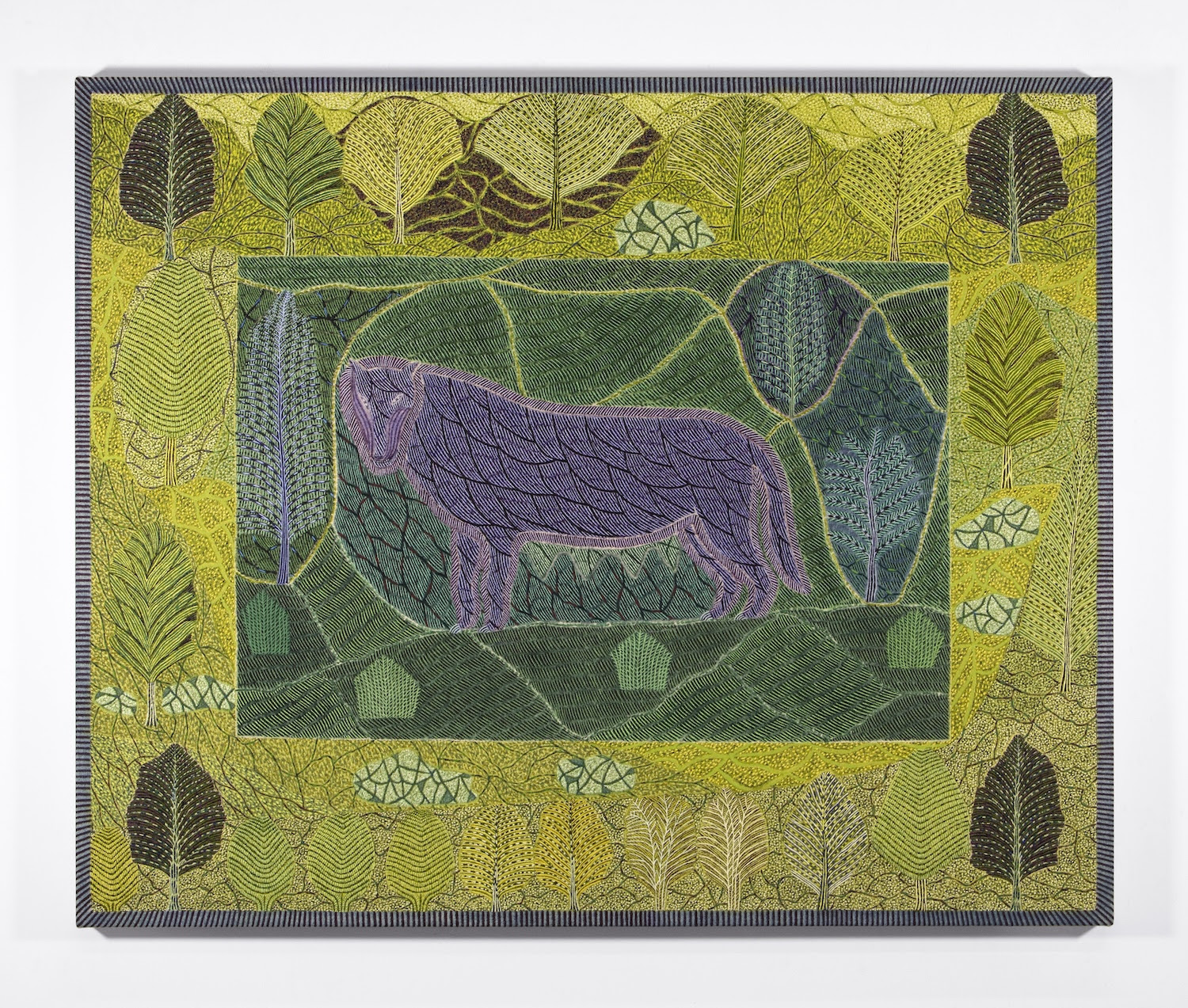
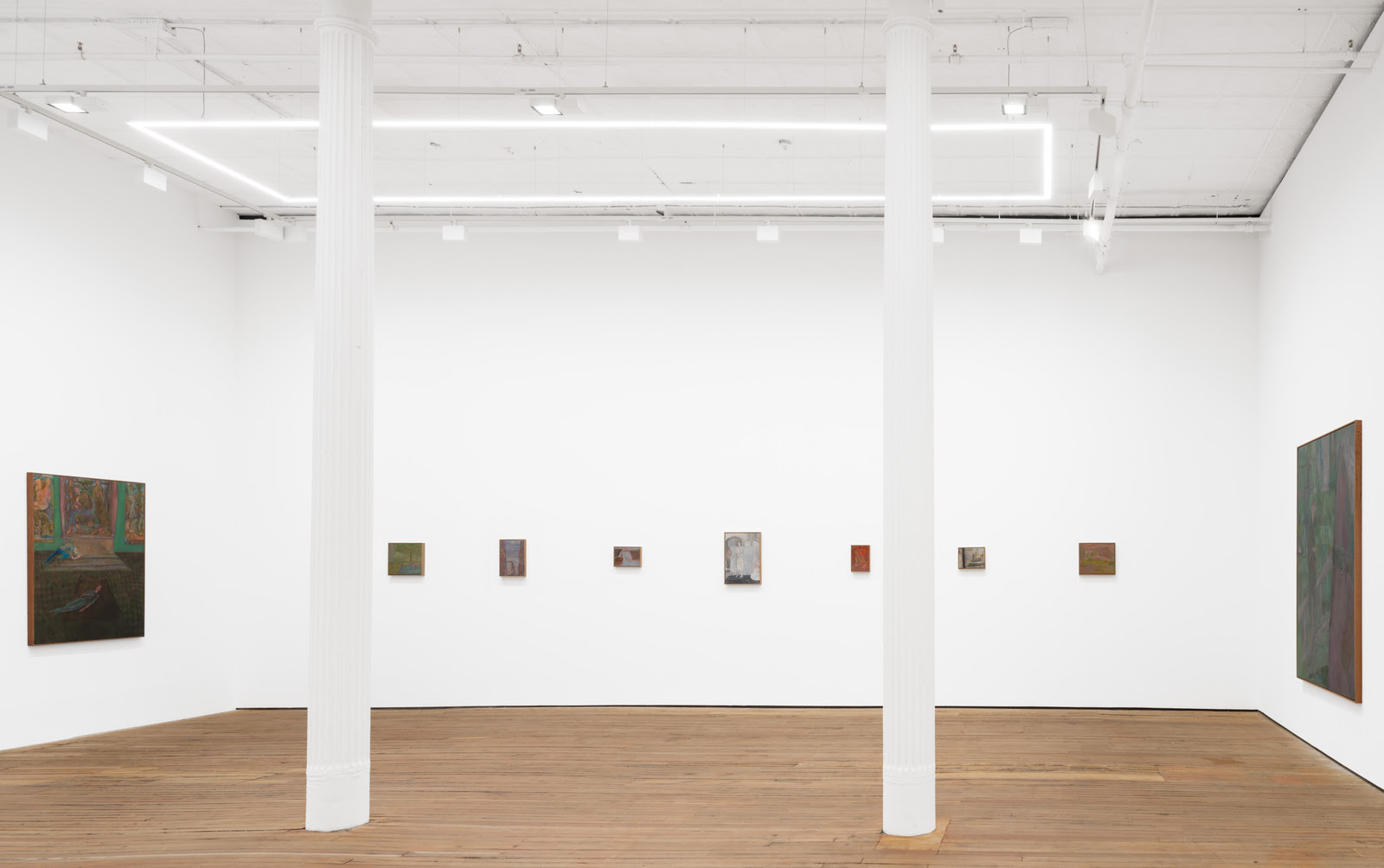
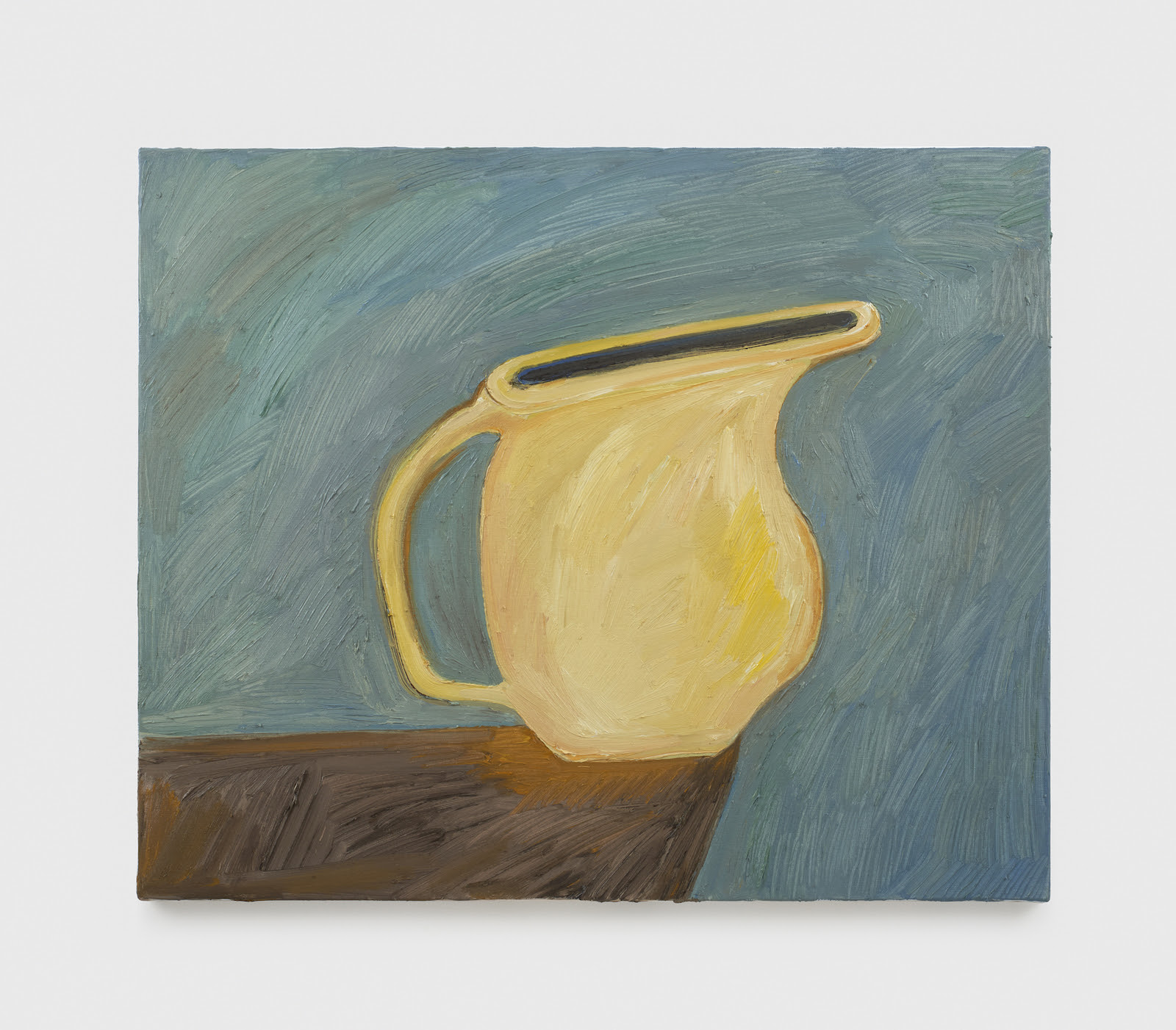
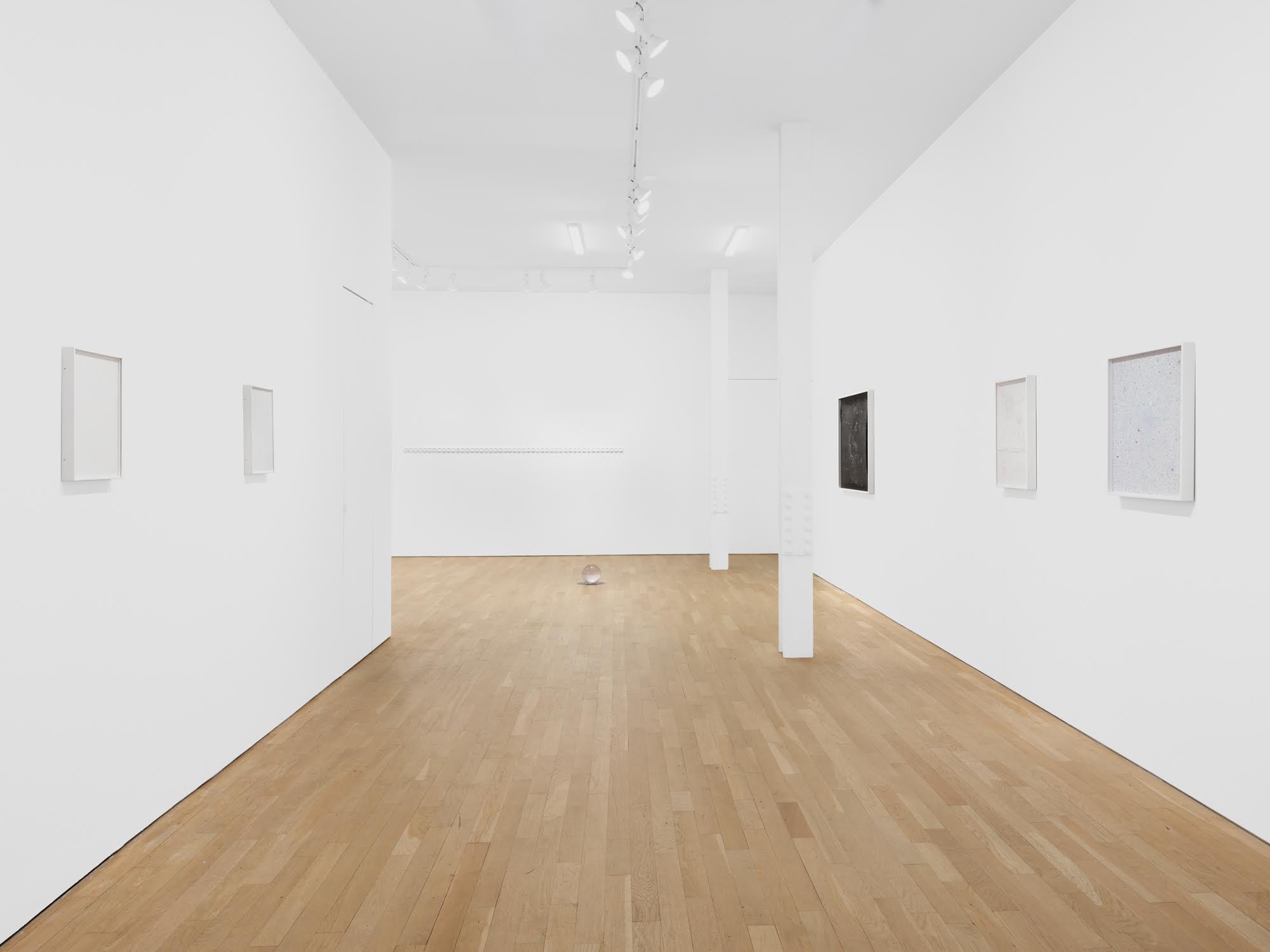
Margot Samel is pleased to present Guess What, I'm Still Here, a solo exhibition of works from the estate of Hungarian Roma artist Mara Oláh (1945—2020), also known by the name Omara. Oláh's self-taught practice spans drawing, painting, and photography, and has been exhibited at major venues including the first Roma Pavilion at the Venice Biennale in 2007. This is the first exhibition of her work in the United States.
In her own recounting, Mara Oláh picked up a pencil at the age of forty-three without prior artistic training. This whim became an all-consuming practice. She is engrossed by the possibilities of art, not only to express thoughts and emotions, but also to act as a therapeutic tool. Art-making eases her migraines and aids in her recovery from surgery, whilst providing her with a language to process moments of intense feeling—love, turmoil, fear, pleasure.
The self-taught nature of Oláh's practice, and her instinctual turn to art as therapy, are undoubtedly a salve for her experiences of systemic oppression as a Roma woman in Hungary. Oláh comes of age in a community haunted by the specter of Nazi persecution, and which fights to thrive amidst incredible discrimination. Poverty, de facto segregation, lack of access to medical services, and extreme prejudice are everyday experiences. Oláh's insistence on the strength and dignity of Roma life, and her refusal to acquiesce to oppression, become central narratives throughout her work.
Omara remains fascinated with portraiture for the entirety of her career. She paints the people who are closest to her heart, and renders them in bold, expressive brushwork. These portraits are characterized by the unflinching gazes of their subjects—most notably represented in this exhibition by the 2009 self-portrait Guess What, I'm Still Here and the tender engagement portrait of her daughter, Finally My Diamond Is in Love at 22!.
Alongside these paintings are selections from Written Photographs, a series of candid snapshots. With these works, we become privy to moments of messy intimacy—quiet triumph, celebration, and mourning. Handwritten reflections scrawled upon the images are sometimes humorous, didactic, or confessional, and always heartfelt. As with all aspects of Omara's practice, the boundaries of this project are not set in stone. Similar photographic works become the generative source for collages, presented in groupings with miniature paintings on cigarette box cutouts, and combined with text that is both poetic and political.
It is crucial to consider this exhibition within the totality of Oláh's artistic pursuits. Her practice often extends to forms less suited to the walls of a gallery. All aspects of her life become a source and stage for artwork and activism alike: she pens an autobiography, participates in a short film about her life, covers the exterior of her home in portraits, scenes, and text, and eventually transforms her living room into an exhibition venue for Roma artists. At the heart of it all, Omara demands viewers see her and her community on her own terms. These works depict autobiography within social context—her life, and her stories, told through the lens of her relationship to the world.
—Olivia Jia
Mara Oláh (1945 - 2020, Monor, Hungary) is one of the most renowned Hungarian Roma artists. Solo exhibitions include Dikh Omara, curated by Fredi Fischli and Niels Olsen, in collaboration with RomaMoMA, gta exhibitions at ETH Zurich, Ona Fokushalle, Zurich, Switzerland (2024); Omara (Mara Oláh), Longtermhandstand, Budapest, Hungary (2023); An Eclectic Attempt to Complete the Torso in My Head + Omara (Mara Oláh) curated by Peter Bencze, UGM Studio, Maribor, Slovenia (2022); Omara – Mara Oláh, Pina Vienna (2022); Think What You Want, aqb Project Space, Budapest, Hungary (2017); The Jewelry of One-Eyed Omara Is Only Visible With a Magnifying Glass, Liget Gallery, Budapest, Hungary (2011); Temporary exhibitions at the Omnibusz, Oriental Hotel, Budapest, Hungary (1996 -2005); Hungarian Cultural Institute, Paris, organised and supported by Romart Foundation (2000); Kultiplex Cultural Centre and Cinema, Budapest Budapest, Hungary (2000); Szolnok, exhibition for prisoners at Szolnok Prison (1998); Graffiti Art Cinema, Budapest Budapest, Hungary (1998); Cultural Centre of District XI, Budapest, Hungary (1993); American Embassy, Budapest, Hungary (1993); Naïve Museum, Kecskemét (1992).