Ended Apr 15
Jochen Klein
Feb 9 – Apr 15, 2017
More from Jochen Klein on Gallop
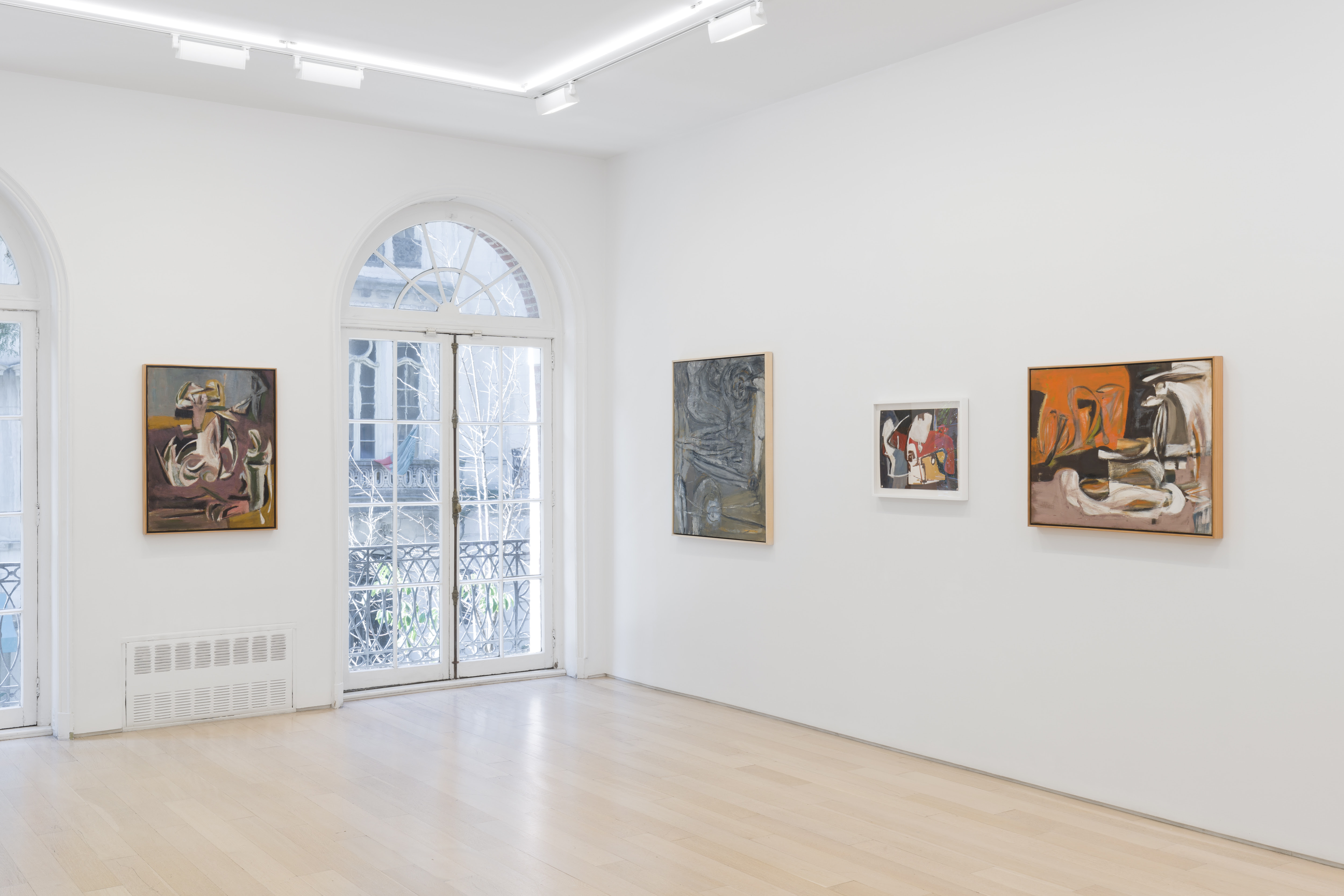
Galerie Buchholz is proud to announce our third exhibition of the artist Jochen Klein (1967-1997), following our initial solo exhibition of Jochen Klein’s work in 1997 and a second exhibition in collaboration with the artist Peter Doig in 2004, both in our Cologne gallery. Opening at Galerie Buchholz New York, this will mark the first solo exhibition of Jochen Klein in America since his 1998 exhibition project at Hudson’s Feature Inc. organized by Wolfgang Tillmans.
In 2008, Jochen Klein was the subject of a retrospective at the Pinakothek der Moderne, Munich, accompanied by a comprehensive catalogue. Additional institutional solo and group shows include “The Undiscovered Country” at the Hammer Museum, Los Angeles, in 2004 (curated by Russell Ferguson), “Partnerships. Interrupted Careers” at the Neue Gesellschaft für Bildende Kunst, Berlin, in 2002 (curated by Frank Wagner), “Jochen Klein” at Kunstraum Munich and Cubitt, London, in 1998, “From the Corner of the Eye” at the Stedelijk Museum, Amsterdam, in 1998, and “Oh Boy it’s a Girl – Feminismen in der Kunst” at Kunstverein München in 1994 (Jochen Klein’s contribution to this exhibition was a collaboration with the artist Thomas Eggerer). From 1994 through 1996, Jochen Klein was part of the artist collective Group Material, participating in the exhibition “Market” at the Kunstverein Munich in 1995, and in the Three Rivers Arts Festival in Pittsburgh in 1996.
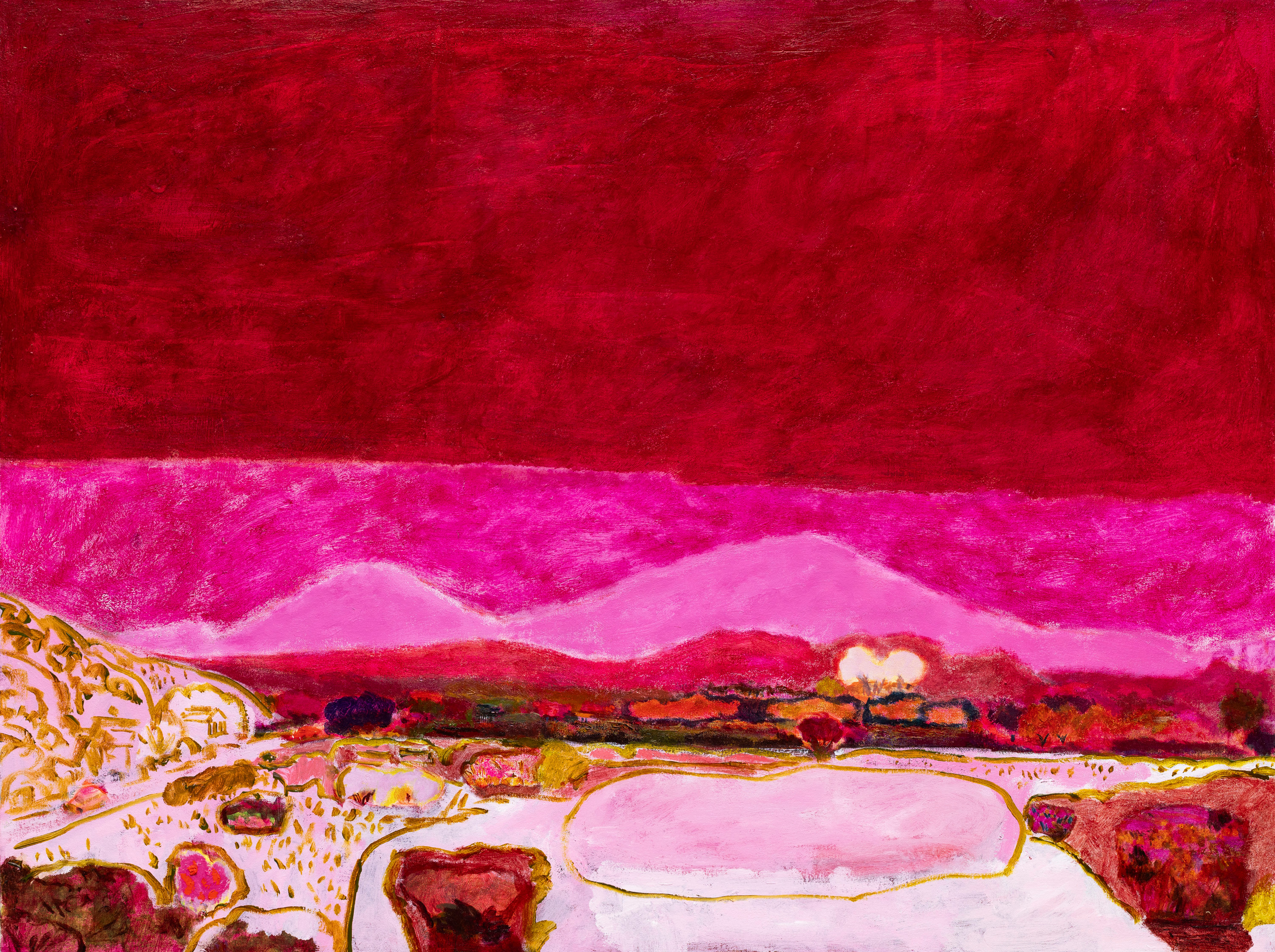
“English Garden” *
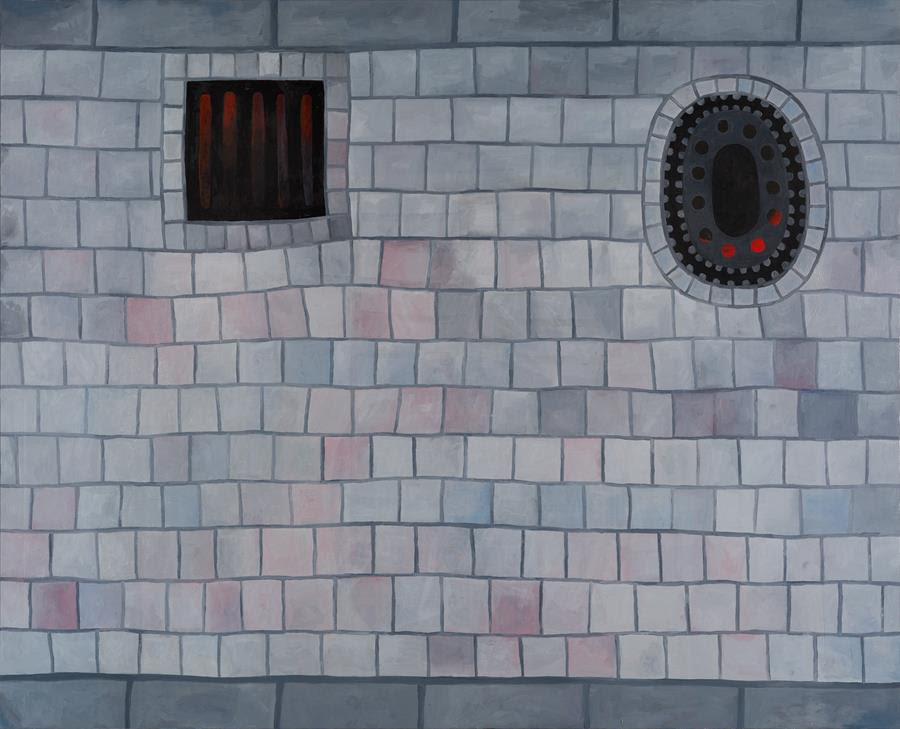
Jochen Klein trained as a painter, then committed himself to a broad-ranging practice informed by social and political activism before returning to painting. At the time these shifts seemed—from the outside, at least—to be sharp changes in direction. Since Klein was only thirty years old when he died in 1997, however, all his work was made within a relatively short time frame. With thirteen years now having passed since his death, it is easier to begin to see his work as a whole, and to register the links between his varied activities, which seem more closely connected now than they might have done at the time. Shifts in an artist’s practice do not necessarily follow on from one another in a neat sequence, like dominoes waiting in a line to be knocked down. The different elements in Klein’s work overlap with and inform each other.