
Ended
Ain'tings
Mar 20 – Apr 26, 2014
Aaron Aujla
Dylan Bailey
Graham Collins
Chris Duncan
Ryan Estep
Ayan Farah
Egan Frantz
Ethan Greenbaum
Ross Iannatti
George Henry Longly
Lauren Luloff
Adam Marnie
Sara Greenberger Rafferty
Ryan Wallace
Letha Wilson
Curated by Ryan Steadman
Pushing the boundaries of what painting could be by using very little paint, focusing instead on tweaking the unwritten language of this storied medium, is one of the achievements of the provisional painters of the last decade, which include artists like Richard Aldrich and Sergej Jensen. Their work has emboldened a new generation of artists to engage with painting, many of whom don’t use any paint whatsoever.
This trend exposes an odd evolution for painting in the 21st century. Can these paintings without paint still be called paintings?
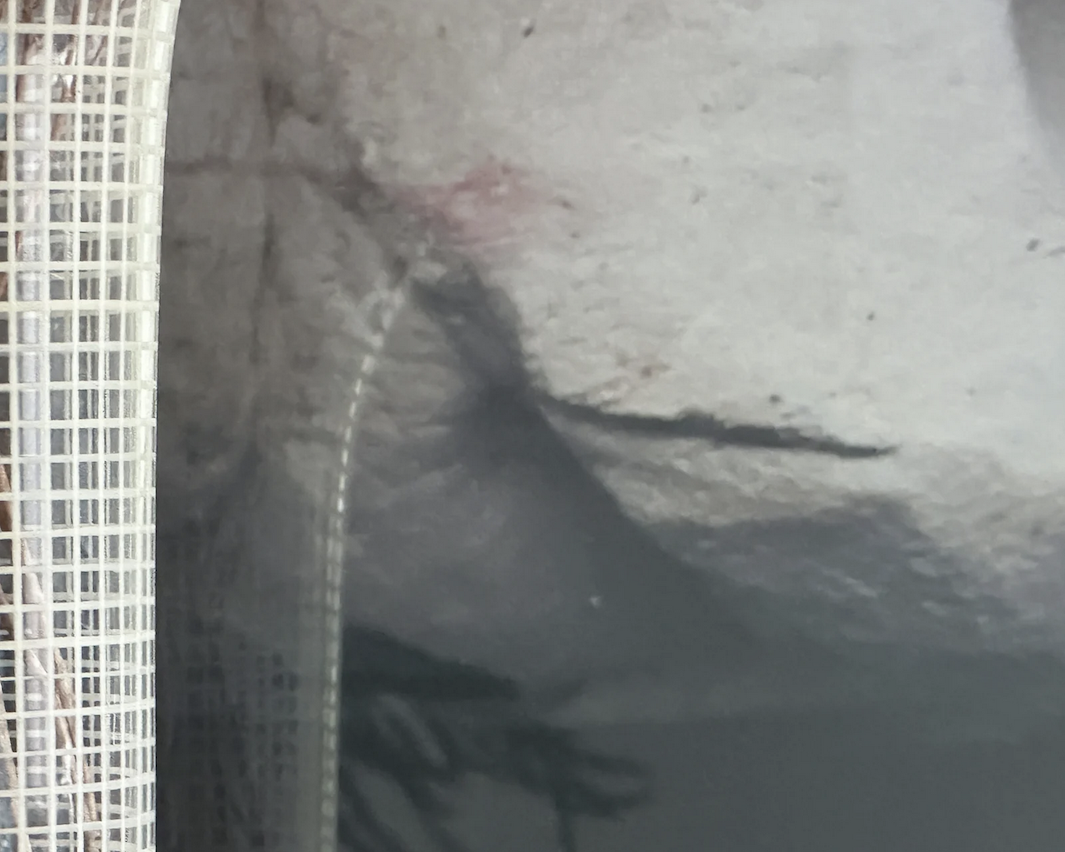
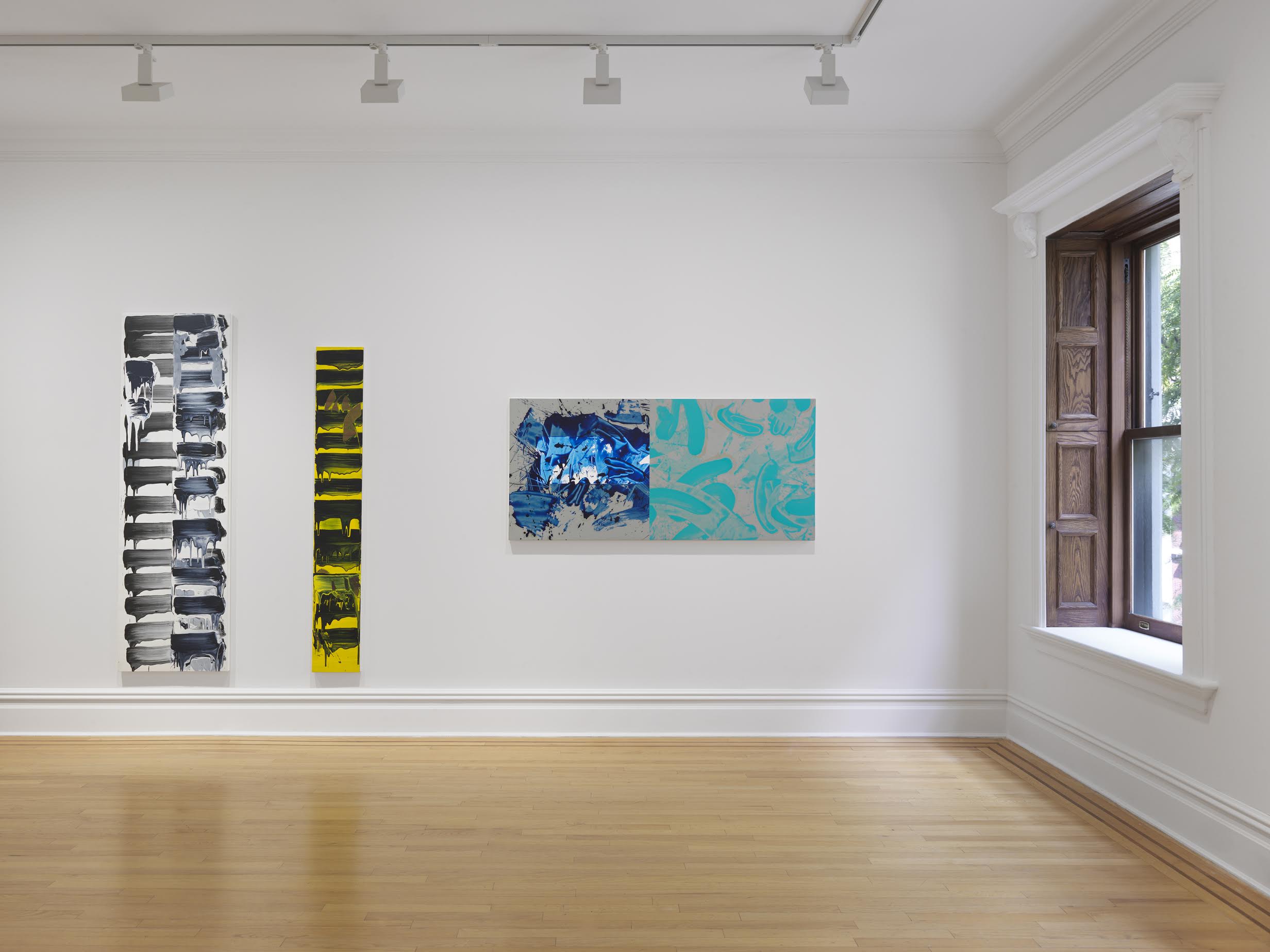
The unprecedented diversity of commercial materials today has helped foster this trend of paintless works. These materials have become easier to get and are often cheaper than traditional art materials while having the ability to impersonate aspects of paint. Many of the artists in this show are generally seen as draftsmen, sculptors, or photographers, but they’ve managed to borrow more from the history of painting than many traditional painters. They retain what we love about painting: surface, color, composition, and in some cases illusion, while thriving with common materials like marble, Plexiglas, tape, plywood, cork, and fabric. For instance, Graham Collins invents new ways to make tones and colors by putting car window tinting on the glass surfaces that front his monochrome canvases, while Chris Duncan mimics the striations of horizontal brushstrokes by meticulously layering rows upon rows of strapping tape, a clear plastic tape that has a glossy translucency not unlike painting glazes.
Ultimately, the thread connecting these wall works is the strong desire on part of the artists to dodge labels like painting, photography, sculpture, abstract, or realist. Hopefully this will allow for viewers to experience these objects without their expectations being conditioned by these kinds of conventions. It will also be interesting to track how the next wave of traditional painters will respond to the increasing materiality of wall works such as these.
– Ryan Steadman