
Ended
Primary Frequencies
Mar 18 – May 3, 2025
Gisela Colón
Manuela García
Leslie Hewitt
Mary Miss
Zilia Sánchez
"As a child growing up among the rich biodiversity of Puerto Rico, I discover that nature and even inanimate objects possess a vibrational frequency. This exhibition builds upon a storied legacy of groundbreaking shows, starting with Primary Structures in 1966 and followed by Primary Atmospheres in 2010. The term 'Frequencies' intentionally expands the dialogue to include environmental issues, vibrational resonance, and a deeper understanding of our interconnected world."
—Gisela Colón
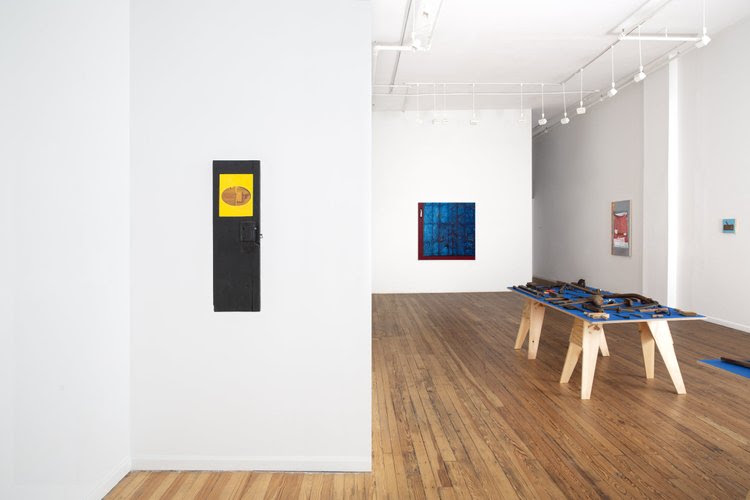
Efraín López is proud to present Primary Frequencies, an intergenerational group exhibition featuring five female artists: Gisela Colón, Manuela García, Leslie Hewitt, Mary Miss, and Zilia Sánchez. Organized in collaboration with Gisela Colón, Primary Frequencies aims to redefine the boundaries of Minimalism by showcasing artists who expand and challenge our understanding of the movement.
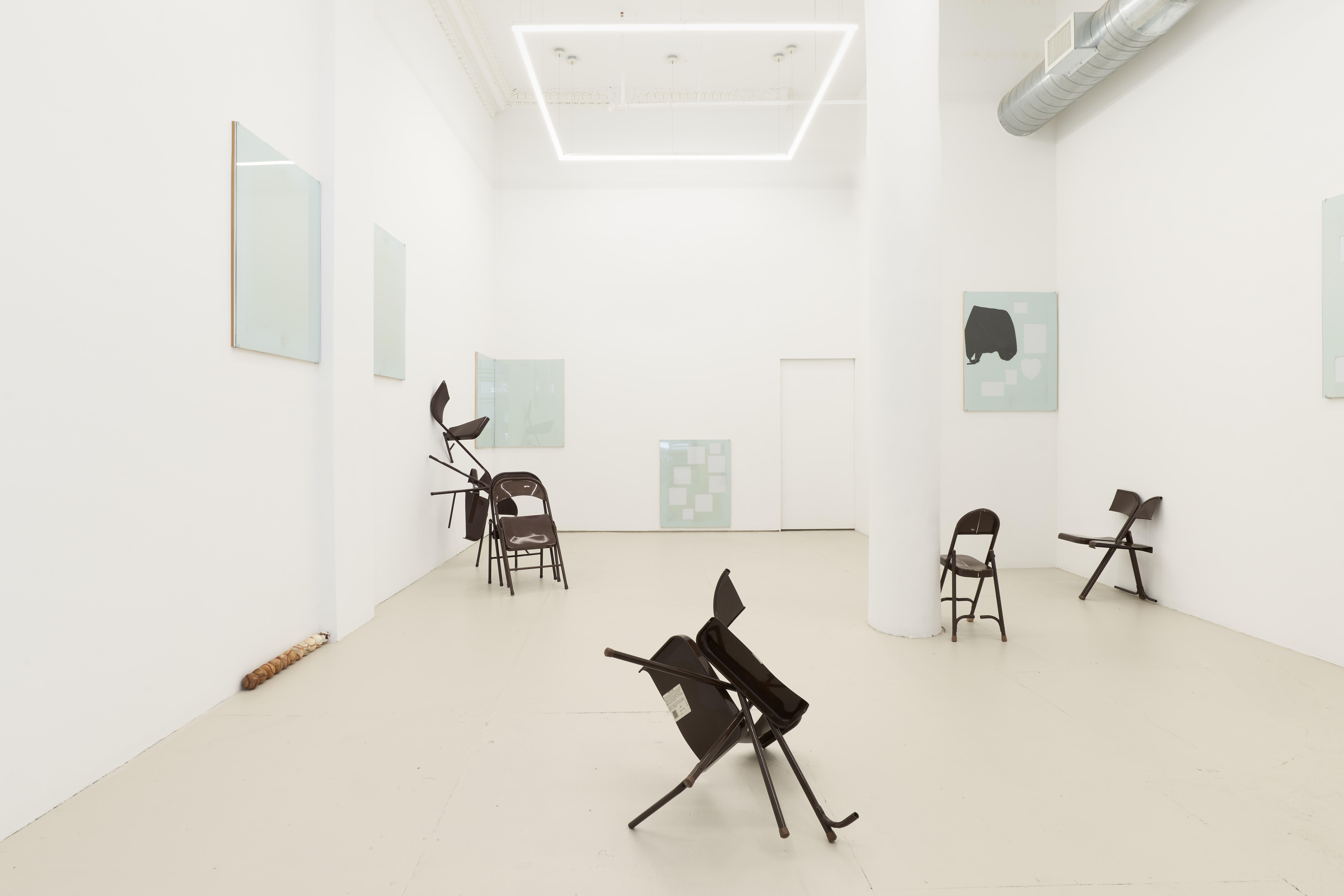
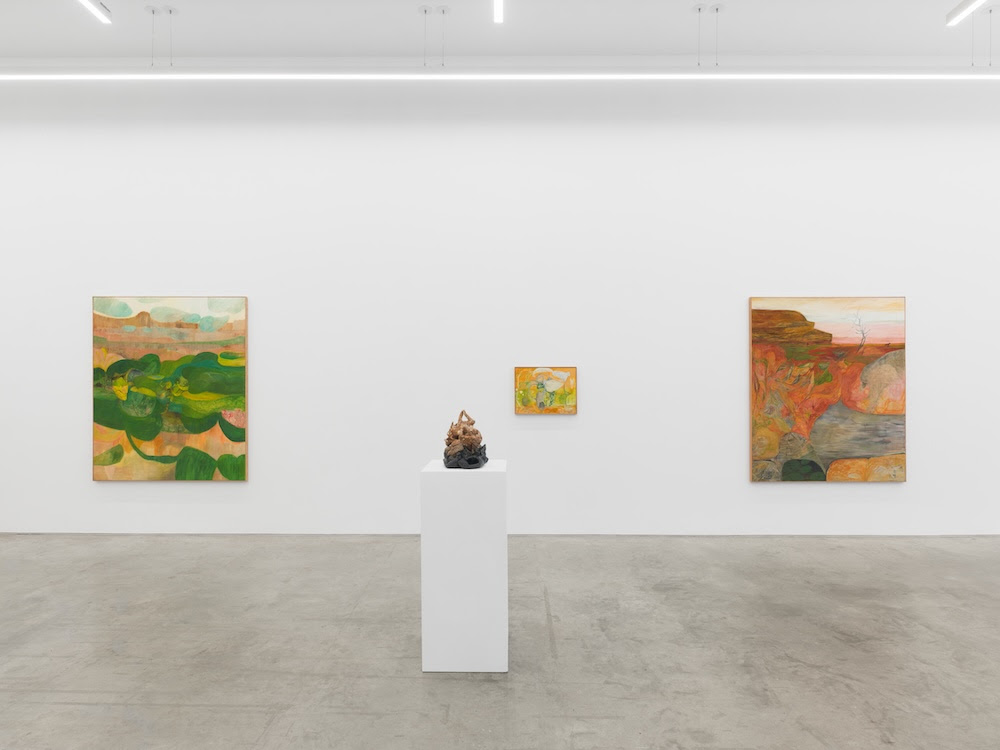
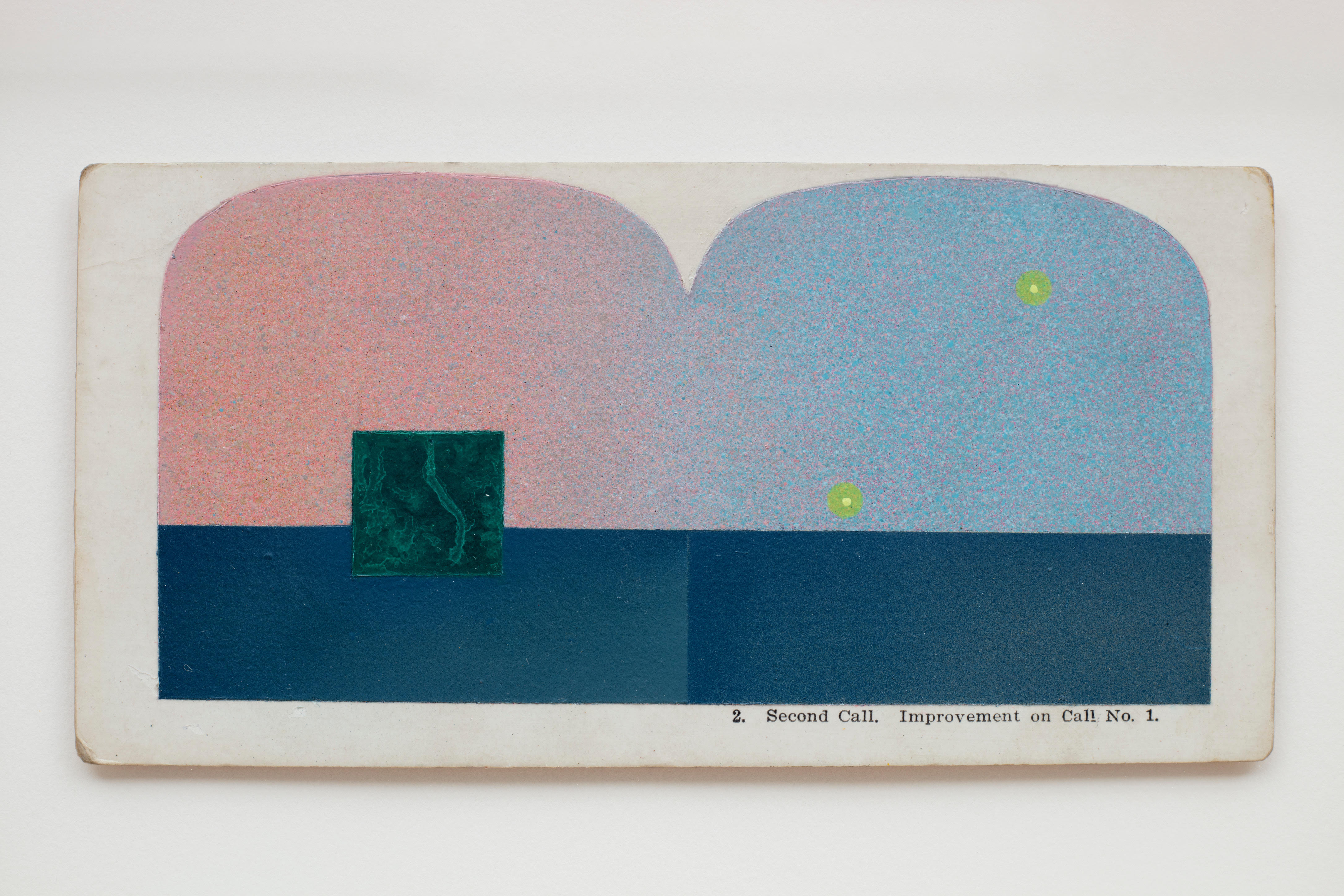
The artists featured in this exhibition utilize fundamental forms to engage the language of life and bridge the gap to the metaphysical realm. Zilia Sánchez, who recently passed away at the age of 98, continues to communicate through her dual conical bronze sculptures, Concepto II (1998/2019). These pieces evoke both bodily forms and the undulating waves of her native and adopted homes, Cuba and Puerto Rico. Mary Miss, a pioneer of the minimalist and environmental movements, now in her 80s, creates an ethereal tension with her work Relief (1968). This structure, featuring two black steel triangles mirroring each other, is precariously balanced on a wire tightrope, poised to tip at any moment. In Daylight/Daylong, Leslie Hewitt presents a series of diptych photographs that juxtapose sunrise landscapes with responses to Dan Flavin's light installation, untitled (Marfa Project), 1996. Hewitt's compositions invite viewers to engage with the works from multiple angles, refracting light, color, and image through a dynamic interplay of perspectives. Manuela García's Doble Curva (2025) fluctuates between stark blackness and organic growth, reminiscent of the fluid motion of black volcanic lava as it spreads across the earth. Gisela Colón's, Light Portal (Moonstone Labradorita) (2020) draws from the vast, light-shifting landscapes of the Western United States and the rich geological history of Puerto Rico, infusing transformative light with mineral knowledge and unveiling a captivating narrative. Primary Frequencies posits that each artwork harbors a hidden reservoir of energy. The title encapsulates the exhibition's essence: "Primary" signifies fundamental aspects, while "Frequencies" suggests the dynamic interplay of time, wave patterns, and vibrations. By embracing minimal vocabularies, this exhibition underscores the power of simplicity to convey complex and expansive ideas about life. It challenges and broadens the male-dominated canon of avant-garde movements and redefines the traditional boundaries of Minimal art.
Gisela Colón (b. 1966, Vancouver, Canada, raised 1967 San Juan, Puerto Rico; lives and works in Los Angeles, CA) is a Puerto Rican-American contemporary artist whose organic, totemic, light-activated sculptures and monumental environmental installations explore the complexities of human perception, inviting viewers to experience transformation in real time and space. Colón's polymathic practice spans Minimalism, Light and Space, Environmental Art, and Land Art, with global projects in countries including France, The Netherlands, Egypt, Saudi Arabia, Brazil, and Cuba, activating three UNESCO World Heritage sites. In 2024, Colón presented Máteria Prima, a solo survey exhibition, alongside Plasmático: El Cuarto Estado de Máteria, a large-scale environmental activation, at the Museu Nacional da República in Brasília, Brazil. Máteria Prima later traveled to the Instituto Artium da Cultura in São Paulo, Brazil (2024). Most recently, Colón participated in the XV Havana Biennial Horizontes Compartidos at the Museo Nacional de Bellas Artes in Cuba (2024)
Manuela García (b. 1982, Mexico City; raised in Medellín, Colombia; lives and works in Mexico City) earned her BA in Fine Arts from the National University of Colombia in 2007. She participated in the MA program in Visual Arts at the Brera Academy in Milan, Italy, in 2009 and holds an MFA from SOMA in Mexico City. García recently showcased her work in solo exhibitions at N.A.S.A.L. in Mexico City, Efraín López in New York, Peana Gallery in Mexico City, and Parsons Gallery in New York City. Her art has been featured in several museums, including the Anahuacalli Museum in Mexico City (2023), the Fundidora Museum in Monterrey (2021), and the Chopo Museum in Mexico City (2015). In the summer of 2025, she will have her first institutional solo exhibition at the Anahuacalli Museum in Mexico City.
Leslie Hewitt (b. 1977 in New York, NY; lives and works between New York, NY and Houston, TX) studied at the Cooper Union for the Advancement of Science and Art, the Yale University School of Art, and at New York University, where she was a Clark Fellow in the Africana and Visual Culture Studies programs. She was included in the 2008 Whitney Biennial and the recipient of the 2008 Art Matters research grant to the Netherlands. Recent exhibitions include the Dia Art Foundation, the Museum of Modern Art in New York, the Studio Museum in Harlem, the Solomon R. Guggenheim Museum in New York, the Walker Art Center in Minneapolis, Project Row Houses in Houston; and LA>ART in Los Angeles. Hewitt has held residencies at the Studio Museum in Harlem, the Museum of Fine Arts, Houston, the Radcliffe Institute for Advanced Study at Harvard University and the American Academy in Berlin, Germany amongst others.
Mary Miss (b. 1944, New York, NY; lives and works in New York, NY) is an American artist known for her pioneering contributions to Minimal, environmental, and site-specific art. She is a founding member of the journal Heresies: A Feminist Publication on Art and Politics (1977–1993). Since the 1960s, Miss has created both interior and outdoor installations using simple materials such as wood, wire, rope, plastic, canvas, and glass, drawing inspiration from structures found in industrial settings. Her large-scale urban projects, developed from the late 1970s onward, emphasize the history, sociology, and ecology of each location. Notable works include South Cove (1984–87), a permanent public installation in Battery Park, New York. Recently, Miss's work has been exhibited at the Nasher in 2023, the Aldrich Museum in 2022, the Nevada Art Museum in 2021, Thaddeus Ropac in both Paris and London in 2020 and 2021, the National Gallery of Singapore in 2018, and the Guggenheim Museum (Contemplating the Void) in 2010, among other venues.
Zilia Sánchez (b. 1926, Havana, Cuba and permanently settled in San Juan, Puerto Rico in the early 1970s; d. 2024, San Juan, Puerto Rico) has been exhibited internationally since the 1950s. In 2017, her work was included in the 57th International Art Exhibition – La Biennale di Venezia, VIVA ARTE VIVA, curated by Christine Macel, and in 2024 was included in the 60th International Art Exhibition – La Biennale di Venezia, Stranieri Ovunque - Foreigners Everywhere, curated by Adriano Pedrosa. In 2019, Soy Isla, a major solo exhibition of Sánchez's work, was presented at the Phillips Collection, Washington, D.C. and toured to Museo de Arte Ponce, San Juan, Puerto Rico and El Museo del Barrio, New York. In 2024, Sánchez was the subject of the solo exhibition Topologías / Topologies at the Institute of Contemporary Art, Miami. Sánchez's work is featured in public collections including the Centre Pompidou, Paris; Museum of Modern Art, New York; Museo de Arte Latinoamericano de Buenos Aires, Argentina; Pérez Art Museum, Miami; Colby College Museum of Art, Maine; Museo de Arte Contemporáneo de Puerto Rico; Museo de Arte de Puerto Rico; Princeton University Art Museum, New Jersey; Phillips Collection, Washington, D.C.; and Walker Art Center, Minnesota.