
Ended
That Surface in Which We Are
Oct 2 – Oct 30, 2021
Juliana Cerqueira Leite
Greg Carideo
Chris Domenick
Jess Willa Wheaton
The title of this exhibition takes as its point of departure a musing by Michel Foucault—who described order as, among other things, a culturally-shared substance which massively structures all visible confrontations between people and objects, but is “…also that which has no existence except in the grid created by a glance…” [1]
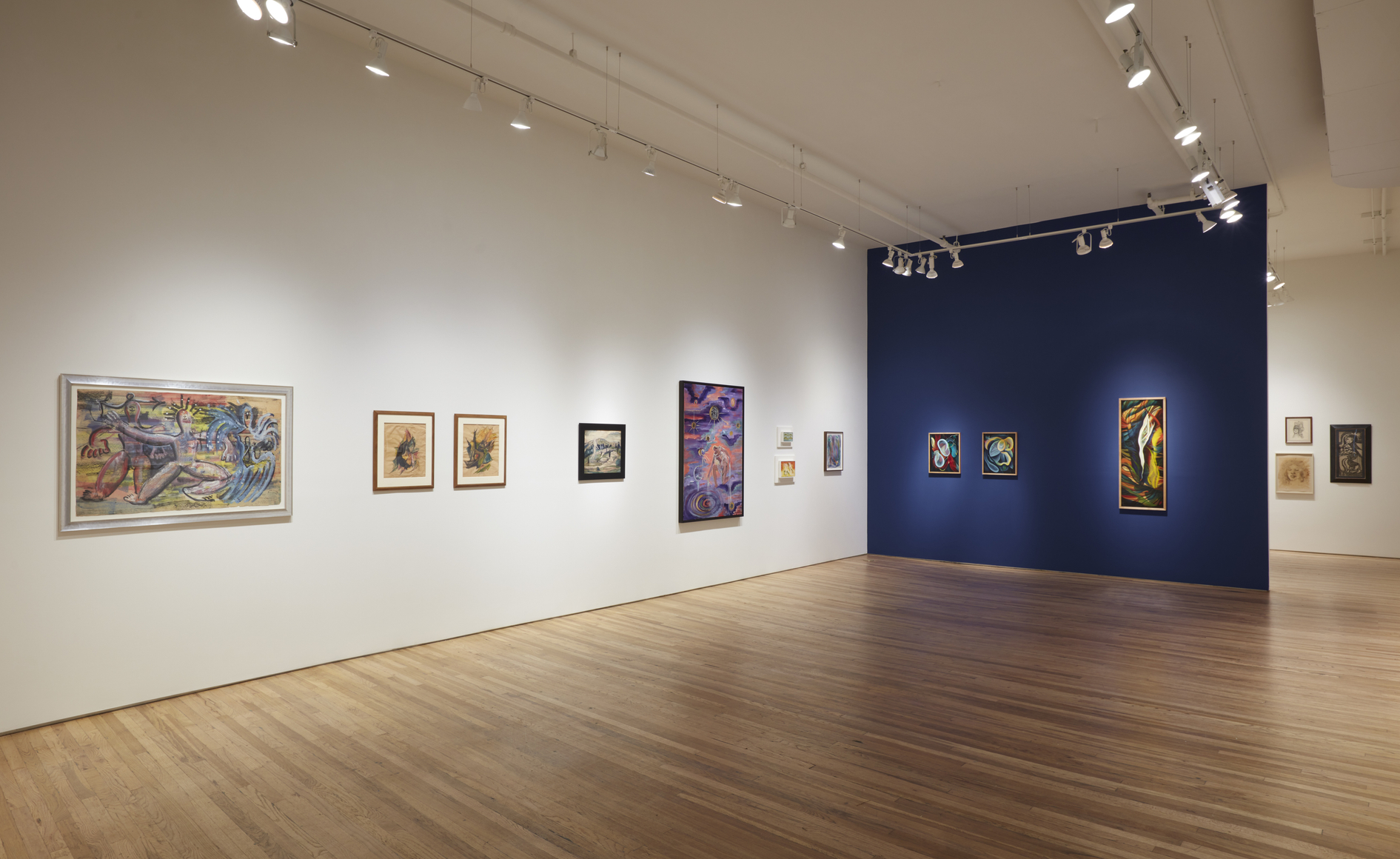
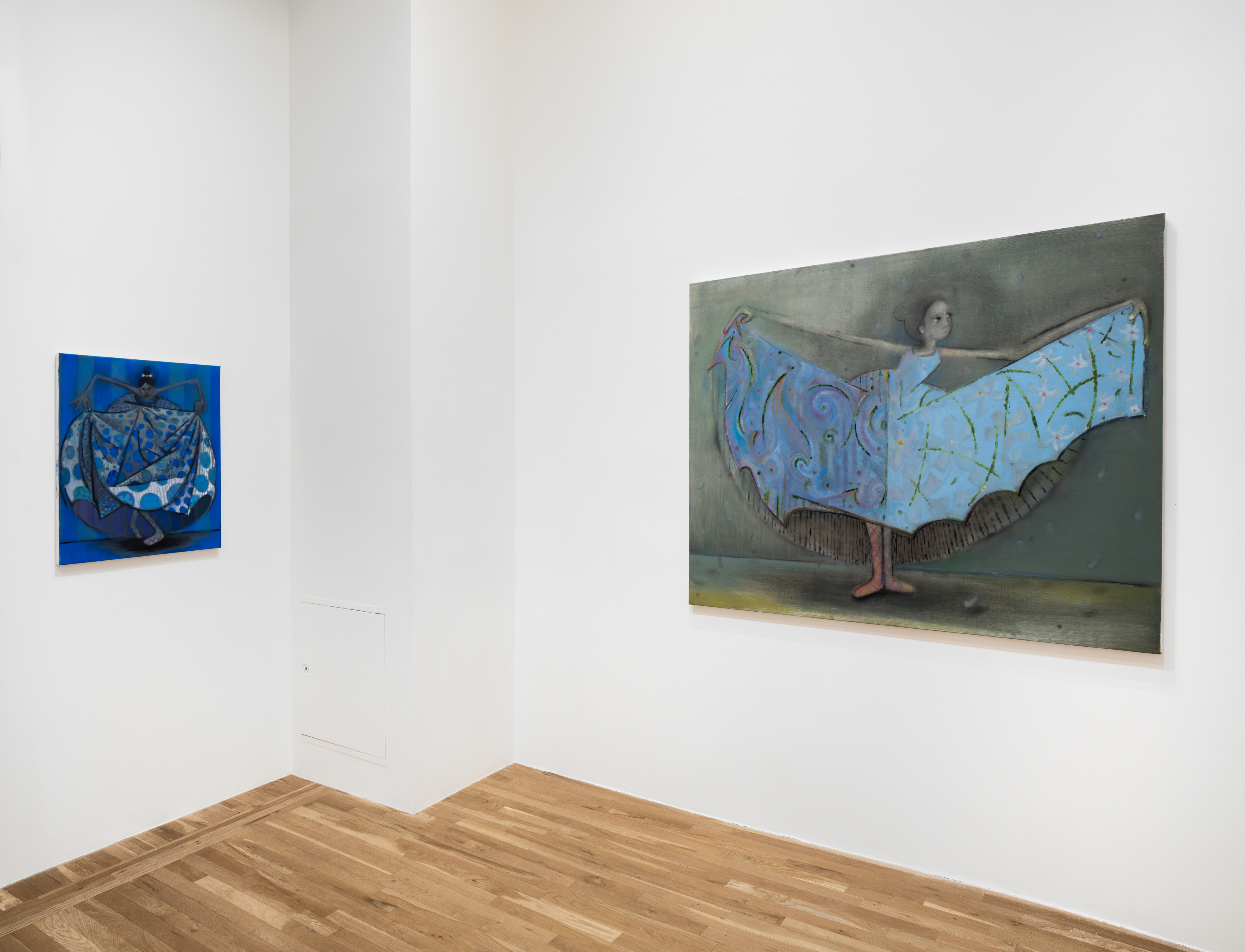
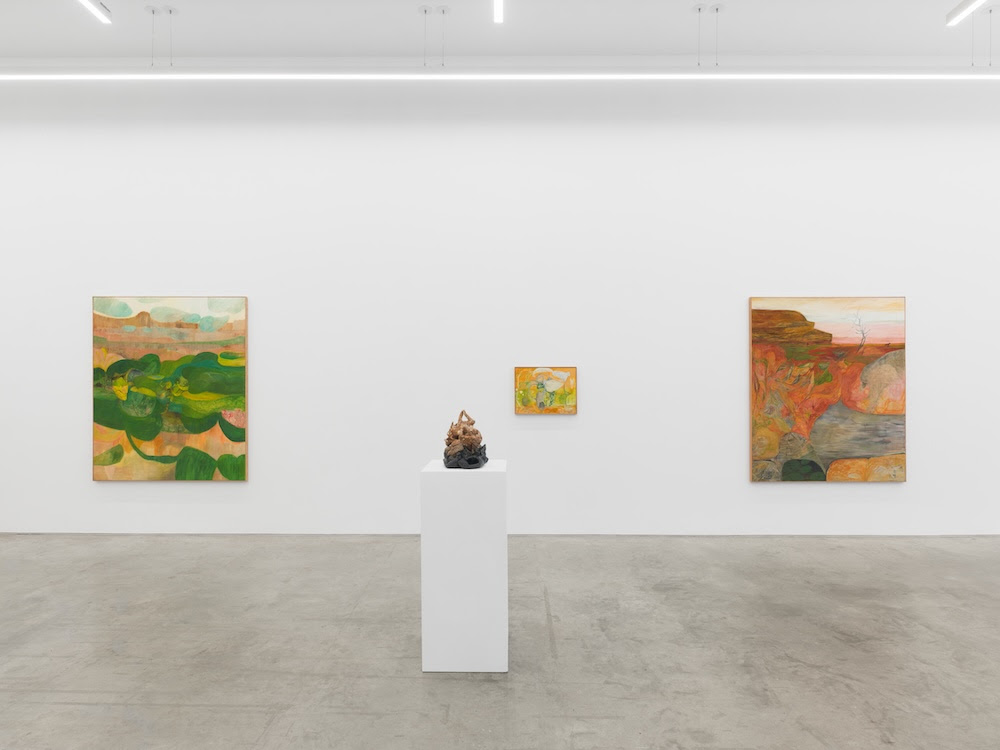
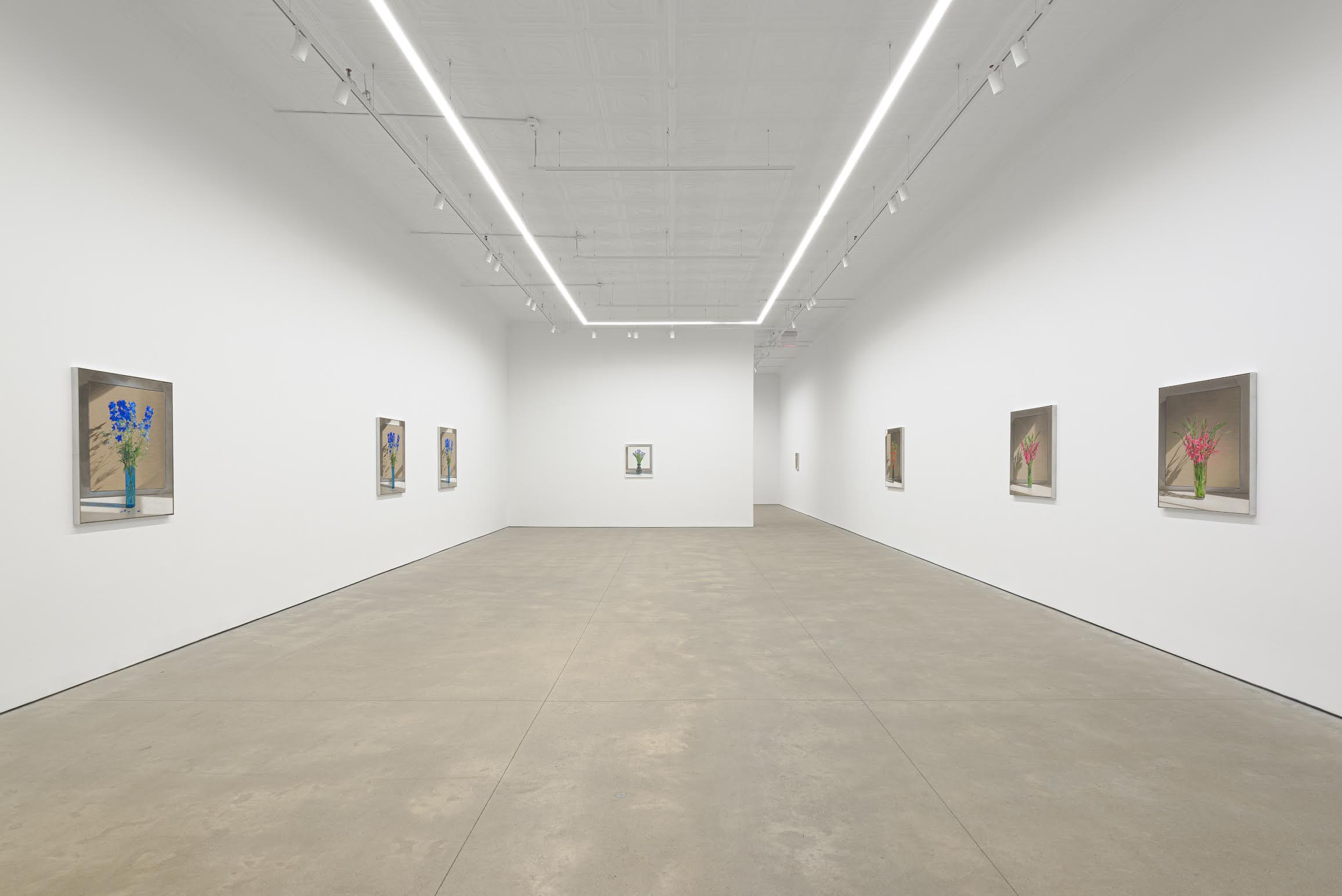
This show displays four artists’ works that function as thin surfaces dense with meaning, created and ordered through the act of looking. The works now skim walls, flex 2d pictorial space, or stand as a closed vertical line, while still implying the profound volumes of the world around them, and remaining closely allied with environment. Present are both environment’s direct iteration, plus environment’s implication—through the idea that the origin of new surfaces is often linked to slicing open fresh planes of what’s already there.
Juliana Cerqueira Leite’s sculpture Soft Body 3 began as thick strips of card stock paper, glued into large rings, which are the simplest form that can, for her, define a body: a circle or sphere. The rings are cut and slotted and fused, to form an open totem about 10 feet tall, then wet with Aqua-Resin. This coating causes the cellular form to begin to dive downwards, like flesh. While changing shape, loops became cavities, and the shifted disposition of these real holes means they now have no potential fillers—they themselves function as form. As the Aqua-Resin weighs down and sets, lower sections accumulate pancaked rings, and movement in higher up, less-stressed areas slows and stalls. Throughout this process, Cerqueira Leite must delicately prevent the sculpture from collapsing entirely, responding to its movement as if in a partnered dance, both of them running with the grain of gravity.
Once hardened, a stilled image of a sculpture in motion remains, having lastingly captured what was at stake in the work at one time. Finally, Cerqueira Leite applies opposing pigments to create a gradation that expands the work—breathing the sculpture open in contradiction to its formal collapse, and holding aloft an entire terrain with a luminous tangle of line.
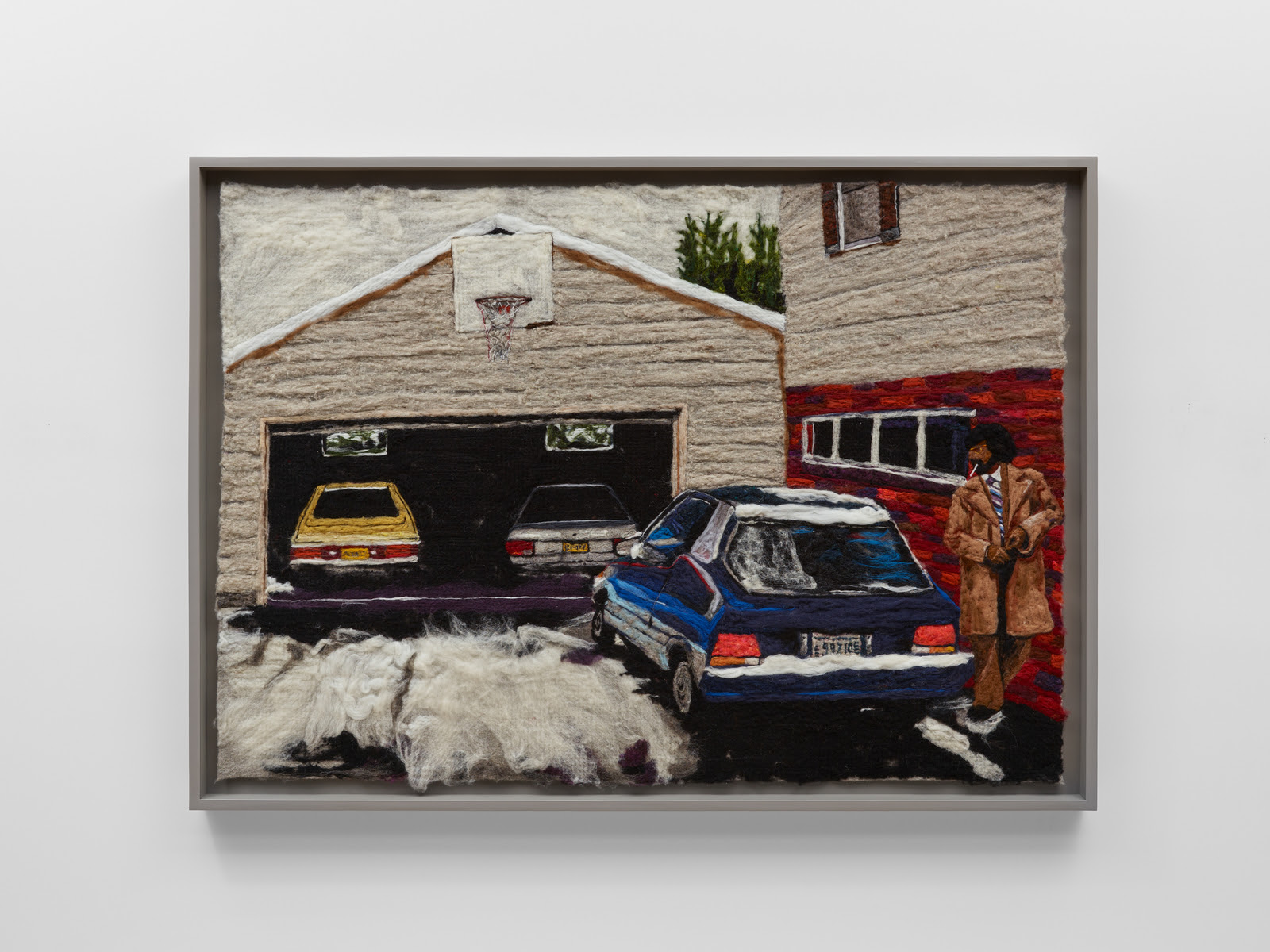
Greg Carideo offers skintight surfaces so exquisitely arched as to define a strong volume within. The empty shells of his handmade steel structures—all surface—are often stretched with worn and faded pieces of clothing, and with his own printed cellphone photos. These thin images propose fragmented glimpses of contemporary urban existence, at once mounted and suspended in an expanded field.
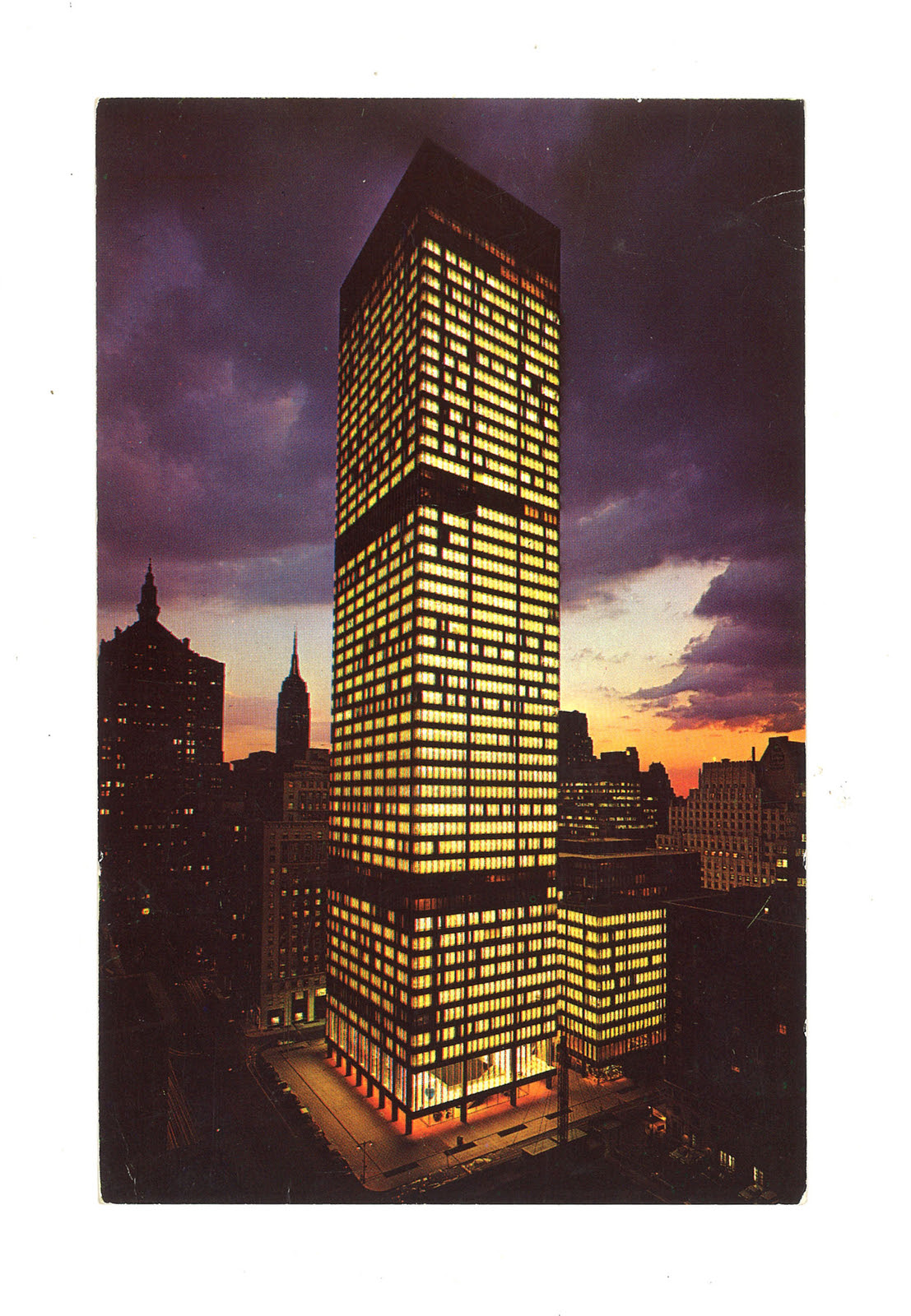
Here Carideo’s awning 79-24 is meant to directly reference classical architecture, containing imagery that is both hyper-locally “New York,” and timelessly "classical," i.e., an image of the Greek statue Augustus that Carideo lifted from a bodega sign. One function of real-life awnings is to perform self-representation in a rented city, and Carideo manifests our entwined physical, mental, and emotional relationships with our urban environment through impressing the surfaces of his armatures with personally prized detail, creating taut collages. Central to this process is Carideo’s constant interaction with his cellphone camera photo archive, which exhaustively spans many years and is ever-growing.
Also deeply invested in collecting images from her environment—with the ambition of igniting their latent pictorial potential through novel juxtaposition—Jess Willa Wheaton makes physical collages that absorb the volumes of the world directly. Each of her works unites multiple original found printed paper images, from unrelated sources and times. The act of sensitizing herself to these finds, and slicing and feeling-through which images may be able to merge, is also to lift them from the dustbin. All of Wheaton’s component images flow into her life naturally, in the form of books, magazines, calendars, cards, packaging, and posters that were handouts, gifts, or others’ recycling.
Through rigorous cutting, arrangement, observation, and gluing—a process of months or years—many component images are reanimated together in physical and spatial simultaneity. This resolution is orchestrated to make discordant origins and wide gaps in age dim, although the truth of these pictorially drum-tight surfaces is that they are riddled with filled hollows. This unlikely fusion echoes a broader, culturally-shared experience of the diminishing divide between foreign objects and contexts: due to globalization, pervasive digital imagery, and the leveling influence of the Internet. At fruition, each collage complexly circulates space, light, and simile within one simultaneous “place”—functioning as something between a painting and a photograph.
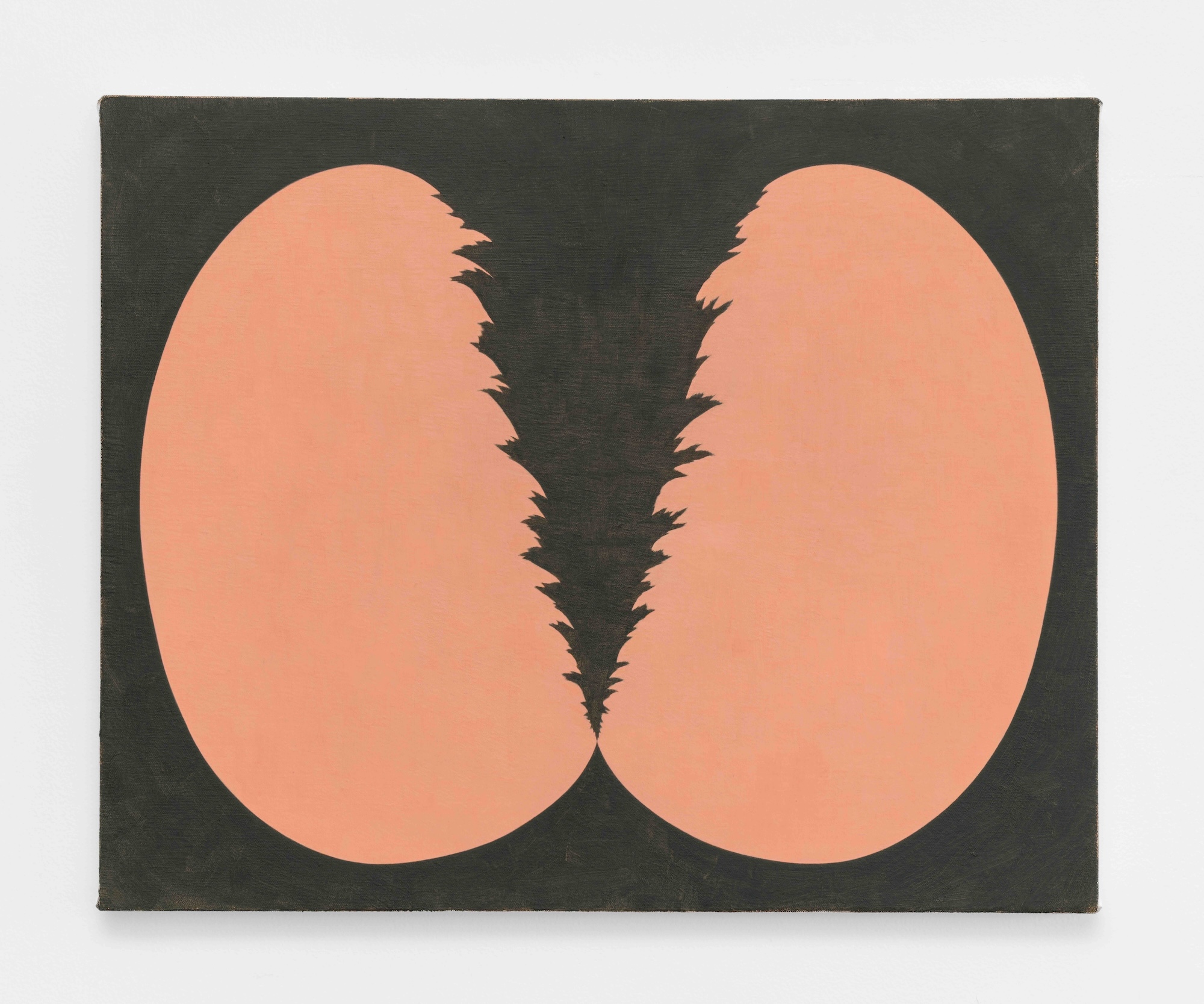
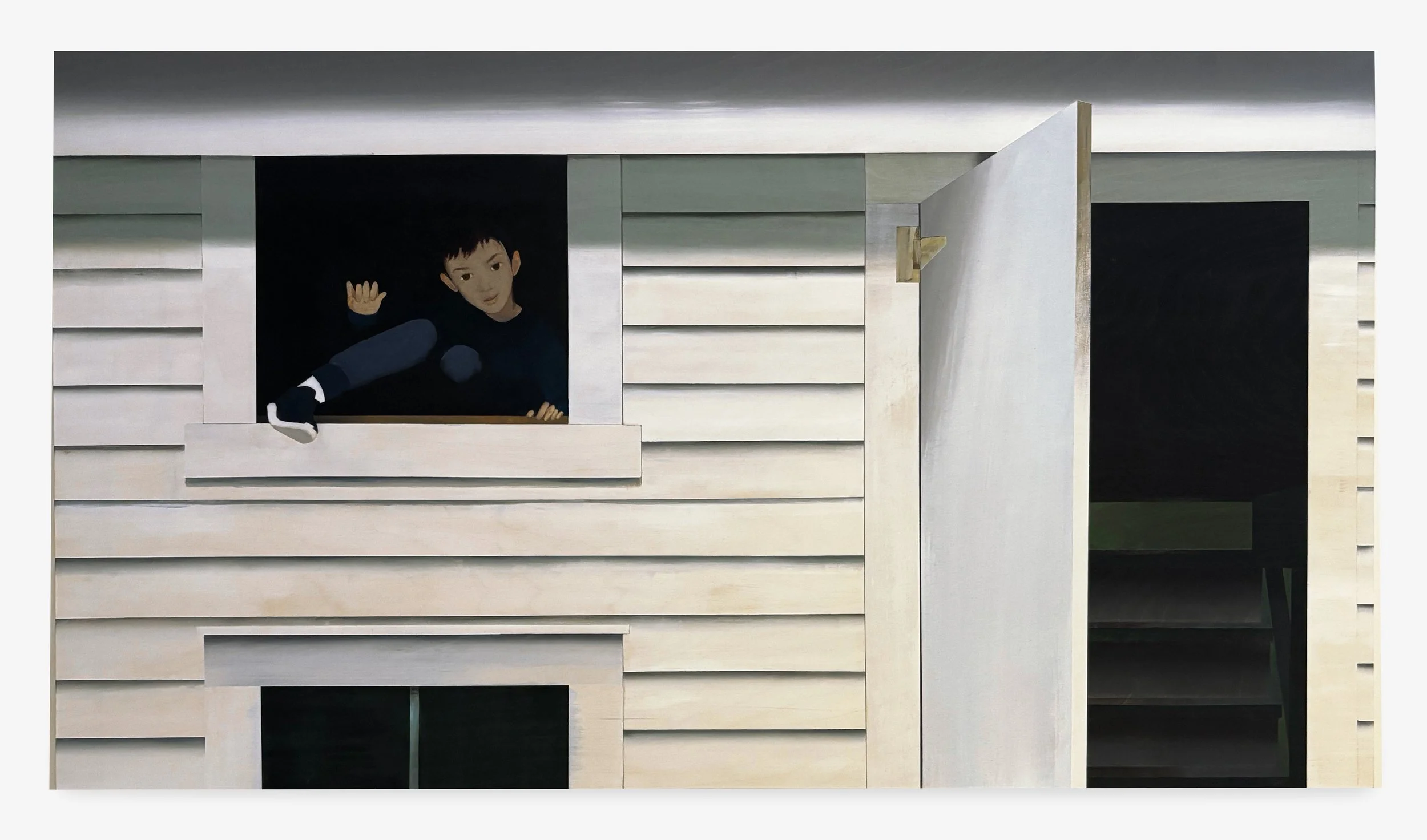
Chris Domenick is concerned with form, framing, and surface. His nuanced wall works inscribe a rich tidal zone of common boundaries, none of which entirely belong to either of the contiguous materials or images they may seem to separate. His considered cutting, tethering, covering, enclosing, sanding, adhering, tearing, folding, imposing, and articulating of edges runs on goals, motivations, and idiosyncratic logic buried deep beneath accumulated gestures. Set back even further from the surface, Domenick’s ongoing points of reference abide: suburban architecture, corporate and American interior design, and layers of histories within our material and built worlds, such as sacred burial mounds under golf courses.
This exhibition also pays tribute to each instance in which our own selves are changed by witnessing another’s endurance – another’s stretch beyond a boundary—which then somehow, defying physics, enters our own bones—again through just a glance.
—Jess Willa Wheaton
1 - Michel Foucault, The Order of Things (New York: Vintage Books, 1973), pp.xx.