Opens tomorrow
The Flatbed Picture Plane
Nov 6 – Dec 6, 2026
Bill Abdale
Dana Robinson
Zorawar Sidhu
Dina Weiss
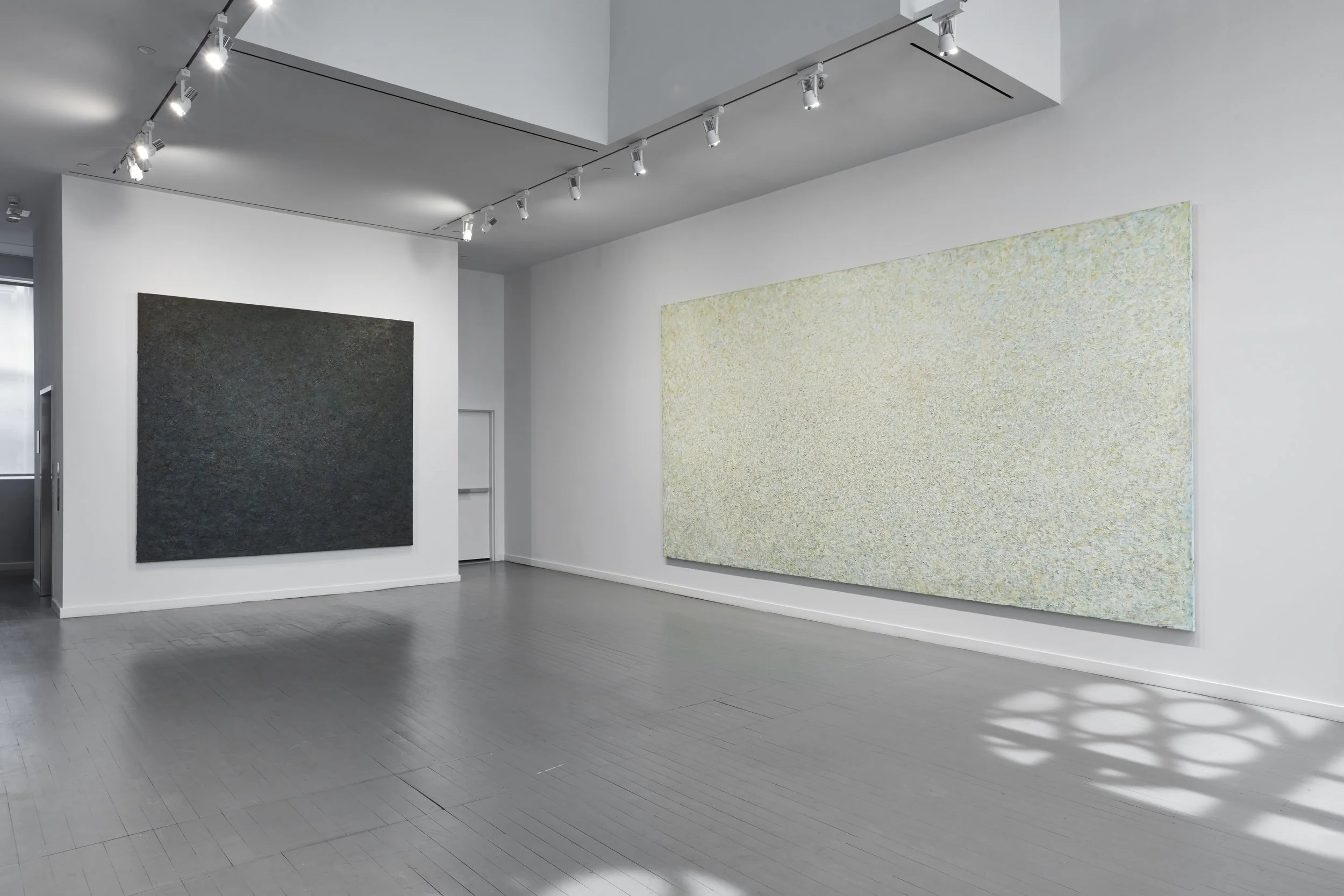
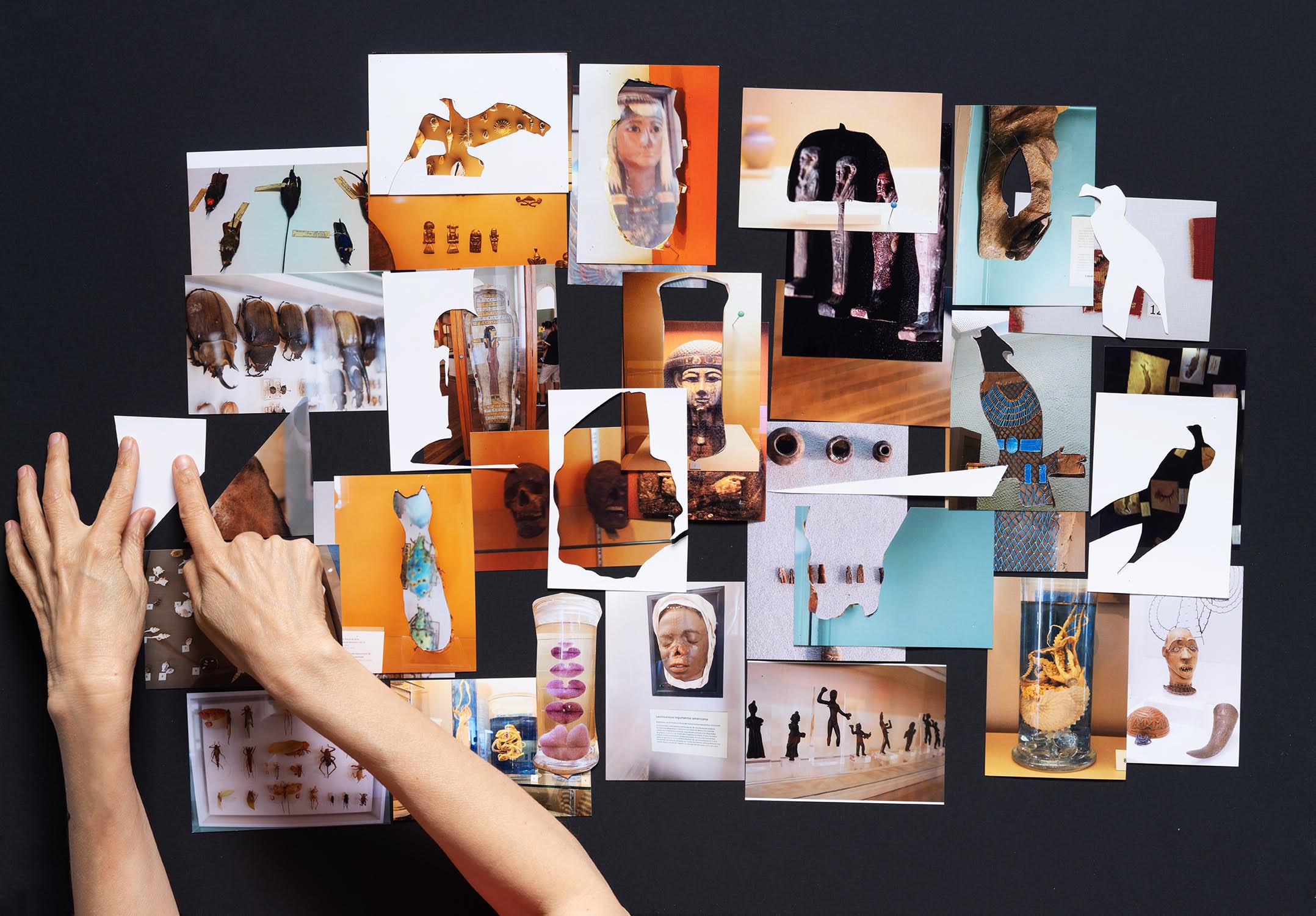
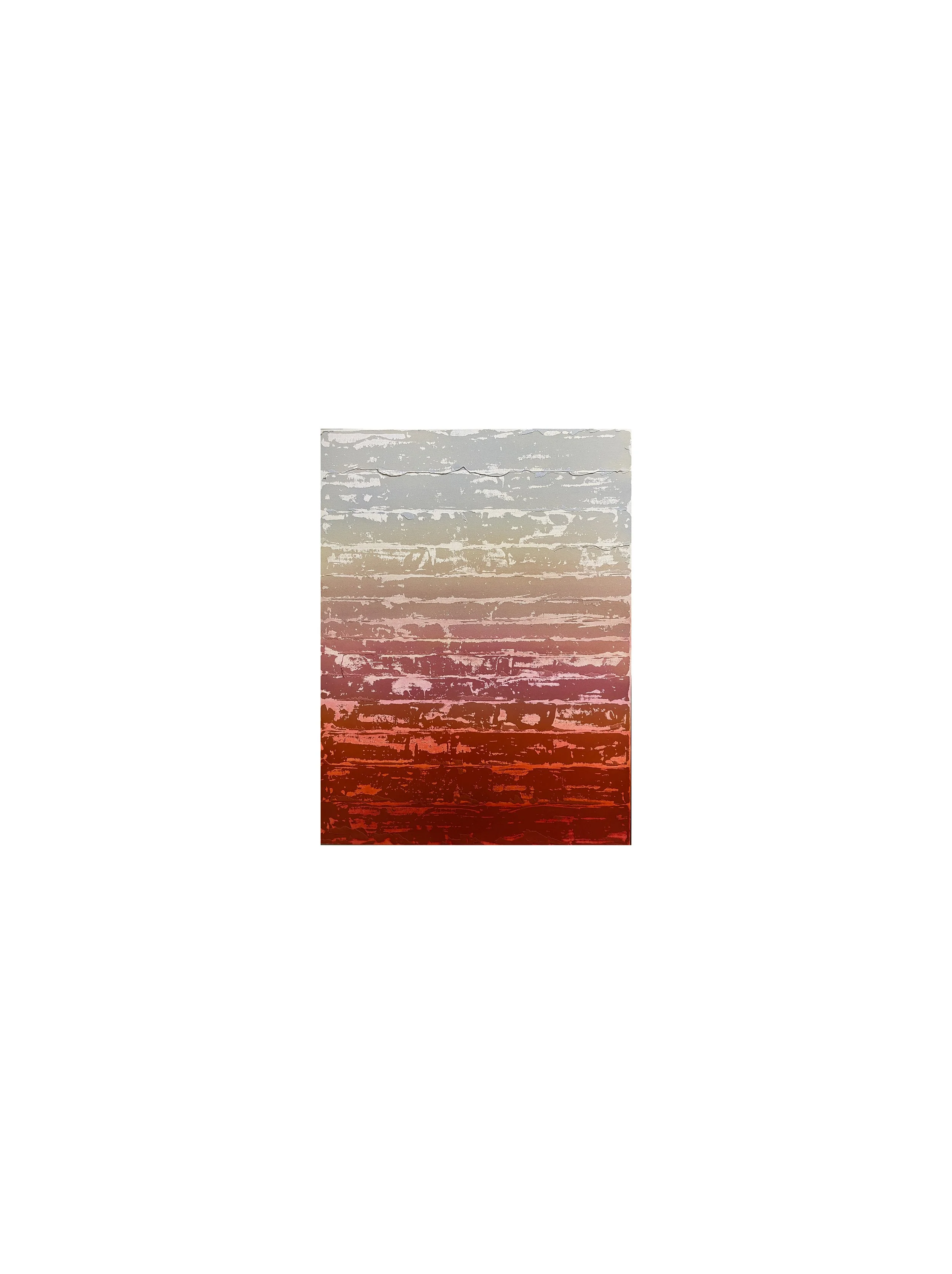
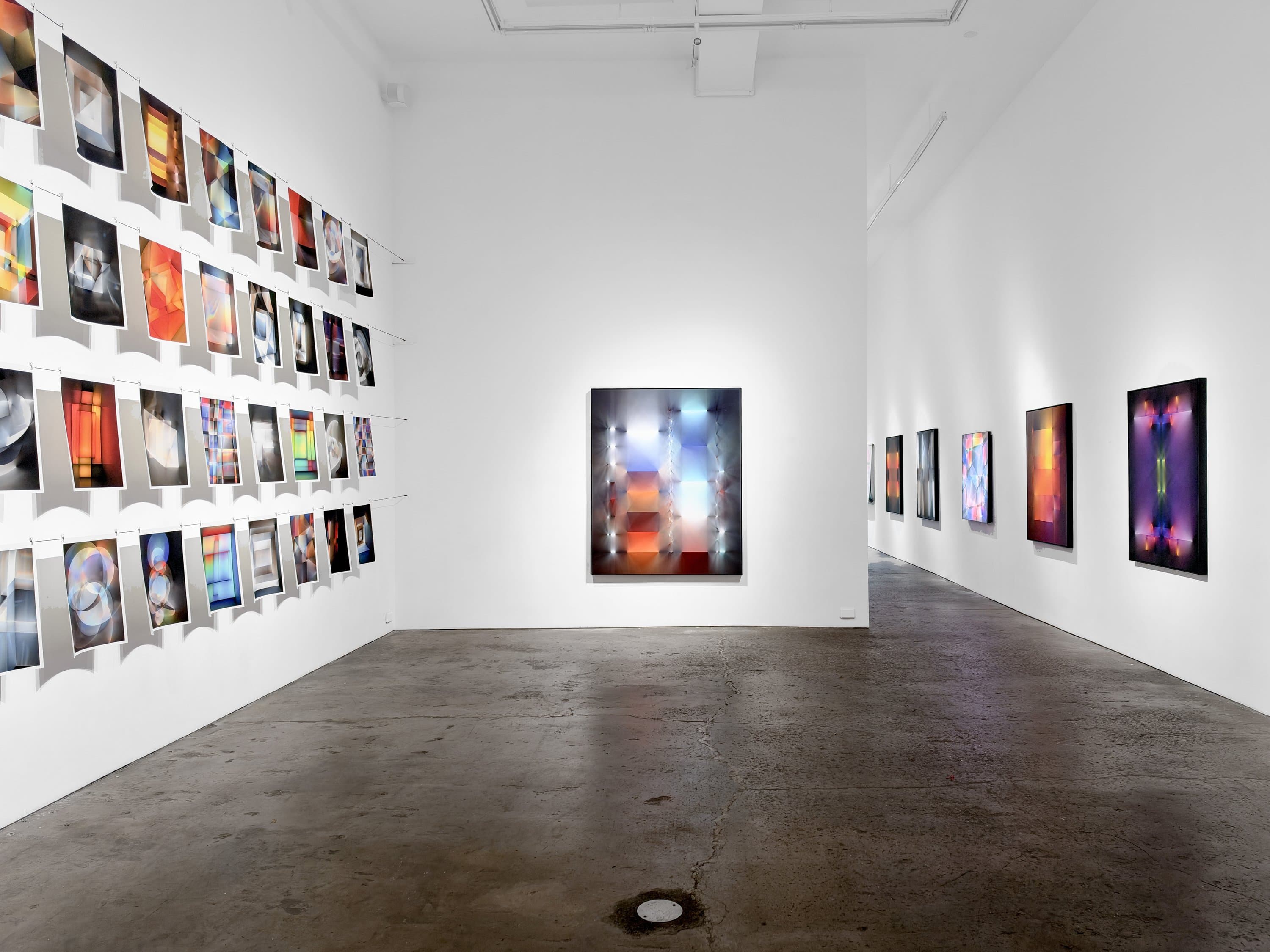
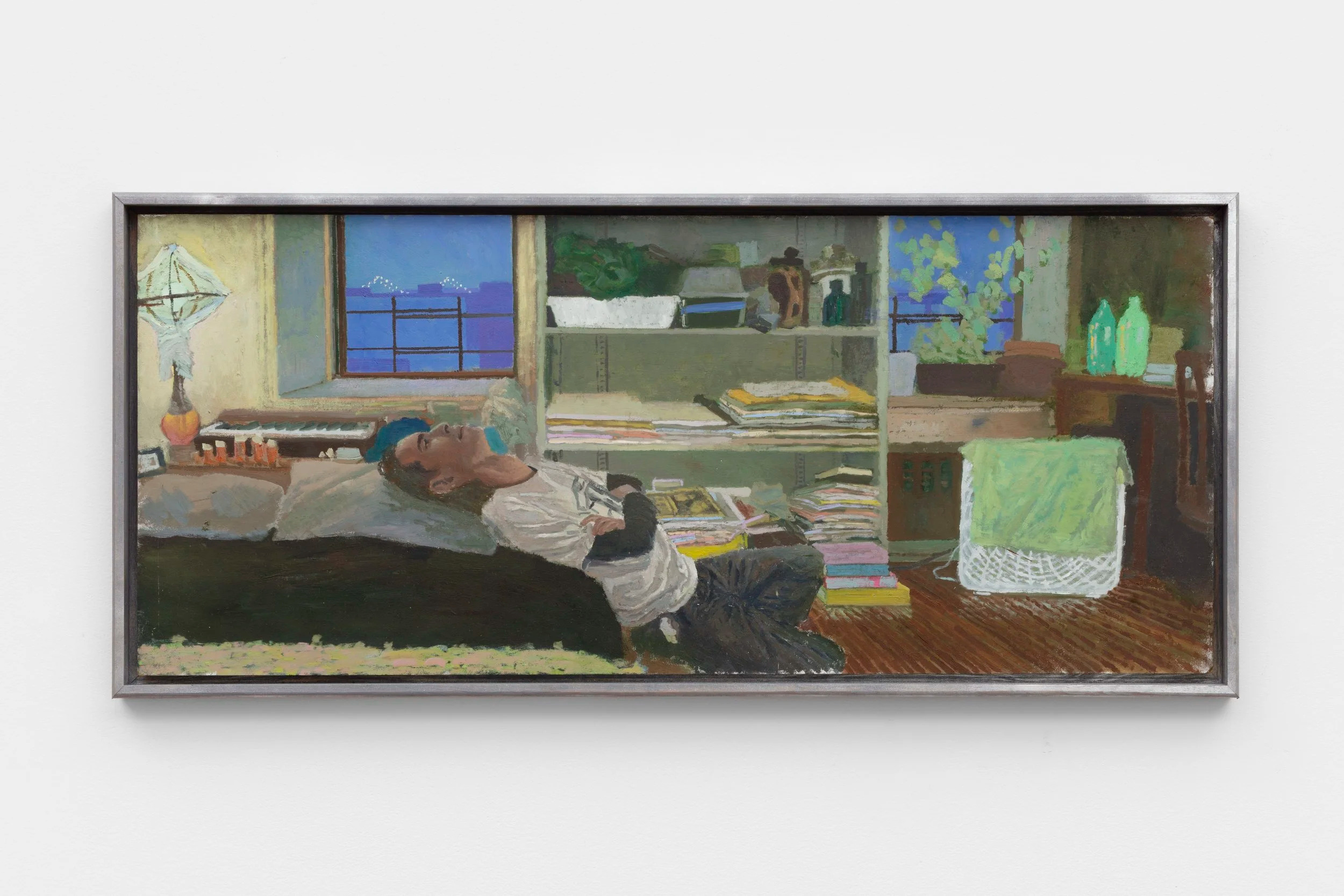
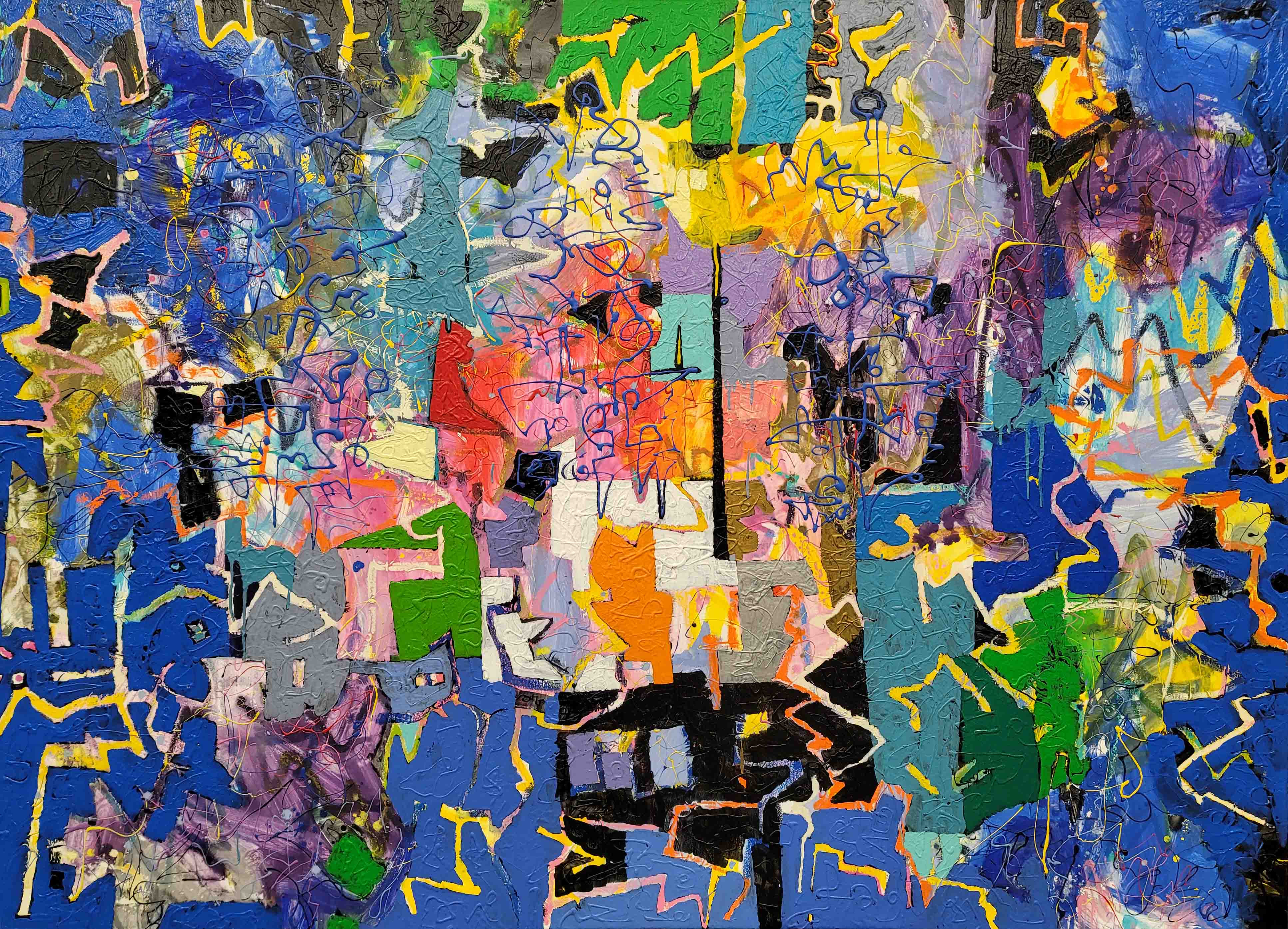
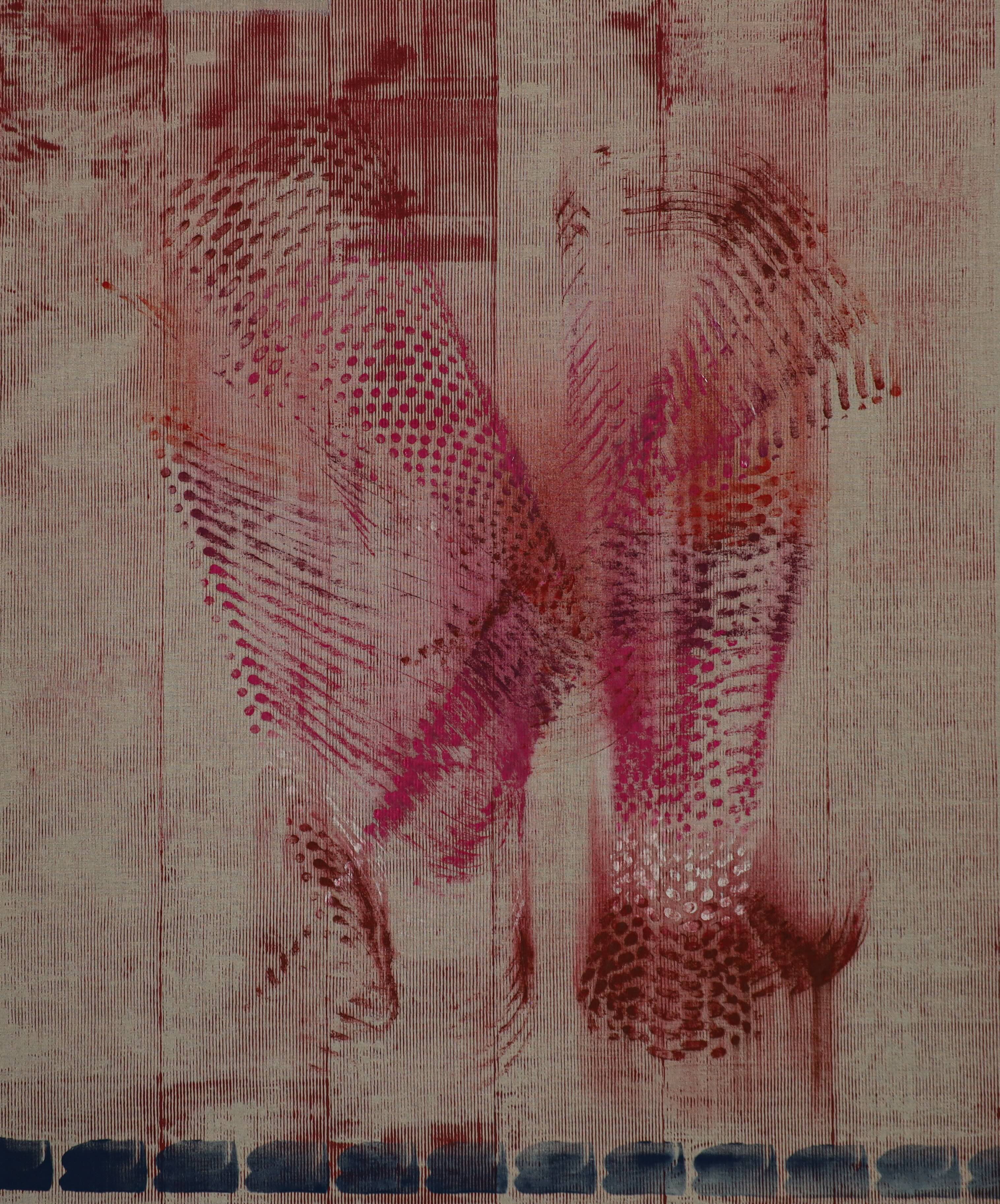
Underdonk is pleased to present The Flatbed Picture Plane, a four-person show curated by Jude Broughan. The exhibition name is a play on Leo Steinberg's landmark 1968 MoMA lecture, where he details how painting’s perspective shifted from the upright, vertical view of the Renaissance to the 1950s information-strewn tabletop hung on the wall. Steinberg termed this shift “the flatbed picture plane”,[1] referencing the flatbed of the printing press. This show proposes that, rather than looking straight ahead or down, we currently look at a diagonal. Phone in hand, laptop tilted toward us on a train, a screen propped at an angle on a desk. A comfortable viewing angle, a digital, diagonal picture plane.
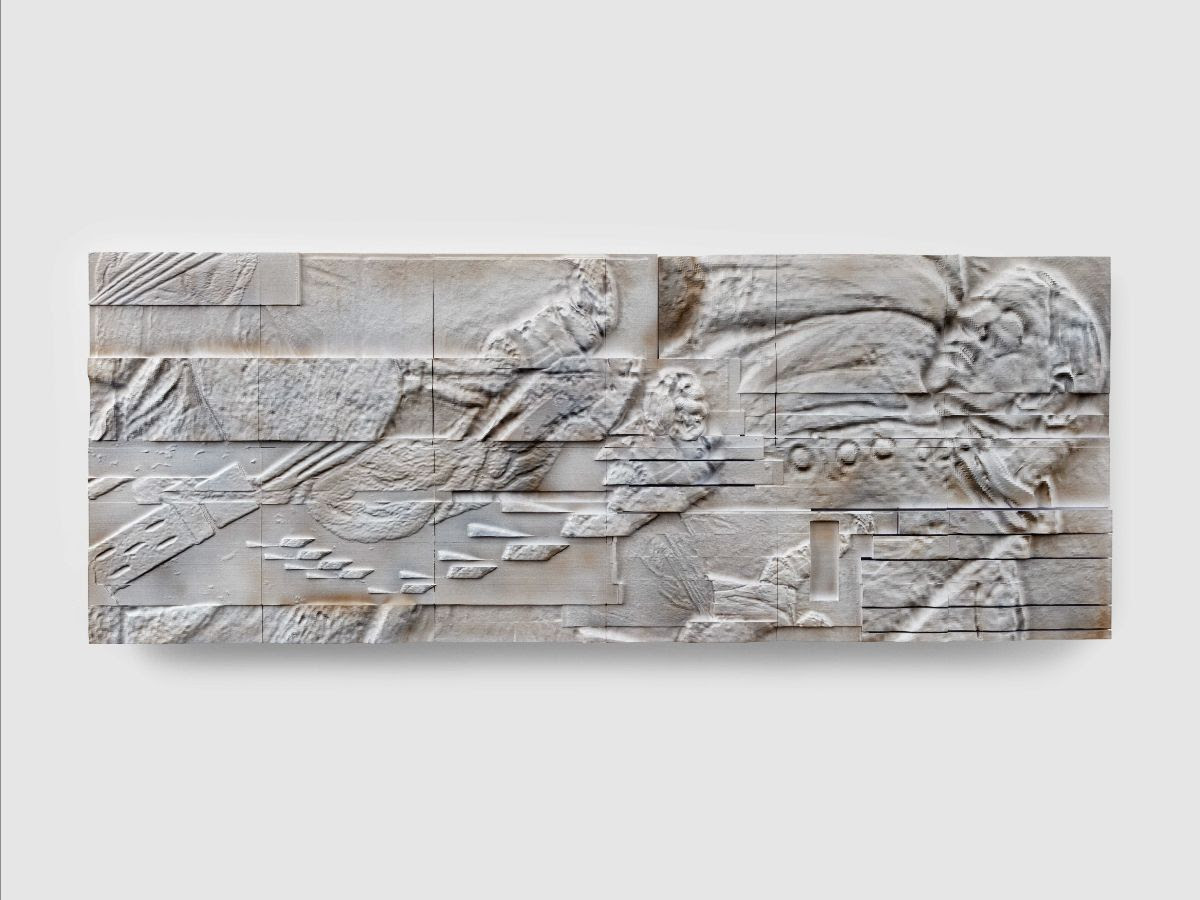
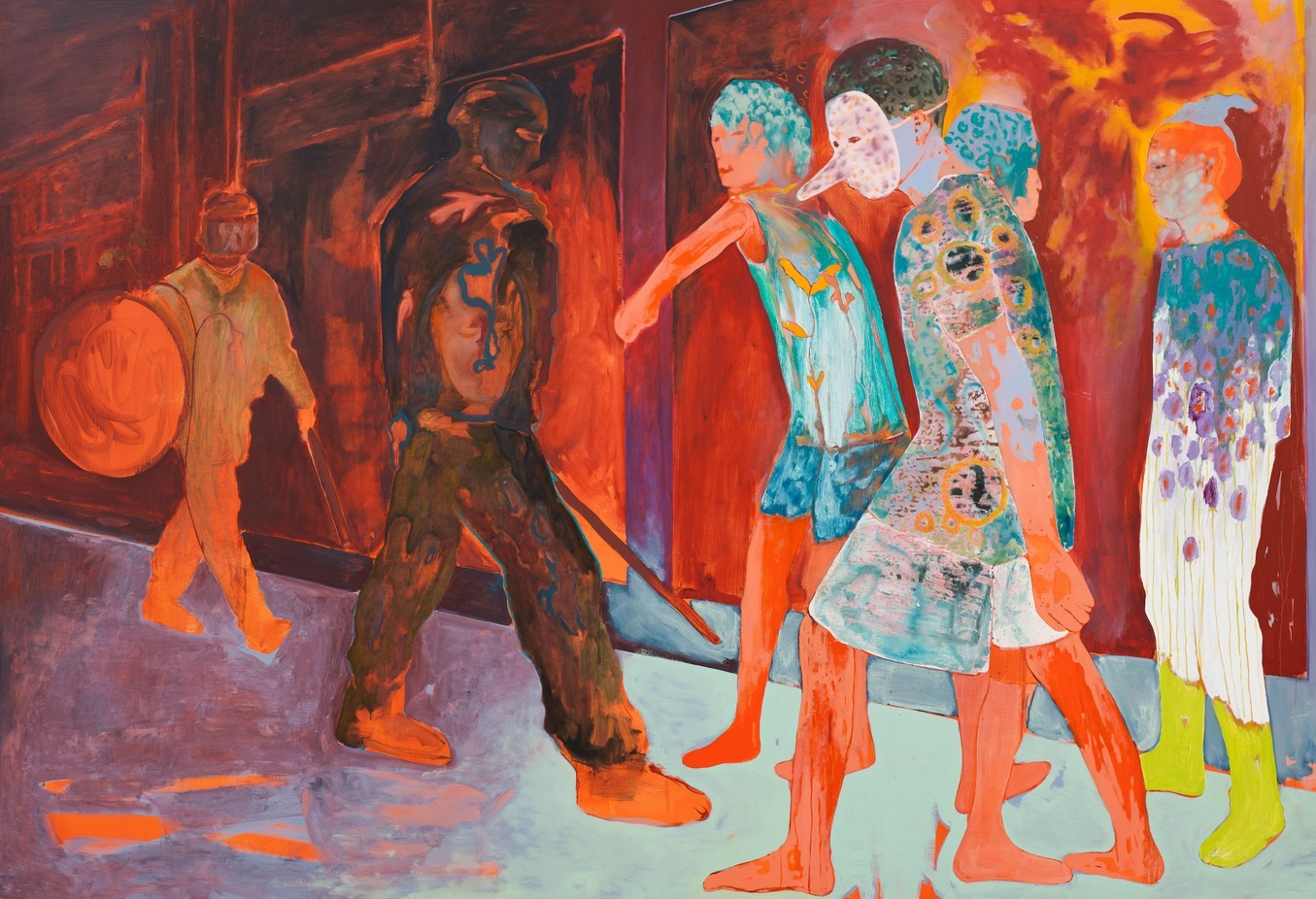
Our screens run on the logic of the multiple, mashups and samples pulled by an algorithm that functions like a printing matrix, generating near-identical impressions the way a printing plate does, only now that matrix is a digital file of pixel values. The physical artworks in this exhibition interface variously with the "matrix and the multiple”, symbolically speaking about what algorithms produce - dynamics that are often invisible online, and left unconsidered in the mind of the scroller.
This exhibition, installed in a Lower East Side artist-run gallery space feels a bit like a clubhouse, with Zorawar Sidhu's Portrait of Pope Innocent X, After Francis Bacon and Velázquez series of huge dog-eared iconic images, seemingly ripped from book pages tacked to the wall, and Dana Robinson's scraps of pop culture collaged in unifying gestures like Two Fingers to the Sky; Or it feels like a fugitive hideout with Bill Abdale's fire escape in Night Shift, and Dina Weiss's After Gaudí chiffon curtains drawn across the windows with the brick wall of the adjacent building visible (maybe drawn against the problematic gaze/s, like in the classic 1954 Hitchcock movie Rear Window); Or maybe it's like a hospital room with a gallery check-in desk, Weiss's yarn-mummified medical drips, and Abdale's sideways airport walkway of purgatory. Whether it reads more or less as any of these environments, this is a space where art exists without settling the question of who it is for, whether it works against the rules, against the algorithms, or whether that resistance holds.
1 - Leo Steinberg, "The Flatbed Picture Plane," in Other Criteria: Confrontations with Twentieth-Century Art (Chicago: University of Chicago Press, 2007), 61–98. Originally delivered as a lecture at the Museum of Modern Art, New York, 1968, and first published in Artforum 10, no. 7 (March 1972).