
Ended
Anh Vo
Song and Sex: Before the Revolution
May 10 – Jun 21, 2026
"It is not a reconstruction. It’s not preservation. It’s an attempt to sit inside the ambivalence between inheritance and experimentation, devotion and irreverence."
—Anh Vo
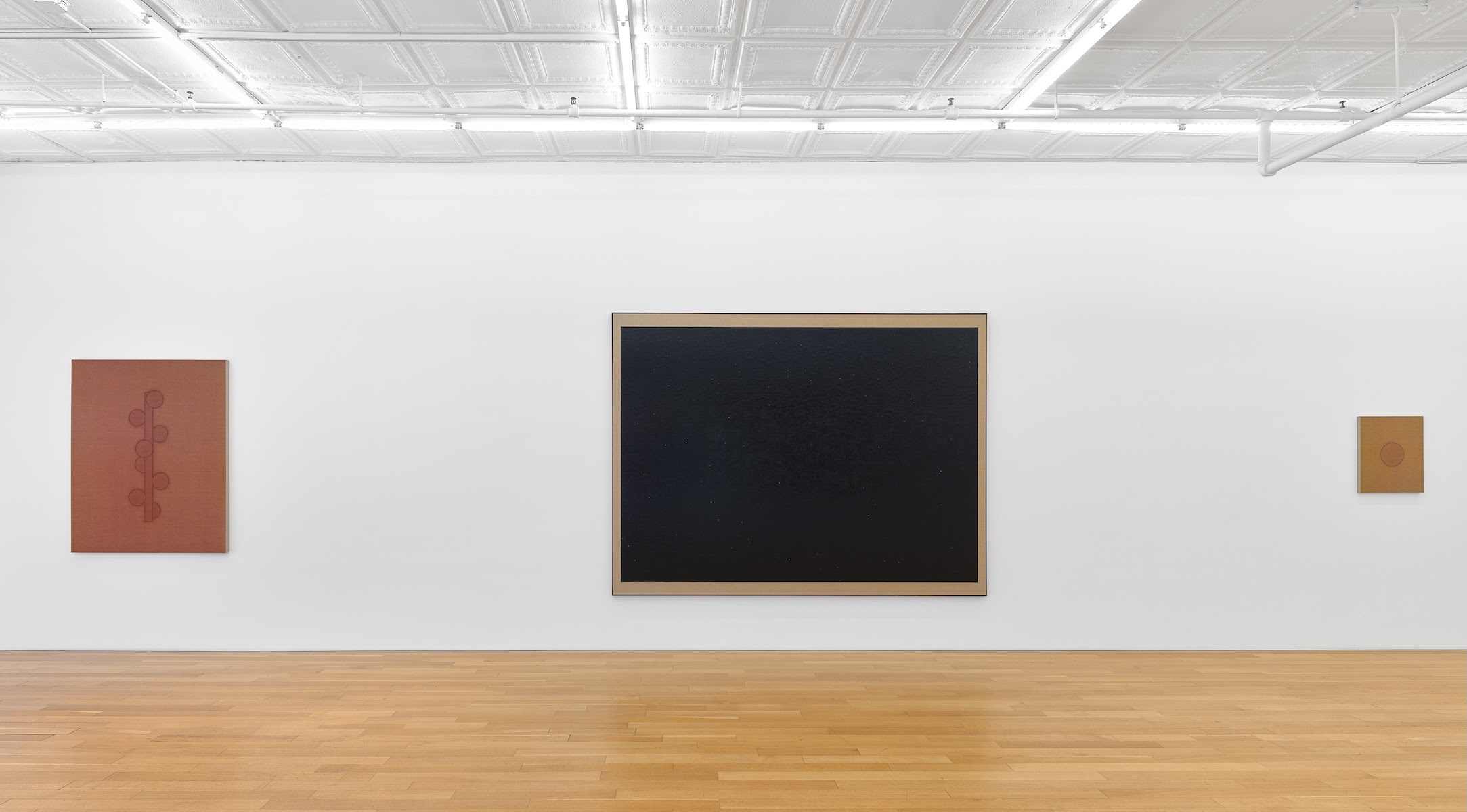
Participant Inc presents Vietnamese choreographer and performance artist Anh Vo’s first solo exhibition in New York City, Song and Sex: Before the Revolution, curated by Alhena Katsof. This unfolding exhibition exists in tandem with a series of performances that are taking place weekly in the gallery. Each performance is a distinctive attempt at resurrection, invoked by an ever-evolving cast of artists, dancers, and musicians.
Song and Sex: Before the Revolution is the culmination of a year-long project during which Vo apprenticed with Vũ Thuỳ Linh and Phạm Đình Hoằng, two master-musicians who specialize in Ca Trù. This dying form of northern Vietnamese chamber music, austere and trance-like, is built on intricate poetic meters and a striking interplay between voice, drum, and lute. In the 20th century, it was condemned and effectively banned by the Communist government because of its association with prostitution and opium culture.
Vo grew up knowing that their great-grandmother was a Ca Trù singer on Khâm Thiên street in Hanoi, which was once notorious for its singing houses, opium dens, and intimate entanglements between art and sex work. Vo’s great-grandmother was eventually bought out of the singing house by their great-grandfather to be his second wife. Even though Vo had never heard the music in-person, the family story meant that when they did finally encounter Ca Trù in 2024, it was not as a neutral “heritage form.” They understood that the music’s virtuosity and refinement were historically inseparable from the lives of the women whose artistry unfolded within colonial economies of pleasure and precarity.
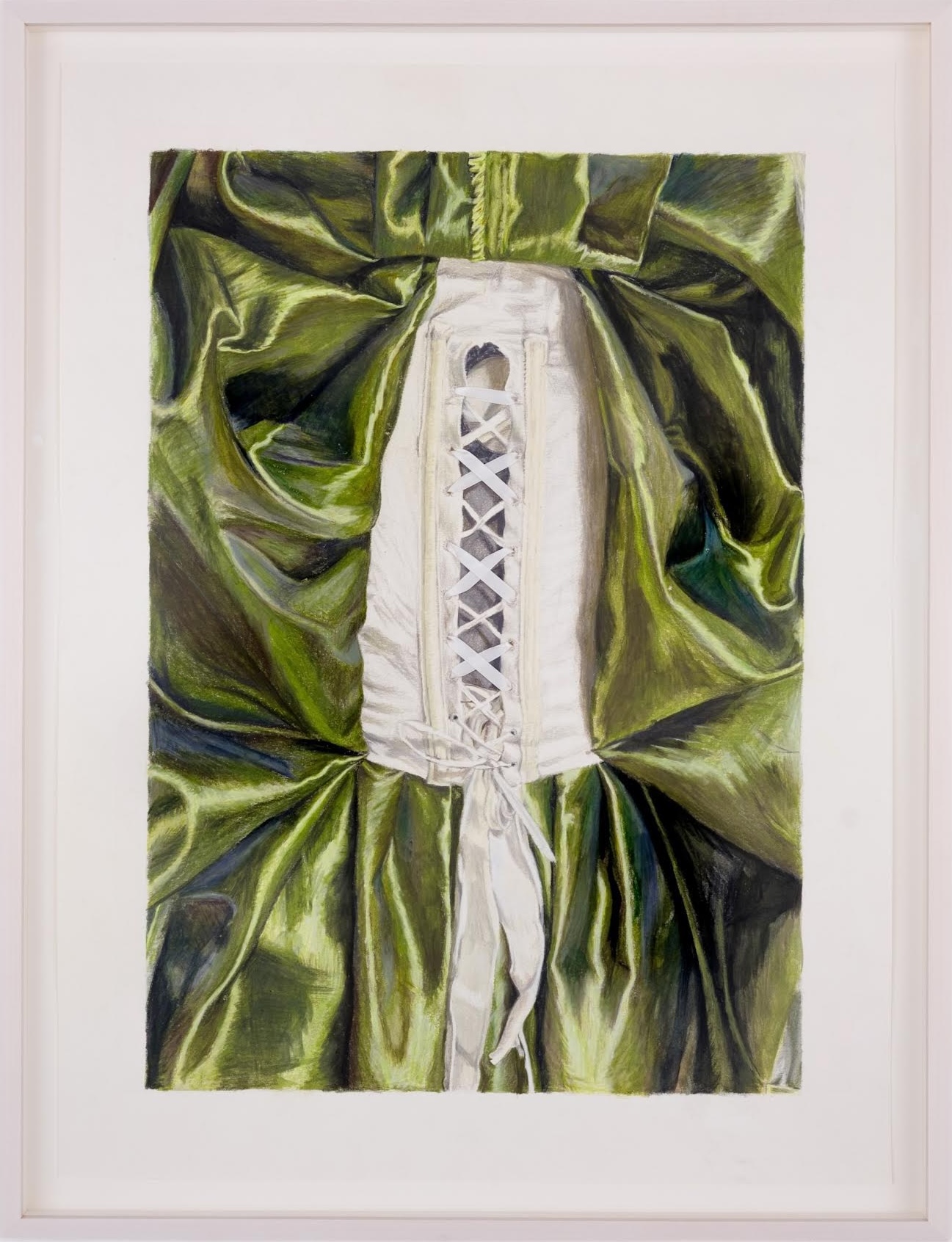
This past winter, Vo embarked on the apprenticeship in Hanoi, studying with Linh and Hoằng. This process was documented by visual artist Kyle b. Co., who produced a series of field drawings that are now integral to the exhibition. They were also joined by Barley Norton, a London-based ethnomusicologist and cherished interlocutor, who has been studying Ca Trù since the mid 1990s. During the rehearsal process, Norton said to Vo in passing: “Ethnography relies on the generosity of its subjects.”
“My project isn’t ethnography,” writes Vo. “But it’s not not ethnography either. I am deeply indebted to the generosity of Linh and Hoằng, two musicians of the Ả Đào Phú Thị Ensemble. They opened their hearts and entrusted me with the form, even when I myself don’t fully know what I am doing with it yet. I do know that I will activate or play Ca Trù as I hear it now in the contemporary.”
In February, Linh and Hoằng joined Vo in New York City, during which time they continued to rehearse intesively—at Initial Research in SoHo, and then during a residency at the Center for the Arts at Wesleyan University. At first, Vo deliberately postponed “composing” a new performance; they wanted to soak in the idioms of Ca Trù. Eventually, Vo began to experiment with the form, giving a performance at Roulette Intermedium in March that centered the collaboration with Linh and Hoằng.
Vo’s research, training and experimentation is metabolized during the unfolding of Song and Sex: Before the Revolution. There will be a different performance every Sunday at the gallery during the run of the show.