
Exhibition · Mother
Anders Hamilton
Brief but Tedious
Nov 3 – Dec 17
32 images · swipe
About the show
Mother is pleased to present Brief but Tedious, a solo exhibition featuring recent sculptures by Anders Hamilton. This is Hamilton’s first solo show with Mother.
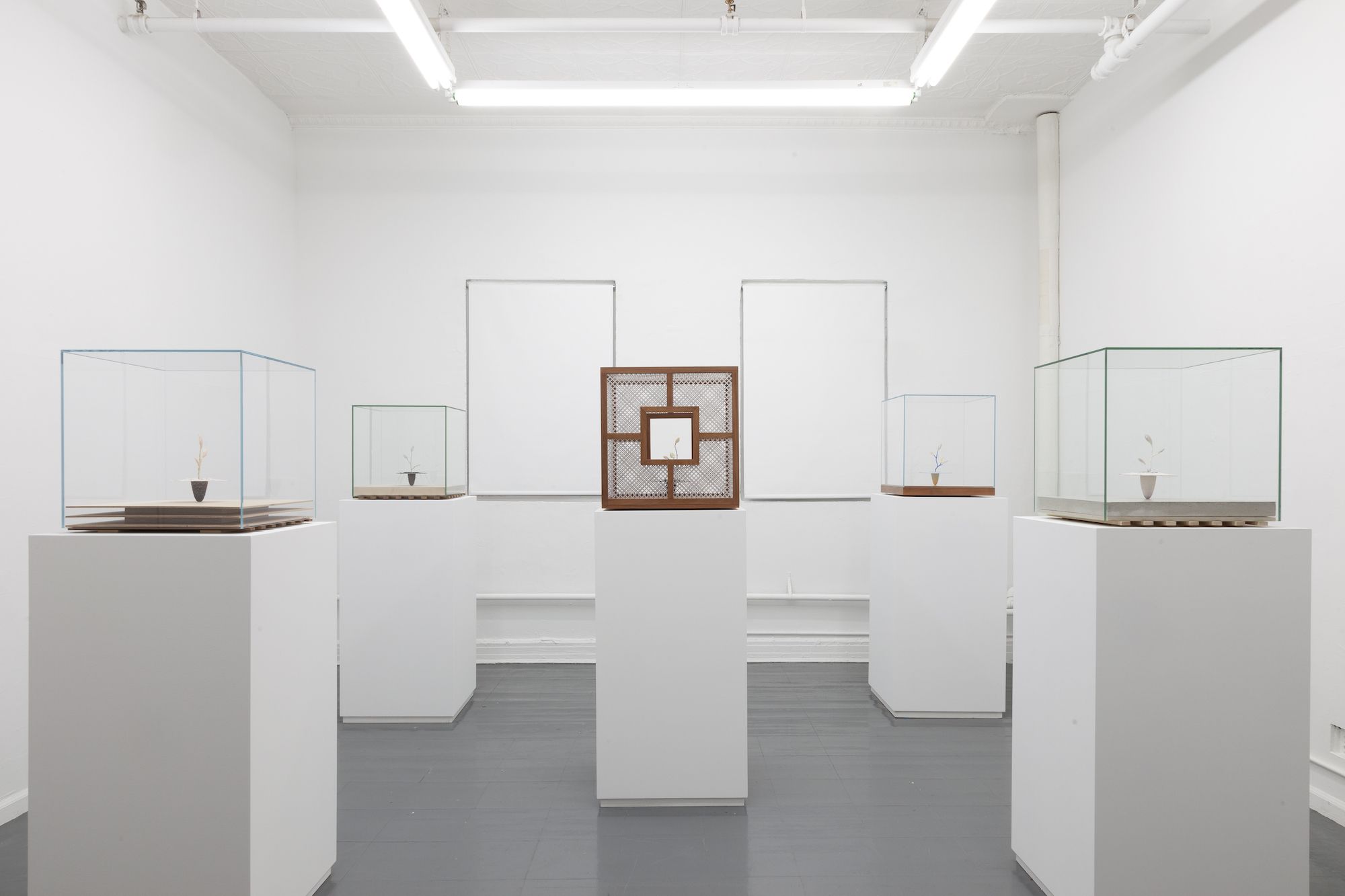
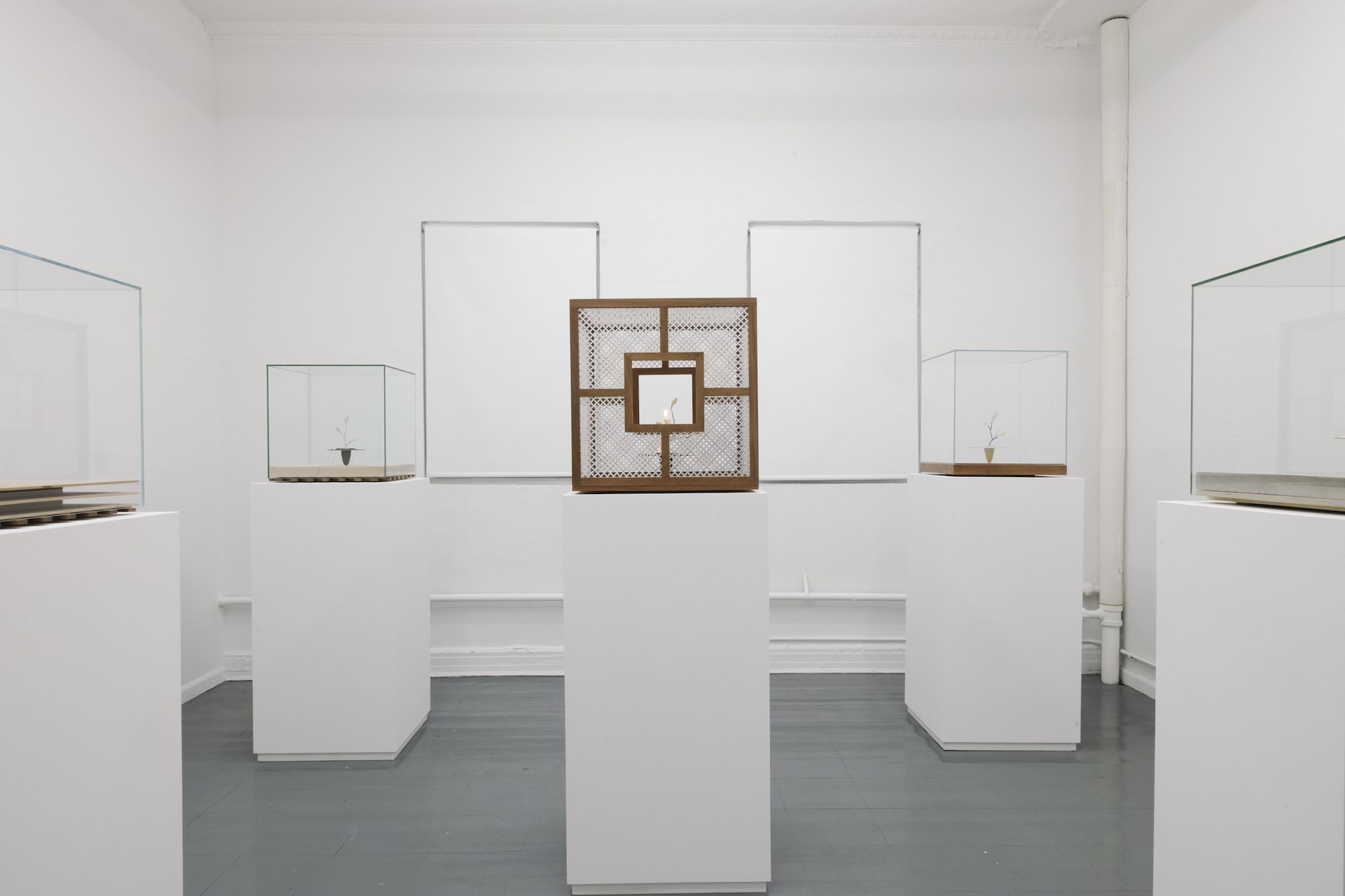
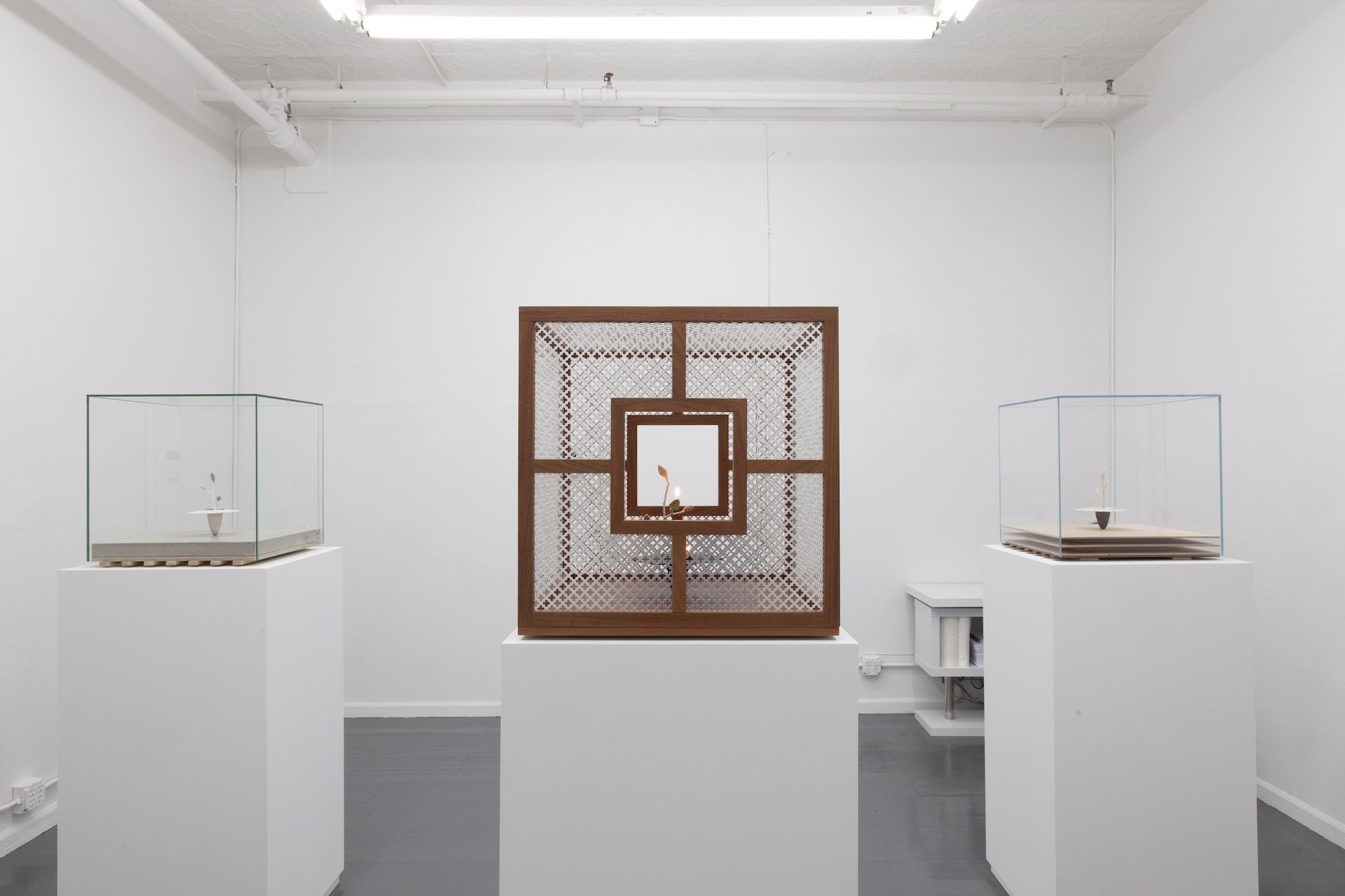
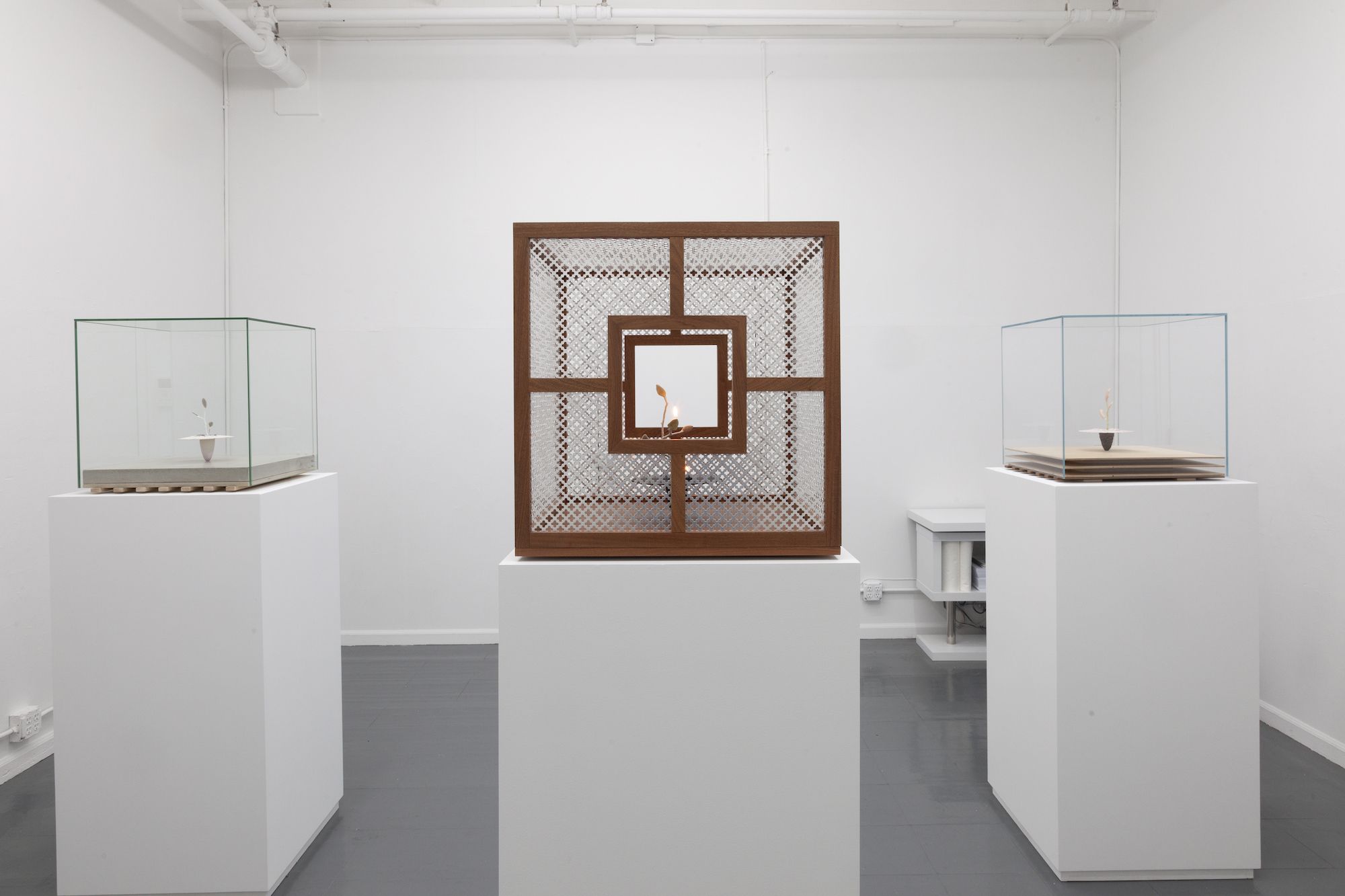
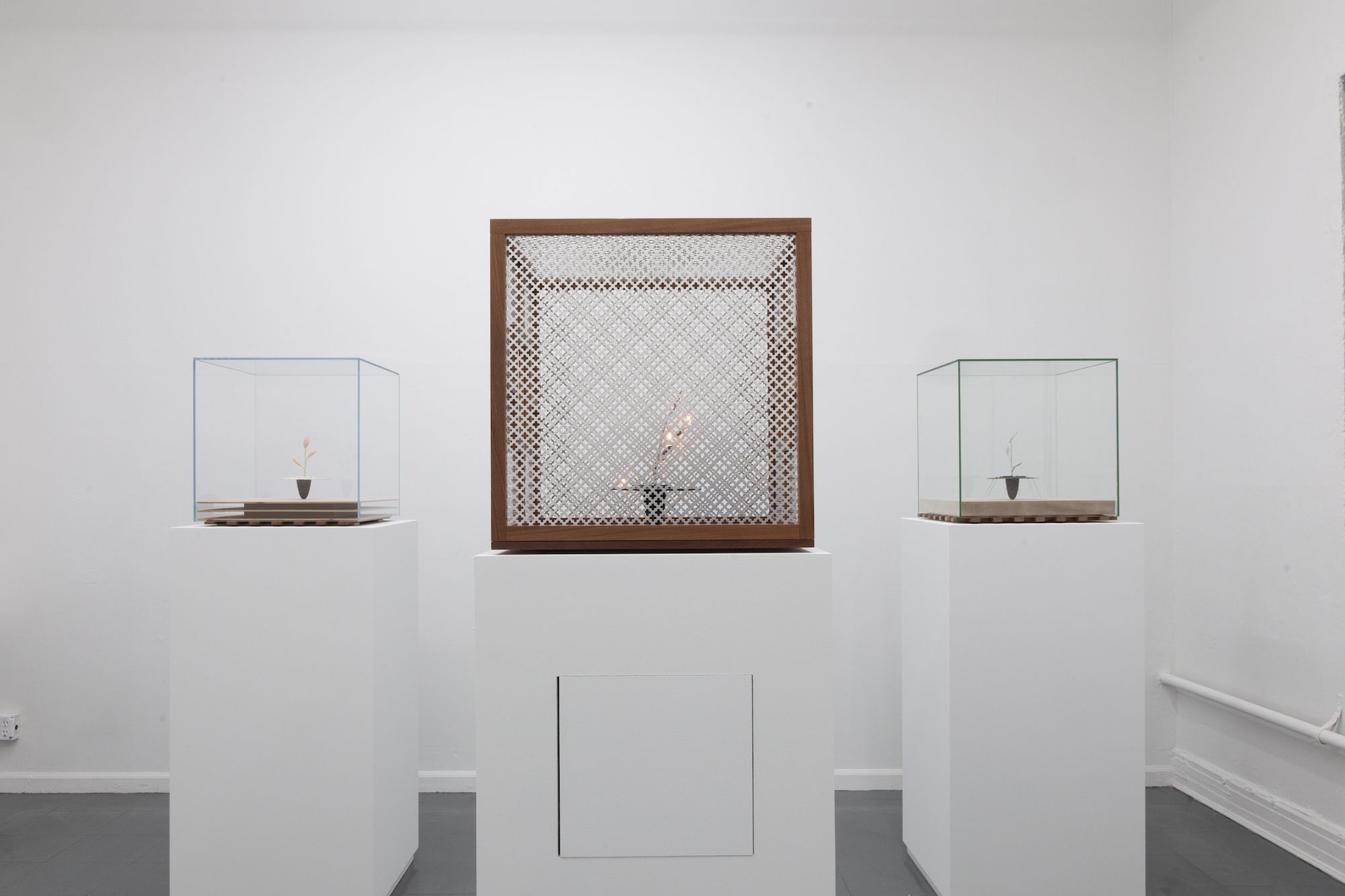
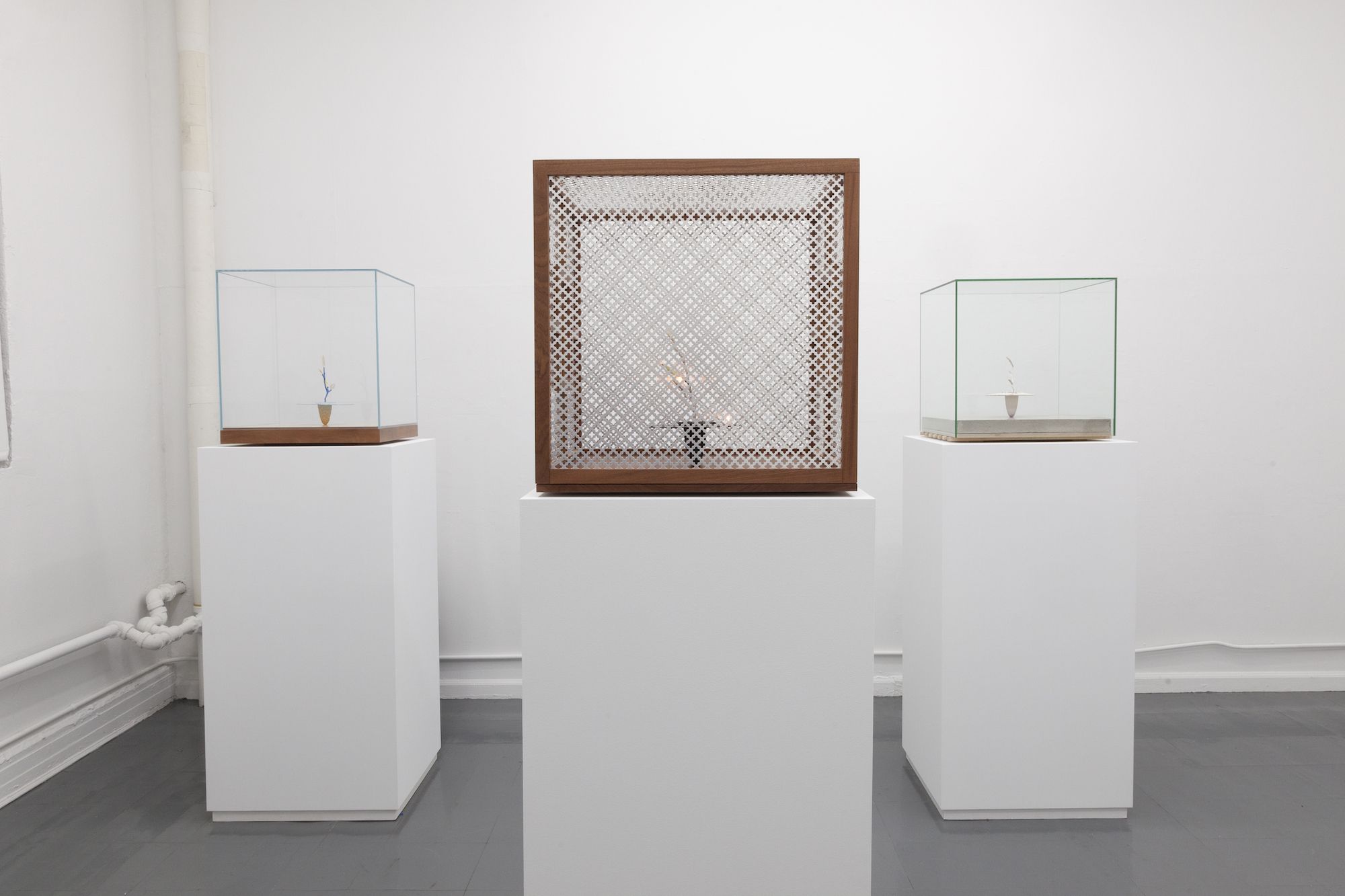
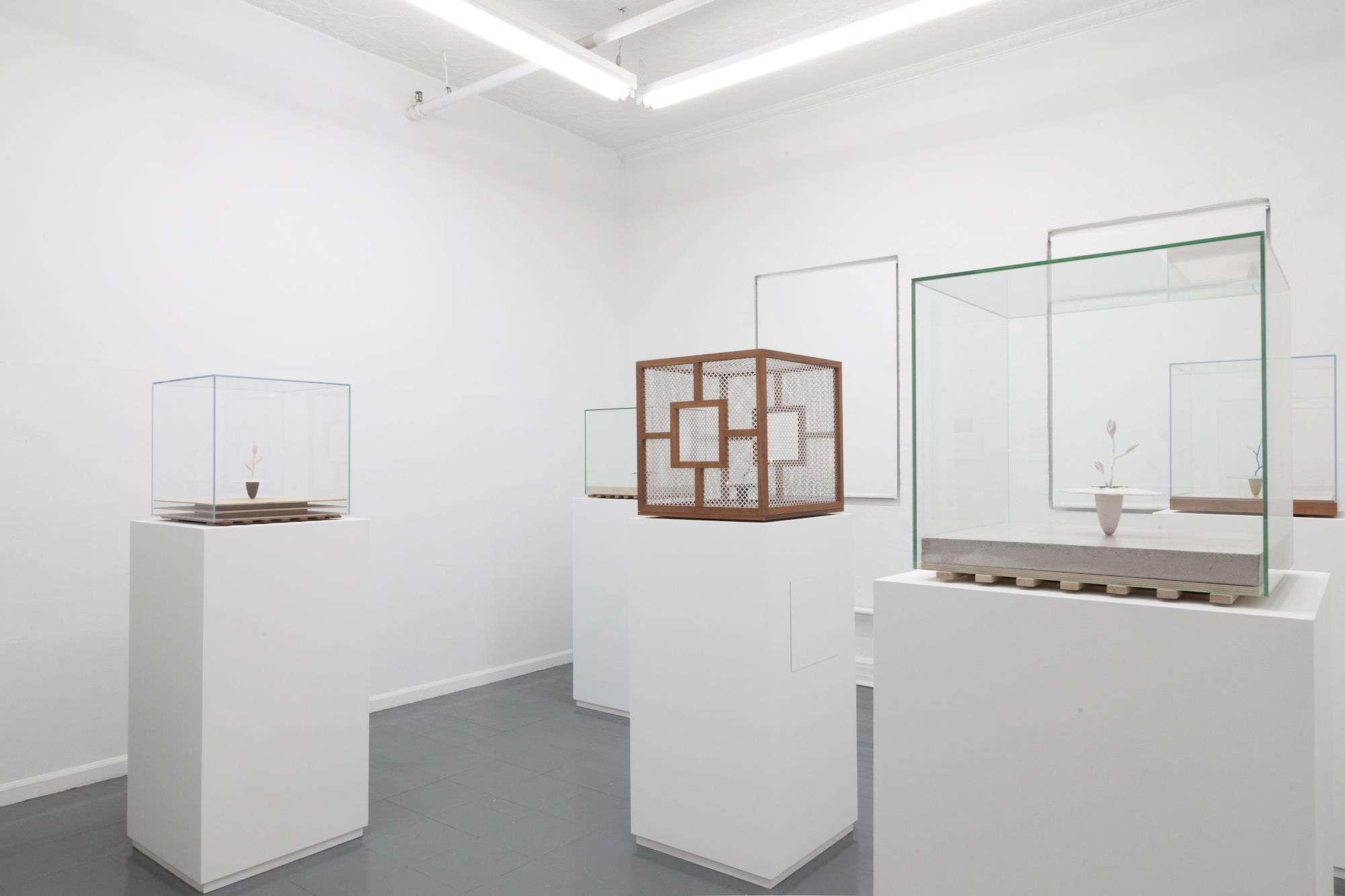
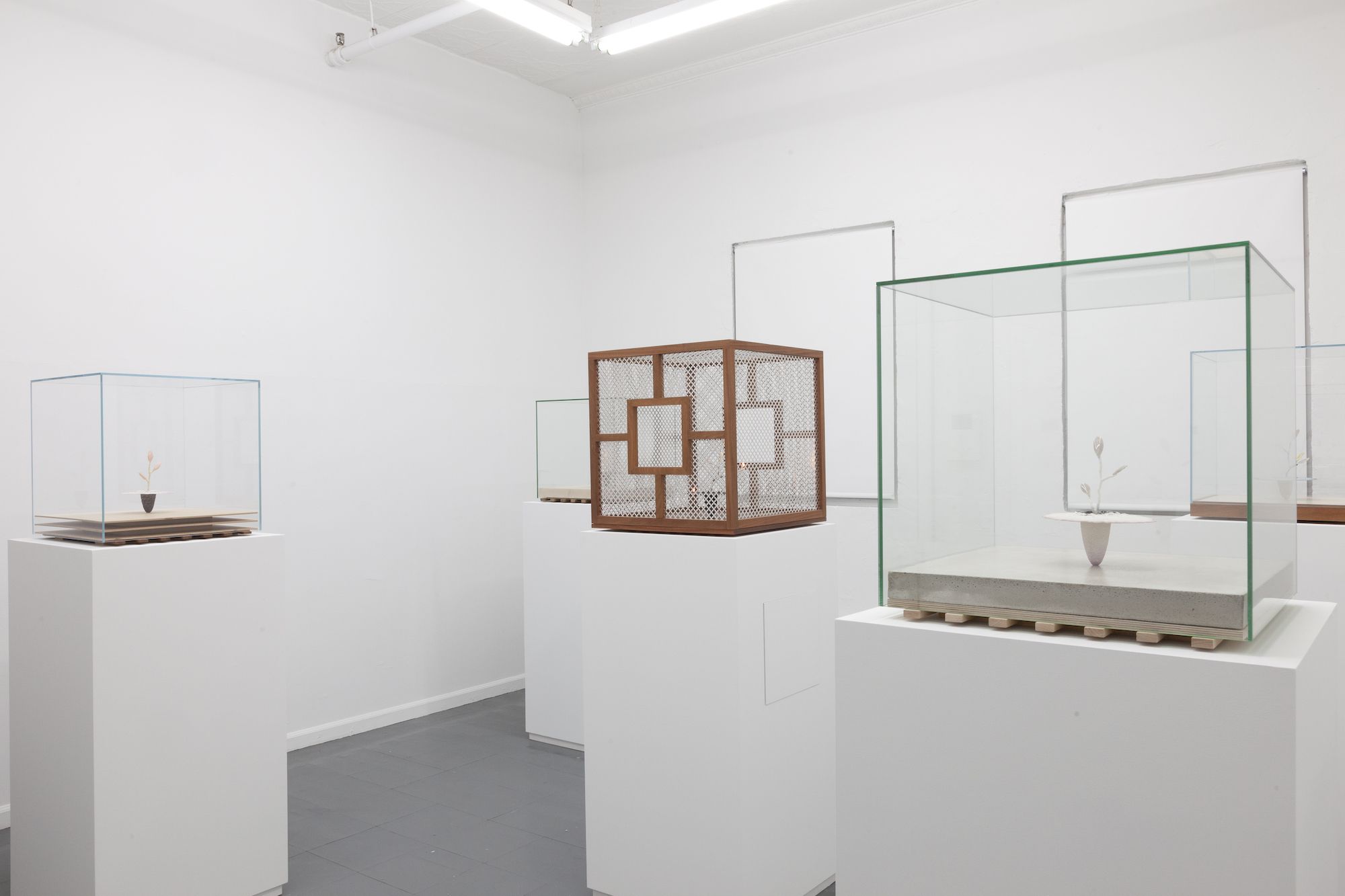
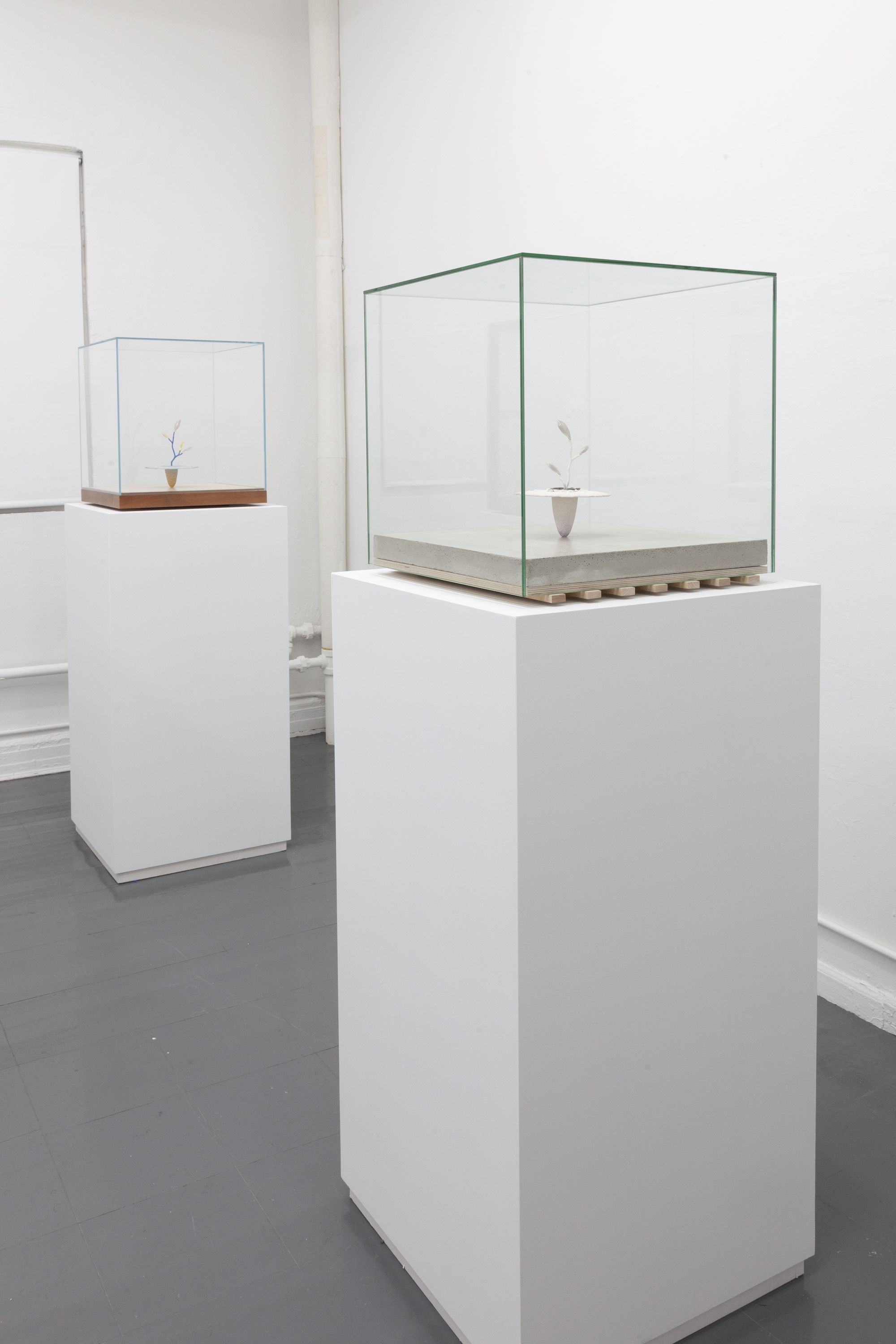
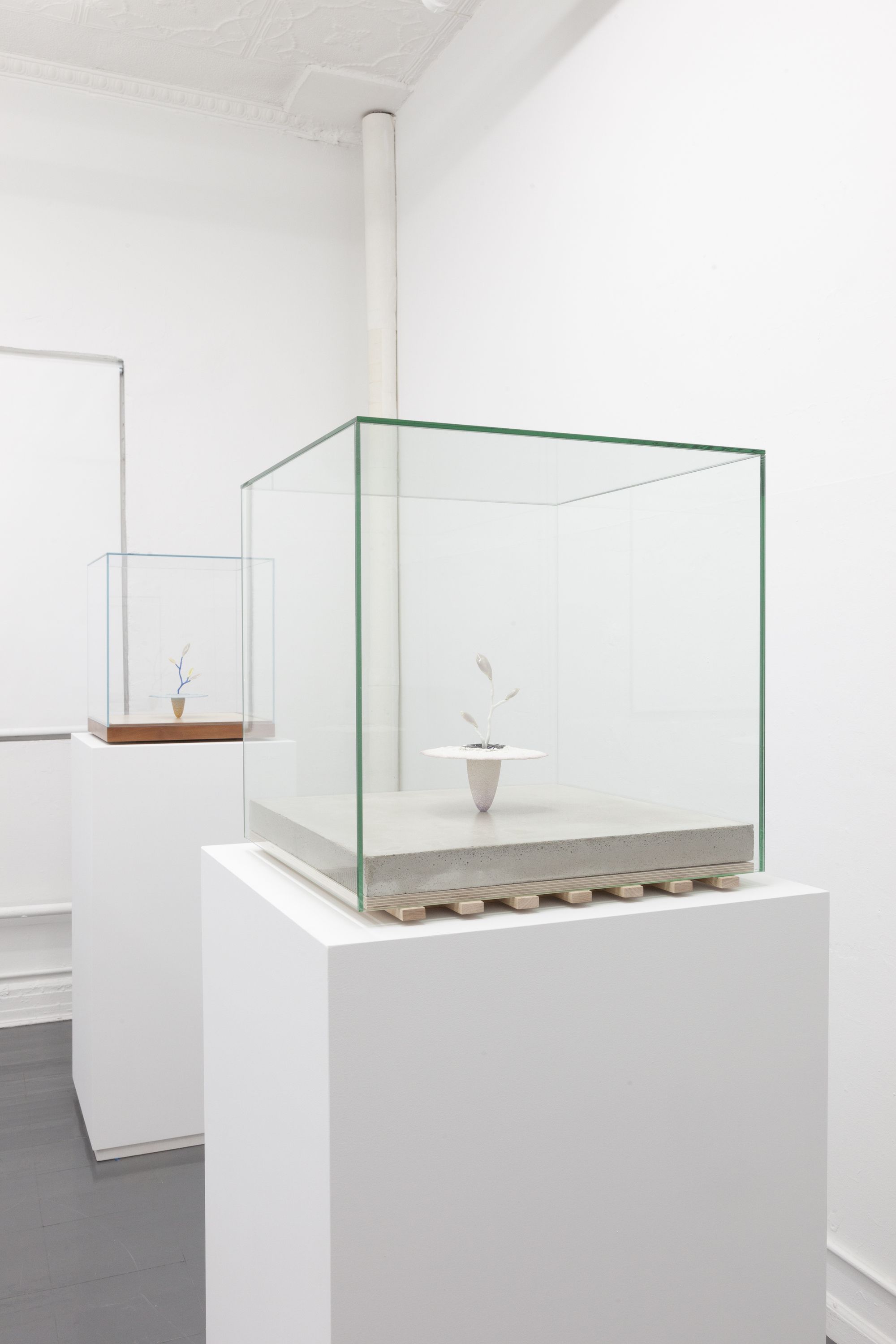
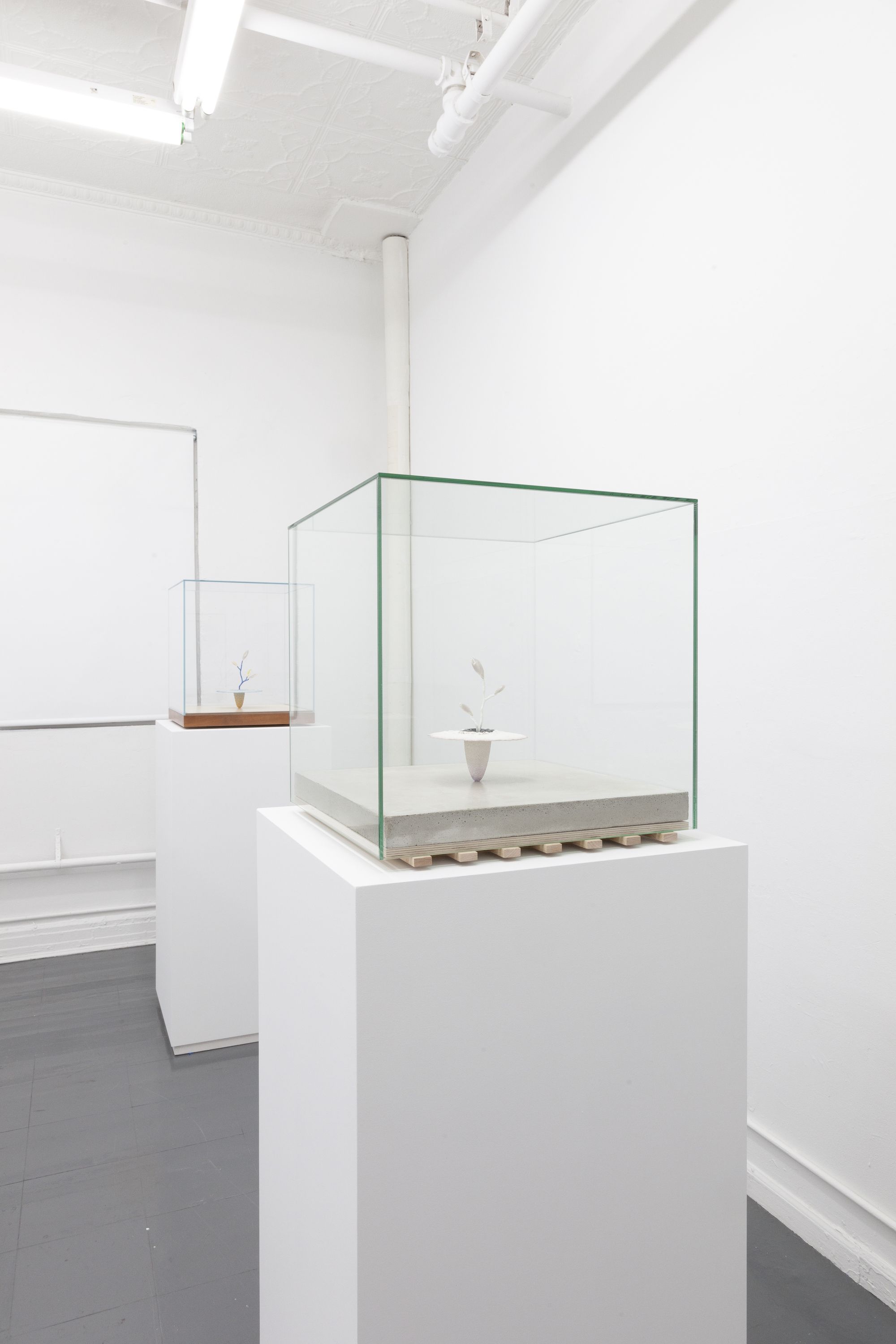
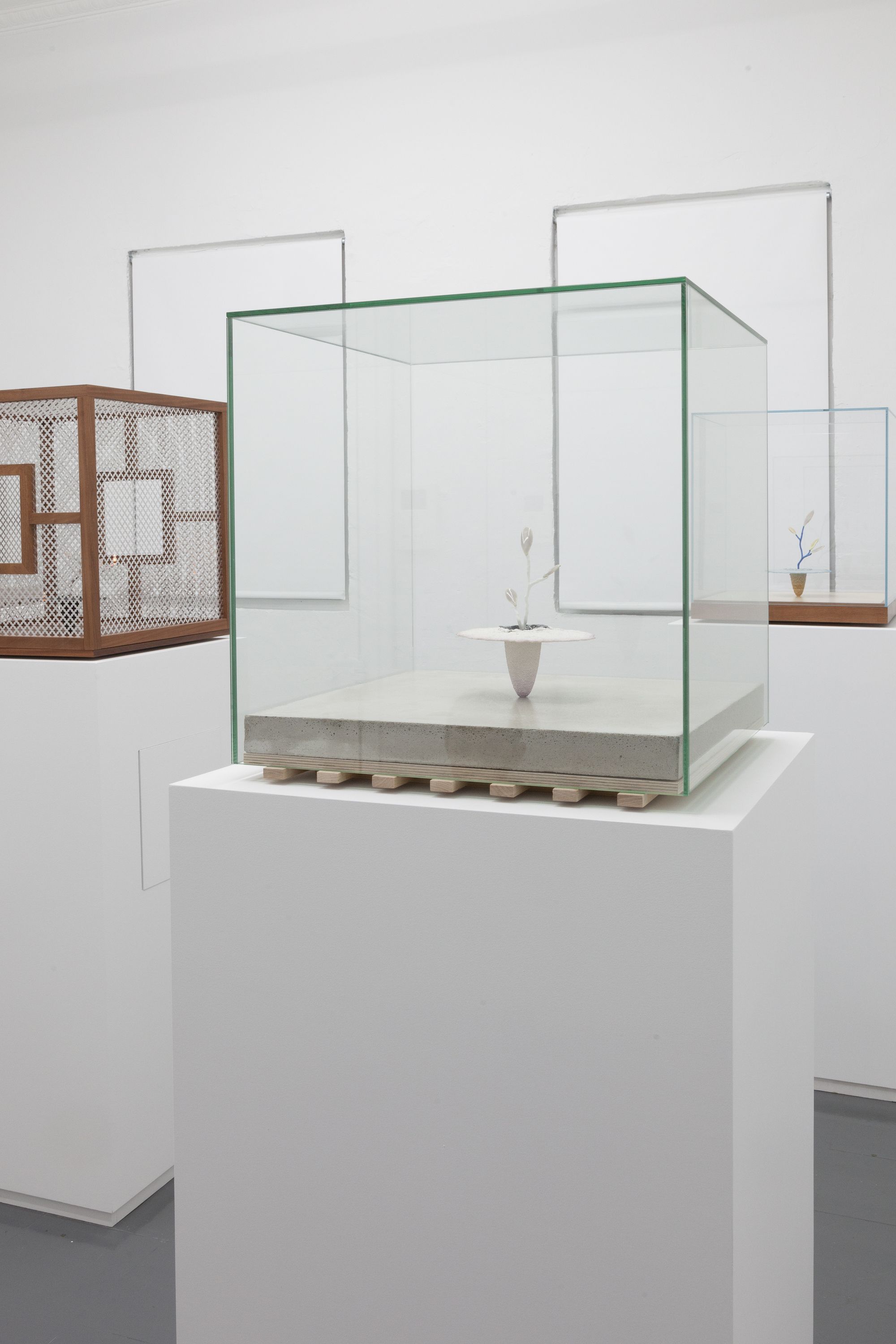
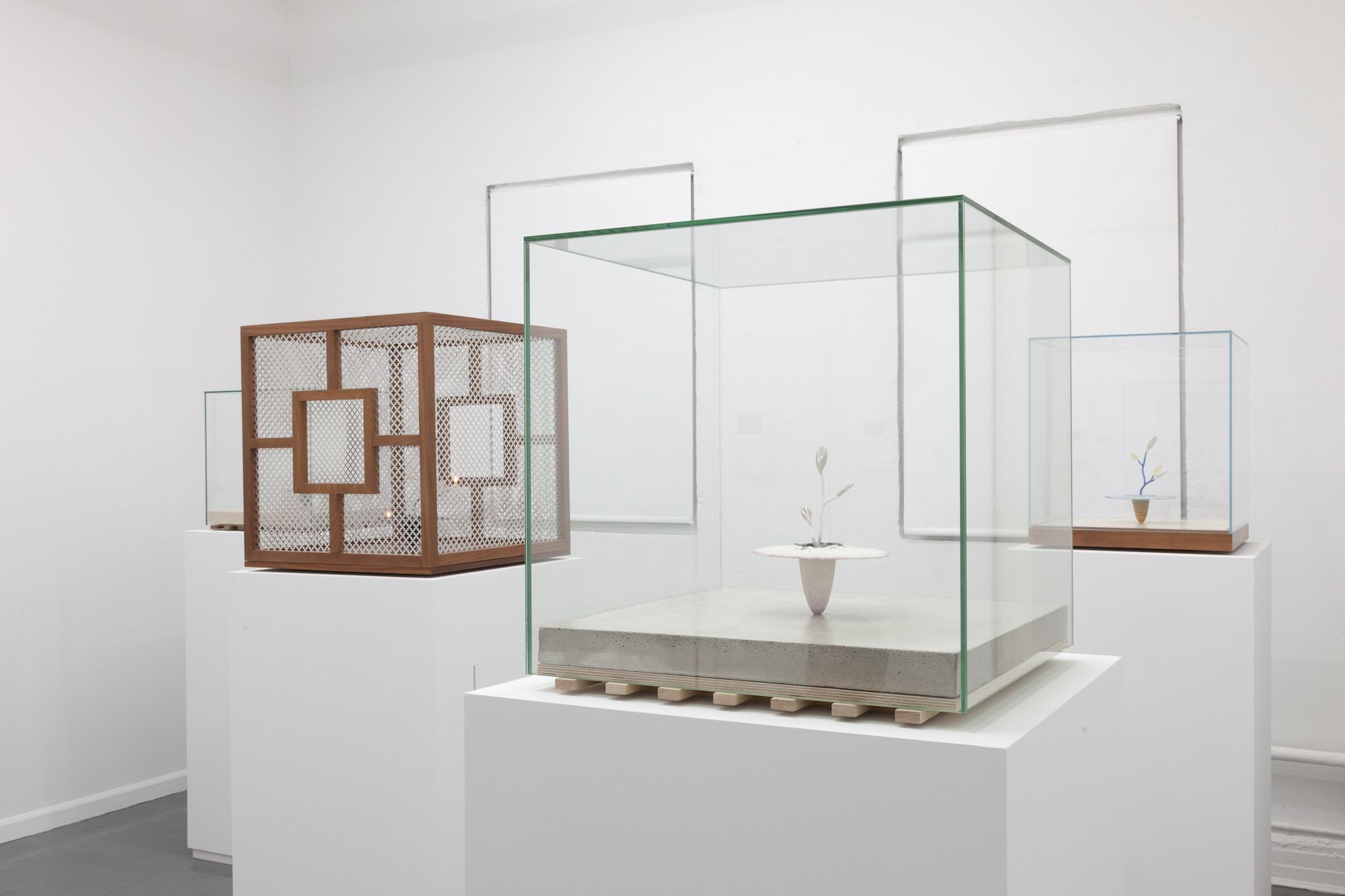
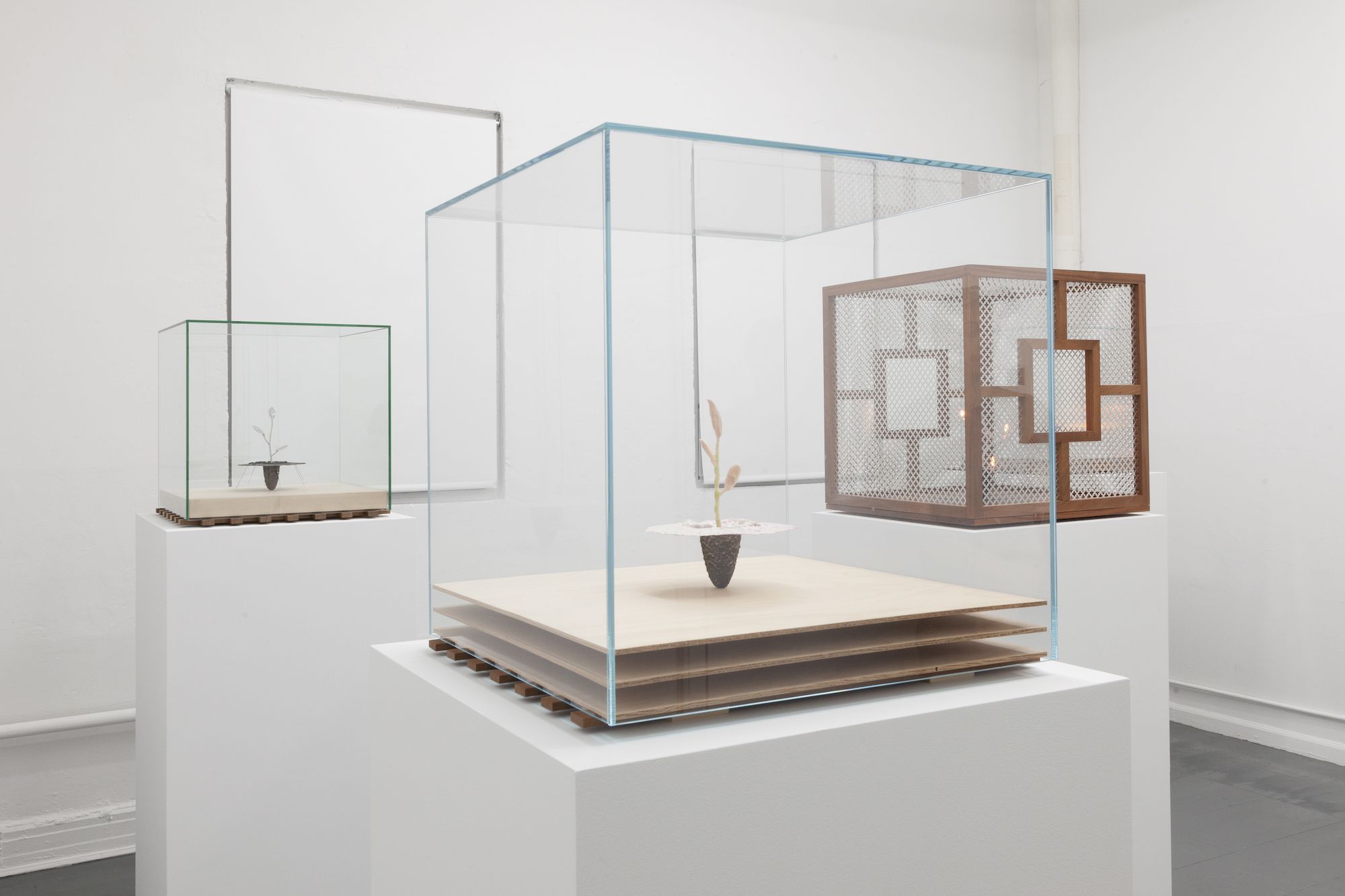
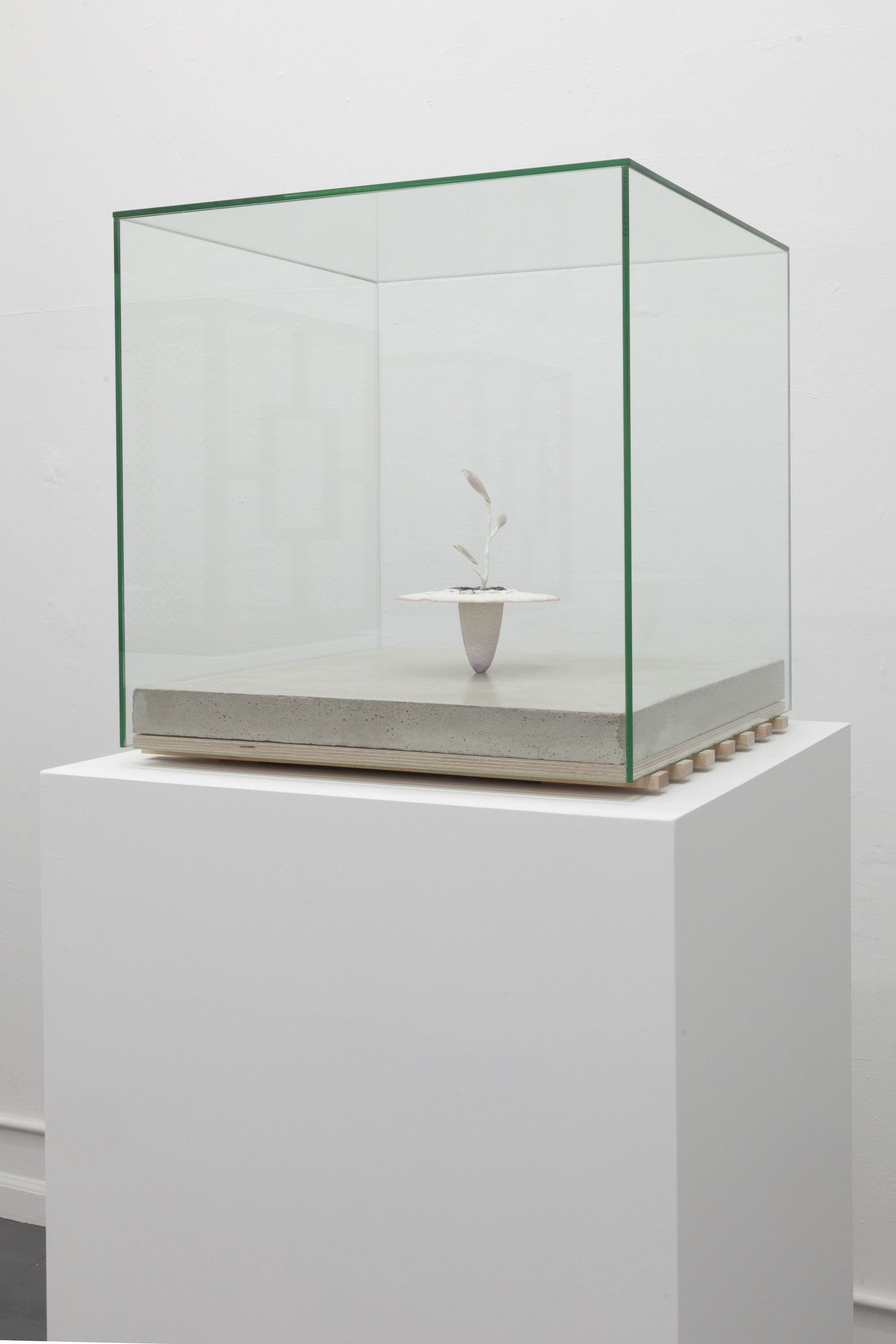
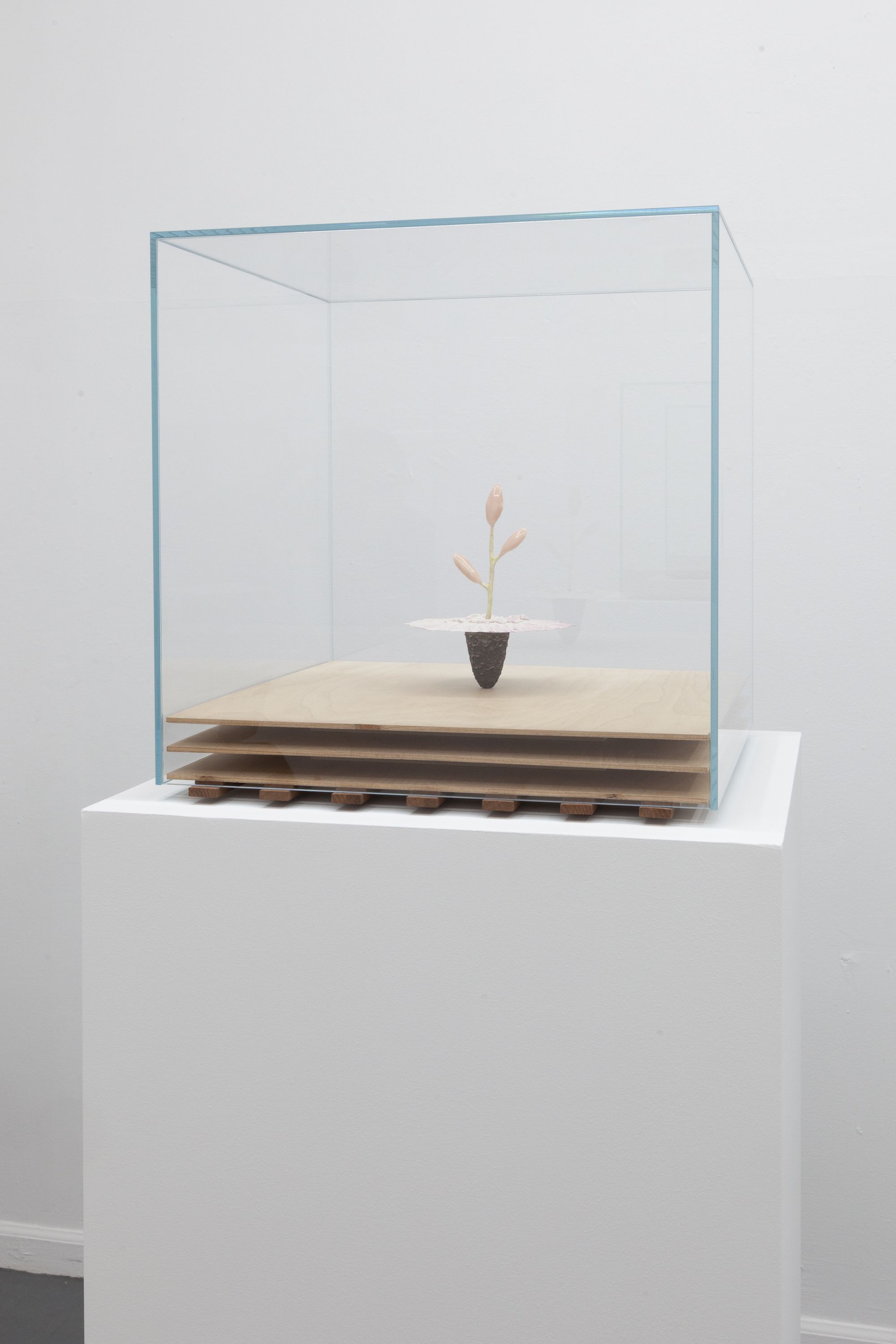
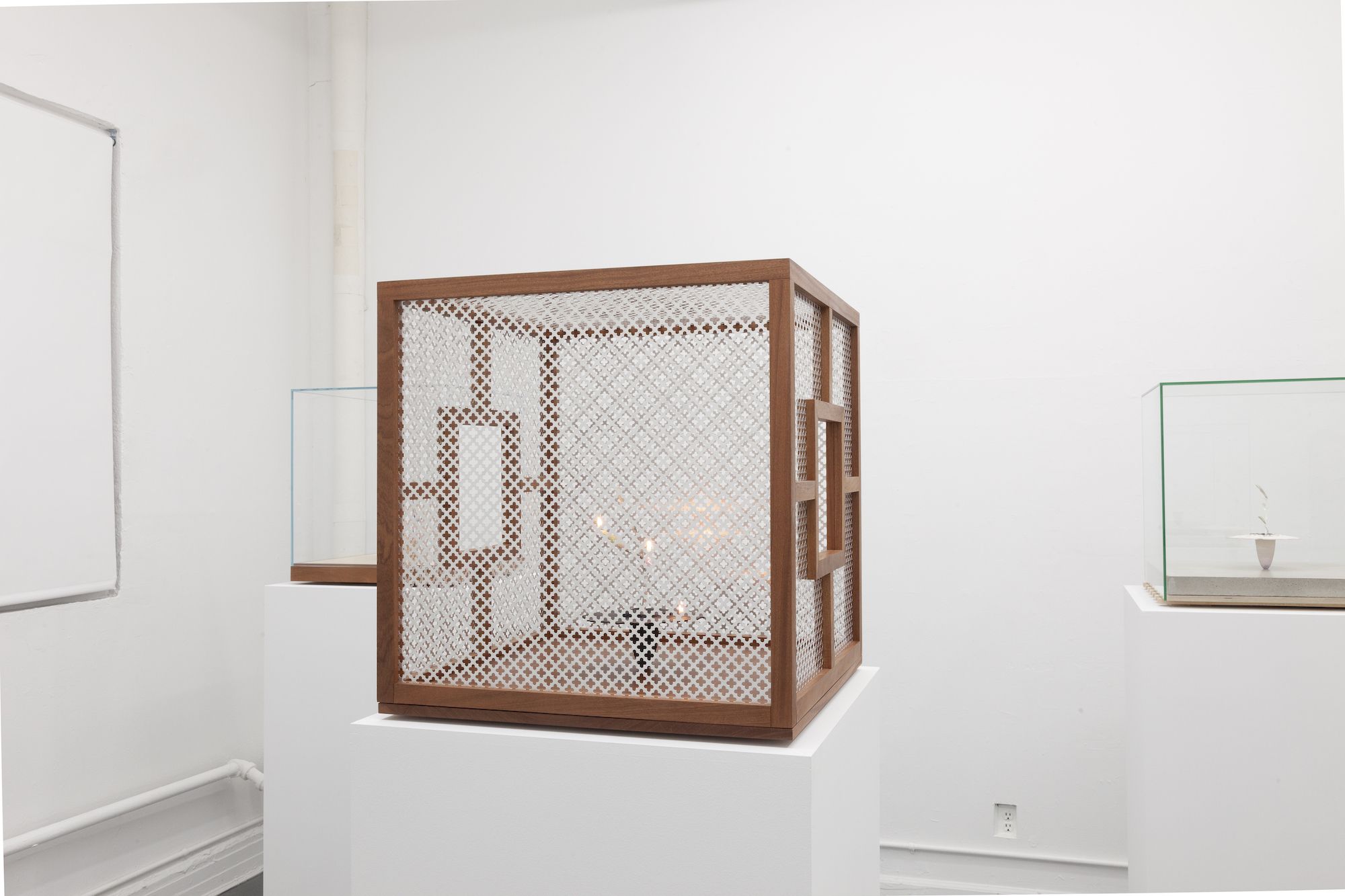
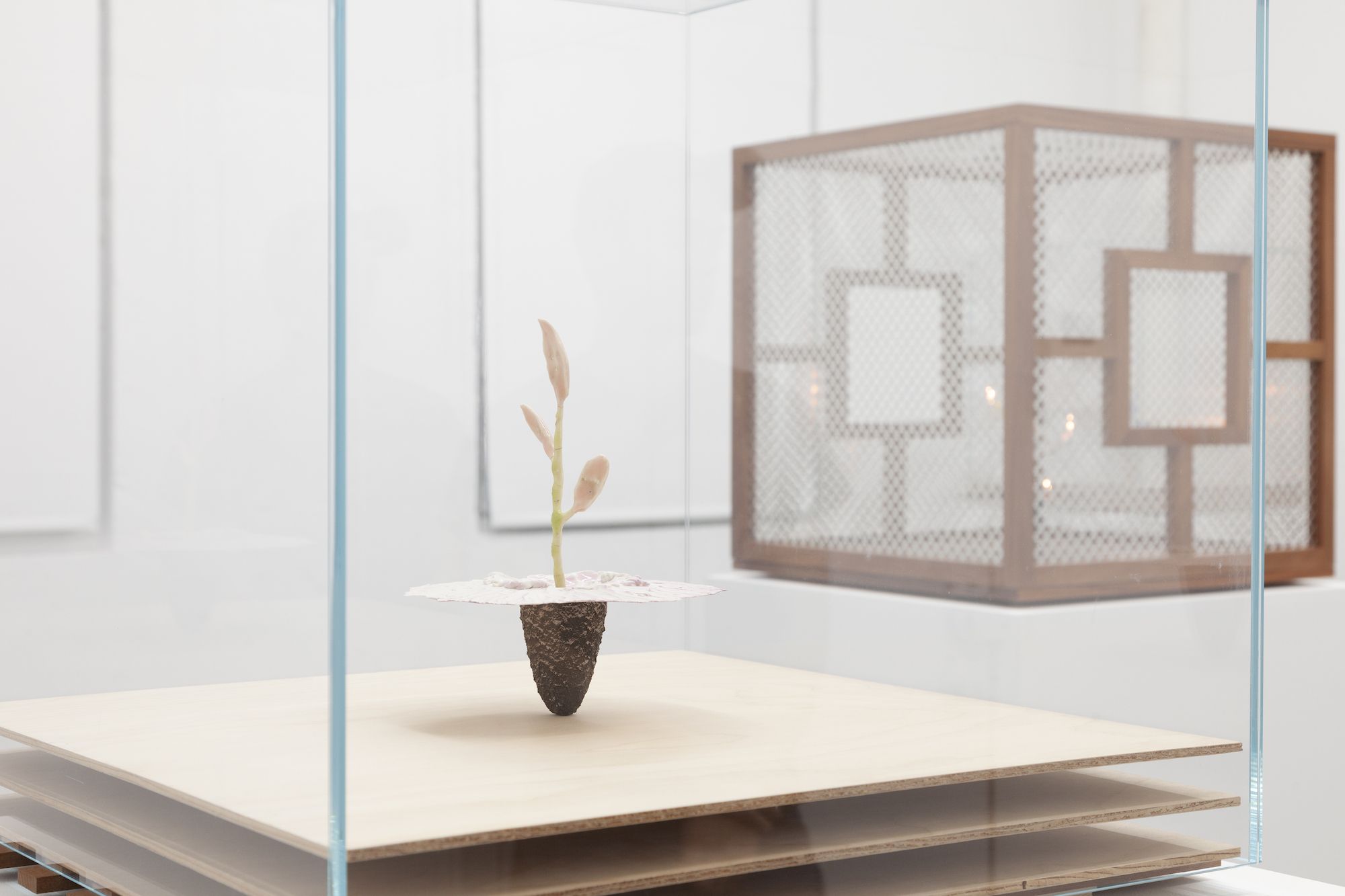
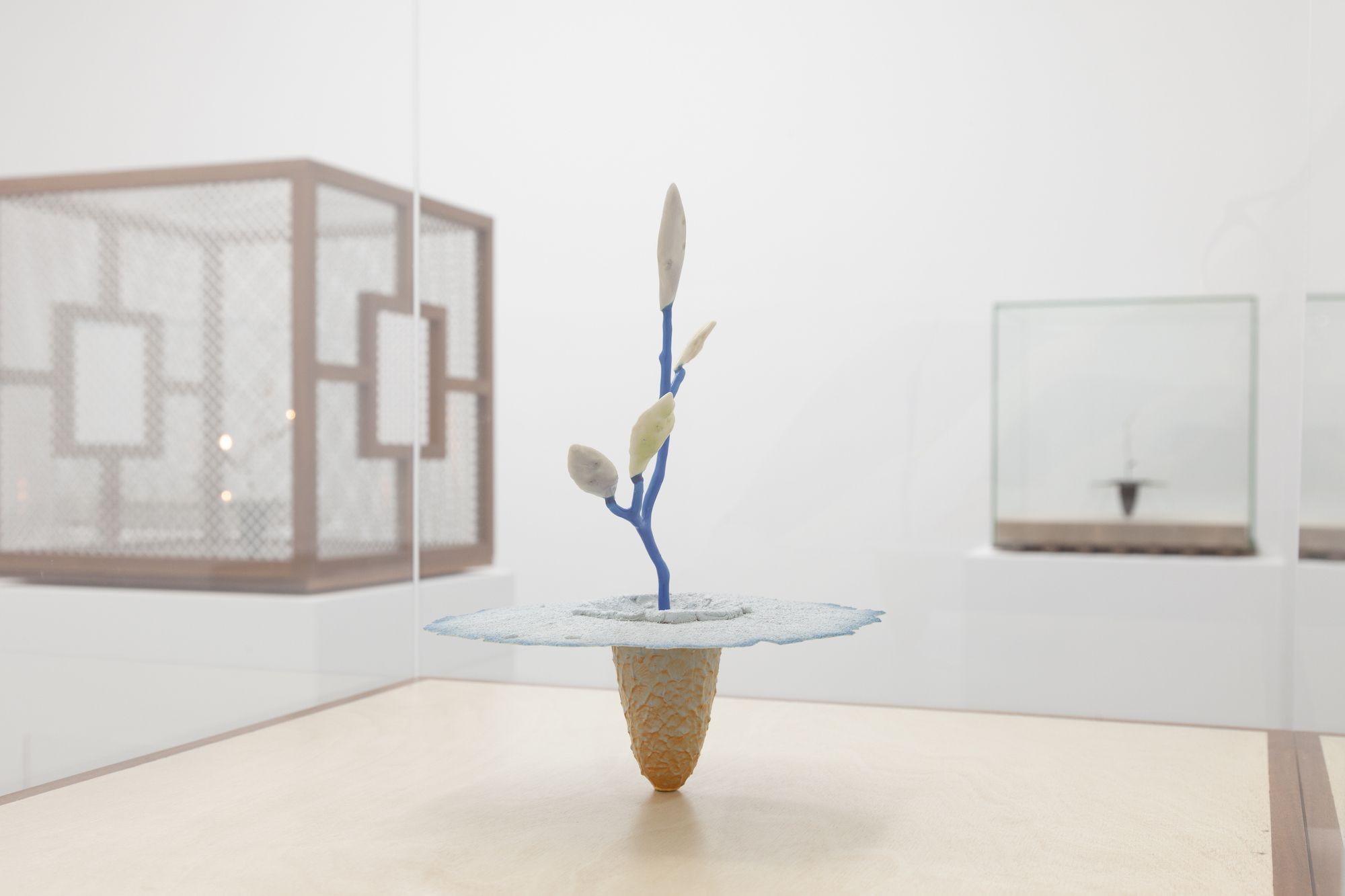
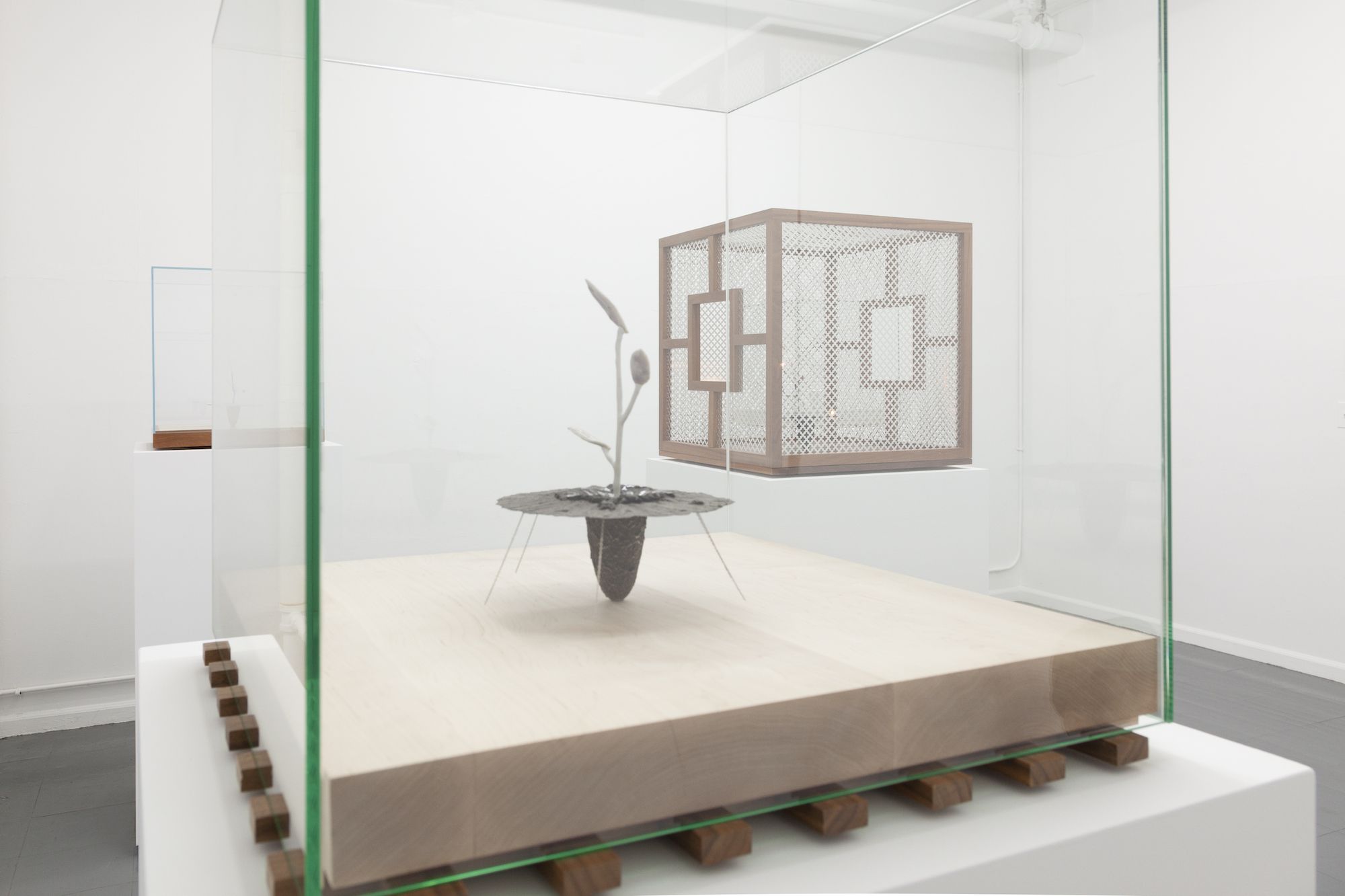
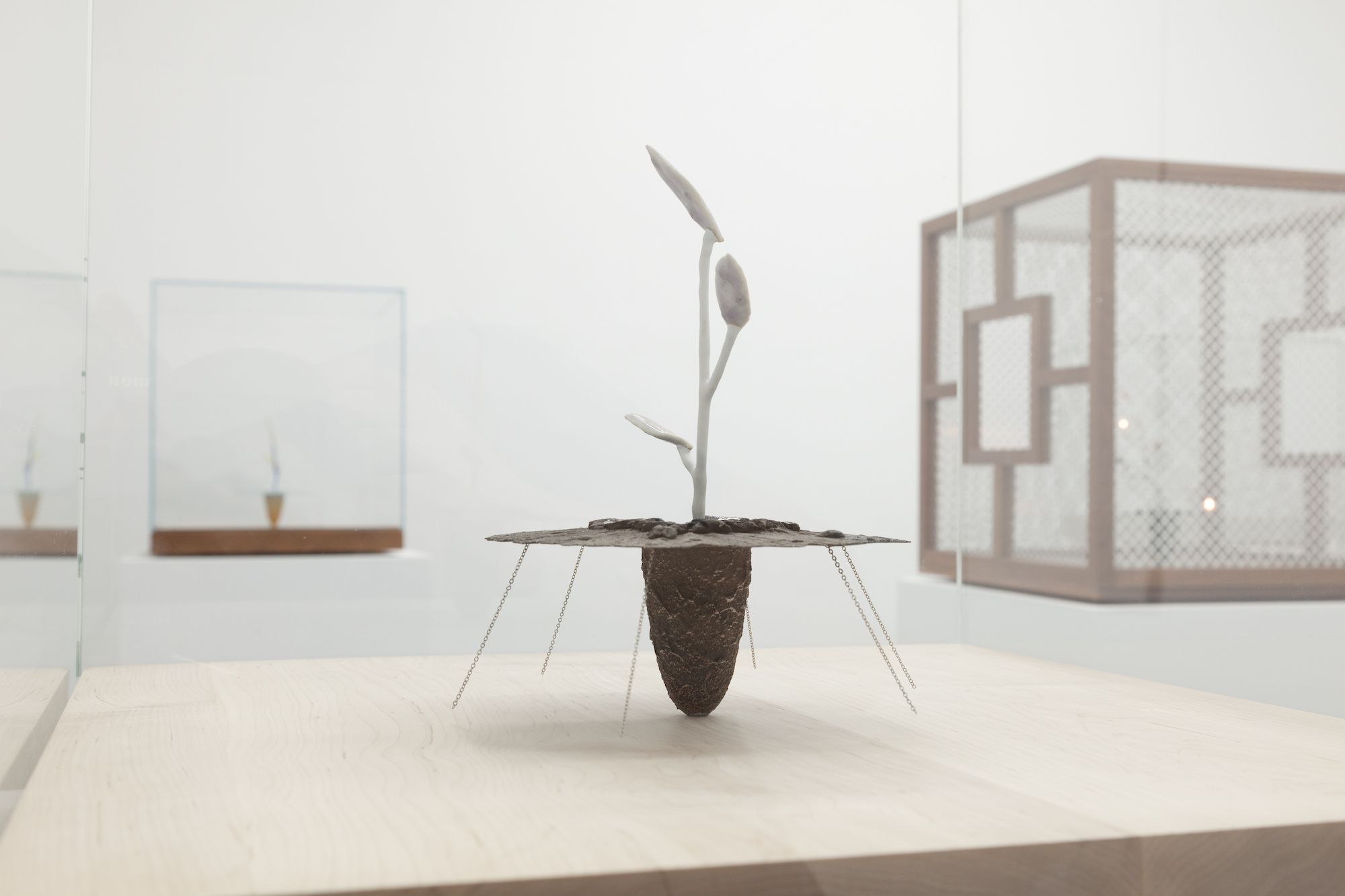
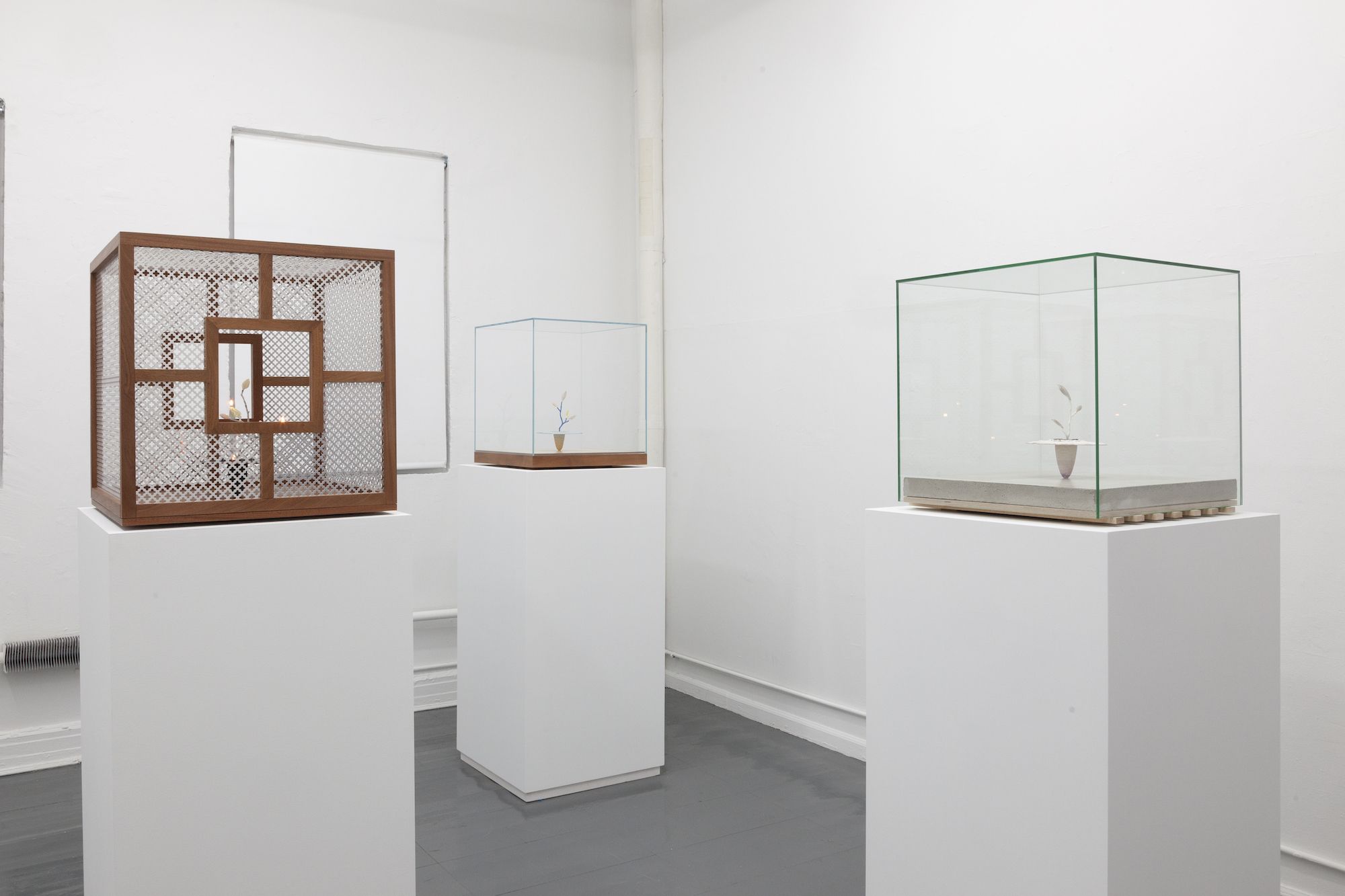
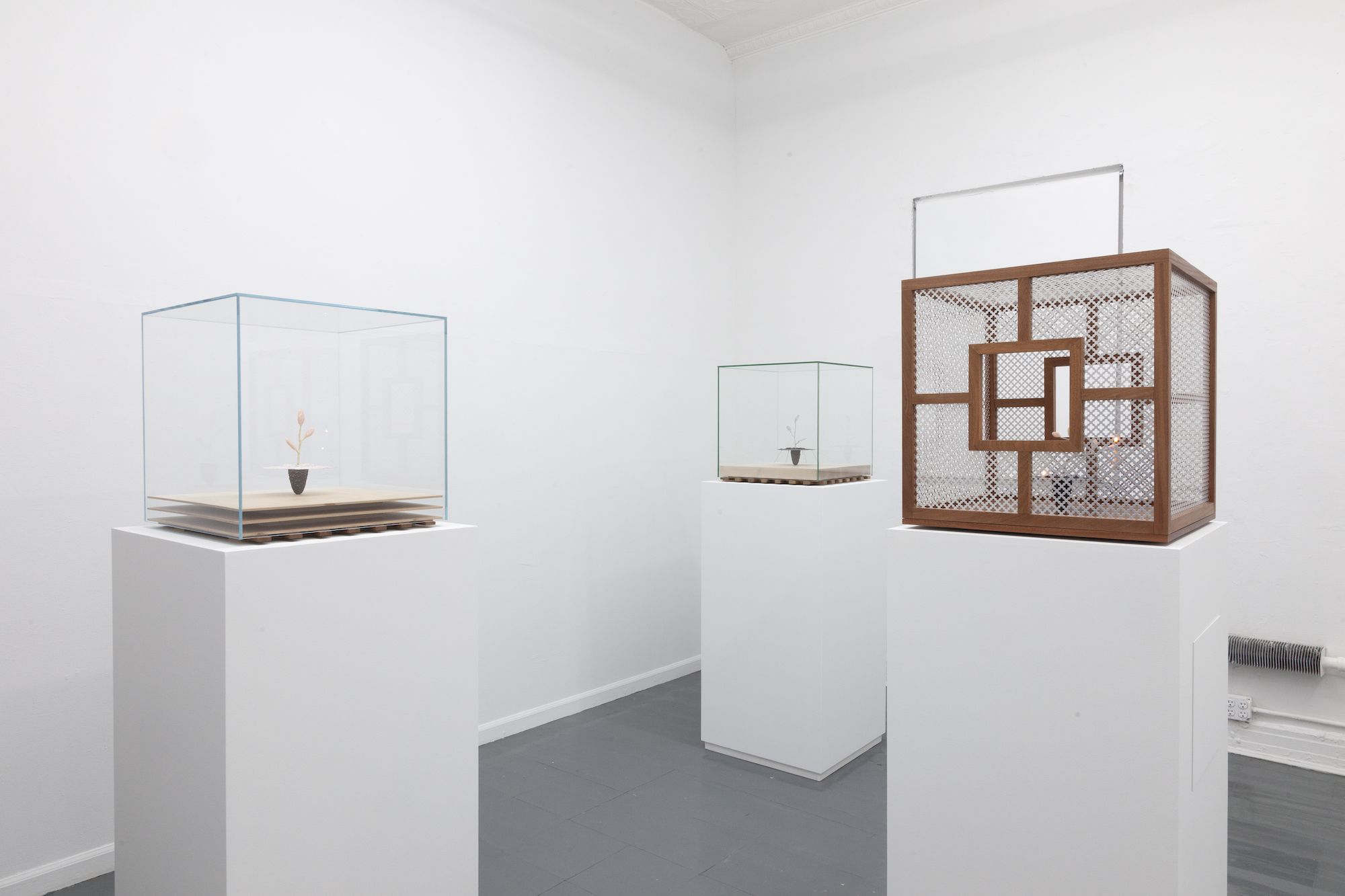
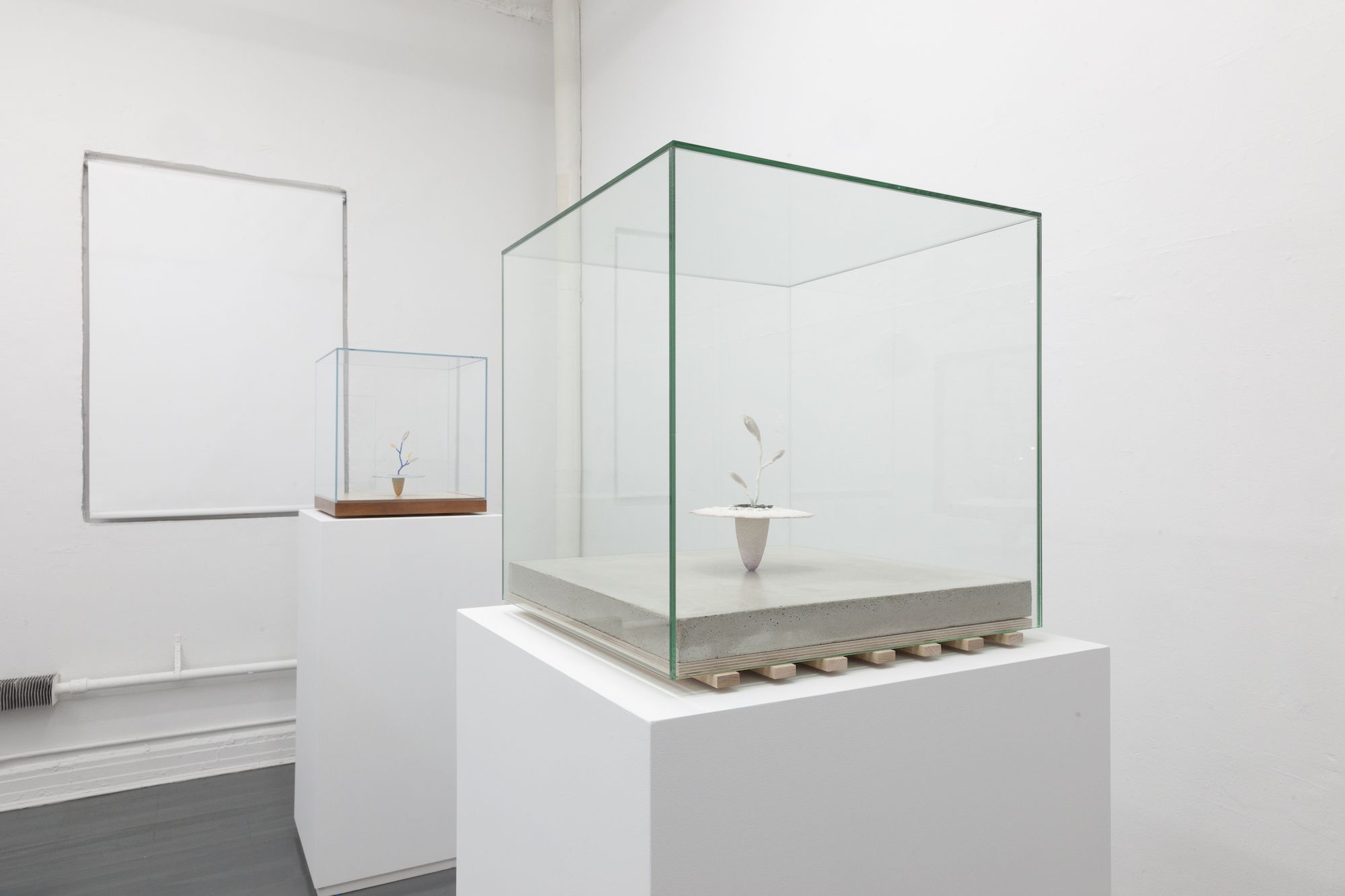
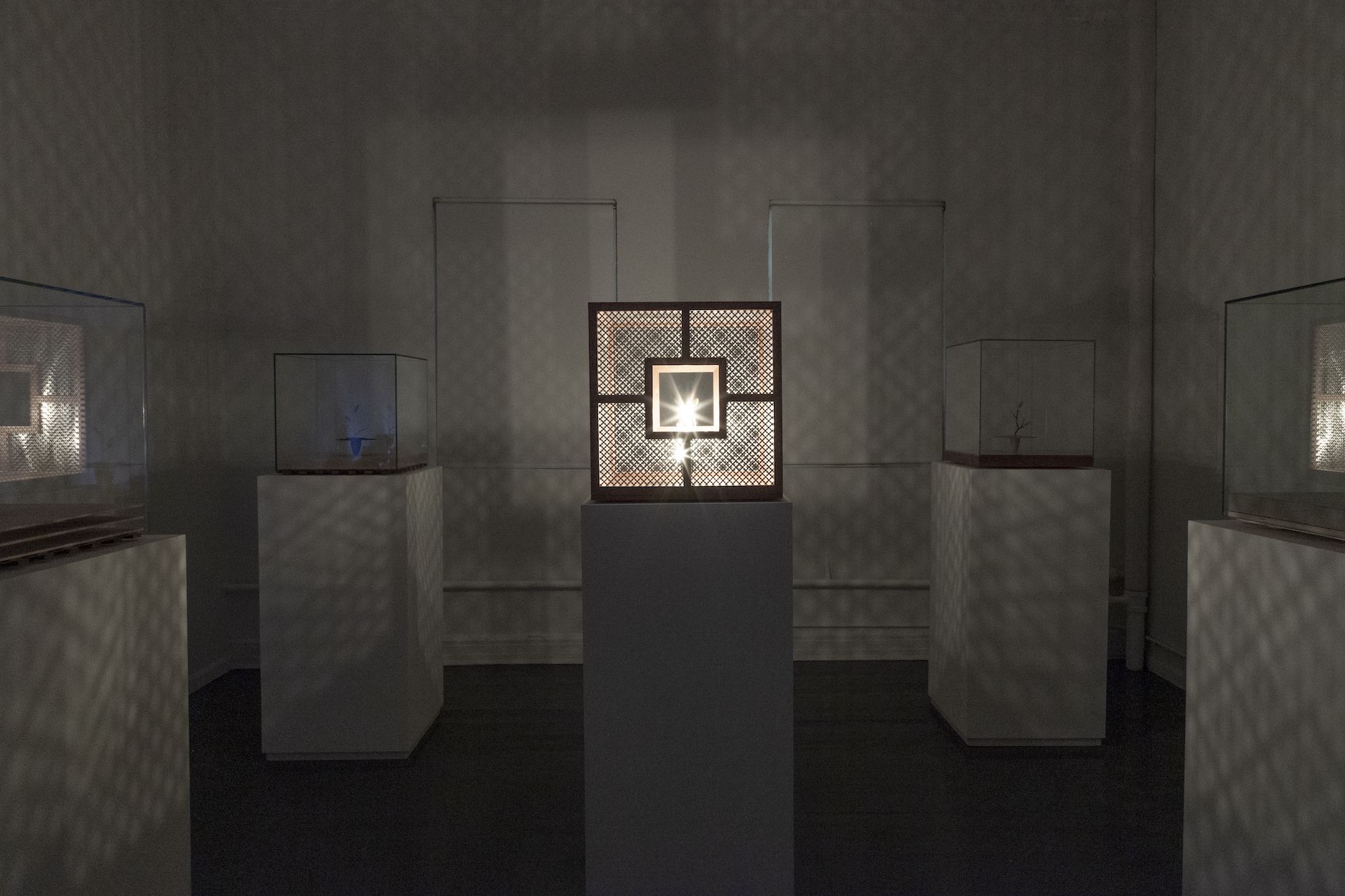
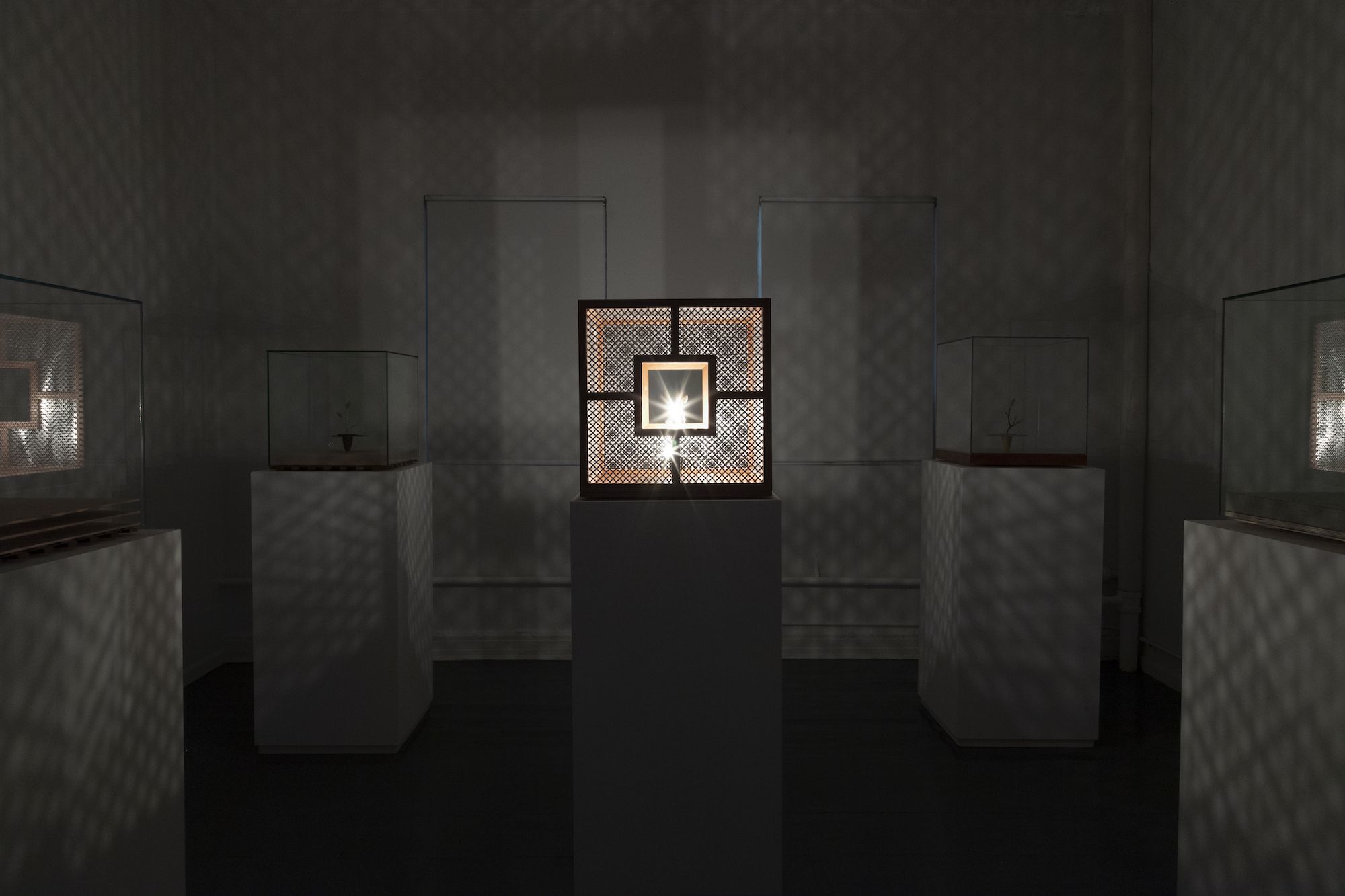
In Brief but Tedious, Hamilton presents five ceramic obelisks which exist on an axis between the natural and the human-made. Balancing on the point of an egg, their posture is precarious, yet grounded. Twigs sprouting ceramic foliage rise through sharply torn holes. They appear to have arrived rather than been made, yet revealing the material processes at hand yields further significance. The artist sources twigs and foliage from Prospect Park nearby his studio. Each natural element undergoes a beleaguering process: the twigs are dried and coated in layers of plaster, fiber, and resin to form a preservative barrier. The leaves are then dipped in slip and fired in a kiln. This turns the leaf to ash, leaving only a paper thin ceramic shell, which is glazed shut to seal the remains inside. Each ceramic leaf therefore acts as a container for its own cremated ash, a ghost of its previous form.
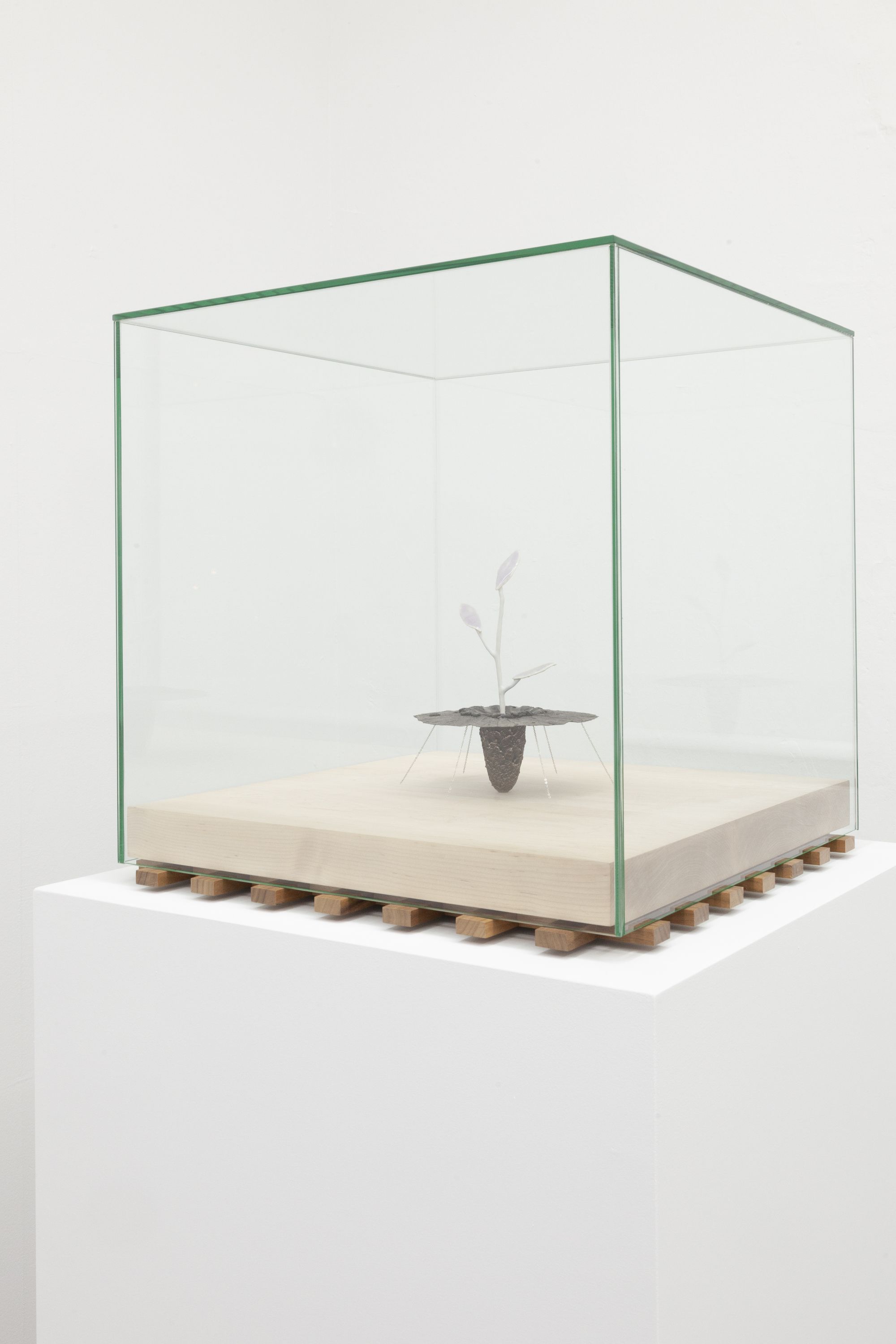
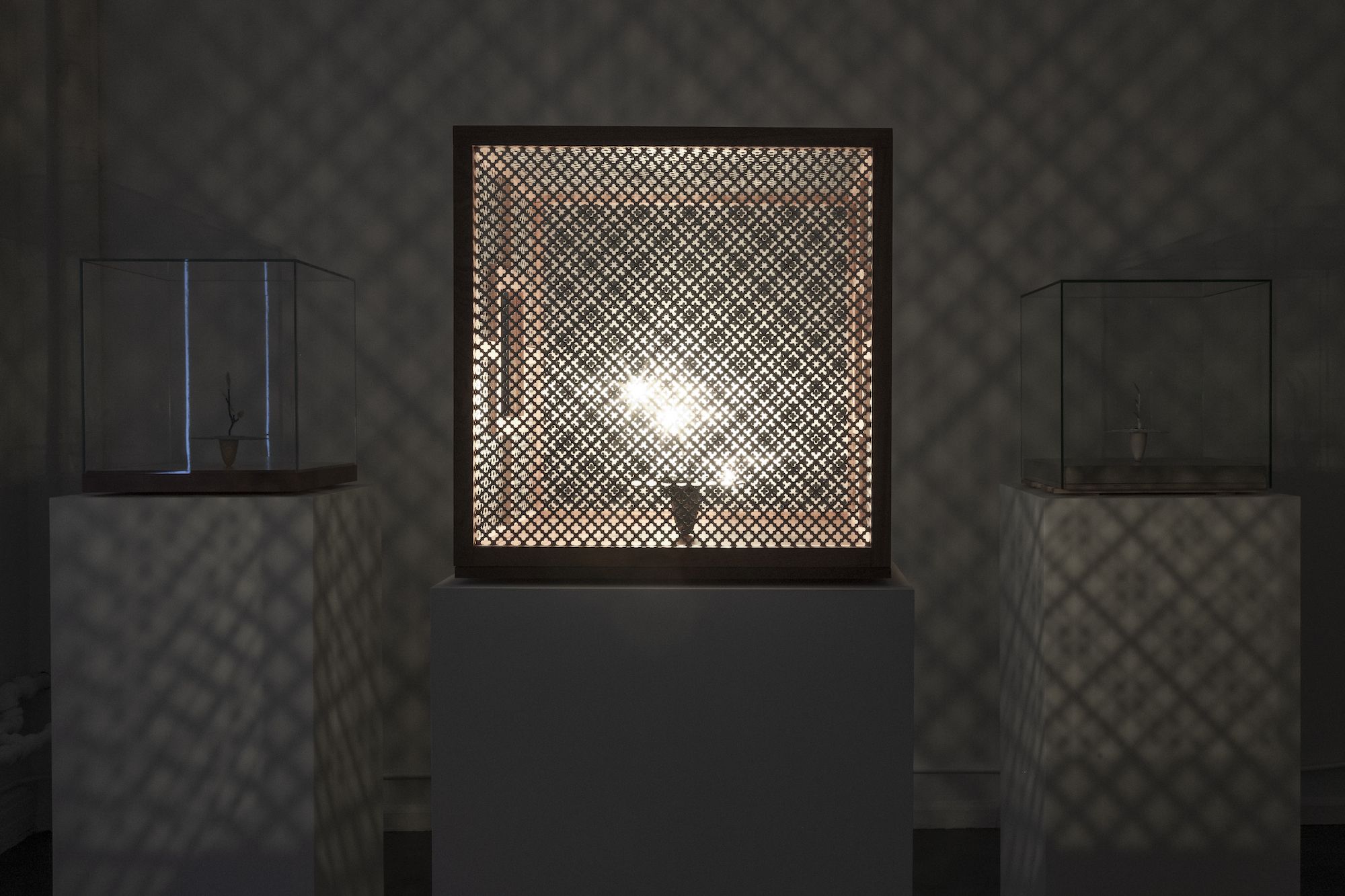
Stranger yet, the glaze Hamilton uses on each leaf contains rare earth elements which have the uncanny ability to change color in response to light source, melding science with art historical and cultural memorandum. With the title Obelisk (Lord Rayleigh) (2021), Hamilton pays tribute to the eponymous English physicist John Strutt, 3rd Baron Raleigh, who researched the elastic scattering of light particles. Due to the dichroic properties of Hamilton's glazes, olive becomes pink, lavender becomes gray, and green becomes yellow when shifting from artificial to natural light. Aside from the poetics of working with “rare earth,” this color changing effect makes visible a transfer of energy through the absorption or refraction of light rays. This process calls to mind the purpose of obelisks in ancient Egypt. As funerary monuments, their architecture was designed to attract rays of sun to aid in the resurrection of the deceased. In Hamilton’s obelisks, each plant figure becomes a stand-in for the human body. In Obelisk (Lavender Pallor Mortis) (2021), silver chains reach link to link under magnetic tension, depicting the possibility of absolute vitality while holding the hollowness of death in equilibrium.
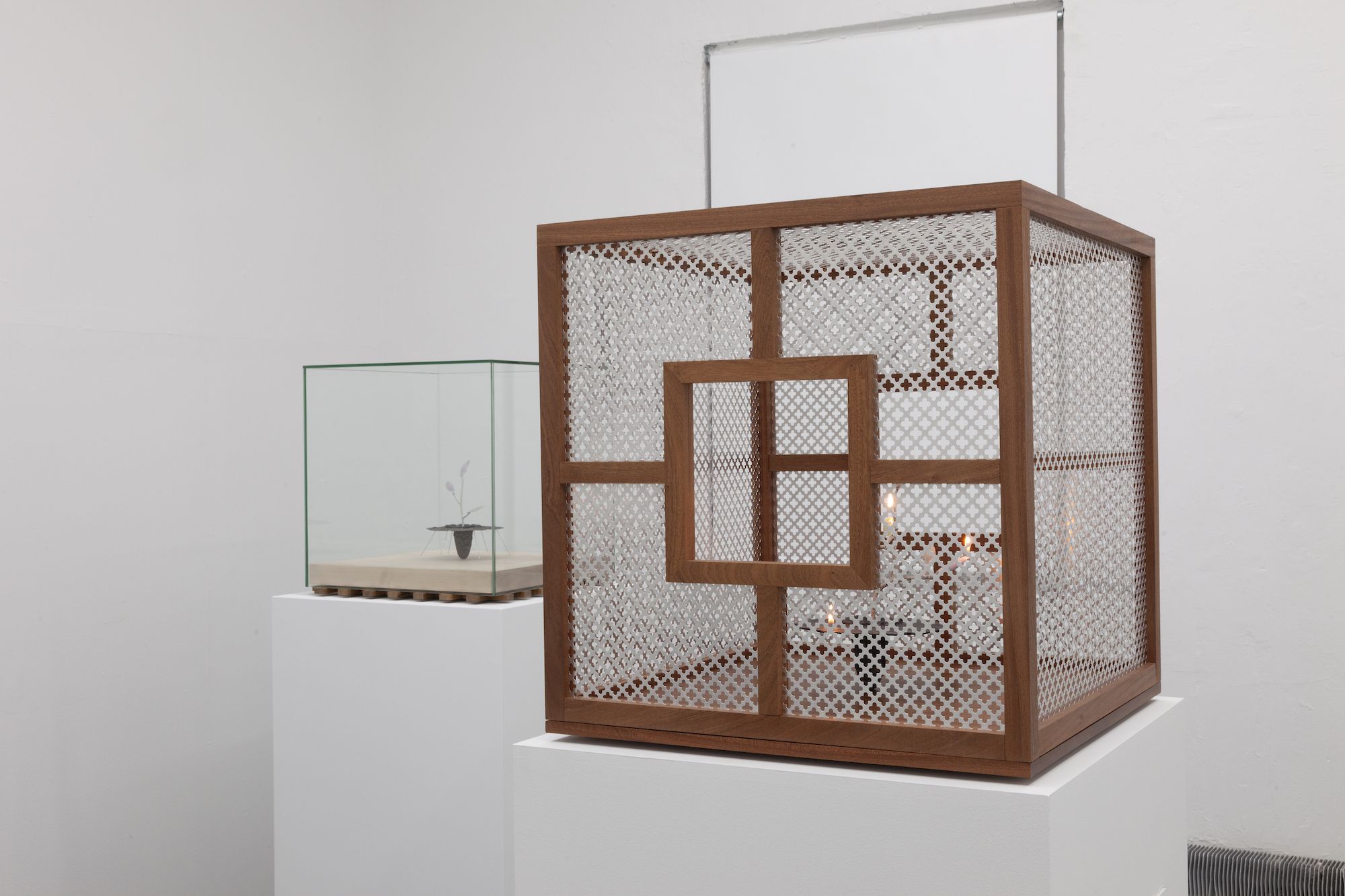
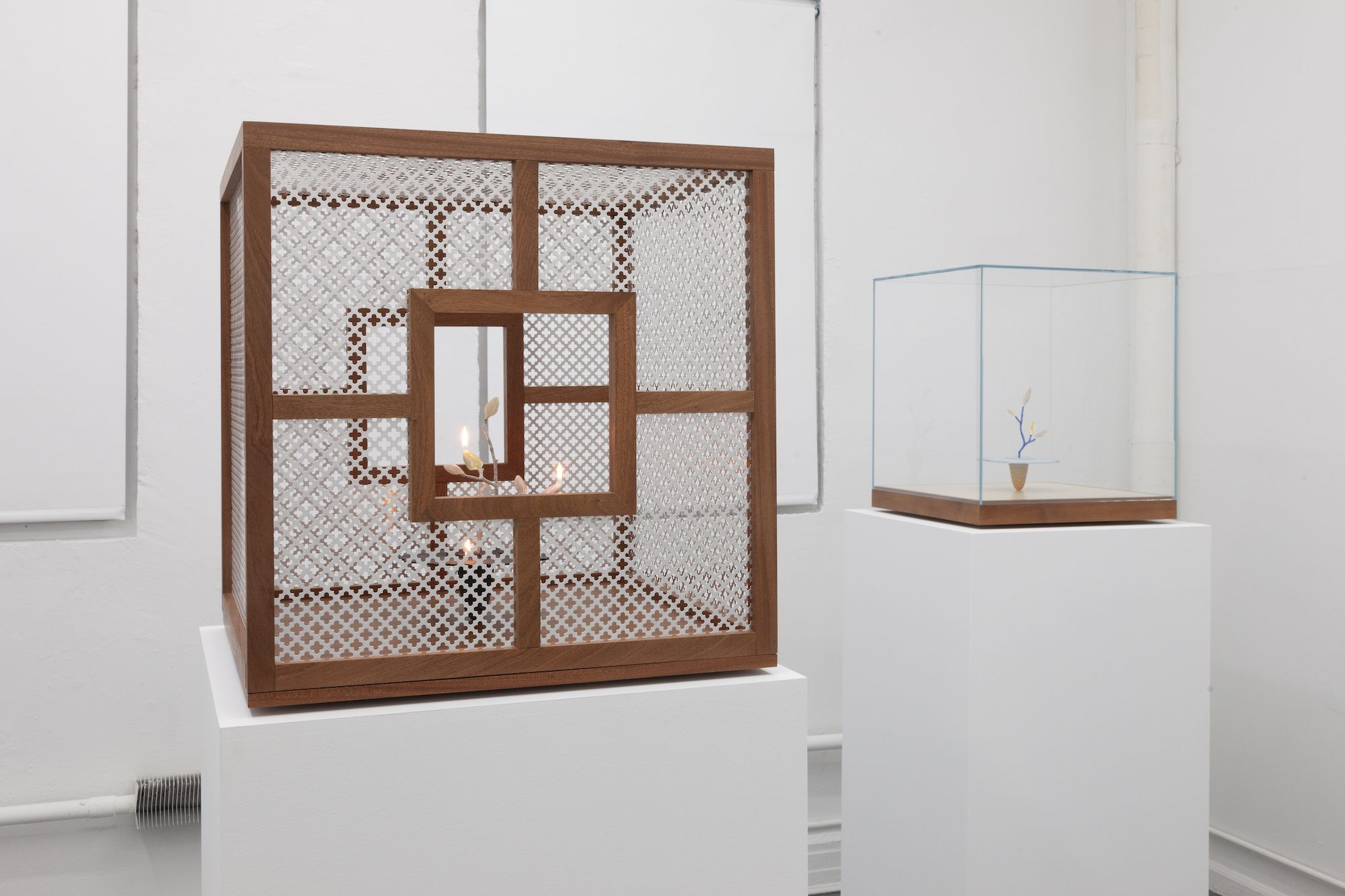
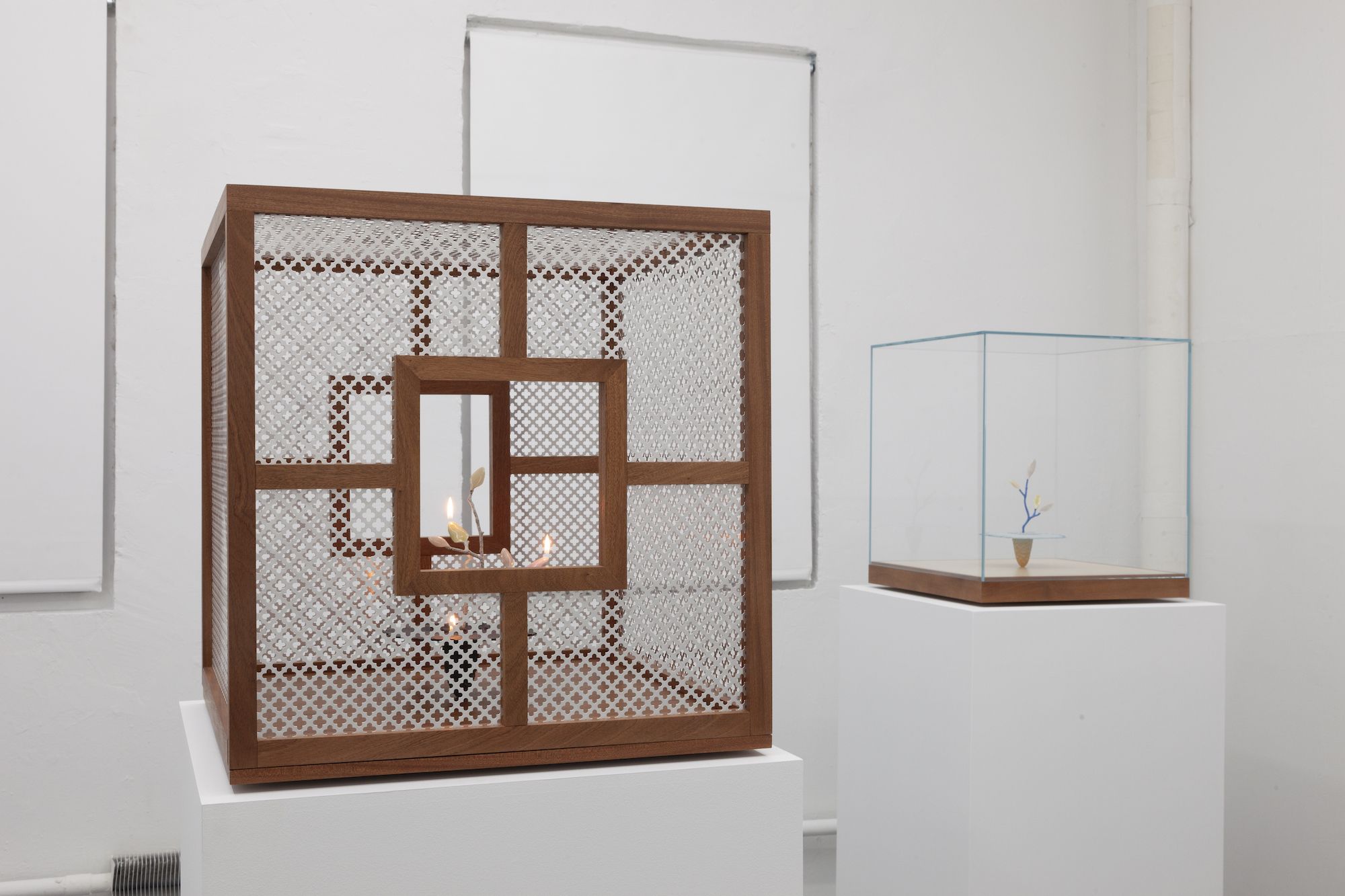
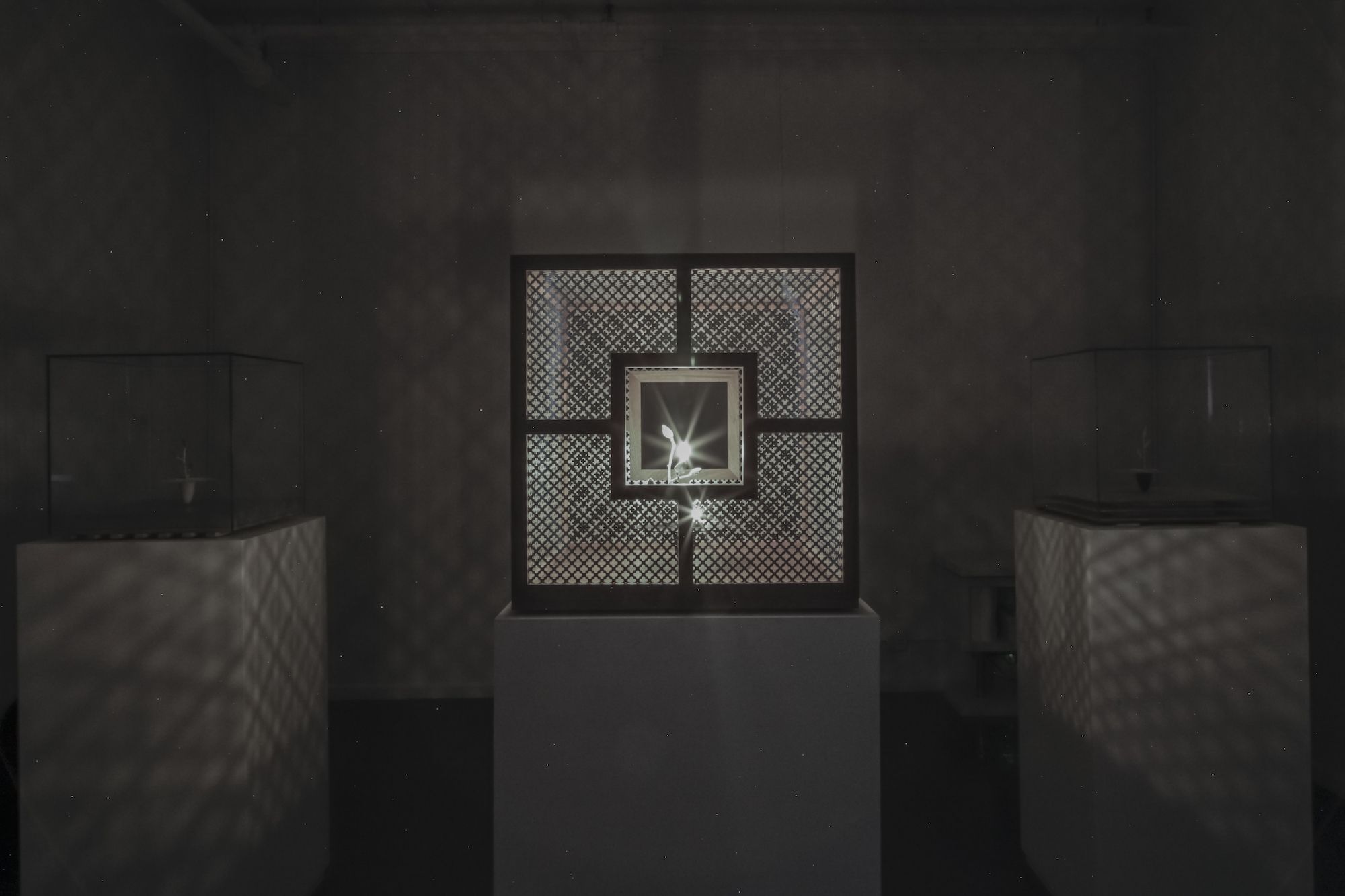
Further down the path to transcendence one might imagine a transitional mode of existence, leading to a final untethering of the soul. Obelisk (Soul Emission) (2022), Hamilton’s most recent work, describes this very moment. The internal cavity of each leaf was emptied of its cremated ash, and a hole the size of a needle point was pierced through the tip. Gas flows through the limbs of the sculpture, an invisible fuel within, until it meets a spark where the vital energy presents itself in the form of a soft flame.
The ceremonious act of lighting this sculpture will be carried out by the artist during the last hour of the opening reception.
Anders Hamilton (b. 1992, Everett, WA) was raised in Fargo, North Dakota and currently lives and works in Brooklyn, NY. Hamilton received his BFA from the University of Minnesota (Minneapolis, MN) in 2015. He is a studio manager for Bklyn Clay (Brooklyn, NY) and a designer for the Bklyn Clay Made line. He has exhibited his work recently with Mother Gallery at NADA NY, at Fisher Parrish Gallery (Brooklyn, NY) and the Pratt Institute (Brooklyn, NY).