Ended Apr 25
Notes Toward a Shell
Mar 21 – Apr 25, 2024
Artists: Covey Gong, Preslav Kostov, Julien Monnerie, Pei Wang, Tsai Yun-ju
Ragna Bley, Covey Gong, Preslav Kostov, Julien Monnerie, Tsai Yun-Ju, Kiki Xuebing Wang, Pei Wang
"A shell is a little thing, but I can make it look bigger by replacing it where I found it, on the vast expanse of sand. For if I take a handful of sand and observe what little remains in my hand after most of it has run out between my fingers, if I observe a few grains, then each grain individually, at that moment none of the grains seems small to me any longer, and soon the shell itself — this oyster shell or limpet or razor clam will appear to be an enormous monument, both colossal and intricate, like the temples of Angkor, or the church of Saint-Maclou, or the Pyramids, and with a meaning far stranger than these unquestioned works of man."
—Francis Ponge, “Notes Toward A Shell,” The Voice of Things, p. 58-59
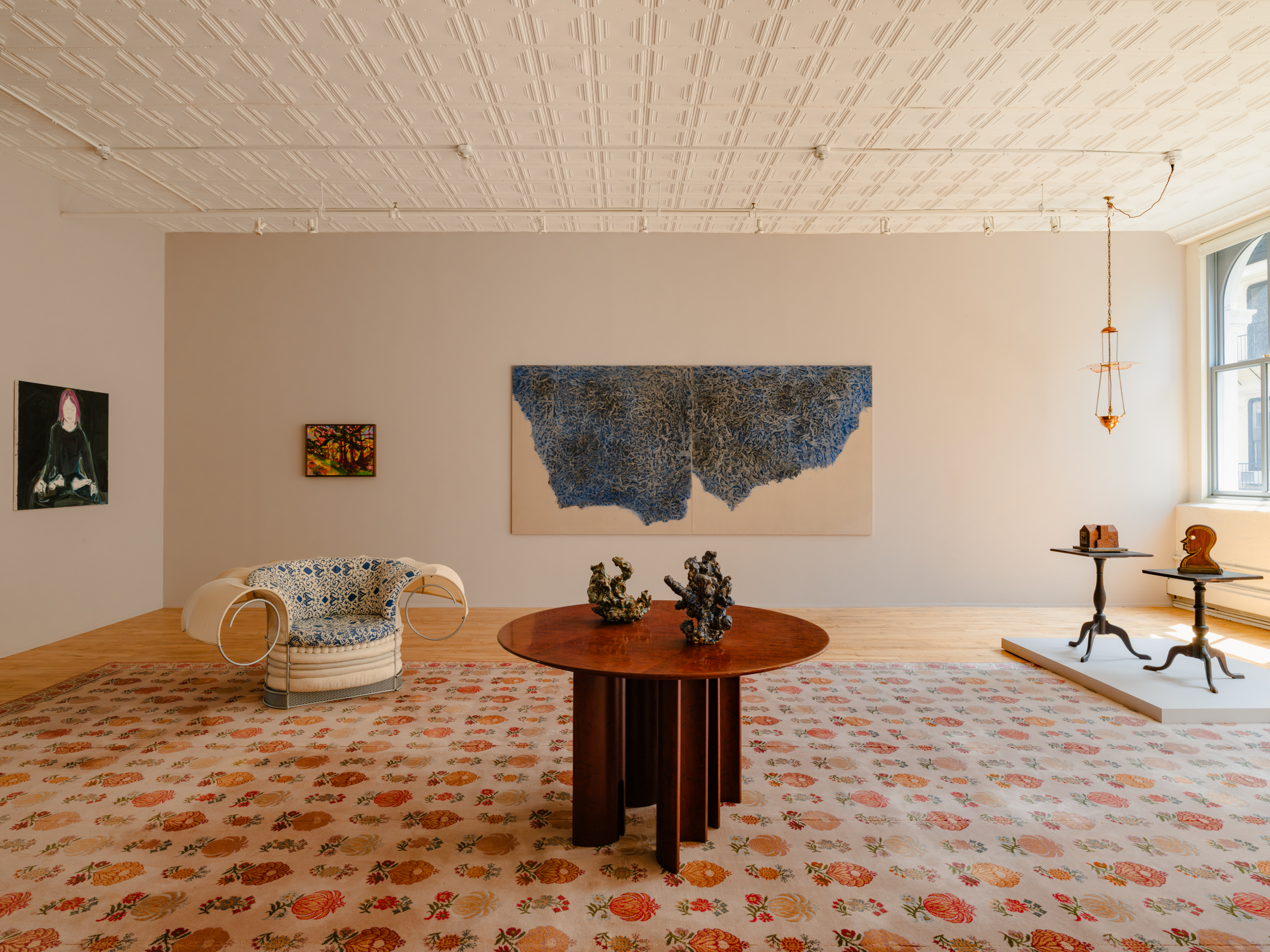
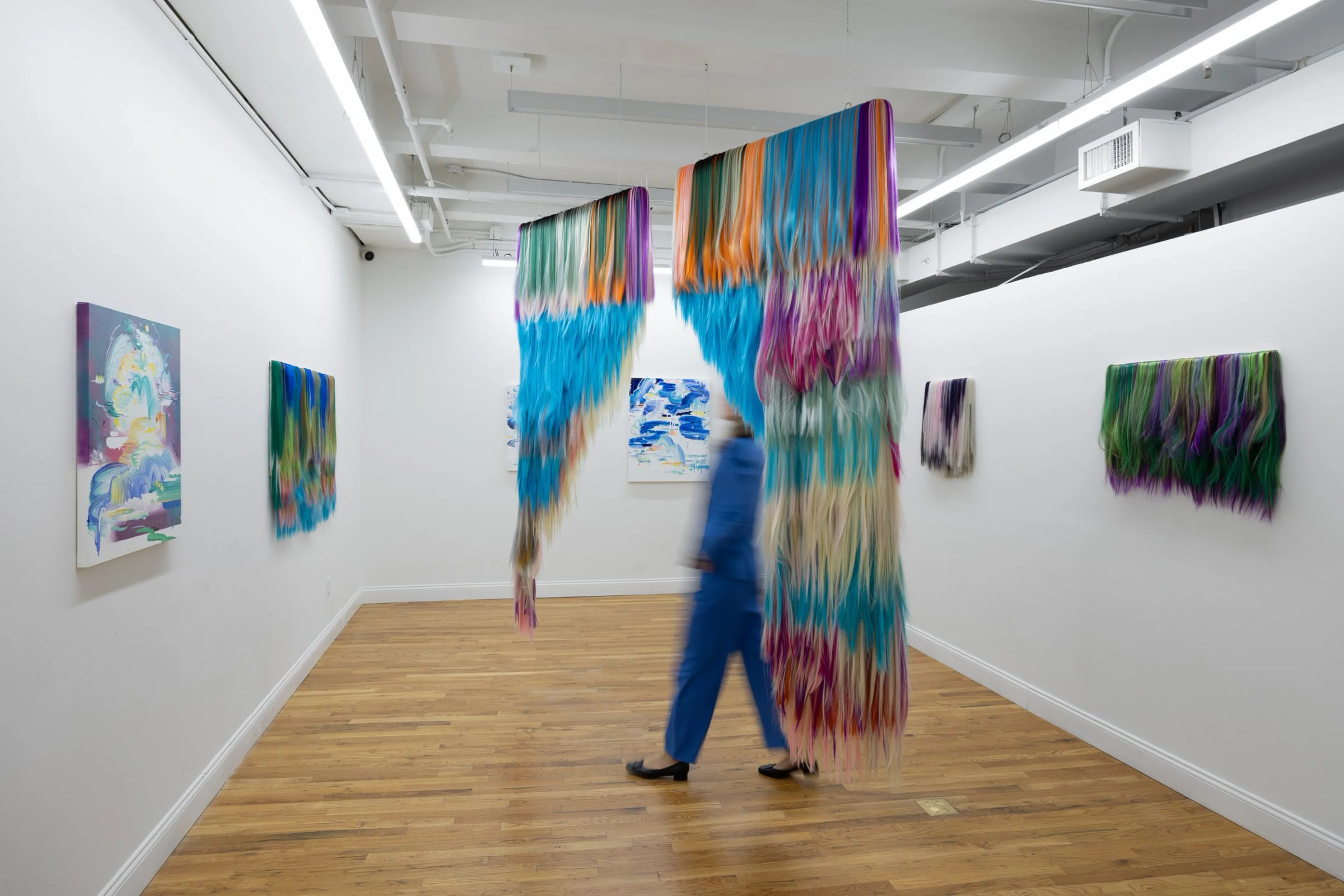
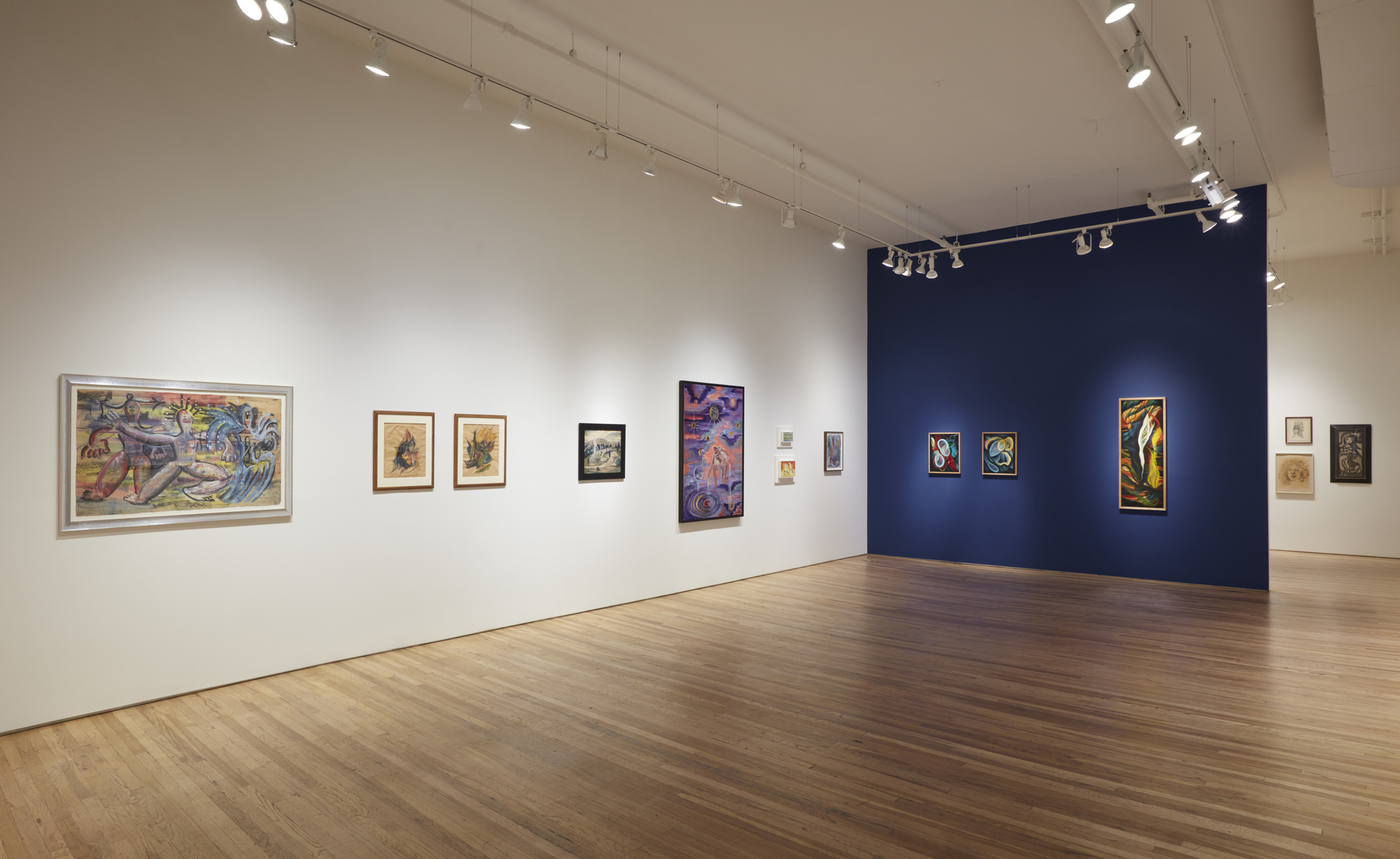
Tara Downs Gallery is pleased to present Notes Toward a Shell, a group exhibition surveying a broad range of emerging practices, bringing to the fore an ecological impulse latent in artistic production today. The exhibition draws its title from a section of Francis Ponge’s influential prose poetry collection The Voice of Things, originally published in 1942, an assiduous examination of quotidian objects – the pebble, the oyster, the orange, the cigarette. For Ponge, meditating on the interior life of “mute objects,” and situating them within his own comprehensive “cosmogony,” became a way to give voice to the overlooked things surrounding him, to study the world from many angles, all at once, in clear, often humorous, prose. The writer was also known for deploying the objeu, a portmanteau of object and game, which for him meant the deliberate selection of language and subject matter for its multivalence. With the duality of the phrase Notes Toward a Shell in mind, we might say that certain works on view attempt to articulate the essence of a given object, while others find resonance in natural processes such as accumulation, formation and cross-pollination, indeed, all processes of becoming.
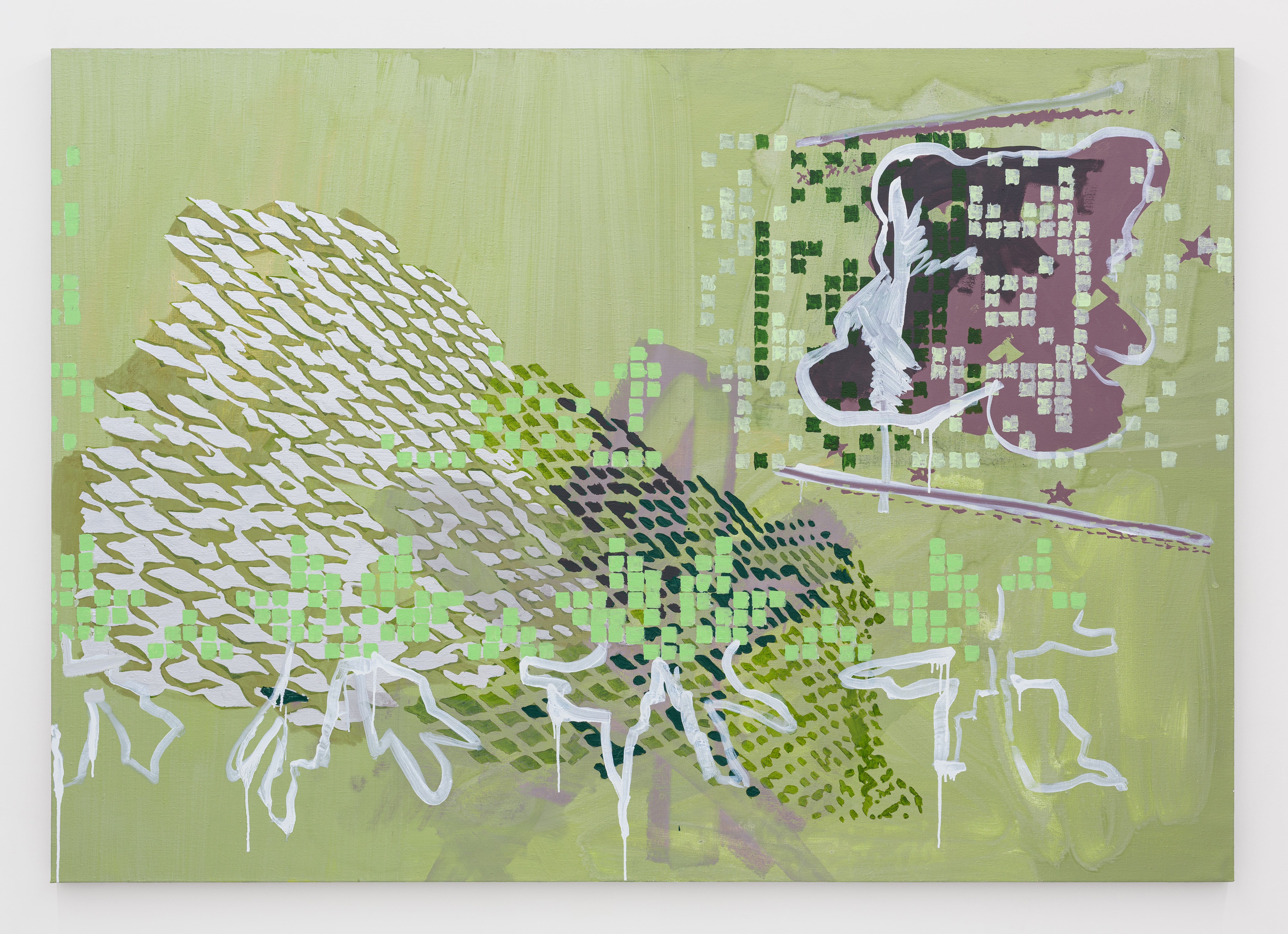
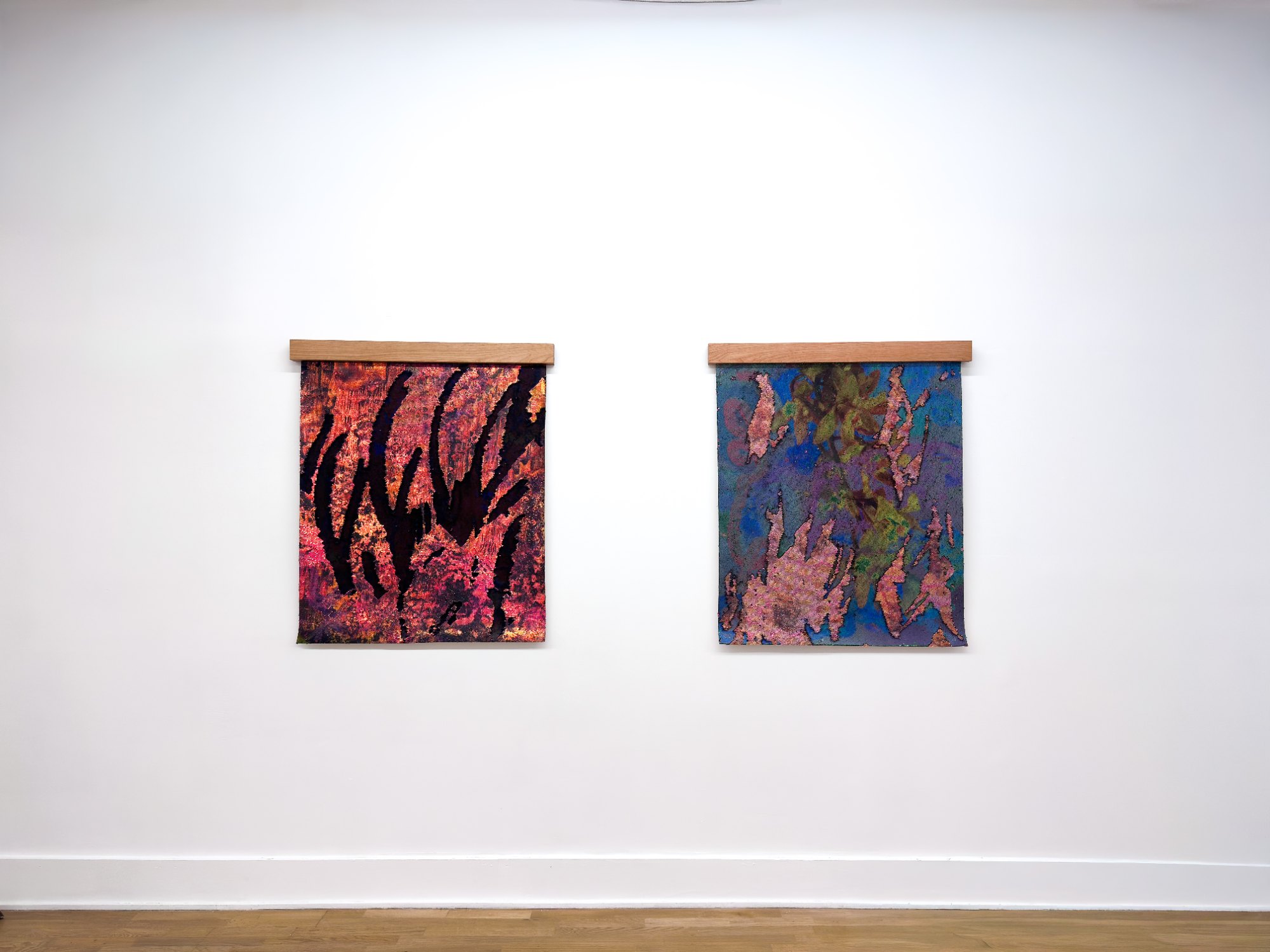
Kiki Xuebing Wang’s paintings on view – Cove II and Lock, both 2023 – may be said to pursue both suggestions simultaneously. Wang’s works in oil on dyed cotton translate the sculptural forms of things – butterfly wings, garments, even shells – flatly to the two-dimensional space of the canvas, before the artist begins layering, accumulating ultra-thin layers of paint to obtain the luxuriant, undulating hues, the wash-like surfaces characteristic of her work. Tsai Yun-Ju’s 遊園 Garden Tour 1, 2024, oscillates between abstraction and representation, between mark-making and image production, between finely-wrought deliberation and haptic exertion, between micro- and macrocosm, in some sense making her accumulation of small painterly gestures itself a subject of the work. Elsewhere, a new suite of works by Ragna Bley expands the artist’s own cosmogony, deepening Bley’s ongoing study and transmutation of natural phenomena, while broadening her work’s enduring address to histories of abstraction and action painting.
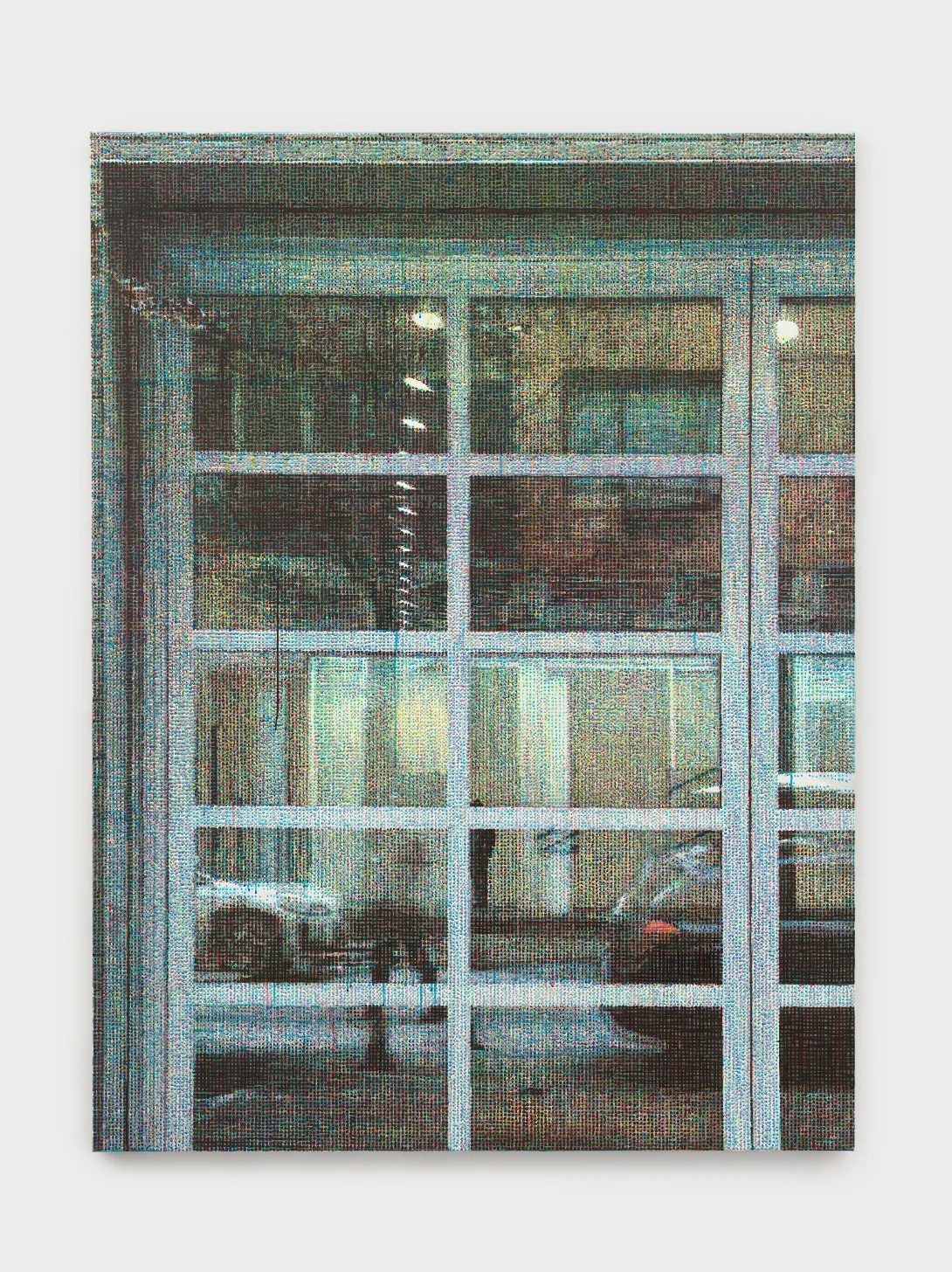
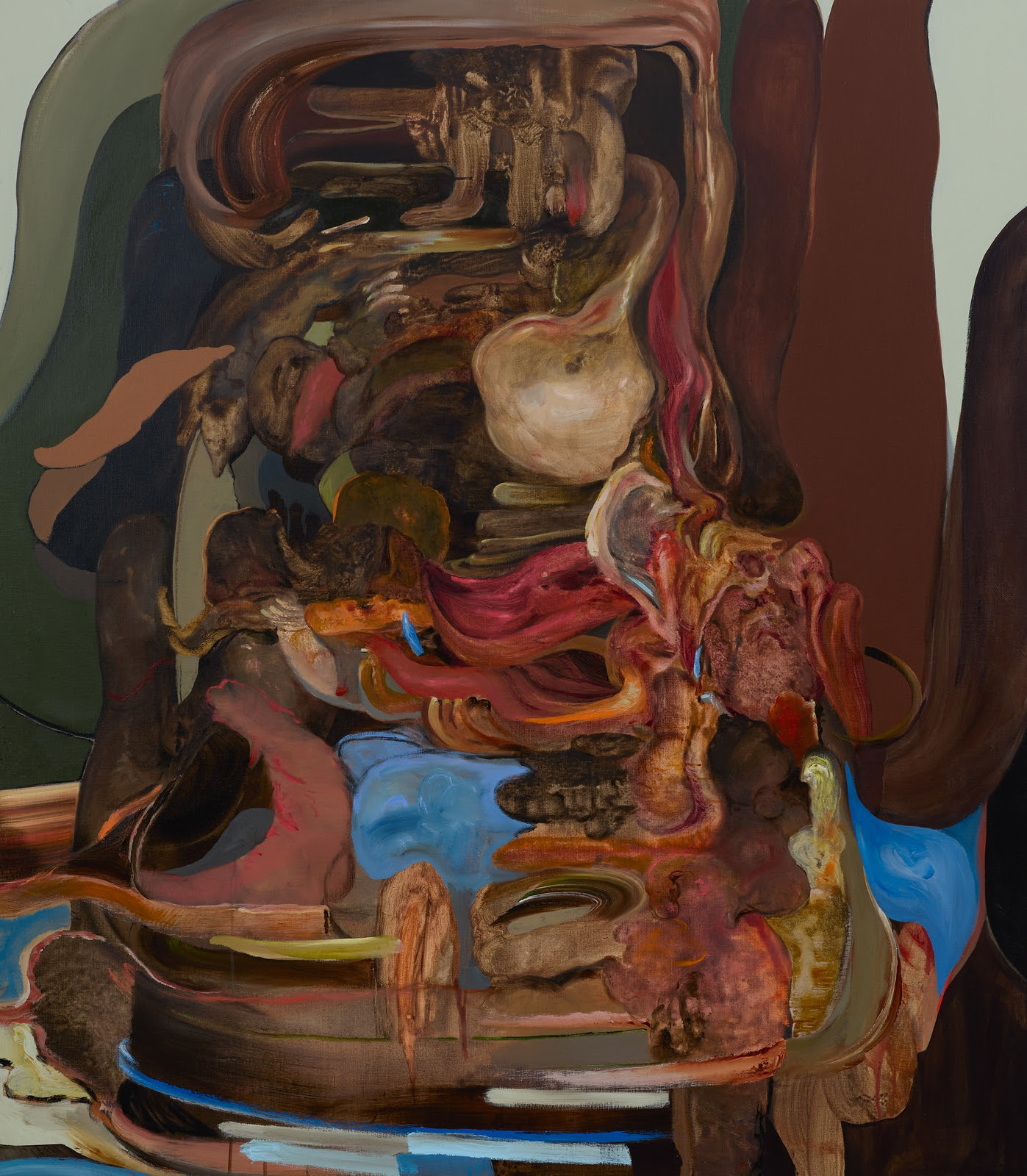
Yet even as these practices locate analogues between natural occurrences and ways of working, others turn to different facets of ecology, such as how humans are formed and influenced by their surroundings, and how those interactions resonate through their cultural mediation. For instance, Covey Gong’s delicately constructed sculpture, Dream of the Red Chamber, 2023, imagines garments without bodies, and processes of garment-making liberated from their intended purpose of bodily adornment. By externalizing and estranging these processes, Gong draws fashion closer to architecture, generating a productive distance from objects generally understood as extensions of the body. And within the context of an exhibition largely concerned with natural splendors and the rich possibilities of organic forms, Preslav Kostov’s imposing paintings sound a dissenting note. The many tangled figures of these imposing paintings jostle against one another, groping and clutching, and stay suspended in action, as in history painting, but remain untethered from any specific narrative, any grounding element that may lend itself to easy interpretation. These works gracefully conjure forms of alienation engendered by placelessness, a condition other works in the exhibition often seek to resolve or transcend. While the human figure also factors into the work of Pei Wang, these paintings concern themselves with translating and adapting an idiosyncratic inventory of cultural material, from obscure film stills to more recognizable works of twentieth-century photography. Against the gleefully oppositional sense of appropriation that has marked the last half-century of artistic production, Pei works in a more subtle register, accurately recognizing culture as a far broader process of accumulation and cross-pollination, a position informed by the artist’s study of cultural objects across the Mediterranean.
Throughout The Voice of Things, Ponge makes little distinction between such man-made objects and those occurring in nature; both provide rich sites of articulation, and sit alongside one another in the text. Julien Monnerie’s recent wall-mounted sculptures in pewter go further, reveling in the conflation of such categories. They are at once humorous and elegantly constructed, initially appearing to resemble implacable biomorphic forms, somewhat suggestive of Constantin Brâncuși’s pared down sculptures from the early twentieth-century. The sense of concealment produced by Pearl Oyster, the obfuscation of its interior, and by extension its interiority, in particular, speaks to the demands sensitively placed on the viewer throughout the exhibition. In the presence of its reflective surface, the shell presents itself as a warm invitation to reconsider the world around us, to rethink how we experience pleasure in relation to everyday objects, to give language to things left unsaid. In its own muteness, the meaning it withholds, the shell provides us with a rare opportunity to generate our own interpretations or, in other words, to speak on its behalf.