Ended Jan 30
Gregory Edwards
Pedestrian Paintings
Dec 3, 2020 – Jan 30, 2021
More from Gregory Edwards on Gallop
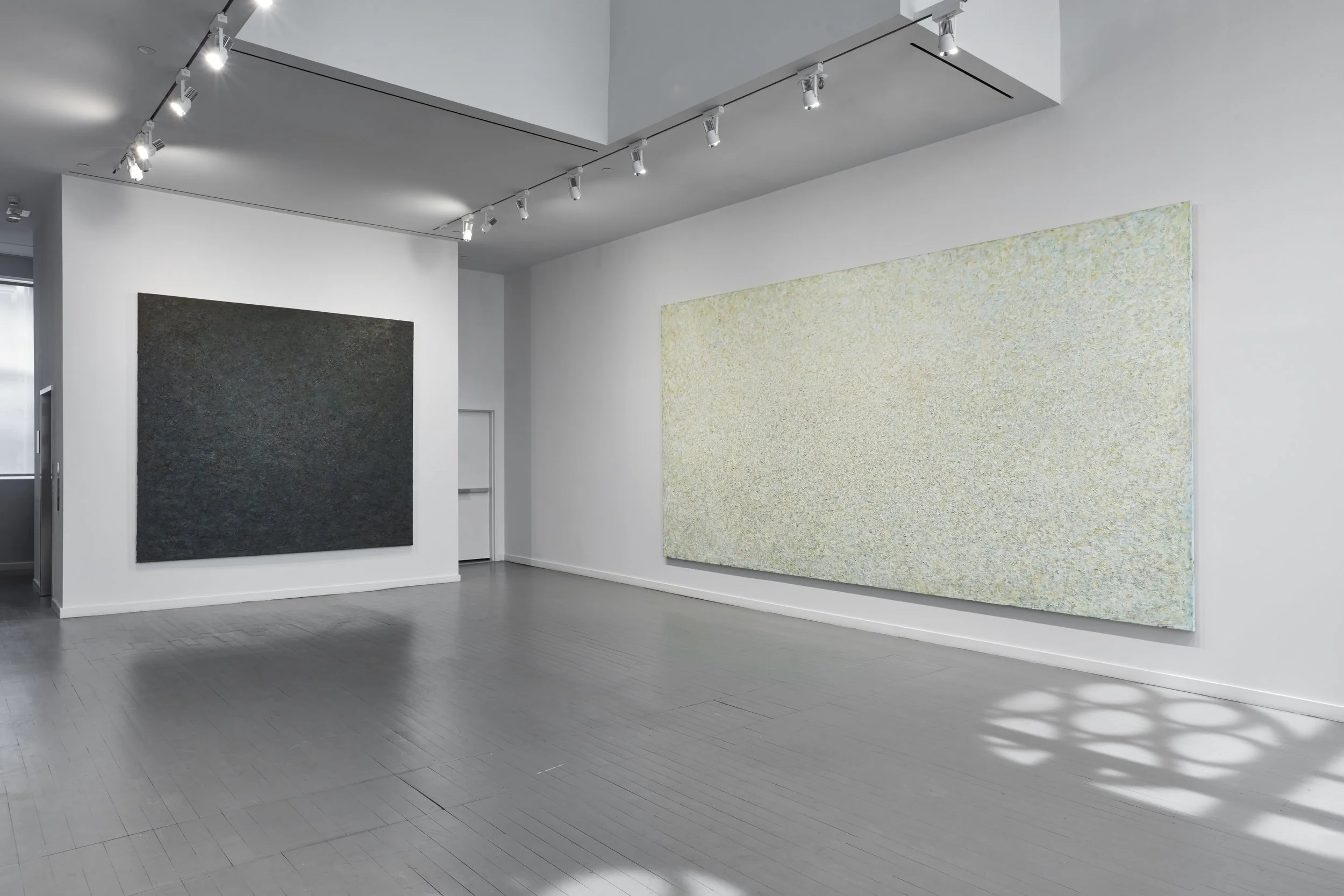
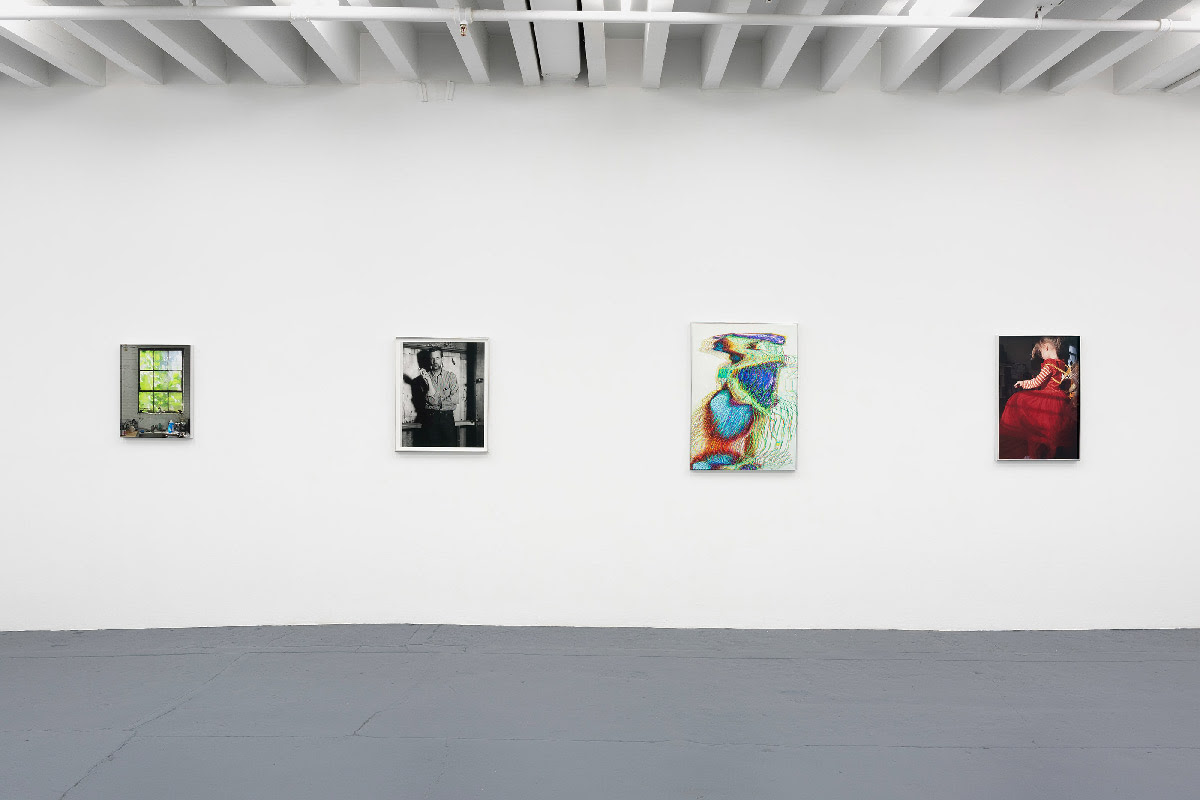
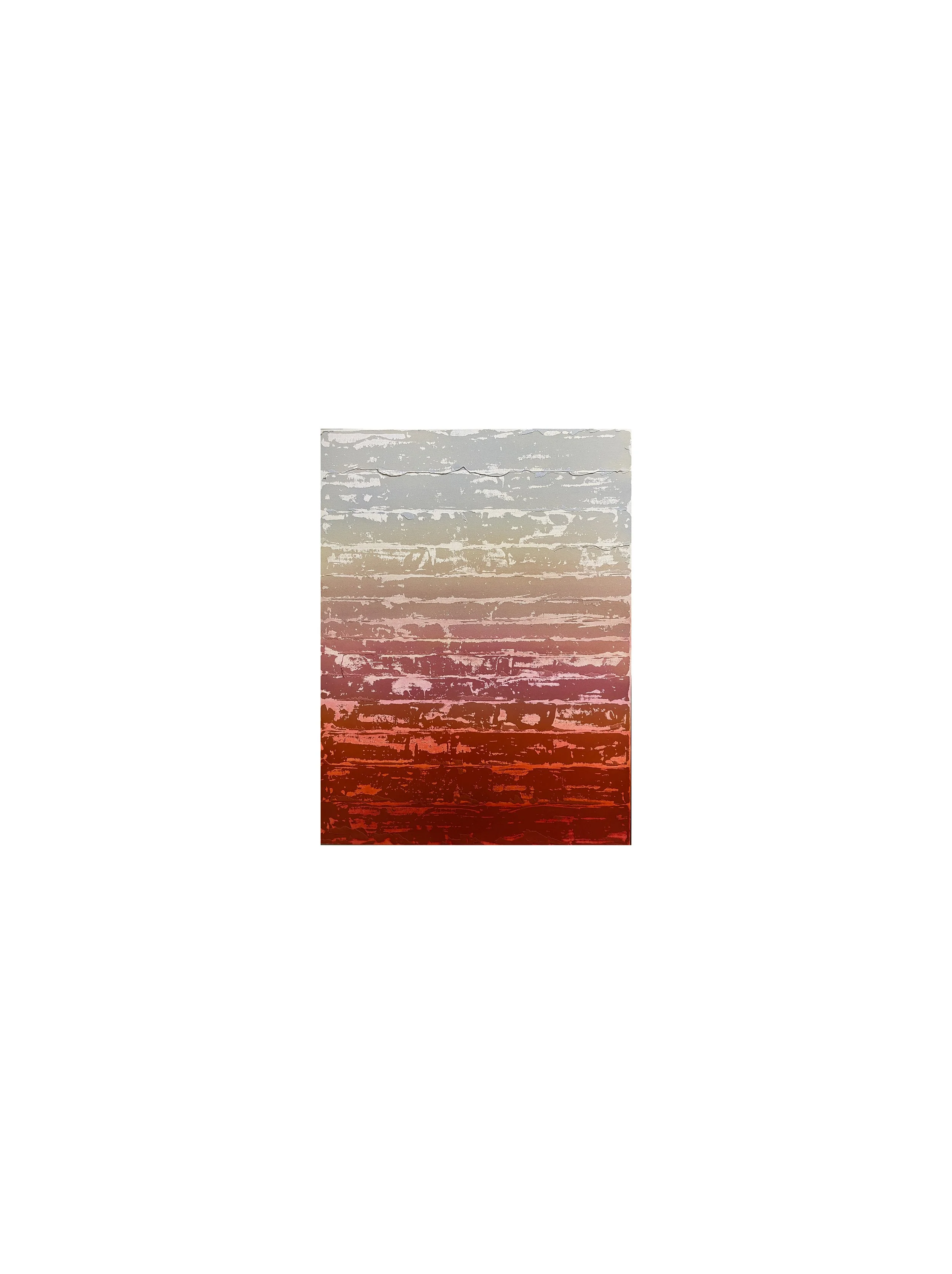
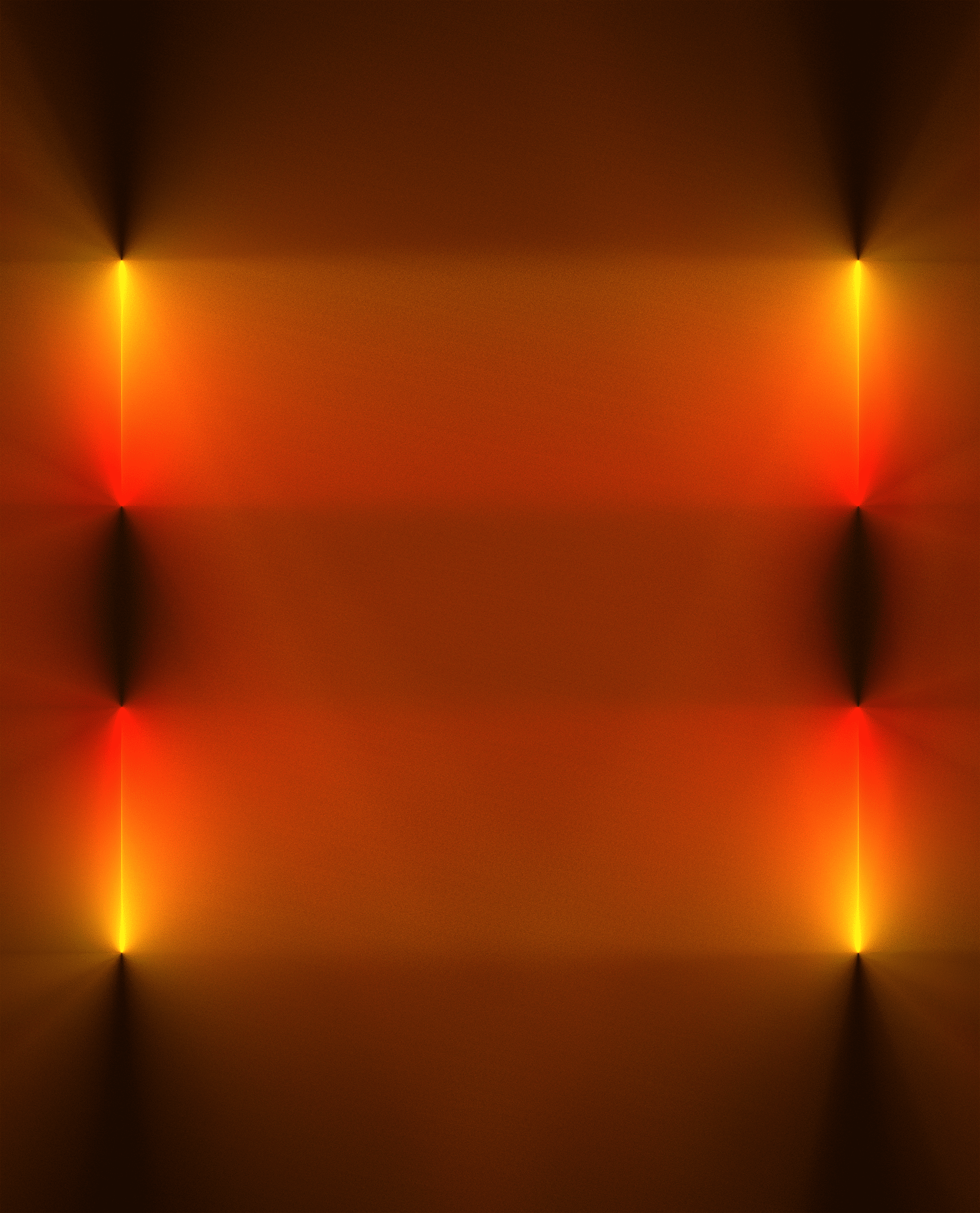
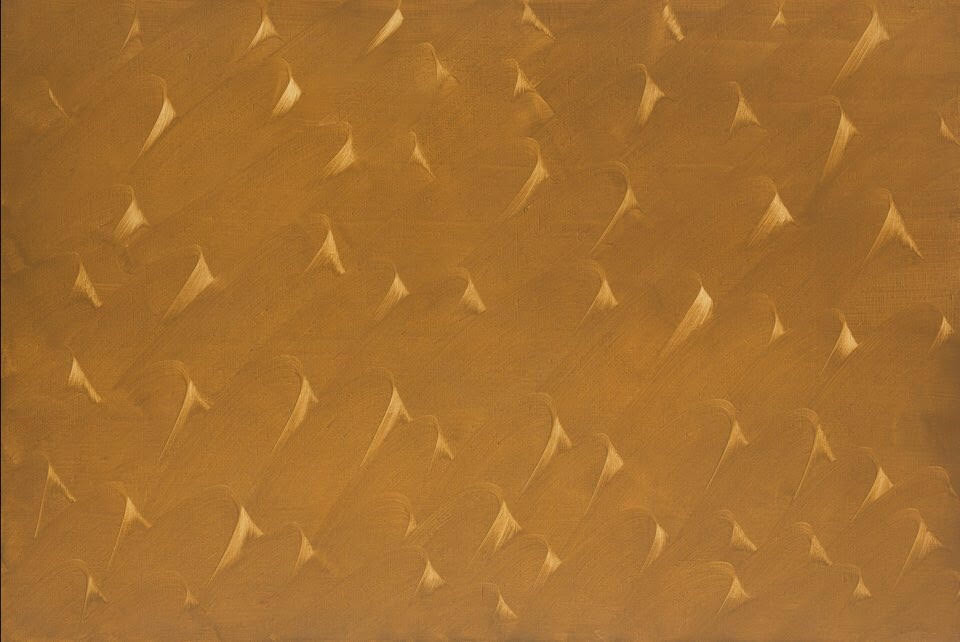
Each painting in Pedestrian Paintings, Gregory Edwards’s fourth exhibition at 47 Canal, cites street photographs made by the artist while walking in New York City. In his studio, Edwards pairs, crops and collages these images to create the nested, square format shared by each work. The paintings are numbered in the order that they were completed.
As rituals of observation, the Pedestrian Paintings contend that neither materials nor symbols have fixed meanings. By way of meditation and association, Edwards depicts a pluralistic practice of looking.
The central image in Pedestrian Painting 2 portrays barbed wire crowning a chain link fence. Sunlight pierces a hazy cloud and refracts in the camera’s lens, as if dissipating the menacing metal wire. The peripheral image shows a streetlamp seen through a tangle of wintry, leafless branches. The interplay of natural and artificial light indicates a connection between visibility and security. Since their early development, streetlights have been claimed to deter crime. The flared sunlight, in the complementary image, calls attention to photography’s own role as an instrument of surveillance. In this composition, viewership is linked to control, yet is also a means of looking back at security technologies to expose their political foundations. With its uncertain sense of depth, the arrangement holds multiple readings, and reflects on the contradictions that drive critical thinking.
In Pedestrian Painting 5, Lower Manhattan’s distinctive Freedom Tower is framed by Halloween decorations that hover over window blinds seen in Queens. This painting surfaces a sense of haunting that, though rendered explicitly here, is traceable in each of the works in the exhibition. In her book Ghostly Matters, Avery F. Gordon argues that “to study social life one must confront the ghostly aspects of it.” Gordon is drawn towards itinerant figures, like apparitions, as guides to worlds viewed from peripheral, fractured, and disappeared perspectives. The dusky blue blind appears to shut out the glinting surface of the skyscraper, the hemisphere’s tallest building. (At 1,776 feet, its height references the date of the U.S. Declaration of Independence.) Suspended in liminal space, the cute, cartoonish ghosts conjure feelings of estrangement, and give form to the precarity that haunts liberal imperialism.
Many of Edwards’s Pedestrian Paintings spotlight miraculous or unexpected encounters. Each is composed on a monochrome ground, with paint applied like strata of textures built up on a city sidewalk. As layers of paint are rubbed on, certain details being erased or obscured, evoking the haziness of memory. Just as Edwards’s process ruminates on the effects of time, so do the frequent allusions to weather in the artworks. Pedestrian Painting 6 shows two residential developments being hoisted into the sky. In the inner image, telephone lines are seen, neck craned, from the street. A utility pole merges with building cladding, pointing to the absorption of almost all urban infrastructure into real estate speculation. Beyond the wires, however, a medley of clouds passes by. These could be read as symbolizing the vanity of metropolitan construction, or even, perhaps, the ominous threat of oncoming weather.
As celebrations of urban movement, Edwards’ combinatory paintings assert that images are products of their environment. Yet, like images, this environment is shown to be dynamic, contested, and open to multiple readings.
Gregory Edwards lives and works in Queens, New York. He has exhibited work at the chi K11 Art Museum, Shanghai; MoMA PS1, New York; 47 Canal, New York; Galerie Andreas Huber, Vienna; and White Columns, New York. Edwards’ work is also included in the public collections of the Aïshti Foundation, Beirut; K11 Art Foundation; and the Rubell Family Collection, Miami.