
Ended
Resurface
Oct 2 – Oct 12, 2015
Liv Mette Larsen
Katie Darby Slater
Sean Robert FitzGerald
Adriana Atema
Kate Liebman
Curated by Cristina Vere Nicoll and Tatiana Cheneviere
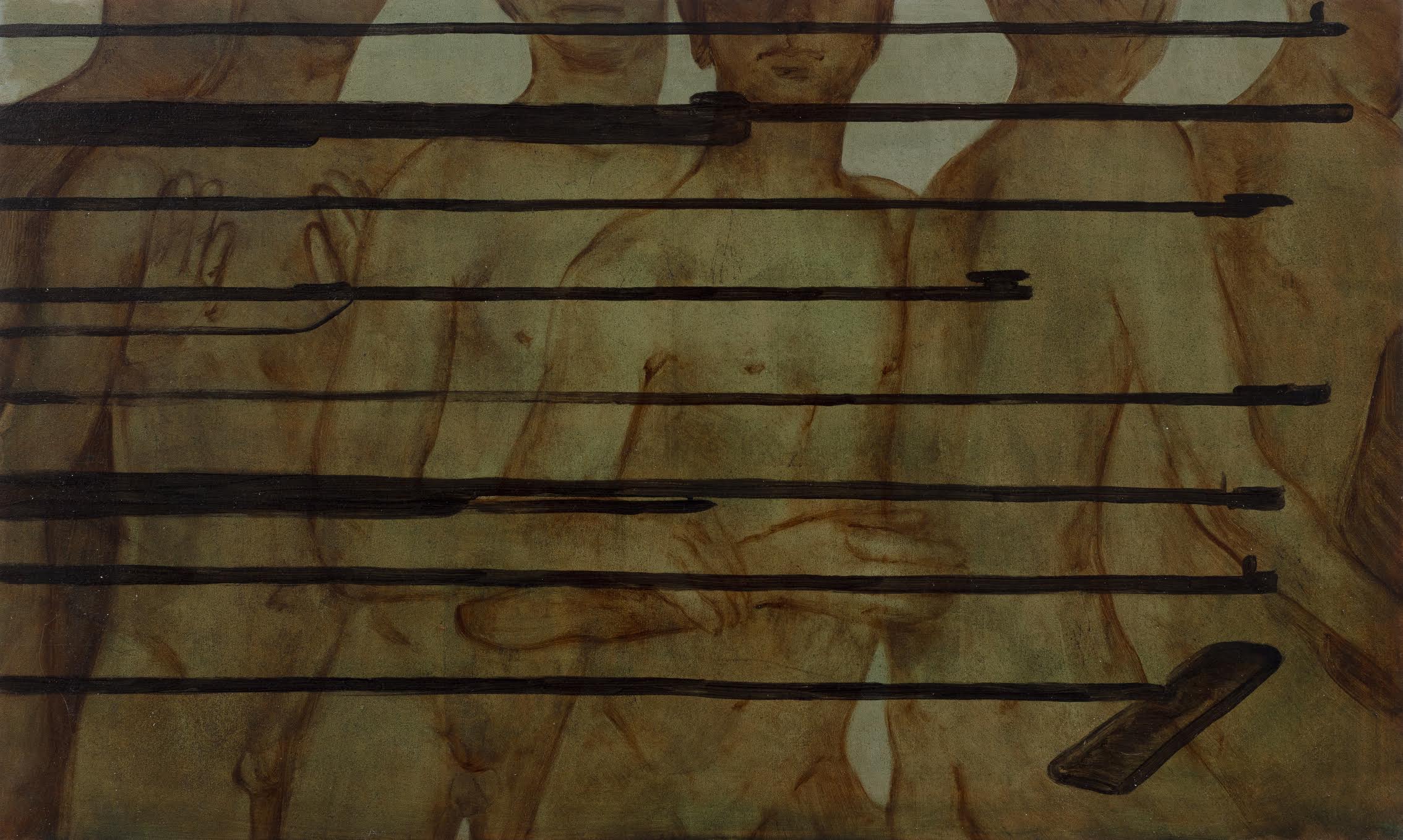
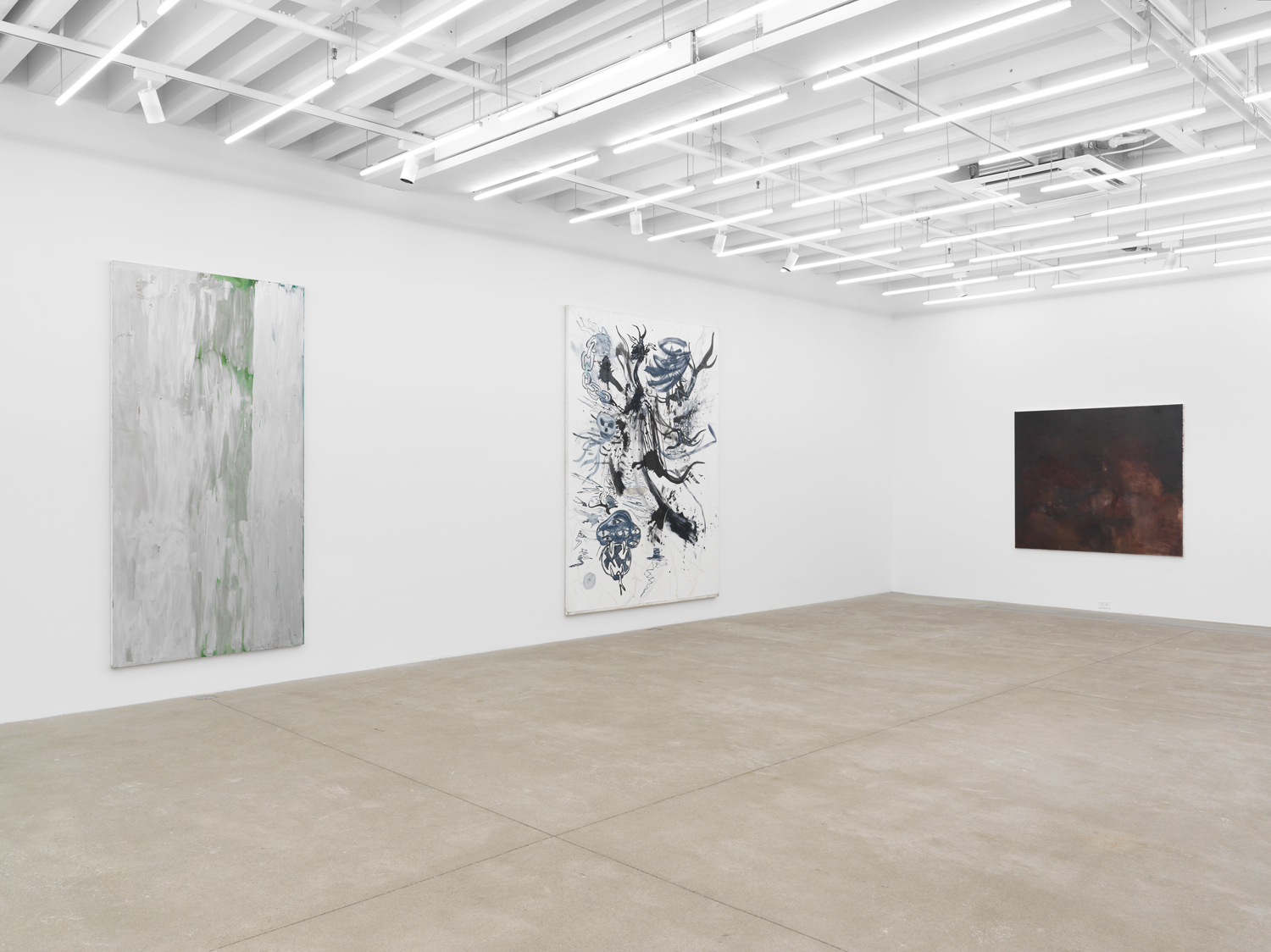
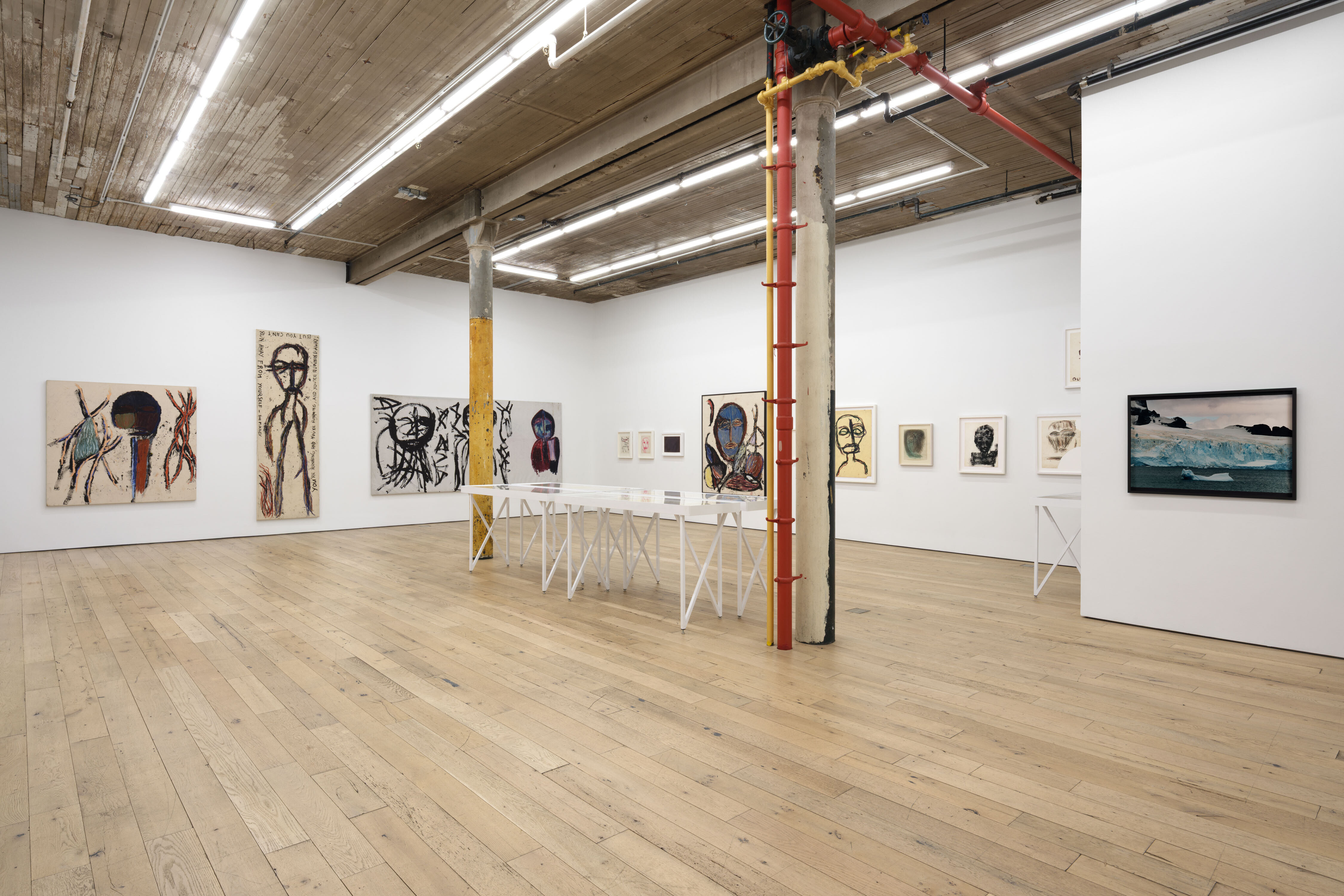
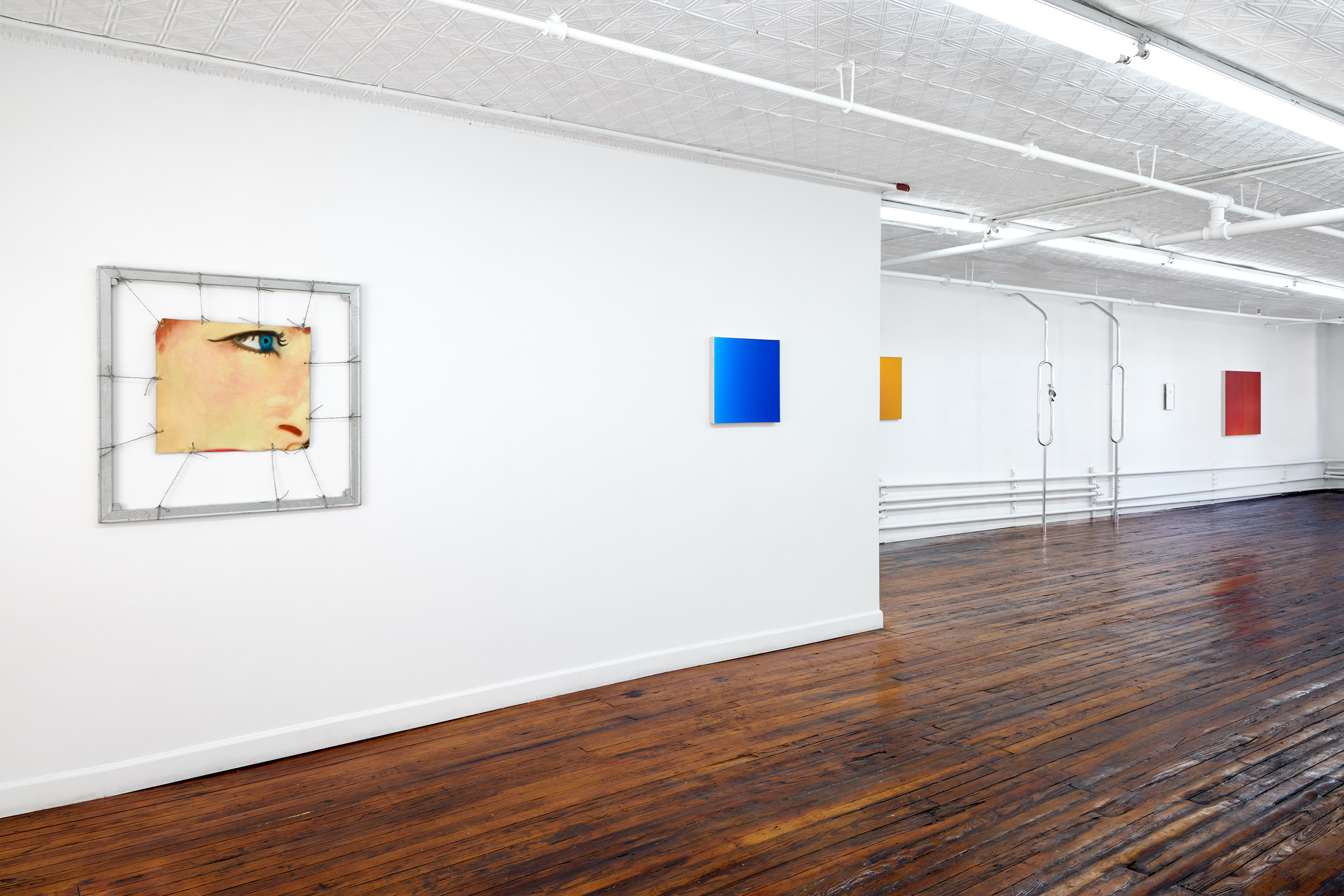
MX Gallery is delighted to present our second group show Resurface. Resurface explores the striated process of painting through the selected works of five contemporary painters. Each artist introduces a unique perspective on painting’s constituent processes--the act of layering, masking, drafting and redrafting. When taken together, the featured works engage problems central to the formalist tradition of painting while indicating a specifically contemporary approach to painterly abstraction.
Katie Daby Slater draws on the compositional principles of collage, structuring her paintings through the specificity of their luminous shapes. In her playful articulations of everyday America, Katie assists an escape from the mundane by attending to its fine-spun aspects-- color and light, memory and imagination. Each work tells a story – here Katie describes On the Way, her largest painting in the exhibition: “While in graduate school at RISD my husband was living in Florida. When I could visit him we would walk to the beach across the street from his home. There the houses were painted the brightest pinks, oranges, and blues. Palm leaves would always be swaying in front of your view, and the sun glistened so bright you had to squint everywhere you went. This painting explores the color memory of that walk to the beach.”
Liv Mette Larsen, a painter from Norway, now based in Bushwick focuses on identifying and translating the already abstract architectural forms of her surroundings. Fragmented Bushwick IV, takes as its schema the Bushwick skyline, and Big Floors II offers a geometric interpretation of the irregular floorboards lining her studio floor. Rendering shapes with densely applied egg tempera, Liv produces a tenuous illusion of volume in her compositions. Through this reconstructive practice, she creates her own vivid and archetypal syntax for aesthetically interpreting her everyday environs.
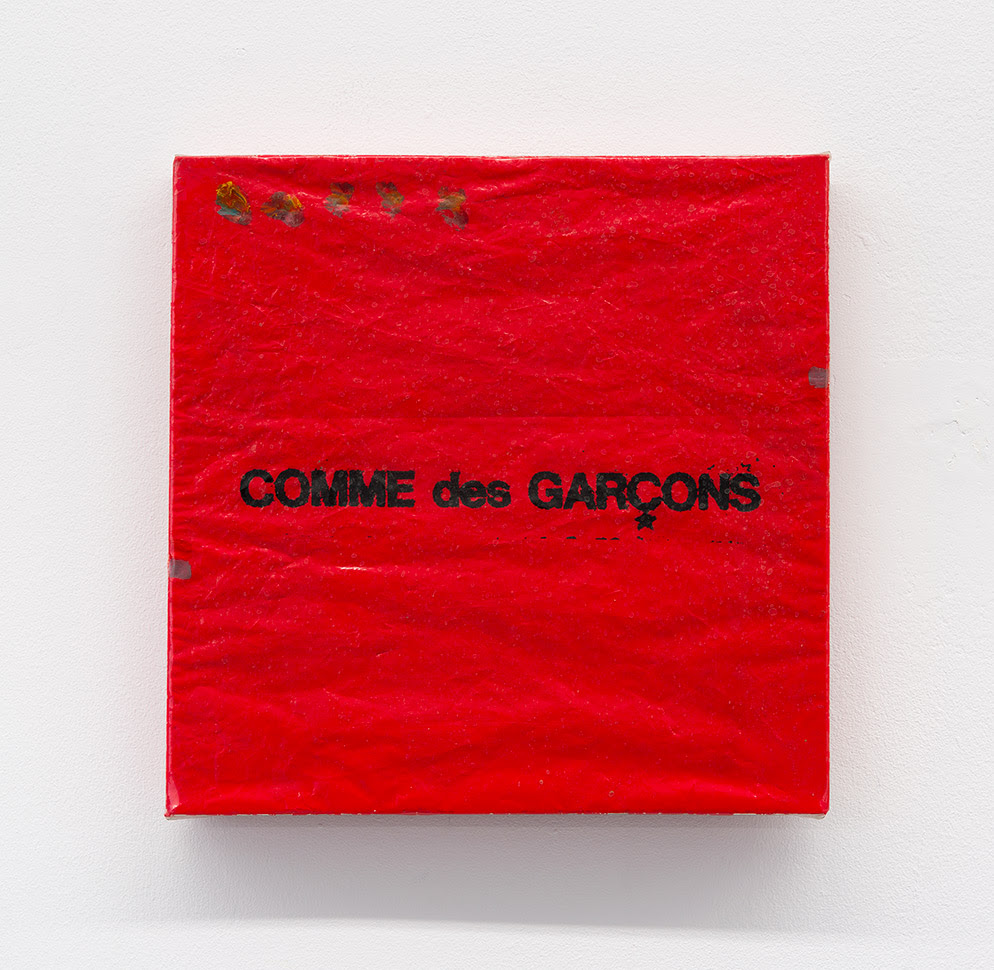
Arranged in succession along the West wall of the space, Sean Robert FitzGerald’s six square works experiment with the fusion and juxtaposition of radiant pigments. In the inexhaustibility of their color, these seemingly chemical surfaces evoke Sean’s notion of the ‘contemporary sublime,’ a concept further developed in his 6 by 8 ft painting, Marsden Hartley Paints Mount Katahdin (2014). Characterized by incomprehensible scale, overwhelming beauty and power, the “sublime” traditionally induces fear, feelings of helplessness and awe. Sean writes, “in the post-modern condition, nature’s role as ‘sublime’ has been replaced with the artificial as sublime: the internet, structures of capitalism, and globalization and most frighteningly, our interior spiritual landscape grows everyday into a sublimely vast void.” Disorienting in scale and content, Marsden Hartley Paints Mount Katahdin captures this shift – the inconceivable potential of technology and interconnectivity at this moment.
Adriana Atema provides each viewer with an intimate and individual experience. According to Adriana, her paintings function “as medicine, mood and message universally and individually.” Through the accumulation and balance of form, her paintings become accessible in their resemblance to landscape and their erotic undertones. The flat geometry of her composition contrasts with the sensuous passages along the edges of her canvases – markings which are not at first obvious nor predictable. This attention to ambiguity of flattened form translates to the grayscale prints of Kate Liebman. These dark markings suggest a multiplicity of things, identifying as form rather than shape. Although set apart by technique, Kate engages with these painters in her activation of the entire printing plate, positing an acute attention to surface and composition.
Through each artist’s concerted approach to abstraction, the works in this exhibition connote a sense of balance, weighted in color and composition. In treating the surface as a site for experimentation, these artists provoke, engage and ultimately extend the tradition of painting.