
Ended
Ernst Ludwig Kirchner & Danny McDonald
Emotional Ornament
Sep 12 – Sep 30, 2015
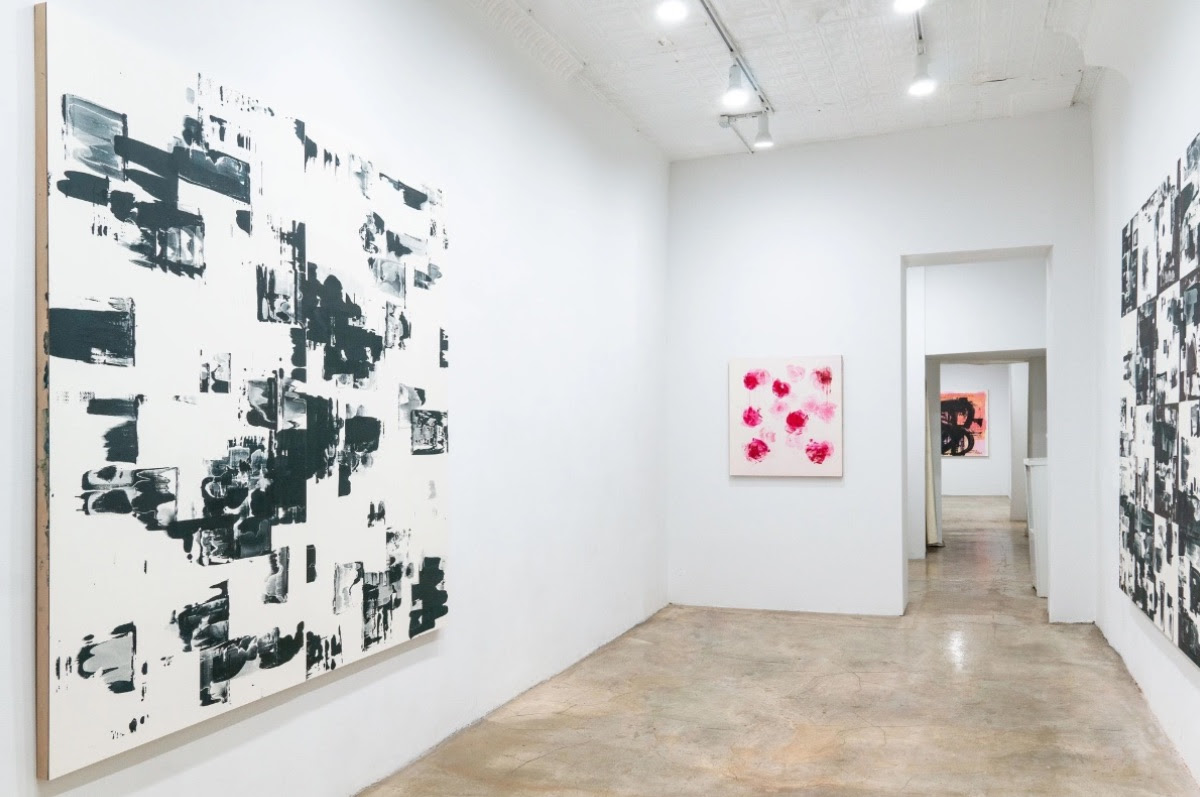
D’Agostino and Fiore is pleased to announce “Emotional Ornament” , an exhibition including works by Ernst Ludwig Kirchner and Danny McDonald in dialog with the seminal early horror film, The Cabinet of Dr. Caligari.
German Expressionism is most often noted as a bellwether for the socio-political consciousness of pre-World War II Germany, but also operated as a seminal touchstone for cinema and set design far beyond its German roots.Taking its title from the early method of set design created in early German Expressionist cinema, “Emotional Ornament”, is as a means of articulating the psychological and emotional states particular to the film as well as those operating on a broader scale through the socio- political terrain of Germany at the time. Manifested through drastic lighting, severe angular buildings, and bizarre dream like structures the emotional ornamentation of the films set not only set the tone for “The Cabinet of Dr.Caligari” but also sought to reflect the everyday German experience of the time. However, its characteristics and devices also allude to the methods of creative production well beyond set design, articulating its contemporary modes of painting as well as means of film production far beyond its conception.
Considered the quintessential work of German Expressionist cinema, “The Cabinet of Dr. Caligari” set the direction for the genre of horror film to follow. What has come it its wake is an inescapable trajectory of films marking their social and political underpinnings through narrative structure and set design pointedly rooted in the film and its contemporaries.
This film movement inescapably paralleled Expressionist painting and theater in rejecting realism, most notably manifested by the work of Ernst Ludwig Kirchner. With a belief that powerful destructive forces dwelt beneath the veneer of Western Civilization, Kirchner’s works embody not only the essential formal and ideological implications of German Expressionism but also the broader underlying notion of socio-political consciousness of the works on view in” Emotional Ornament”-- using dramatic affect through composition and color to implicate a disorienting indication of unease and dissent. “Couple” is generally accepted as a depiction of the artist in the arms of his doctor after he had been admitted to a sanitorium following his stint as an officer in WWI . In articulating his own unrest the artist also points to the underlying anxieties and unrest permeating European society at the time while reacting against the general trend of impressionist painting. The result of such painterly endeavors can be seen as the historical harbinger in painting for the coming second World War.
In tracking the evolution German Expressionism as an art form and mutation into the visual language of horror film it has come to a point of media reflexivity. At once the device for dissent, it is now itself a tool and a trope for allegory as seen in the works of Danny McDonald. In composing tableaus of mummies, zombies, and other familiar characters, McDonald creates scenes of artworld and economic commentary. In Untitled (Dear John…), 2015 McDonald employs a self destroyed Mark Flood painting over the artist’s familiar device of a bell jar as a means of pointing to the stasis of the art market as well as his own temperament. Also on view, Restricted Access to Healthcare (The Mummies), 2008 directly alludes to the horror tropes of “The Cabinet of Dr. Caligari” while also employing the forms in an allegorical discussion of the contentious access to healthcare currently under national political debate.
In concert, the works track a consistent use of subversive tools to address broader social and political concerns which point not only to a historical symmetricality but also an ongoing tension between the artist and its conditions of production.