
Ended
This Life
Sep 6 – Oct 26, 2024
Sejiro Avoseh
Jeane Cohen
Kathia St. Hilaire
Baseera Khan
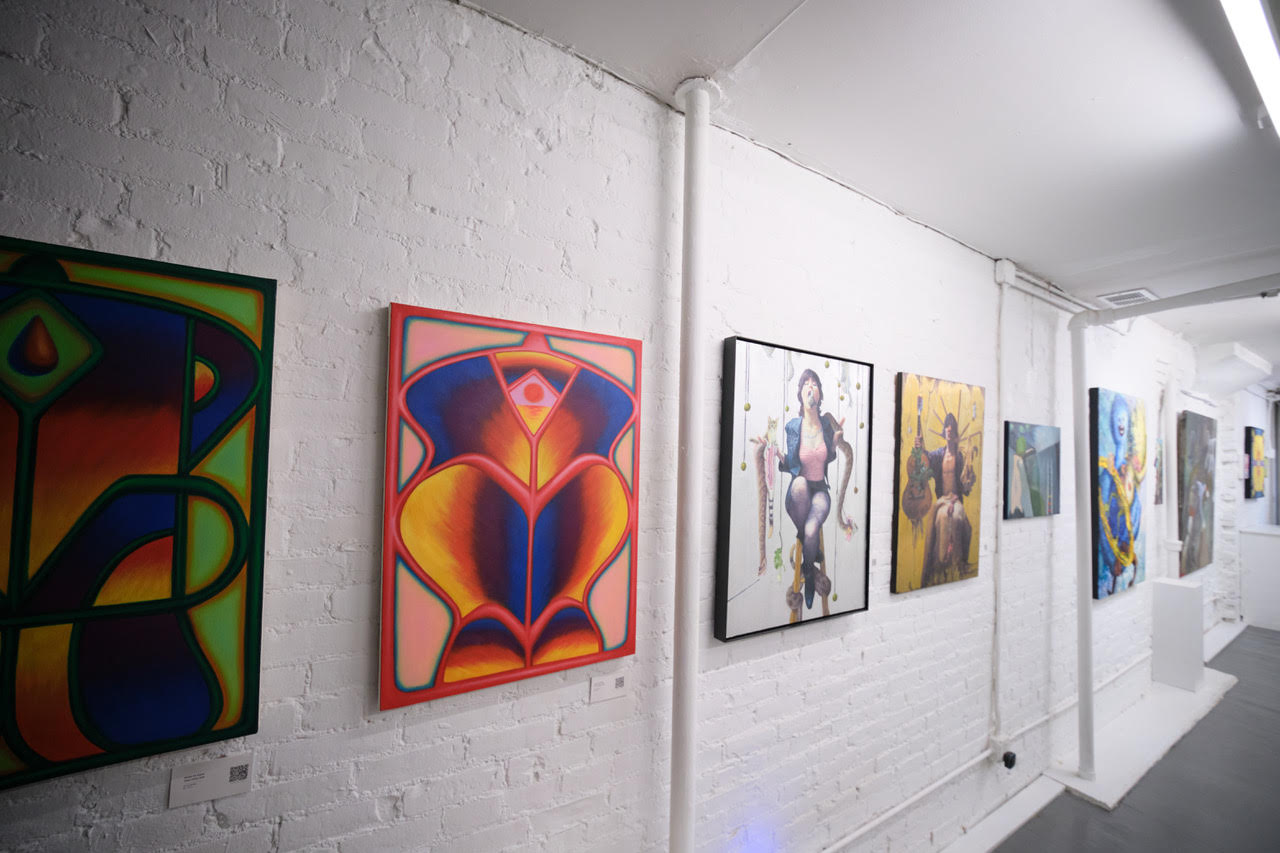
Jupiter is pleased to present This Life, a group exhibition that explores transcultural experiences endemic to diasporic communities as a means of imagining pathways toward an alternate, more sustainable future. Through varied methodologies, ranging from paintings to architecturally oriented sculpture, the works on view present vibrant, dreamlike worlds that traverse past and present: mining family histories, cultural imaginaries, and historical events to better understand relationships between culture and the environment, our world and its fate.
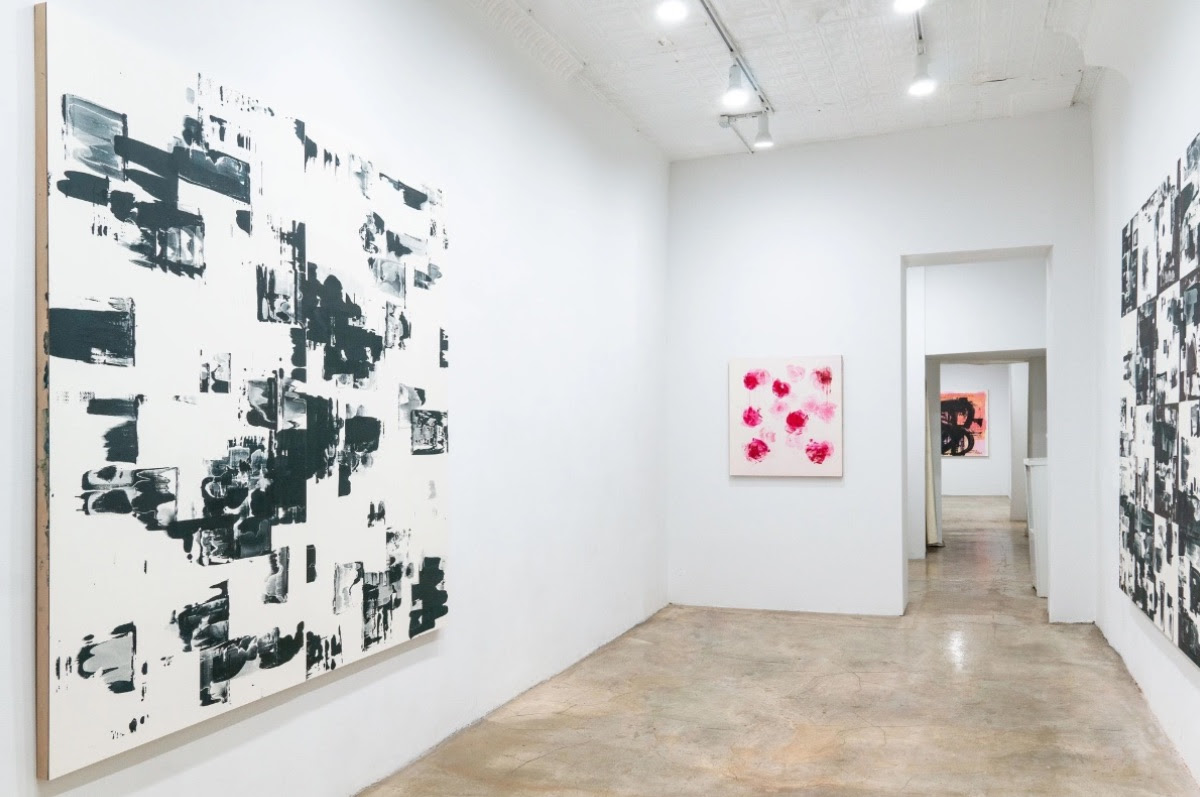
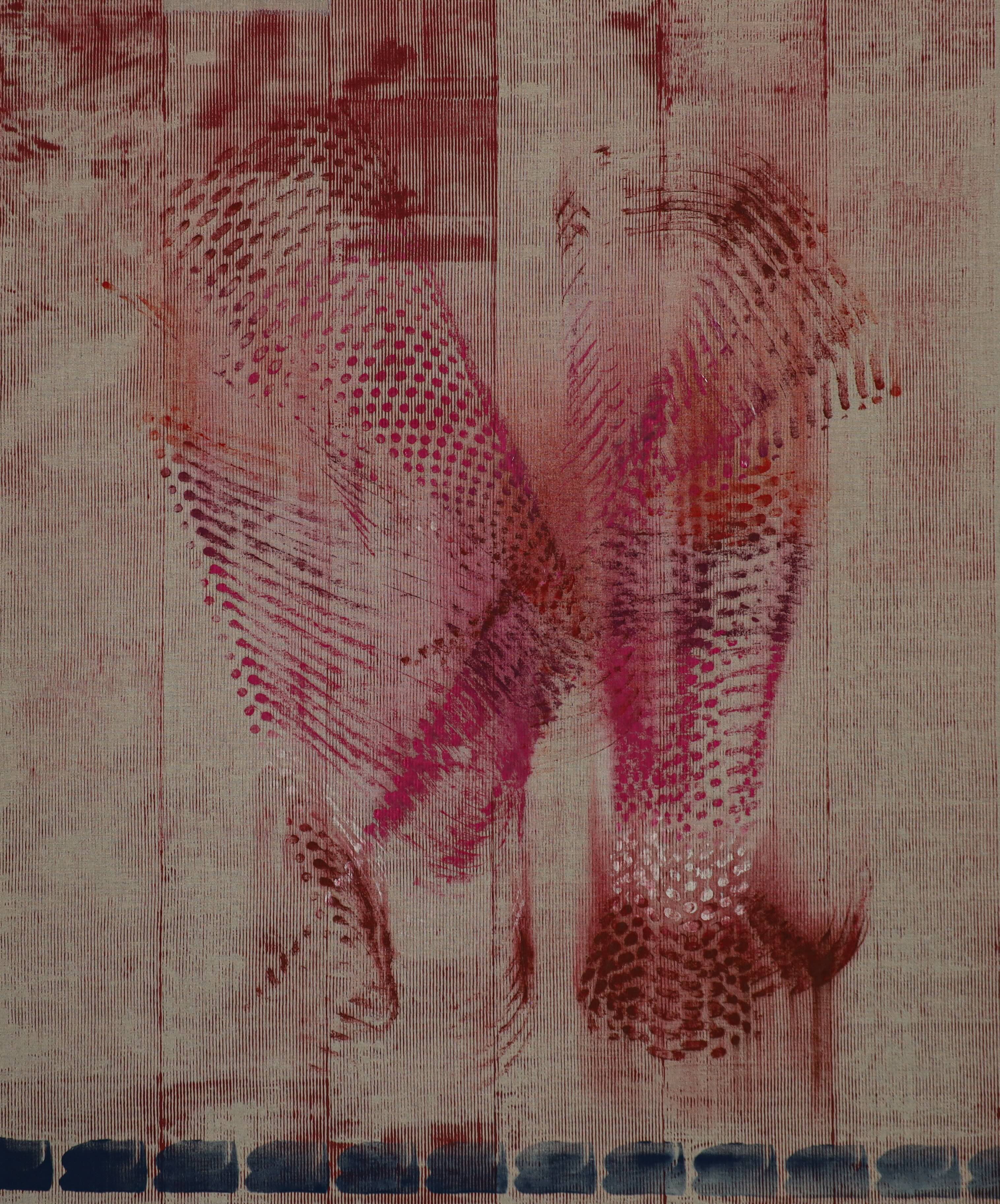
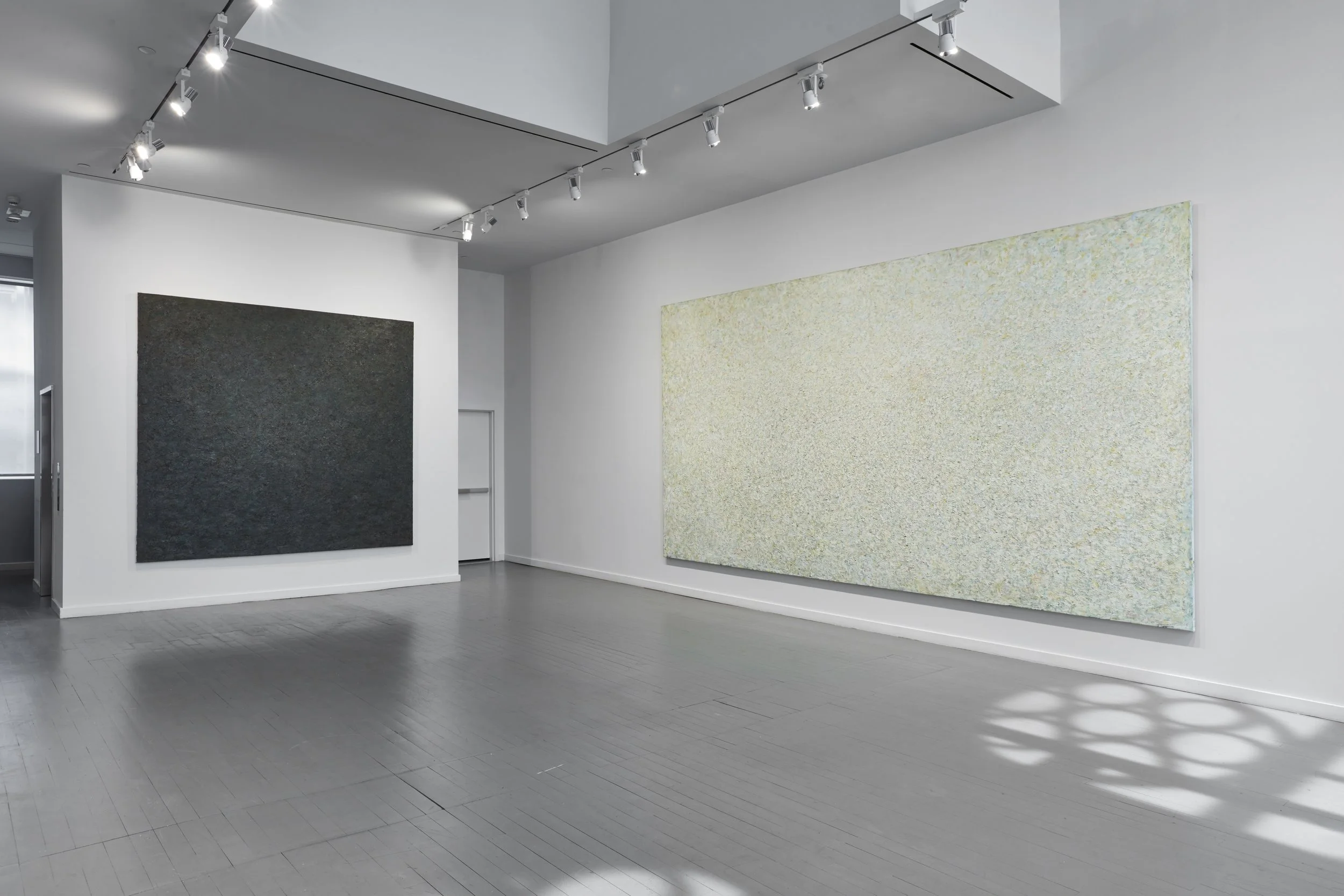
Cohen's paintings Arctic Octopus and East Flamingos (both 2022) are reflective of her practice which variously pictures scenes from the natural world, from animal habitats to forests on fire, as well as highly gestural abstract compositions that engender an immediacy, situating the viewer in the moment of their creation. By positing nature as a sentient force, Cohen's works serve as a bridge within This Life between the world we're all too familiar with—characterized by nature in all its sublimity, alight with both life and death—and the speculative futures imaged by the other artists in the exhibition.
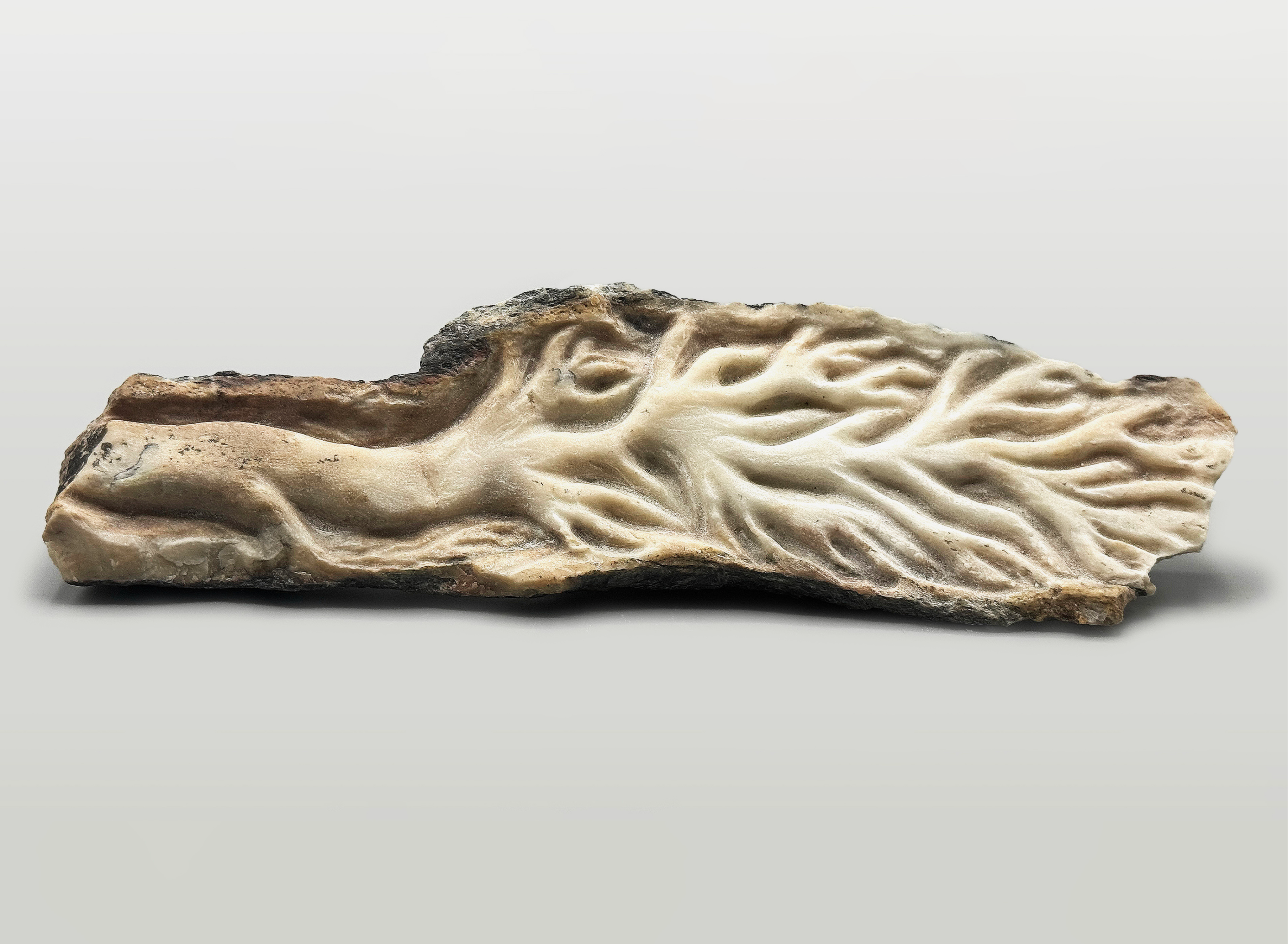
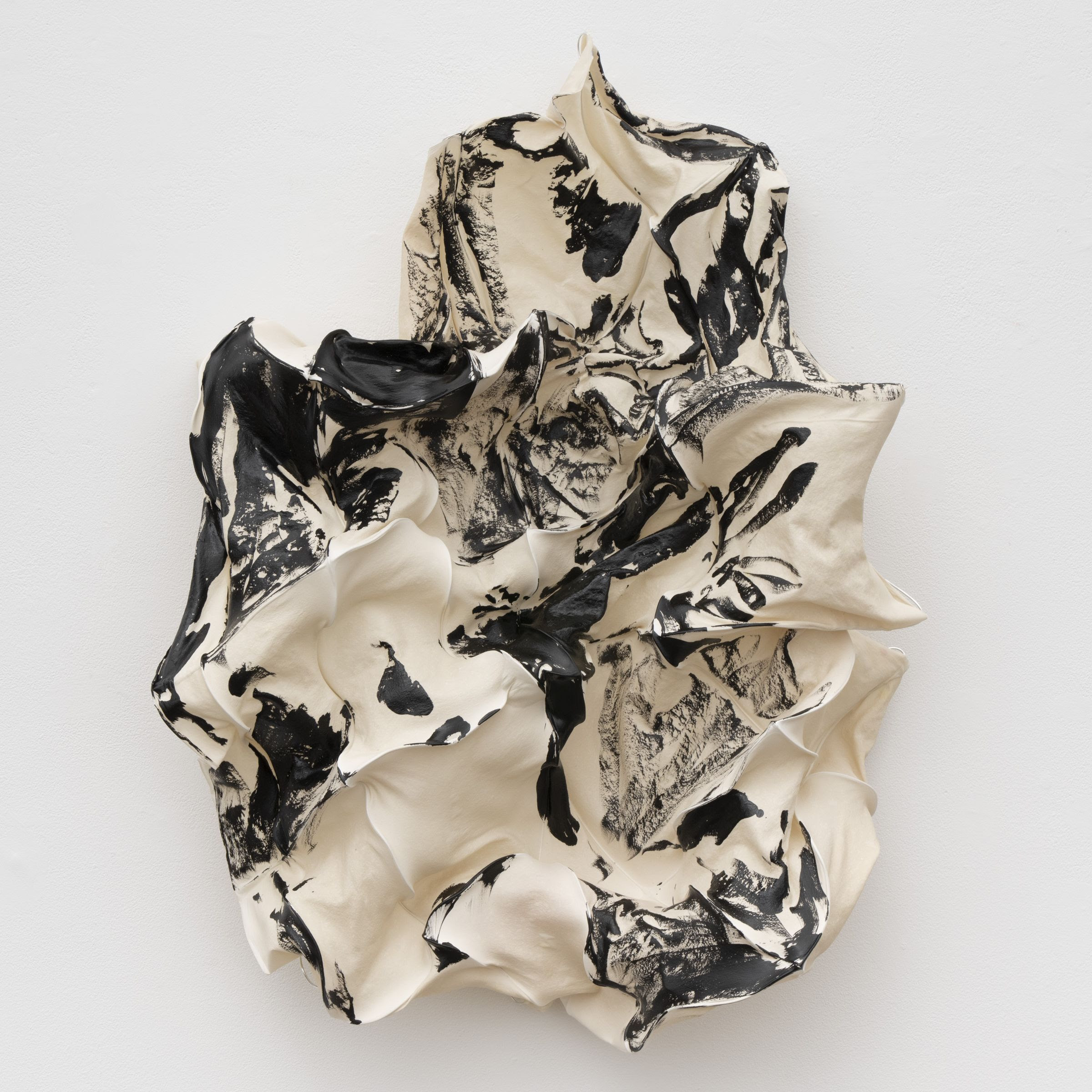
While an octopus thaws next to an iceberg and flamingos fly east in Cohen's works—which embrace a certain rough tactility that suggests both the strength and fragility of these time-honored cycles—Khan's four paintings on view present a far more serene world, of lush poppies, saffron crocuses, and white lotus flowers—simultaneously referencing her roots while being optimistic about the future. Her Second Skin sculptures (both 2022) which take the form of Romanesque columns that have been sliced and, in one instance, bisected, and wrapped with rugs from Kashmir, the artist's ancestral home, propose a more transhistorical examination of power, empire, and their ruin. Via an abstracted means these works visualize the lived experiences of people at the intersections of Muslim and American identities, both historically and in the present.
Avoseh similarly explores his relationship to home and the diasporic experience that has characterized his upbringing through richly vivid canvases that accrue layers of dense color and gelatinous paint. Through far a more abstract approach, he conveys images of family and community amidst a compositional whirlwind, perhaps reflective of his own experience moving from Nigeria to England. Rhyming visually with the other works on view, these possess a unique energetic frequency.
References of both national identity and domestic spaces are reinforced by St. Hilaire's TBT (2024), which despite taking the form of a painting reads as a utilitarian sculptural object. Shaped like a room divider with gently curved ornamental edges, this piece in all its beauty tells a story of violence and dispossession. As the daughter of Haitian parents, growing up in South Florida, St. Hilaire has pictured former Dictator Rafael Trujillo of the Dominican Republic amidst a lush scene of green foliage, ornamented with gold leaf to articulate a swinging bird cage and an escaped bird with its wings spread. Having carried out the horrific Parsley Massacre of Haitians in the Dominican Republic, Trujillo is depicted here consumed by the green overgrowth of his infamous legacy, which St. Hilaire has translated into new terms so as to consider its lingering aftereffects.