
Ended
The Other Shore
Sep 5 – Sep 28, 2025
Leah Bailis
Z. Cecilia Lu
Heather Renée Russ
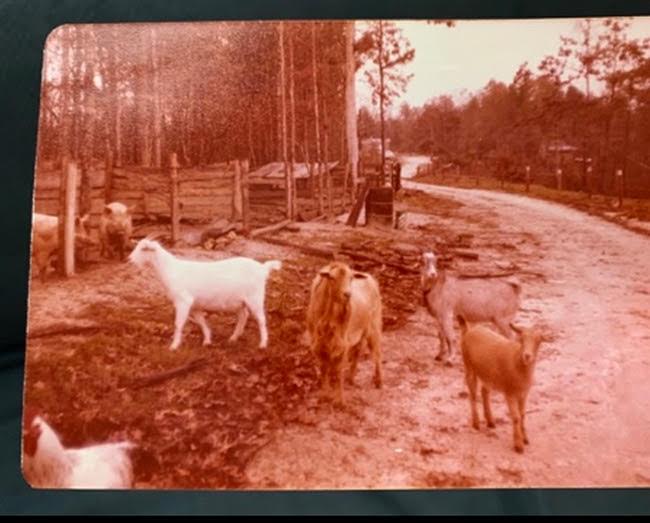
While thinking about this show, I happened to rewatch Chris Marker’s seminal sci-fi film, La Jetée, and was struck by several thematic resonances with ideas I’d been contemplating. The film opens with the description of “a man marked by an image from his childhood... that upset him, and whose meaning he was to grasp only years later...”.[1] It constructs its narrative through the juxtaposition of a series of still black and white photographs—staged photos from the narrator’s “memories” combined with found photos—to create a fragmented series of static “moving images” woven together by the speaker’s récit, and reminding us that the act of remembering (and its links to forgetting) is always jumbled, splintered, just slightly out of reach: order becomes confused, the boundaries between time and place become blurry. In the film, the protagonist is haunted by a memory of the past event and is drawn to a woman from that memory, traveling between time periods in his desire to return to and restore an always impossible event, eventually muddling his past, present and future as his final act of forgetting/remembering.
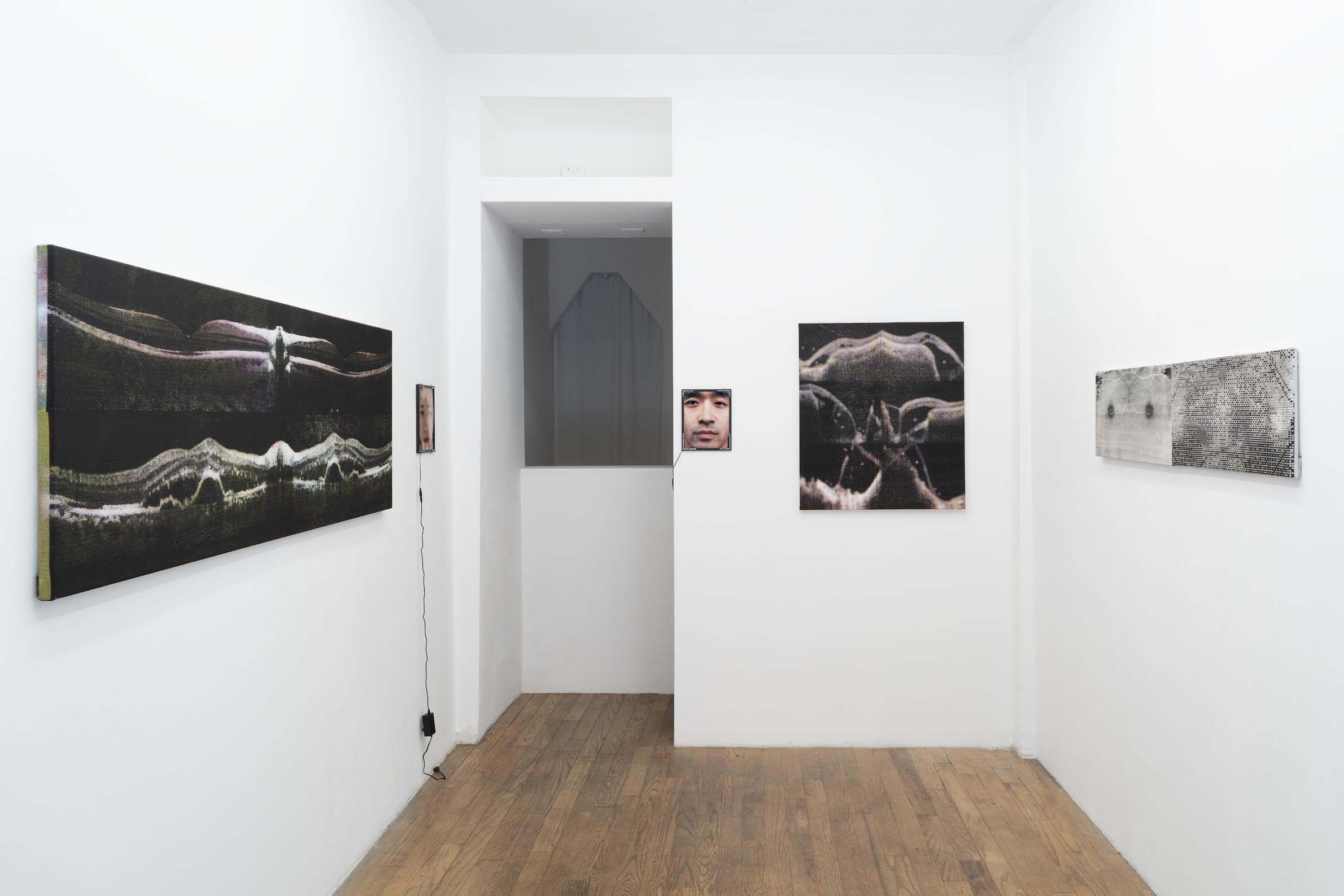
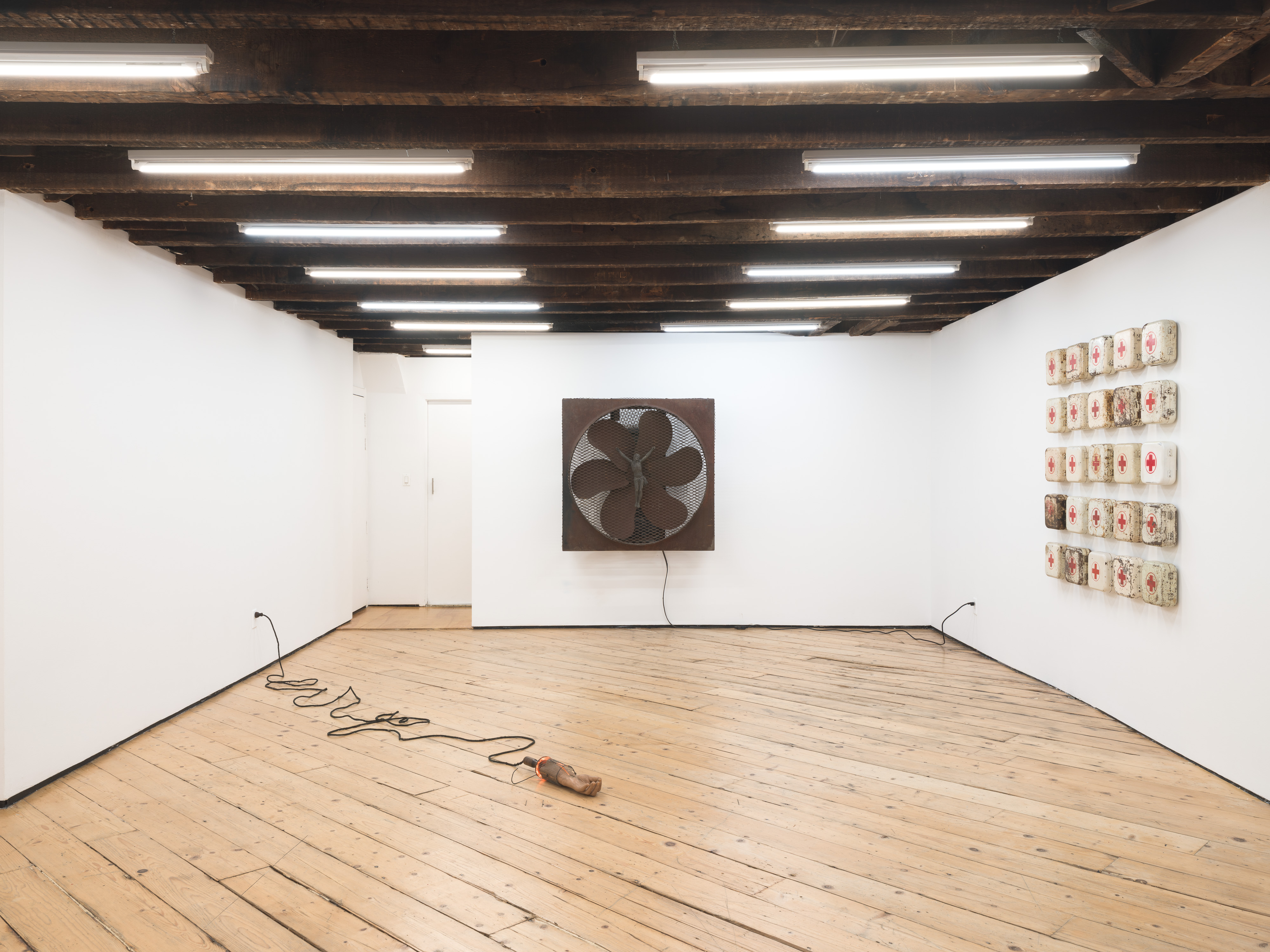
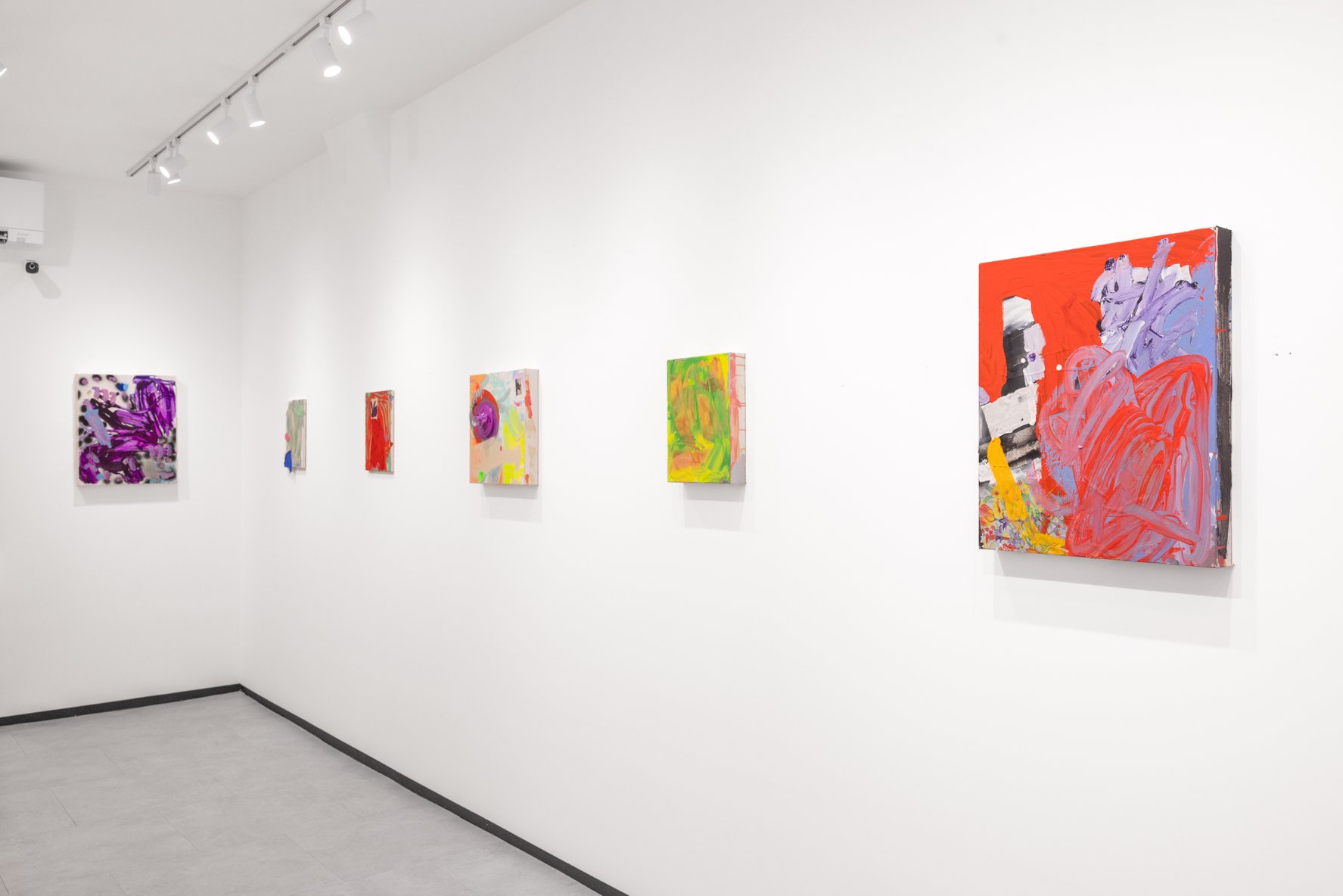
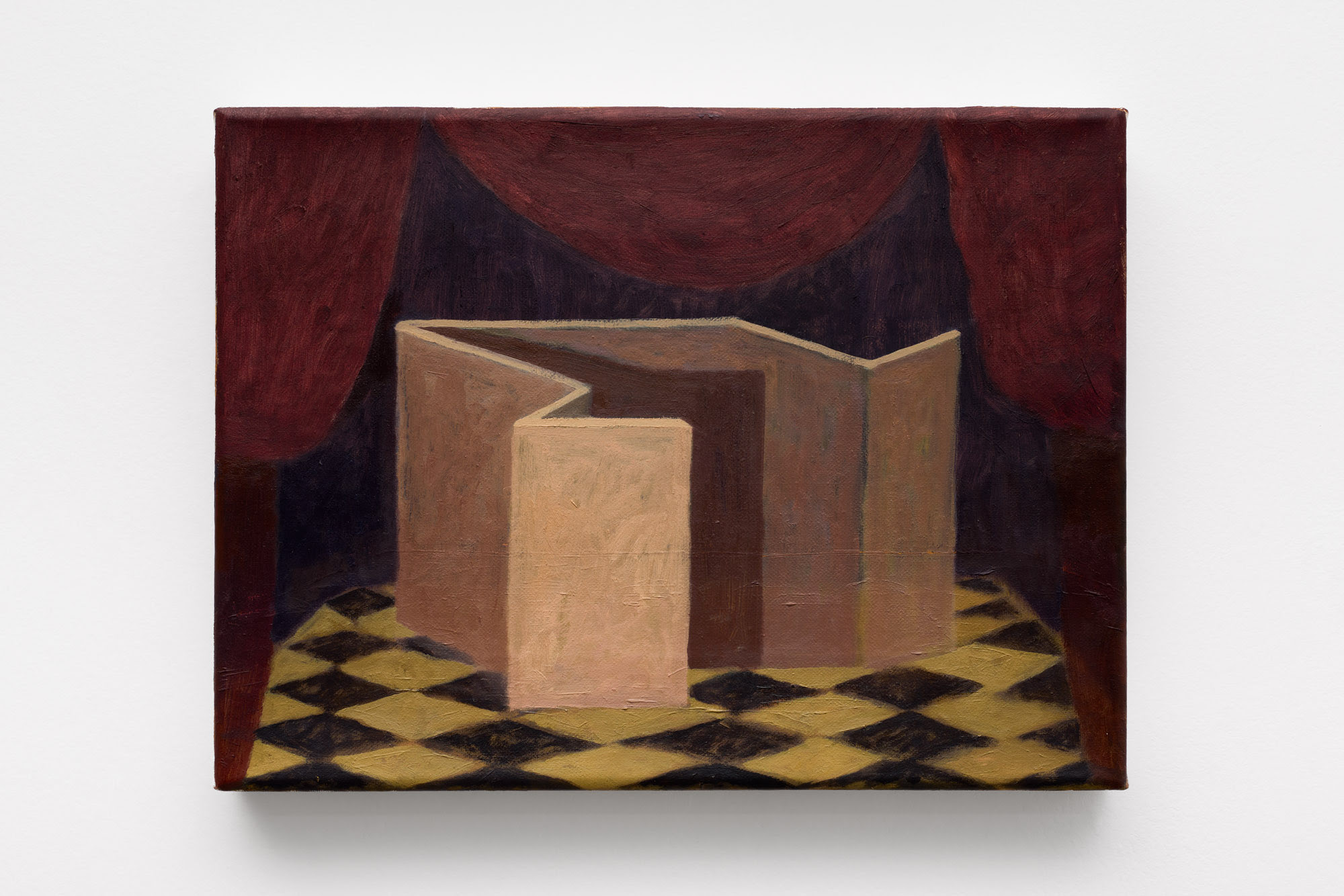
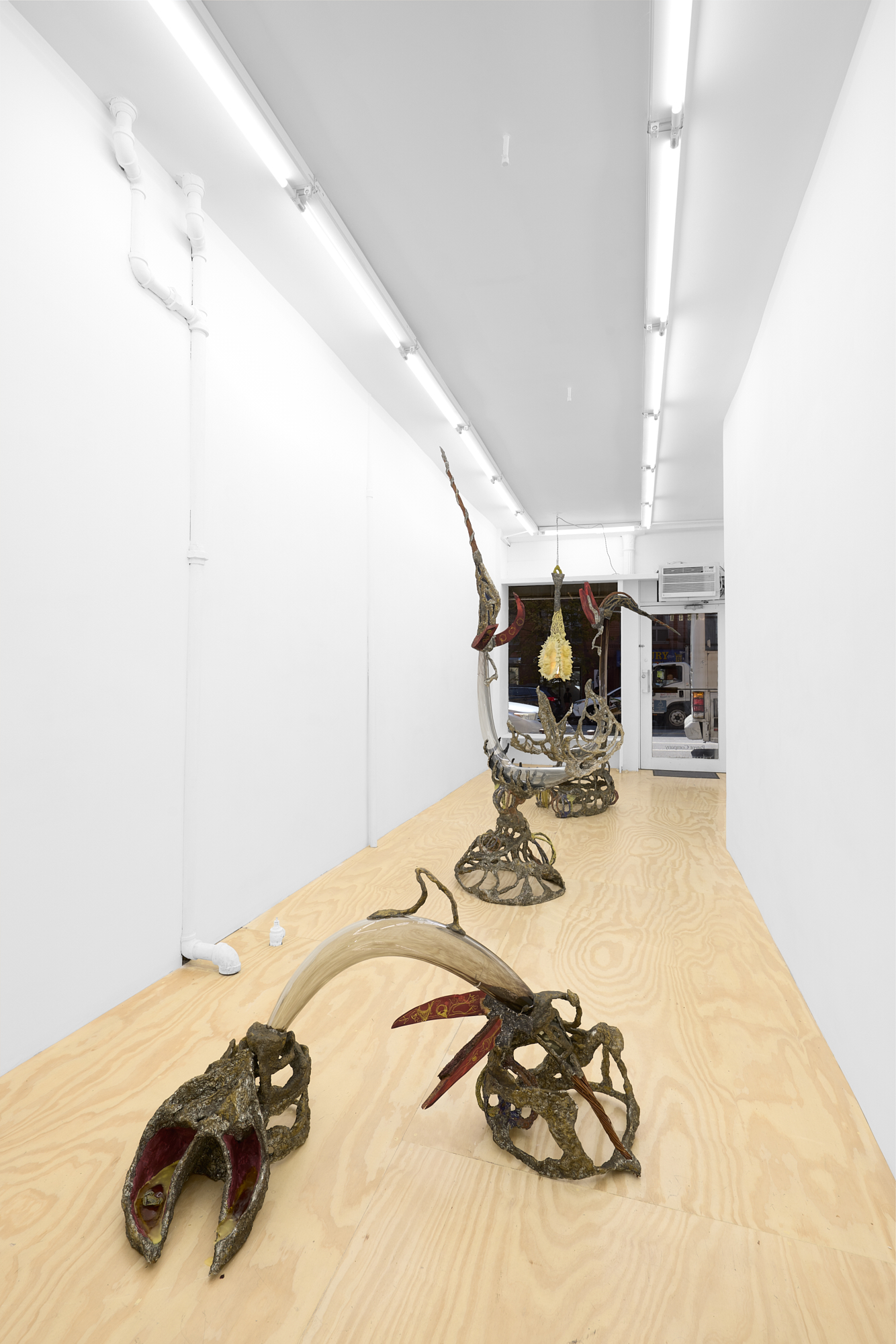
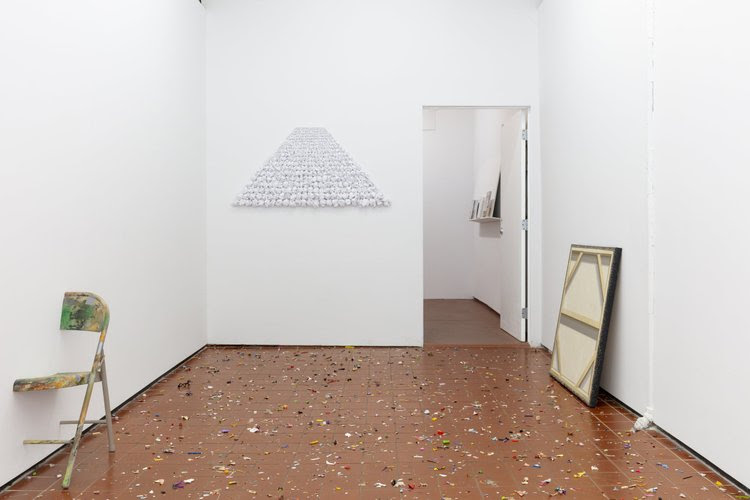
A phrase in Buddhism, “the other shore” represents a crossing of water or hardship to reach spiritual connection or enlightenment. The other shore can also represent a place or concept that slightly out of reach, a body both intimate and interior but always already inaccessible or in withdrawal. Contradictory in nature, it can represent both the past (a memory, a loss) or a possible future (a desire, a hope, or a longing). Between our gaze and the other shore, we navigate the detritus of memory, tradition, decay, loss, fragmentation, and healing. The Other Shore brings together three artists: Leah Bailis, Z. Cecilia Lu, and Heather Renée Russ whose works in sculpture, photography, bio-art, and installation play with these themes.
In Leah Bailis’ sculptures fabric and thread, both porous and malleable materials, are used for her memory jugs. These vessels, like memory are not watertight and instead are made from a patchwork of sewn parts and collected refuse from the city. Encapsulating and elevating discarded materials like packing foam and cheap artificial flowers alongside potentially lost items like keys, these pieces create constructed artifacts of time and place that reference folk-art traditions.
Z. Cecilia Lu’s sculptures explore “the body as an assemblage of memories, environments, medicines, and desires; as contingent and dynamic; as a site for healing, regeneration, death, and decay.” With ceramic sculptural forms that resemble altars and tables used for healing the body spiritually or treating the body medically, she utilizes plants related to healing: Ginseng, mugwort (both considered medicinal and conversely invasive), and various roots and fruit pits.
Heather Renée Russ uses scanner photography and bio-art to explore both the healing vibrancy and the displacement of queer communities, linking their fragmentation to ecology, environmental climate change, and gentrification. In her/their work, algae growing in the femme signifier of a high- heeled shoe acts as a hidden (and often forgotten) agent of healing taking in carbon to produce oxygen, while common beach plants are rendered splintered and uncannily hyperreal/unreal with scanner photography.
1 - Marker, Chris, director. La Jetée. Argos Films, 1964.