Ended May 13
Leelee Kimmel
Apr 30 – May 13, 2021
More from Leelee Kimmel on Gallop
Minor Modes
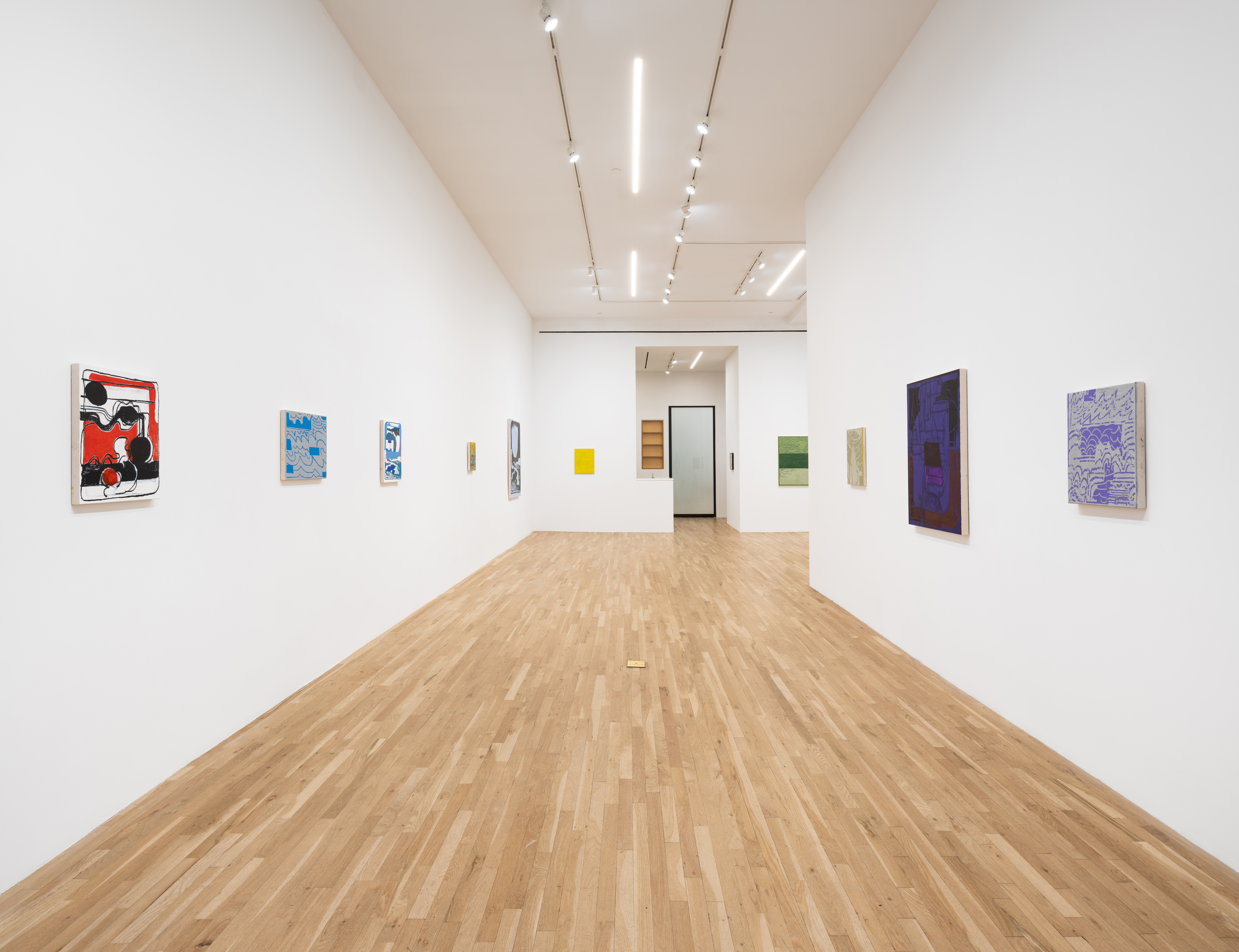
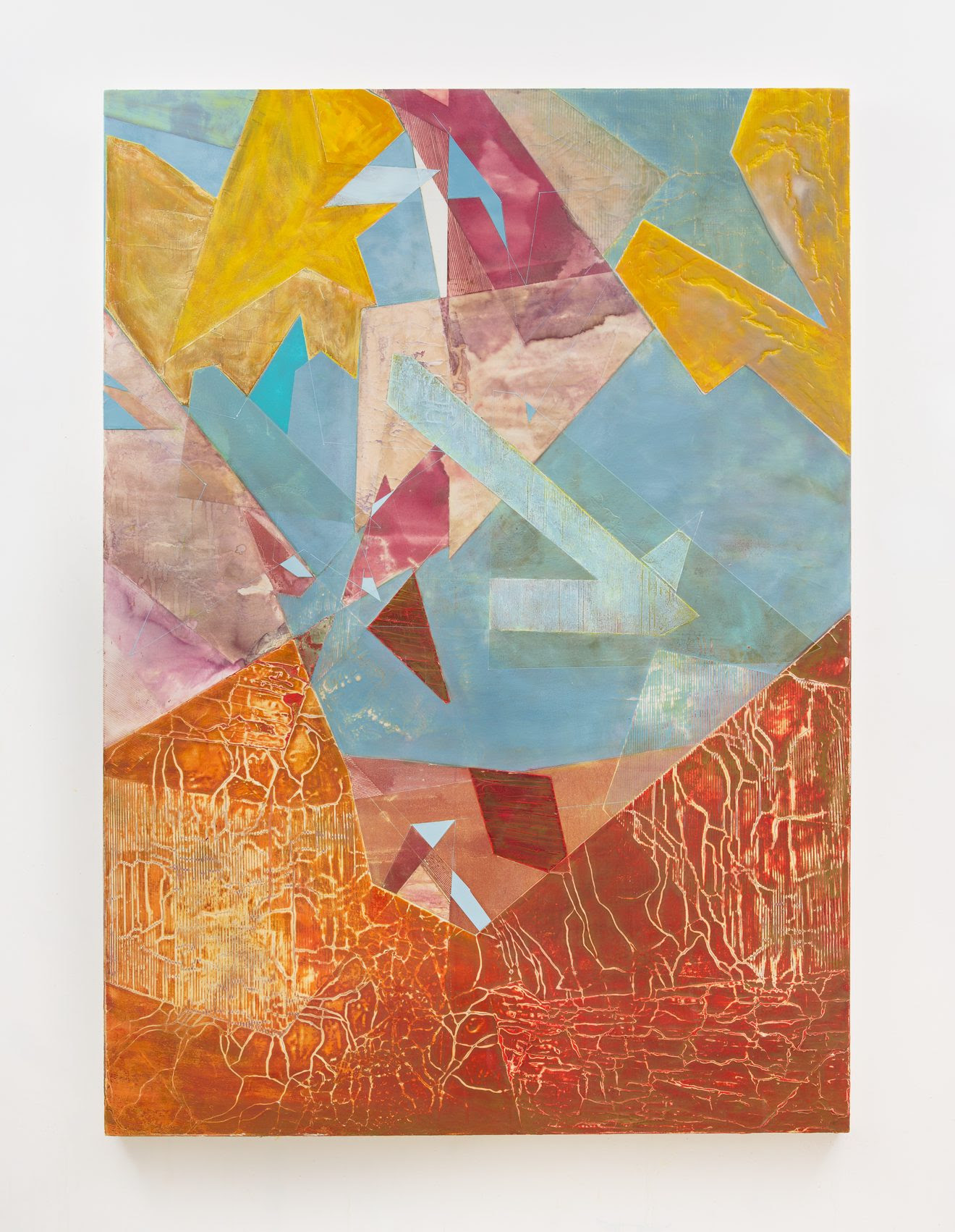
Two paintings. One of them is very large. Well, it’s not really very large, but it seems bigger because the pictorial area, the field, as they say, is much denser than it used to be in Leelee Kimmel’s paintings. Other of her works are larger but they don’t feel larger, which seems like a very weak observation—oh, just measure it—but I had this reaction: Oh my god, it’s so big, and it’s not as big as I thought. And then, hung almost oddly in the doorway window is a very small painting—what people in the 1980s or the heyday of modernism would have called the bedroom picture. A priceless little gem, like a Braque or Derain for the boudoir.
A show with only these two pictures feels very deliberate or declarative about scale, although I will try to remove from this two-person beauty contest the element of judgement. In the extremes of size and their relative closeness in the compendious space are two kinds of voices: the small, intimate one, and the big one which you can’t ignore—I am the large painting with the muscular, abstract limbs, and dare I say it, bollocks. David speaks in this tone of voice—well, all of this art critical stuff is just your own trip, so why not. Two seemingly declarative statements, two distinctive modes of address.
These paintings are giving people something to look at in an improvised way that is nonetheless generous: here we are in a real or dramatized interior, a theatrical melodrama of abstract painting, an intense interiority that is somehow being forced out into the world for people to see. These paintings want to connect. They’re not content with being beautiful and important and unknown. They want a public address without entirely knowing how that’s possible or what kind of position such an address can be made from without seeming ridiculous. And to do it is always to look ridiculous—to want to be heard, to want to be known.
The literary theorist Sianne Ngai writes about awkward, intermediate, nondramatic emotions—the way you actually feel about things rather than the way Lucien Febvre felt about them—like sarcasm, which is not an emotion but a rhetorical mode that has a lining of emotionality to it. Byproducts of major feelings or behaviors, hitherto rather less treated but really quite important. You may have various levels of success in hiding your great strength or virtue or horrible flaw or depravity from the world, and those strategies of hiding, that sort of working around, seems to be where these minor affects, minor feelings, come in, according to Ngai. Kimmel’s paintings have that quality: they admit something. I am proud, says Clytemnestra, but as Roland Barthes says, no one in contemporary society speaks how the Greeks would speak.
Anyway, what about this wanting to connect? Someone I can talk to. Fellowship. Togetherness, even. Love, I don’t know. It seems as though the bigger and more involving painting should be the one that commands the type of relationship it wants to have with you but the smaller painting is its own force of nature, and perhaps this is how scale in these works suggests two modes of relating—to the viewer as well as to art history. The larger—let’s call it the American painting—is big ideas, big feelings, mall-size, concourse-size feelings that are also naïve in their openness, whereas the smaller work is more circumspect, more self-conscious, a bit sneaky. Is it a more decorous, decorated form of involving the other in some sort of dyad or dialogue? Are these the wiles of seduction, is the little painting in fact Madame de Pompadour? Although Madame de Pompadour was not that much of a meddler, I don’t think. I’ll have to find someone more troubling.
—David Rimanelli
Leelee Kimmel was born in 1983 in New York, New York. She studied at Brown University in Providence, Rhode Island.
Her recent solo and group exhibitions include "Leelee Kimmel" at Almine Rech in Paris, France (2019); "Wormhole" at Simon Lee Gallery in London, United Kingdom (2018); "Channels" at The Journal Gallery in Brooklyn, New York (2018); "100 Sculptures" at Anonymous Gallery in Mexico City, Mexico (2018); and "Feedback" at Marlborough Contemporary in New York, New York (2017).
Kimmel lives and works in New York, New York.