Through Nov 14
Jan Dickey
Compression
Oct 14 – Nov 14, 2026
More from Jan Dickey on Gallop
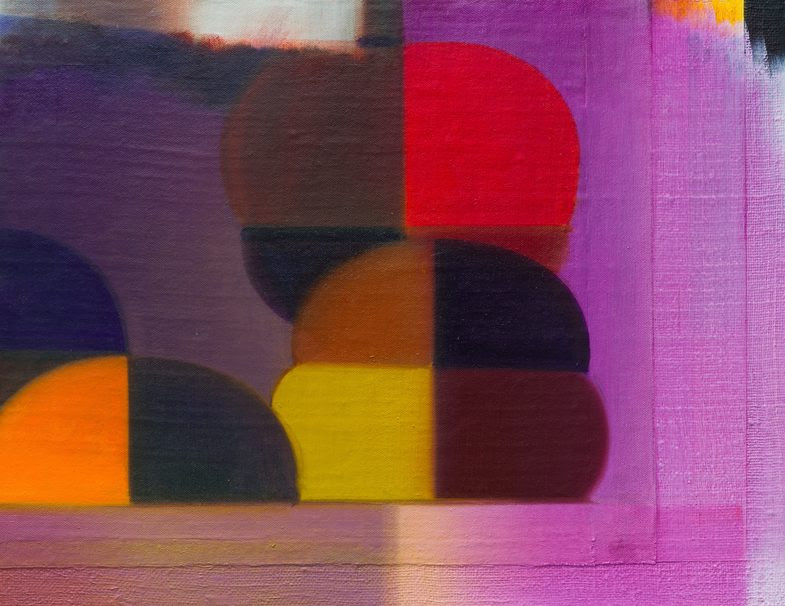
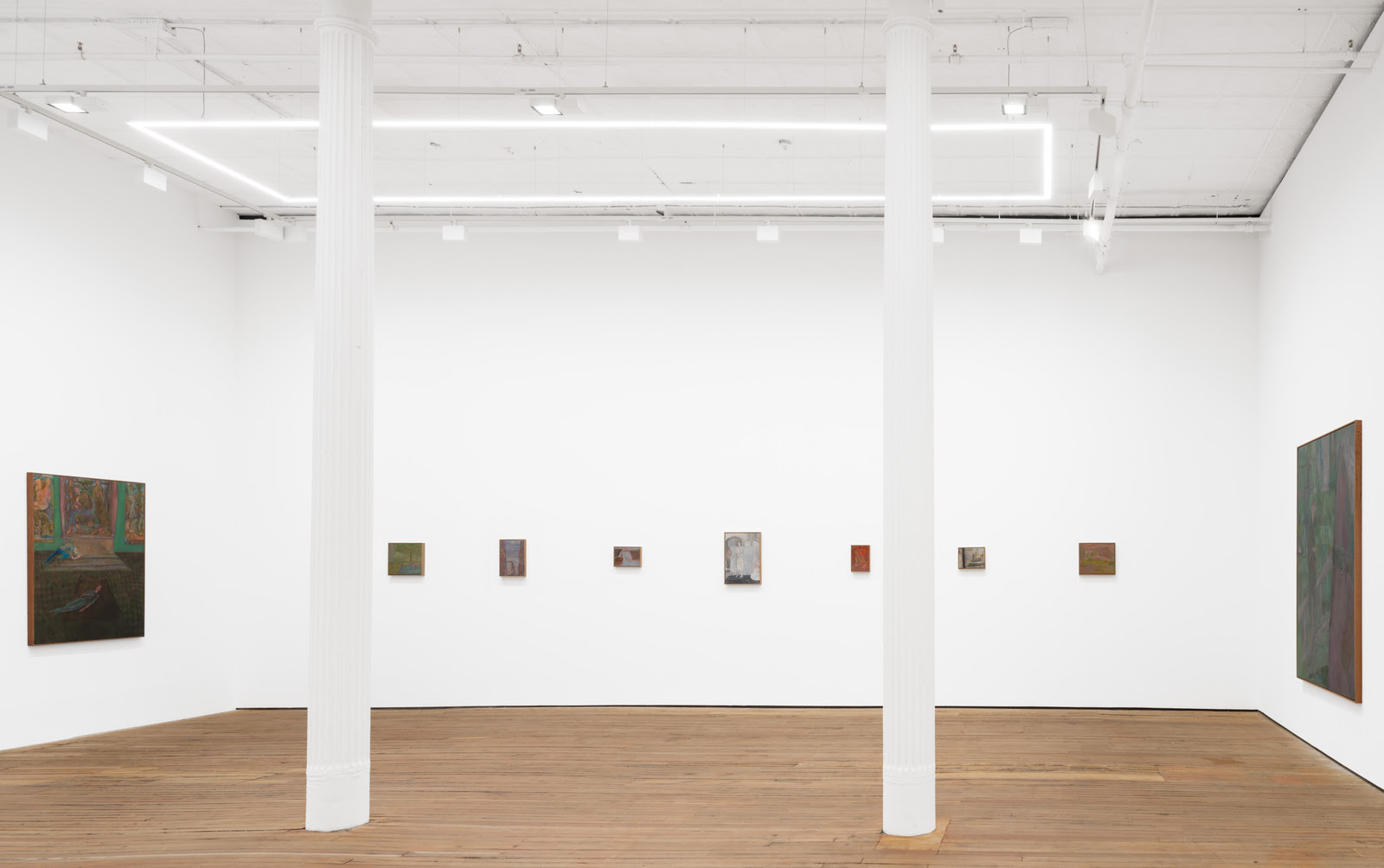
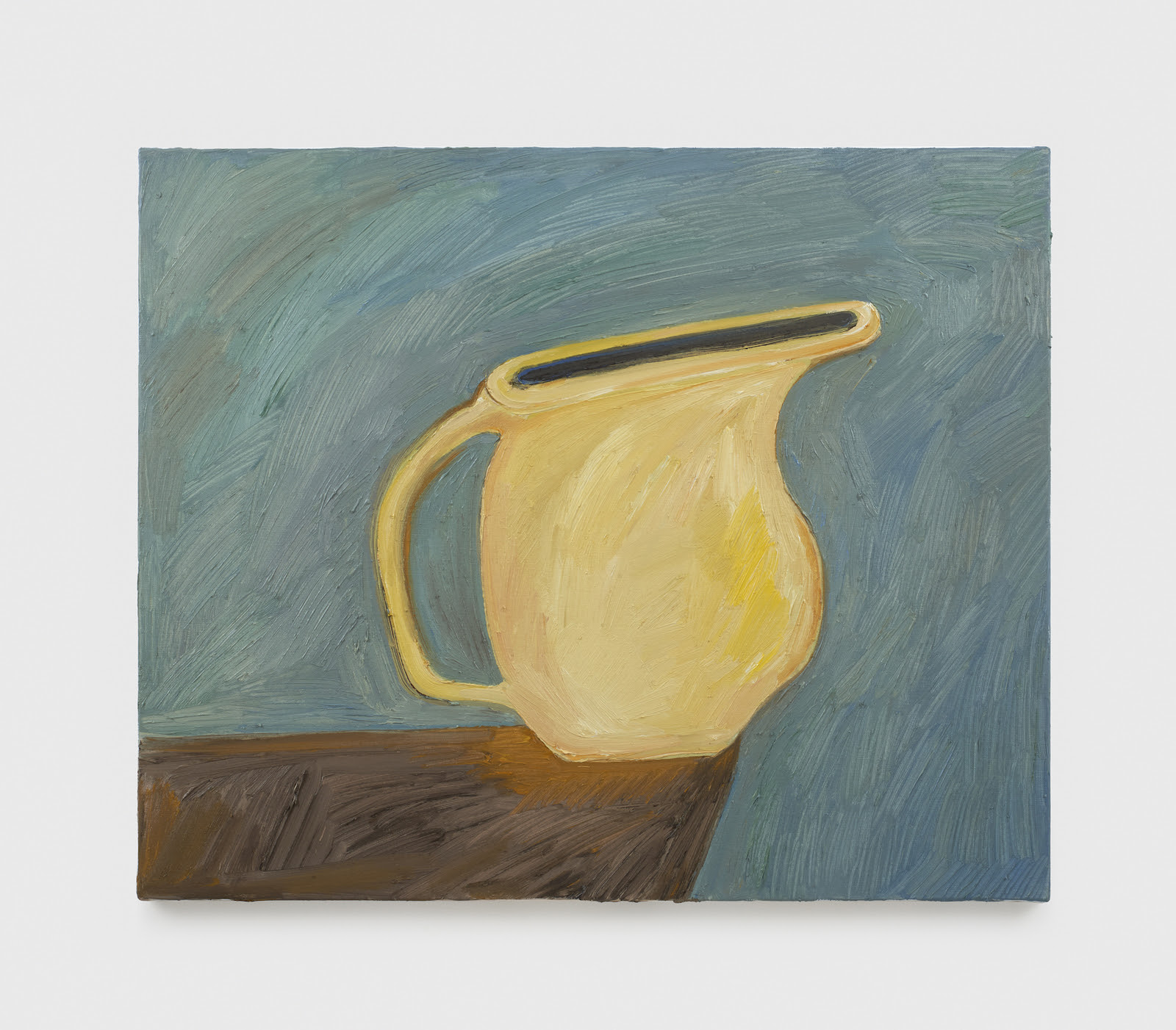
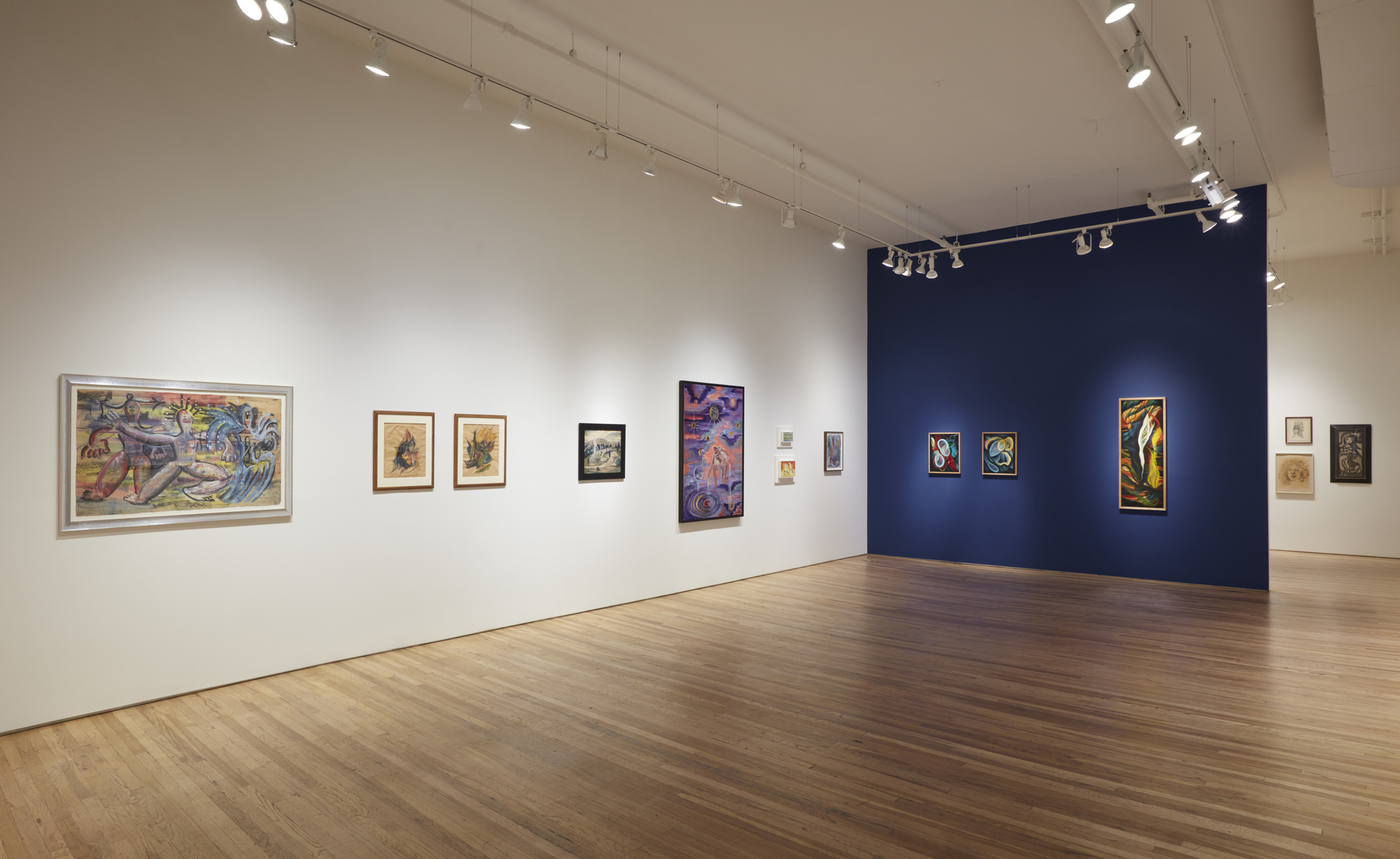
D. D. D. D. presents Compression, an exhibition of new paintings by Jan Dickey. Built from intentionally destabilized skins of paint and the shattered geometry of the five-point star, employing alchemical studio processes and carnivalesque color combinations, the work binds together images that appear caught between splitting apart and grafting back together.
The first questions visitors ask in Dickey's studio are almost always the same: what are these made with, and why the star? "Every historical paint binder and colorant you can think of, including natural dyes, layered and compressed into each other," Dickey replies to the first question. The second is resistant to a simple answer. "The star is meaningless for me during the actual studio work. I'm not a conceptual artist, I am a painter – an American painter," Dickey explains. "But the stars are the only shapes used to compose this work, and I chose them for their possibility of provoking meaning when the picture is experienced. The loaded open-endedness of the five-point star is greater than any other abstract shape. It holds the most capacity to spark a highly specific range of symbolism and feelings in pretty much anyone." Which is to say, the pictures function with an openness to meaning, rather than as prescribers of meaning-content, which allows the irrational communication styles of paint binders, color, and the painting as a physical body to do the most important work in the viewer's experience of formulating an idea or set of feelings.
These paintings were made over the two years Dickey spent in residence at Art Cake, a studio program in Sunset Park, Brooklyn. Working in a space with no natural light, Dickey devised a method to bring the star into the room, aiming a lamp at a convex mirror etched with a five-point star and projecting its shape into the dark studio, where it was traced and retraced from different angles and distances, layer upon layer, until it cracked apart into the dense, overlapping geometries that structure the work.
Each star, or fracture of a star, records a moment of projection with its own distance and angle. In this way the paintings come to hold many perspectives in conflict with each other on a unified surface. The traced stars leverage the viewer's natural tendency to read angles as depth, forcing a repeated illusion of three-dimensionality that is sometimes reinforced and other times confused by Dickey's complex applications of material and color, layers of paint that build on the surface like scar tissue. These competing depths are in actuality the trace of collapse: a process unfolding across months or years, in four dimensions, each star cast from its own spatial position and moment in time, gradually flattened into the two-dimensional realm of the image. Each new rendering binds irreversibly to the last, compressed past separation, so that no single layer can be pulled free again. And yet the essential survives, not as any single layer recovered whole, but in the illusion of depth itself, an accretion the eye can sense even though it can never fully take apart. Compression shows what's left of the collapse: cracked and spangled pictures with their curing wounds still open.
Composed from notes by Anil Venkatesh
—John W. Wagner