Through Nov 8
Gunnar Magnus
Serial Thriller
Oct 22 – Nov 8, 2026
More from Gunnar Magnus on Gallop
At the center of Serial Thriller is a paradox Magnus calls the tension between stillness and the thrill. A ride at full speed cannot be held in a still image, but the instant of being flung clear can. For Magnus, it is the moment where "a single word, 'oh.' is hanging off your brain's tongue, unsure if this is the end or not." His recurring upside-down figures, in his words “backbreakers”, fix that interval in paint. They ask the viewer to feel what a rodeo crowd feels as a bull rider hits the dirt: the held breath before anyone knows if he will stand.
The fall from a horse is one of Western painting's oldest images of transformation, from Caravaggio's Conversion of Saint Paul, with Saul thrown on the road to Damascus, to the horses of Géricault and Delacroix. Magnus draws openly on this inheritance: Dürer's apocalyptic riders, the nocturnal visions of Goya's Black Paintings, Turner's dissolving light, the centaurs of Böcklin and of Picasso at Antibes. Myths of overreach recur throughout. Icarus is caught mid-fall, Prometheus holds up his stolen fire, and Actaeon dissolves between man and stag.
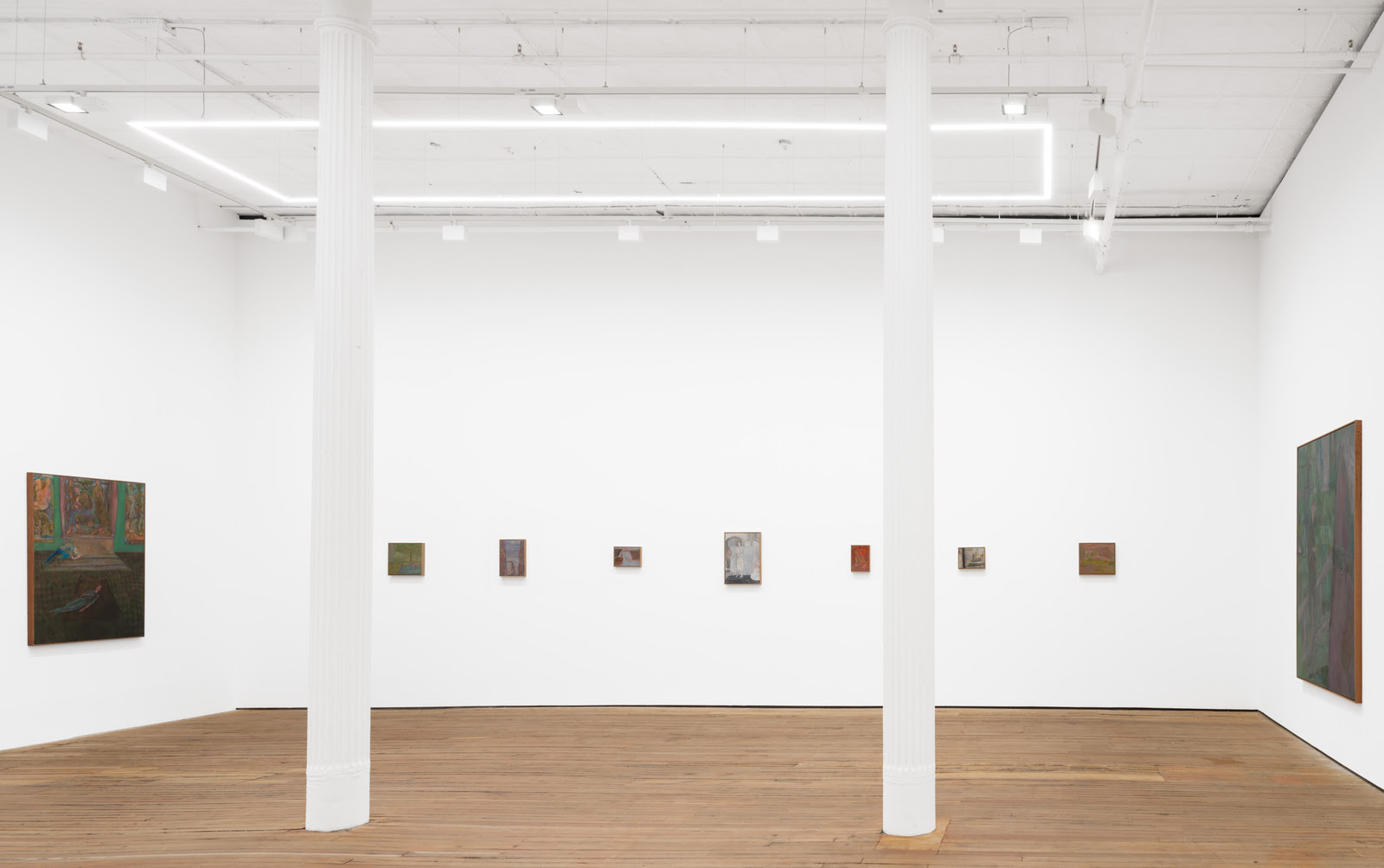
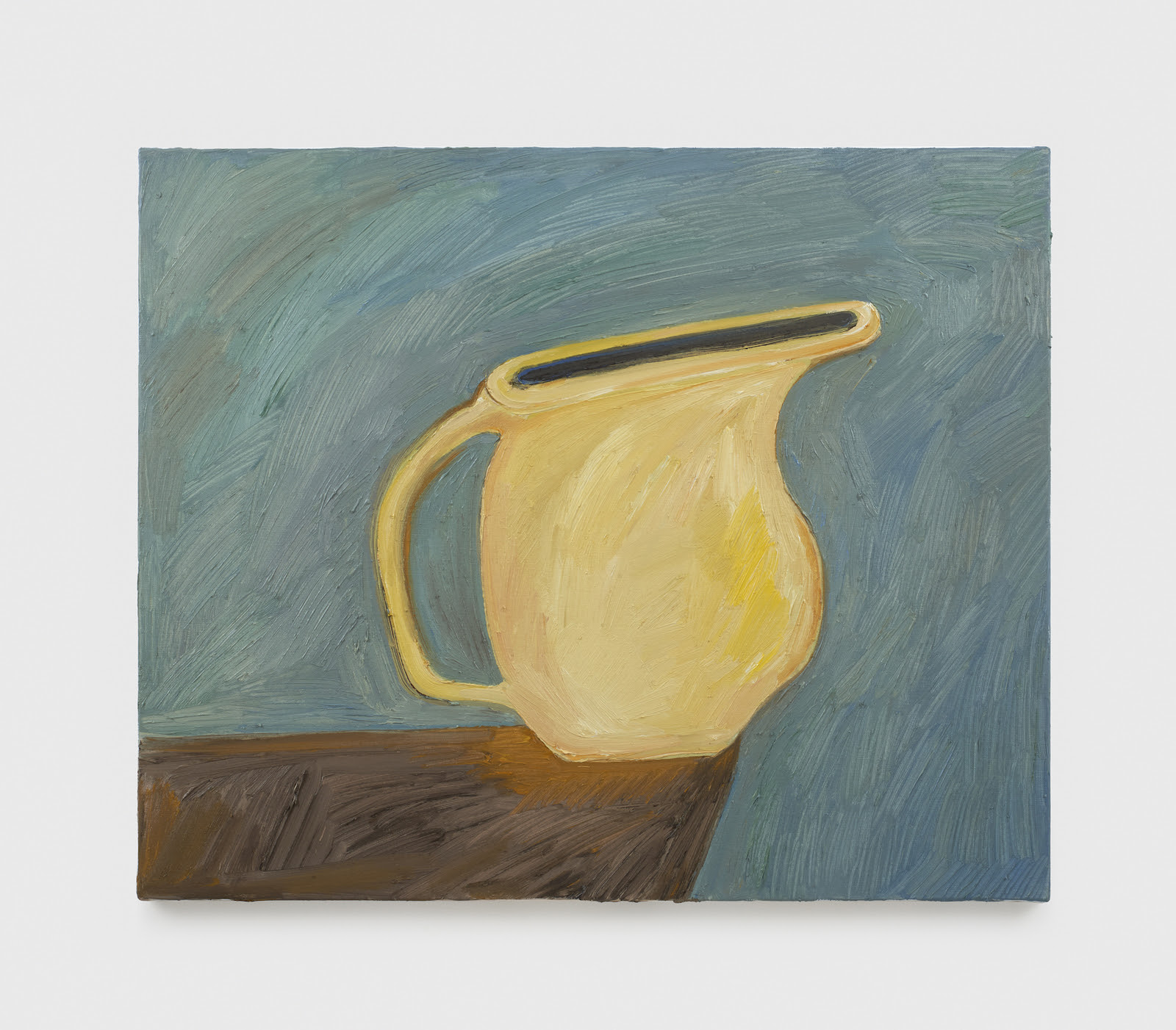
That history lives in the canvas’ surfaces. Thick gestural passages fold into delicate rendering, figures melt into fields of saturated color, and earlier, brighter layers show through the repainting. The result is both reverent and darkly funny, gruesome and exaggerated, treating danger with seriousness and jest at once.
Magnus also sees his compulsion as widely shared: a restless, overstimulated culture of doing things "for the plot," in which stillness is rarely sought. His paintings look for the rare instant when the chase stops, a fleeting moment of satisfaction before the grip slips and the chase begins again. "I ride for ecstasy, and when I fall, it hurts," he writes. "I do not mind that it hurts. That's the trick with anything we do, isn't it?"