Ended Jan 25
Andres Serrano & Benjamin Bertocci
In Battle or in Vain
Nov 9, 2024 – Jan 25, 2025
More from Andres Serrano & Benjamin Bertocci on Gallop
"I am not interested in deconsecrating: this is a fashion I hate, it is petit-bourgeois. I want to reconsecrate things as much as possible, I want to re-mythicize them."
—Pier Paolo Pasolini
What attracted me to organizing In Battle or in Vain was the similarities of Serrano’s and Bertocci’s articulations. Not their tonality, because they are very much their own voice, dissimilar in both path and punch but there is something sympathetic, at the core, it’s the struggle to define something universal in our perceived reality, to create a central form of meaning but in process only. We are alone holding hands, together with our free hands our fingertips grazing the veil again and again missing to pushing it back to get a clear view, our historization of these attempts does nothing to change the outcome but instead it valorizes the limitation, it elevates it. It’s beauty and time in anhedonia. Saying I love you with your face pressed up to a screen or taking your hands and arms, wrapped around a marble statue, embracing the cold and trying to physically understand the form in small ratcheting movements.
It’s damning but nonetheless. In their own way I see two artist working through presence or time and concerned with the tone of the dialogue around existing. Time undos everything and in this case destroys objects and culture infantilizes the artist’s actions. Serrano and Bertocci examine the core aspect of representation and the personification of the object, the historical object, sculpture for Serrano. For Bertocci, it’s a visual event, like documentation of a dead body or flare or sun spot in an image. Both point to the natural and tangible, Benjamin language is more focused on the primal, seeing something in a pre-scientific light. There is no new, that doesn’t become ritual. Even what is terrifying we memorialize. I think it was Žižek that gave the analogy about a tiger entering into the temple first met with screams the second time he visits he is met with revelry and becomes a ritual. Soon the disfunction just gives way to narrativizing, which I would suggest both Bertocci and Serrano work is positioned against, that declarative normalizing moment. Remaining with the new, remaining with the discomfort or even terror, that is now, that is life, that is decay. That is the signal flair being considered for worship and the statues being given life, it’s a mirror, an inverse.
—Nathan Bennett
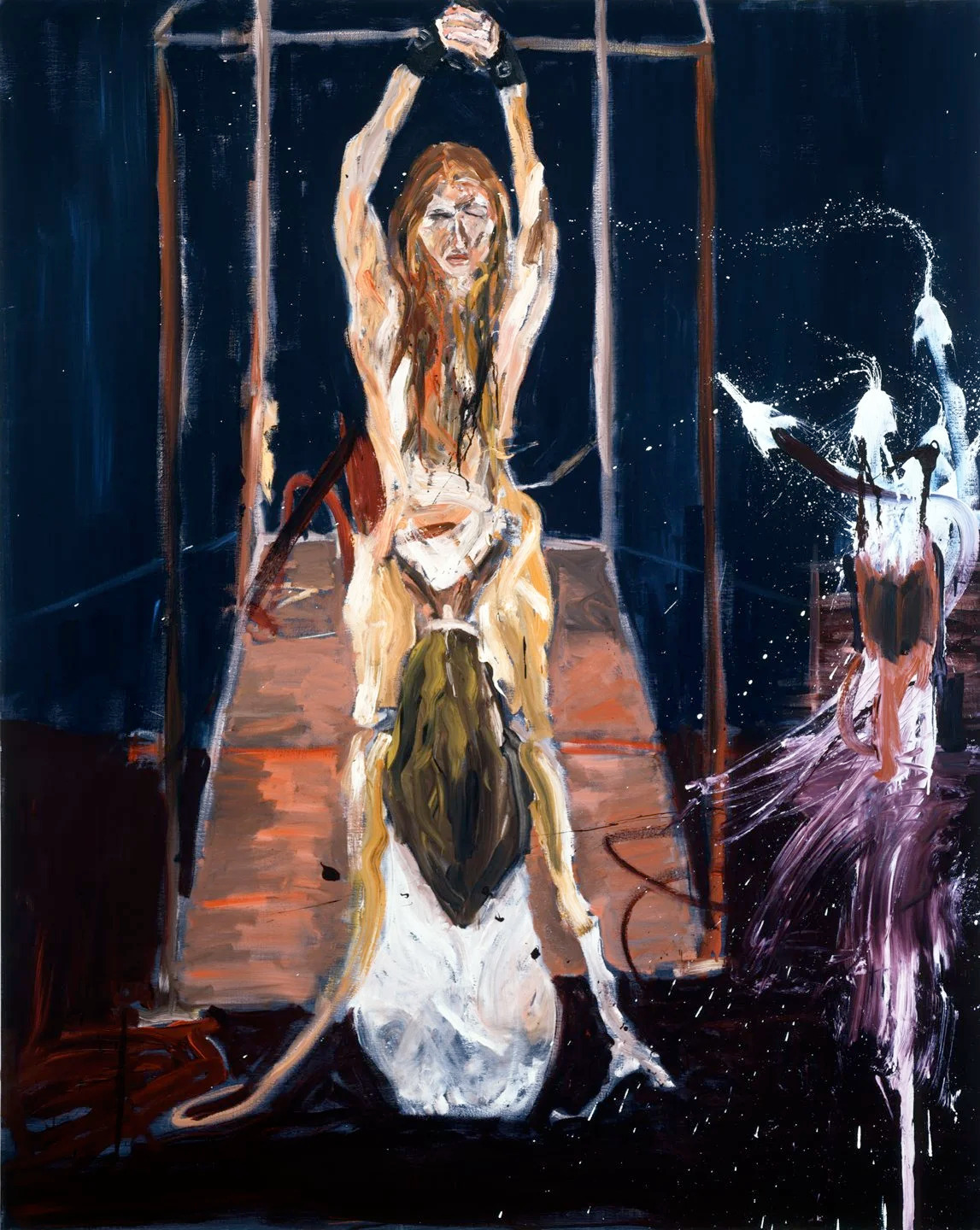
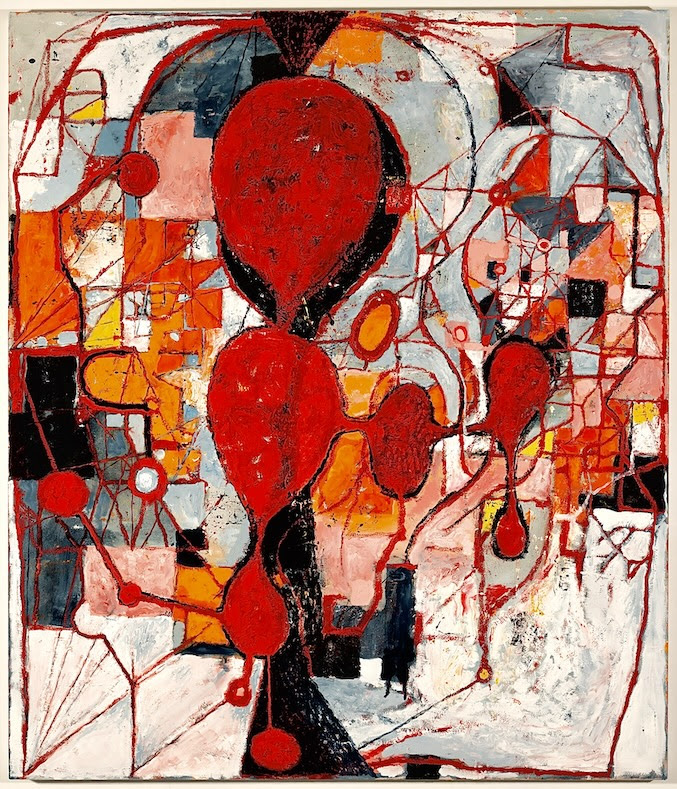
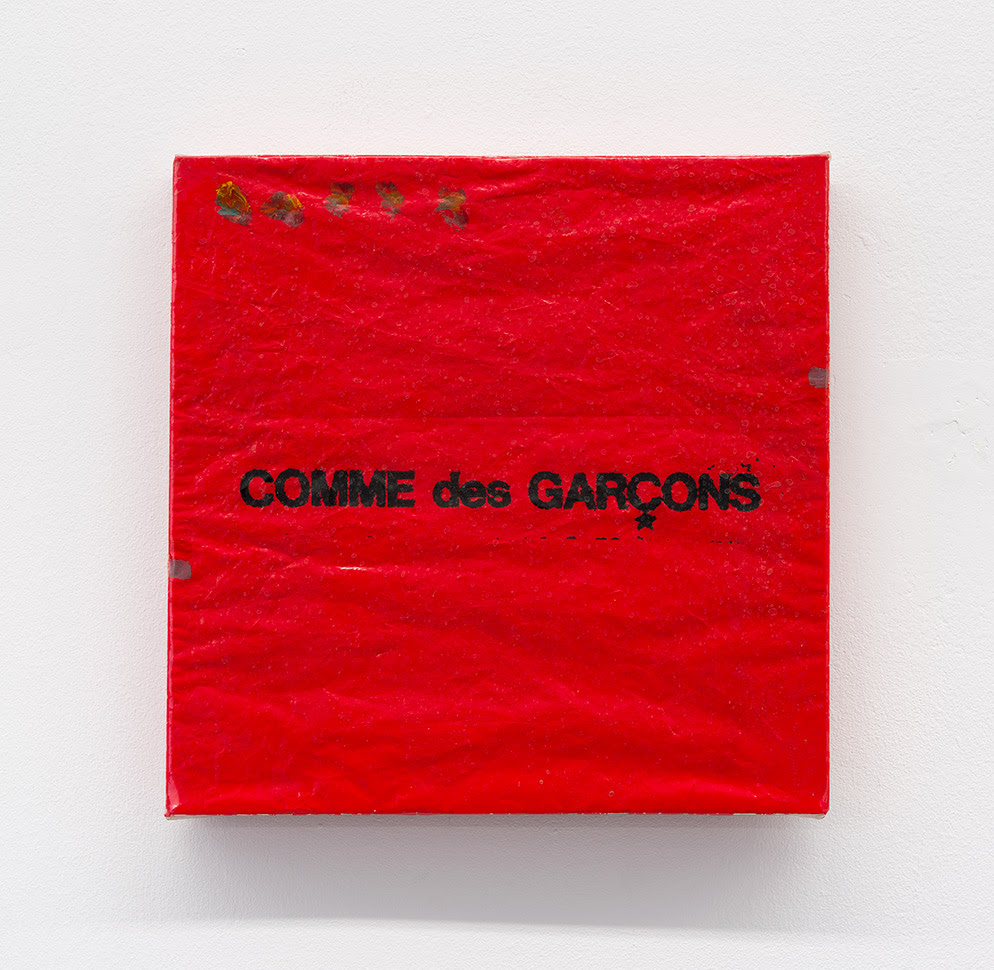
Why does Andres Serrano—an artist perpetually preoccupied with the Zeitgeist, and a notorious victim of its vitriol—now turn his attention to figures rendered half a millennium ago? Sifting through images rendered by Michelangelo nearly 500 years ago, Andres Serrano reflects, “What happens in the past does not always stay in the past.” This past includes his own, as he returns to painting for the first time since enrolled at The Brooklyn School of Art almost fifty years ago. To make the works on view, Serrano photographed, enlarged, printed, and painted onto images he took at the Metropolitan Museum of Art, Villa Borghese, and his own library of books. With energetic brushstrokes, he transmogrifies the cardboard backing used as his palette into a framing device for Christian iconography, as well as the act of reification.
While many of his recent works visualize destruction—indexing the vilification and vandalism that has laid claim to both his work and his career—in this series, Serrano enacts resurrection. Wielding a brush like a crozier, he invigorates long-chronicled subjects with renewed energy, humanizing symbols of empire with fragility. The titles of these paintings genuflect to a sense of doom: Sad Christ, Torso with Missing Limbs, Angel of Death, Eternal Sleep. In imagery that transcends nationhood, he renders figures that retch but cannot wreak.
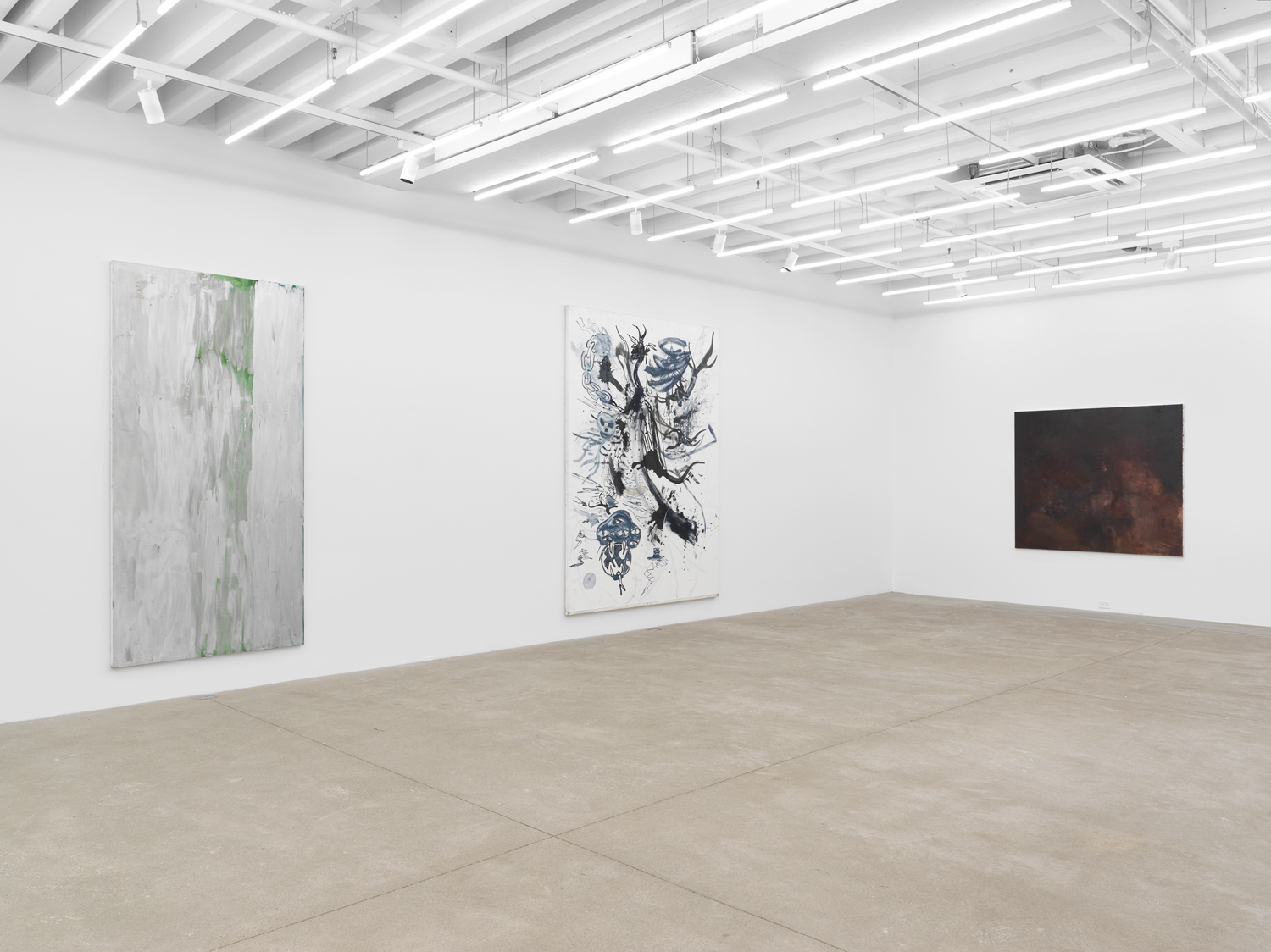
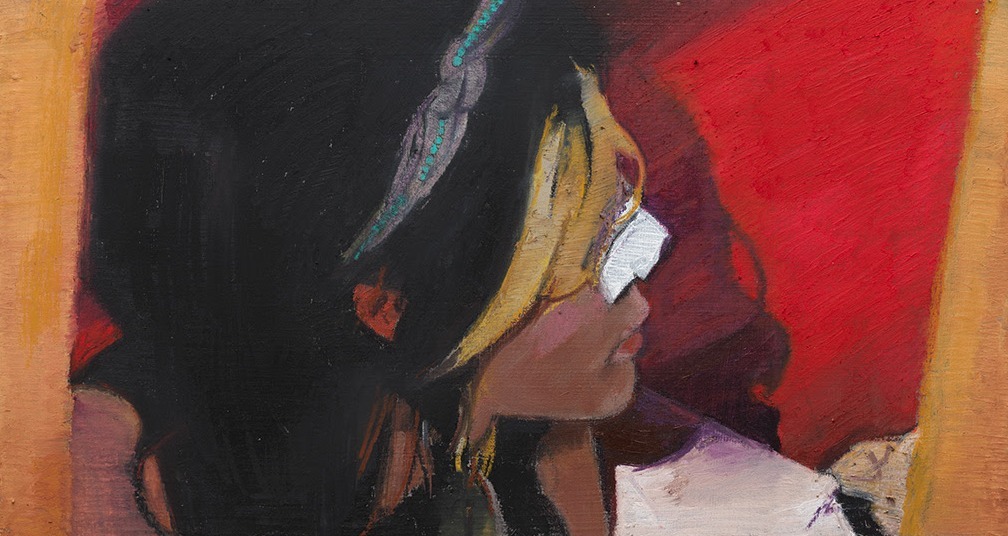
Benjamin Bertocci describes his work using the concept of ontologies, a biological term that describes factors animals need to identify for their survival. A lion’s ontology includes the sun, thorns, and hare—but not shellfish, caves, or leavened bread. When encountering a factor outside its ontology, creatures grapple with hurdles by weaponizing tools of reason. In his Philosopher paintings, Bertocci looks to the ontology of the human, which involves “navigating family life in the post-generative AI, late-capitalist pre-apocalypse.” His paintings materialize anxieties around these conditions even more than they illustrate his concerns. In the face of immeasurably accelerating technologies and resource scarcities, how does one face the present?
Serrano gives one possible answer to this conundrum by concretizing the ontology of the artist. Wielding reason within the factors of artmaking—technique, content, circulation, history, devotion—he resurfaces immortal images that have, for centuries, provided wisdom for the crises that ensue. Most notably, Serrano reifies the power of credence in times inconceivable.
—Jack Radley