
Ended
Prosthetic Cavity
Feb 7 – Mar 16, 2025
Andrew Castañeda
A Grix
Saar Shemesh
Larí García
Jerónimo Reyes-Retana
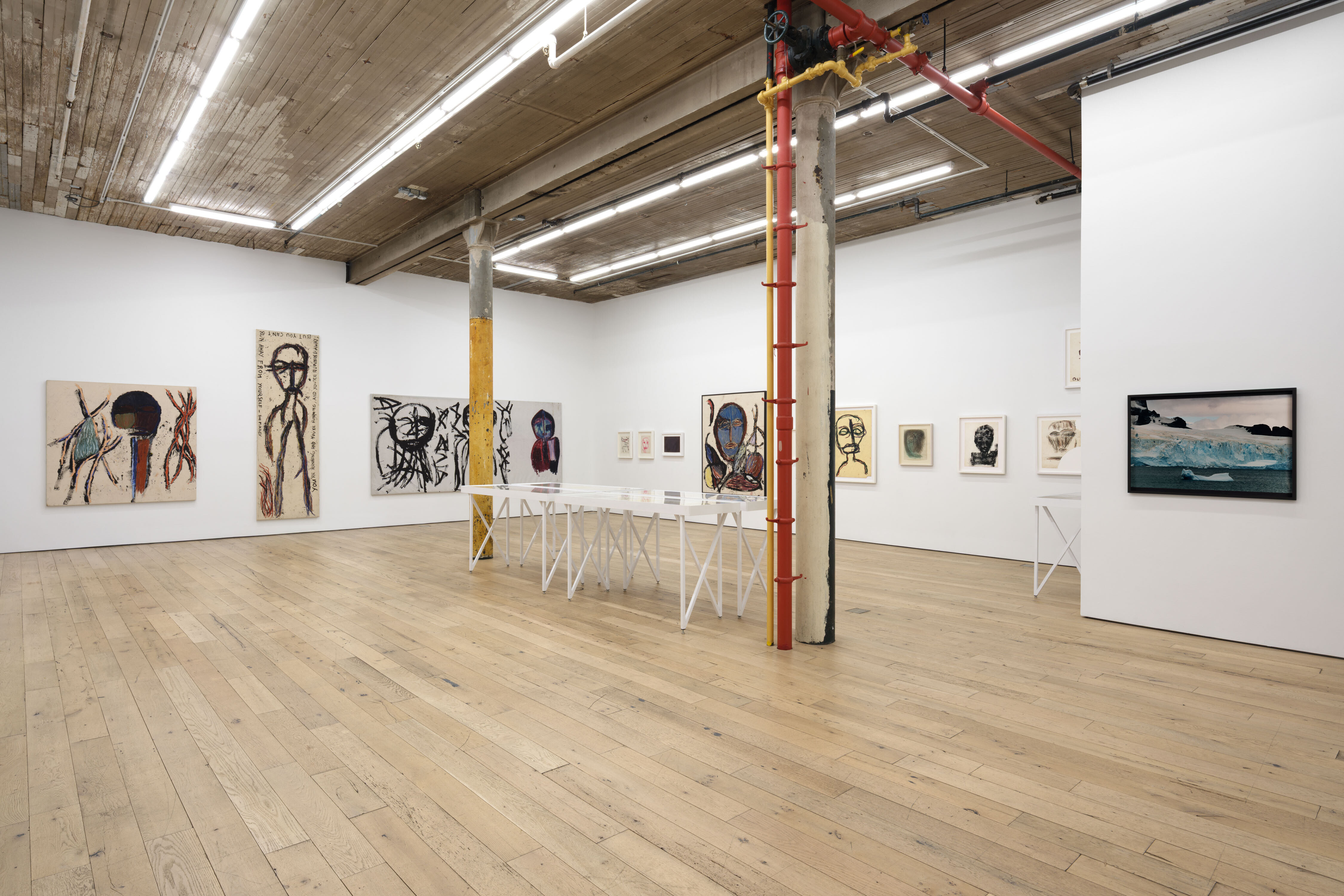
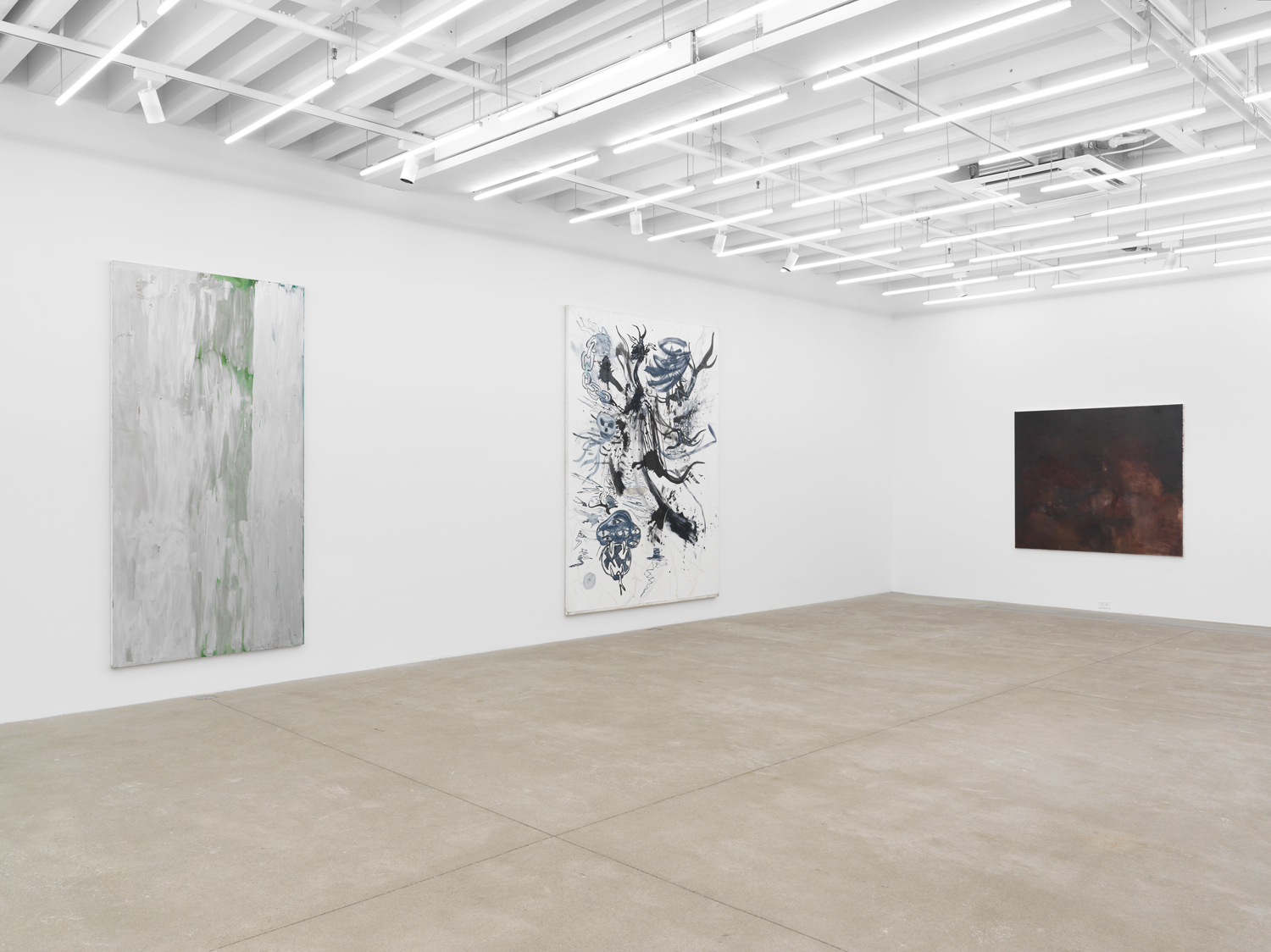
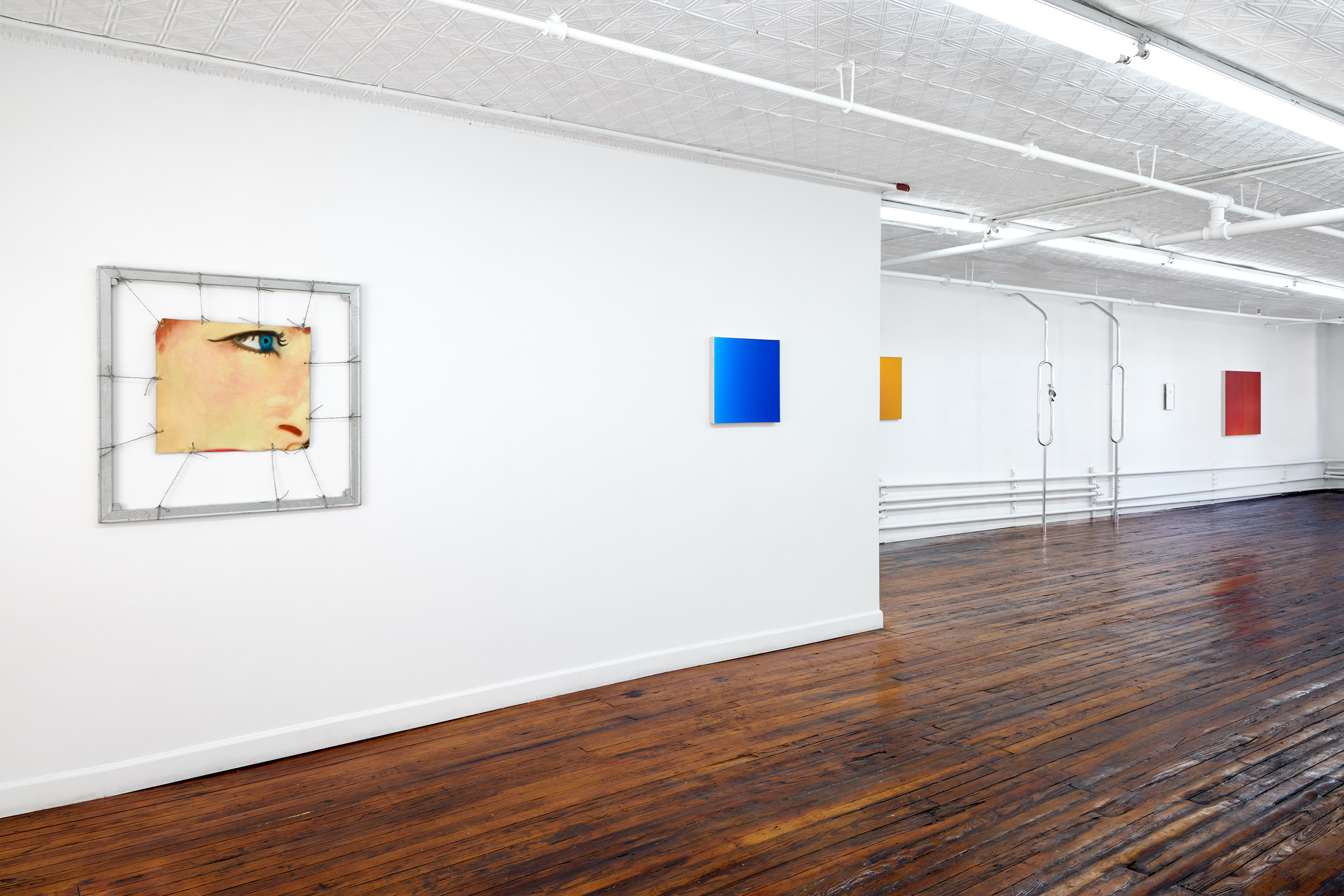
Prosthetic Cavity is a group show that explores both tangible and conceptual holes in material or ways of being. Cavities, often resulting from bacterial buildup or neglect, serve as metaphors for deterioration, signaling the fragility of systems. The works in the show explore how we navigate and respond to such ruptures, while examining the tension between breakdown and repair. At the heart of the exhibition is mending, understood as an act of reconnection—bringing together what has fallen apart. Yet, mending itself often necessitates further rupture: repairing a sock, for example, requires puncturing new holes or integrating new materials to reconstruct and restore. This friction—the simultaneous processes of breaking and binding—anchors the framework of the show, positioning mending as an open system of experimentation.
The exhibition reframes mending as an interplay between deliberate unraveling—an "unbecoming"—and intentional rebuilding. It invites viewers to reflect on the intricate relationship between rupture and repair, where mending is not just a restorative act but also a transformative one. To mend is to carry the remnants of what once was while holding space for what could be. The friction between repair and destruction is evident both materially and conceptually across various works.
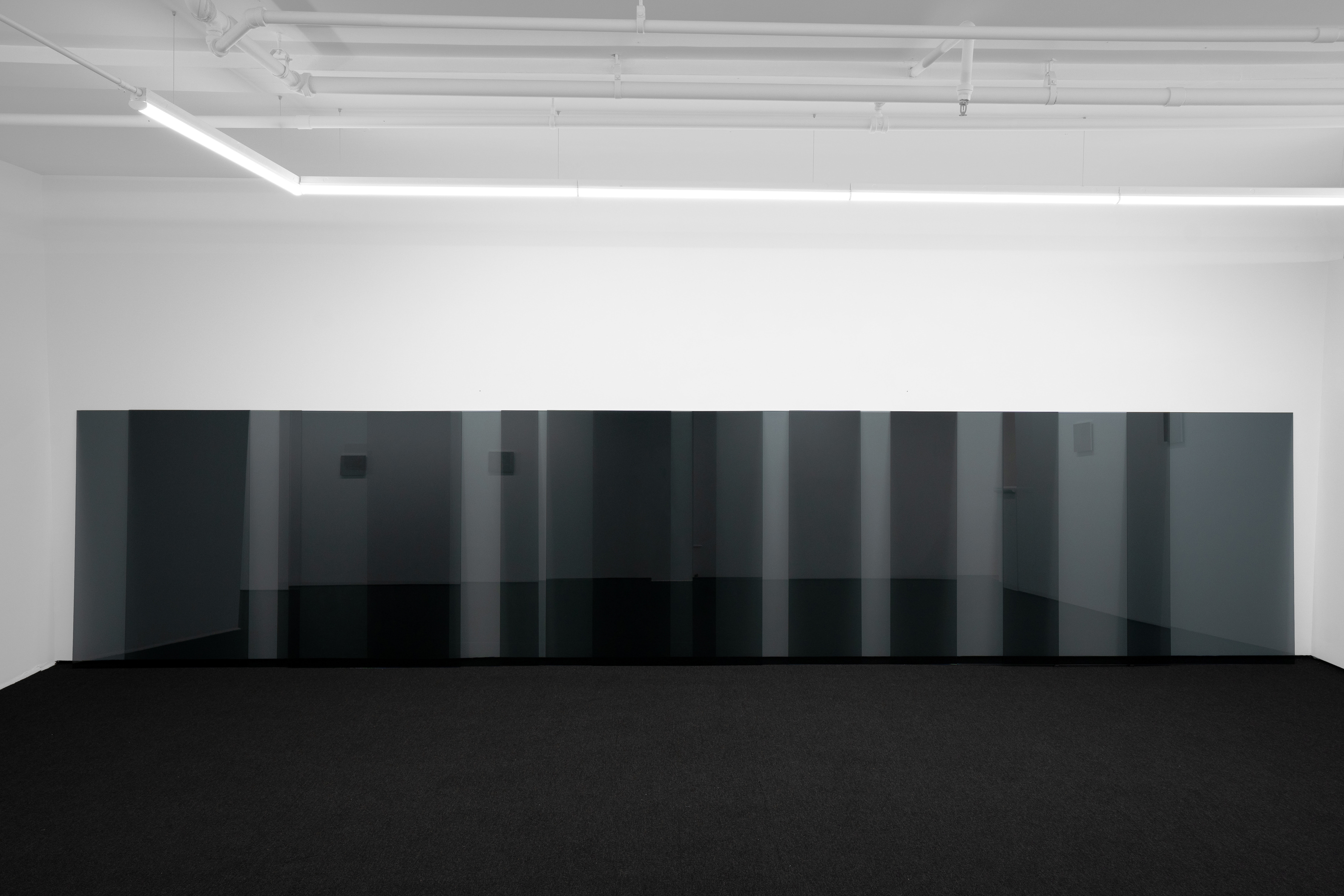
In garcía's while you were out, mending is explored through the lens of grief. An AC filter, once a tool for purifying air, becomes a witness to crying, collecting tears and condensation until it ceases to function. Encased in plastic, it continues to produce tears, which rot and develop mold, transforming into a decaying monument to loss. In their second piece, equianalgesic, garcía navigates the delicate balance of pain management—utility without overwhelming bodily function. The work snakes through space, seemingly defying gravity, evoking this precarious tension.
Castañeda's Clay Tablet examines the strain between the handmade and digital media. Earthly rocks, bearing the memory of geological time, contrast with flash drives that hold personal, documentary memories—perhaps at the earth's expense. Similarly, Reyes-Retana's work engages with obsidian sculptures and web-like forms, where obsidian functions as a mirror into invisible realms, including Terra Nullius—"nobody's land"—a concept historically used to justify the seizure of territories and the marginalization of civilizations under modernity's guise. This fiction created a global epicenter for politics, culture, and knowledge, while relegating other lands and communities to peripheral zones of violence and extraction.
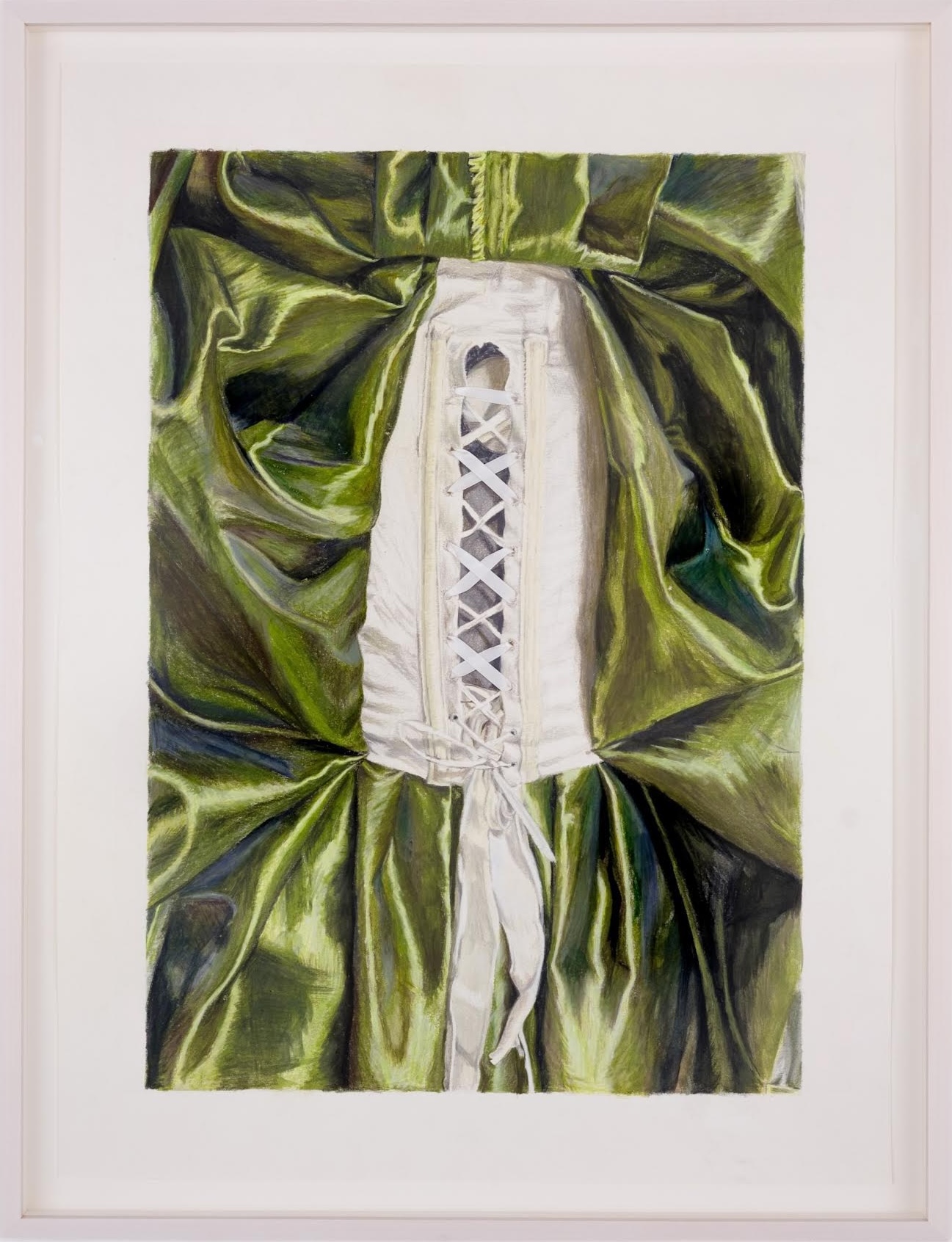
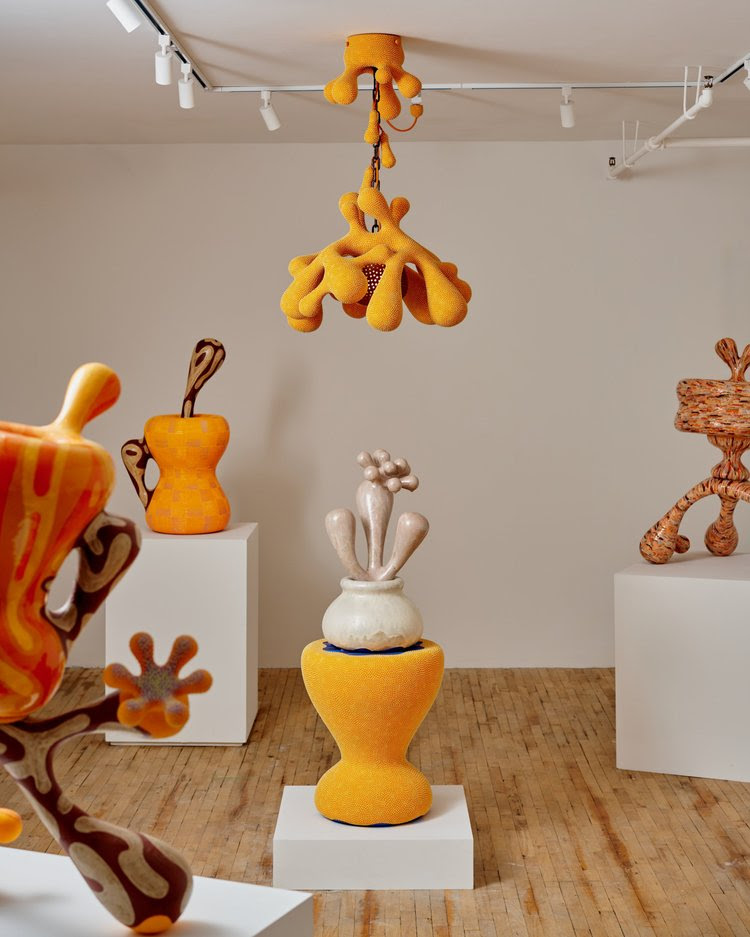
Saar's work methodologically explores mending through mold-making and collage. The mold-making process, which oscillates between carving out and adding material, is queered by Saar through the use of photographs depicting holes. These images create dimension and surface, subverting traditional notions of repair by constructing through absence. In Grix's work, a transverse wave, the chroming process similarly reflects the duality of destruction and repair. Chroming, which involves stripping or altering a material's surface to prepare it for transformation, exposes vulnerabilities as a precursor to renewal. The reflective, metallic coating reimagines and fortifies the object, embodying the tension between erasure and renewal. This dynamic complicates repair, preserving evidence of intervention while reasserting strength and possibility.
The works on display embrace this duality, exploring the subtleties of repair as both a means of imperfection and creating anew. Prosthetic Cavity focuses on the tension of decay and renewal.
—Brook Vann
Andrew Castañeda (b. 1991, Whittier, CA 1991) is a ceramic artist and photographer currently based in Boulder, CO. Andrew received a BFA in Ceramics from the Kansas City Art Institute and an MFA in Ceramics from the Pennsylvania State University. He has taught courses and workshops across the country, including most recently at Rocky Mountain College of Art and Design, Charlotte Street Foundation, and Harvard Ceramics.
A Grix (b. 1993, Freeport), is an artist, educator and independent curator whose work focuses on how bodies on the margins of society occupy space. They use ceramics and other materials to build connections between current and future worlds. Grix has been a resident artist at Penland School of Arts, NC, Bard College at Simons Rock, MA and has shown work recently at The Morean Art Center in St. Petersburg, FL, and the Dairy Art Center in Boulder, CO. Grix received their MFA from CU, Boulder in 2023, a post back at the University of Arkansas in 2018 and their BFA from Penn State in 2015.
Saar Shemesh (b. 1991, New York) is an artist and educator whose work complicates bodily, spatial, and emotional binary logics through architectural interventions, large scale installations, and text/ image-based studies. They call upon visual references like mucosal membranes and craters, to evoke visceral or destabilized feelings in viewers. Currently, Saar is a 2024-25 fellow at the NYPL Picture Collection, working on their long-term project titled "holes, wholes, and other voids," that weaves together research nodes from the studio such as mold-making terminology, geo- and cosmo-logical phenomena, architecture, biopolitical erotics, liberation philosophies, and disability to investigate holes as metaphysical sites of power. Shemesh has been an artist-in-residence at Visual Arts Center of Richmond, VA, RAIR Philly, PA, Franconia Sculpture Park, MN, and SOMA, Mexico City. Most recently, their work has been exhibited at Current Space (Baltimore, MD), Vox Populi (Philadelphia, PA), Artlot (Brooklyn, NY), and Virginia MoCA (Virginia Beach, VA). Shemesh holds an MFA in Sculpture and Extended Media from Virginia Commonwealth University and a BFA from Cooper Union for the Advancement of Science and Art.
larí garcía (b. 1994, Miami) reflects on the suspension within grief, precariousness, and loss while researching traditions of mysticism and ghostly matters. Recent exhibitions include Antenna, LAURA Gallery, Houston; Like a Crowd of Extras, Seven Sisters Gallery, Houston; Tela y Tijera y Ya, Projecto Pikaro, CDMX; Snowing, D.D.D.D., New York; fuck in bright light, Biquini Wax EPS, CDMX. garcía has attended residencies at the Core Program (Museum of Fine Arts, Houston), MASS MocA, Skowhegan School of Sculpture & Painting, and SOMA Summer. They received an MFA from Virginia Commonwealth University and a BFA from Columbus College of Art & Design. garcía lives and works in Houston, TX.
Jerónimo Reyes-Retana (b. 1984, Mexico City) is an artist and researcher examining contact zones where the techno-utopian mysticism of Western culture intersects with marginalized communities in Latin America. His work has been exhibited in solo shows at institutions and non-profit spaces, including the Museo de Arte de Ciudad Juárez (MX), Mario Kreuzberg in Basel (CH), and Big Medium and Co-Lab Projects in Austin (US). Reyes-Retana's participation in group exhibitions includes Otrxs Mundxs at Museo Tamayo in Mexico City, We Have All the Time in the World at Ucross in Wyoming, Negative Optics in the Netherlands, and the Texas Biennial, among others. His writing has been published by The Institute for Studies on Latin American Art (US); xCoAx: Conference on Computation, Communication, Aesthetics & X (PT); Centro de la Imagen (MX); and Toda la Teoría del Universo (CHL). He is a doctoral candidate in Emergent Technologies and Media Arts Practices at the University of Colorado Boulder (US) and holds an MFA in Sculpture + Extended Media from the University of Texas at Austin (US).