
Ended
Ambient Commons
Sep 7 – Oct 7, 2018
Loney Abrams & Johnny Stanish
Shireen Alia Ahmed
American Artist
Theodore Darst
Cole Lu
Luke O'Halloran
"Stasis happens as a perpetual transition between the private and public spheres... [It] acts as a mechanism that converts the 'cosmo' of 'cosmopolitan' into 'corporate' and the polis into property."
- Hito Stereyl, Duty Free Art
The ambient commons refers to the embedded design elements of our built environment that affect how we think, behave and orient ourselves to the world. Today, the constant technological mediation of these social and civic infrastructures (screens, networked objects, “big data”) has created a competitive, transactional atmosphere in which attention and experience is fractured. If we consider the ambient commons as a field of power relations, what does it look (and feel) like when the environment in which we establish and experience presence is increasingly mediated and even generated by technologies?
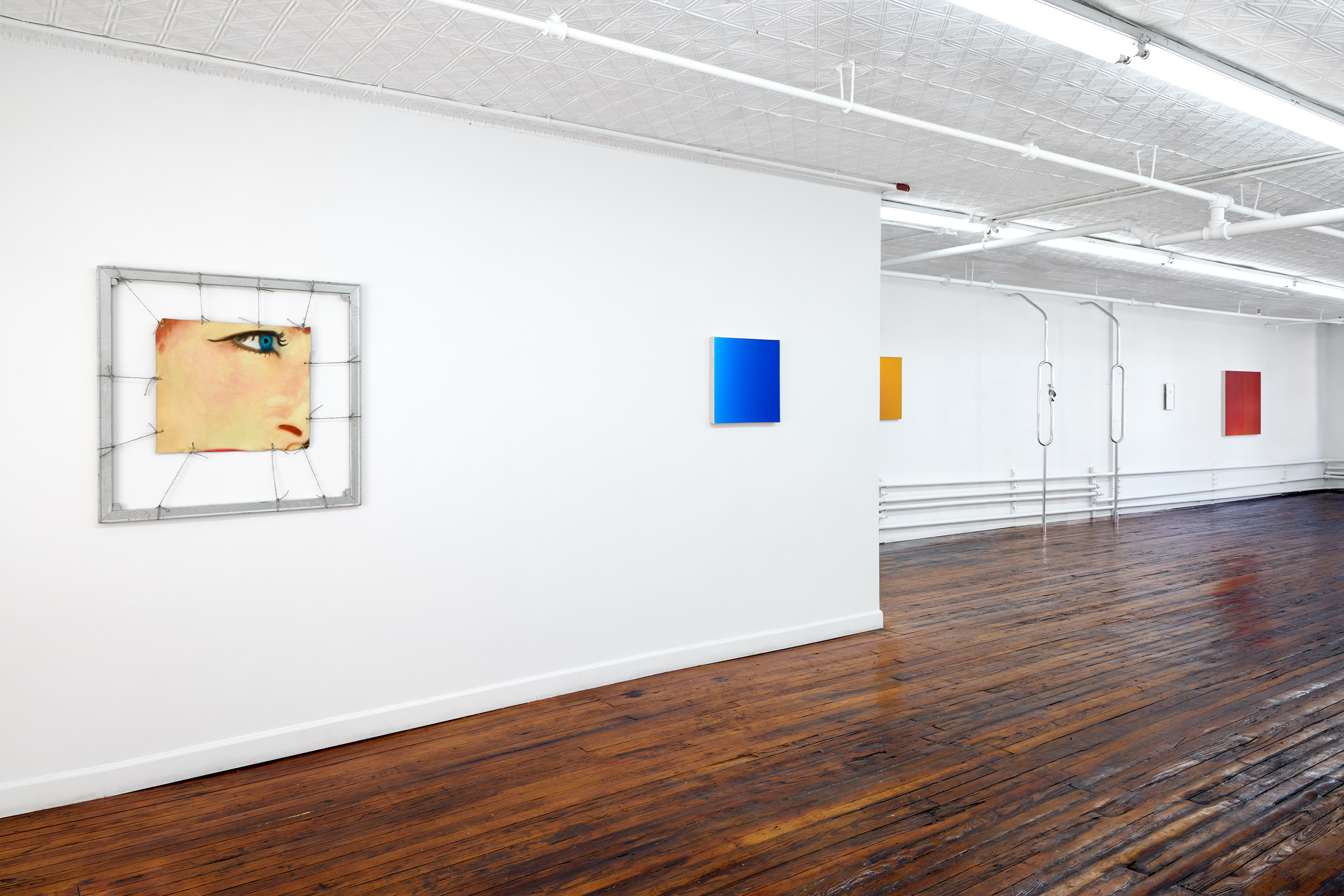
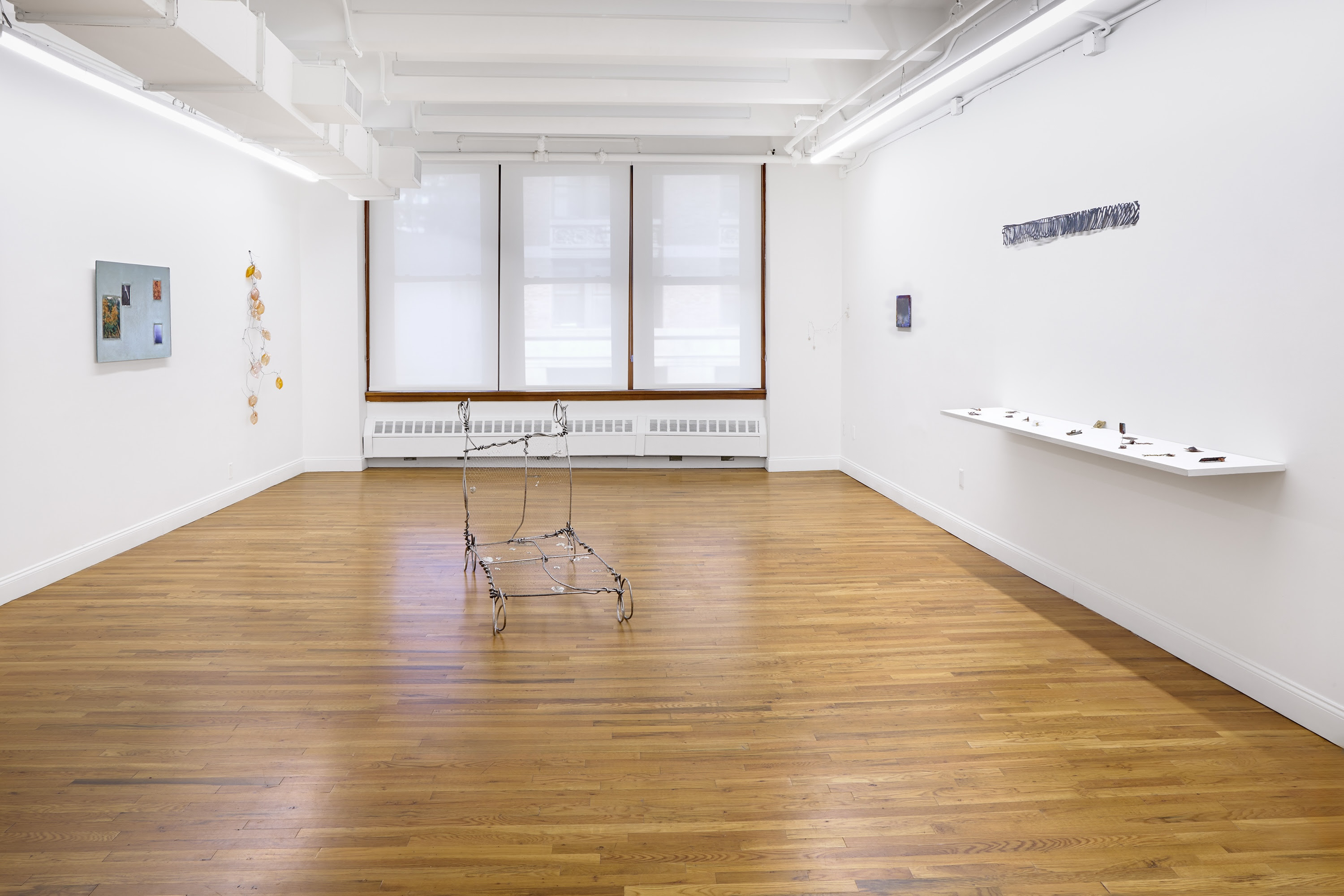
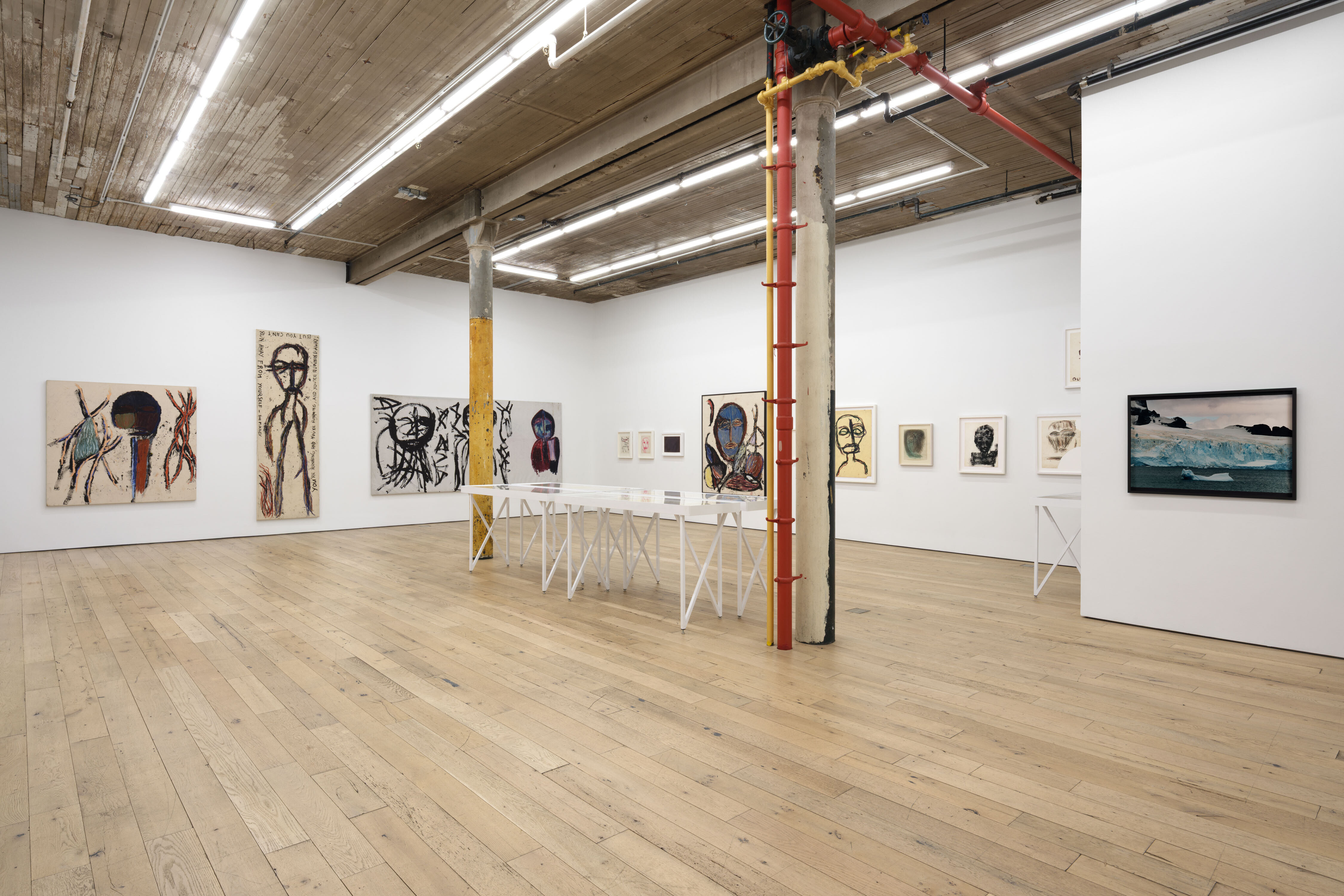
The works in this exhibition were created under these destabilizing conditions, and they alternately embody, address or respond to them. They repurpose and reproduce tools used to navigate space and contextualize experience; they harness pathos specific to the moment using the means of the moment; and they speculate on futures wherein technology and design extend their reach into the biological.
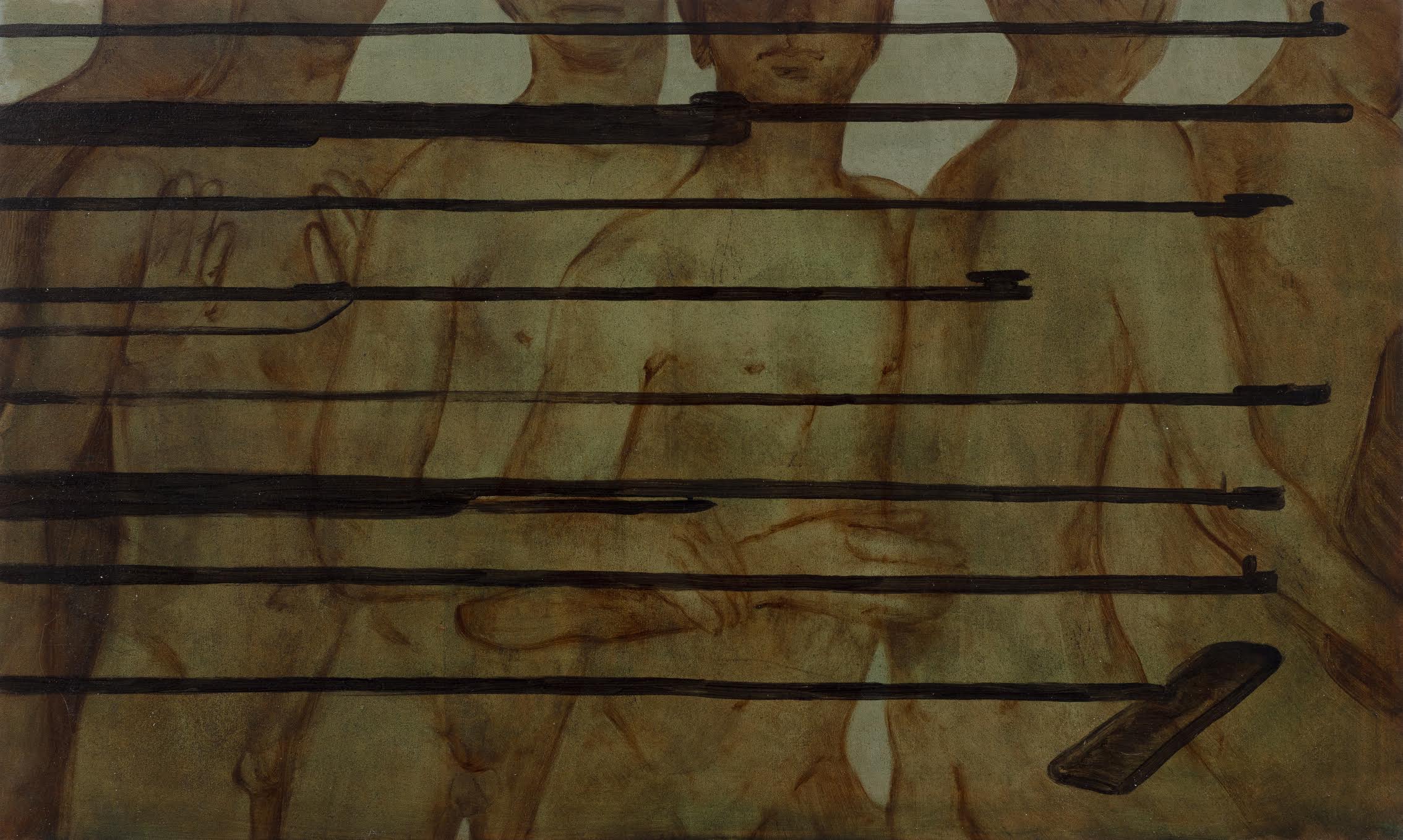
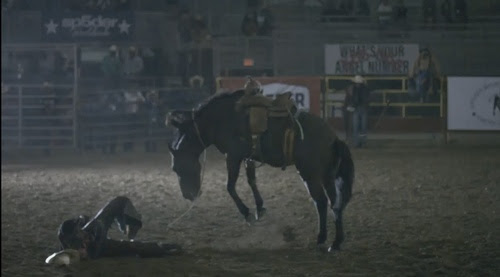
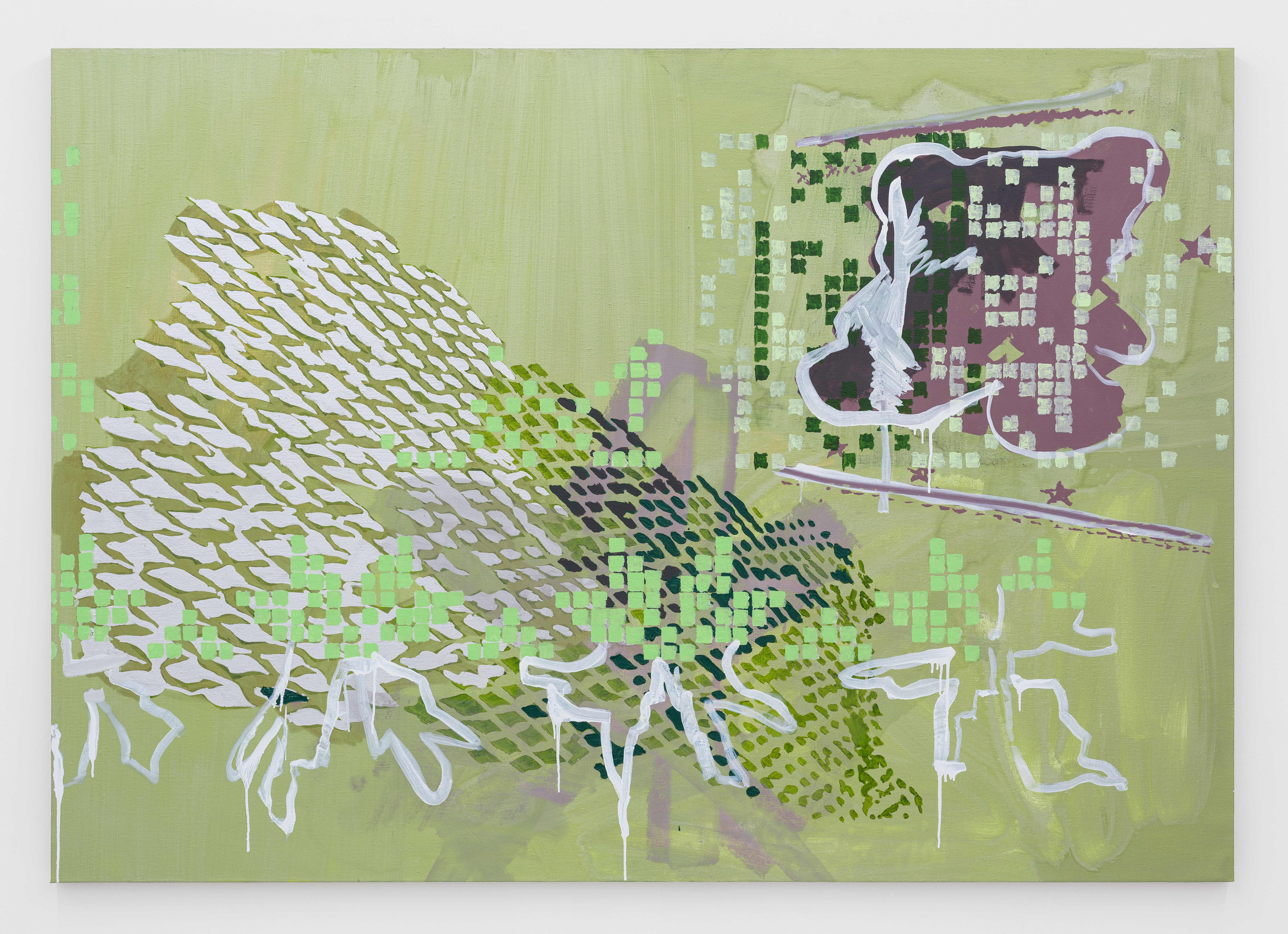
Cole Lu’s found object sculpture spatially recontextualizes a swimming pool safety ladder; American Artist recreates a paper sign used to direct tours of the Underground Railroad to “Freedom,” examining the result of feeding the term, loaded with historical specificity, through today’s ubiquitous word processing software. Theodore Darst uses iPhone software to layer imagery, figural sketches and text to create lush digital surfaces, exemplifying the capacity of a smartphone to radically redefine both personal and work space. Shireen Ahmed similarly maps personal expression onto net sourced moving images and audio. Luke O’Halloran’s slot machine windows here gesture toward the addictive qualities of contemporary media as well as represent a certain optimism concerning fate and jackpots that characterize the modern psyche, ever intent on achieving the good life through consumption. Loney Abrams and Johnny Stanish’s speculative advertisements display pharmaceutical products on handmade paper. These ads deliver content targeting the ideal hyper-capitalist consumer subject of the future, but do so using material processes common to anti-capital survivalist communities, highlighting two demographics in stark ideological contradiction with each other.