
Ended
Metropolis
Jun 28 – Aug 11, 2024
Faina Brodsky
Sarah Cohen
Joseph J. Greer
David Moy
Alison Peery
Fritz Lang’s 1927 silent film Metropolis presents a dystopic, authoritarian representation of urban life where industry leaders and their families live in a near-utopian state while the majority of the population toils in underground factories that appear to exist only to fuel their own oppression. Filmed on set within the emerging Bauhaus and art-deco architecture of Weimar-era Berlin, inspired largely by New York’s nascent and intimidating skyline, and characterized by highly elaborate set designs and severe monochromatic art direction, the Metropolis of Lang’s early sci-fi masterpiece is personified in the form of a murderous automaton disguised as a familiar city resident whose internal sabotage results in radical social transformations.
While the political intent of this futuristic vision was never entirely articulated—at times Metropolis was both lauded and condemned as leftist propaganda—like many subsequent films in the sci-fi genre, audiences saw much to relate to about the present in Lang’s sibylline narrative. The film supposedly took place in the year 2000—a date that served as the backdrop for many unrealized doomsday prophecies—but contemporary viewers might still identify the iconography with the workaday bustle of today’s Metropolis where earnings are constantly outpaced by expenses and Machiavellian office politics and techno-mundanity occupy the greatest percentage of the urban dweller’s waking life. Yet while Metropolis is most often remembered for its brazen cinematography and anticipatory science-fiction aesthetic, much of the plot focuses on the love interests of the story’s central characters, emphasizing that within the seemingly deterministic forces of the city’s pervasive economic networks, everyday citizens continue to pursue genuine experiences independent of the machinations of power. To be Metropolitan even connotes a level of urbanity that allows citizens to navigate these complex social systems with self-assumed style, ambition, and autonomy.
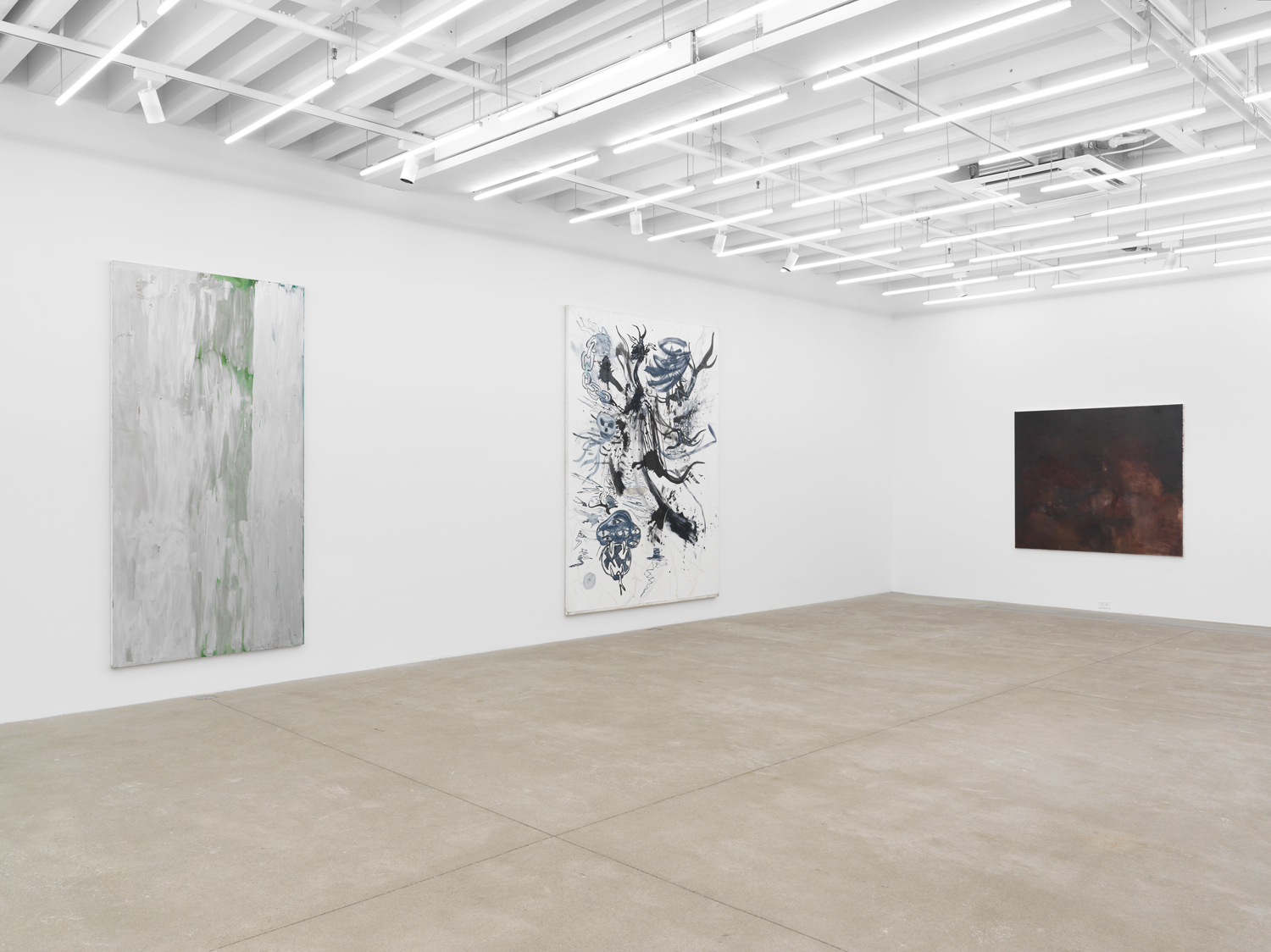
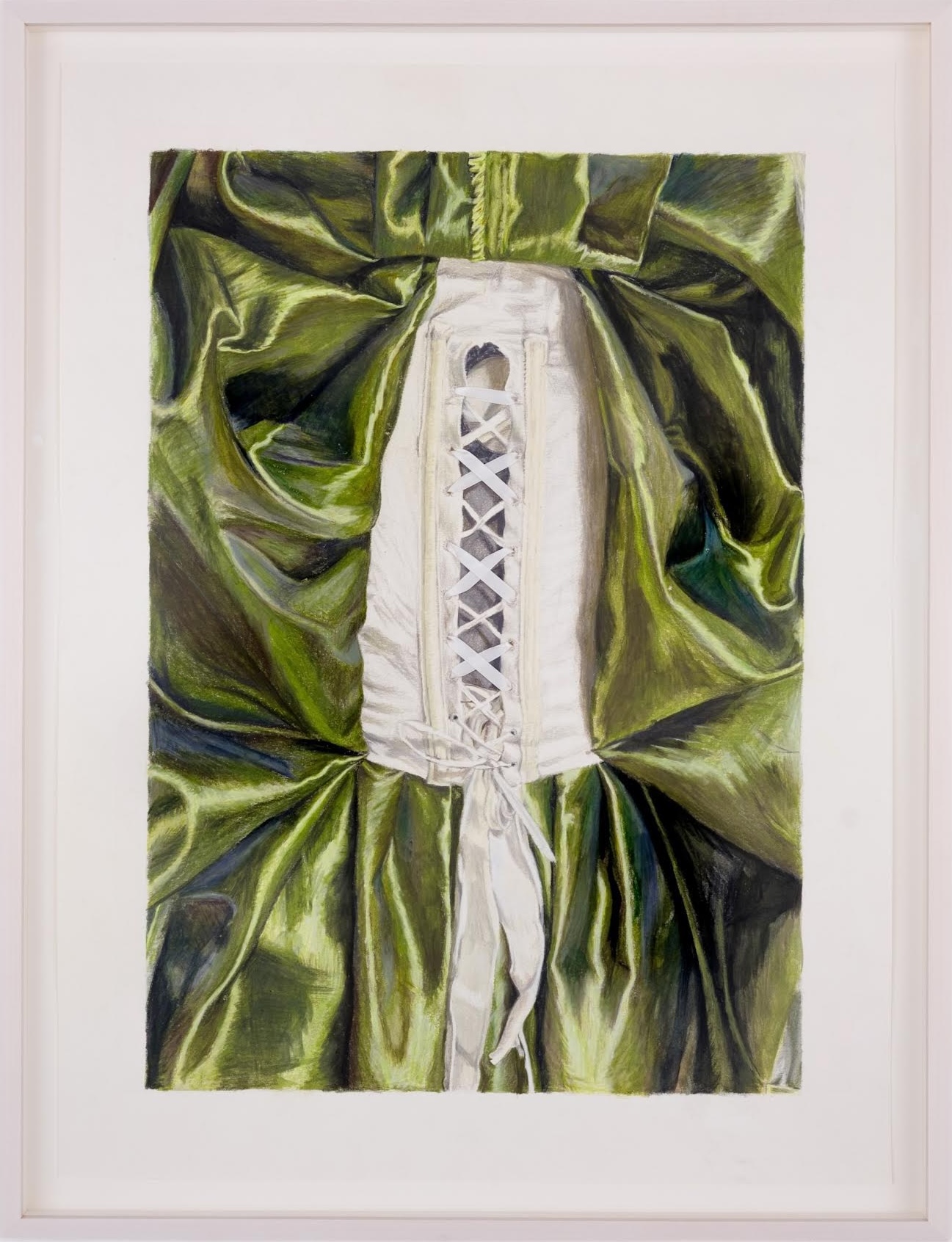
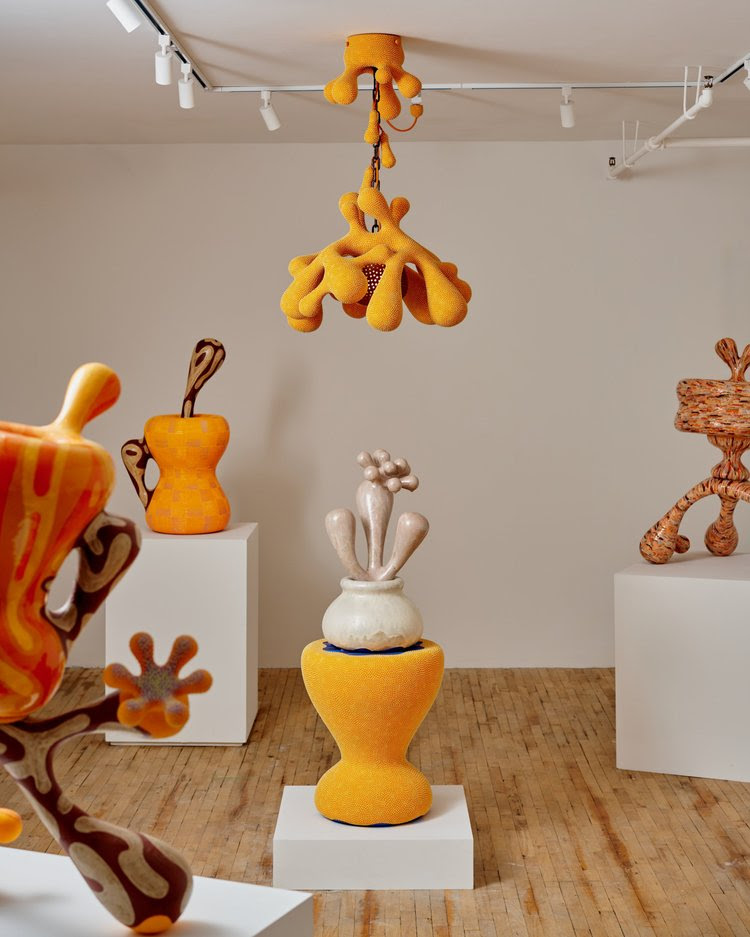
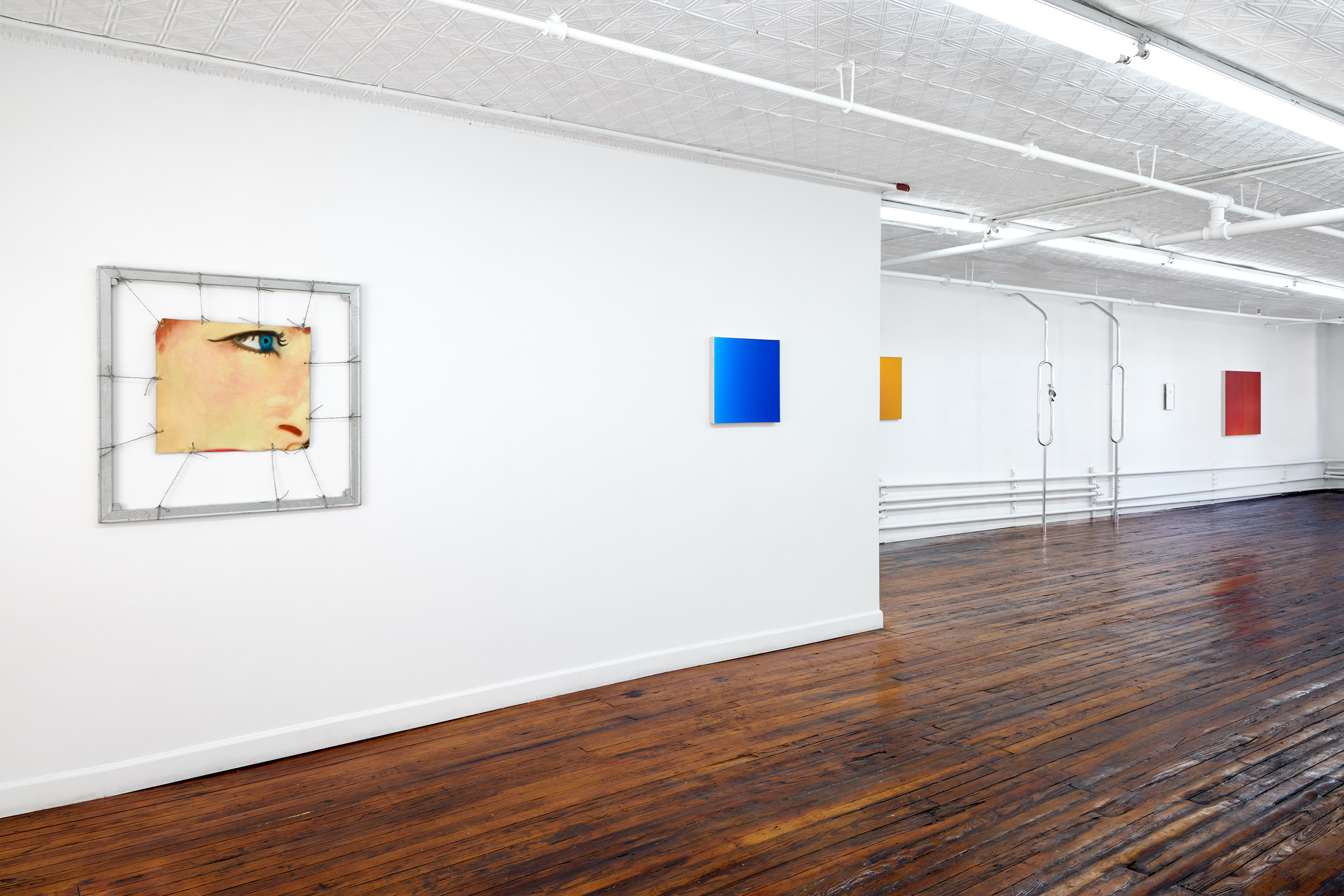
Inspired by the content and visual aesthetic of Lang’s Metropolis, each artist in this exhibition considers the nuances, subtleties, emotions, and challenges of living under the omnipresence of the city’s dominion, and the human interactions and frequent triumphs that counteract the evident feeling of systemization within an urban landscape. While the architectural design of modern cities often presents itself as a mechanism of control and isolation, paradoxically the city is a space of unending community dialogue, political protest, and cultural dynamism. Today’s international urban-center is populated as much with callous board-room decision-making and institutional bureaucracy as it is with bucolic parks, displaced wildlife, obvious social defectors, and highly coordinated cultural dissent. Between the skyscrapers and subway tunnels of a contemporary city exists a populace intent on re-imagining the purpose of our governing bodies, even while knowing our attempted subversions might still reinforce our subservience to the contemporary Metropolis.