
Ended
Friedemann Heckel & Philipp Roessle
Softhits
Jun 23 – Jul 31, 2015
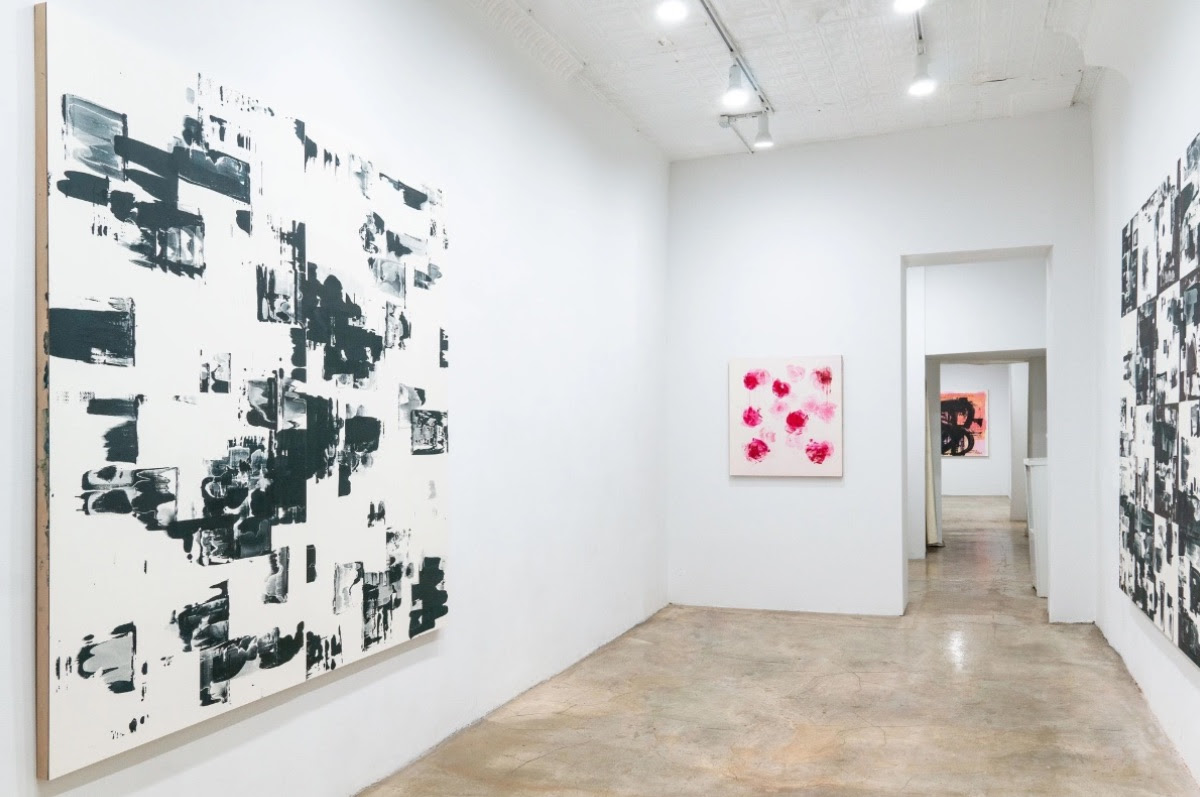
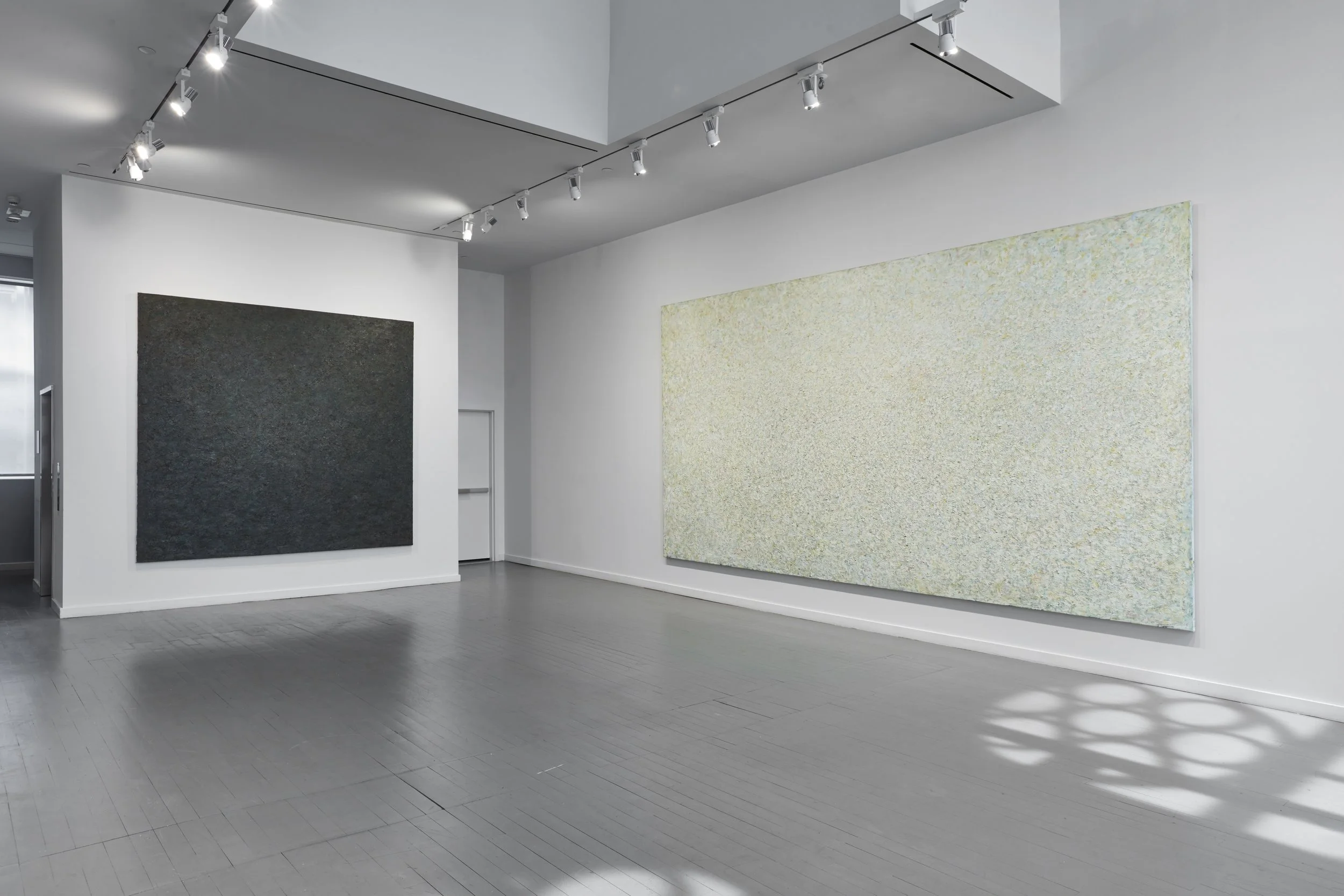
D&F Contemporary is excited to present Softhits the first US exhibition of Berlin-based artists Friedemann Heckel and Philipp Roessle. The show reflects Heckel and Roessle’s friendship and artistic rapport through carefully chosen pairings of works by each artist, filled out and expanded by collaborative pieces they made together. All of the work has been produced while the artists have been living and working together in New York, and extends longstanding conceptual and formal concerns they share, such as architectural space, the urban environment, travel and the circulation of people, objects, and images, and the gestural mark.
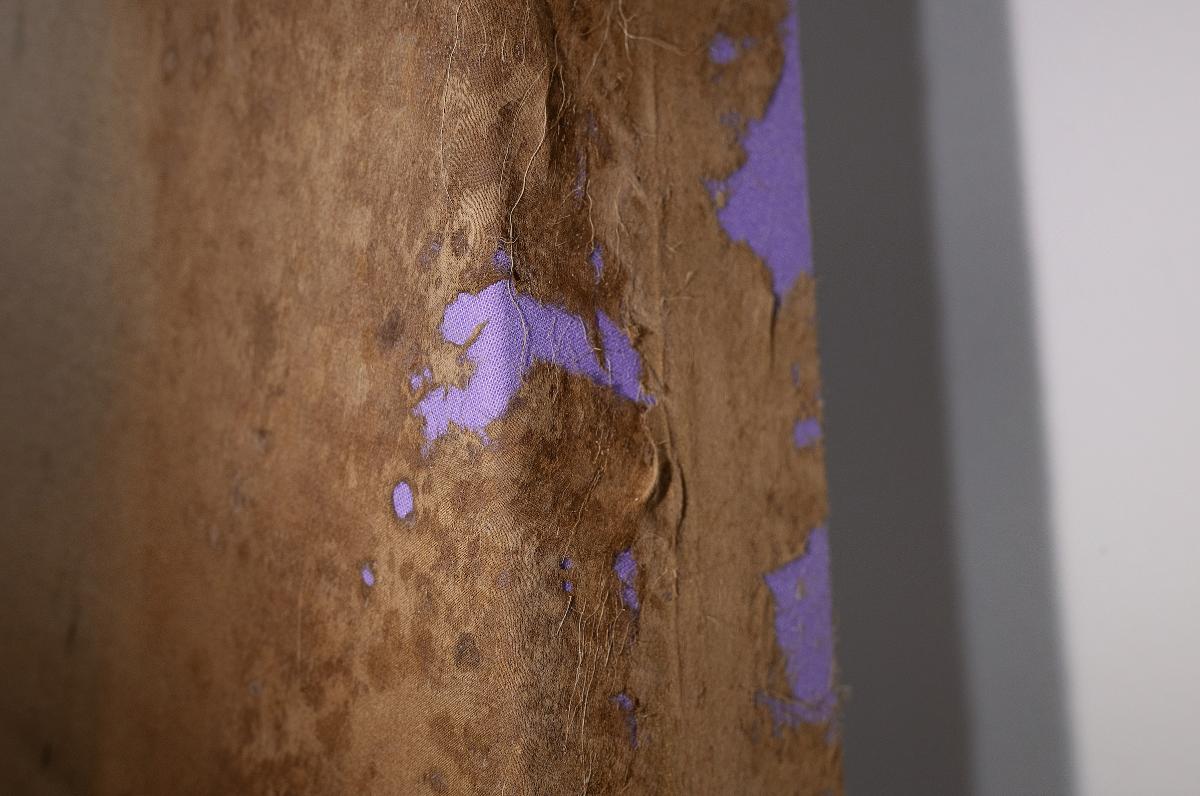
On the ground floor Roessle exhibits four inkjet prints on linen based on his watercolors of worn ancient Roman flags, which he saw and photographed on a recent trip to Italy. The different mechanical processes Roessle has subjected these flags to—from conversion into a cameraphone image, to its degradation and manipulation through inkjet printing onto canvas—mimes the aging of these objects, even as it also freezes their decay in a single moment, that of the painting image, as they enter into the sanctified and protected space of art.
These are displayed alongside four of Heckel’s ink drawings on canvas. Heckel’s wall works are the same size as Roessle’s prints on linen, and his dizzying, allover linear agglomeration of marks, figures, and text draw out the gestural elements of the works by Roessle beside which they hang, drawing attention to the marks made by Roessele’s hand, via the mediation of the machine, as he moves and directs the digital image through the printer. Where Roessle’s work suggests a focused, if sometimes dream-like view out of a window, emphasized by his regular recourses to the device of the grid to structure otherwise often organic forms, Heckel conjures the direct, immersive automatic drawing tradition of Surrealism with his palimpsistic reverie of both competing and intertwining figures, marks, and text. In this way Heckel breaks down written and graphic language alike into fragmented gestures. A series of signs trapped midway in the process of signifying.
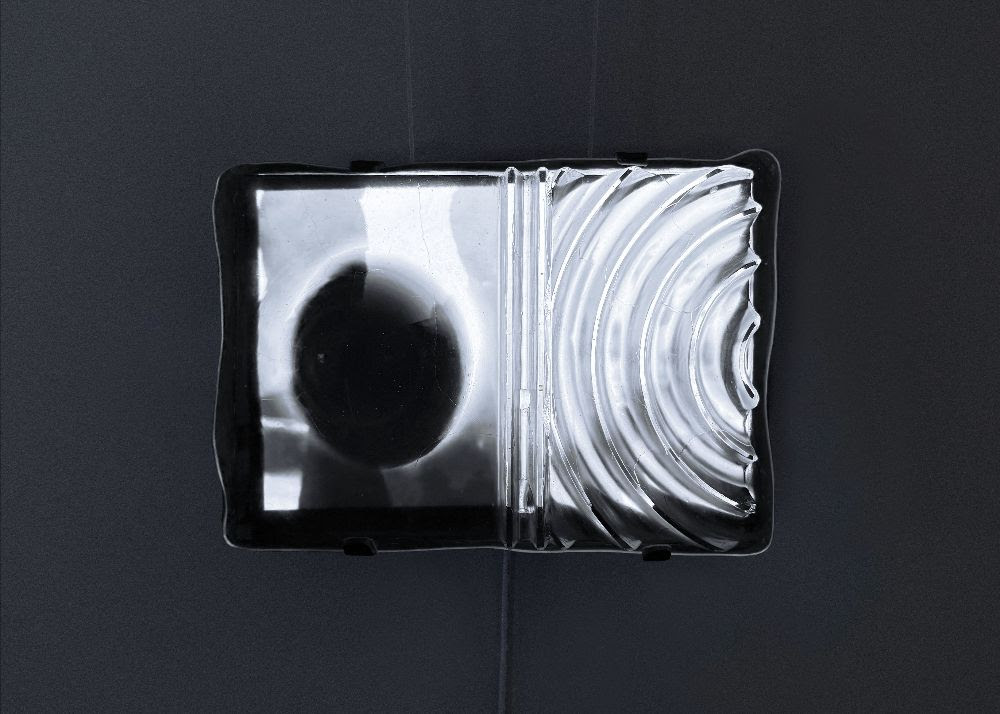
In the lower level of the gallery the distribution of more mechanical and more expressive work is reversed. With us finding watercolors by Roessle featuring the evocative and intuitive “analog” templates of the images that are printed on canvas upstairs. While Heckel translates his graphic drawing practice, seen upstairs on linen, to etchings on glas panes downstairs. Both artists are interested in the differences between presenting the same aesthetic language in various ways, and also in how this language morphs and shifts as it circulates. For example, in Heckel’s work the snippets of text and image that find their way into his pen drawings on linen and etchings on glass suggest the incursion of the world into art, as fragments of the city—its signage, windows, and graffiti, for example—filter through the edges of our consciousness.
Roessle and Heckel’s vocabulary shares in common a fascination with both the formal languages of art, but also the readily accessible semantics of the urban environment, which each artist mines as material for his art. This includes everything from graffiti, to advertising, to tattoos, and also their interest in the spaces, materials, and bodies on which these images are found and through which they move. As such, for both Roessle and Heckel this material is not a static entity, but rather, like the “soft hits” we might hear in the background as we stroll through a mall or wait in a doctor’s office, a shared vocabulary of possible meanings that are both personal and universal.
- Alex Bacon, 2015