
Ended
Jennifer Carvalho
Vestige
Apr 1 – May 3, 2026
Jennifer Carvalho
Ben Cowan
Fabiola Jean-Louis
Abbey Muza
Images rarely stay still. They travel—across time, across material, across hands—carrying fragments with them, shedding others, returning altered. Vestige brings together Abbey Muza, Jennifer Carvalho, Ben Cowan, and Fabiola Jean-Louis around this sense of the image as something in motion: not fixed in the past, but continuously re-formed in the present.
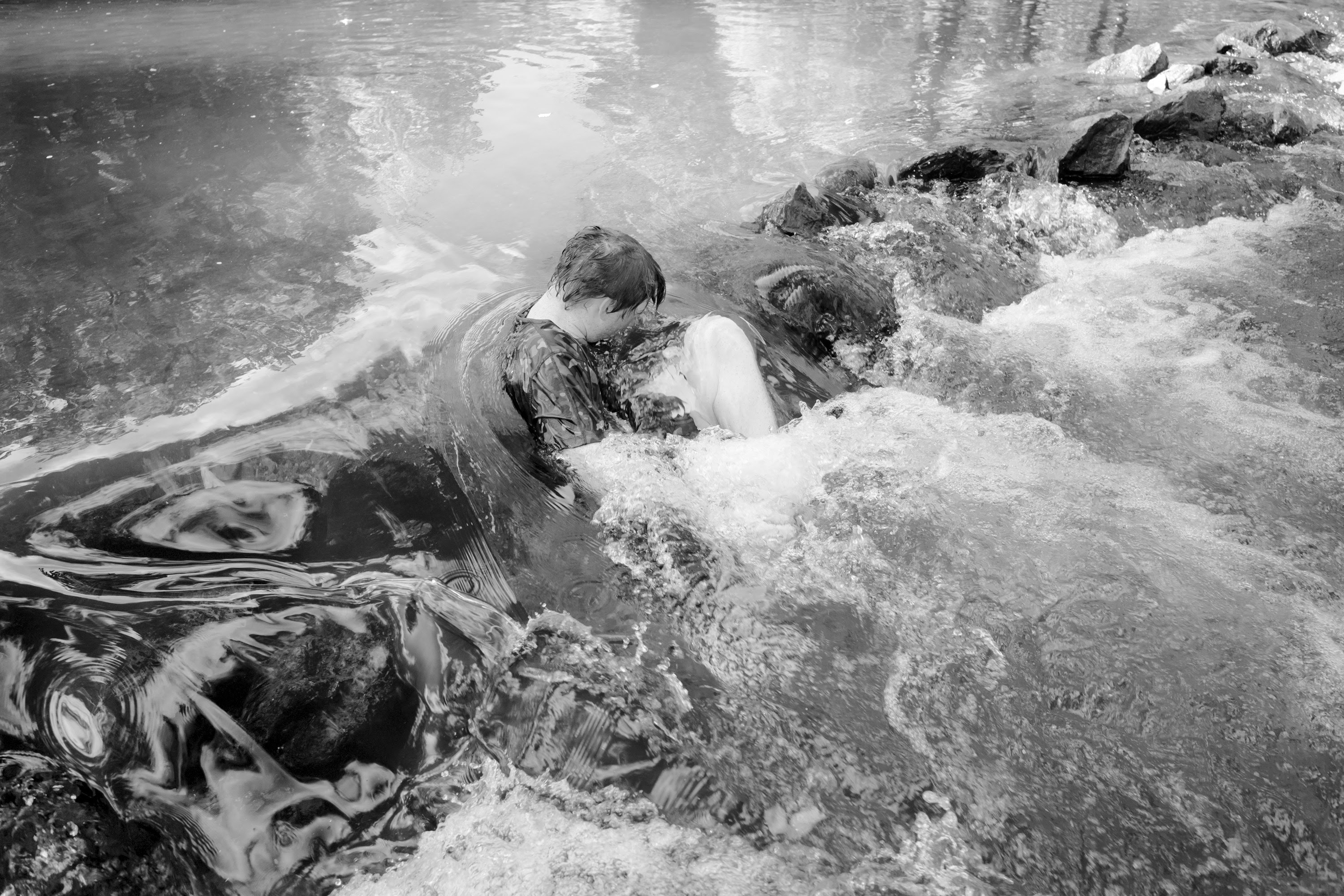
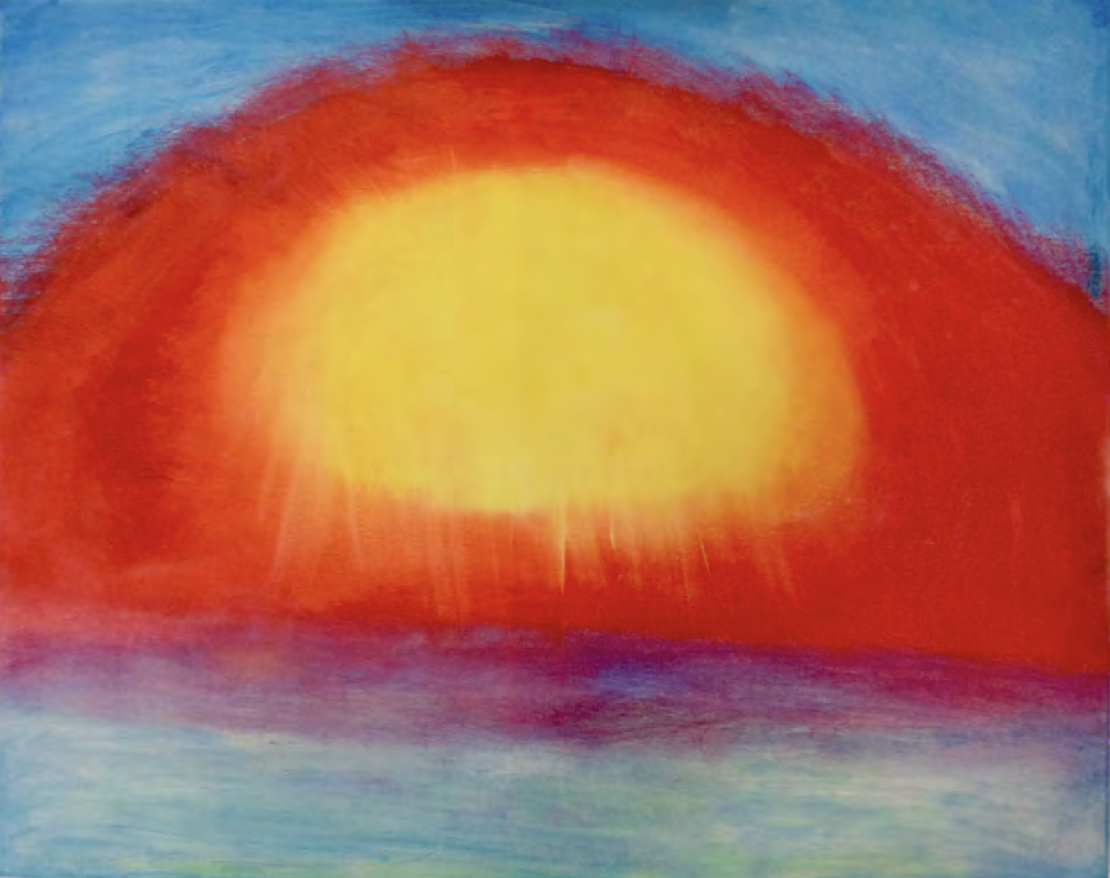
At its center, a new body of work by Abbey Muza unfolds as a kind of woven language. Drawing from medieval Apocalypse tapestries and the symbolic systems of midcentury artist Jean Lurçat—alongside contemporary strategies of encoding and signaling—their dye-printed textiles hold images as they pass between clarity and abstraction. Ferns, fire, water, stars: forms that have carried meaning across centuries reappear here as signals—of renewal, warning, environmental precarity—while also remaining open, unstable, and in flux.
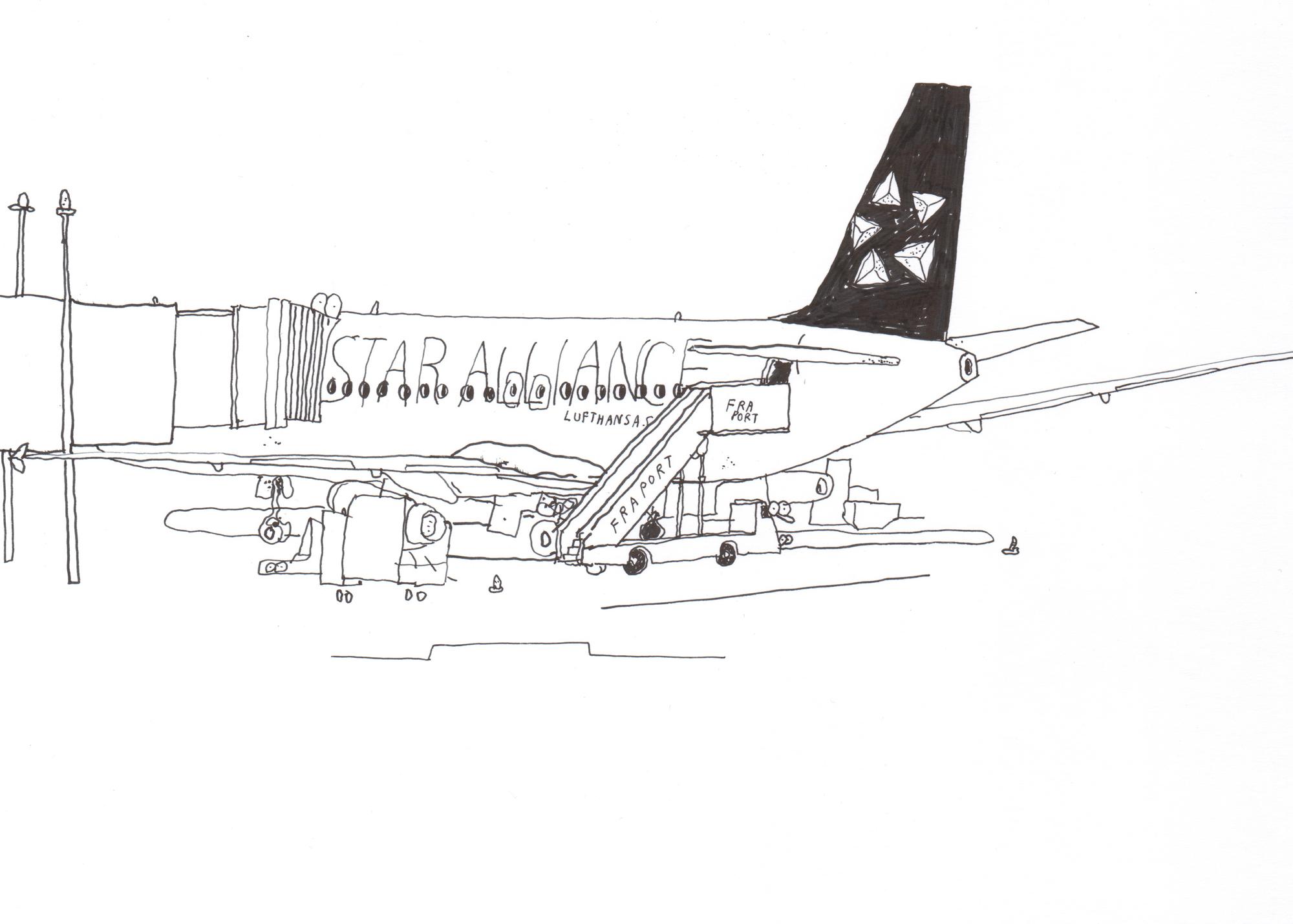
Muza’s process is both deliberate and responsive. Imagery is painted onto silk threads before weaving, so that as the cloth is formed, the image shifts—softening, misaligning, or dissolving into structure. Woven in doublecloth, each textile holds two layers at once, binding surface and ground together. The works are divided into quiet, stacked frames that isolate and re-sequence fragments, as if time itself were being edited into parts. Alongside them, a series of drawings returns to these forms—reframing, tracing, or clarifying what the woven image leaves unresolved. Meaning moves between them, never fully settling.
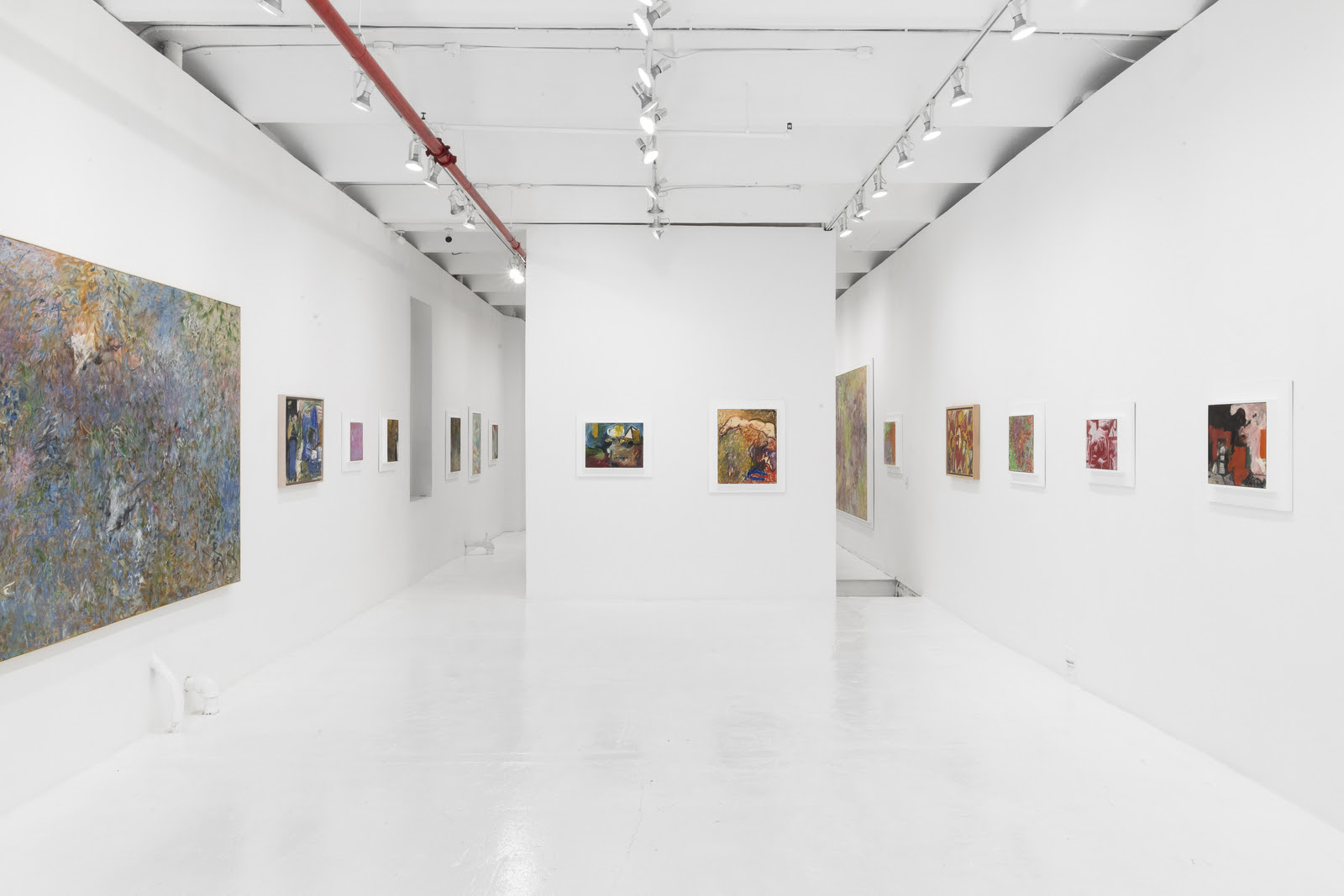
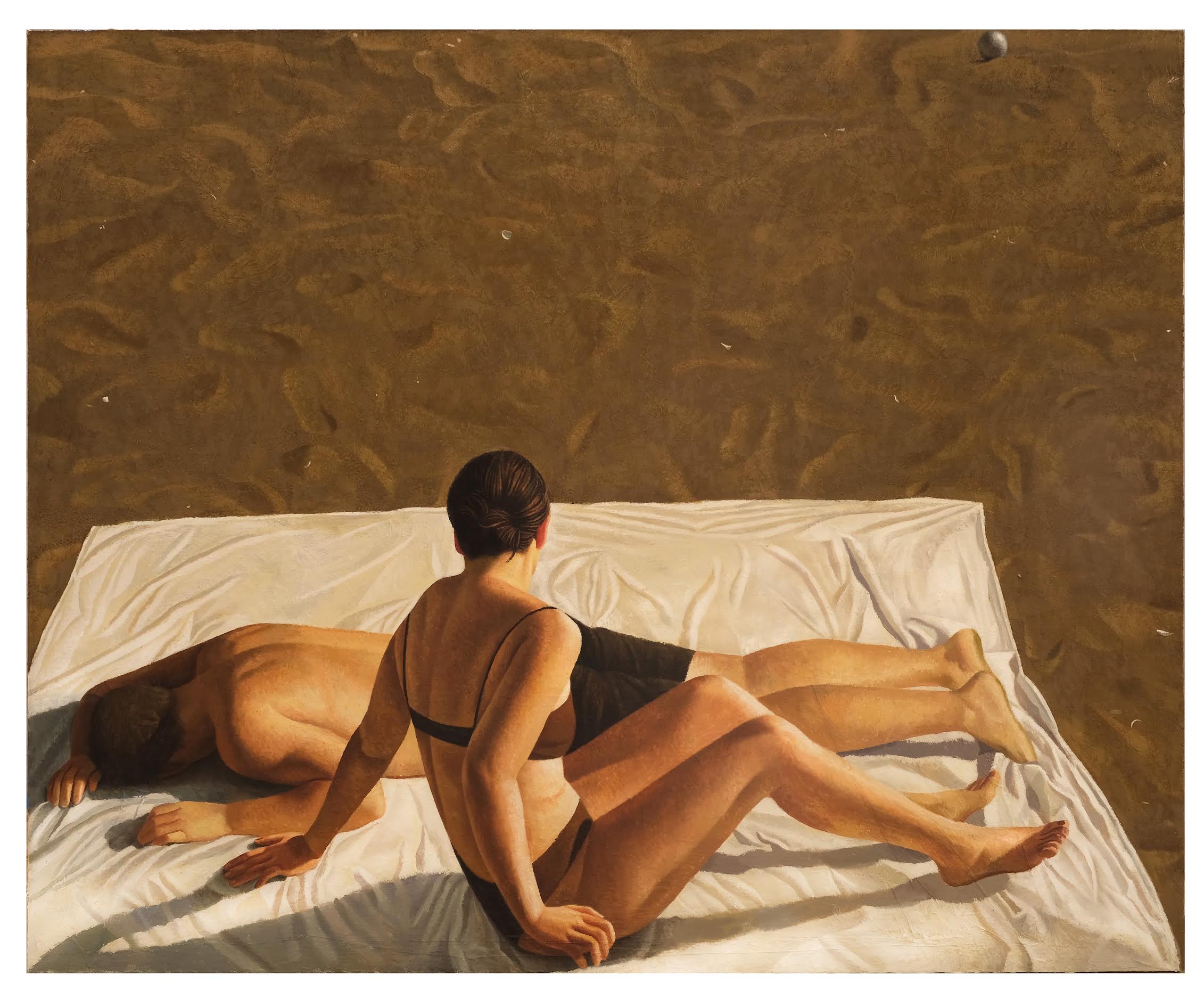
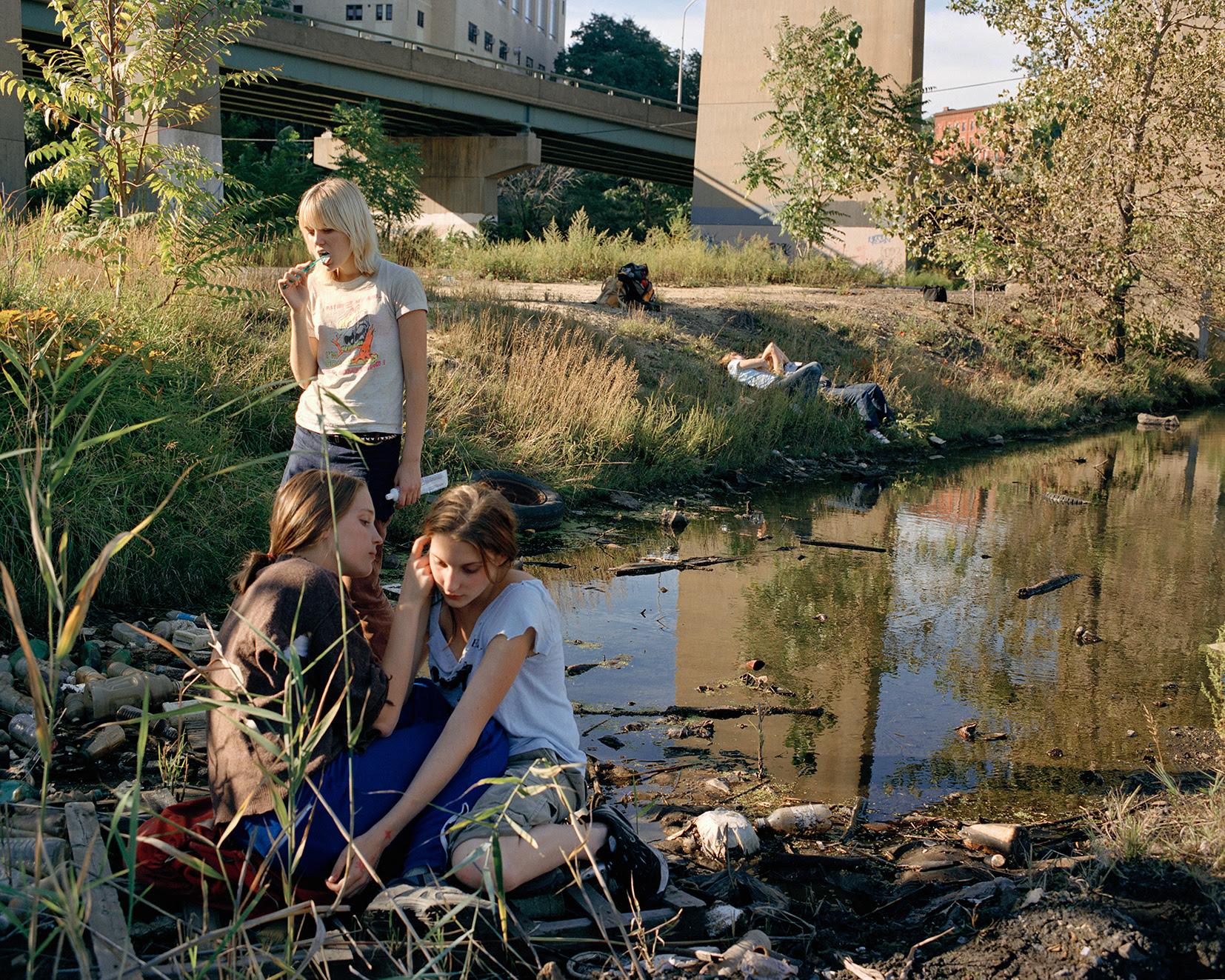
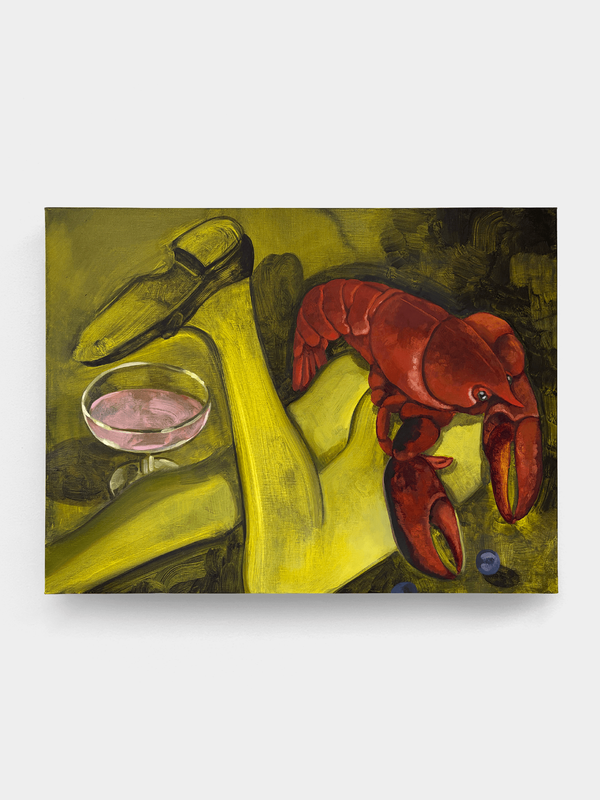
This sense of the image as something held in suspension continues throughout the exhibition. Jennifer Carvalho’s paintings gather references that feel half-remembered—Antiquity, Renaissance composition, cinematic space—layered into shallow, luminous surfaces where forms emerge and recede at once. Ben Cowan’s works compress Christian iconography into intimate, carefully framed scenes, where botanical forms and sacred figures share the same visual weight. His frames, echoing Gothic architecture, extend the image outward, shaping how it is held and encountered.
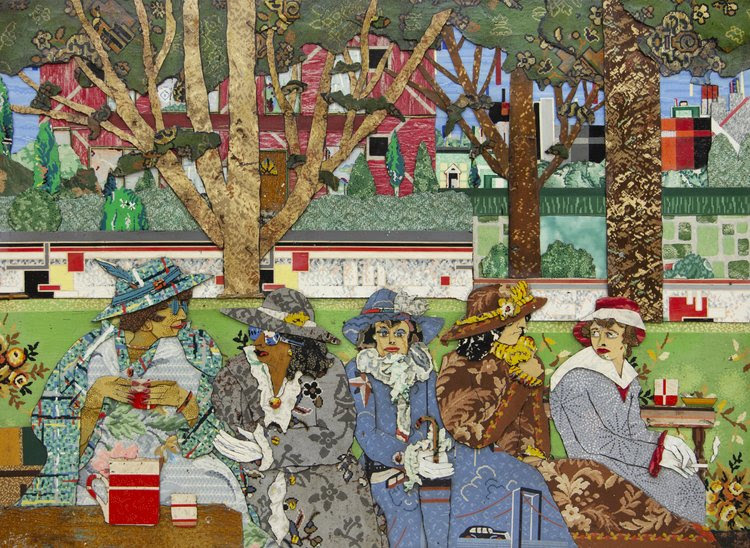
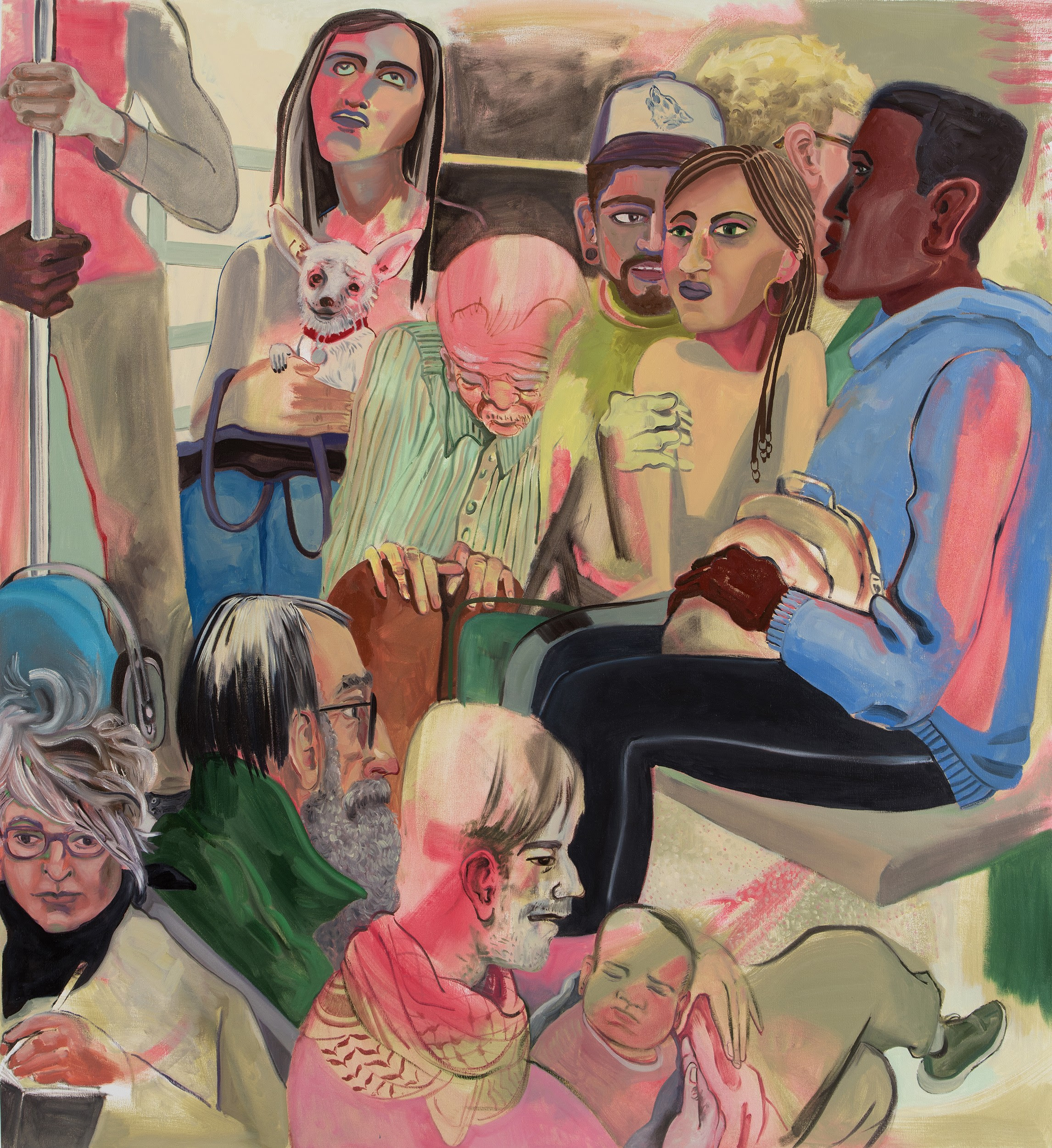
Fabiola Jean-Louis approaches the image as both revelation and concealment. Drawing from baroque portraiture, myth, and diasporic histories, her figures appear as Lwa (spirits), rendered in the visual language of medieval European devotional books. In one work, the Haitian Creole phrase “Verite a dwe kache nan je klè”—“The truth must be hidden in plain sight”—points to the survival of Haitian Vodou through its entanglement with Catholic imagery during and after enslavement. Here, images carry what they show and what they protect, holding layered histories within a single surface.
Interwoven with these works are a manuscript and a group of miniatures spanning the late medieval and Renaissance periods. Rather than serving as historical backdrop, these objects remain fully present—intricate, self-contained works that insist on their own terms of attention. A Book of Prayers woven entirely in silk (Lyon, 1889) translates the language of illumination into textile, echoing the exhibition’s concern with how images shift across medium. Nearby, a heraldic device flanked by personifications of Justice and Temperance (Austria, c. 1550–1600), a Renaissance initial depicting a blessing pope (Italy, c. 1510), and a luminous leaf of Saint Mary Magdalene (France, c. 1510–1520) each hold compressed worlds of symbolism, devotion, and patronage. Their surfaces—worked with gold, pigment, and script—reward sustained looking, unfolding slowly rather than yielding all at once.
Placed in proximity, these works do not illustrate a lineage so much as share a condition: images made to endure, to carry meaning across time, and to be continually re-encountered. They ask for attention not as relics, but as active participants in the present.
Vestige lingers in what remains: fragments, symbols, impressions that persist and shift. Not the image as it once was, but as it continues—threaded through time, held in material, and always, quietly, becoming.
Jennifer Carvalho (b. 1980) lives and works in Toronto. graduated from University of Guelph in 2013. Recent exhibitions include Helena Anrather, New York; Franz Kaka, Toronto; Palmer Gallery, London; WOAW Gallery, Hong Kong; Montreal Museum of Fine Art, Montreal; and The National Gallery of Canada, Ottawa. In 2020 Carvalho was an artist in residence at The Banff Centre, Banff, AB. Carvalho has been awarded numerous prizes including Toronto Arts Council Visual Artist Program, Toronto Arts Council; Research and Creation Grant, Canada Council for the Arts; and The Elizabeth Greenshields Foundation Grant. Carvalho is in the public collection of the Art Gallery of Hamilton, Hamilton, ON.
Ben Cowan received a BFA from the School of the Art Institute of Chicago and an MFA from Indiana University. Cowan’s work has been shown in solo and group shows throughout the United States including New York City’s Deanna Evans Projects, 550 Gallery, The Painting Center, and Spring Break Art Show. He has been featured by Manifest Gallery’s International Painting Annual and The Brooklyn Review, and also mentioned in articles from cultbytes, The Wall Street Journal, and Vice. Cowan’s work is in private and public collections including The University of Scranton, Ann Arbor District Library in Michigan, and The Rockefeller Archive Center in Sleepy Hollow, NY.
Fabiola Jean-Louis (b. 1978, Port Au Prince, Haiti) lives and works in Brooklyn, NY.. Her work has been exhibited at the Isabella Stewart Gardner Museum, Boston; Andrew Freedman Home, Bronx, NY; Lux Art Institute, San Diego, CA; DuSable Museum of African American History, Chicago, IL; and the University of Central Arkansas where she was also an Artist-in-Residence. In 2021, The Metropolitan Museum of Art commissioned a paper sculpture for a two year exhibition, Before Yesterday We Could Fly: An Afrofuturist Period Room, making her the first Haitian, female artist to show in the institution. That same year, the Yale Beinecke Rare Books and Manuscripts Library, acquired her entire Rewriting History print collection. Jean-Louis’s series, Atonement, has been featured in several publications including the New York Times, Architectural Digest, Vogue, Elle Decor, Huffington Post, Chicago Tribune, Modern Luxury, Artnet News, Art Critical, Hyperallergic, Atlanta Art Constitution, Chicago Sun Times, The Fashion Journal, and The Haitian Times.
Abbey Muza (b. 1993) lives and works in Philadelphia. They received their BFA from the School of the Art Institute of Chicago and their MFA from the Tyler School of Art and ArchitectureThey have shown their work in solo and two-person exhibitions at spaces including Tusk, Slow Dance, and the Fondation des États Unis. They have been an artist in residence at ACRE, Tusen Takk, and Alternative Worksite, and have been a Fulbright France Harriet-Hale Wooley Awardee, a Leroy Neiman Fellow at the Oxbow School of Art, and a Visiting Artist at the École Nationale Supérieure des Arts Décoratifs in Paris. Muza has received numerous awards and grants, including a Arthur King Peters Fulbright Award, a Jumpstarter Grant from the Society of Arts and Crafts, and artist’s grants from the cities of Chicago and Philadelphia.
Slip House extends its thanks to Les Enluminures (Chicago and Paris) for their collaboration and for consigning the manuscript and miniatures included in Vestige. Founded in 1991 by art historian Sandra Hindman, Les Enluminures specializes in medieval and Renaissance manuscripts, miniatures, and early works on parchment. With galleries in Paris, and Chicago, they are internationally recognized for their scholarship, publications, and exhibitions, and for placing important works in major museum and library collections including The Metropolitan Museum of Art, The Morgan Library & Museum, and The J. Paul Getty Museum. Their work continues to advance the study and visibility of manuscript culture, fostering new dialogues between historical objects and contemporary audiences.