Ended Mar 17
Aaron Jupin
The Views
Feb 15 – Mar 17, 2022
More from Aaron Jupin on Gallop
Colby Bird, Ross Caliendo, Plum Cloutman, Stevie Dix, Al Freeman, Henry Glavin, Garrett Gould, Gustav Hamilton, Alexander Harrison, Serban Ionescu, Aaron Elvis Jupin, Sung Hwa Kim, Rainen Knecht, Matthew Leifheit, Stacy Leigh, Anne Libby, Jane Margarette, Quentin James McCaffrey, Paul Metrinko, Darby Millbrath, Adam Moskowitz, Chris Oh, Jacopo Pagin, Cait Porter, Ernesto Renda, Clayton Schiff, Matt Taber, Brian Tolle, Sarah Zapata
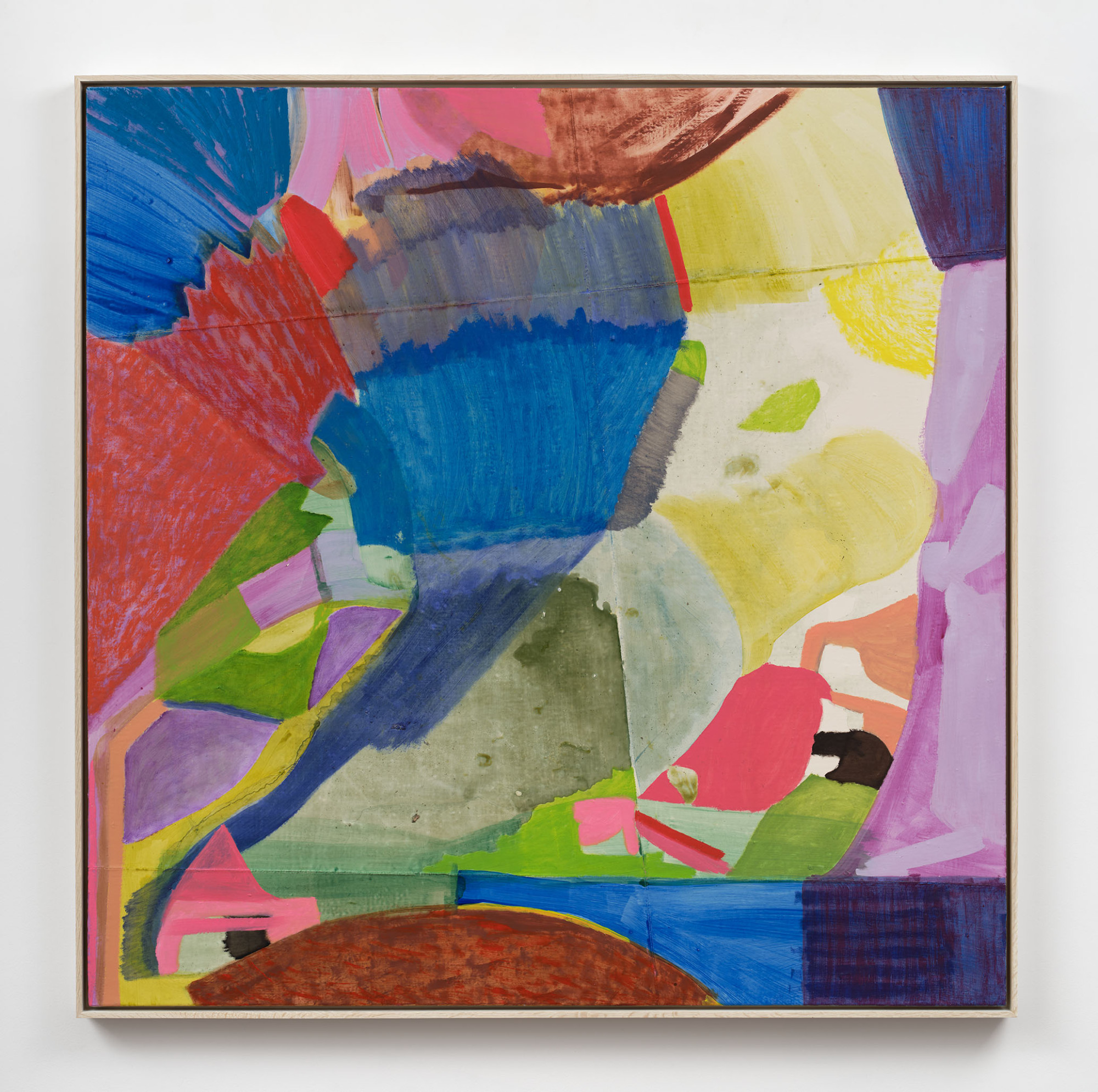
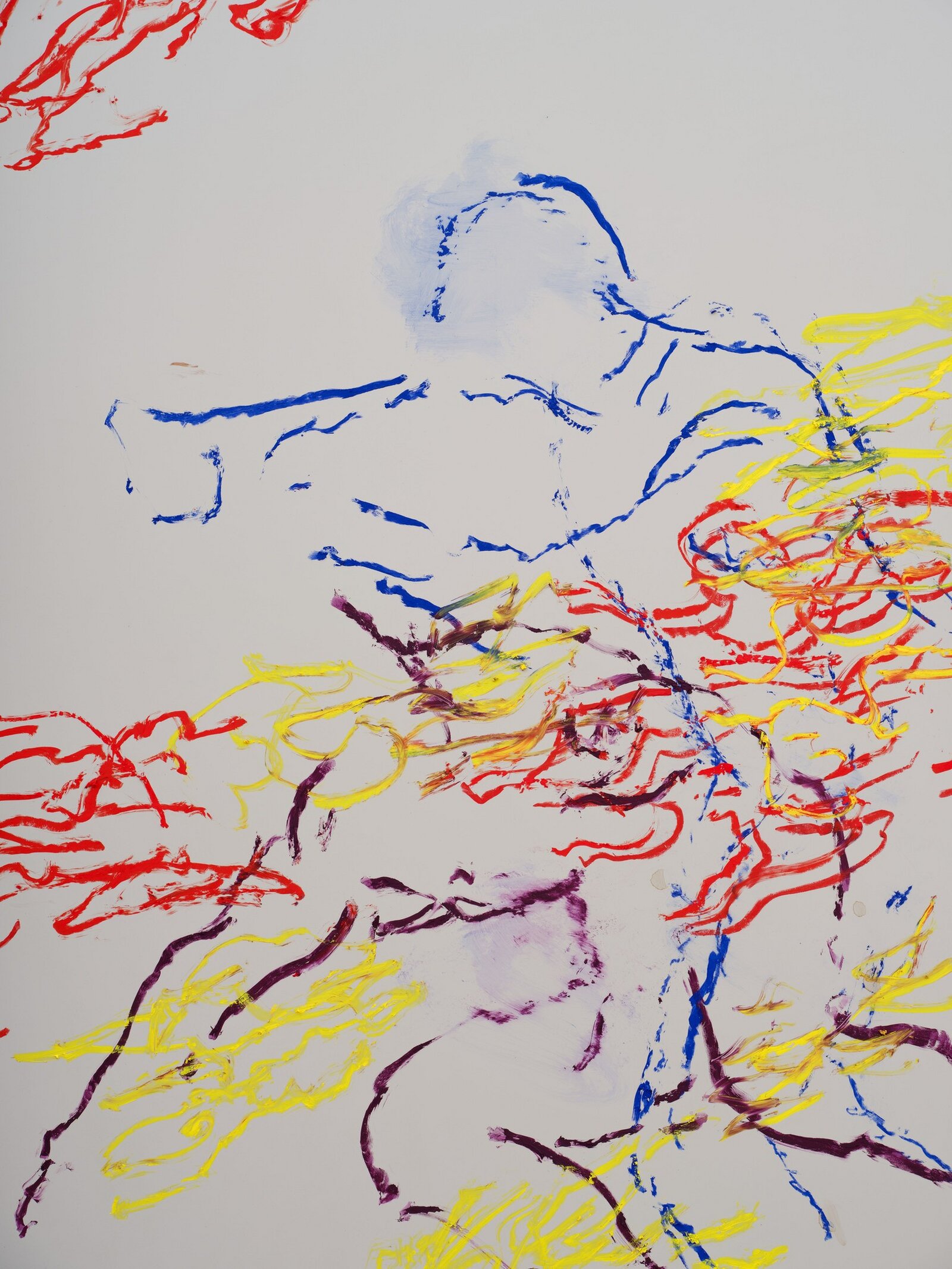
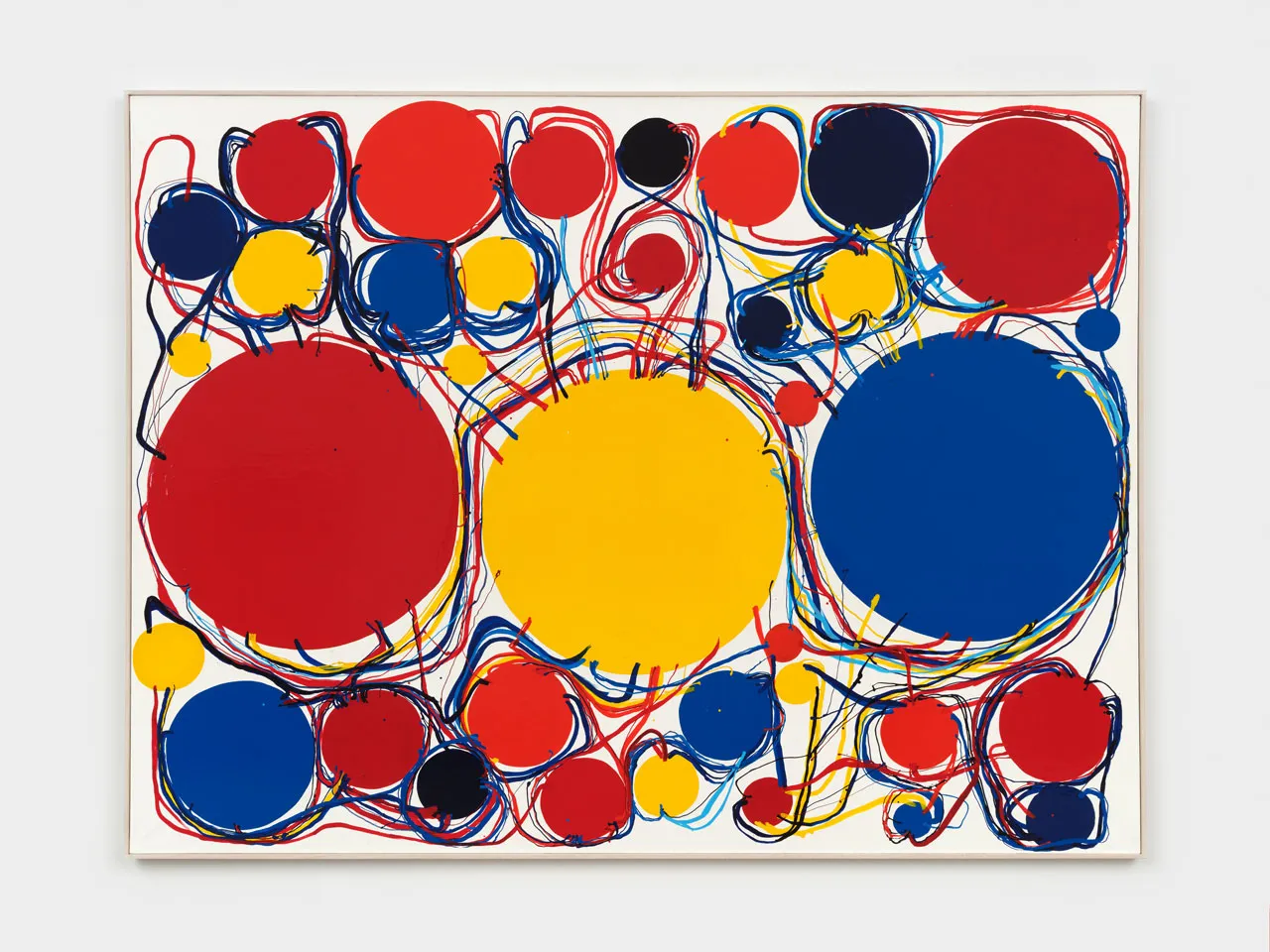
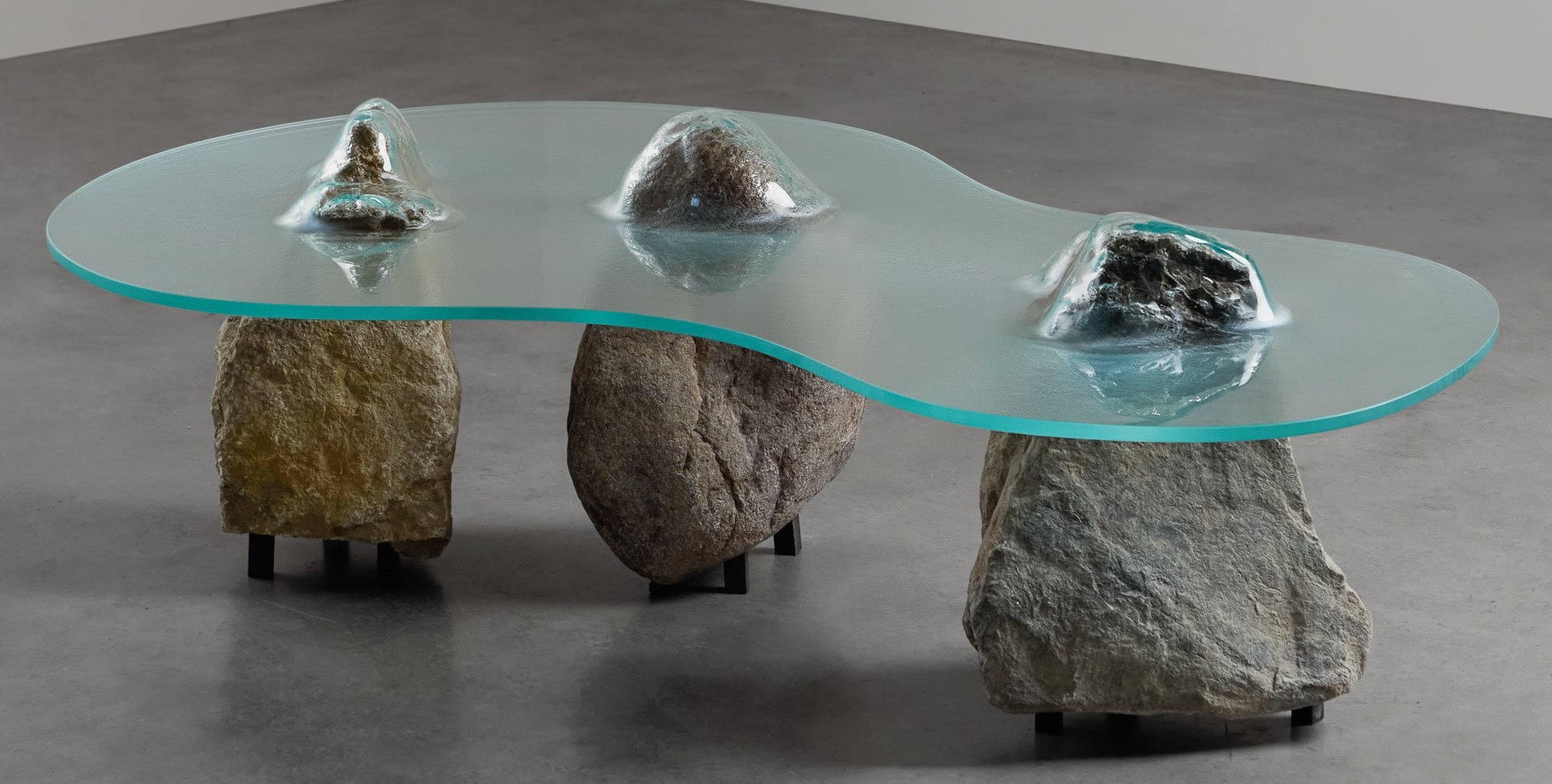
Moskowitz Bayse is pleased to present The Views, an exhibition curated by Zoe Fisher that brings together depictions of windows in painting, sculpture, and photography.
From voyeurism and perversion to romanticism and longing, the simple architectural element of the window has been so loaded with symbolism and metaphors it has become an artistic cliché–paradoxes so clearly outlined and framed, we almost need to say nothing more about it. But I’ve thoroughly enjoyed this opportunity to take a walk through art history and dissect its many meanings. By holding against them the contemporary view (pun intended) presented by these artists, we may reflect (pun also intended) on where we stand today: What is framing or even obstructing our world view? What multiple realities, (interior/exterior, light/dark, sadness/hope) do we simultaneously hold true, and how do we transcend them?
You can perhaps trace the formal origins of the window in painting to Renaissance scholar Leon Battista Alberti’s metaphor of the painting as a window–the conclusion that much like a window, the painting is a framing device through which the artist reveals to us a delimited segment of the world–directing the viewer’s gaze to a particular scene or perception of the world. Johannes Vermeer’s Girl Reading a Letter by an Open Window (1659) depicts an isolated woman spotlighted by a window’s glowing light–our focus on her solitude, the loneliness and longing she must feel for an unknown freedom beyond the windowpane, beyond the canvas. While devoid of a figure, Alexander Harrison’s Quiet (2019) and Quentin James McCaffrey’s Landscape with Peace Lily (2021) portray a similarly penetrating feeling of solitude and quiet through a Renaissance-ian use of light and contrast between interior and exterior views.
But if the painting is a window, as Alberti claims, let’s look also to the commonalities between the reductive shape of the window and its formal similarity to the gridded and framed panels of a painting on canvas itself. Lois Dodd, the contemporary reigning queen of paintings of windows, said of the first time she painted a window on canvas in 1968, “Wow, there’s this frame and all I have to do is fill these rectangles.” For Dodd, the window was her readymade composition – providing both concept and form. Marcel Duchamp’s Fresh Widow (1920) throws Alberti’s concept on its head–making obvious that the interpretation of the work requires complicity from its viewer. As with all readymades, our interpretation as viewer replaces the act of making itself–the viewer holds both concept and intent in their own perceived reality. Perhaps Al Freeman’s Soft Back of Painting (2022) and Garrett Gould’s The view from New England (2022) share this sense of Duchampian dry wit – sarcastically using the canvas or frame itself to allude to the layered symbolism of the object.
I really do revel in the humor and irony of this cliché–the meta-ness of a painting of a window–which is itself a window. Surrealists loved this idea too, with the most obvious being René Magritte’s The Human Condition: a series of paintings-of-paintings in front of a window, their layered frames pointing to our layered assumptions about our reality. Perhaps Matt Taber’s Hover Image to Zoom (2021), can speak to this today, or Gustav Hamilton’s Red-headed woodpecker's paradise (2022) whose descending frames lead us to a dark imperceptible universe.
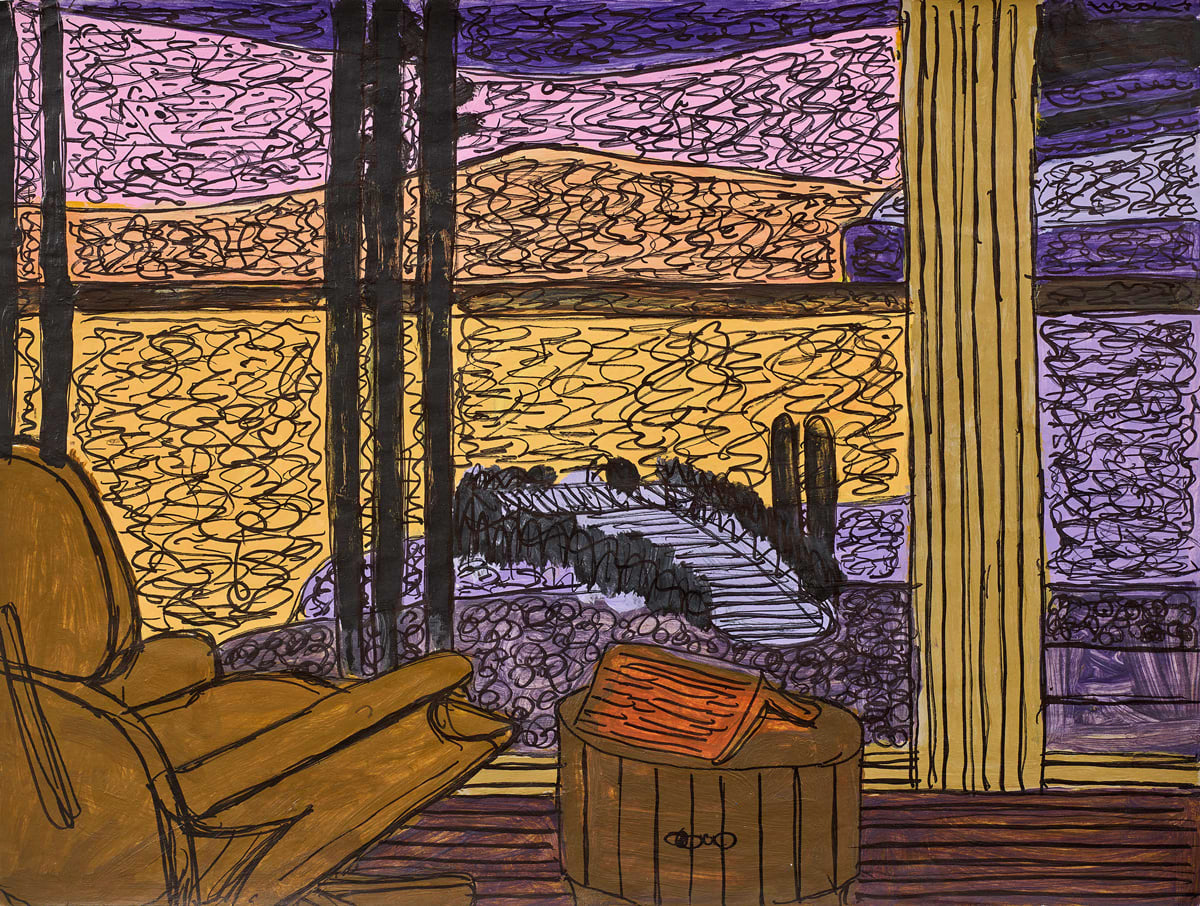
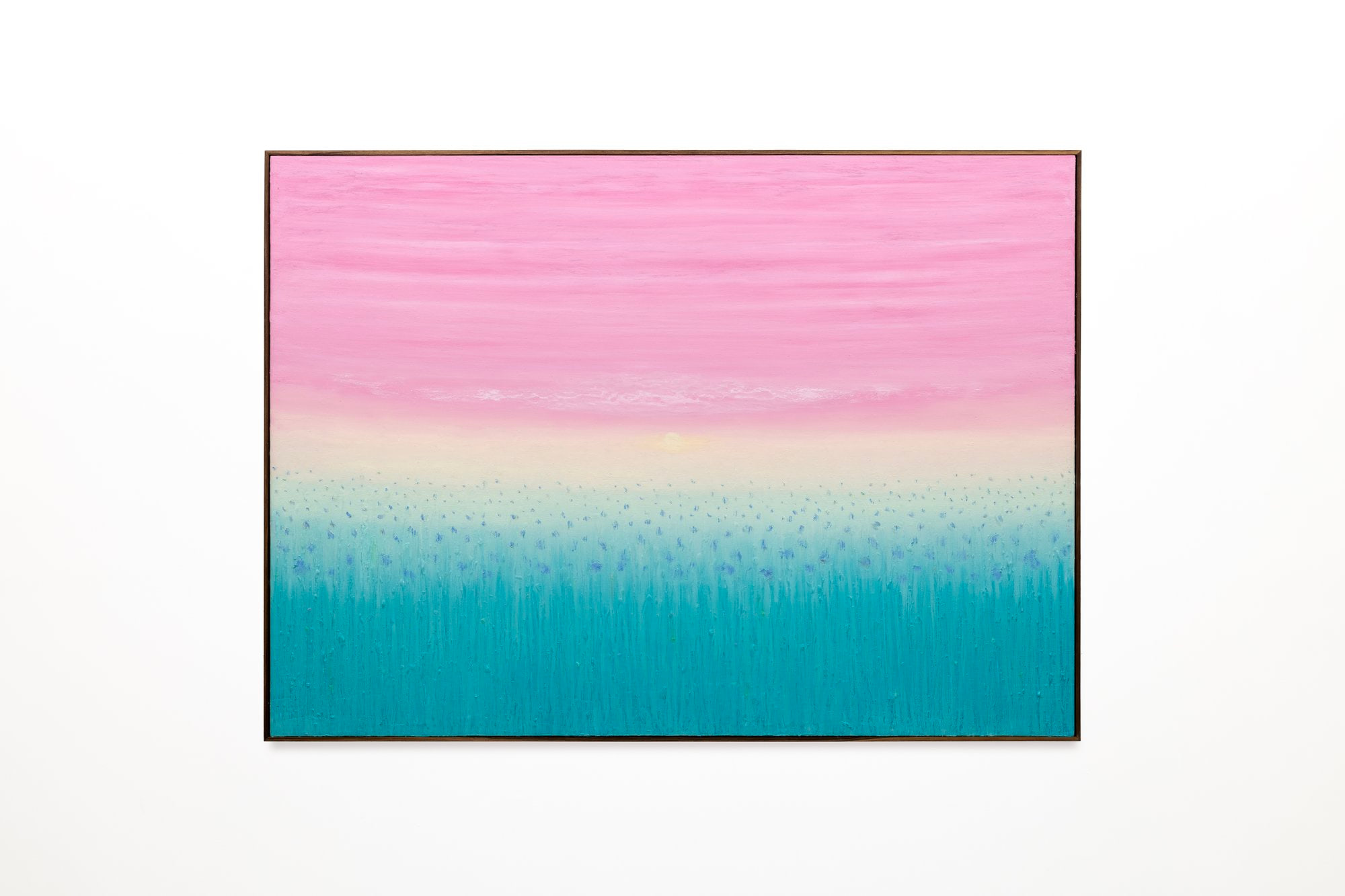
Alas, since staging the first iteration of this exhibition in 2019 at Fisher Parrish Gallery, the window has taken on a whole new meaning. What once might have been a lovely architectural element or a place to dream, has for many become a boundary separating us from the world–something keeping us safe, but also devoid of human connection. Today’s window view is an Edward Hopper, Nighthawks (1942) kind of view; Caspar David Friedrich’s The Woman at The Window (1822) kind of view; a longing, lonely and isolated kind of window. For the last few years, I’ve been Clayton Schiff’s sad gazing figure in Indoors (2022), Rainen Knecht’s stir-crazy girl in Melanie with a Pink Eye, (2022), and also Sarah Zapata’s angry caged creature in At One Time I (2019). I’m longing to get-the-fuck-outta-dodge like Stacy Leigh’s Til Deth (2021), just to get a glimpse at the quiet freedom of Ross Caliendo’s warm nature in Magenta Holiday (2021).
Whether open or closed, broken or whole, light or dark, the window in art reflects our moment. In its duality we can enact both our desire itself and the act of desiring, reflecting most clearly on the human condition–all with a simple element of architecture. How wild!
—Zoe Fisher
Zoe Fisher has co-founded several artist-centric exhibition platforms in New York over the last decade, including Zoe Fisher Projects, Fisher Parrish Gallery, Handjob Gallery/Store, and 99¢ Plus Gallery. She is perhaps best known for her Object Exhibition series which began with The Lamp Show (2016), and has continued on to include The Plant Show (2017), The Paperweight Show (2017), The Ashtray Show (2018), and most recently The Essential Goods Show (2020). These exhibitions aim to engage both established as well as emerging artists and designers in a dialogue about objecthood–pushing the artist’s disciplinary boundaries, introducing new ways of making and allowing for a deeper understanding of how objects play a role in our daily lives. Her writing has been featured in multiple publications including The New York Times, Architectural Digest, Surface, Elle Decor, Cultured, W Magazine, Paper Magazine, Brooklyn Magazine, and was named one of Dwell’s 2016 “Design Talents to Watch”. She was born and raised in San Francisco but lives and works in New York, where she is currently the Director of Salon 94 Design.