
Ended
The Spirits of Maritime Crossing
May 3 – Aug 2, 2026
Opens Saturday, May 9
Marina Abramović, Ruangsak Anuwatwimon, Arahmaiani, Martha Atienza, Nadiah Bamadhaj, Amanda Coogan, Yasmin Jaidin, Pichet Klunchun, Torlarp Larpjaroensook, Le Hien Minh, Soe Yu Nwe, Ong Kian Peng, Mutmee Pimdao Panichsamai, Sornchai Phongsa, Tcheu Siong, Wasinburee Supanichvoraparch, Swannie, Aleksandar Timotić, Samboleap Tol, Parada Wiratsawee
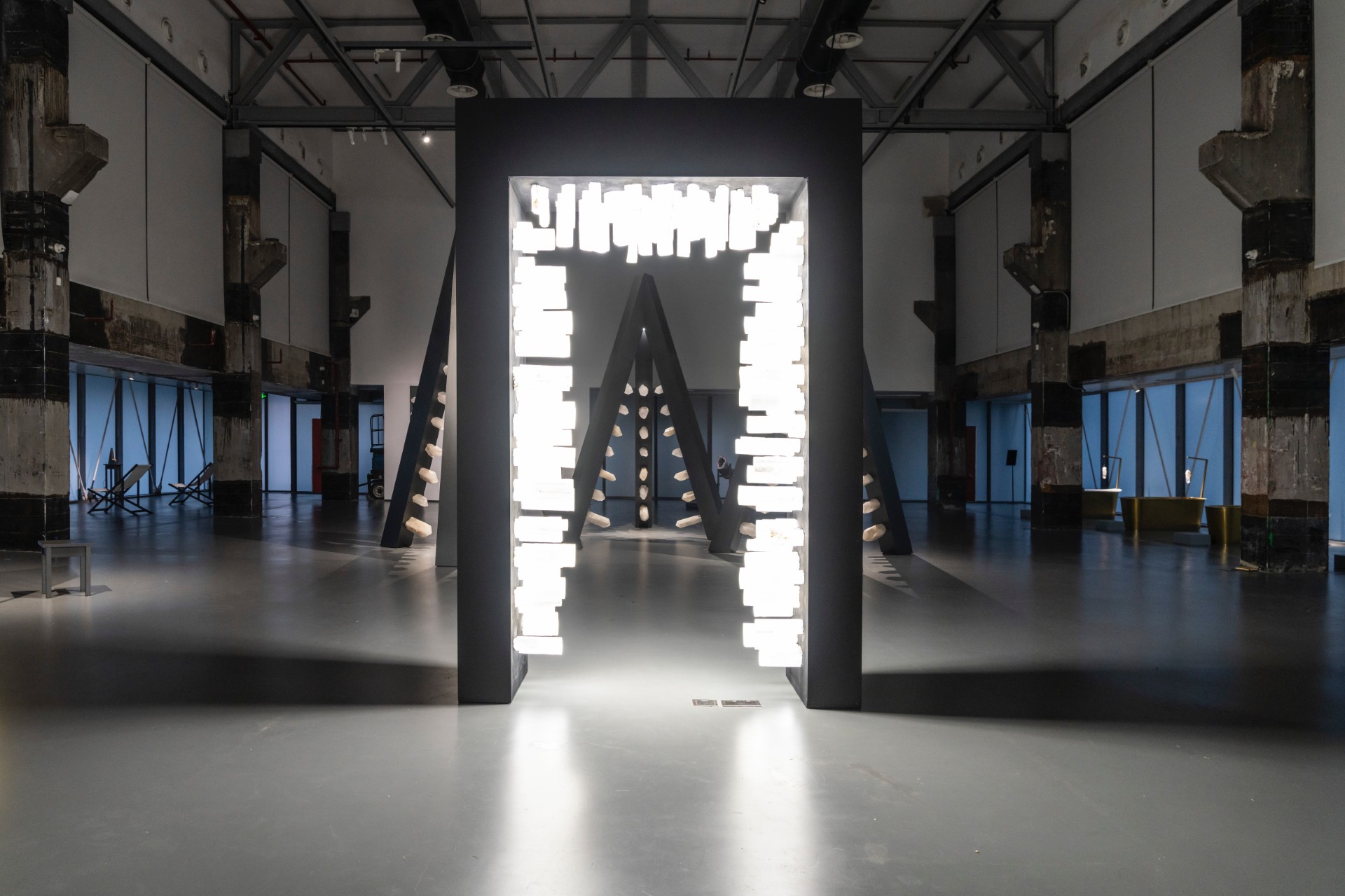
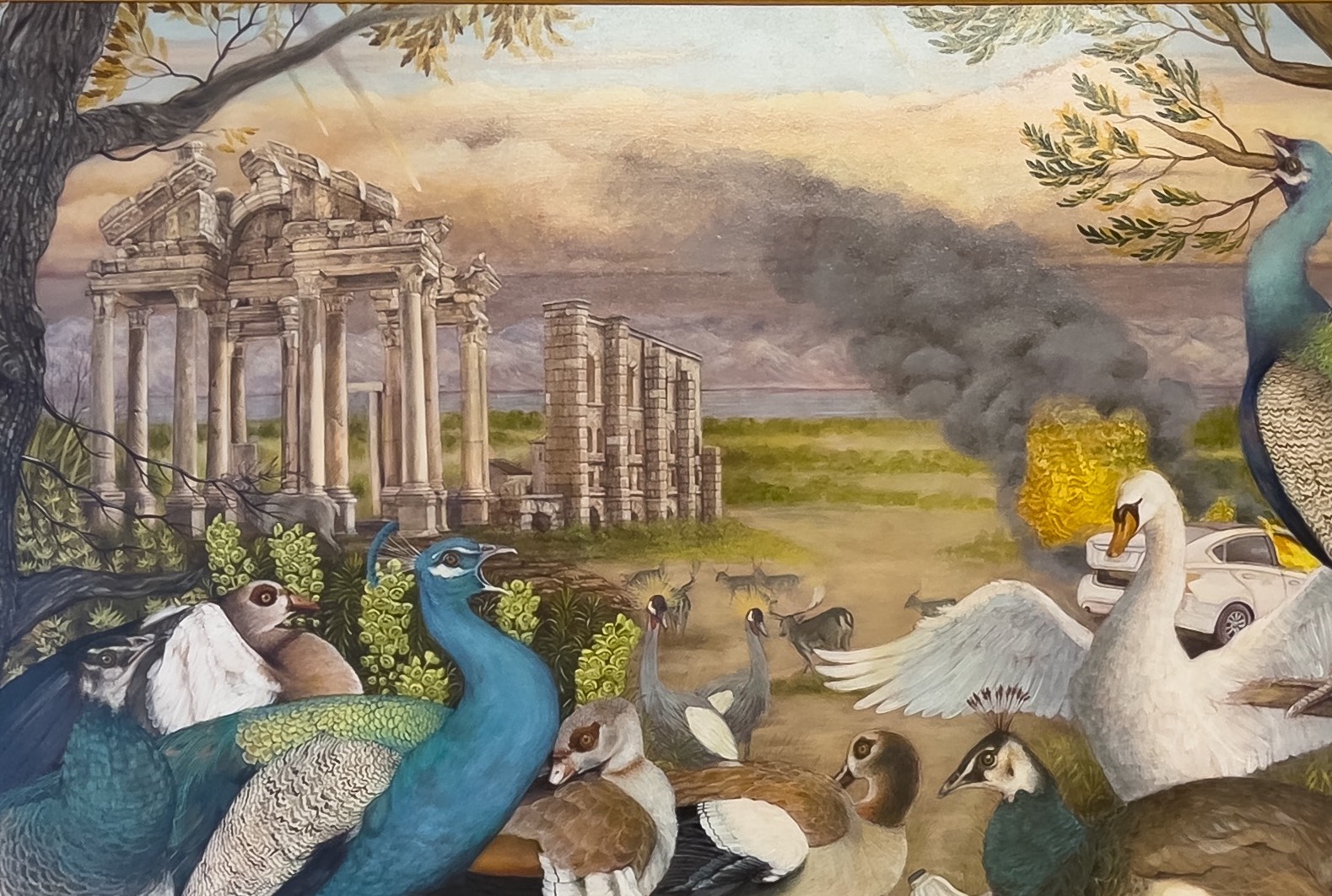
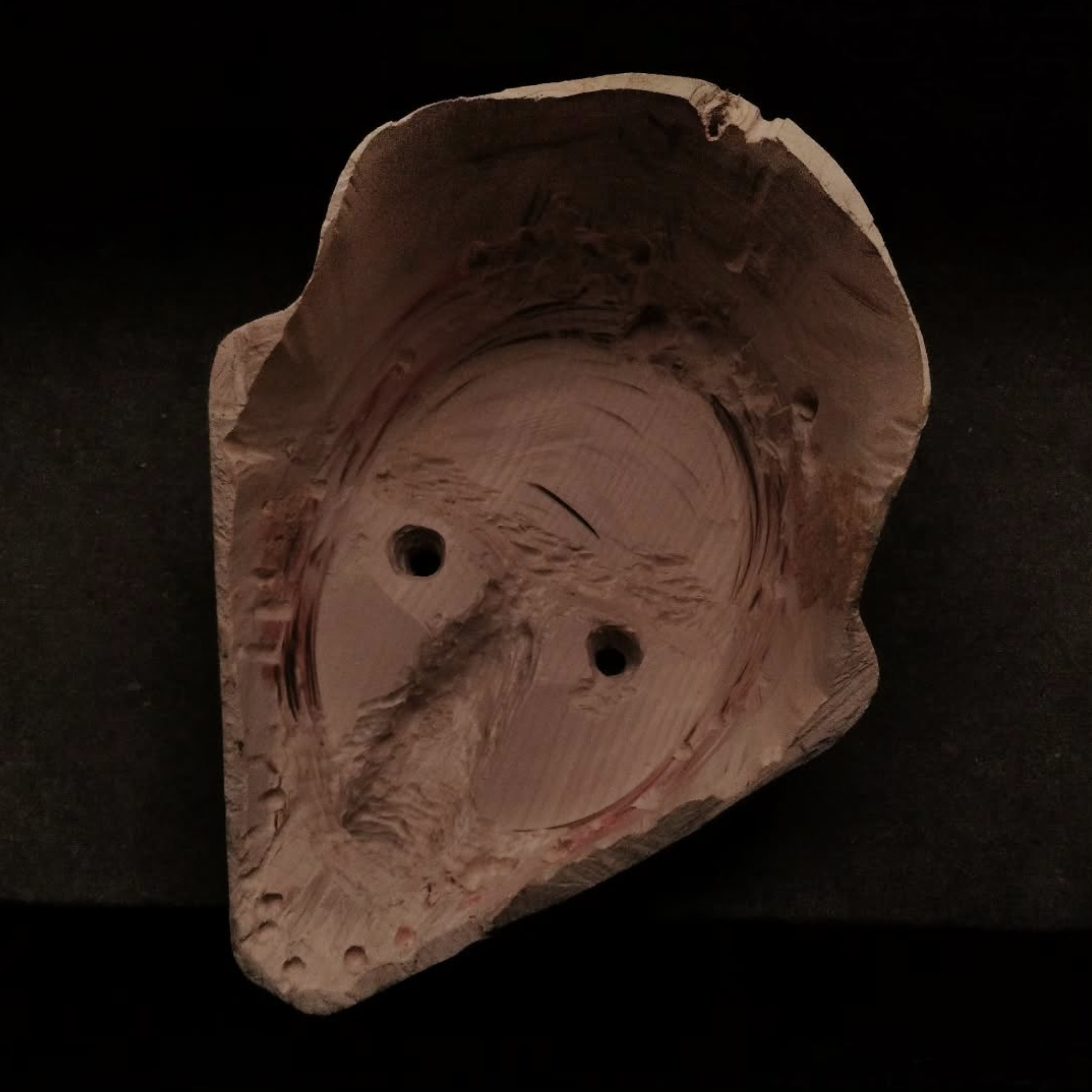
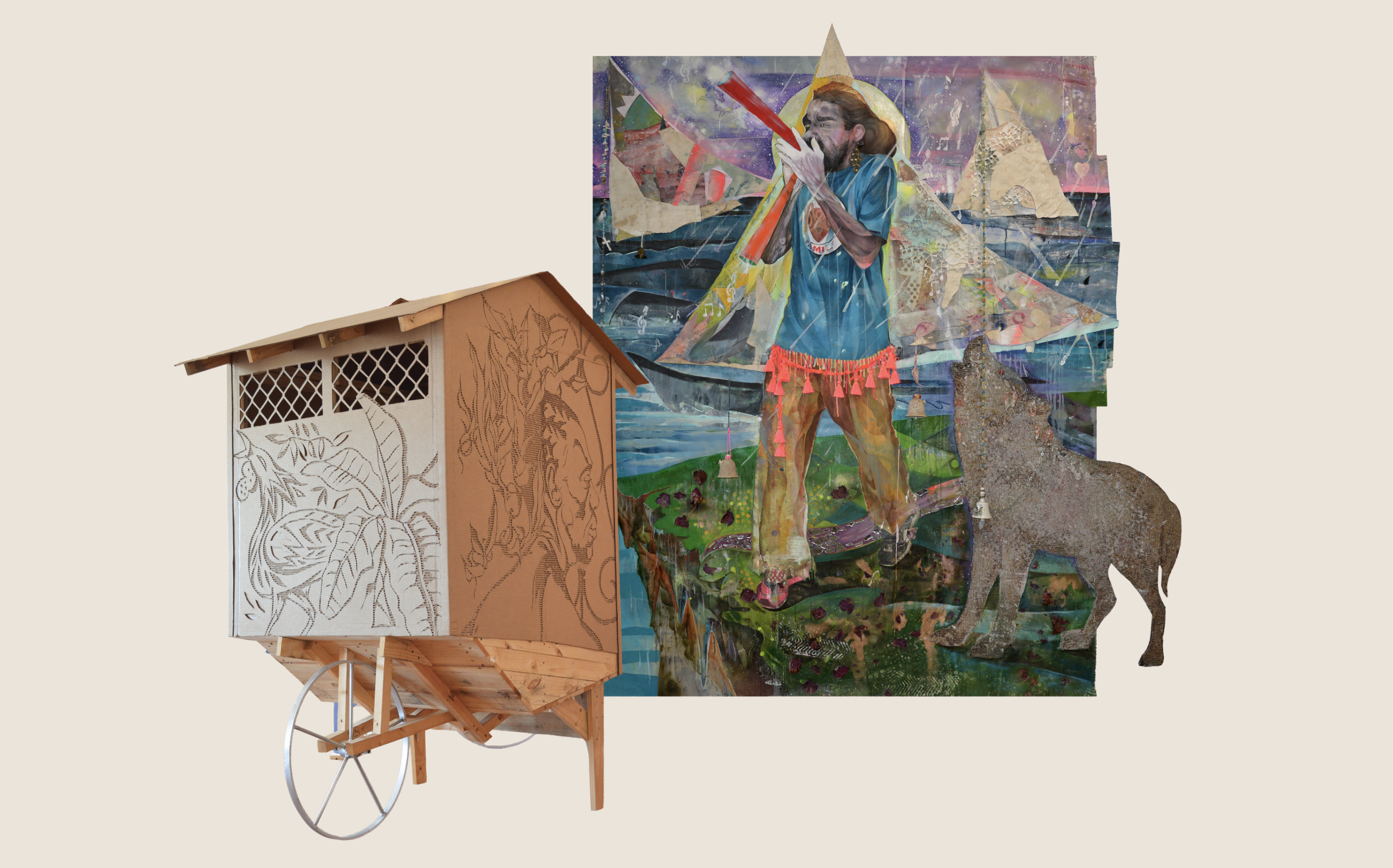
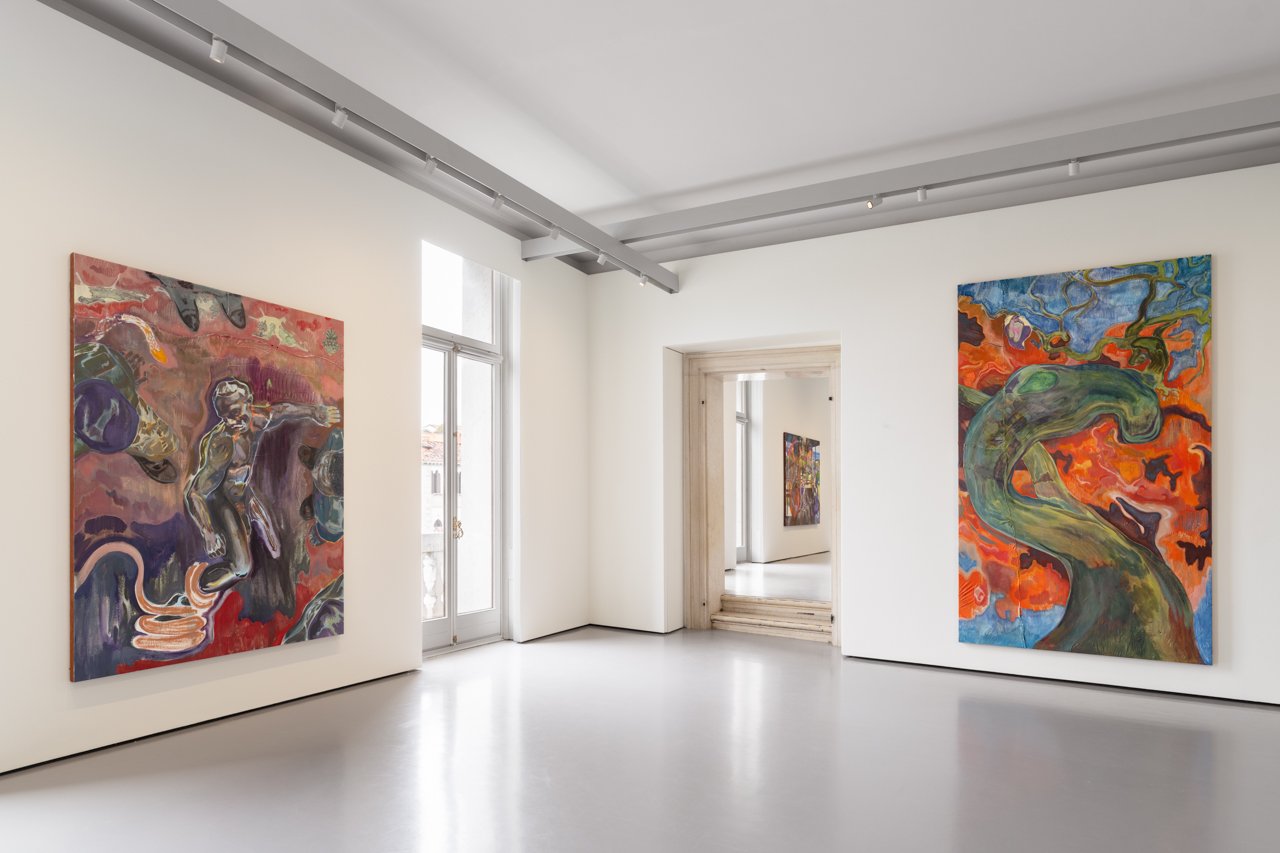
The Spirits of Maritime Crossing 2026 explores strangeness, melancholy, and solace in relation to identity, diaspora, displacements, and human migration. Twenty artists from Southeast Asia, Serbia, and Ireland create their own interpretations of maritime crossing in performance, film, music, ceramics, installation, painting, and sculpture.
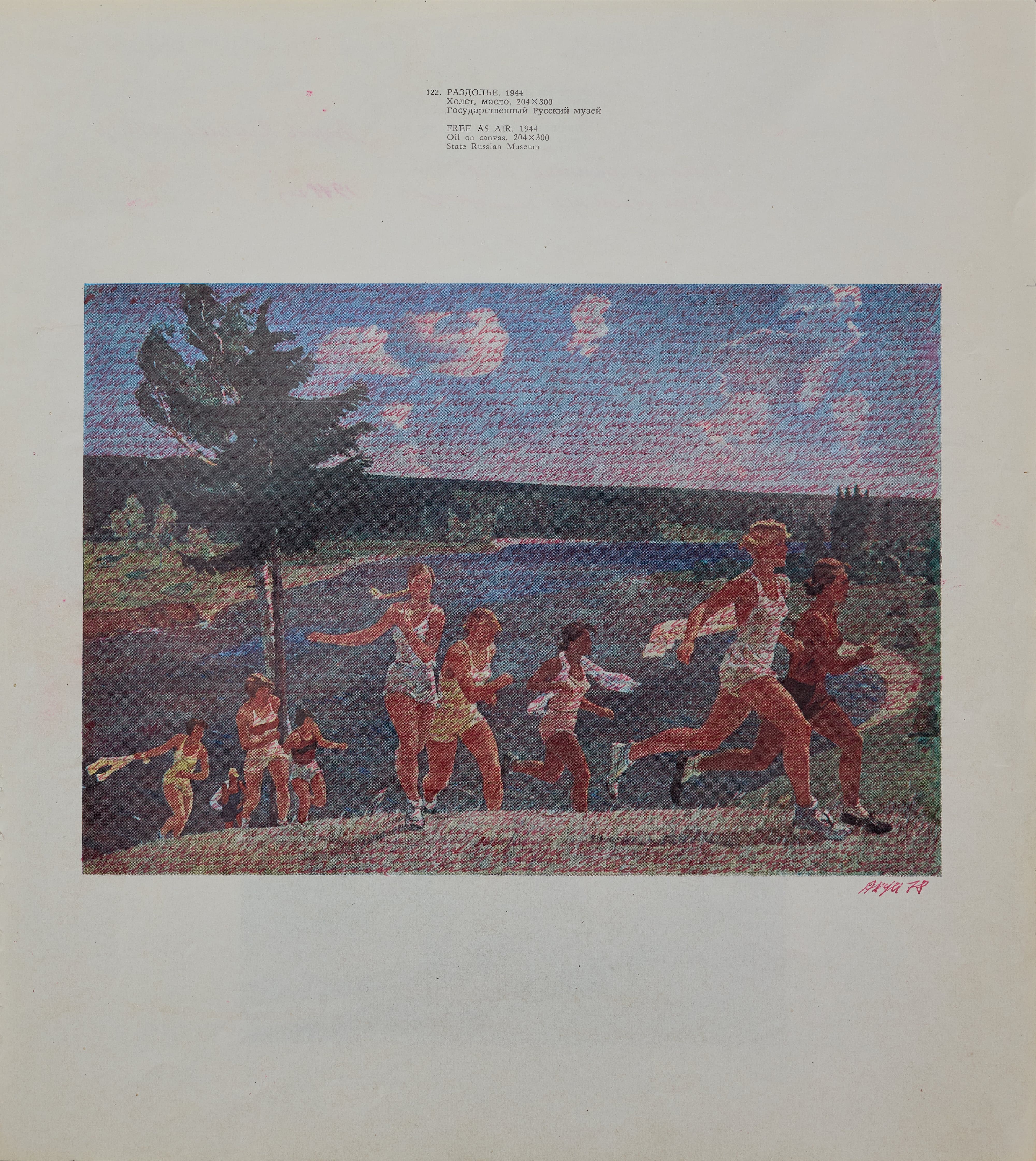
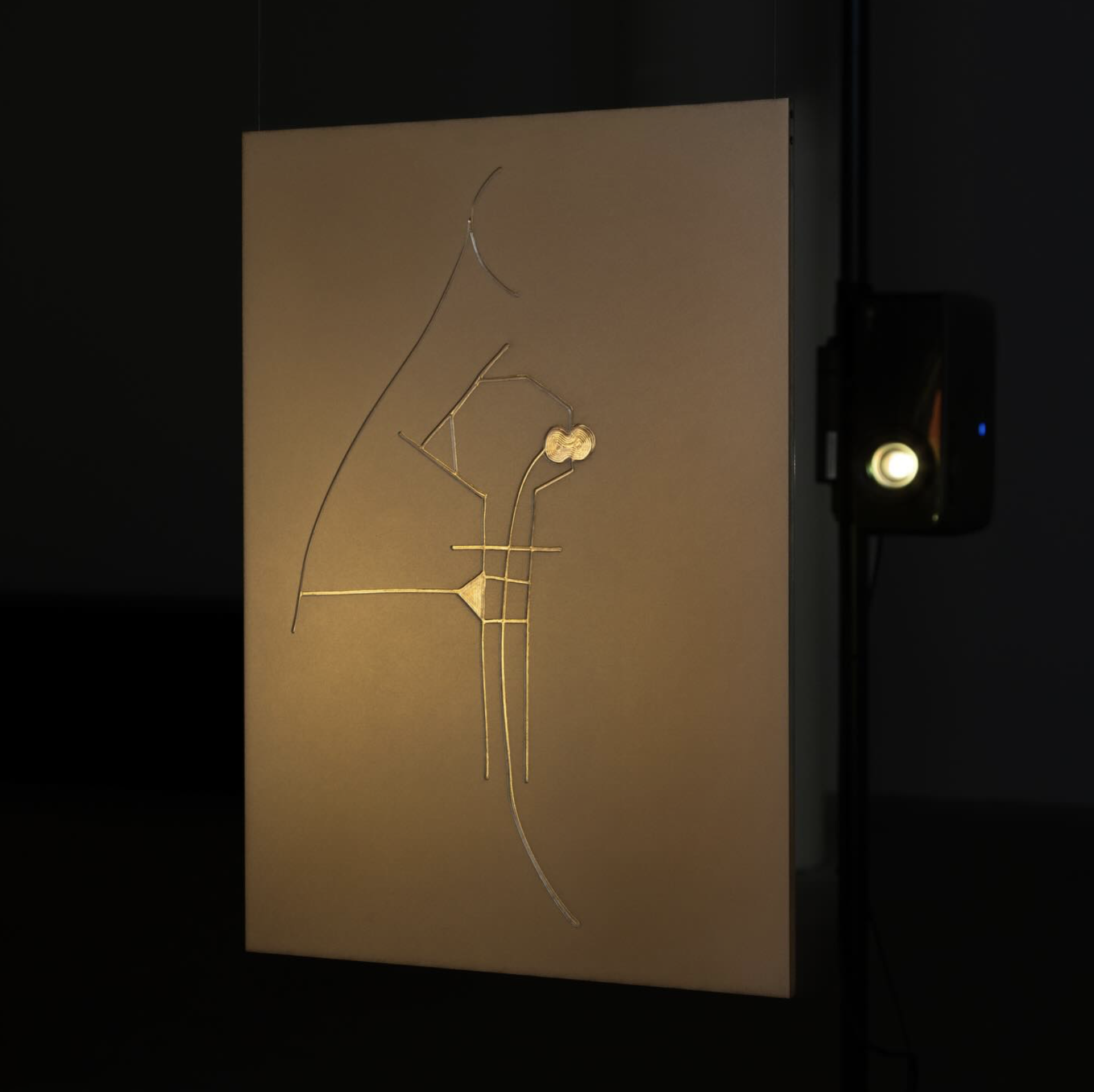
Sea Punishing performed by Marina Abramović (Serbia/USA) with hundreds of assistants whipping the sea, inspired by King Xerxes punishing the destructive ocean. Abramović's performance was in remembrance of the tsunami that destroyed thousands of lives in the Andaman Seas. The film The Spirits of Maritime Crossing II features Marina Abramović, Pichet Klunchun (Thailand), Mutmee Pimdao Panichsamai (Thailand), Aleksandar Timotić (Serbia/Germany) and Amanda Coogan (Ireland) in a spiritual journey of suffering and solitude in Venice and Bangkok. Underwater film by Martha Atienza (the Philippines) combines Catholic faith and local rituals in a quiet slow-motion maritime procession. Ong Kian Peng (Singapore) presents disruptive AI scenes of calamity as Singapore is slowly engulfed under maritime currents. Tcheu Siong (Laos), a self-taught embroidery artist, depicts the Hmong spiritual world through oral histories and dreams. Her large-scale stitchings are inspired by fertility, good health, and ancestral spirits. Sornchai Phongsa (Thailand), whose paintings are inspired by Mon ancestral worship, explores Mon ghosts and rituals where heredity is passed down to the eldest son. Phongsa's homosexuality is a sensitive issue in Mon patriarchy. Nadiah Bamadhaj (Malaysia/Indonesia) interprets Calon Arang, the witch of Eastern Java, as a wise elder frustrated in a male-dominated society. Samboleap Tol (Cambodia/The Netherlands) explores her diasporic experience as a migrant. Her use of sound, script, and moving installation relates to Mount Meru and the Indianization of Southeast Asia. Le Hien Minh (Vietnam) reflects her experience in post-war Vietnam through local handmade paper sculptures that are both contemplative and provocative. Her experience as a female immigrant in America is surreal and macabre. Soe Yu Nwe (Myanmar/Thailand), ethnic Chinese from Shan State, creates ceramics intertwining human parts, vegetation, and serpentine forms. Macabre and surreal, the hybridized creatures reflect layers of alienation and estrangement. Parada Wiratsawee (Thailand) creates morbid sculptures of spiritual mourning—sea creatures under distress and alteration from chemical pollution. Inspired by the fish market where his mother works, Wiratsawee experienced the daily trauma of dying fish washed from the sea. Swannie (Myanmar) is dressed as a dying fish on the shore of the Irrawaddy. She slowly tears her carcass to reveal her true self under distress. Due to human intervention and a rapidly changing climate, the Mekong River's ecosystem is collapsing, posing a significant threat to the lives and traditions of local communities. Ruangsak Anuwatwimon (Thailand) traces this loss through a floating soil diorama that is fragile and poetic. Handmade clay and ceramics by Wasinburee Supanichvoraparch (Thailand) evoke ancient trade routes, cultural flows, and chinoiserie markets. Like residues of broken shards from sunken ships washed up from the sea, they are reminders of merchants, traders, and foreigners from afar. Spiritual Spaceships by Torlarp Larpjaroensook (Thailand) are imaginary vessels that bring souls from exotic lands to the city of Venice. Like futuristic spaceships in a time warp, they are full of nostalgia and hope. Arahmaiani's (Indonesia) Flag Projects, community-based art collaboration carried out in Asia, Europe, and America. Collective creativity and sustainable art initiate an open art system and democratic art with subjects of resistance, wisdom, and happiness. Yasmin Jaidin (Brunei) experiments with physical states of soil and ecology as part of her research on sustainability. Both Ong Kian Peng and Wasinburee Supanichvoraparch will work collaboratively with Ca' Foscari University in Venice on art and sustainability to make installations in the exhibition.
Amanda Coogan's fantastical performance of Beethoven's Ode to Joy with dozens of Thai students with hearing impairments, performed at a giant white stupa at the Temple Prayurawongsawat in Thonburi, Thailand, on Chao Phraya River to express hope and a breath of fresh air. The time has come to resuscitate and make joy. During vernissage week, artists collaborate to create sounds, rhythm, and echoes, from Italian-Slav opera, Irish ballads to Thai mask dance, Hindu-Muslim chanting open new possibilities of care. The exhibition addresses layers of issues including faiths, races, hegemony, migration, and neo-colonization in the suffering world we live in.