
Ended
Kianja Strobert
Pennies from Heaven
Feb 27 – Apr 5, 2025
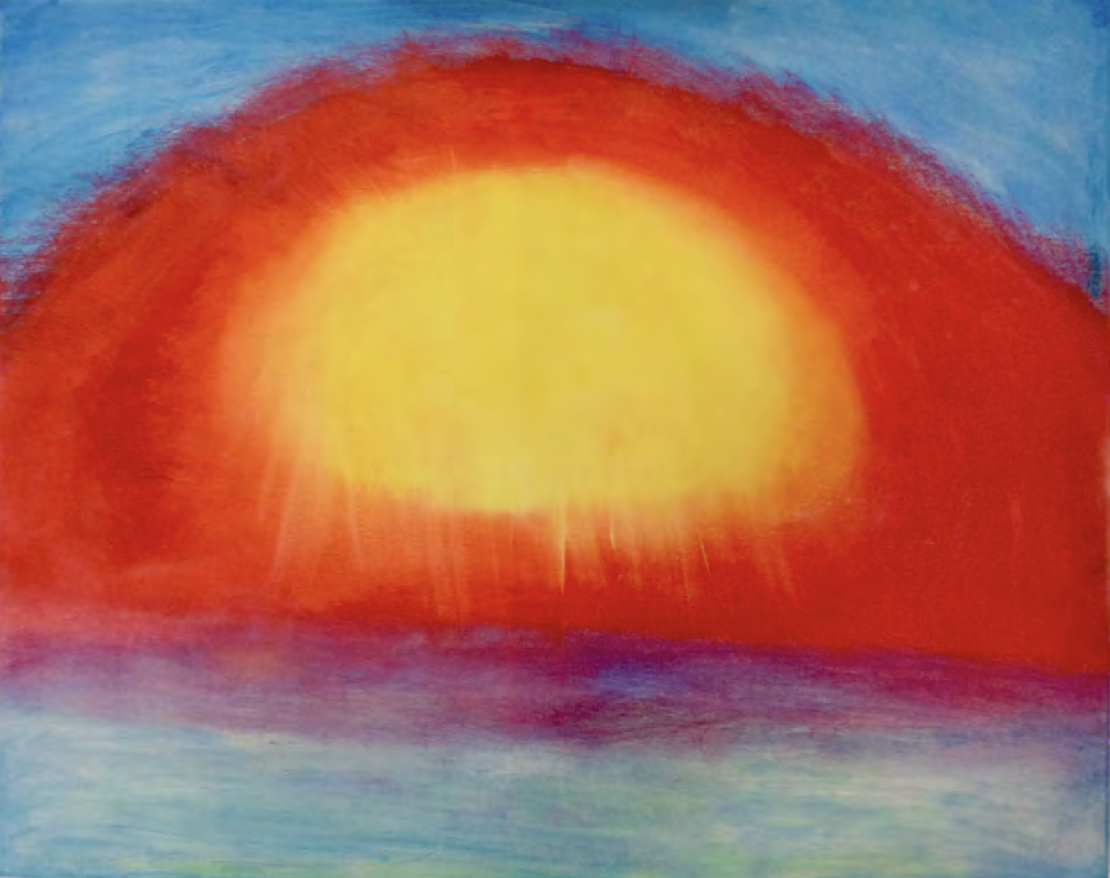
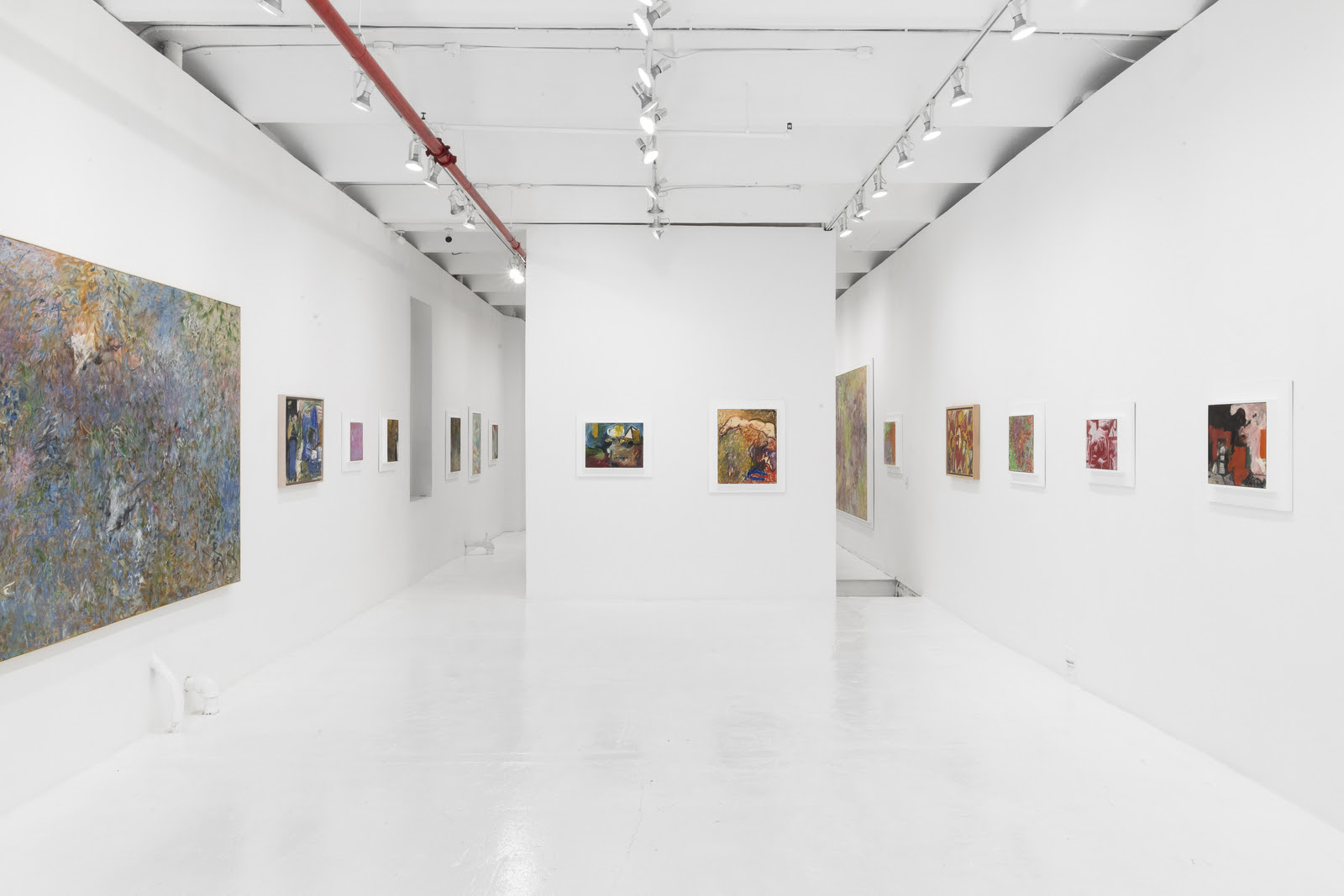
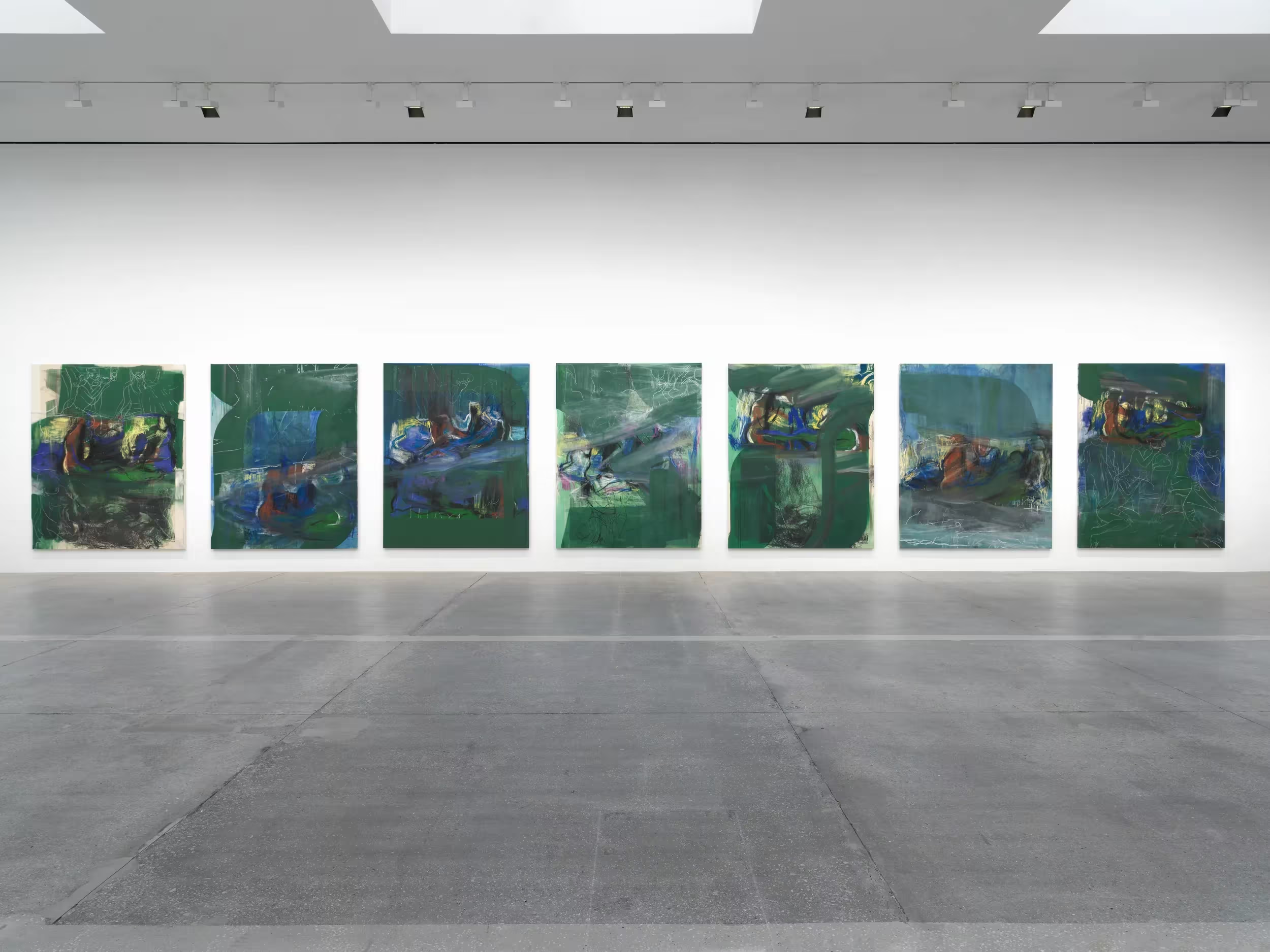
Marinaro is thrilled to present Pennies from Heaven, Kianja Strobert's second solo exhibition with the gallery. The exhibition stands as a testament to her dynamic approach to abstraction, sculpture, materiality, and the interplay of color and texture. Her work, characterized by expressive mark-making and a deep engagement with the physicality of her chosen mediums, invites viewers to explore the tensions between presence and absence, form and disintegration, stability and collapse.
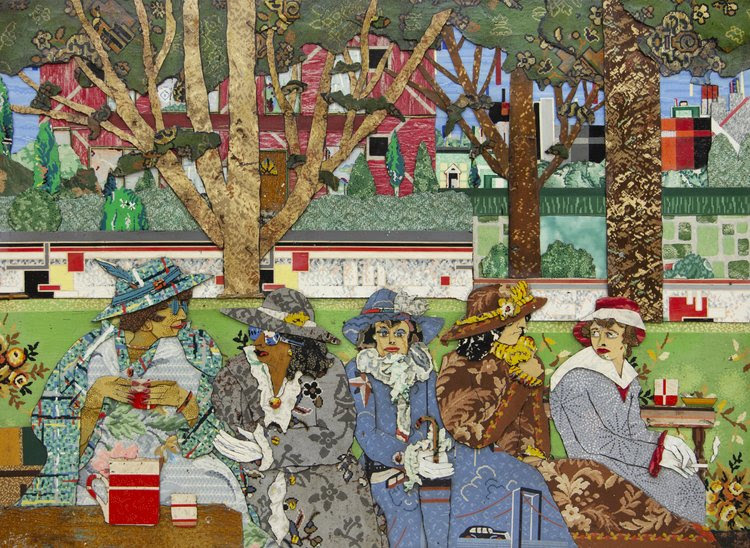
The exhibition features an installation of pewter benches, which evoke the standardized form of public seating found in parks. Constructed from wood, plastic, papier-mâché, metal lathe, and paint, these benches reference the shared experiences associated with such structures—leisure, social interaction, and even abandonment. Handmade and hand-painted, every surface is imbued with attention to detail, emphasizing both their functional and symbolic significance. They are a site of human activity, of objects left behind, and of quiet contemplation. The installation, while seemingly straightforward, invites deep personal interpretation. The objects are intentionally common and widely experienced, ensuring that each viewer brings their own associations and emotions to the work.
On the benches, Strobert has attached images and objects including bread, ladles, rope, and flowers, contribute to the overarching theme of memorialization and tension. The rope is placed as a decorative yet taut wall relief, embodying a remnant of an idea or event. These elements reinforce the notion that objects, even mundane ones, carry histories and symbolic weight.
Strobert's conceptual engagement here finds kinship with literary works like Great Expectations, Maurice Blanchot's The Writing of the Disaster, and Baudrillard's The System of Objects, while also referencing the aesthetic contradictions of luxury and kitsch found in catalogs such as Scully & Scully or the Herend porcelain prints. These connections evoke a critique of capitalism and consumer culture, bringing to mind Upton Sinclair's The Jungle and the tension between deadpan realism and revelry.
The exhibition extends into the backroom, where fabric hangs slightly higher on the wall than expected, butted end to end, creating an atmosphere reminiscent of a bazaar. The vibrant patterns and hues of some fabrics contrast with the muted pewter tones of others—perhaps acting as shadows or echoes of past struggles, ghostly remnants from historical depressions, or simply abstract forms. This juxtaposition creates a peculiar festive bunting, a celebration tempered by a heavier undertone. Here, the show's title, Pennies from Heaven, finds its realization, especially with the fabric appearing as if it is slowly falling—hinting at both commerce and precariousness. The sentiment echoes the uplifting yet struggle-aware nature of the song that inspired the exhibition's name.
In addition to benches, Strobert's sculptures—created from wood, papier mâché, and paint—explore themes of instability and abstraction. These forms, which resemble collapsed barricades or precarious structures, invoke references to Vladimir Tatlin's impossible sculptures. They serve as both visual and symbolic representations of barriers—mental, social, and linguistic. Their physical solidity contrasts with their conceptual fragility, capturing a sense of perpetual disintegration.
The ability to sit, to take a moment of rest, to think, or to simply be, whether through the benches or the symbolic interplay of objects, acknowledges the necessity of leisure as well as the habit of movement. Sculptural allusion to fabrics, including decorative scraps and remnants, further the dialogue on transformation, resourcefulness, and artistic reinvention—turning "rags to riches" both literally and metaphorically.
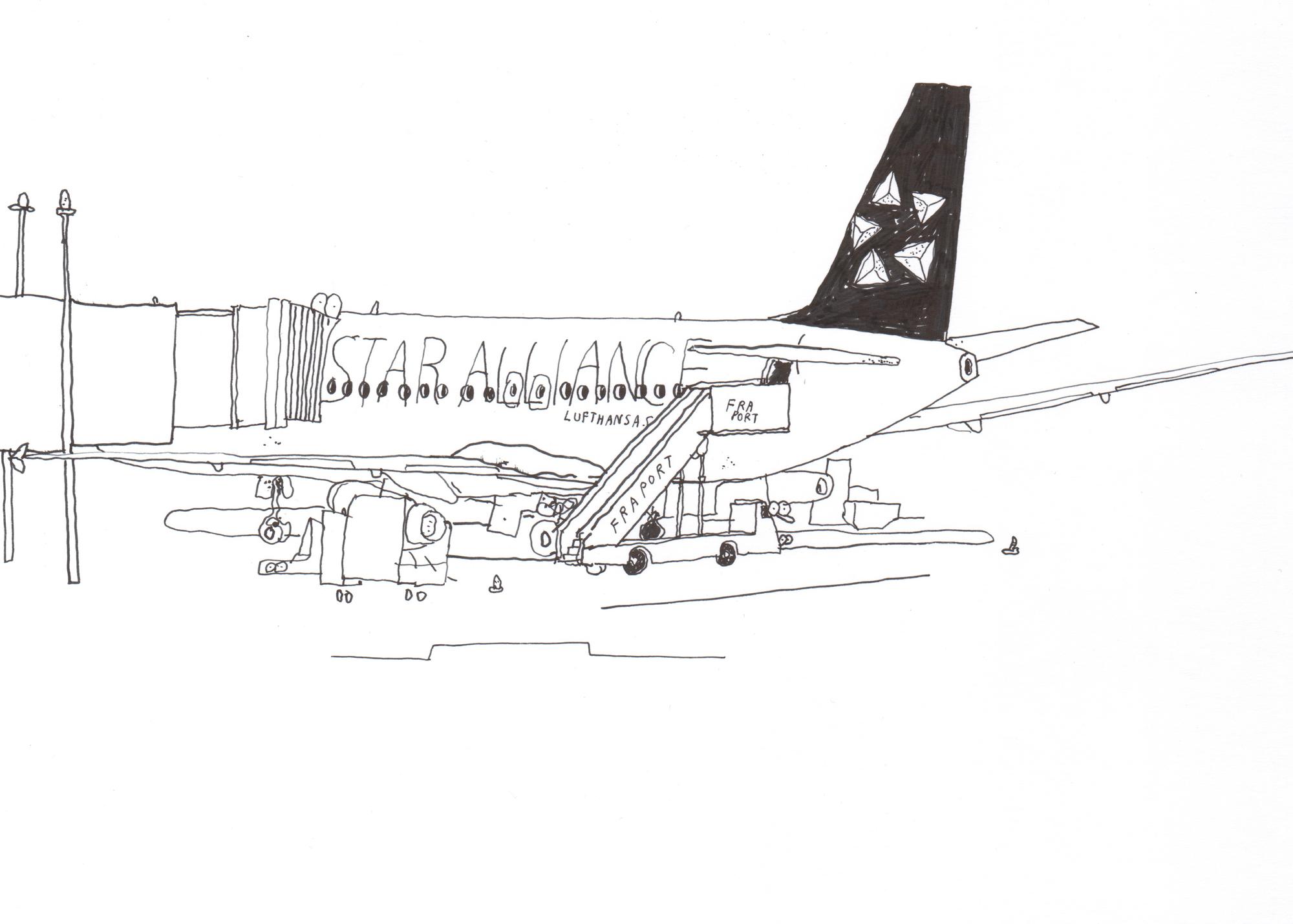
Strobert's work is deeply rooted in the language of abstraction, but it also incorporates elements of collage, drawing, and unconventional materials. Her pieces demonstrate a mastery of layering, where bold gestures contrast with delicate details, producing a visual rhythm that invites viewers to engage closely. The tactile quality of her work, often achieved through a combination of paper mâché, acrylic, pastel, and mixed media, underscores her commitment to material experimentation and reinforces the enduring power of abstraction as a means of personal and cultural expression.
Kianja Strobert (b. 1980) received her BFA from The School of the Art Institute of Chicago and her MFA from Yale. She has had solo exhibitions at Art Omi, Ghent, NY; the Studio Museum in Harlem, NY; Marinaro, NY; Jack Tilton, NY; Campoli Presti, Paris; and the Santa Monica Museum of Art, California. Strobert has been included in numerous group exhibitions including shows at Olana State Historic Site, Hudson, NY; Kemper Museum of Art, Kansas City, MO; Gavin Brown's Enterprise, NY; Lehmann Maupin, NY; and The Contemporary Arts Museum, Houston, TX. Her work is held in numerous collections including the permanent collection of the U.S. Embassy in Mozambique and the National Centre for Visual Arts, France. Strobert lives and works between Hudson, NY and Cambridge, MA.