
Ended
Cameron Rowland, Tiffany Sia, Christopher Williams
Jan 12 – Feb 25, 2024
Cameron Rowland
Tiffany Sia
Christopher Williams
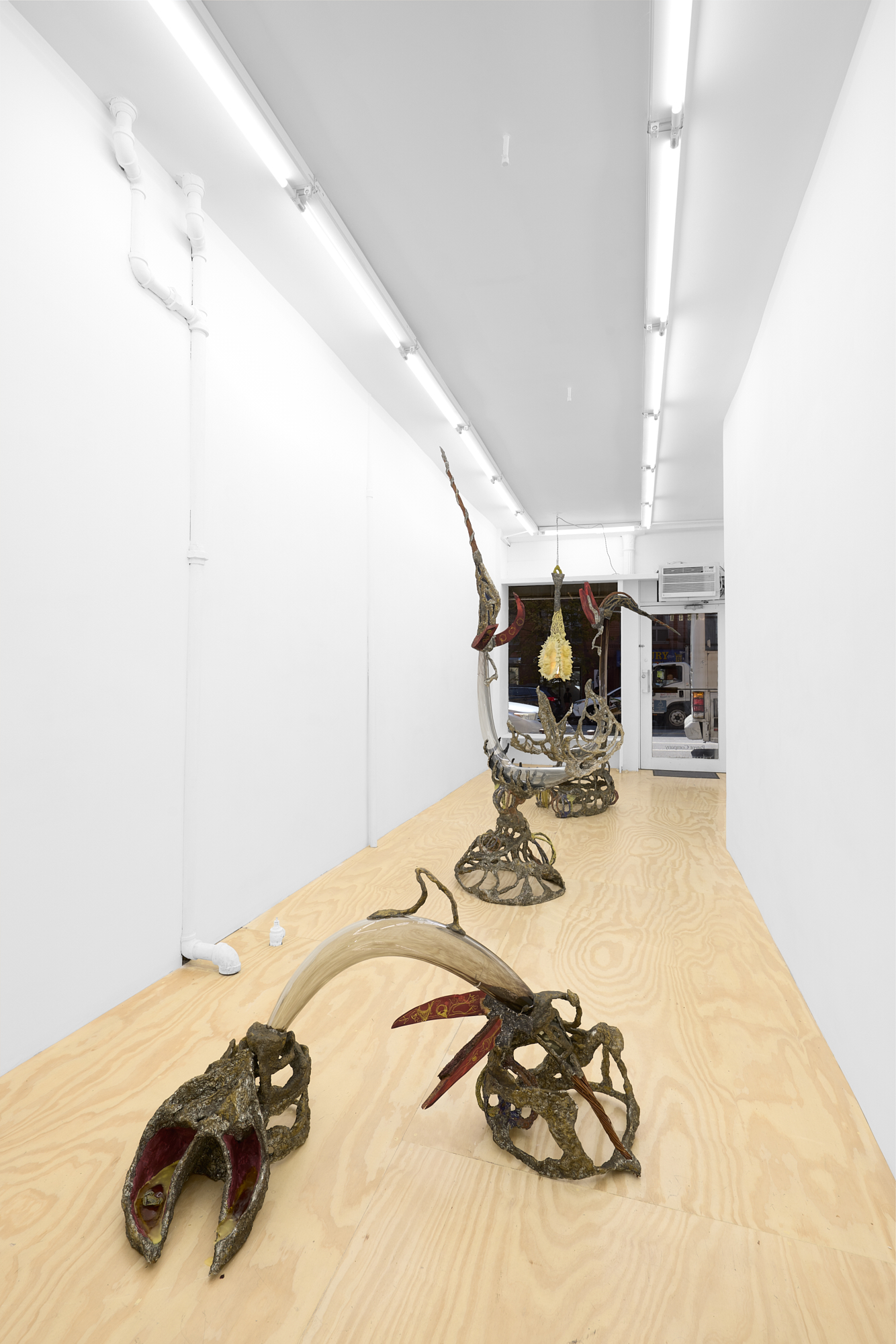
Police flashlights are described in police handbooks as Alternative Impact Weapons. They are heavier and more lethal than batons or nightsticks.
“And whereas, negroes frequently absent themselves from their masters or owners houses, caballing, pilfering, stealing and playing the rogue, at unseasonable hours of the night, Be it therefore enacted, That any constable or his deputy, meeting with any negro or slave, belonging to Charlestown, at such unseasonable time as aforesaid, which cannot give a good and satisfactory account of his business, the said constable or his deputy, is required to keep the said negro or slave in safe custody till next morning; and first having caused the said negro or slave to be severely whipt, then to bring the said negro or negroes to their said master or masters, or owners of said slaves; and for so doing, each master, masters or owners, shall pay unto the said constable or his deputy, two shillings and six pence for each negro or slave: And if any constable or deputy constable shall refuse or neglect to whip, or cause to be whipt, such negro or slave, after taken as aforesaid, shall forfeit for each refusal or neglect, the sum of two shillings and sixpence, to him or them that shall inform for the same, to be levied by a warrant under the hand and seal of any justice of the peace, directed to a constable for that purpose.”
—‘An Act for Settling a Watch in Charleston,’ South Carolina, 1701
Slave patrols operated at night. Patrollers were paid per arrest. Arrests required whipping. Police maintain the operations of the slave patrol.