Ended
Field of Vision
May 26 – Jun 25, 2023
Jesse Moy
WooJin Shin
Jonathan Worcester
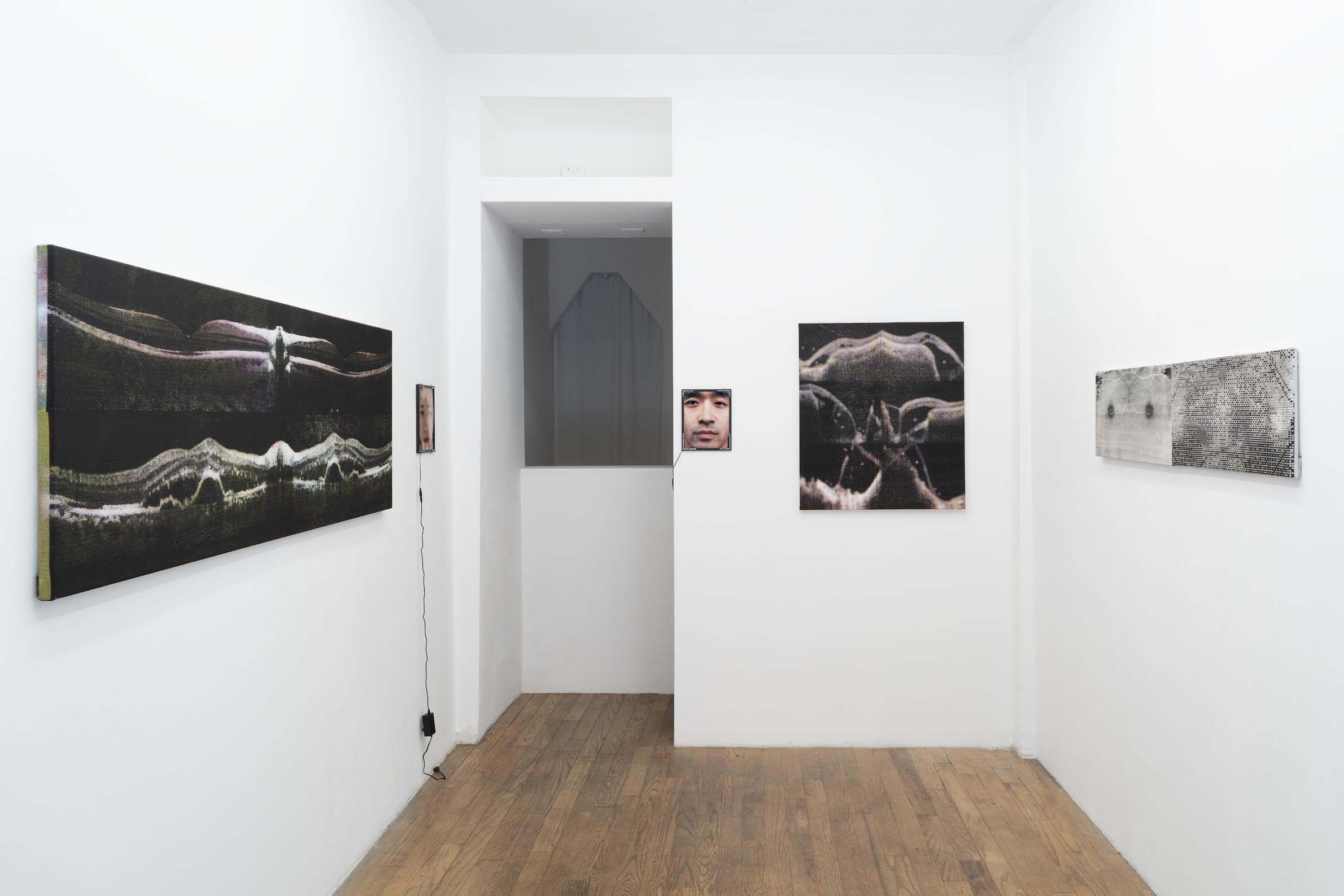
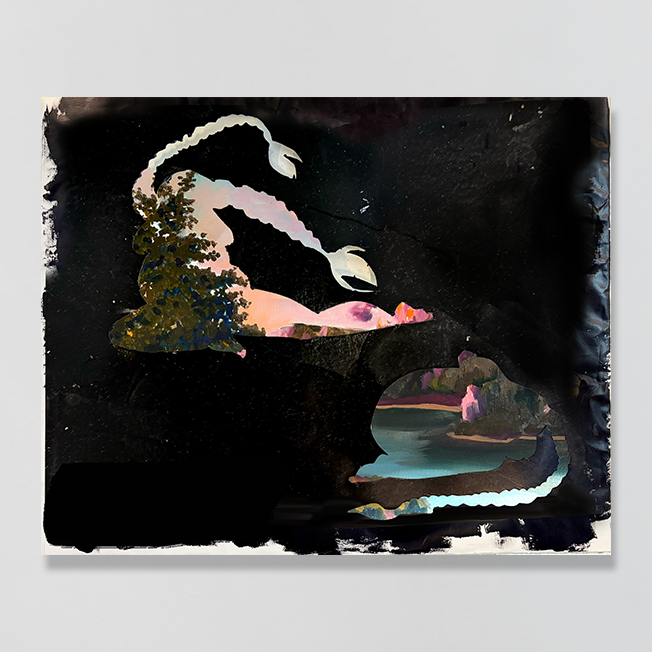
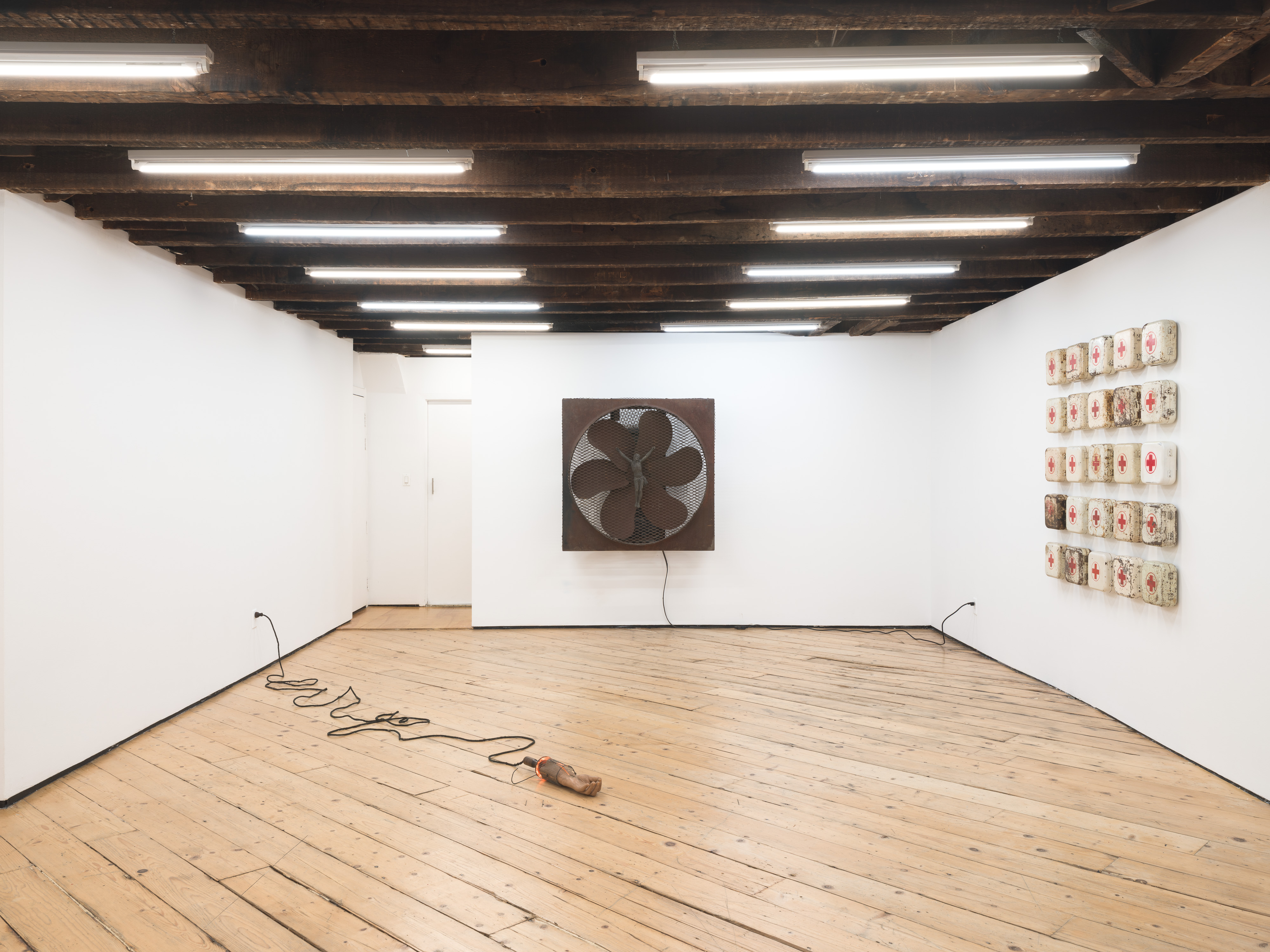
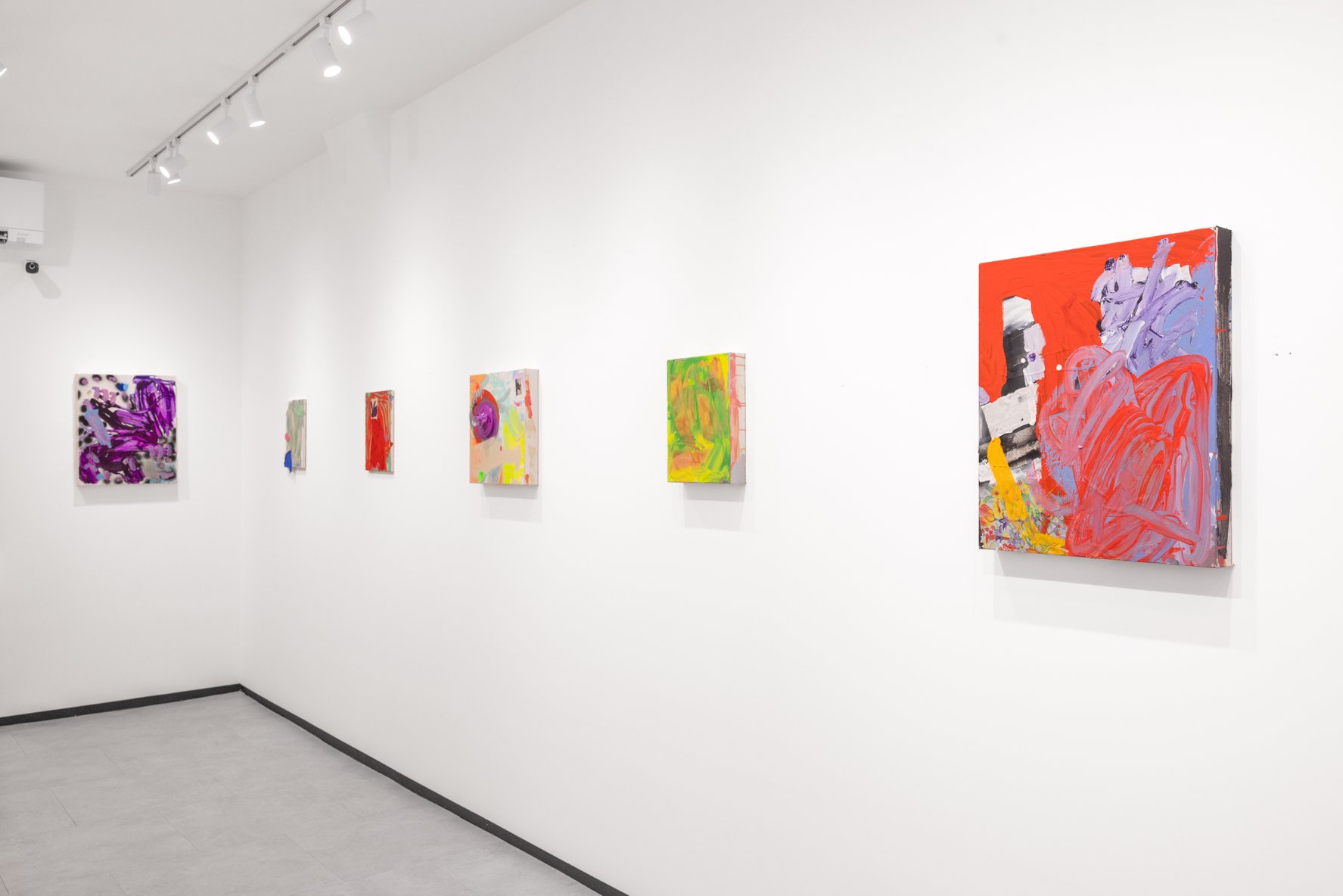
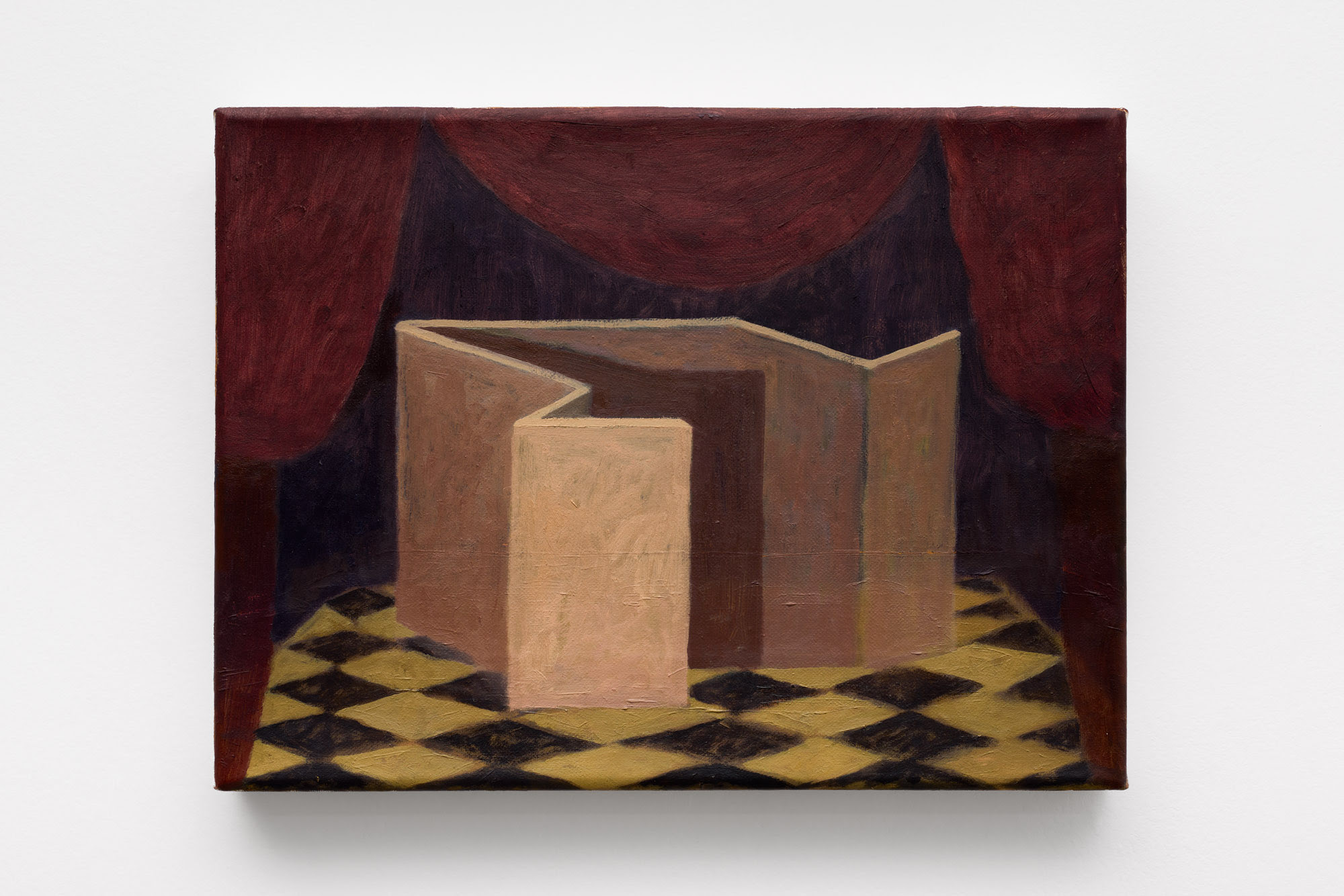
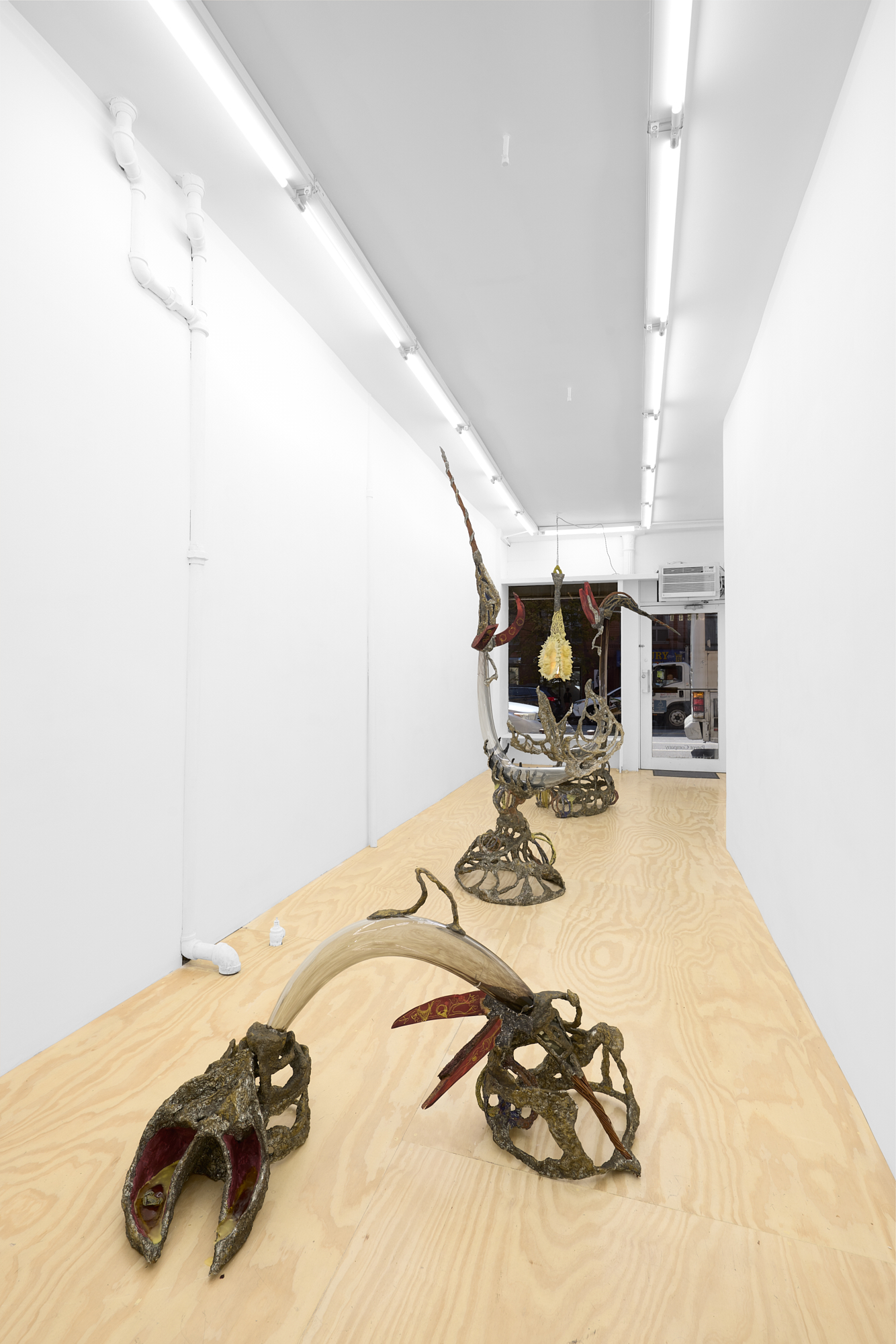
Field of Vision was curated from an open call. Of 320 submissions, the group was narrowed down to three. What ultimately links these artists' work together is pattern-making from observation, which results in work that exists between abstract and representational.
Where do the patterns in your work come from?
Jonathan Worcester: The patterns come from studies of various sources including observation in nature, skin, static, fabric, screens, and phosphenes (the visual patterns that present themselves when we close our eyes). I'm interested in the symbolic value of repetition/ accumulation.
What visual languages are you borrowing from?
JW: The work is fundamentally about visual phenomena/ phenomenology. I intend for them to appear as unfixed, hybrid, and valuing states of transformation/metamorphosis. They create signals, tension, and dissonance. I owe a certain debt to Op Art, however I think what I'm doing is very different than, for example, Brigid Riley.
There are also technological and biological motifs present in the work. I've been playing around with the idea of mimicry in nature (which is often an evolutionary strategy) being applied to the cultural world.
Where does your work fall on the spectrum of abstraction and representation?
JW: Fully abstract. I find a lot of value in the tenets of Queer Abstraction proposed by David Getsy, specifically regarding the idea of creating work that avoids categorization..
“…its priorities often emerge from a suspicion of representation, from a striving to vex visual recognition, and/or from a desire to find a more open and variable mode of imaging and imagining relations” (65-66).
Who are some artists whose work relates to your practice (directly or indirectly)?
JW: In no particular order, Jack Whitten, Jaqueline Humphries, Beverley Fishman, R.H. Quaytman, Tishan Hsu, Ashley Bickerton, Eva Hesse, Doris Salcedo, Michal Rovner, Sadie Benning.
Where do the patterns in your work come from?
Woojin Shin: There is some level of consistency in gesture and mark making throughout my works. The idea of pattern comes from my appreciation of the repetitive mark making process of traditional Asian paintings. Old Asian painters attempted to embrace themselves as a part of nature through practicing mark making.
The images in my painting are an outcome of the natural progression of my mark making practice over a decade. The making process is mostly my intuitive response to the marks that pre-exists on a surface rather than an imagination. Even though the mark making process very much focuses on my own intuition, images show a resemblance with my interest, which is nature and universe.
What visual languages are you borrowing from?
WS: I get inspired by all the forms and marks in nature. I think about the forms and forces that exist around us such as wind, water, trees, rocks, stars, and gravity. I focus on each mark and how they gradually become a part of an image just like how living matters form. I want my work to be as close to nature as possible. Also, the usage of negative space in traditional Asian painting allows viewers to acknowledge the space outside the image. I apply that idea into my work by drawing the forms to the very edge of the surface, which leads viewers to imagine the image outside of the frame. It is to guide them to be aware of the infinite space beyond painting.
Where does your work fall on the spectrum of abstraction and representation?
WS: In the East, the idea of painting was highly abstract from the very beginning. Old Asian painters believed that a single mark is a compression of the whole universe. I think the spectrum of abstraction has broadened its boundary through influencing back and forth between Eastern and Western culture throughout history. Just like traditional Asian landscape paintings gave some inspiration to Abstract Expressionist painters, I had a privilege to learn from different ideas around abstraction across different cultures.
Formally, my work carries some level of ambiguity in terms of shape. The Images can be seen as trees, rocks, wind, streams, or even a figure. I want to leave enough space for viewers to navigate as Eastern culture highly values an individual's own experience. I believe all I need to do as an artist is to open the door. And I want the rest to be filled in by the viewer's own thoughts and feelings. What I like about abstract painting is that it completes itself when it meets the viewer. Also, I often think less is more.
Who are some artists whose work relates to your practice (directly or indirectly)?
WS: In terms of context, the ideas behind my work resonate with the fundamental idea of Dansaekhwa, “Korean monochrome painting movement”, and I had some influence from Ufan Lee, “founder of Mono-ha”, who combined the idea of Minimalism with Eastern philosophies. While I was in the graduate program at School of the Art Institute of Chicago, I strongly connected with artists with abstract minds like Joe Bradley, Kirsten Bratsch, and Daniel Hesidence through studio visits. Also, I see some similarities with my work and works of artists dealing with nature and cosmic forces like Lesley Vance and Rebecca Morris.
Where do the patterns in your work come from?
Jesse Moy: They come in part from small observational drawings that I make outside —foliage, a pool of water, a patch of ground, etc. These drawings are then remade many times in the studio. I try to work towards a place where the observed pattern is interpreted and absorbed, where a kind of fluency is developed with that particular form language.
Patterns also come from looking at other drawings. I'm interested in drawing conventions. For example, how a cloud is rendered in an engraving, or the brushwork that makes up a rocky slope in an ink painting. The way other artists have solved the problem of translating an observed thing into a drawing itself becomes a thing to study.
What visual languages are you borrowing from?
JM: I've worked as a cartographer, so that way of thinking about the flattened space of aerial perspective and the use of symbols are often on my mind. I'm also borrowing from diagrammatic drawing, printmaking, and ink painting traditions.
Where does your work fall on the spectrum of abstraction and representation?
JM: Usually somewhere in the middle. Because observation plays a role in most of my work I don't think of abstraction as something that stands apart from representation. I'm curious about an entry point into abstraction that comes from looking — getting really close, cropping, dropping out certain contextual cues. Form and the illusion of space are an important part of the work, even though the "what" of the drawing isn't always clear.
Who are some artists whose work relates to your practice (directly or indirectly)?
JM: I'm really inspired by the way Catherine Murphy, Josephine Halvorson, and Avigdor Arikha make work and talk about the act of looking. I think all their work asks what it means to approach the world with a kind of attentiveness.
I also spend a lot of time looking at Charles Gaines and Terry Winters. They both think about systems in drawing and painting, starting with a set of constraints and then challenging, stretching, and playing within them.