Ended Jul 13
Mohammed Z. Rahman
A Flame is a Petal
Jun 1 – Jul 13, 2024
More from Mohammed Z. Rahman on Gallop
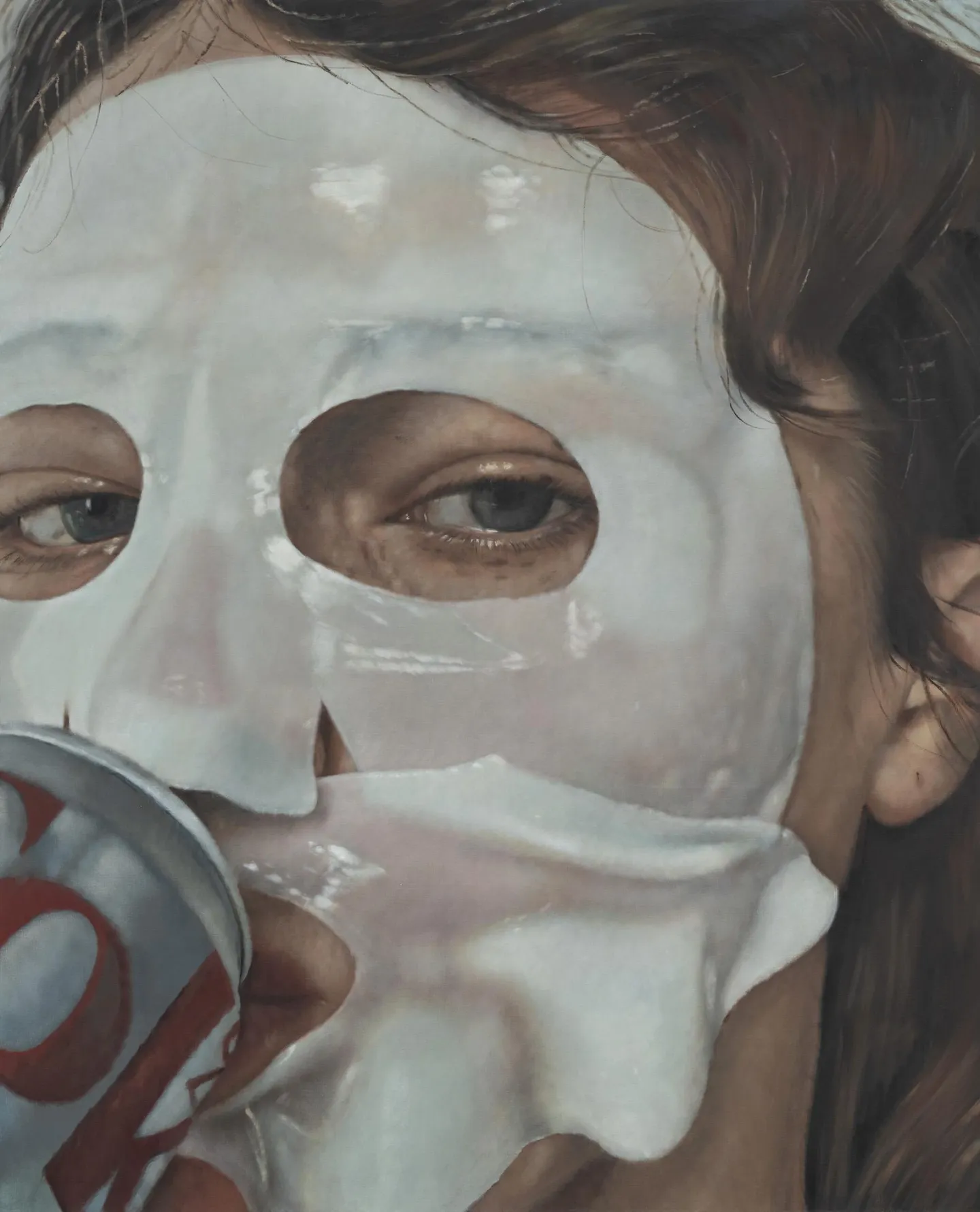
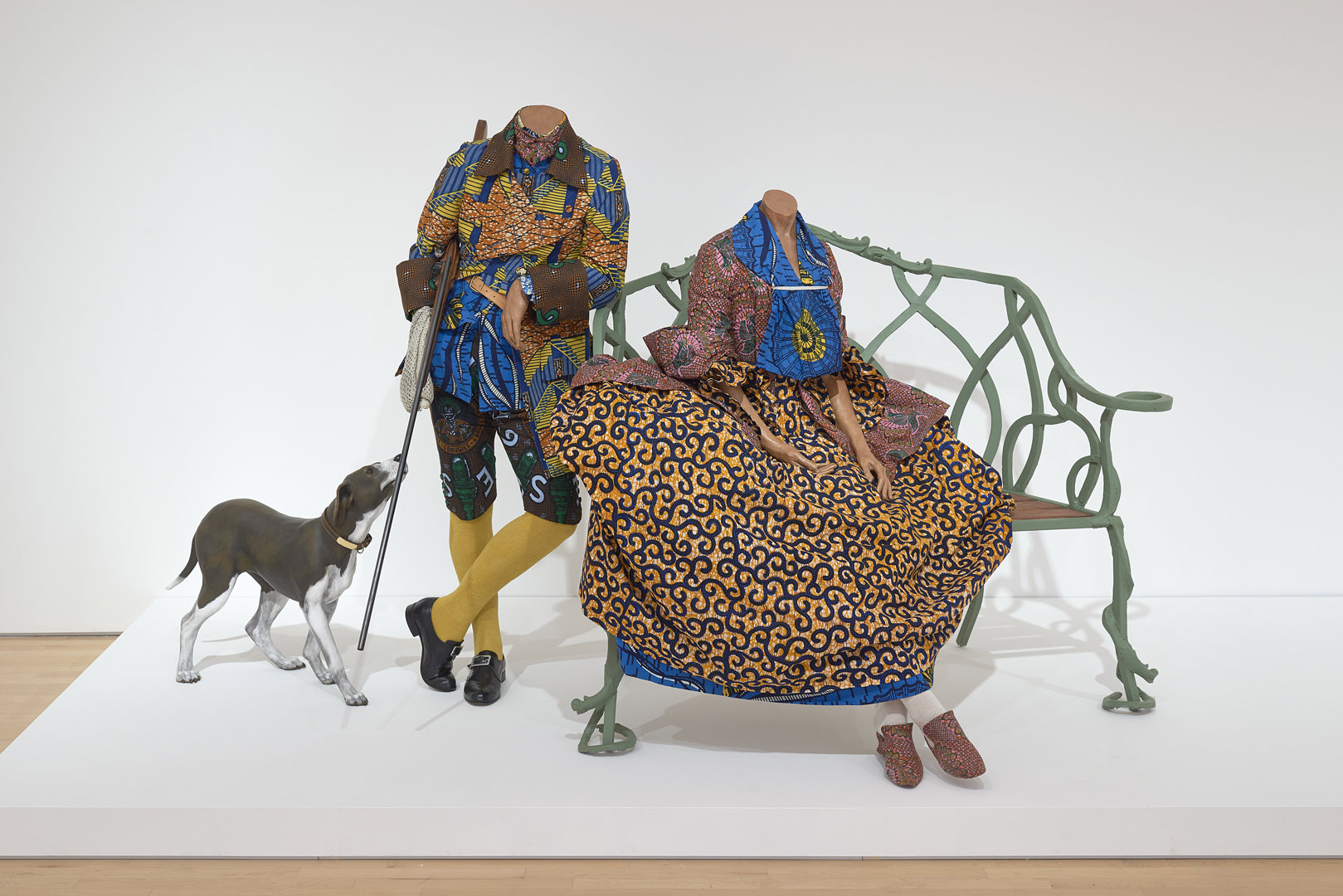
A Flame is a Petal is Mohammed Z. Rahman’s second solo exhibition at Phillida Reid, including new paintings, across scale, and integrated with sculptural installation.
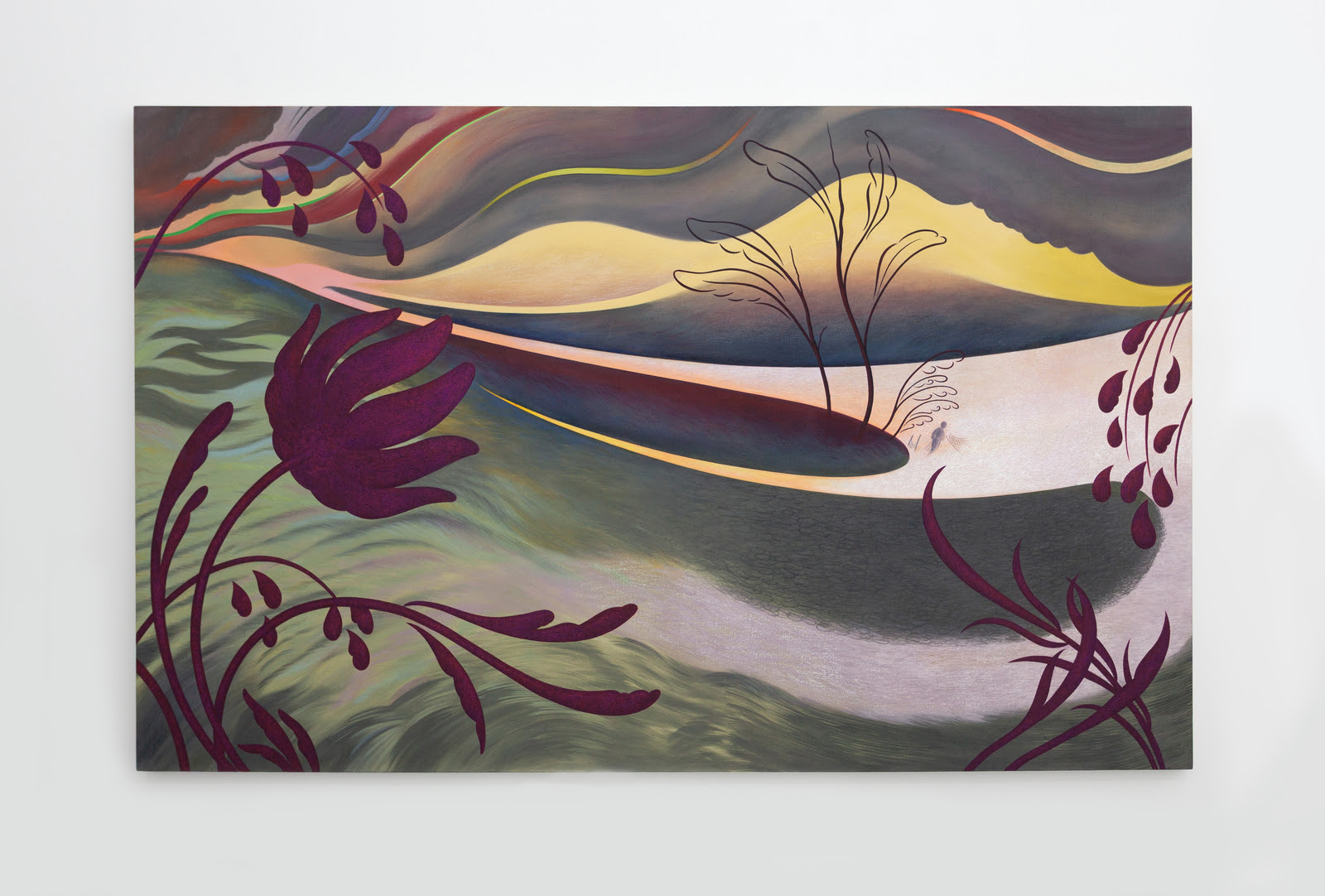
The exhibition is a meditation on the love and community at stake in an early apocalyptic context marked by social polarisation and ecological destruction. Utilising the symbolism and chromatics of fire and flowers, Rahman explores themes of revolutionary love through memories, dreams, objects and tributes to community. The title is inspired by the yogic practice of trataka meditation which involves watching a candle flame to focus the mind, which Rahman interprets as seeing beyond the peril of the moment to what matters; namely togetherness, the dreams of children and the abolition of unjust systems.
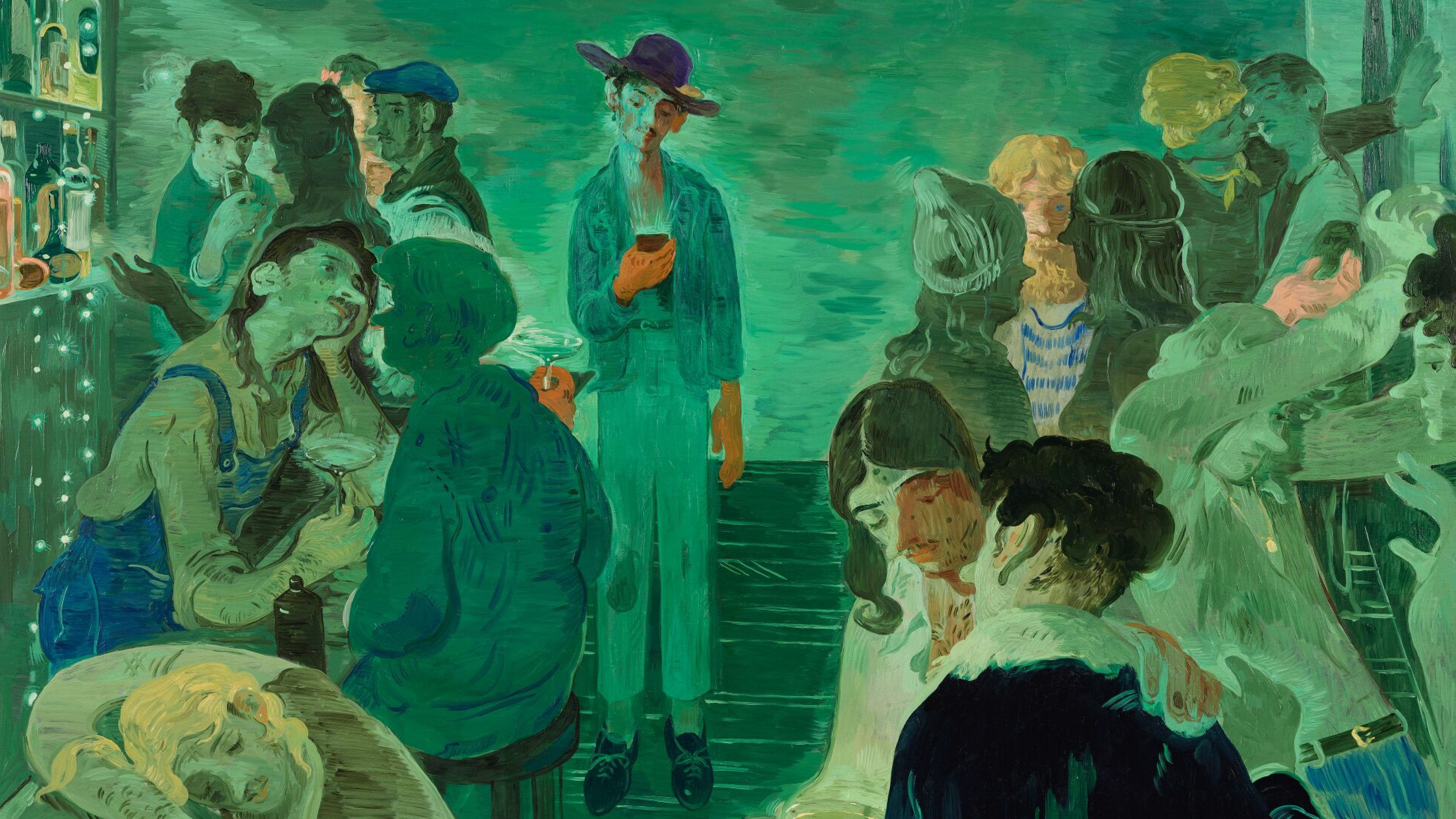
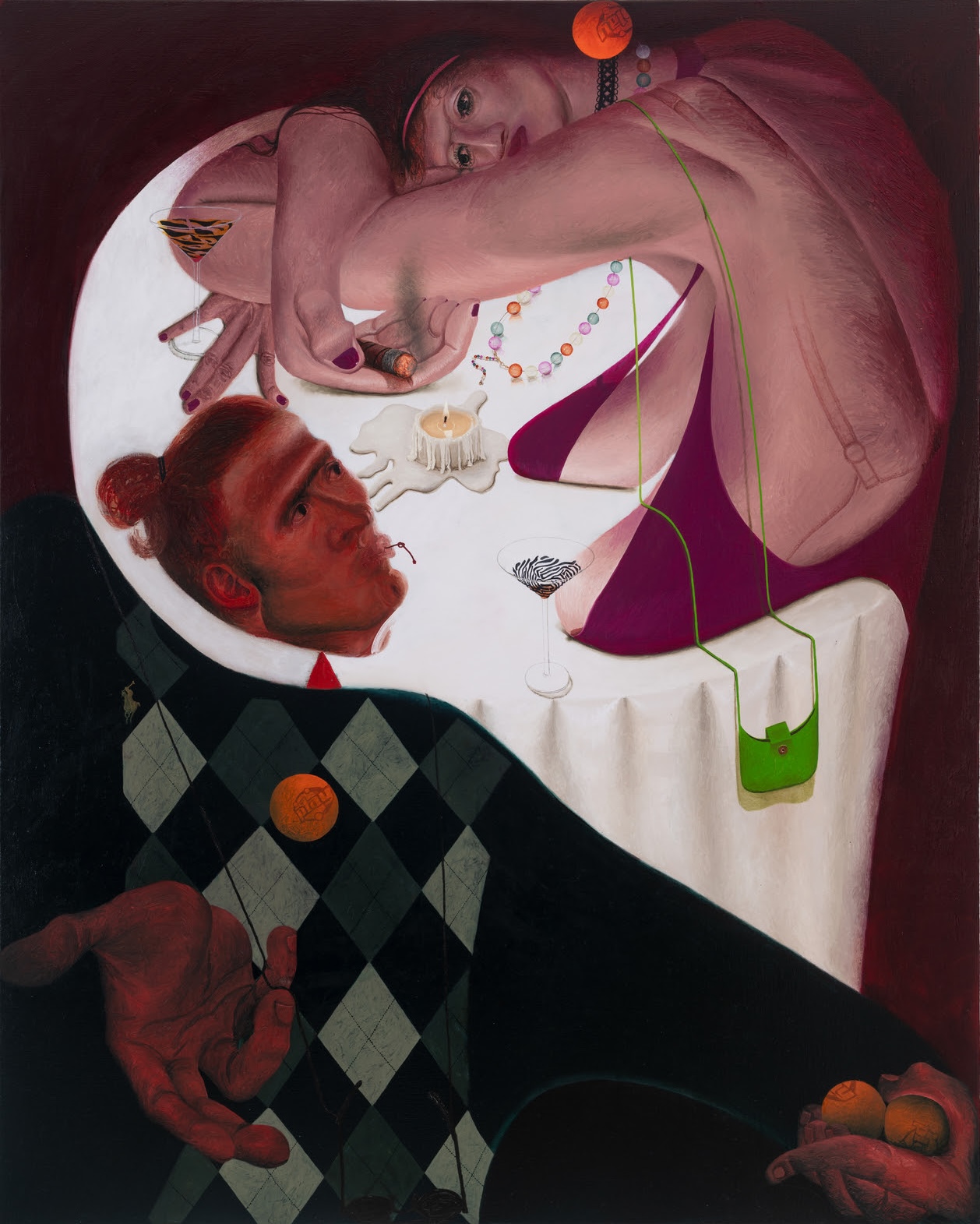
Among the works exhibited is The Spaghetti House, Rahman’s largest painting to date, based on a story the artist and their young niece invented together. Building this narrative, they spoke about an imagined time that Rahman spent living in a sprawling manor made of pasta, where artists and friends live out their joys and trials together. The scene is carnivalesque and dream-like, recalling social realism in its depictions of domestic labour, as well as both Flemish Renaissance landscape paintings – which portray in minute detail the social lives of the rural working classes – and sixteenth century Mughal miniatures – intricate, colourful depictions of court life, mythology, hunting parties and historical battles.
This vivid joint imagining became a channel for intergenerational dialogues about communal living: a double-exposure of child and adult gaze which allows for wonder and invention around pressing social issues. The piece is also an emotive appeal to the humanisation of young life lost to regimes of colonial violence, so often normalised and obfuscated in the language of statistics. Above all, The Spaghetti House considers what it means to take the dreams of children seriously.
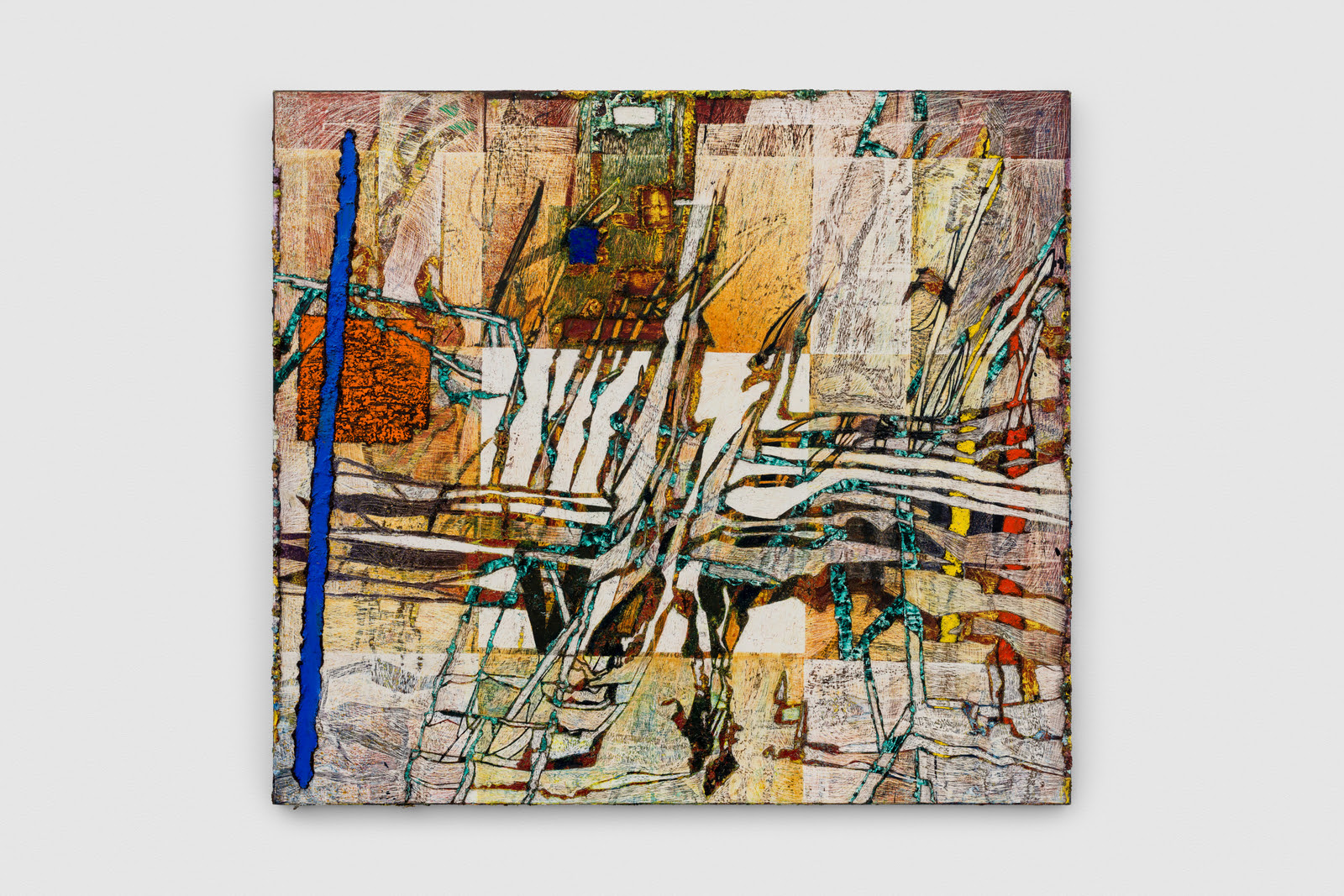
Festivals, a series of new paintings, pictures dioramas constructed of wooden stage set panels. The sets, erected in wide, desolate landscapes, are temporary sites for communal festivities remembered from Rahman’s lived experience: friends gather around a table to celebrate Diwali against a backdrop of dry grasses, light fireworks in a red desert, and enjoy a summertime barbecue in a dark, star-lit field. The structures which accommodate these gatherings are poignantly collapsible hideouts in sites otherwise exposed to the elements. In the foreground lie objects which evoke a historical consciousness behind these festivities, spanning centuries and generations. Almost out of frame, their presence alludes to a socio-historical risk of oblivion.
For Rahman, domestic settings and spaces in which to live together are built through our own agency. They are also unstable, impermanent and precious. Festivals speaks to an imperative to actively carve out sites of celebration, community and solidarity from the social possibilities and material conditions to hand.
Meanwhile, Emergency Then constitutes a free standing replica of a phone booth constructed from timber and inlaid with paintings representing historical fires, including the burning of The Nottingham Arms pub in East London in the early 2000s, and fires in government buildings during the Mostar riots of 2014 in Bosnia, where Rahman lived for two years as a teenager. Where fire is a condition of warmth, gathering and domestic space, it is also pictured as a destructive force associated with both violent loss and protest.
A Flame is a Petal harmonises triumphant declarations of love and a reckoning with troubled histories of dispossession, with a particular interest in the unstable nature of solidarity and the fiercely loving emotionality required to sustain it.