
Ended
Lavender Haze
Jul 2 – Aug 1, 2025
Abdolreza Aminlari, Ridley Howard, Anthony Iacono, Kevin Lowenthal, Hannah Murray, Justin Liam O'Brien, Sheila Pepe, Elaine Reichek, Victoria Roth, Alessandro Teoldi, Angelo Vasta
The term “lavender haze” first gained cultural traction in mid-20th-century America as a coded reference to queerness. In an era when homosexuality was stigmatized or criminalized, "lavender" became a color of subtle resistance, an identity signifier worn quietly or embedded in language, literature, and dress. During the 1950s, the term described the public persona or social façade a queer person might adopt to hide or obscure their true identity—what sociologists and queer theorists later referred to as "passing" or "covering." More recently, the phrase was revived by pop culture and recontextualized, notably in Taylor Swift’s 2022 song Lavender Haze, where it denotes the dreamy fog of early love, untouched by societal scrutiny. Across these meanings, “lavender haze” functions as both mask and mood—a space of ambiguity, longing, and defiance.
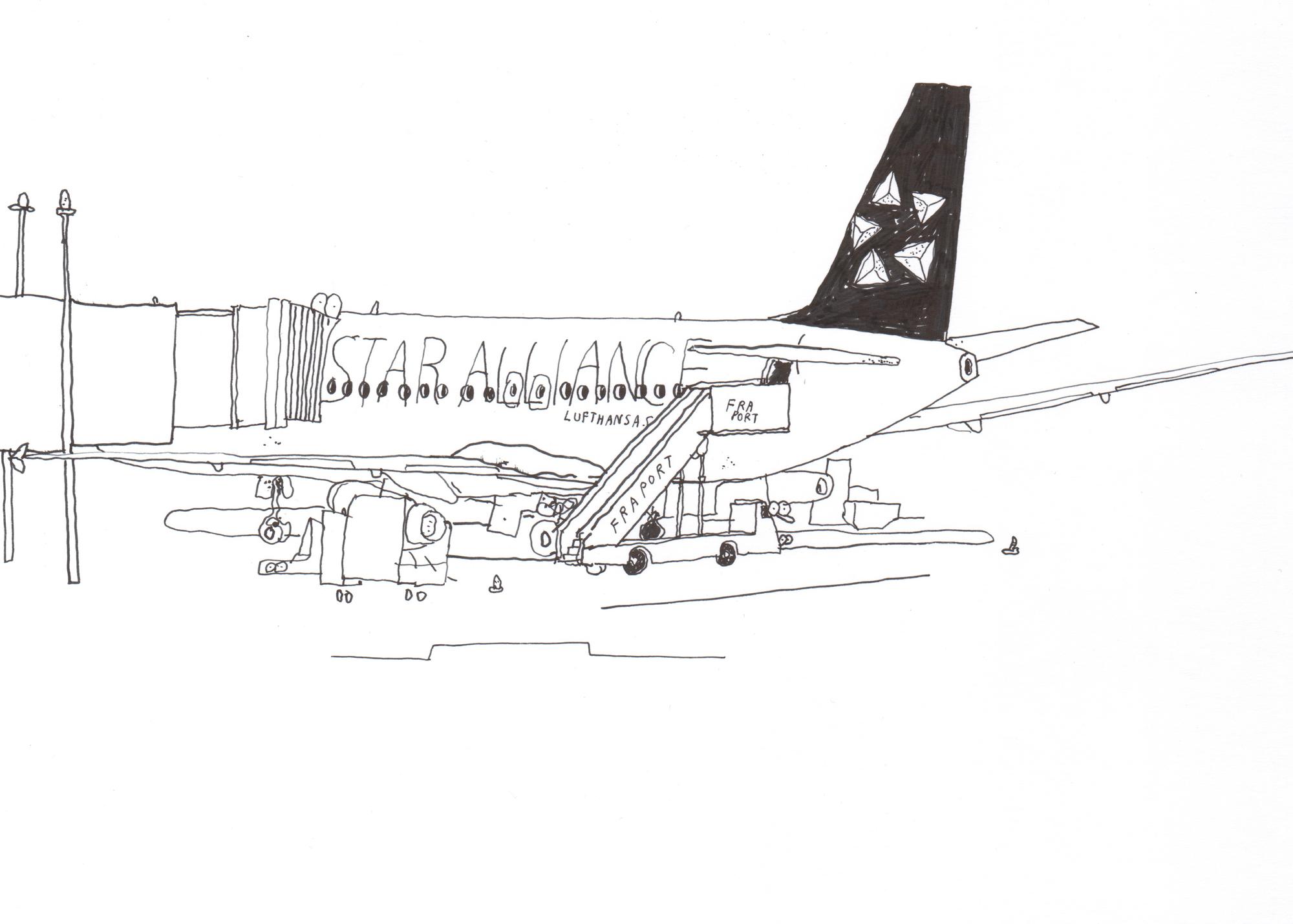
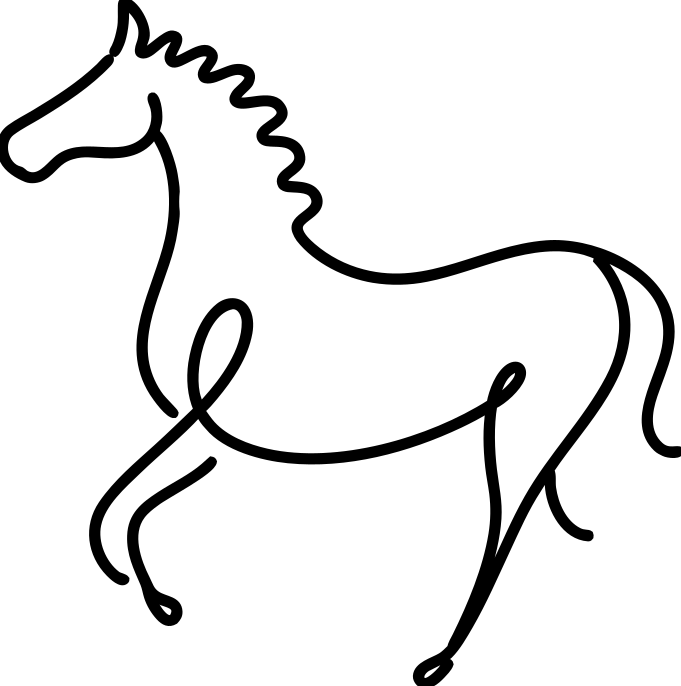
Abdolreza Aminlari uses hand-stitching on paper to create minimalist yet emotionally resonant compositions. His use of thread becomes both a meditative act and a reclamation of craft, quietly subverting the division between fine art and traditionally feminine or domestic labor. Like the haze itself, his work reveals through texture what it withholds in image. Similarly, Ridley Howard’s paintings occupy a space between figuration and stylization. With their soft colors, simplified forms, and emotional restraint, Howard's figures seem caught in a suspended state of introspection—imbued with romantic potential, yet flattened into stillness, as if dreaming through a lavender filter.
The idea of coded expression runs through Anthony Iacono’s collage-based practice, where sharp-edged silhouettes of bodies, often male, interact in compositions loaded with erotic tension. His clean, pop-inflected surfaces belie a more complex exploration of queer desire, structure, and self-presentation. In Kevin Lowenthal’s paintings, the works are veiled in suggestion and symbolism rather than direct narrative, mirroring the layered, elusive nature of the “lavender haze” itself. Like the term's origins—a linguistic cloak for queer identity in mid-century America—Lowenthal’s compositions construct environments where meaning is deliberately obscured, inviting the viewer to intuit rather than decode. The boundaries between body, object, and atmosphere are fluid, echoing the haze’s dual function as both camouflage and aura. In this way, Lowenthal crafts visual metaphors for the queer experience: spaces where the personal and political blur, where visibility is partial, and where a theatrical intimacy plays out just behind the veil.
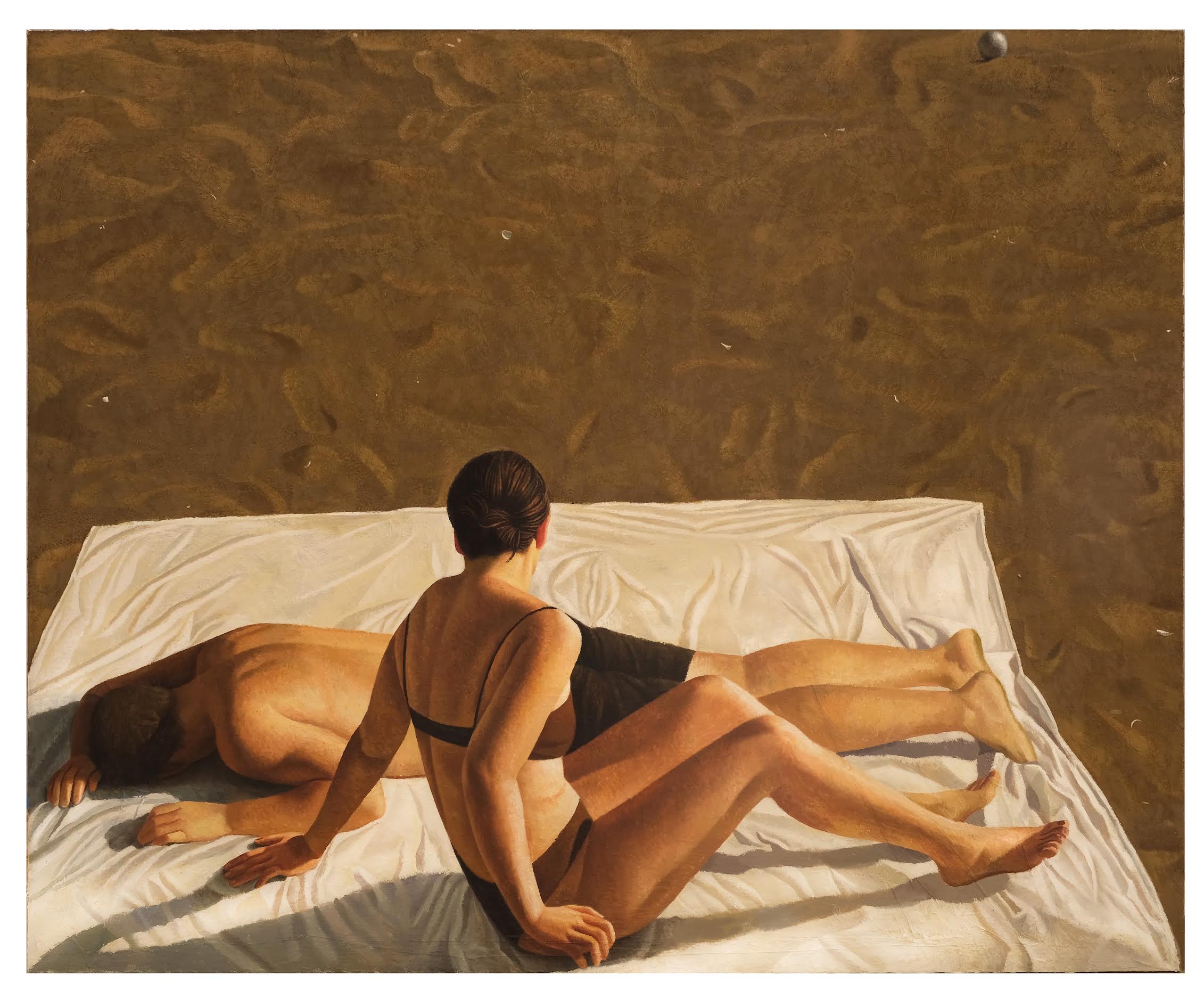
A shared interest in psychological space continues with Hannah Murray, whose layered, gestural paintings often explore themes of identity, performance, and transformation. Justin Liam O’Brien, meanwhile, paints intimate scenes of queer life that balance tenderness and stylization. His compositions, steeped in soft lighting and romantic atmosphere, directly confront the viewer with emotional openness—yet the clarity of form maintains a kind of protective veil, a compositional haze where vulnerability is structured, not exposed.
This tension between emotional directness and formal control appears in Sheila Pepe’s expansive, fiber-based installations as well. Drawing on traditions of feminism, queer theory, and craft, Pepe transforms everyday materials—shoelaces, cords, yarn—into massive architectural webs that reframe public and private space. Her work, like Elaine Reichek’s embroidery-based conceptual practice, reinserts feminine and queer labor into the visual history of abstraction. Reichek’s use of thread to quote literary texts and art historical works mirrors how “lavender haze” operates as a kind of linguistic embroidery layered with historical meaning and subtext.
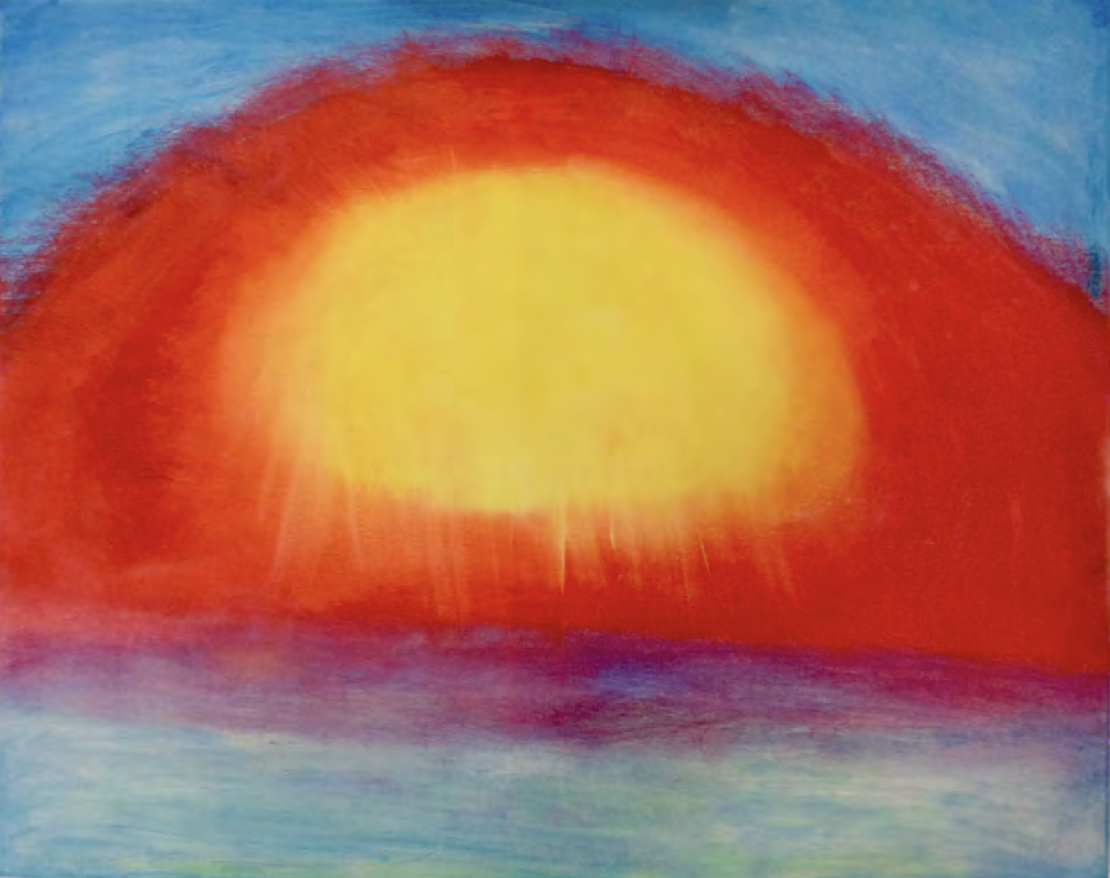
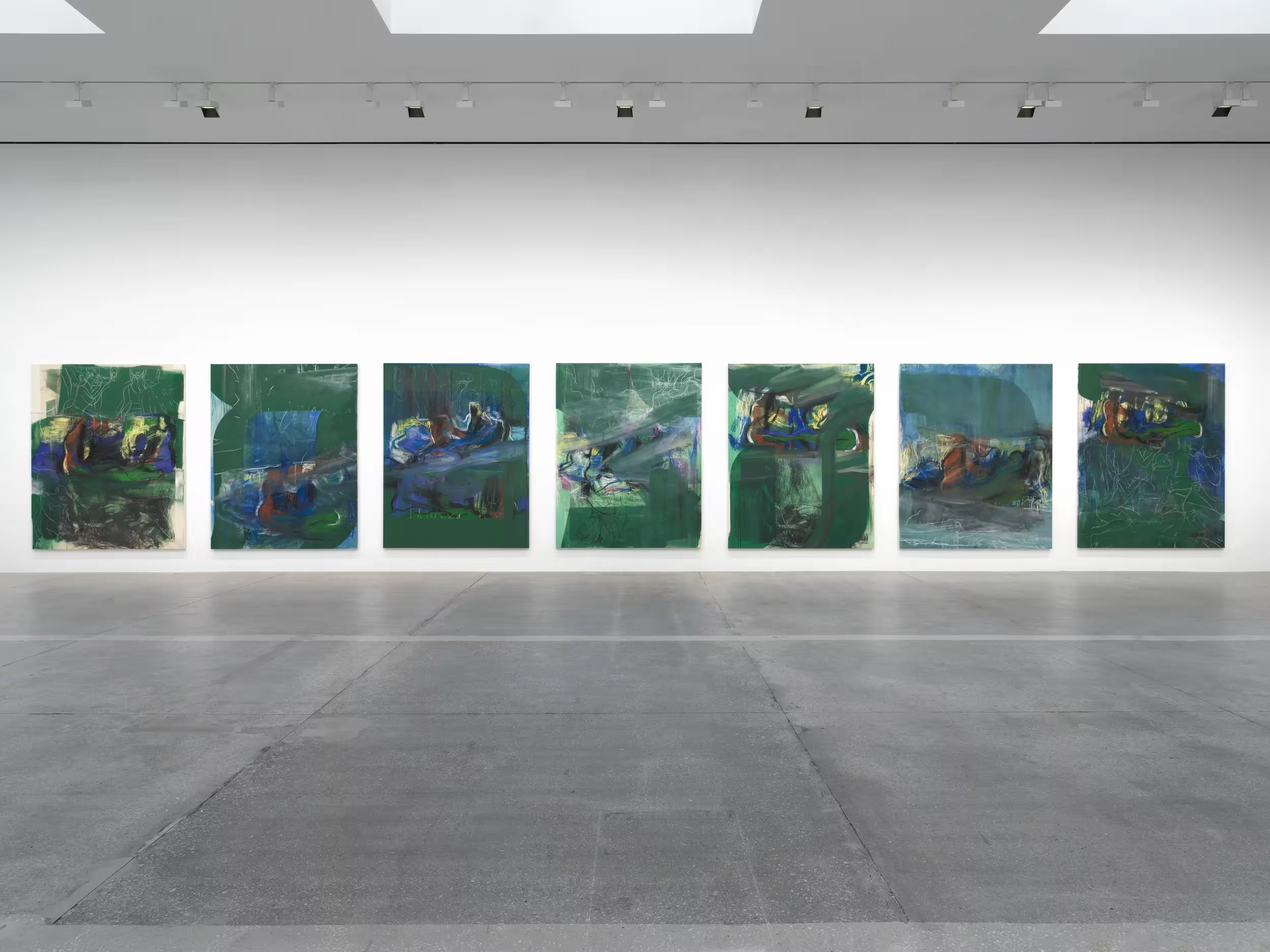
Victoria Roth’s work often features slippery, morphing forms that resist easy categorization, shifting between figuration and abstraction, interior and exterior, surface and depth. These visual thresholds serve as a space of coded presence—a soft, ambient veil through which identity, emotion, and desire are both concealed and revealed. In Roth’s practice, gesture and mark-making become ways to explore the boundaries of self and perception. Forms appear to emerge from or dissolve into their environments, much like the historical function of the term lavender haze as a social camouflage or romantic fog.
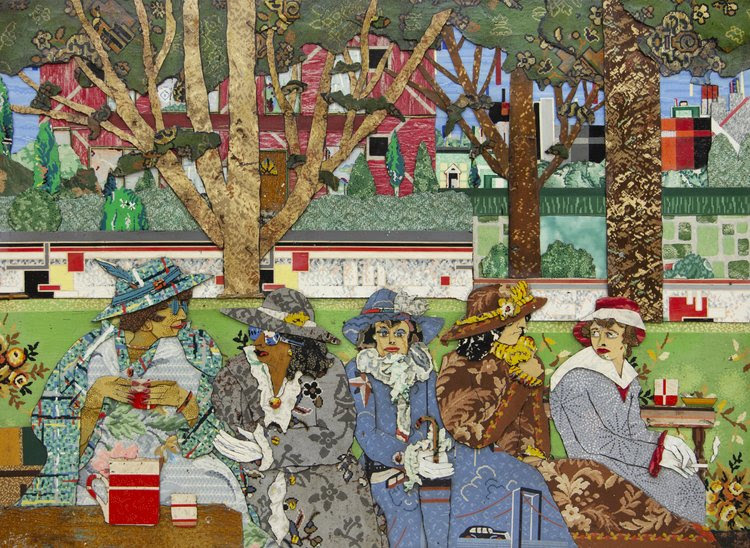
Alessandro Teoldi transforms linen remnants into poetic still-lives, landscapes and portraits. Teoldi creates spaces where vulnerability and identity are gently held, never fully exposed, but unmistakably present. His collages become intimate veils—tactile, tender, and quietly radical. Likewise, Angelo Vasta’s work depicts tender representations of men in everyday life. Vacillating between the intimate to the everyday, Vasta shows vignettes of gay life. Rather than approaching queer identity through overt symbolism or declarative narratives, Vasta’s work leans into subtlety with moments of quiet connection, introspection, and domestic solitude.
Together, these artists construct a visual lexicon of "lavender haze" as an aesthetic, political, and emotional condition. Whether through material softness, coded abstraction, romantic figuration, or the repurposing of craft traditions, their practices navigate veiled desires, private worlds, and systems of signification. In their hands, the “lavender haze” becomes a generative zone—part cloud cover, part protection, part shimmer—where queerness, tenderness, and transformation can quietly take root.