
Ended
Joseph J. Greer
Palimpsest
Jun 20 – Jul 20, 2025
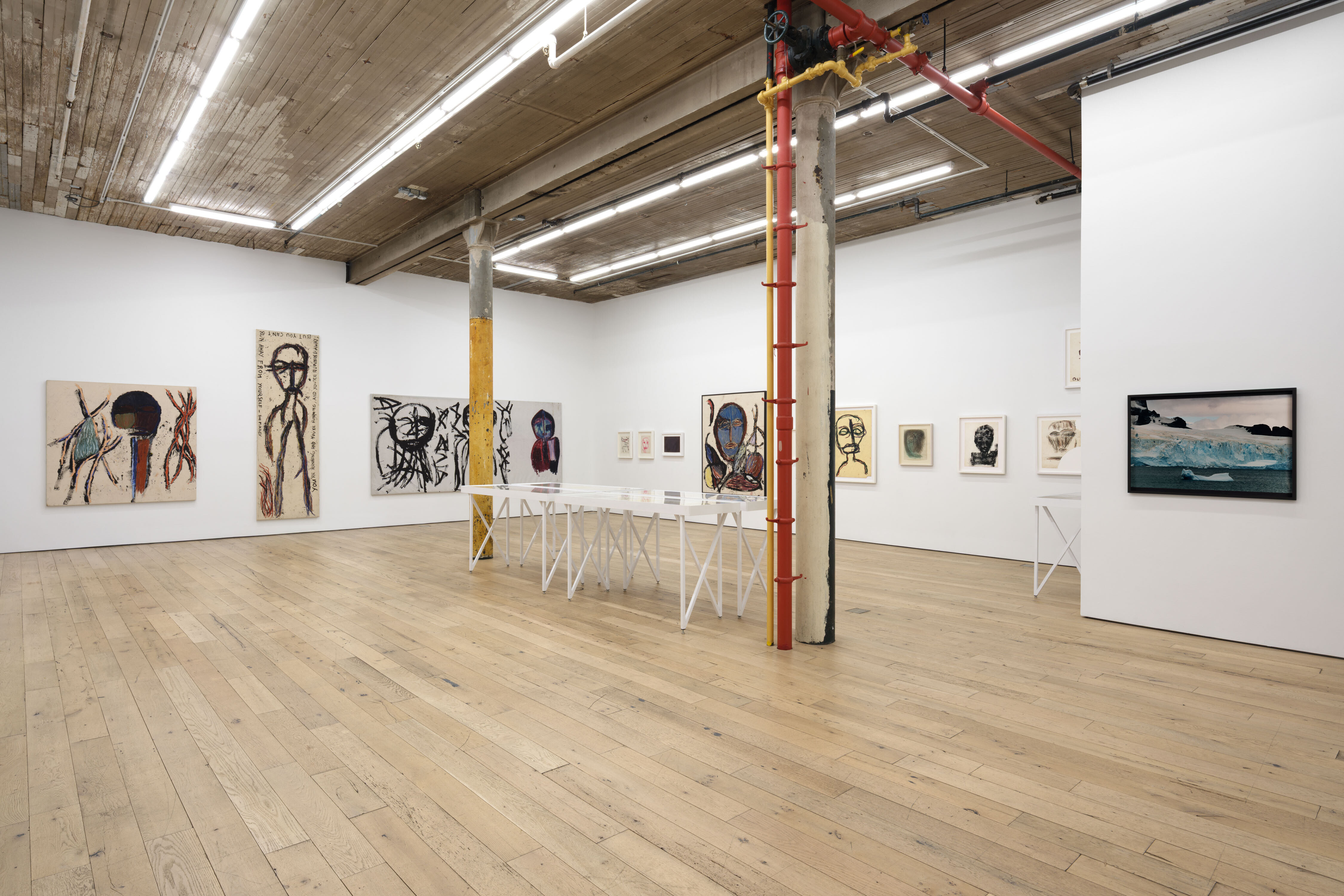
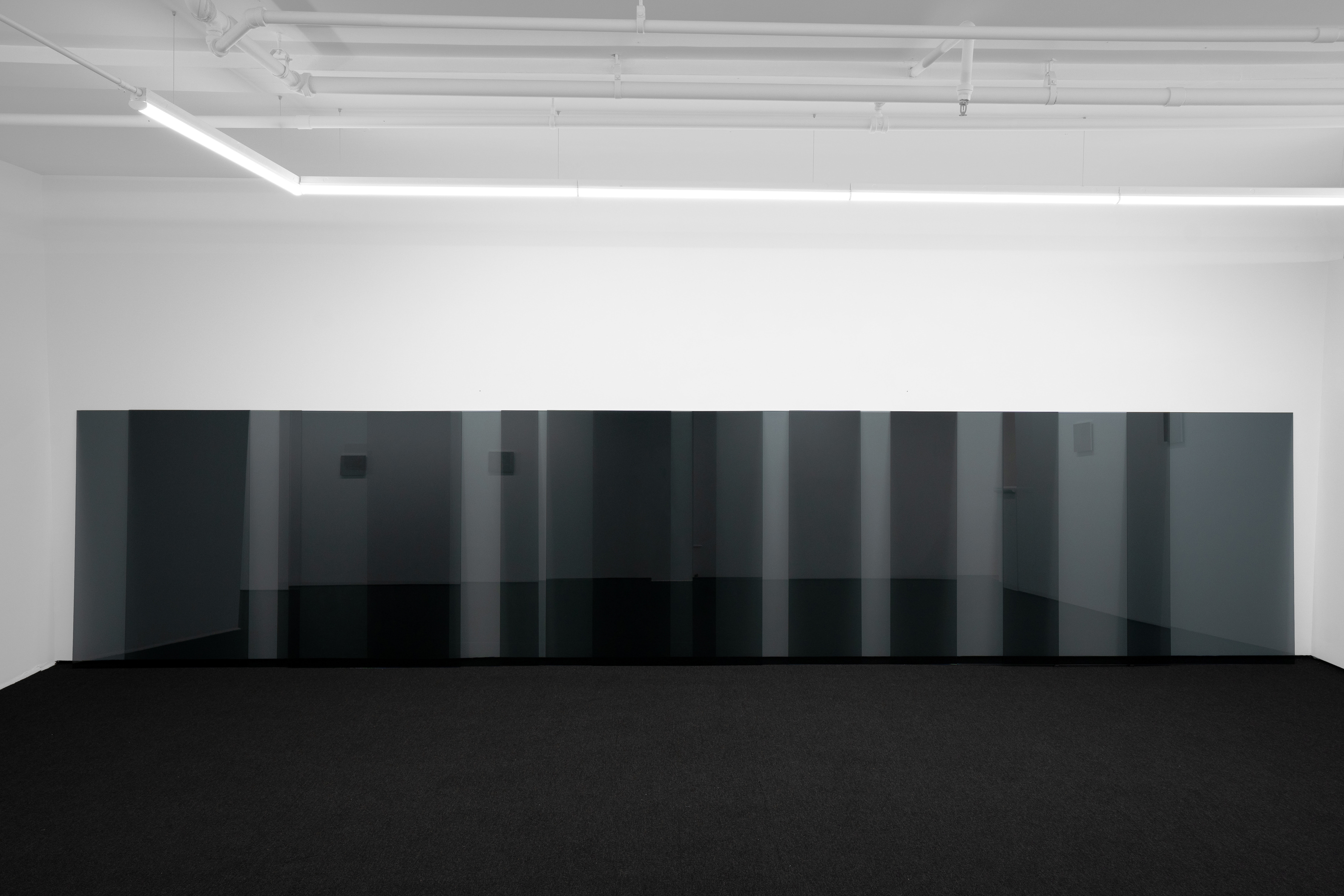
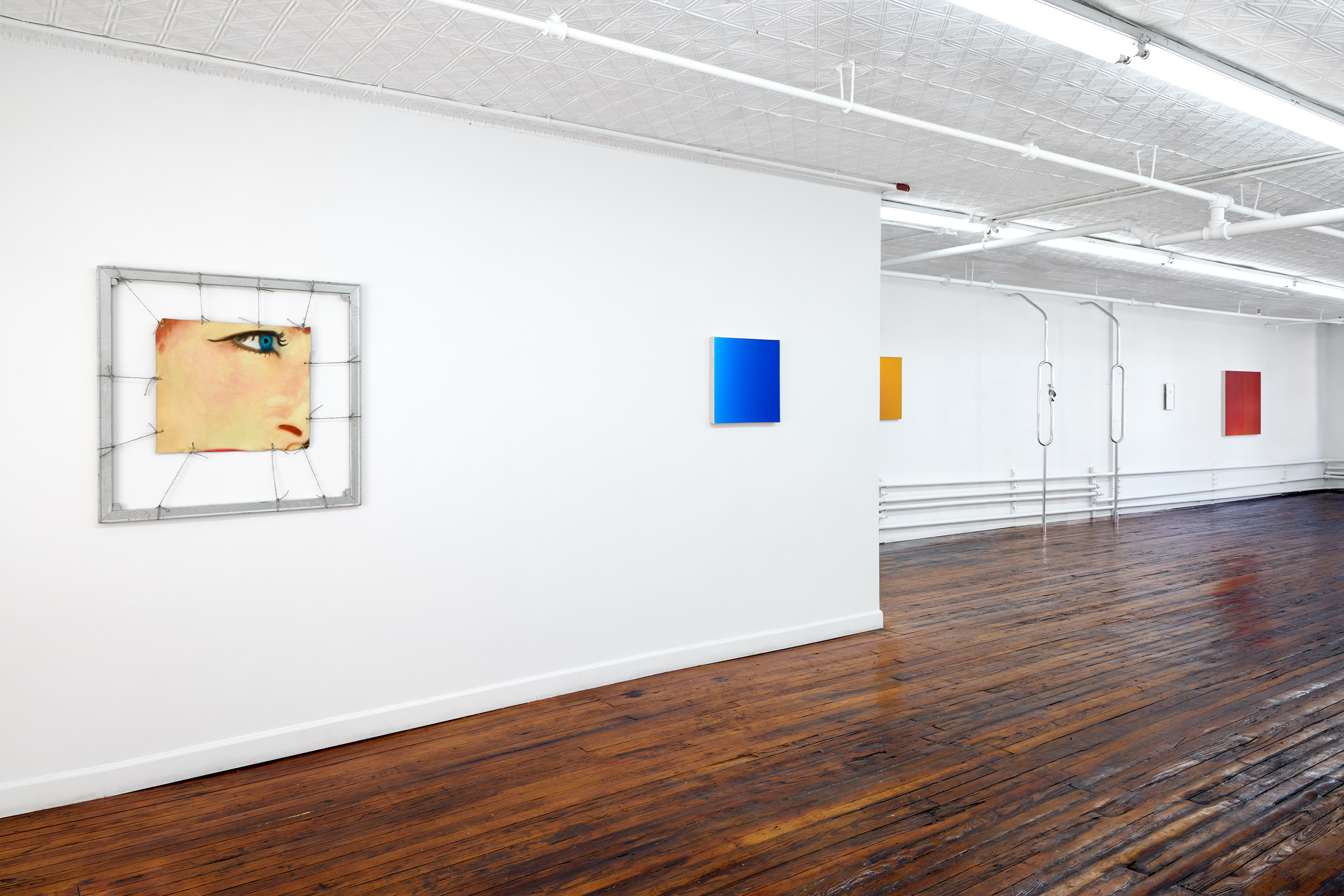
Hyacinth is pleased to present Palimpsest, Joseph J. Greer's second solo exhibition with the gallery. As the final presentation at 179 Canal before relocation, the exhibition opens with a quiet act of reconfiguration: high-density fiberboard panels laid across the hardwood floor. What appears as protection for incoming tenants also brackets the space—marking its withdrawal and establishing a provisional architecture of departure. This gesture sets the stage for the exhibition's central concern: the residual imprint of systems no longer operative.
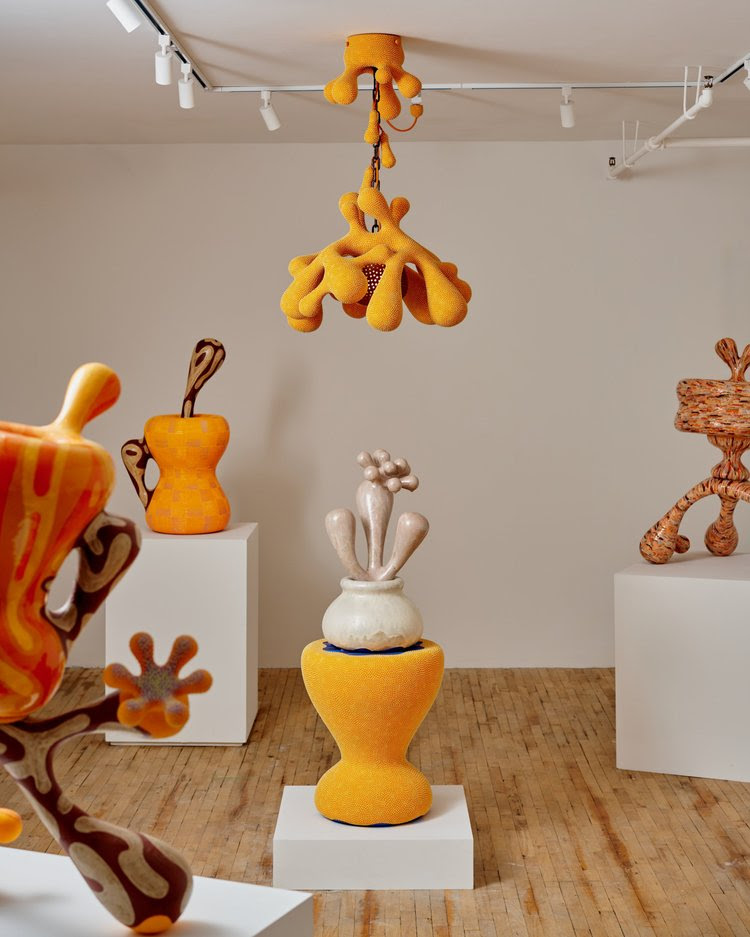
Each work engages absence through the withdrawal of a discrete utility—structured around the loss of a primary catalyst—incandescent fixtures, diesel engines, targets, time-keeping mechanisms. Rather than depicting loss as negation, the sculptures operate through substitution, mimicry, and displacement. Form becomes adaptive, recalibrated around vacancies. The remaining components are not inert but expressive, reorganizing themselves in response to what is missing or anticipated.
In Pitch Fastener, a wire lampshade frame, suspended and bulbless, slides into the body of a padlock through the prongs of its flexible harp. Like an exquisite corpse, where stray lines of an unseen head imply the contours of a neck and shoulders, drawing spatializes the privilege to access: an extrapolation of line into sculptural construction, contingent on withheld information. A similar operation occurs in Fibonacci's Lawn, where the turbine of a commercial leaf blower is replaced with a fossilized ammonite shell. One spiral form substitutes for another; airflow becomes mineral stillness. The work adopts the logic of the easter egg, a concealed anomaly embedded in a familiar frame, accessible only through partial dismantling, with discovery entailing the loss of utility.
Time and light surface throughout as latent actants. Though not materially present, they register through wear, shadow, and architectural drift. These traces mark the works as indices of prior use. The gallery becomes a forensic field, where objects record duration through damage and improvisation. Bodily scale—height, reach, proximity—offers a measure, linking the viewer to absent users the objects once presumed.
In Palimpsest, sculptural legibility emerges not from wholeness, but from partial visibility and deferred completion. These are not sealed forms, but adaptive residues—hollowed witnesses transiting from tool to trace. Together, they index the afterlives of use and form: not as relics, but as provisional frameworks through which past operations may be inferred, misremembered, or enacted anew.
Joseph J. Greer (b. Portland, Oregon) lives and works in Brooklyn, New York. He received his BFA from the Pacific Northwest College of Art. His work has been exhibited extensively throughout North America and Europe. Solo exhibitions include Cache Nexus at Hyacinth, New York (2023) and Enamel Duckface at Rheum Room, Basel (2021). Recent group exhibitions include Flat Mechanics, Fluid Dynamics at Deli Grocery Gallery, Brooklyn (2025); Grey Matter Dust Bunny at AD, New York (2025); and God is Chance, Lucky Me at Mery Gates, Brooklyn (2025). His work has been featured in The New York Times, Hyperallergic, and Artforum.