Ended Nov 9
Lynsey Addario
Raw
Oct 11 – Nov 9, 2024
More from Lynsey Addario on Gallop
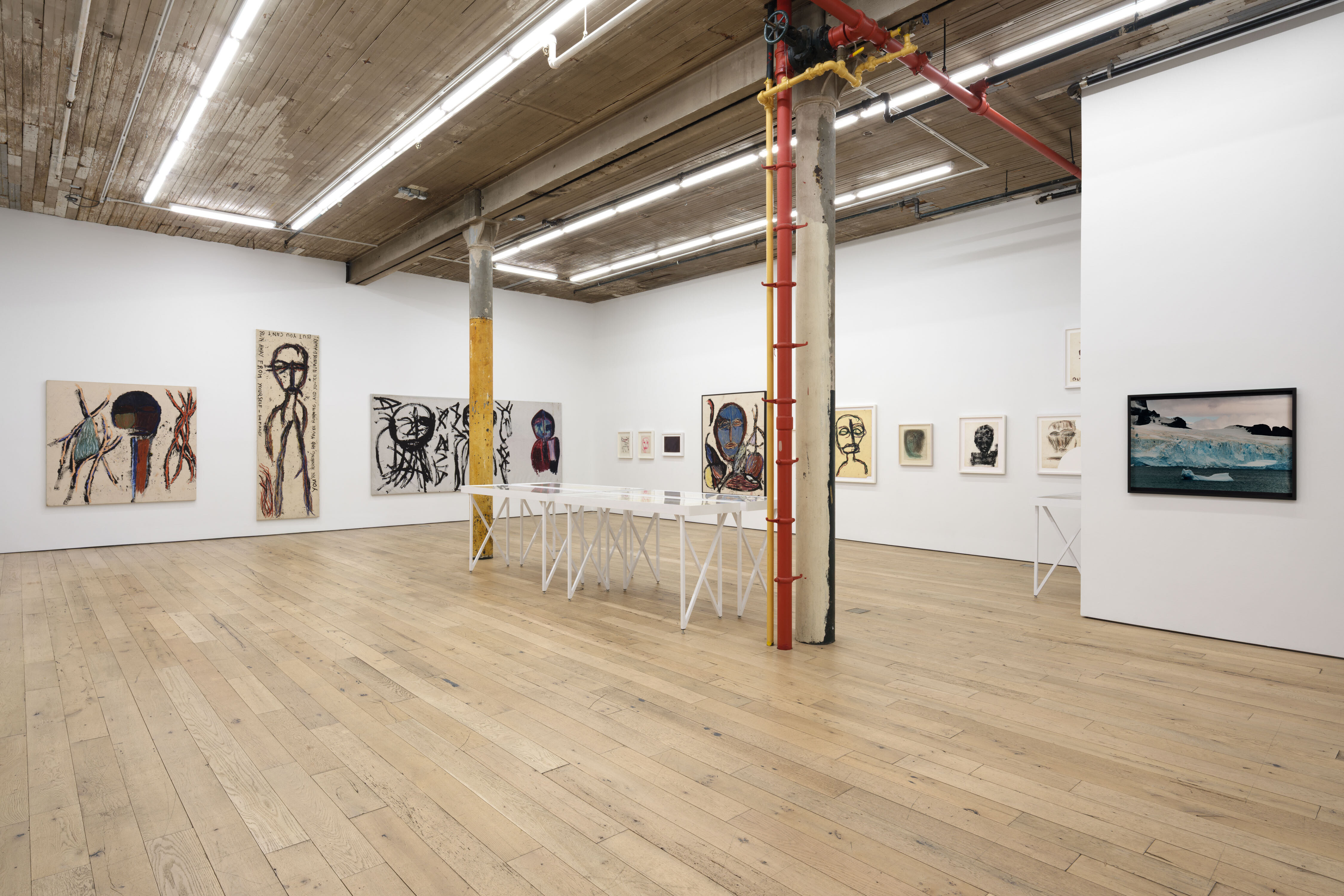
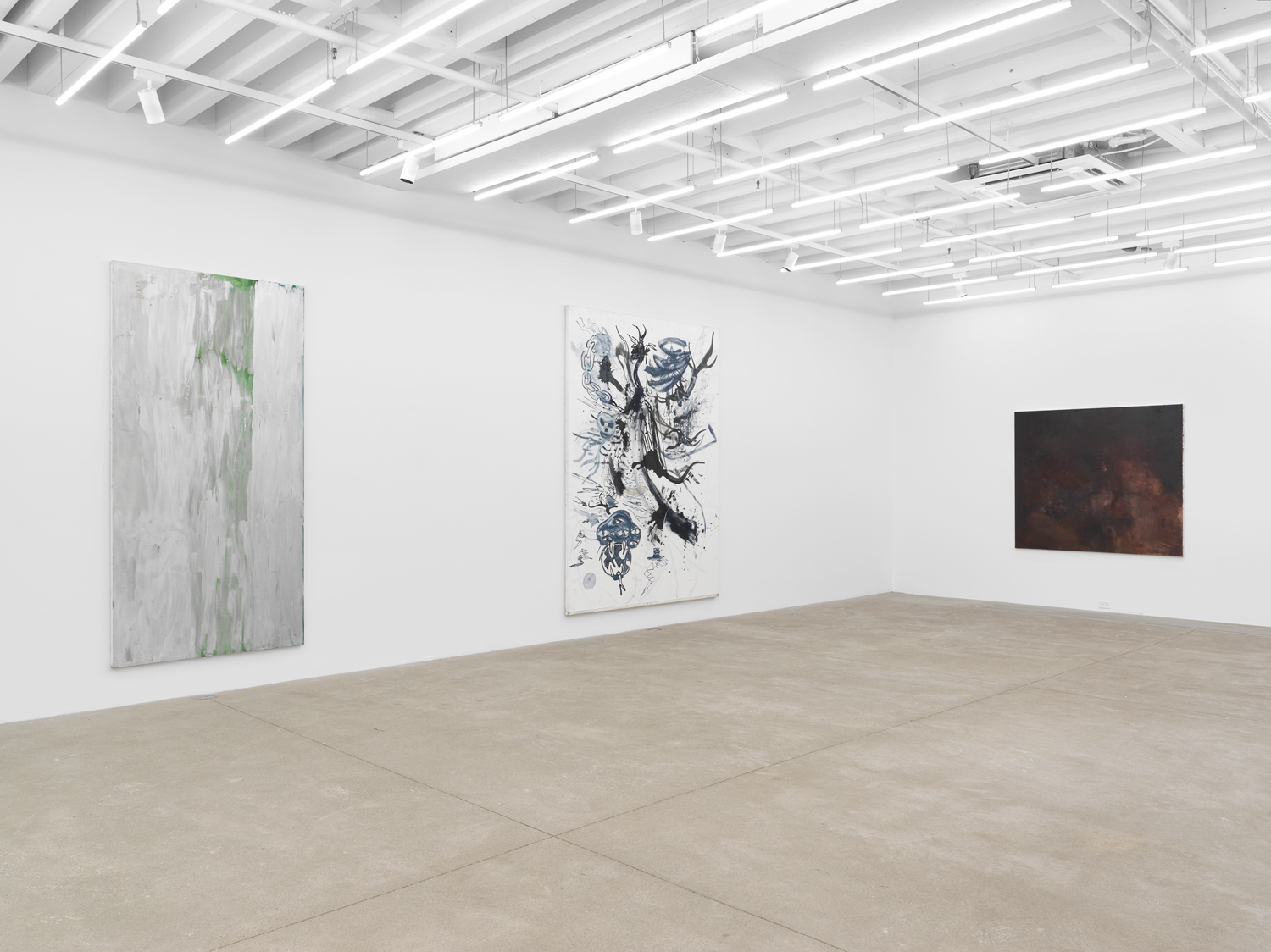
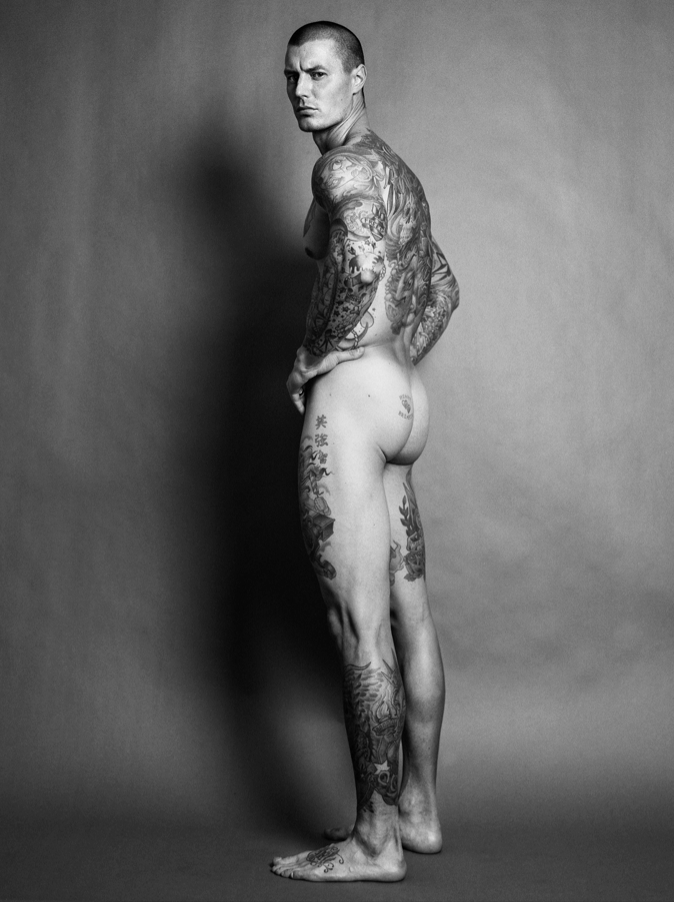
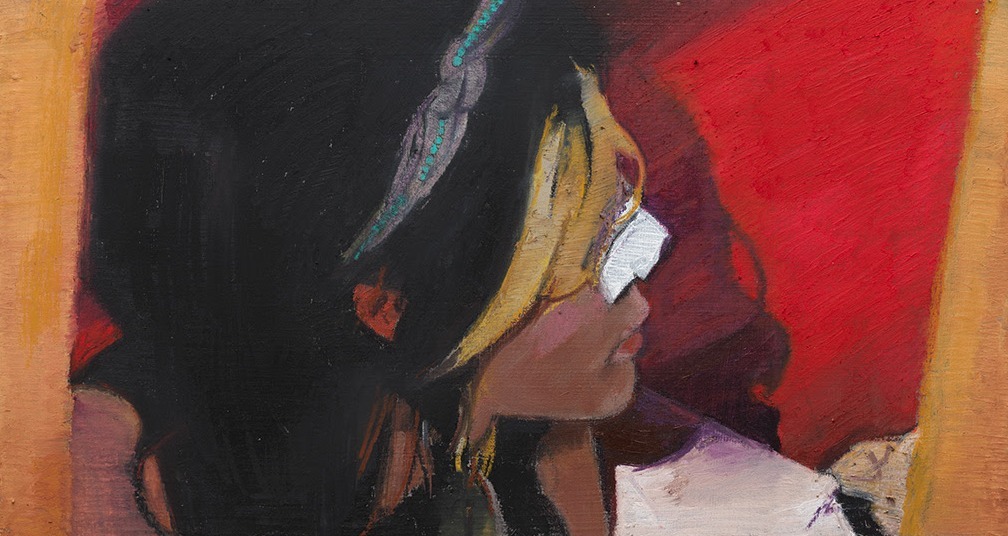
Lyles & King gallery is pleased to present Raw, an exhibition of work by Pulitzer Prize winning photojournalist Lynsey Addario. Curated by Danny Moynihan, the show spans Addario’s more than 25 years as a photographer and includes many images previously unseen by the public.
The two-part presentation, consisting of one-half landscapes, the other portraits, allows for, amid a rapidly evolving international and domestic news cycle, a rare and sacred pause. Raw inevitably ushers in new viewers of Addario’s work, but with her subjects placed on the gallery’s walls, released from their first homes in the pages of newspapers, magazines, or screens, even those already familiar with her oeuvre are afforded the opportunity to witness, up close, a photographic alchemy that is all Addario’s own—an image of beauty and violence. By showcasing her life’s work in a fine art context, Raw provides the space and time needed for what has always been a hallmark of a Lynsey Addario photograph, an invitation to ask more questions, and to linger.
Lingering, after all, is how the work begins. In the field, whether that’s Taliban-occupied Afghanistan, Darfur, or Ukraine, Addario works, necessarily, in fits and starts, guided by weather patterns, deadlines and the kind of sleepless hyper vigilance honed by those tasked with the dogged pursuit of capturing immaculate images of chaos. As she writes in her memoir, It’s What I Do: A Photographer’s Life Of Love And War, much of the life of a great photojournalist lies in the art of watching “for that great epiphany of a moment, the wondrous combination of subject, light, and composition. And something else: the inexplicable magic that makes the image dive right into your heart.”
Addario’s images are born from the riches of poise and patience. They are also, often, despite the horrors they can show, imbued with domesticity, humor, and tenderness, accounts of resilience as well as crimes. A group of children and their mother play with a child under a neon mural of Pixar characters in Taliban-governed Afghanistan, the baby’s swaddled form echoing the figure of her burkha clad mother, whose face we cannot see. A cluster of wilting black-eyed Susans, still golden, frame a brown sky as firefighters survey a rapidly encroaching wildfire. A Syrian refugee woman in a Lebanese border encampment takes a cigarette break next to the makeshift tent she has rigged and smiles conspiratorially. A young mother cradles her newborn in a Ukraine hospital basement shelter where the green paint is peeling, an unlikely Madonna under bombardment.
Because Addario’s trained eye eschews the sentimental in favor of the universal, we can look at things we might not otherwise be able to see. That’s why, when you meet the portrait of Oleh Valovyi, a Ukrainian civilian, his face gruesomely disfigured by glass blown out from his kitchen window after a Russian missile attack to his apartment building, you are not witnessing wounds as much as a man, soft-eyed and open-hearted. Then there’s Addario’s photograph of a woman in labor in Sierra Leone, a country with one of the highest maternal mortality rates in the world. The woman’s neck and torso rise as she lifts her body from the elbows. Fresh tears, along with the shadows of ones that came before, mark her face. Her eyes, half-closed, seem to look inward, summoning stillness, acceptance, and strength.
Addario’s magic is to weave it all together, the humanity and the horror, the sublime, and the suffering, compelling her viewer into a relationship with even the injured, the enslaved, the dispossessed, the disenfranchised and the dead. They live with us now, via her lens, and we cannot look away.
—Alexandra King