Ended
Jo-ey Tang & Thomas Fougeirol
Animot
Feb 16 – Mar 22, 2020
The violent gesture in the act of naming of “animal” came to French philosopher Jacques Derrida one day upon his naked exit from the shower. When he saw his cat staring at him, the urgency to cover up was met with a questioning of his need to do so.
This moment of shame was a reckoning. Derrida coined the term “animot,” a portmanteau of animaux (“animals” in French) and mot (“word” in French). Animot thus inscribes its own mechanism of naming.
“The animal looks at us, and we are naked before it. Thinking perhaps begins there.” [1]
)(
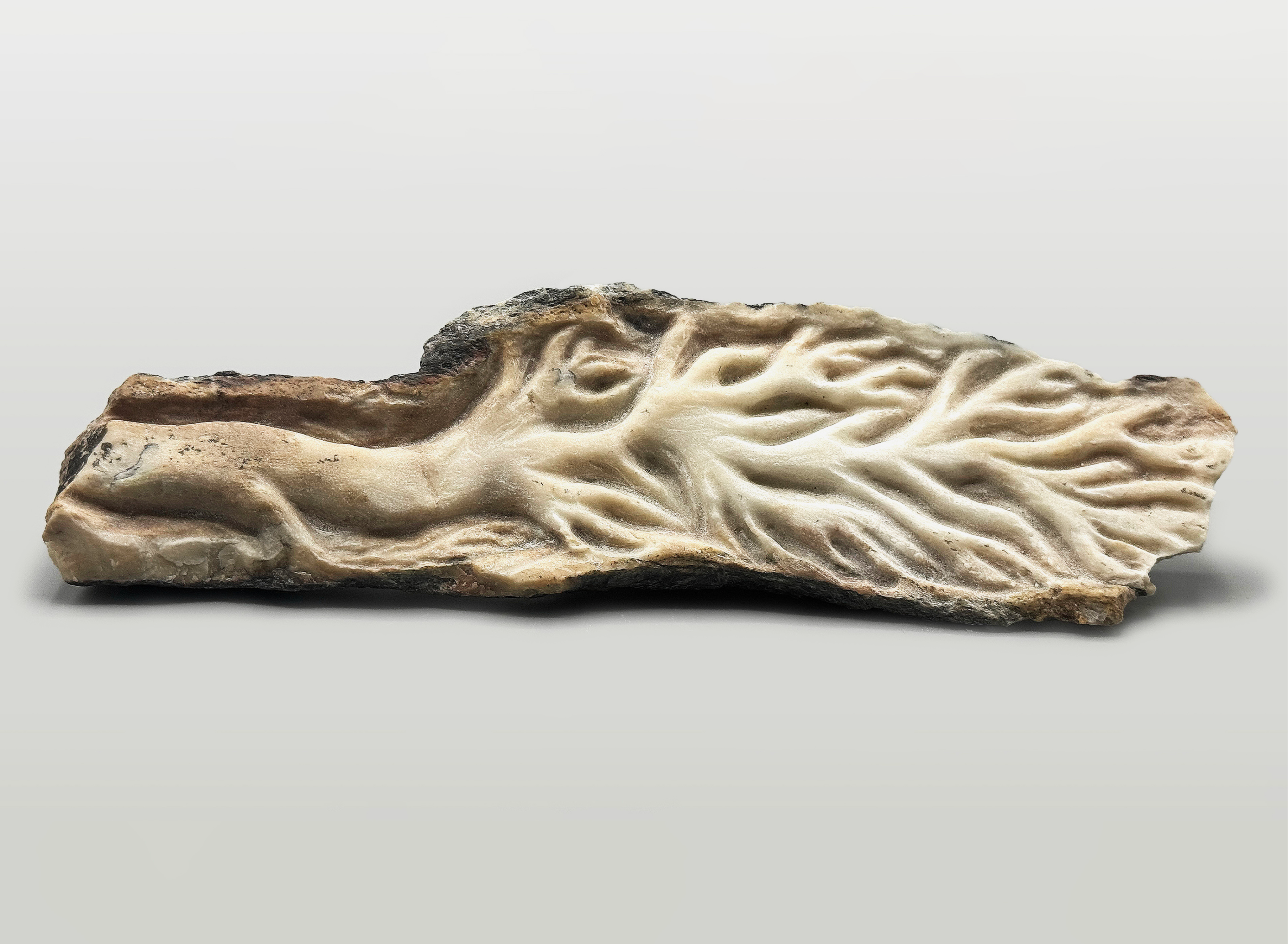
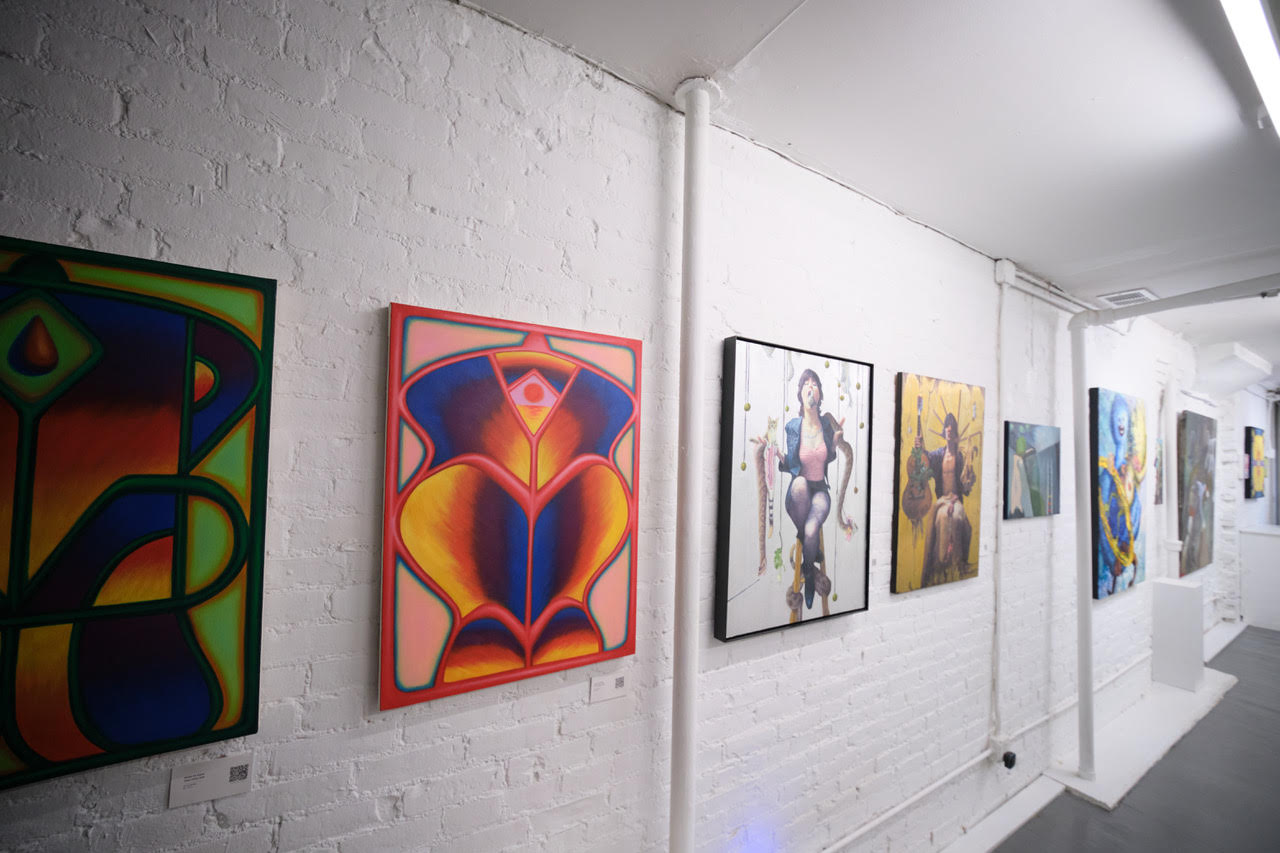
For Animot at Lyles & King, Jo-ey Tang and Thomas Fougeirol takes up this “perhaps begins here” with debris and matters from the past, as wrought on and beneath the surfaces of Fougeirol’s receptively layered paintings and in Tang’s consideration of the generative fluidity of the status and temporality of art and its document/ation.
)(
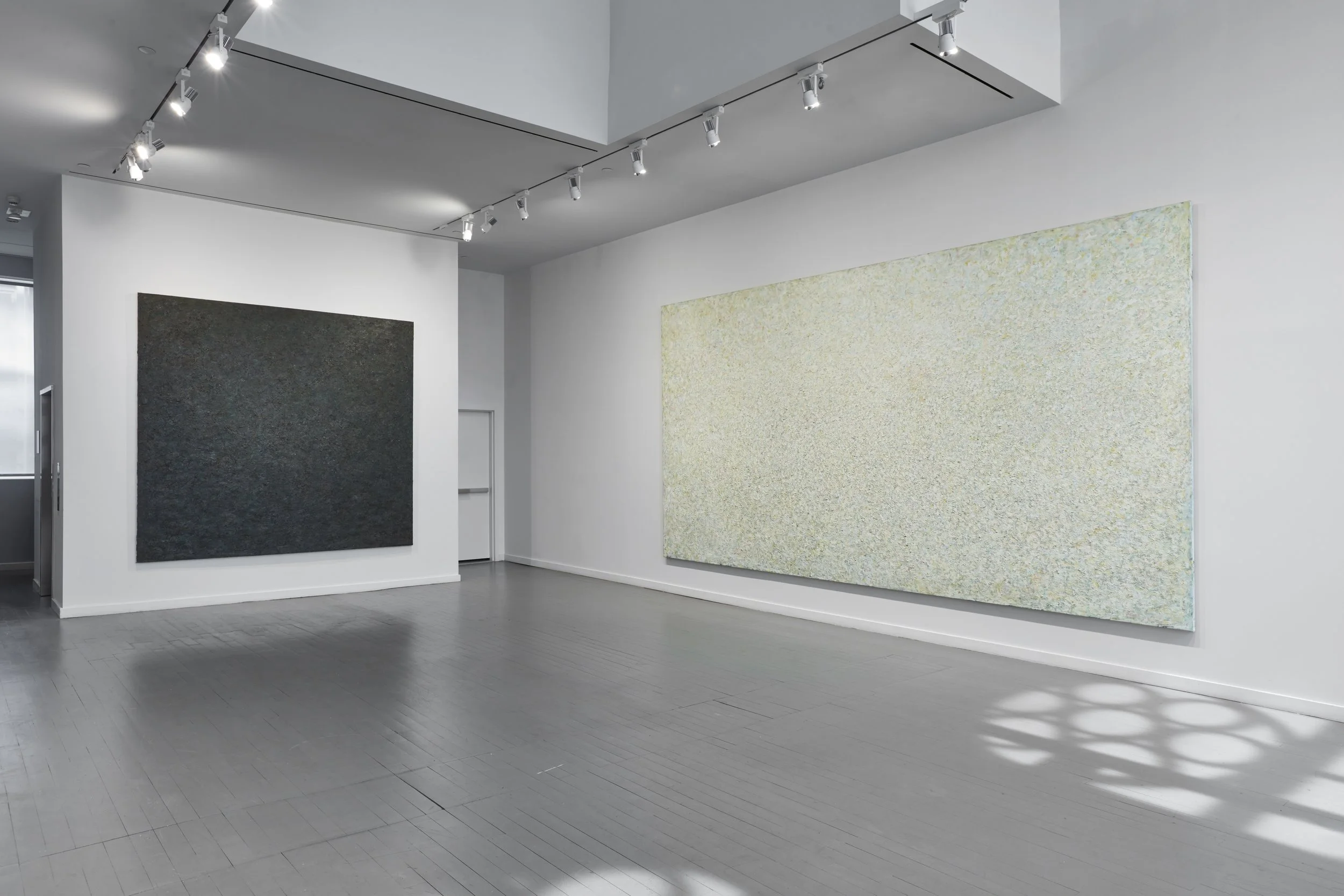
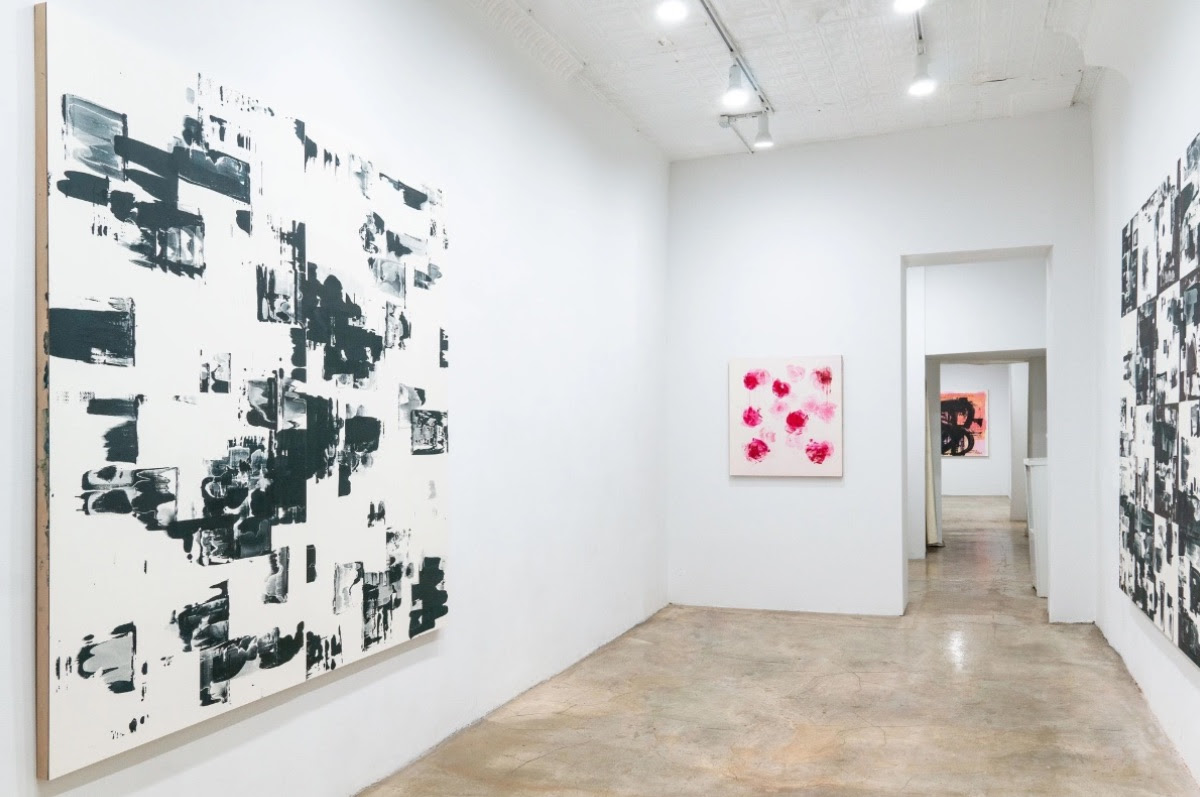
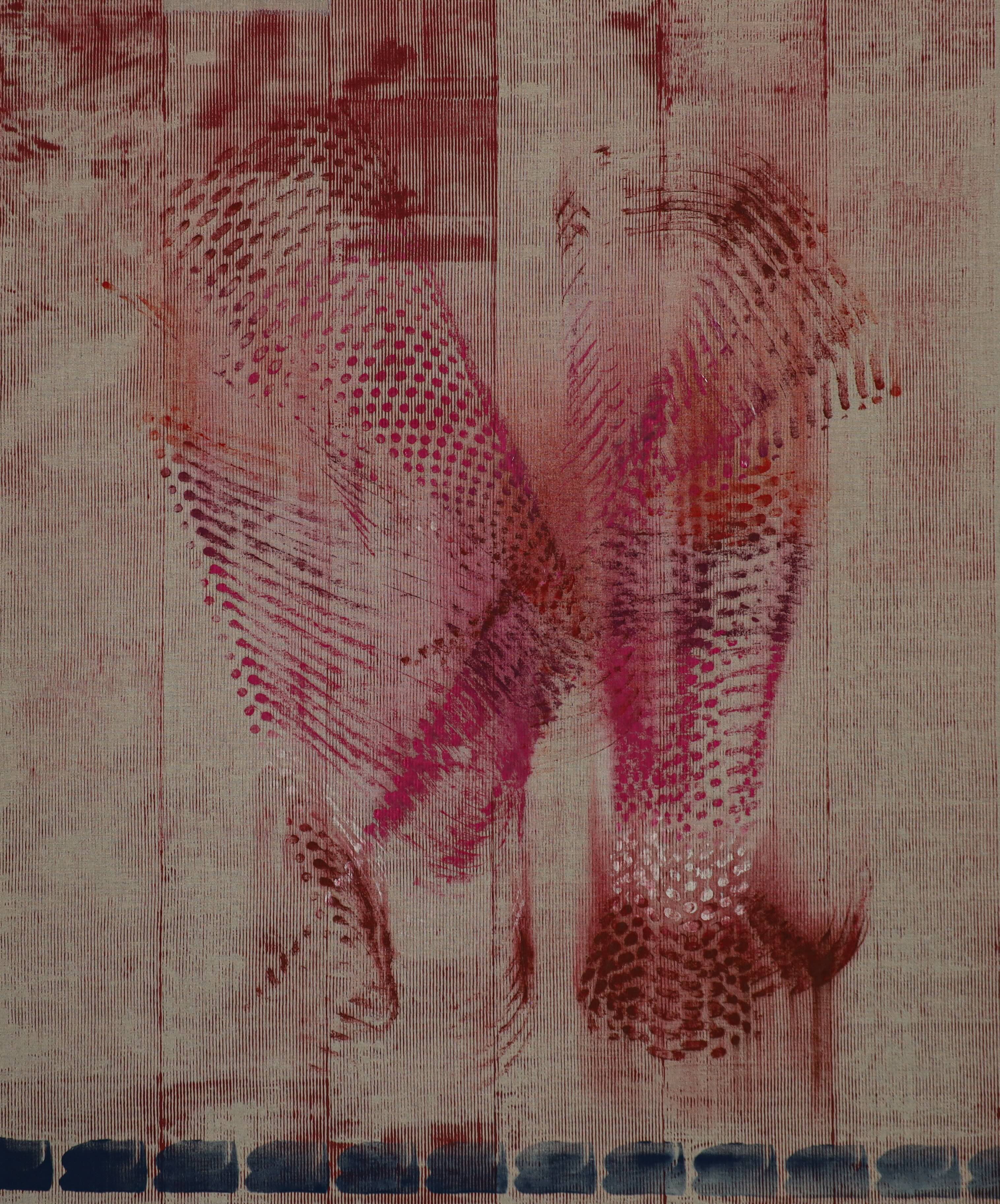
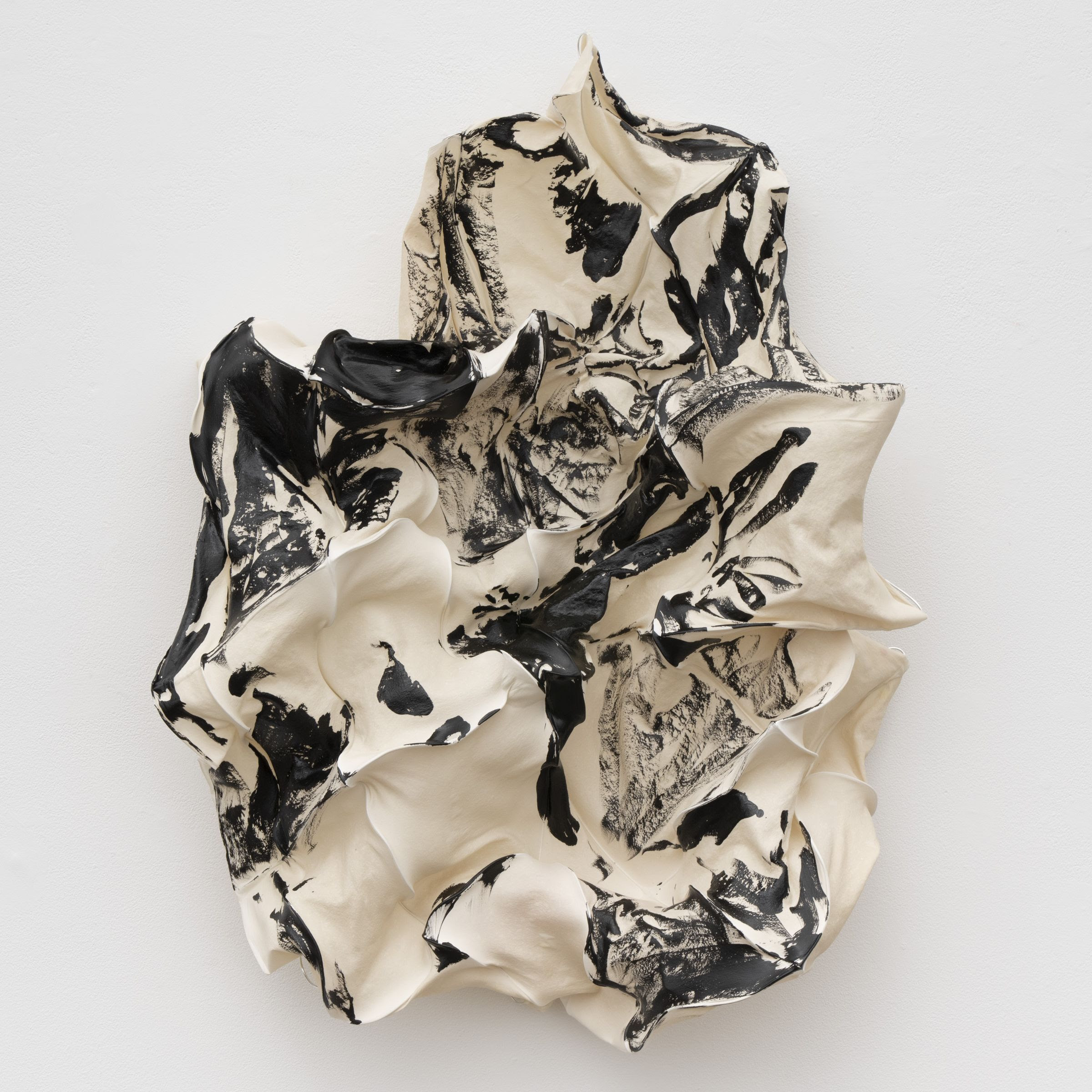
Fougeirol applies layers of gesso on canvases, which takes months to dry, and on and into them he throws debris, trash, and extra stuff collected from the streets of New York, where the artist keeps a studio. Previously his selection of materials was limited to dust particles and elements generated from his studio activities. Simultaneously working on multiple taxonomies of painting series, plastic milk containers with their spouts cut are used as water and paint buckets. For Animot, the dried-up sedimentation of paint-cakes lodged in the bottom of the buckets are employed as both mark-making device and self-referential paint-object. These deposits are re-deposited on and into the fresh layers of still-drying gesso. Dead paint meets fresh paint. Sometimes these paintings register gravitational pull, and sometimes they trick the eye into pulling them back up. They operate across multiple coordinates, pivoting between flatness and depth, between what they look like and what they might be.
The impulse to equalize and recalibrate can be found as a parallel in Fougeirol’s anthropological research project on studio practice, INTOTO (beginning in 2016 and having taken place in New York, Berlin, and Paris so far in seven locations), with artists Julien Carreyn and Pepo Salazar. They collectively cull scraps, material tests, and for-now failures from artists’ studios, and install their finds evenly spaced in a line as a horizon of possibilities. Each is sold democratically for 100 dollars or 100 euros. These non-works show a path, whether abandoned or a way, forgoing what they might be for what they look like.
)(
For the past decade, Jo-ey Tang has allowed the conditions of his life and its constraints and limits of energy-time, as a person, and in the ecology in the field of art, as curator for art institutions, writer and communicator with artists, to shape his non-studio and non-practicing art practice. With an ethos of non-output, Tang only generates artworks on the occasion of invitations, and insistently feeds back the documentation of his artworks in the form of photography and language. Concretion from past exhibitions are dragged into the present as a kind of ephemeral anti-ephemerality. The movement between conflict and freedom – whose work, what forms does it takes and how - is ongoing and not meant to be resolvable.
In the past few years, he has turned his focus on projects with other artists in the form of two-person exhibitions in lieu of solo exhibitions, to allow for proximities and resonances for his own works to come into being. He fluidly moves these works across time and from the company of one artist to another, in order to destabilize clarity. Casting unequal measures of self-doubt and trust, in this keep-doing, he hopes these works know no ends.
)(
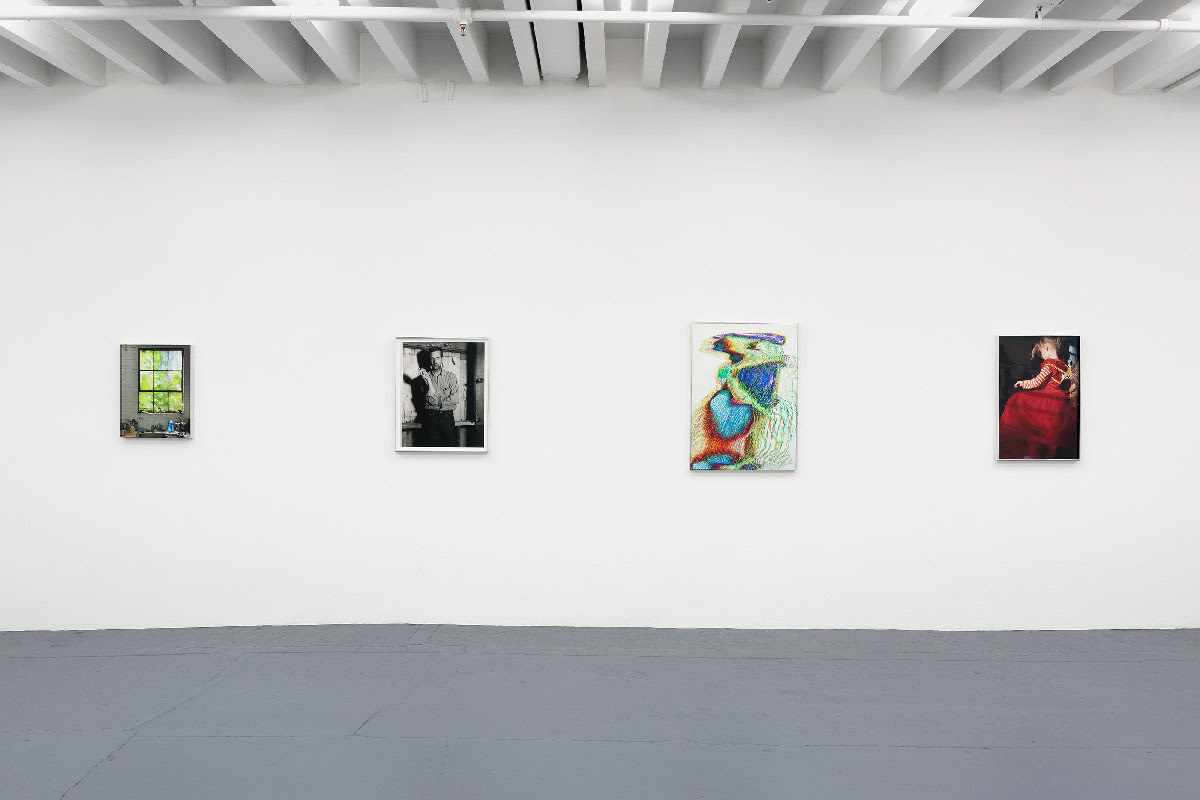
In Tang and Fougeirol’s 2017 exhibition at the gallery, Bullet Through Glass, they filled various craters of the concrete floor with macadamia milk – its allusion to the contemporary condition via the consumption and the proliferation of dairy’s various substitutes – which curdled through the duration of the exhibition. A clear acrylic box contained in the middle layer a pool of macadamia milk. Above it, on the top layer was Harold Edgerton’s Bullet Through Glass (1962), capturing the impact of the action using high-speed photography, a technique he also employed and pioneered in the iconic image Milk Drop Coronet (1957).
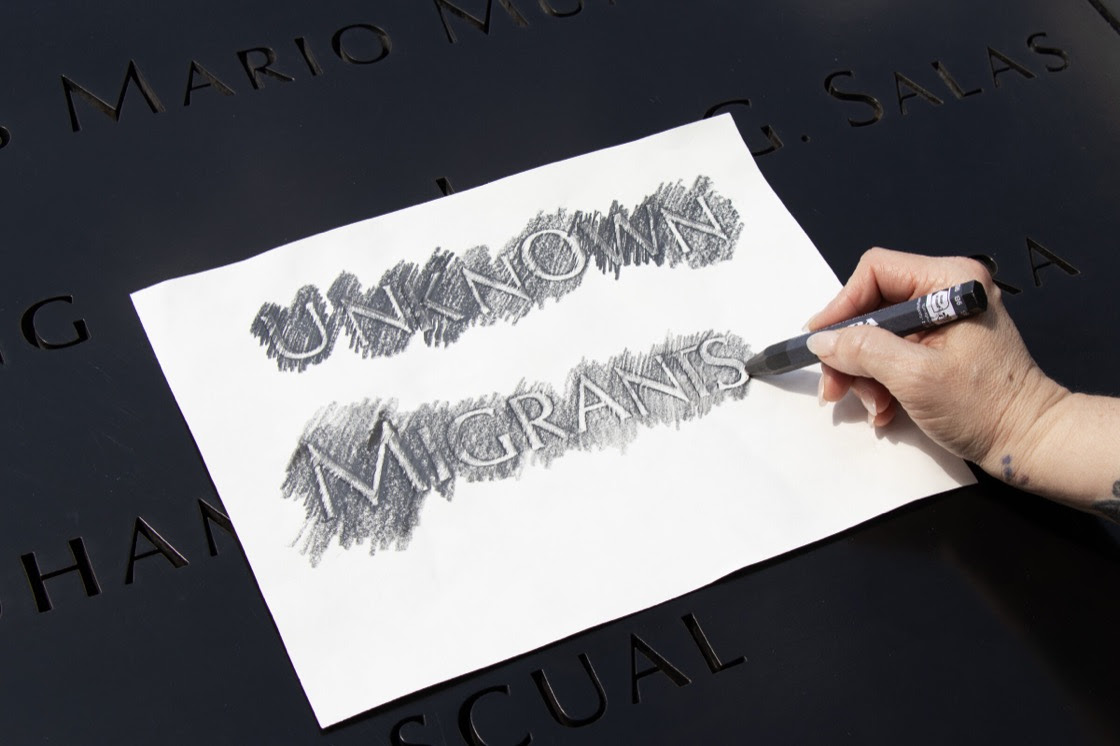
In Animot, Tang shares the photographic documentation of this previous floor installation, focusing for the most part on one specific crater shot from multiple angles. To him, they resemble some of the basic strokes that form the basis of Chinese characters. Depending on perspective, Tí (提) "Raising", Wān (彎)
"Bending", Piě (撇) "Left-falling stroke", and Nà (捺) "Right-falling stroke". And elsewhere, Diǎn (點) "Dot", Héng (橫) "Horizontal", Shù (竪) "Vertical", and Gōu (鉤) "Hook". Meaning is contingent and only emerges through their combinations. Created through a brief contact between the analog and the digital – by manually holding a sheet of unexposed photographic paper against a computer screen – that register the movement and force of each encounter, the resulting prints are placed on the same gallery floor as an acknowledgement and a compression.
)(
Fougeirol and Tang had originally planned their iterations in the two-person exhibition format to occur every few years alongside a third person. This time, they realize this third entity is simply the past.
Animot marks the present as an end-beginning or a beginning-end, like a pair of outward-facing brackets that exclude the notion of exclusion to welcome inclusion.
)(
Like the tightening and clearing – ahem – of the throat full of internal utterings that project.
Like double-shields.
Or, as another French philosopher Gilles Deleuze might say - we are not evoluting, we are involuting.
)(
Like turning from one side to the other in sleep, cradling the world every which way.
— Jo-ey Tang, New York City, 2020
1 - Derrida, Jacques, The Animal that Therefore I Am (New York: Fordham University Press, 2008), 29.
Thomas Fougeirol (b. 1962) is a French artist living and work between Paris, France, and New York. He received his DNSEP degree from École Nationale Supérieure des Beaux-Arts, Paris. Solo and two-person exhibitions include Praz-Delavallade, Paris; Albertz Benda, New York (with Carrie Yamaoka); and Clearing, Brooklyn (with Esther Kläs). Group exhibitions include Sean Kelly, New York; Centre Pompidou, Paris; FRAC Haute-Normandie, France; Collège des Bernardins, Paris; CAC - La Passerelle, Alfortville, France; Margulies Collection, Miami; Josée Bienvenu, New York; Abbaye Saint-André - Centre d’art contemporain, Meymac, France; and Futura Centre for Contemporary Art, Prague. His work is in the collection of Centre Pompidou, Paris; Musée d’Art Moderne de la Ville de Paris; Fondation Louis Vuitton pour l’art contemporain; CNAP/FNAC - Fonds national d’art contemporain, Paris; Collection Chanel; Berezdivin Collection, Porto Rico; The Margulies Foundation, Miami; and The Pizzuti Collection, Columbus, OH.
Jo-ey Tang (b. 1978) is a Hong Kong-born American artist, curator, and writer living and working between Paris, France, and Columbus, Ohio. He received his BFA from San Francisco Art Institute and MFA from New York University. He has had solo and two-person exhibitions at Komplot, Brussels; Galerie Joseph Tang, Paris (solo and with Carlos Reyes); Porino/Chert, Berlin; Exile, Berlin; Treignac Projet, France (with Jason Hendrik Hansma); and Galerie Nathalie Obadia, Paris (with Shanta Rao). Group exhibitions include Fondation d’Entreprise Ricard, Paris; Le Musée d'Art Contemporain la Haute-Vienne, France; Jan Van Eyck Academie, Maastricht; Occidental Temporary, Villejuif, France; IAC-Institut d’Art Contemporain Villeurbane / Rhône-Alpes, France; Walker Art Center Library, Minneapolis; and Denniston Hill, Woodridge, NY. Since 2015, he had been collaborating with the original members of queer art collective Fierce Pussy. Their project has recently taken the form of an exhibition as chapters, Arms Ache Avid Aeon: Nancy Brooks Brody / Joy Episalla / Zoe Leonard / Carrie Yamaoka: Fierce Pussy Amplified took place at Beeler Gallery at Columbus College of Art & Design, and at Institute of Contemporary Art, Philadelphia. Tang was arts editor of n+1 (2009-2014), and curator at Palais de Tokyo, Paris (2014-2015), and since 2017 Director of Exhibitions at Beeler Gallery, where he temporalizes a programming in a non-static format that prioritizes movements and changes. He has curated and organized events and exhibitions at Futura Centre for Contemporary Art, Prague; Rupert, Vilnius; Chi K11 Art Museum, Shanghai; and Praz-Delavallade, Paris. His writing has appeared in Artforum online, Flash Art, and ArtAsiaPacific. He has talked to Pratchaya Phinthong, Jean Luc Moulène, Josephine Halvorson, Gabriel Kuri, and reflected in writing on the works of Yu Ji, Elaine Cameron-Weir, and Wang Bing, among others. His work is in the collections of Centre Pompidou, Paris, and MoMA Library.
The Plates of the Present
From 2013 to 2019, Thomas Fougeirol and Jo-ey Tang’s non-curatorial project The Plates of the Present took place in Ivry-sur-Seine, France. More than 130 artists were invited to create eight photograms, spending from an afternoon to days in a storage turned photographic darkroom. The project’s name is taken from the beginning of a sentence in William Henry Fox Talbot’s The Pencil of Nature, the first photographically illustrated book commercially published in six installments between 1844 and 1846. An exhibition of the project has taken place at Baxter St / Camera Club of New York in 2015, curated by Sonel Breslav, with a publication by Blond Art Books / Secretary Press, and at Praz-Delavallade, Paris, in 2017. Its entire archive of more than 1000 photograms and 1 video has been gifted to Centre Pompidou, Paris in 2019. An exhibition organized with its chief of photography Florian Ebner will open in October 2020.