Ended Mar 1
Mine Okubo
Mine Okubo: Portraits
Jan 9 – Mar 1, 2025
More from Mine Okubo on Gallop
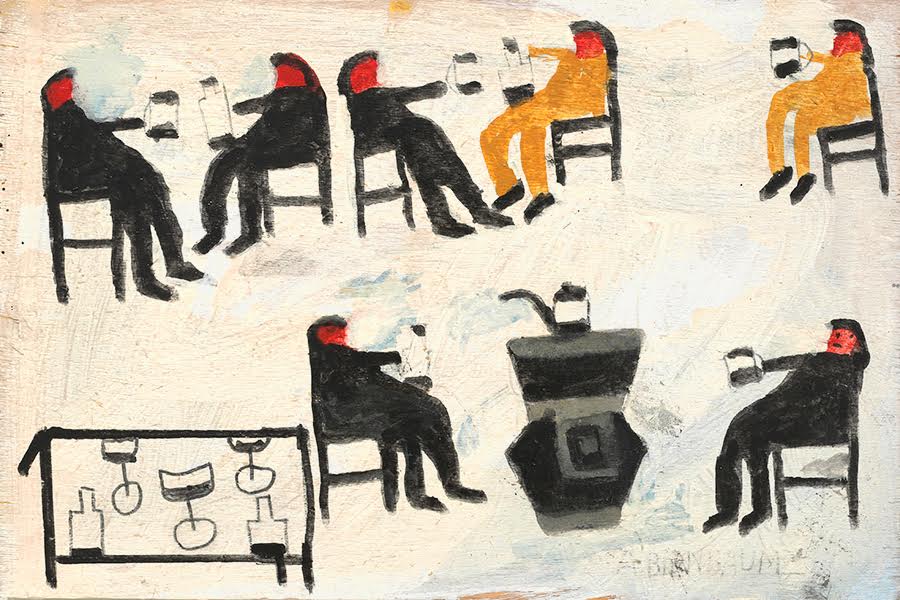
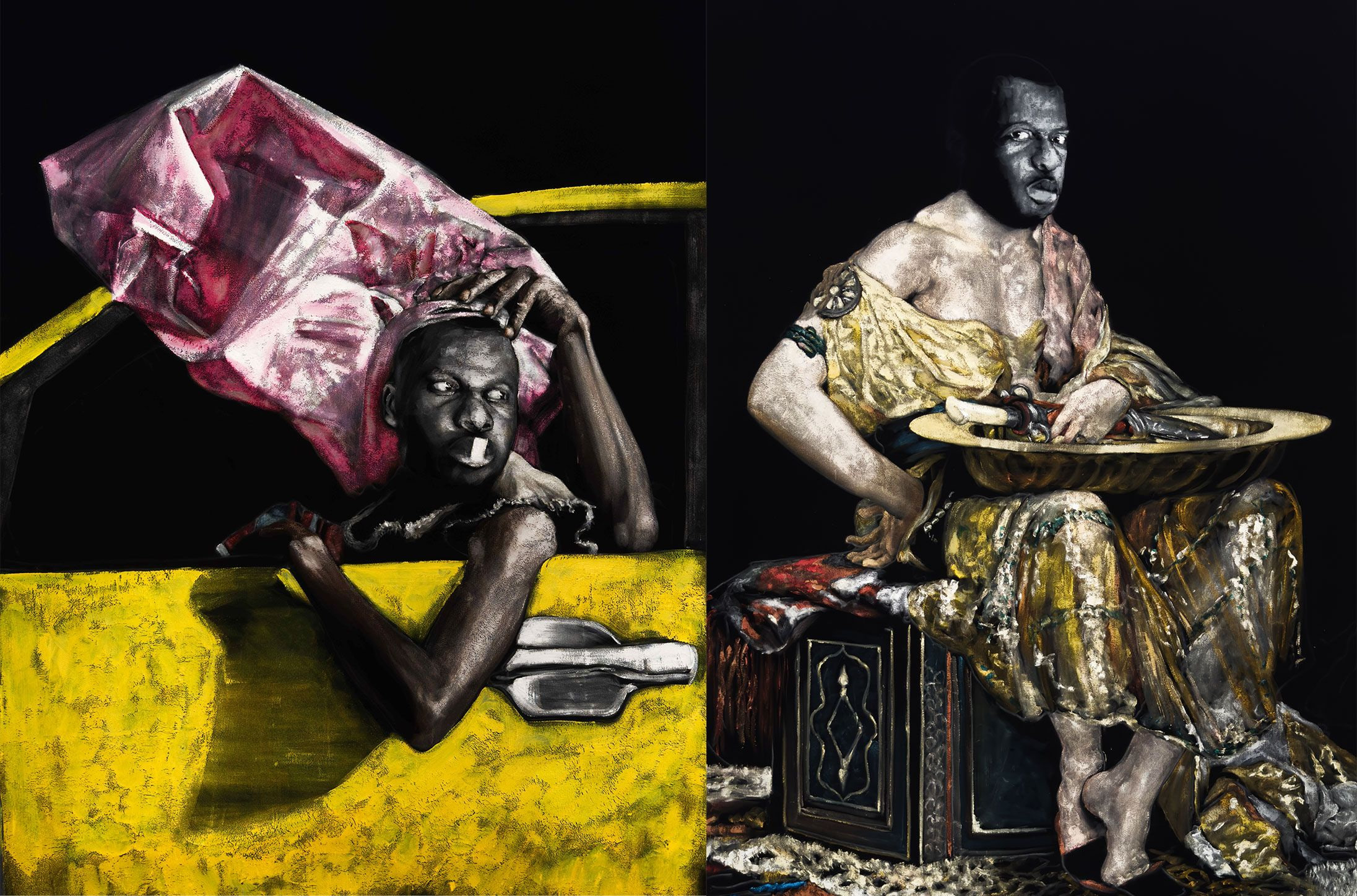
Seizan Gallery is pleased to present Mine Okubo: Portraits, the gallery's first solo exhibition featuring work by one of the most influential Japanese-American artists of the 20th Century. Works by Okubo are on public display, some for the first time, including eleven portraits completed in the late 1940s.
Born in Riverside, California, in 1912, Mine Okubo achieves early success as an artist and continues to be extraordinarily prolific throughout her life until her death in 2001. She is most renowned for Citizen 13660, a groundbreaking memoir that combines visual art and narrative to record her experience living in Japanese-American internment camps during World War II. From 1942 to 1944, Okubo was detained at the Tanforan Relocation Center in San Bruno, California, and at the Topaz Internment Camp in Utah. While in these camps, she created over 2,000 drawings using charcoal, watercolor, pen, and ink. During this time she taught art to others in the incarcerated population, alongside Chiura Obata and other notable artists. Published in 1946, Citizen 13660 includes nearly 200 illustrations documenting daily life in the camps. It received the American Book Award in 1984.
After her release from the Topaz Camp in 1944, Okubo relocates to New York City, where she goes on to have a successful career as a commercial illustrator for prestigious publications while continuing her painting practice. Portraits—especially of women and children—remain a central focus of her work. In "Personal Statement" she wrote "From the beginning, my work has been rooted in a concern for the humanities."
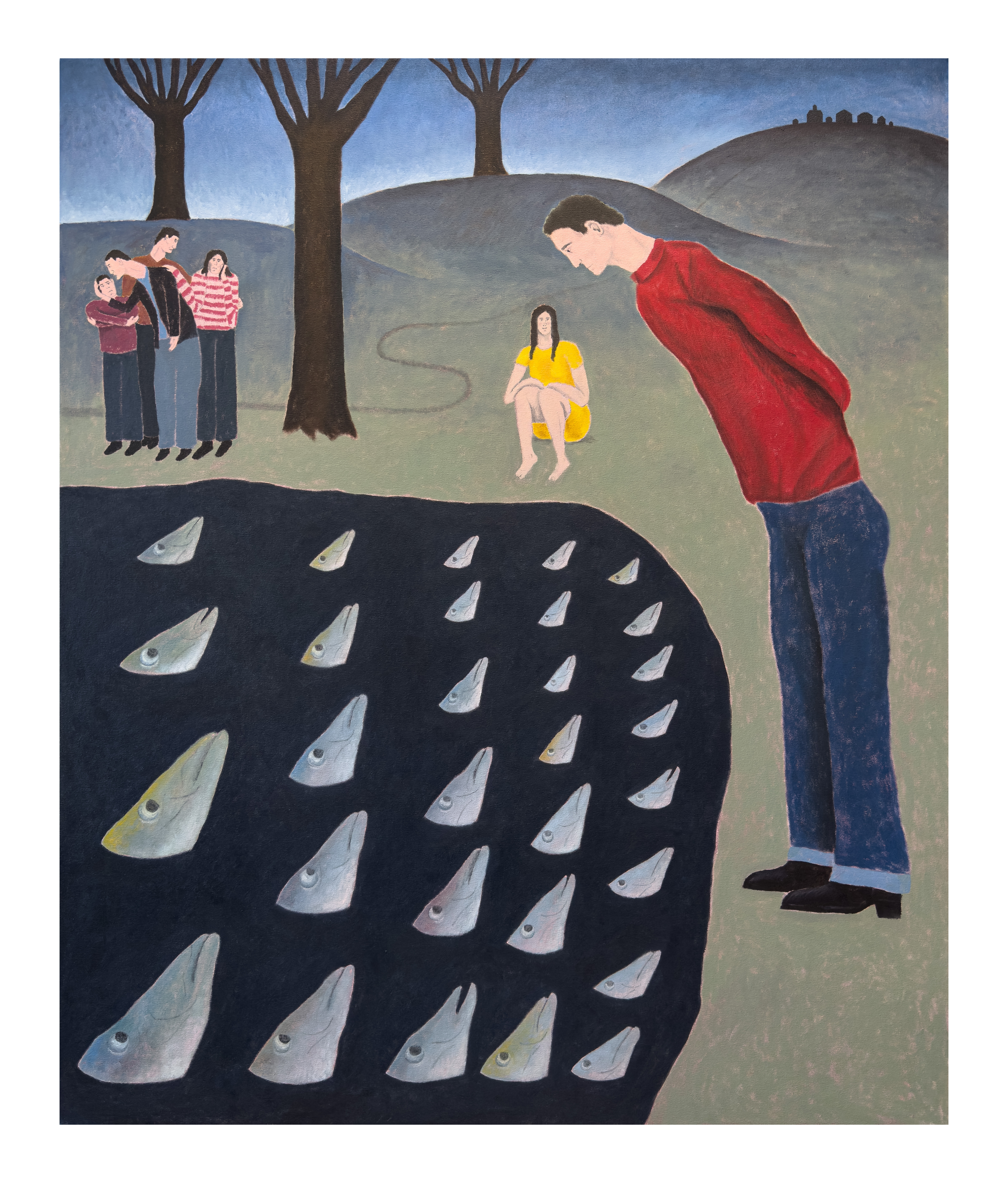
The eleven portraits featured in this exhibition were created in the late 1940s, just a few years after Okubo's release from the camps. These bold, powerful works share stylistic connections with her earlier charcoal drawings from the internment period, which are also displayed in the gallery. While her camp drawings often convey the despair and trauma of the incarcerated, the later portraits—rendered in colorful pastel—capture energy, strength, and compassion. The anonymous figures exude vitality and humanity, celebrating everyday life and signal an early transition to Okubo's iconic, color-rich style.
American artist Mine Okubo (1912-2001) was a "nisei," or second-generation Japanese-American. After earning an MFA in art and anthropology from the University of California, Berkeley, she was awarded the prestigious Bertha Taussig Fellowship to study in Paris under Fernand Leger. When World War II broke out, Okubo returned to the United States in 1939 on the last ship from Europe. Back in California, she contributed to mural projects under the Federal Art Project and curated exhibitions.
Following President Franklin D. Roosevelt's Executive Order 9066 in 1942, which forcibly relocated approximately 122,000 Japanese-Americans to internment camps, Okubo was detained at Tanforan and Topaz camps. While there she remained active in her artistic practice, collaborating with fellow artists Chiura Obata, Matsusaburo Hibi and Hisako Hibi to teach art to the camp population.
In 1944, Okubo was invited by Fortune magazine to work as an illustrator, prompting her release from Topaz and a move to New York City. Her debut assignment was illustrating the magazine's April 1944 "Japan" issue. In 1946, she published Citizen 13660, a visual and narrative chronicle of her internment experiences. While pursuing a career as a commercial illustrator for The New York Times, LIFE, and Fortune, Okubo continues to produce vibrant paintings.
Her contributions have been recognized in numerous ways. In 1965, CBS-TV featured her in the documentary Nisei: The Pride and the Shame. In 1972, her first retrospective was held at the Oakland Museum. In 1981, Okubo testified before the Commission on Wartime Relocation and Internment of Civilians (CWRIC), advocating for the inclusion of internment history in educational curricula.
Okubo's works are now archived at the Center for Social Justice & Civil Liberties at Riverside Community College District and featured in prominent museum collections, including the Smithsonian American Art Museum, the Japanese American National Museum, and the Oakland Museum. Her legacy endures in exhibitions like The View from Within curated by Karin Higa in 1992 at the Japanese American National Museum as well as on-going group exhibition Pictures of Belonging: Miki Hayakawa, Hisako Hibi, and Mine Okubo at the Smithsonian American Art Museum curated by ShiPu Wang through August 17, 2025.
Seizan Gallery extends its gratitude to Seiko Buckingham, The Mine Okubo Charitable Corporation, and Dr. ShiPu Wang, professor of art history at the University of California, Merced, for their support in making this exhibition possible.