
Ended
Et Toi, Benoit?
Oct 28 – Dec 2, 2023
Jeanette Mundt
Ben Sakoguchi
Abed Elmajid Shalabi
Sara’s is pleased to present Et Toi, Benoit?, a three person exhibition.
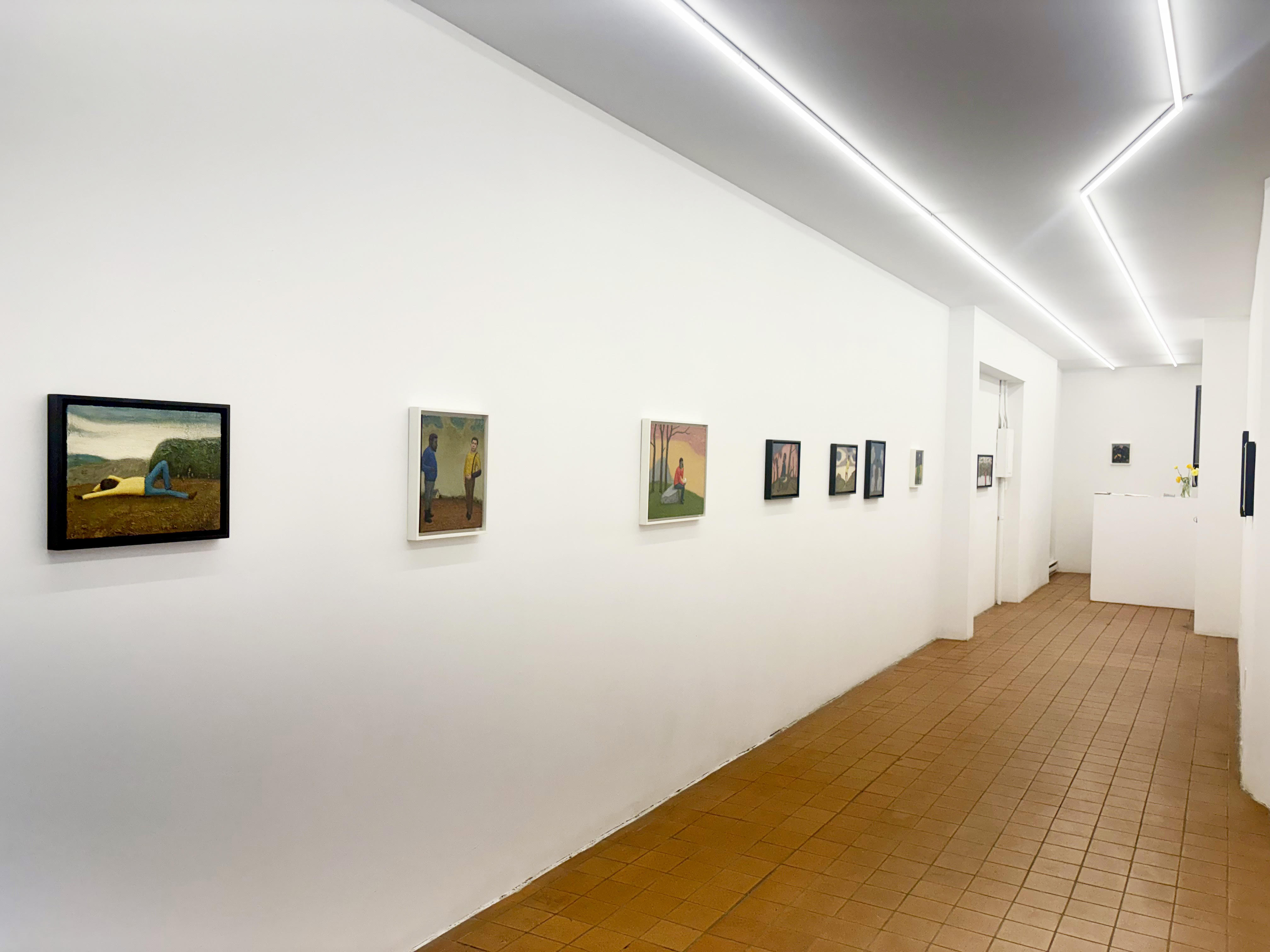
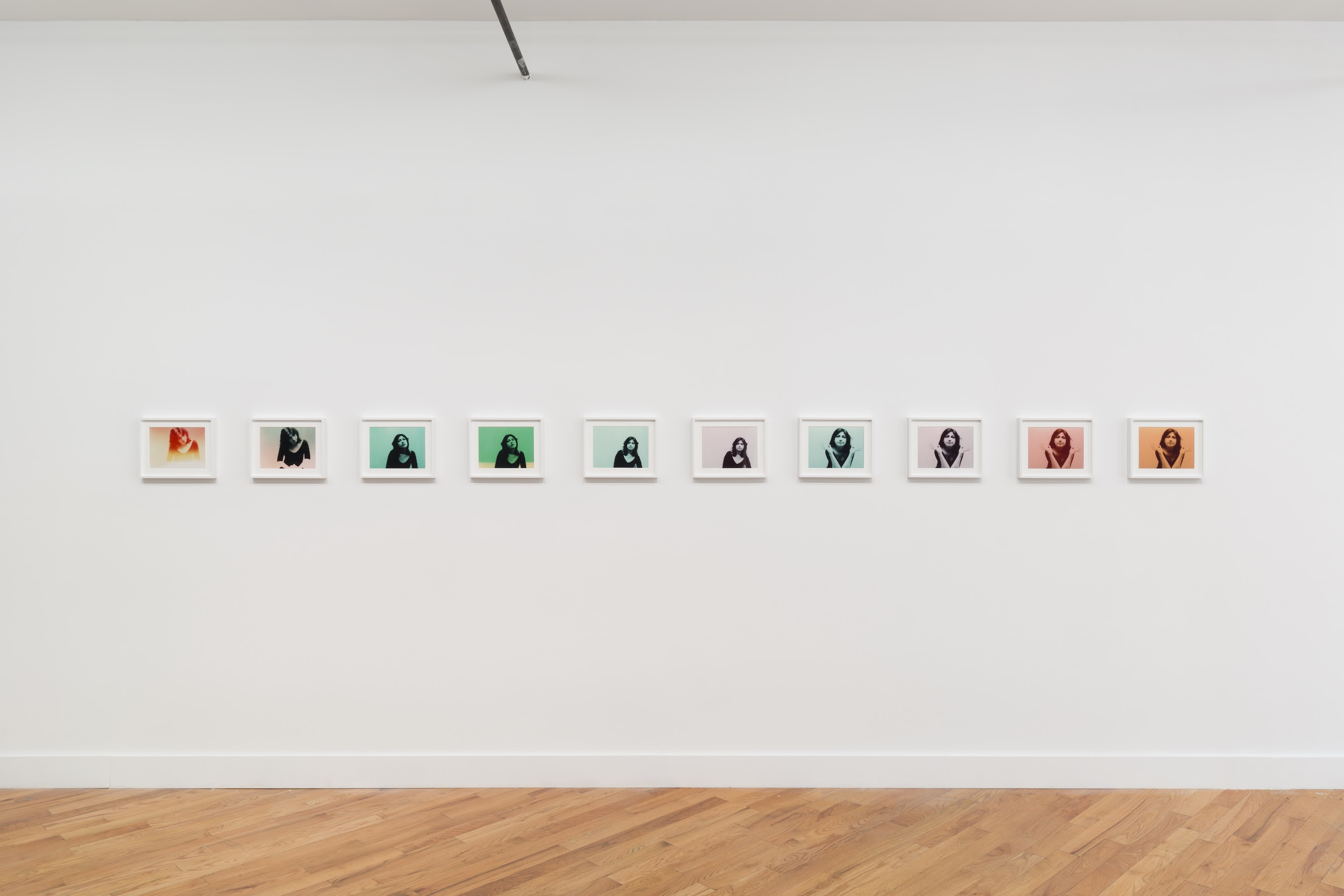
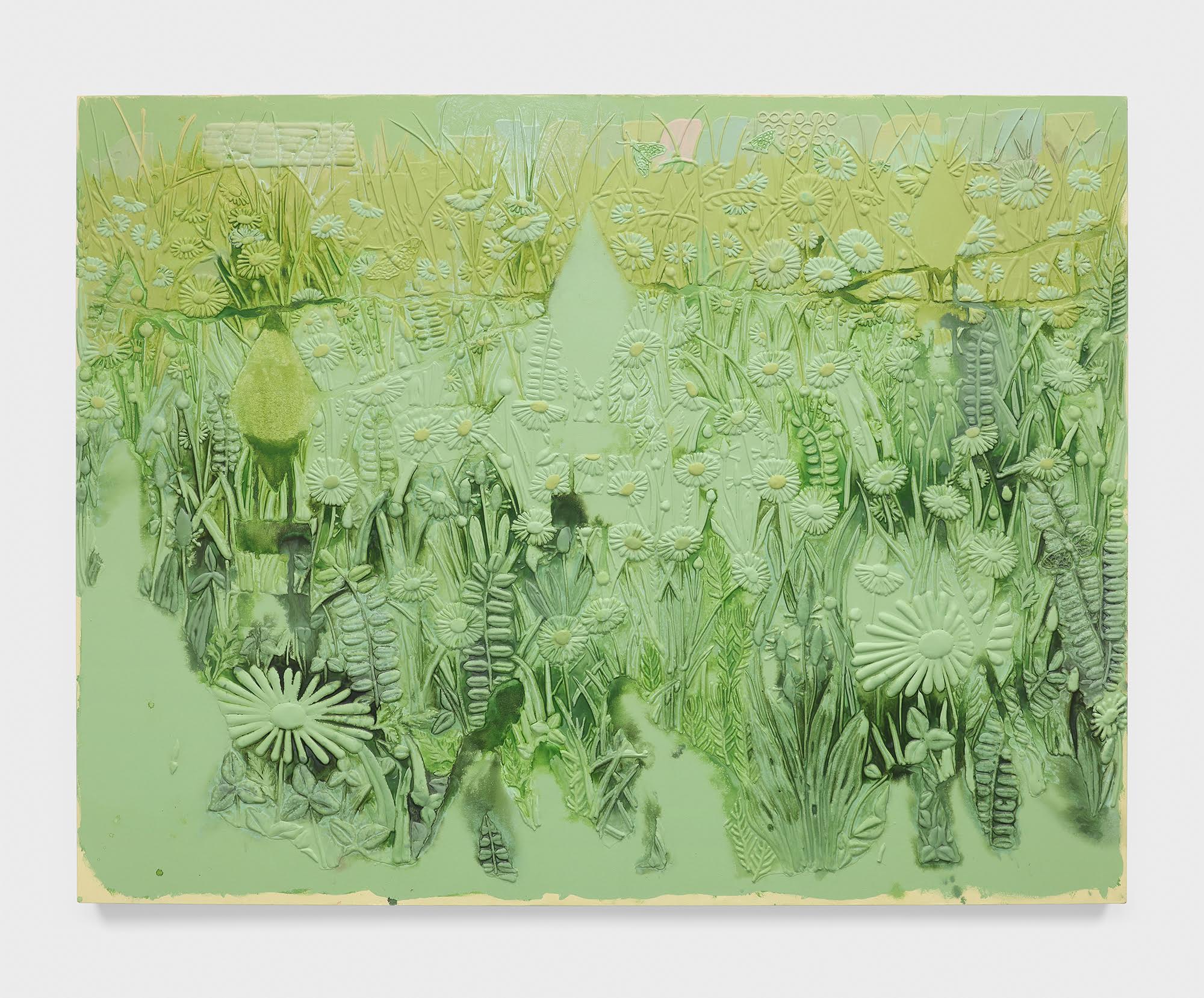
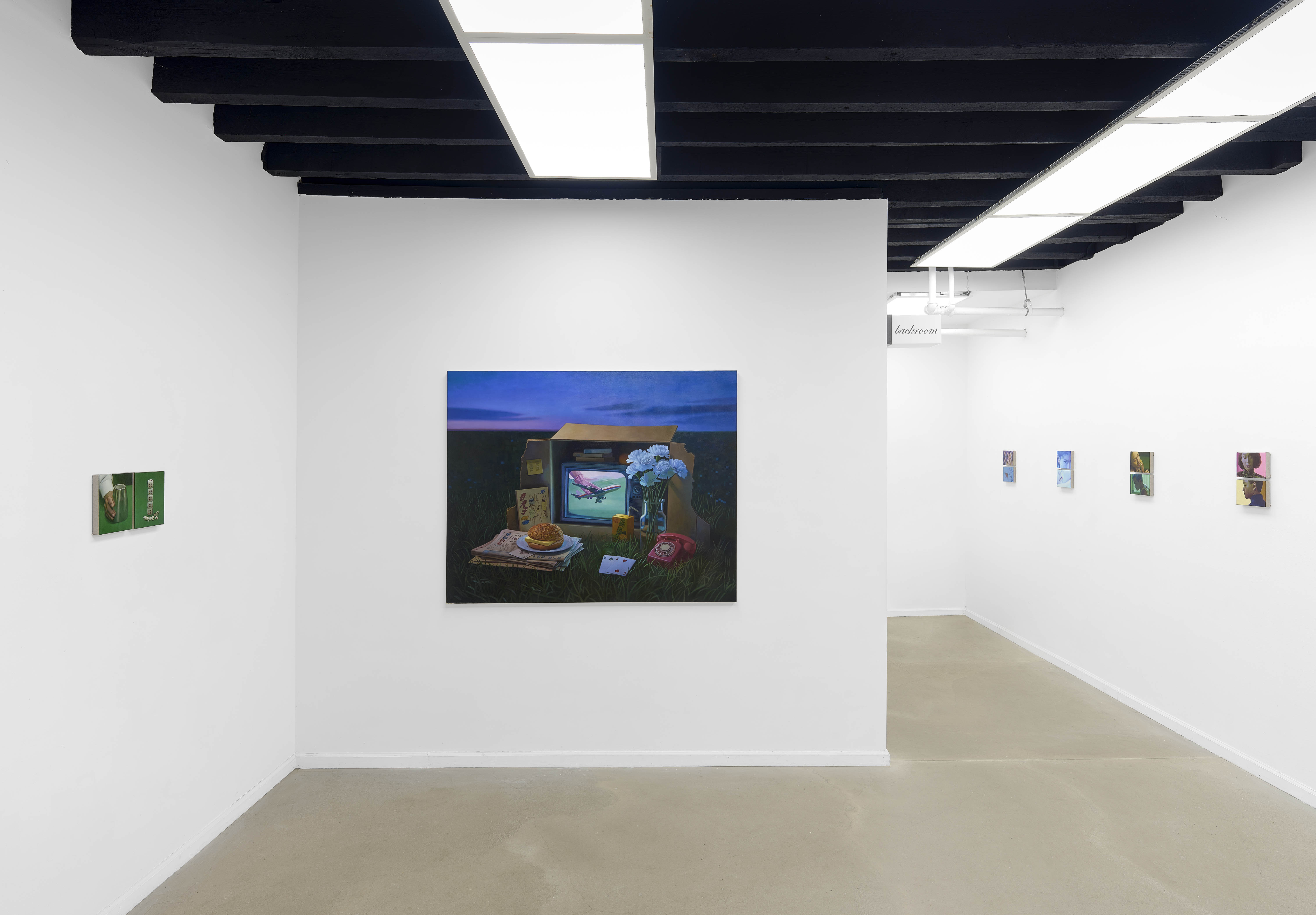
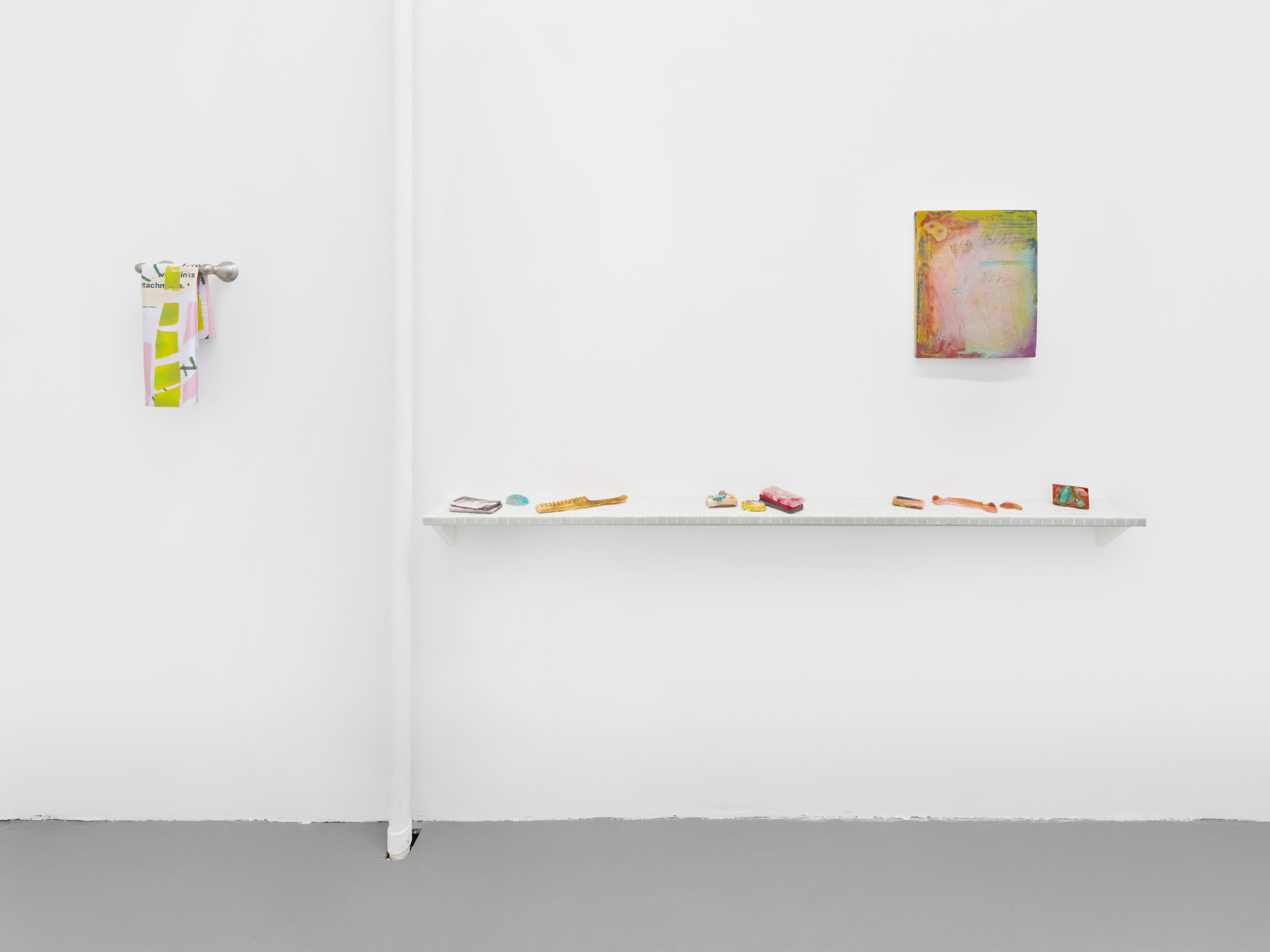
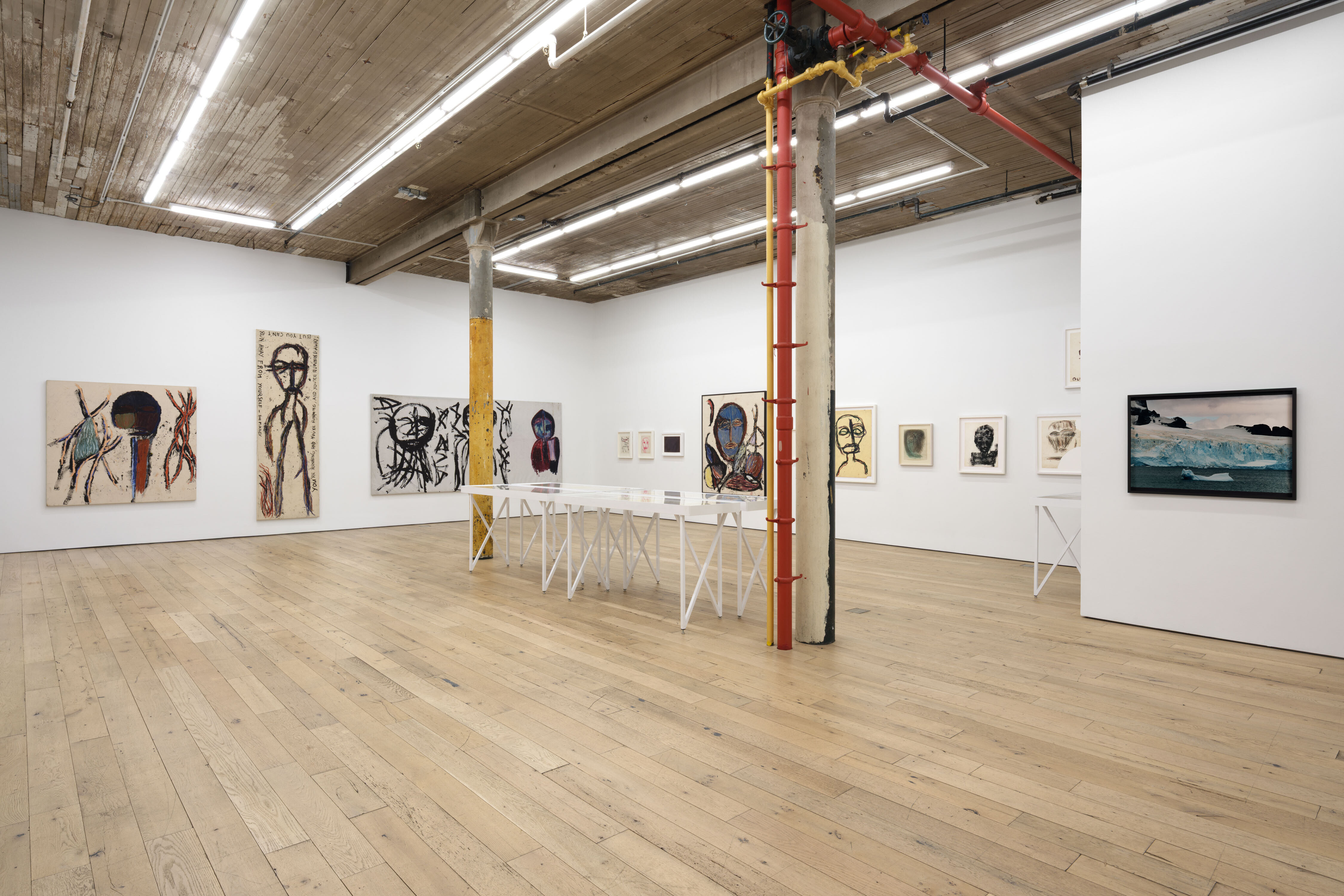
The paintings and sculptures in Et Toi, Benoit? play on the activities of visual language: the humor and fallibility of those signs and symbols that point to one signification or another, and their ever breathing, evolving role in cultural memory. The works sing stories in different octaves—at times they writhe and emote, bursting with some essential meaning that somewhere along the way got too tangled up in translation to make perfect sense. But still, the viewer is invited into the conversation, to pick at the threads, disconnect and connect, until some common signal starts to become clear.
Ben Sakoguchi’s Orange Crate Label paintings explore how images operate commercially, layering symbols and signs into tightly framed pictures that mimic the labels used to package and sell oranges in the Southern California of his youth. His densely populated compositions re-contextualize and repurpose these signs, creating fictional consumer content, at once nostalgic and critical, and often in direct relation to cultural artifacts and autobiographical events. They are hyper referential to the point of oversaturated illegibility, not unlike the wry formatting of image and text in online spaces—the other commercial frontier.
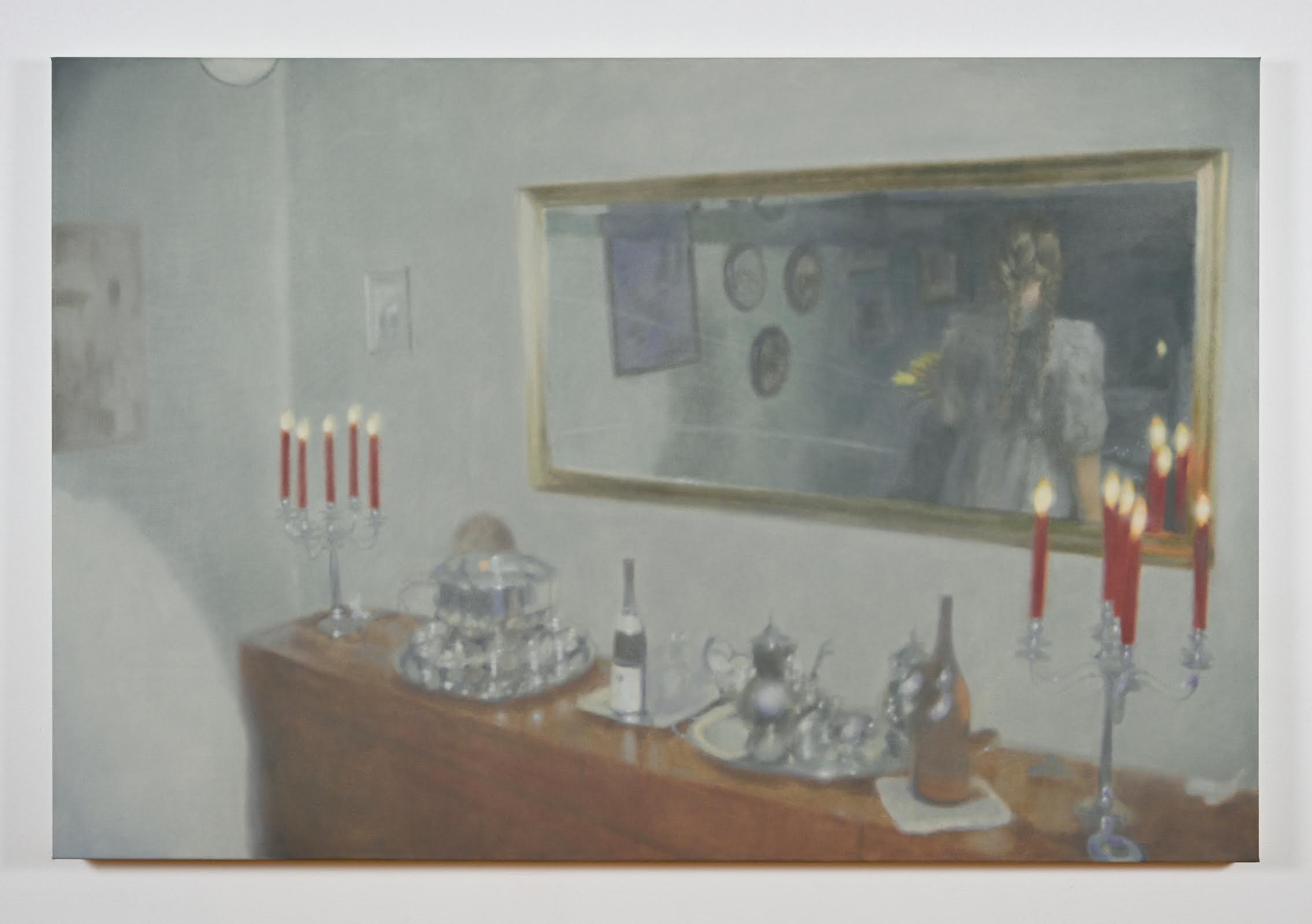
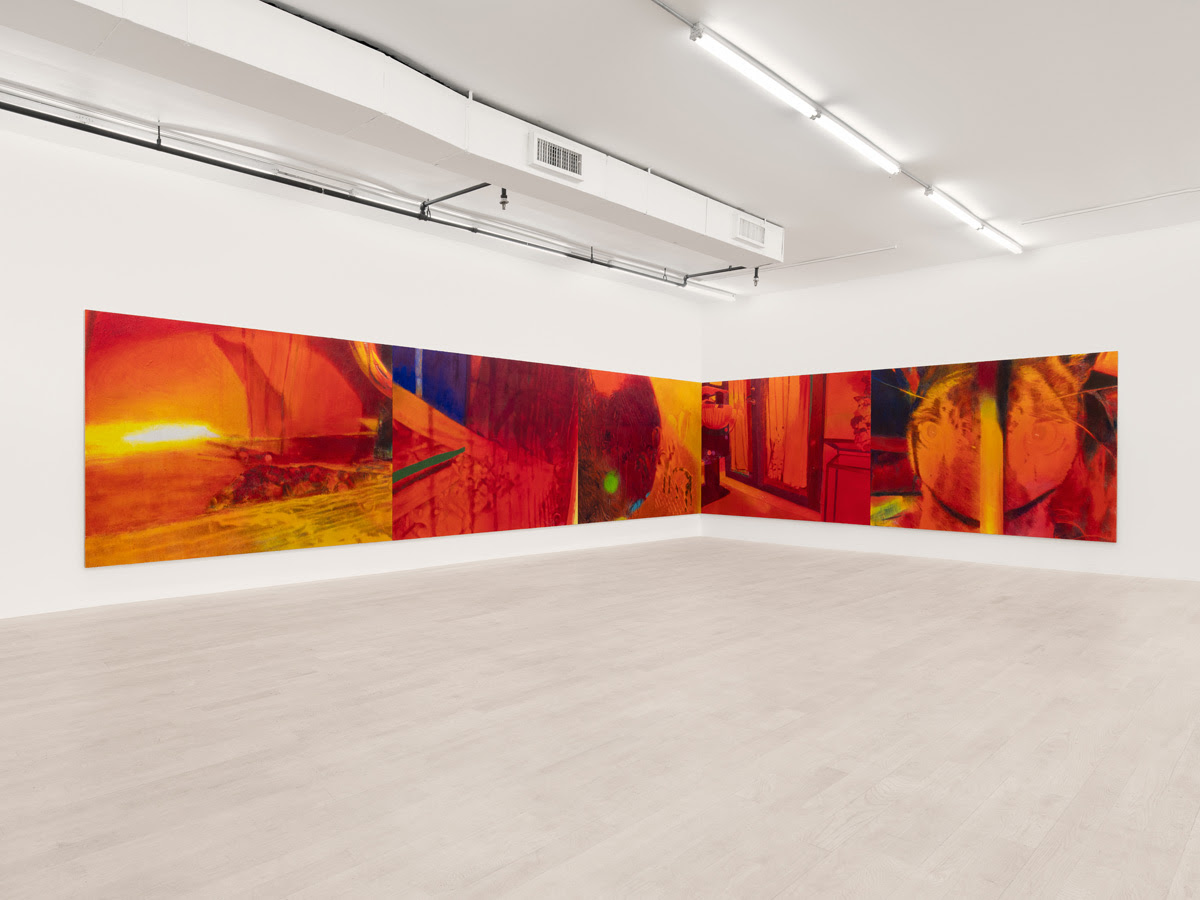
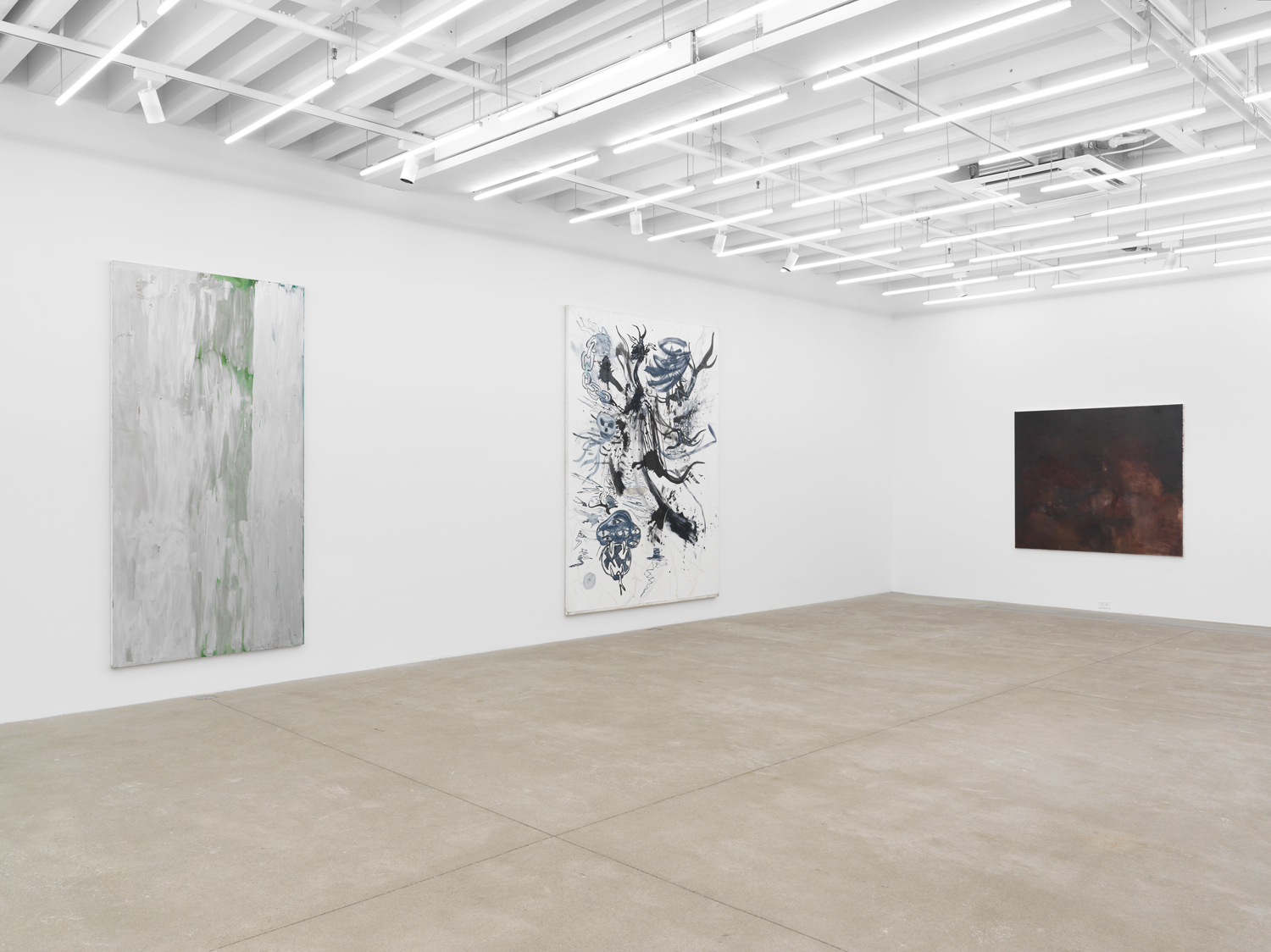
Working on a broader scale, Jeanette Mundt’s paintings pull away at the legibility of the image until only formal tangles of reference remain—leaving the viewer with a sense of the emotive and uncanny. Working from images ranging from the personal to commercial, internet-found to self crafted, she seeks to question, in an era of so much aesthetic information, whether visual language can still reliably transmit meaning, or is our own, in-the-moment internal translation the only one that can be considered real. When cultural connotation and interpretation so rapidly change, what linguistic formats can we trust?
Abed Elmahid Shalabi’s sculptures gesture at an era of promise in Middle Eastern social history. Using visual markers of the region’s failed 20th century modernization project—items like Western safety equipment for luxury vehicles and anti-shock mats for industrial kitchens, his sculptures double as metaphors for body armor. Working from a personal lineage of queerness, blue-collar labor and military unrest, Shalabi’s concerns are with the dynamic between coverage and exposure, of vulnerability and power. The objects he chooses to cast in the delicate material of glazed ceramic are mass-produced and represent a “loss of locality,” affording them an unconscious reference point in each individual viewer as well as a ubiquitous banality. This dichotomy allows them to slip past a fixed political interpretation and speak to the larger psychosocial importance that mass-manufactured objects, inevitably time-and-place-specific, have in reflecting a cultural ethos. Shalabi revels in the weightlessness of the flaccid consumer artifact, funny and sad in the absence of the idea it represents—in this case, protection and progress.