
Ended
Shigeki Fukumoto
Shimijimi: Dyed and Inlaid Textiles
Apr 30 – Jun 6, 2026
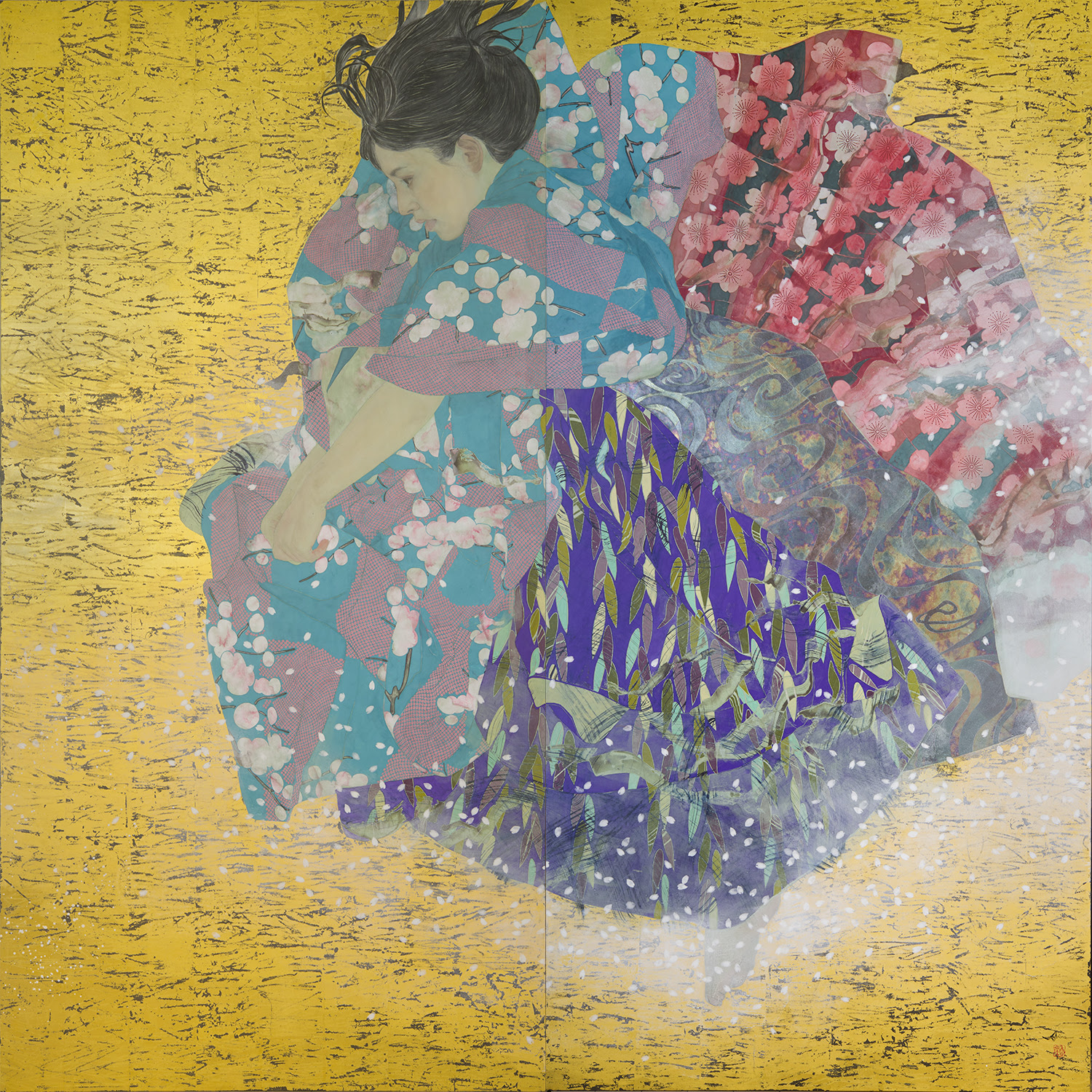
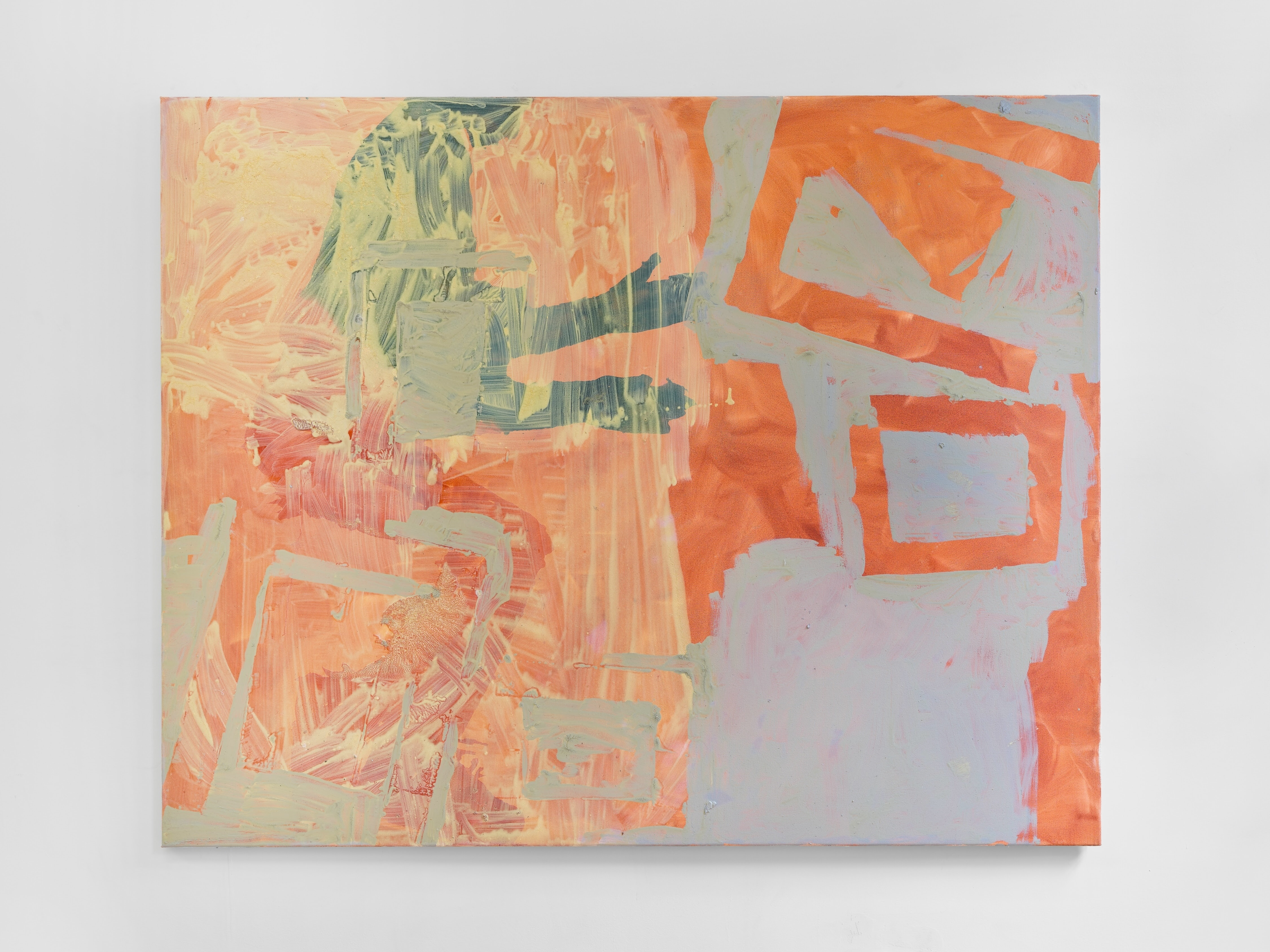
Ippodo Gallery is pleased to present Shimijimi: Dyed and Inlaid Textiles by Shigeki Fukumoto, the master dyer's first New York solo exhibition and debut at Ippodo Gallery. The exhibition of dyed Japanese cloth features more than twenty two-dimensional works and folding screens from across three decades of his distinguished career. Blurring the line between painting and the traditions of Japanese textile, Fukumoto's unique wax resist (rozome) and cloth inlay (nunozougan) techniques, using precious Turpan cotton, explore expressions of color, light, and layering within the long-established language of dyeing (senshoku).
Shigeki Fukumoto (b. 1946) provides a philosophy and process that cannot be defined by classical ideas of textile. His sensational dyes permeate beyond the surface of the fabric and sink into the fibers in contrast to the interwoven picture-making of Western textile arts. Fukumoto hails from Kyoto, where textile dyeing is more rich in history and there is a greater density of traditional cloth dyers than anywhere else in Japan. Fukumoto took up the mantle of his family's kimono dyeing business from the mid 1960s until 1987 after studying oil painting at university. Mastering the strict techniques of wax-resist cloth dyeing--a cultural heritage dating back one-thousand years--Fukumoto began to share his constantly expanding expertise as a professor at Osaka University of Art.
As dye is introduced to cloth, the nature of the material is to spread unabated unless carefully controlled. Fukumoto approaches each wax resist dyed work in careful balance between technical process and the exploration of self-expression. Step by step he prepares the cloth and color dyes to guide the unruly nature of the medium to accomplish his intended expression. Fukumoto's meticulous preparation creates opportunities for controlled entropy where nature otherwise tends towards chaos.
Wax resist (rozome) is the core method of his many styles born out of six decades of dyeing experience. Among them are the application of dye with a brush (hikizome), a blurring of soft colors (boke, naruhodo-zome), and the arranging of thousands of dyed-and-cut cloth, inlaid using Japanese washi paper, into criss-crossing sceneries that evoke a sense of light and movement from the varied levels of gloss applied to the cloth (nunozoukan). "Dyeing offers rich potential when we think of it not as a craft, but rather as a medium of free expression."
Shigeki Fukumoto earned his MFA in western-style painting at Kyoto City University of Arts in 1970, and joined the Osaka University of Arts faculty as an associate professor in 1989, then full professor in 1997. Since 1970, Fukumoto has exhibited his dyed textiles widely in Asia and the United States. Among his public collections include the Cleveland Museum of Art and Museum of Fine Arts, Boston (United States of America); National Museums of Modern Art in Kyoto and Tokyo (Japan); Ilmin Museum and the Cheongju Korean Craft Museum (South Korea).
Fukumoto's explorative fieldwork brought him to Oceania, where he continues to return since 1969. Most revered among his studies are the dyeing traditions of Papua New Guinea, Melanesia, Vanuatu, and the Solomon Islands. The "magnificent line" that appears repeatedly in his works as a representation of the horizon draws upon his extensive travels to the region. Selected items from Fukumoto's one-thousand item collection from the region, linking to his life's work, will join the exhibition.