
Ended
Mondongo
Welcome
Nov 15, 2023 – Jan 13, 2024
The Argentine art collective, Mondongo, comprised of Juliana Laffitte and Manuel Mendanha, is renowned for its innovative use of unconventional materials in its production, such as meat, threads, plasticine, and wax. This approach not only challenges traditional notions of “painting” but also broadens the expressive possibilities of the medium.
Mondongo’s body of work, at times, evokes the opulence of Baroque art, striking a balance between the majestic and the unusual. Their pieces are not limited to mere aesthetic representation; they also address social, cultural, and political themes. Through their unique choice of materials and innovative techniques, they invite a re-reading and reconsideration of painting, where visual representation coexists with technical and conceptual reinvention.
Within their creations, it’s common to find references to iconic images, drawing inspiration from canonical artworks or elements from contemporary popular culture.
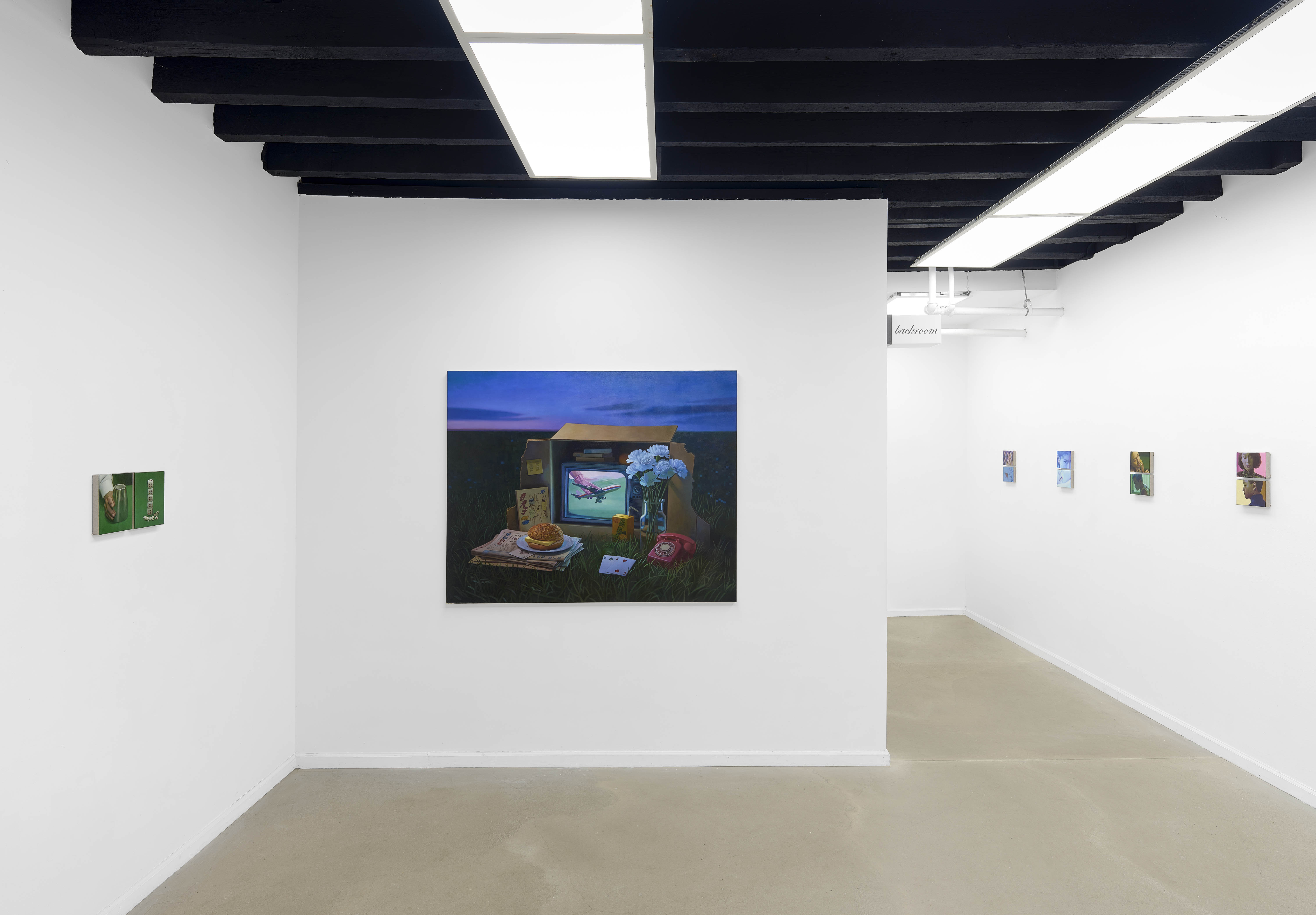
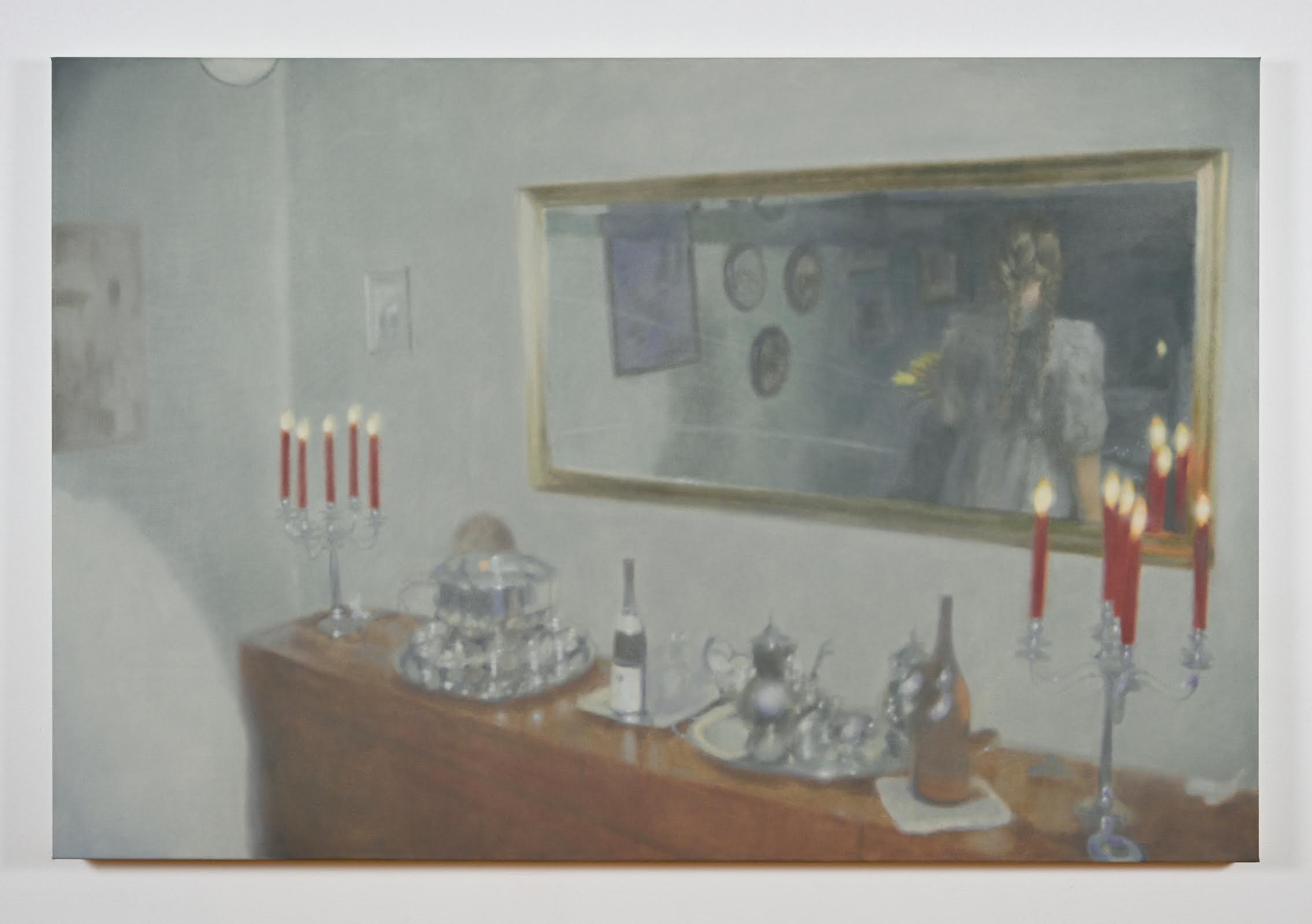
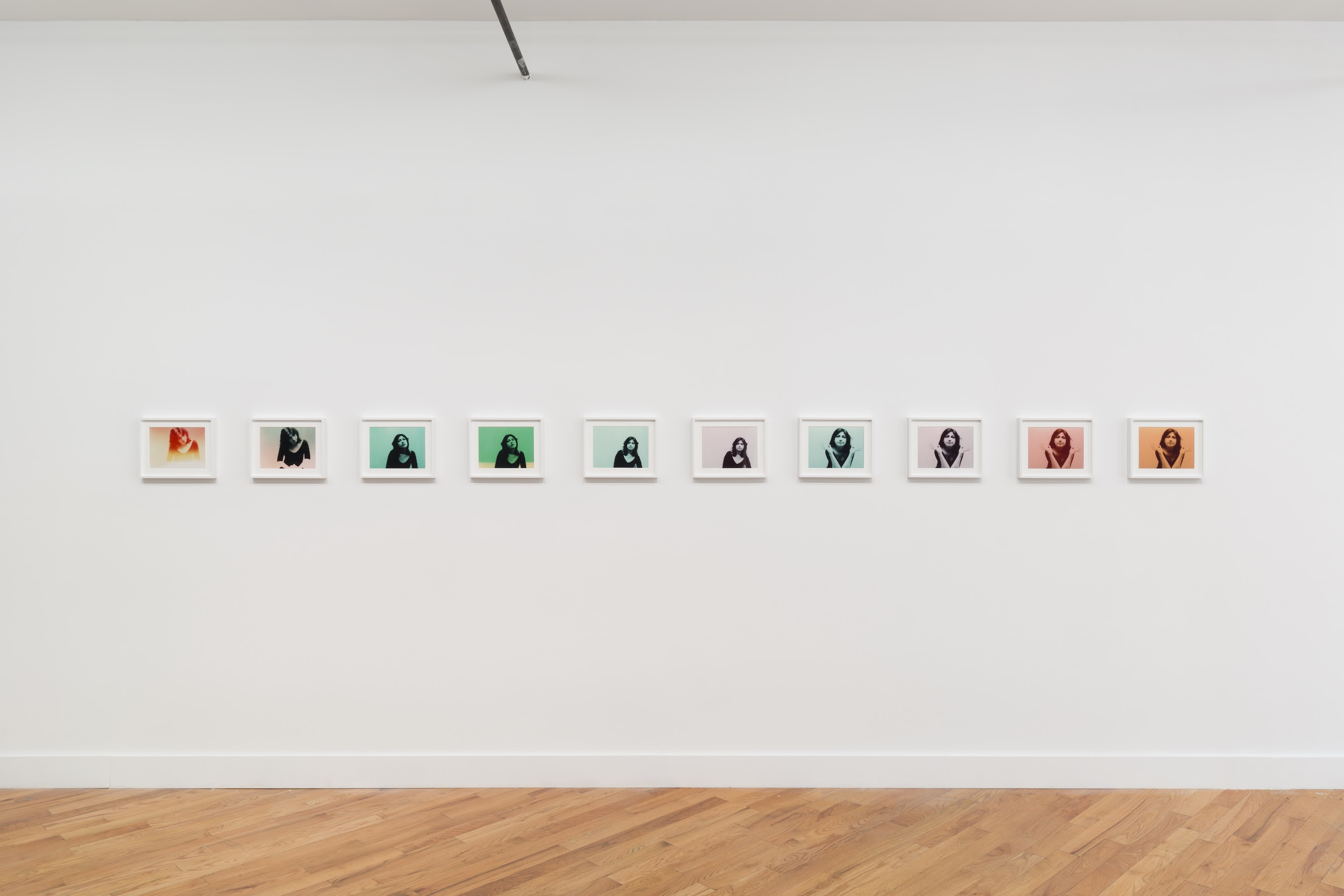
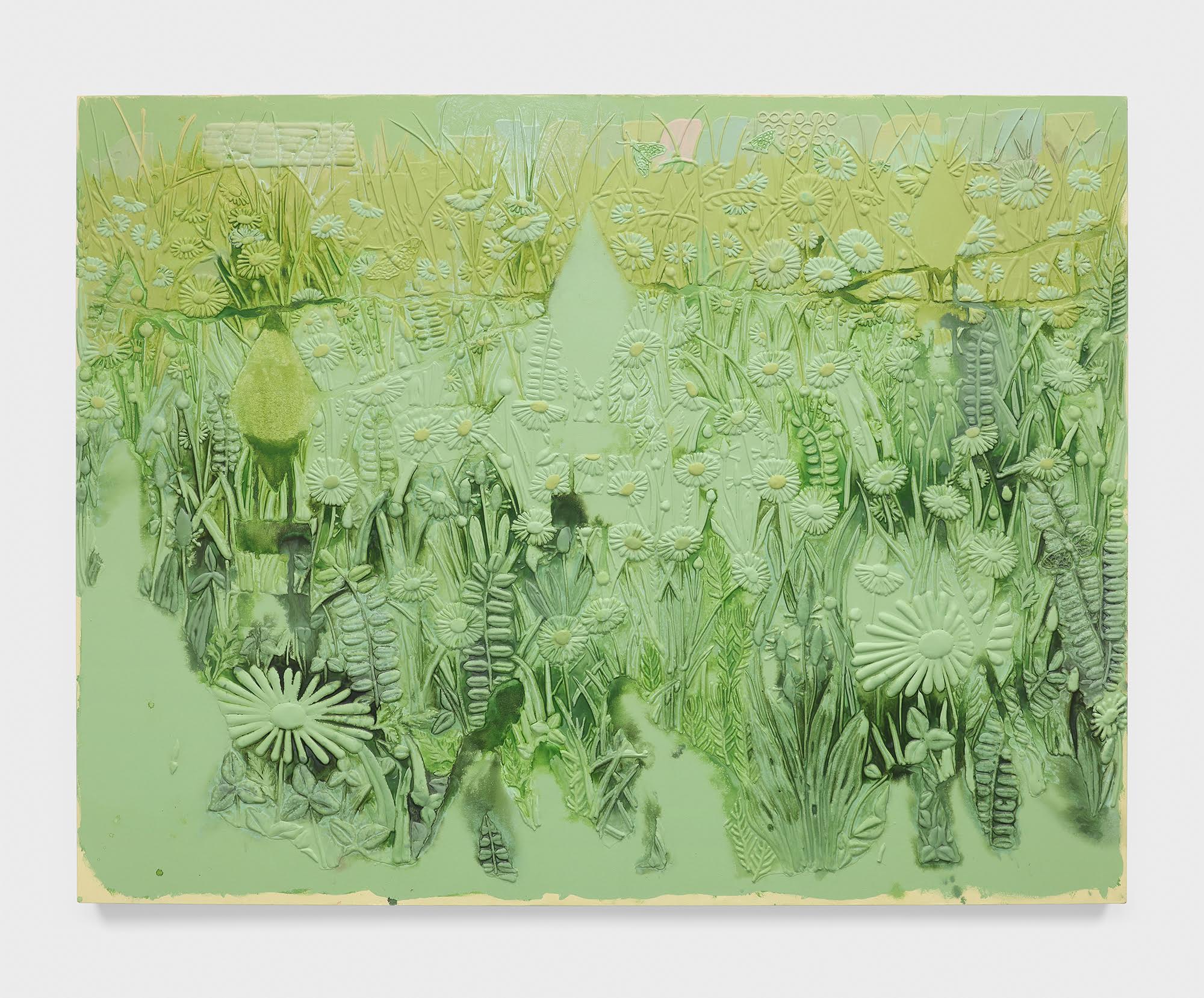
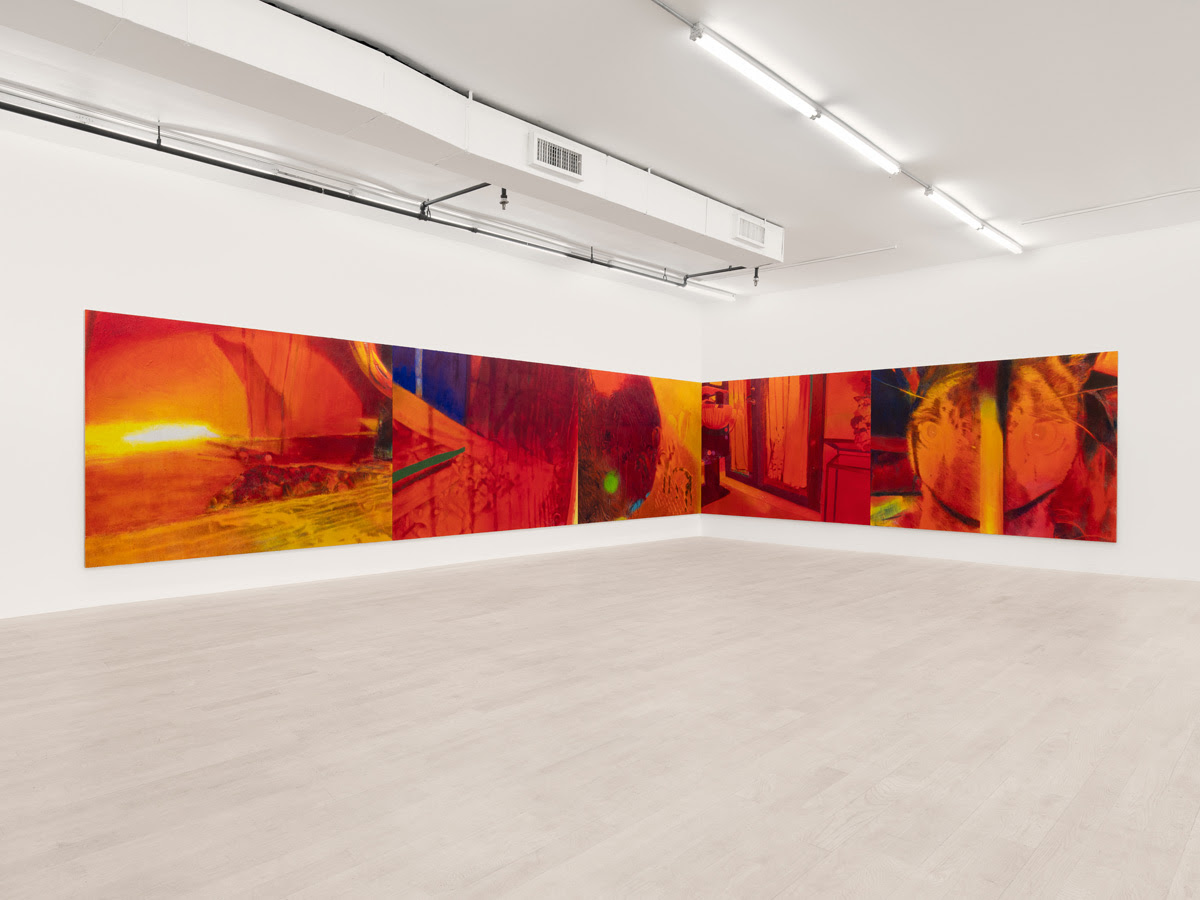
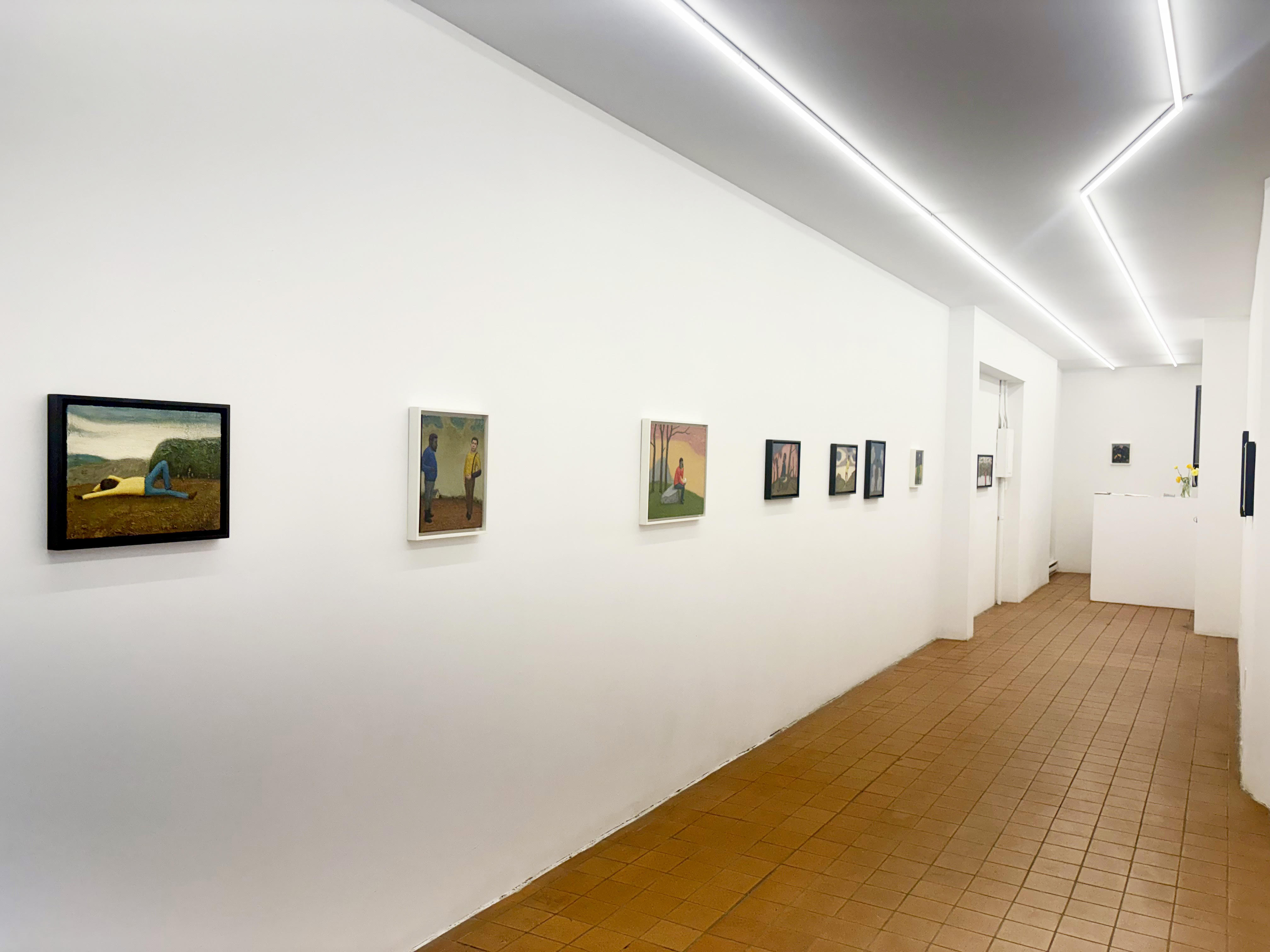
The current exhibition, titled Welcome at the Barro Gallery, presents the public with three notable pieces. “Villa II” is a circular work that revisits the classic format of the tondo, made in clay. This piece depicts scenes from peripheral neighborhoods in various locations, including Buenos Aires, Dharavi, and Rio de Janeiro. “The Wall”, created in collaboration with filmmaker Albertina Carri, is an electronic painting that references “Palabras Ajenas”(The Word Of Others) by León Ferrari, incorporating contemporary audiovisual materials related to the Coronavirus disease (Covid-19) pandemic, framed uniquely with plasticine bricks. Lastly, the series “Cada cual tendrá derecho a su propio rectángulo” (Each will have the right to their own rectangle) consists of oil paintings capturing the gazes of figures from the art circle close to Mondongo, reflecting the virtual connections made during quarantine times.
Welcome highlights the inherent connections between various urban experiences, emphasizing their relevance in the global south landscape. The exhibition challenges pre-established perceptions and offers a deep insight into the social complexities related to marginality and media power. This space stands as a statement of vindication and a critical reflection on structures that have historically sidelined certain communities in the Global South. In this way, Mondongo contributes to the contemporary artistic and political discussion, in a context shaped by the aftermath of the pandemic and an ever-evolving international scenario.
Mondongo is an artist collective that has been working together since 1999, currently formed by Juliana Laffitte (Buenos Aires, 1974) and Manuel Mendanha (Buenos Aires, 1976). Their works call into question the conceptual relation between materiality and image. In their productions they hold discussions about themes like power, work, economy and sexuality, and generate different readings through freedom in the use of materials, taking the attention to detail on their works beyond conventions regarding size, complexity and potentiality. By using unconventional materials, such as colorful mirrors, cookies, bread, meat, threads and plasticine, manipulated with original techniques and selected according to their content, they create ironic, fantastic and critical settings, always favoring the narrative sense.
Their most recent projects include Conejos Blancos (Barro, Buenos Aires, 2021), Tres (Barro, Buenos Aires, 2017), Home - So different so appealing (LACMA, Los Angeles, 2017), How to read el Pato Pascual: Disney’s Latin American y Latin American Disney’s (Mak Center, California, 2017), Mondongo (MAXXI, Museo Nazionalle Delle Arti del XXI Secolo, Roma, 2016; Museo Provincial de Bellas Artes Franklin Rawson, San Juan; Museo Provincial de Bellas Artes Emilio Caraffa, Córdoba; Museo Nacional de Bellas Artes de Neuquén; 2014).In the past few years they have developed many performances such as Autómata (Track 16, Los Angeles, 2018); No soy tan joven como para saberlo todo (Arco Madrid, Madrid, 2107; Bienal de Performance BP 15, Buenos Aires, 2015), among others. Mondongo’s works form part of important collections worldwide such as Museum of Fine Arts (Houston, Texas); Museo de Arte Moderno de Buenos Aires, (Buenos Aires); Colección de Arte Amalia Lacroze de Fortabat (Buenos Aires); and numerous private collections (Zurich, Londres, Bruselas, Dubai). They live and work in Buenos Aires