Opens Thursday
Juliana Cerqueira Leite
Work
Nov 12, 2026 – Jan 9, 2027
More from Juliana Cerqueira Leite on Gallop
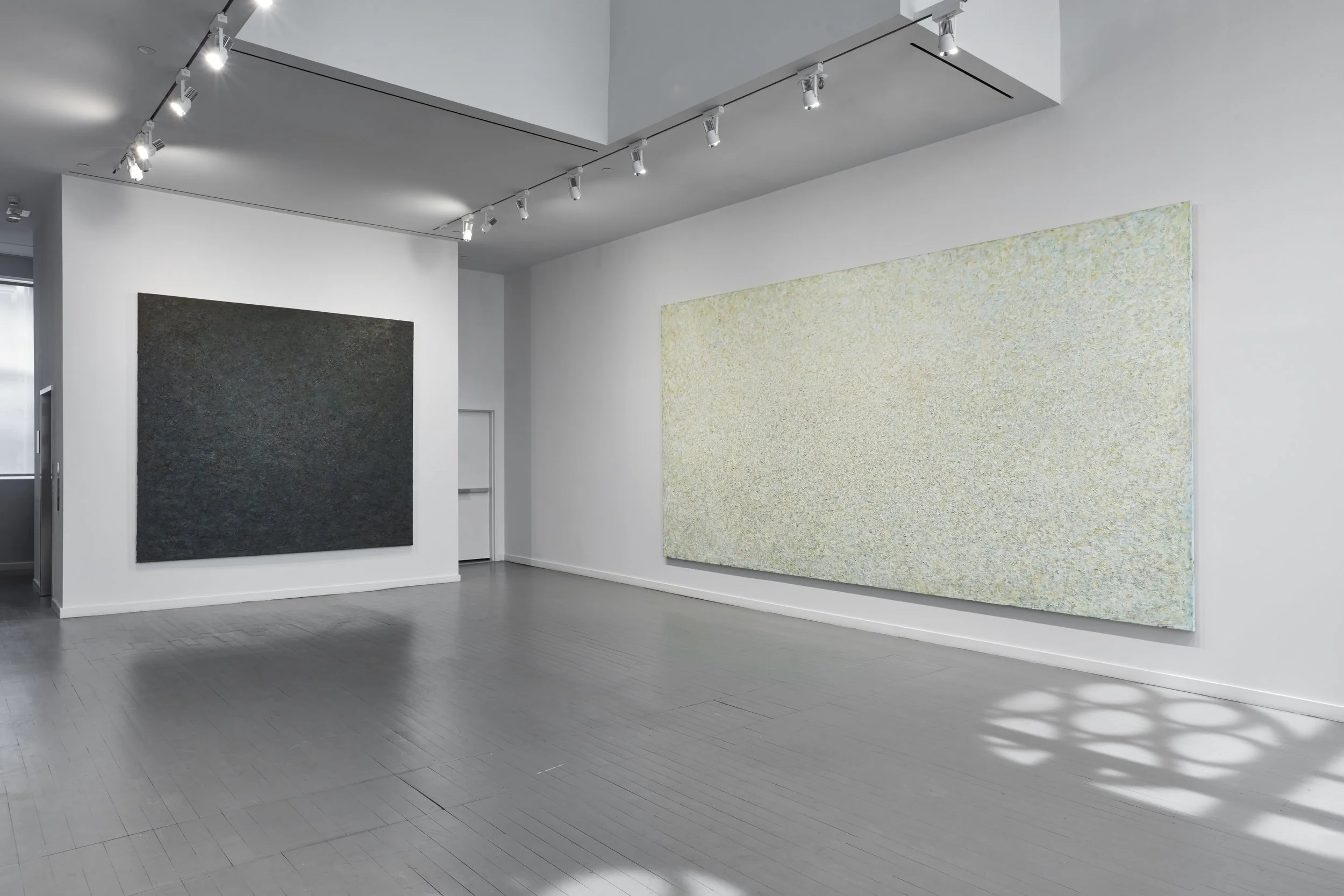
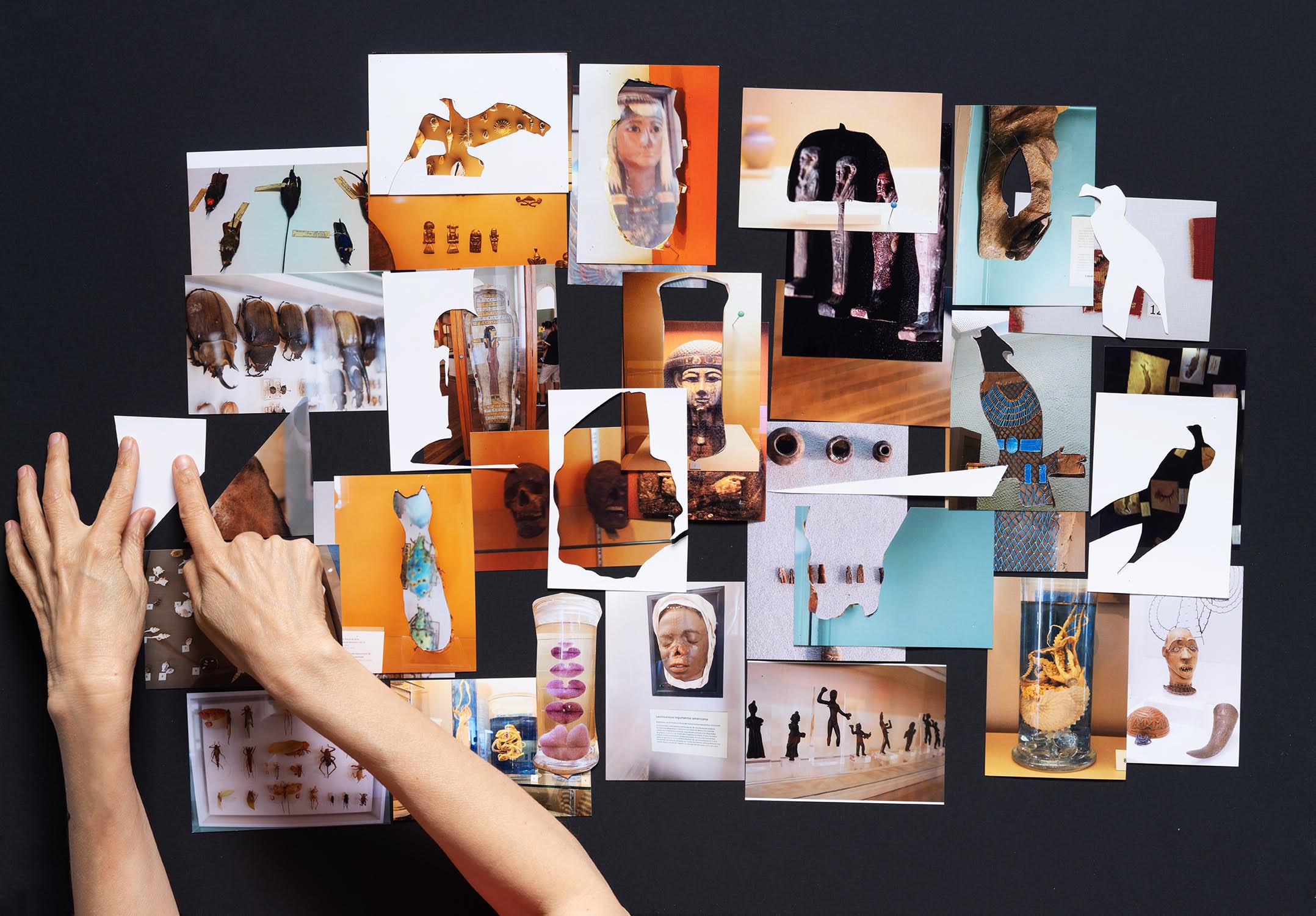
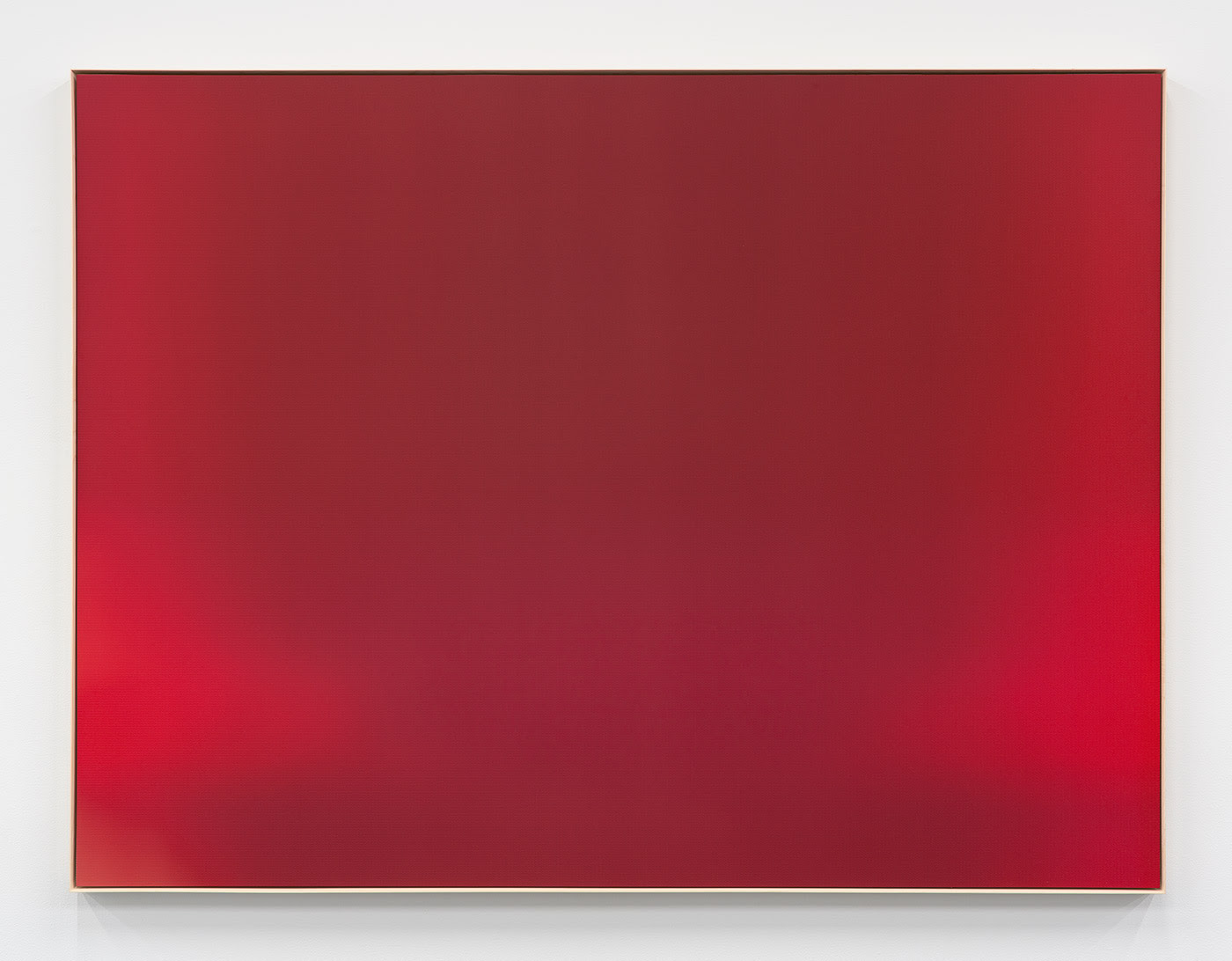
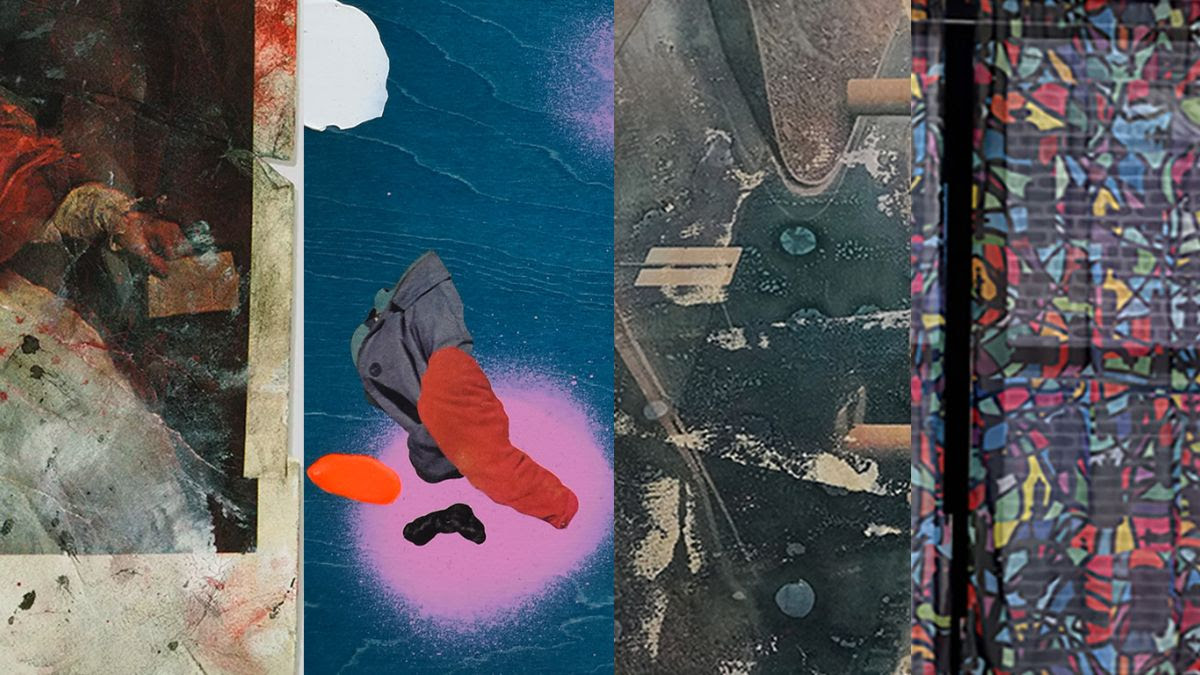
In work, her second solo exhibition with Proxyco Gallery, Brazilian artist Juliana Cerqueira Leite presents sculptures and a film inspired by the photographic motion studies of workers made in the early 1900s by industrial management consultants Frank and Lillian Gilbreth.
Human labor is creative. It precedes capitalism. In Capital, Vol. I, Marx defines it as the human ability to transform nature into use-values: useful things which fulfill a human need. A person “sets in motion the natural forces which belong to his own body, his arms, legs, head and hands, in order to appropriate the materials of nature in a form adapted to his own needs.” By laboring, a person realizes their own purpose, something that previously only existed in their imagination is materialized.
The labor process in capitalism serves a different purpose: producing profits. Our human ability to transform nature is commodified. Marx calls this commodity ‘labor power.’ Capital buys this special commodity because it generates more value than it costs. During the workday, the worker’s capacity to produce belongs to the capitalist, who pays them a wage, enough for them to replenish their mental and physical energy, and work again on the next day. Labor is then the substance of value, which is measured in labor-time. By extending and intensifying labor time, more value, therefore more profits, can be extracted.
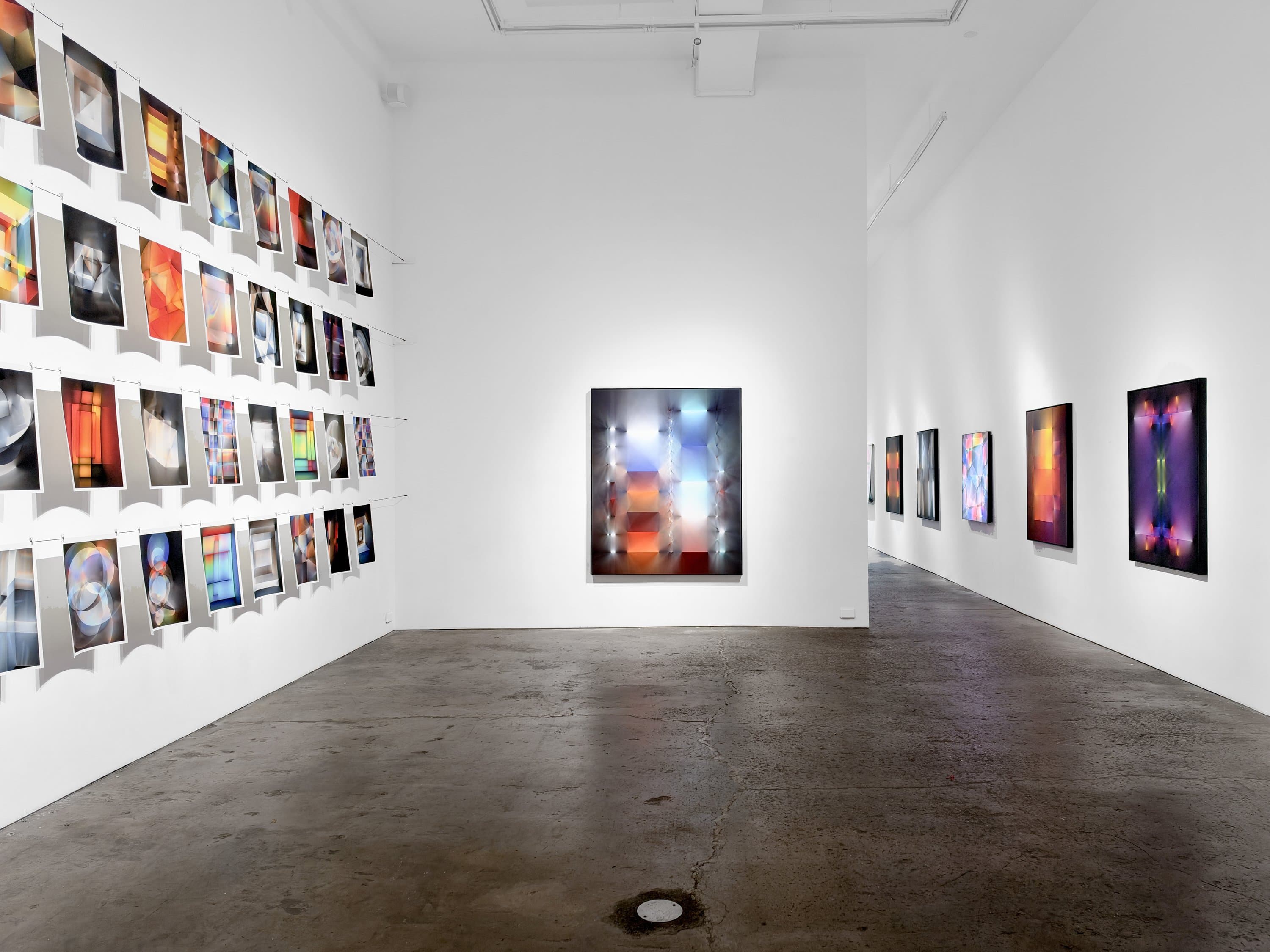
The Gilbreths photographed and studied worker movements meticulously to measure and increase productivity. They attached small electric lights to the index fingers and foreheads of workers, generating bright lines of motion on dark, long exposure photographs. Their technique, called chronocyclegraphy, offered a new vision of the working body in the factory, not as body, arms and legs, but as a luminous field of energy.
Also, capitalism transformed the labor process through division of labor, large-scale industry, and the development of technology. Workers’ pace is dictated by machines, and little by little they have lost their capacity to create use-values on their own – they became auxiliary. Taylorism, Fordism, Toyotism, and other management techniques drove this to extremes. Concrete labor disappears, labor in the abstract takes its place. Workers only make a movement, add a piece, push a button.
For this project, Cerqueira Leite hired four manufacturing workers and four clerical workers to execute a ten-second sequence of the movements they perform all day long at their jobs. These sequences are the basis of the films, sculptures, and drawings you see here.
In capitalism labor is average labor, abstract labor. An average factory worker in a highly repetitive manufacturing role makes between 10,000 and 25,000 repetitive movements per day. Each time, the worker transfers their energy to the commodity they are producing. Every day they need to replenish the energy they spent, every day they have a little less energy than the day before. Cerqueira Leite’s films – made in color 16mm and featuring original scores by British electronic musician and artist Nik Colk Void of the band Factory Floor – capture the energy spent by the workers she filmed, the ever-accelerating pace of the work they do, the beauty and precision of each of their movements, and also how monotonous and repetitive their actions are.
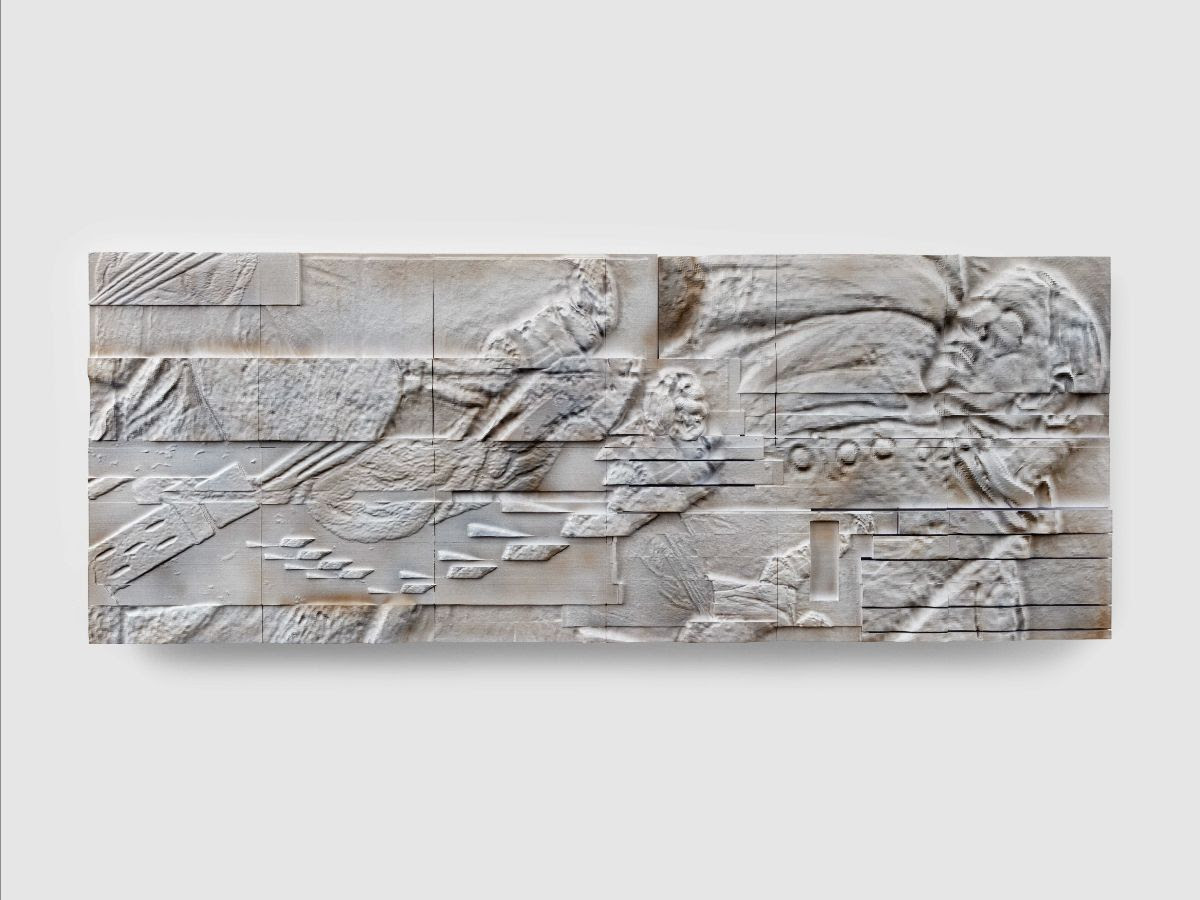
Learning and then mimicking these eight workers’ movements, Cerqueira Leite transforms materials like cold-bent stainless steel, gypsum composites, plaster bandages, pigment, glass fiber, bronze, and even a laptop into sculptures, materializing and solidifying their repetitive motion. Perhaps like workers’ bones and muscles stiffen with each movement they make.
Erika pastes covers onto photo albums; Clifton opens a crate filled with live chickens and hangs them upside down by the feet onto a conveyor belt for slaughter; Robert pulls a metal tool part from a furnace and places it on a die to be stamped before passing it on down the line; Tomás attaches the molding onto a tailgate while assembling a pickup truck; Danny digitizes and scans mail; Carol stuffs envelopes; Serena types ‘To whom it may concern’; Lancell answers and directs calls.
In a capitalist production process, these workers are labor in the abstract; in these artworks, they have names. At their regular jobs, they get paid $21 per hour on average. This project paid them $150 per hour, the hourly rate of a professional dancer. In thinking about this, some questions arise: What is the value of an artist’s hour of work? The artworks that you see in this exhibition combine the labor of many workers: those who extract and process the materials, the factory worker, the dancer, the artist… What is the value of the work they make? Or, in general, what’s the value of work? Or even, whose work is valuable and whose is not?
— Lygia Sabbag Fares
Lygia Sabbag Fares is an assistant professor of economics at John Jay College. Her research focuses on capitalism, labor, and feminist political economy.